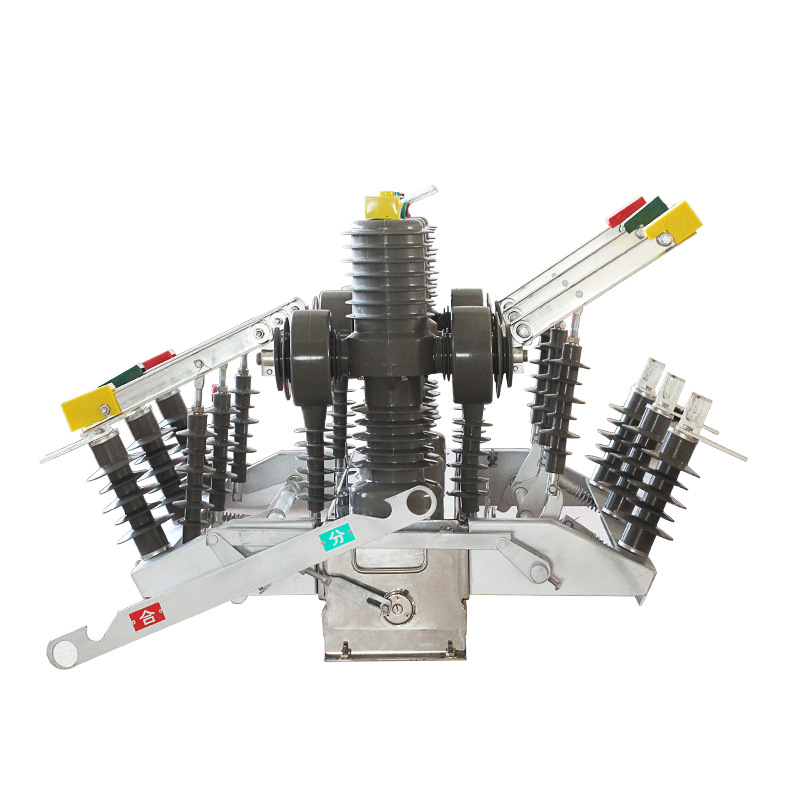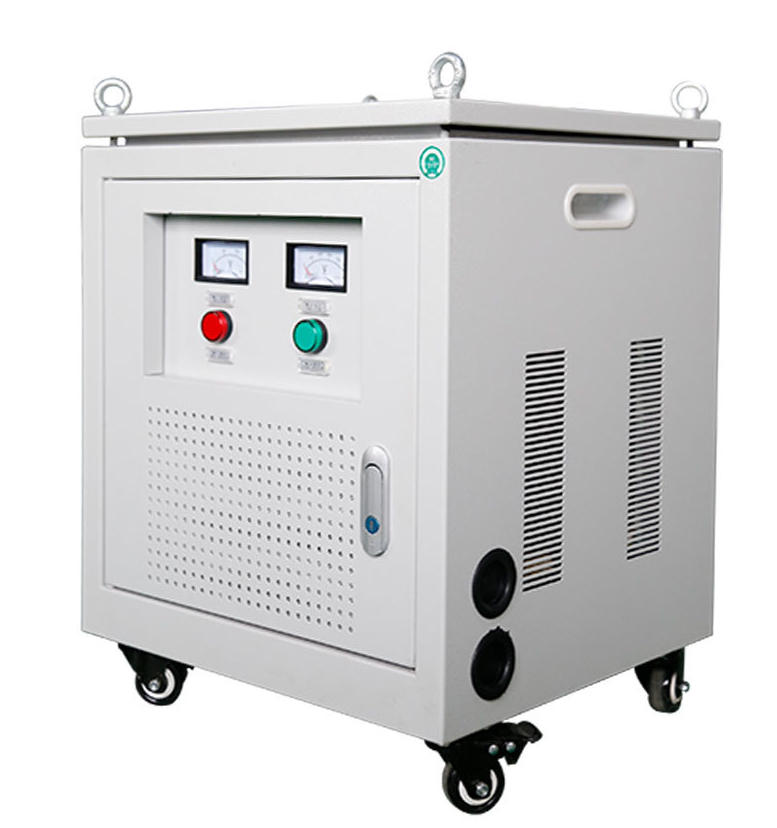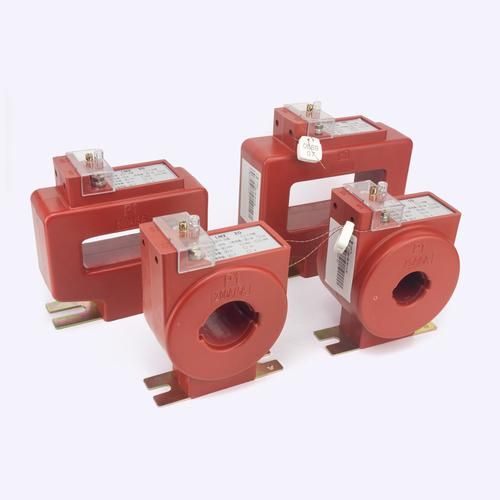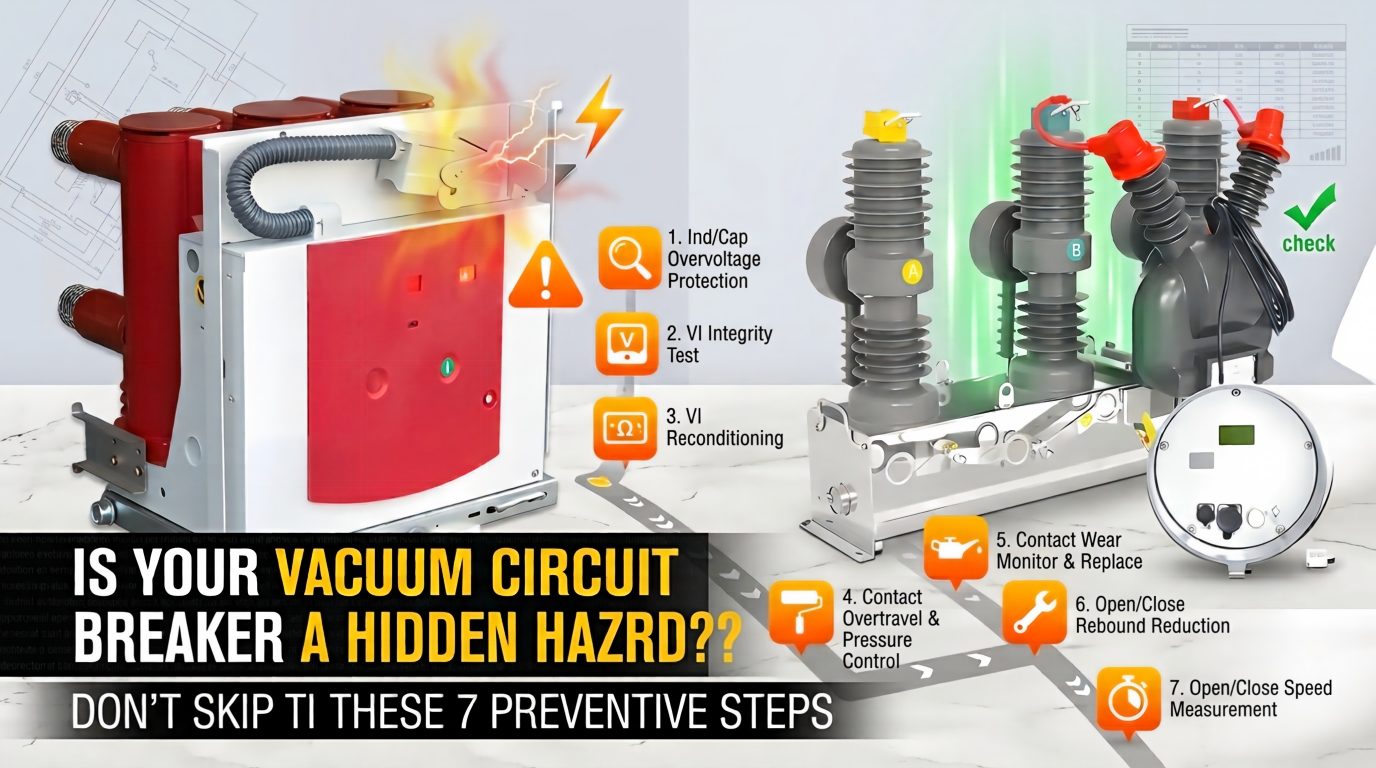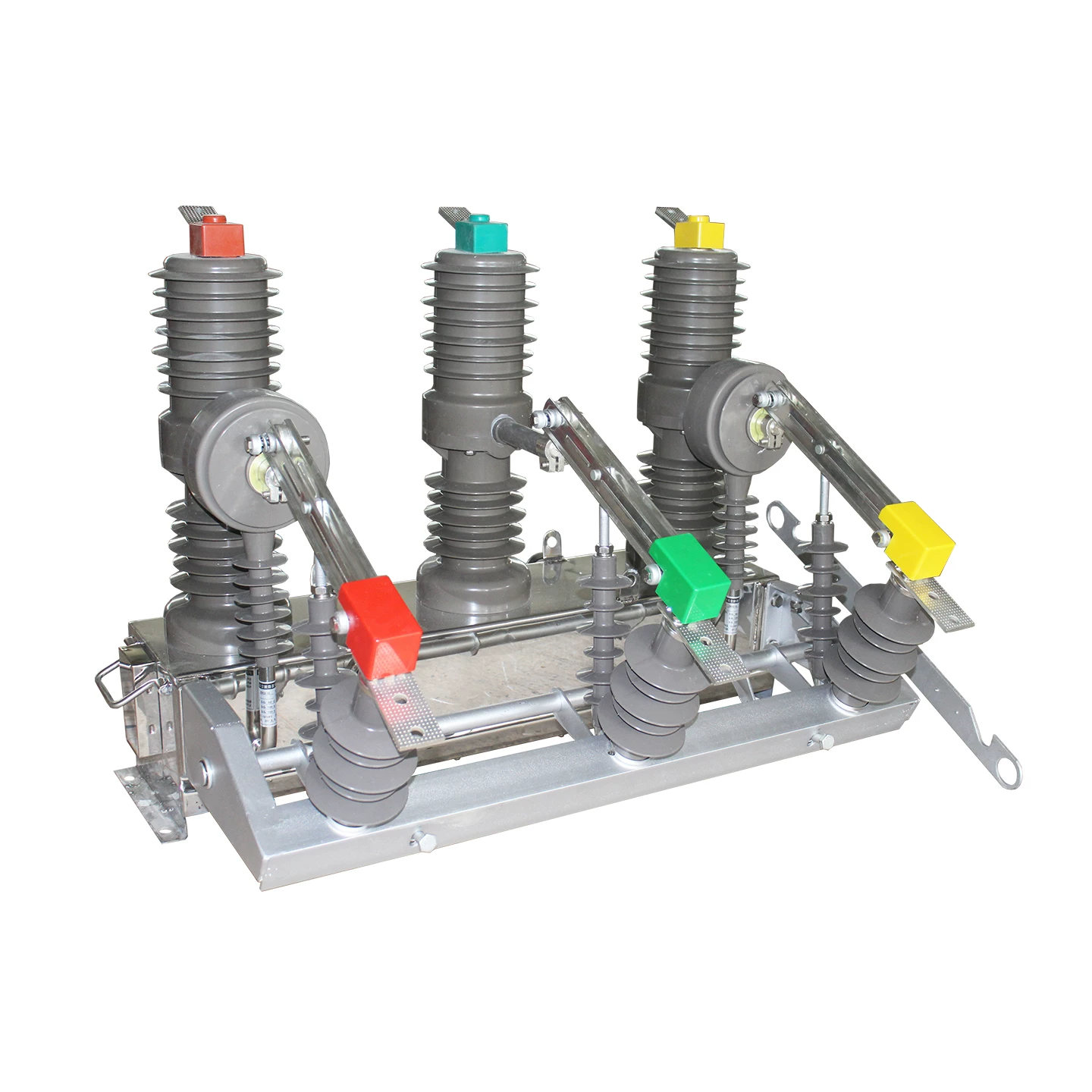
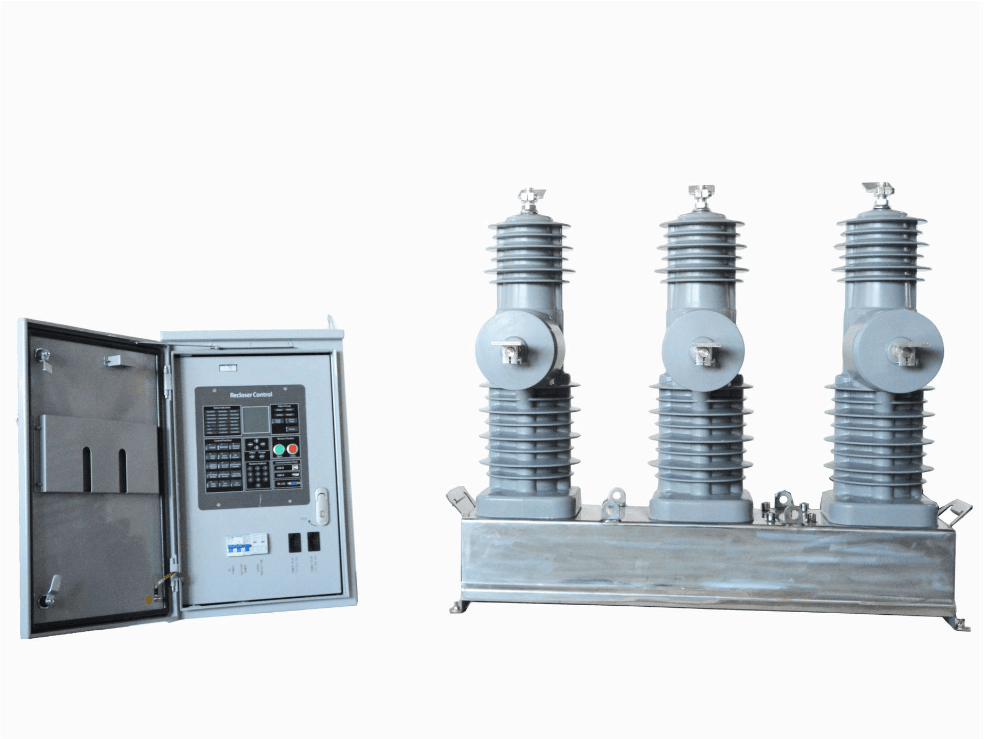
An auto recloser is an automatic, high-voltage electric switch. You can find it in overhead distribution networks. It stops the flow of electricity when there is a temporary fault. This can happen if lightning strikes or a tree branch falls. Most faults in these systems last only a few seconds. Auto reclosers turn the power back on quickly and safely. This helps reduce outages and makes your electrical network more reliable.
Key Takeaways
An auto recloser is an automatic switch. It brings power back after a short problem. This helps stop long power outages.
It finds faults by itself. It can reset without people helping. This makes it different from regular circuit breakers.
Auto reclosers can make outage times much shorter. They can cut outages by up to 80%. This helps homes and businesses stay powered during short faults.
They work fast. They try to bring power back in seconds after a fault is gone.
You can change the settings. This lets you pick how sensitive and quick it is. This makes things safer and more reliable.
A remote control lets people use it from far away. This saves time and means fewer trips to fix things.
Regular check-ups are important. They help auto reclosers work well and stop bigger problems.
Auto reclosers are used in cities and in the countryside. They can handle different kinds of faults and conditions.
Auto Recloser Basics
Definition
An auto recloser is a special kind of switchgear. It works by itself in overhead distribution networks. You do not have to reset it after a fault. The auto recloser finds problems and fixes power on its own. This makes it different from other switches in electrical systems.
Auto Recloser | Traditional Circuit Breaker | |
|---|---|---|
Fault Detection | Finds faults by itself | Needs someone to fix it |
Restoration Capability | Turns power back on by itself | Needs someone to reset it |
Purpose | Stops outages from short faults | Protects from overloads and faults |
Main Function
The main job of an auto recloser is to stop electricity when it finds a fault, like lightning or a branch. It checks if the problem is gone. If the fault is gone, it turns the power back on. This happens very fast. The auto recloser can trip right away or wait a little. The first try to turn the power back on is after about one-third of a second. If the problem is still there, it waits longer before trying again. After three tries, if the fault is still there, it stays open to keep things safe.
Tip: Auto reclosers can cut outage times by up to 80%. They help keep your lights on during short problems in the network.
Key Role in Power Systems
Auto reclosers help keep your power steady and safe. They find and stop faults by themselves. They bring power back fast after short problems. This means you have fewer and shorter outages. Auto reclosers also stop faults from spreading to other parts. Putting them in the right place helps with voltage and saves energy. By working on their own, they make the power system better and more stable.
Auto reclosers cut down power interruptions and fix service by themselves.
They work best in networks with lots of short faults.
They help make sure homes, schools, and businesses have steady power.
How It Works
Fault Detection
You count on an auto recloser to find problems fast. It uses smart tools to spot faults like short circuits or surges. The device checks how electricity moves and looks for strange things. When it sees a problem, it acts quickly to keep your system safe.
Here are some main tools inside an auto recloser that help find faults:
Technology | Description |
|---|---|
Advanced communication capabilities | Let the device share data and watch electrical signals in real time. |
Adaptive protection algorithms | Uses special methods to find and sort faults correctly. |
Fault-recording capabilities | Saves details about faults, like voltage and current shapes. |
Cybersecurity measures | Uses safe ways to talk and checks who is allowed to connect. |
These features help keep your power network safe and working well. The auto recloser does not need you to check it all the time. It works by itself and sends alerts if something is wrong.
Automatic Reclosing
When a fault happens, the auto recloser opens the circuit to stop electricity. Most faults in overhead lines do not last long. For example, a branch might touch the line and then fall off, or lightning might hit and then go away. The auto recloser tries to bring power back by closing the breaker again. You do not have to do anything. The system tries a few times to close the breaker if the fault is not permanent. If the problem goes away, your power comes back fast. If the fault stays, the auto recloser keeps the line open to protect your equipment.
Note: Most faults in overhead systems do not last long. Automatic reclosing helps you get power back fast without waiting for help.
Sequence of Operations
The auto recloser follows steps when it finds a fault. You can see the steps in the table below:
Operation | Description |
|---|---|
Fault Detection | |
Open Operation | The recloser opens the circuit to stop the fault. |
Reclose Attempts | The recloser tries to close the circuit after at least 0.3 seconds. |
Lockout Stage | If the fault stays after up to 4 tries, it locks out. |
The time between each try to close the circuit changes. The first try happens very fast, in 0 to 5 seconds. The second try takes 10 to 20 seconds. The third try can take 10 to 30 seconds. This gives the fault time to clear before trying again.
1st Reclose: 0 – 5 seconds
2nd Reclose: 10 – 20 seconds
3rd Reclose: 10 – 30 seconds
If the auto recloser cannot fix the problem after several tries, it stays open. This keeps your system safe and stops damage.
Features
Automatic Operation
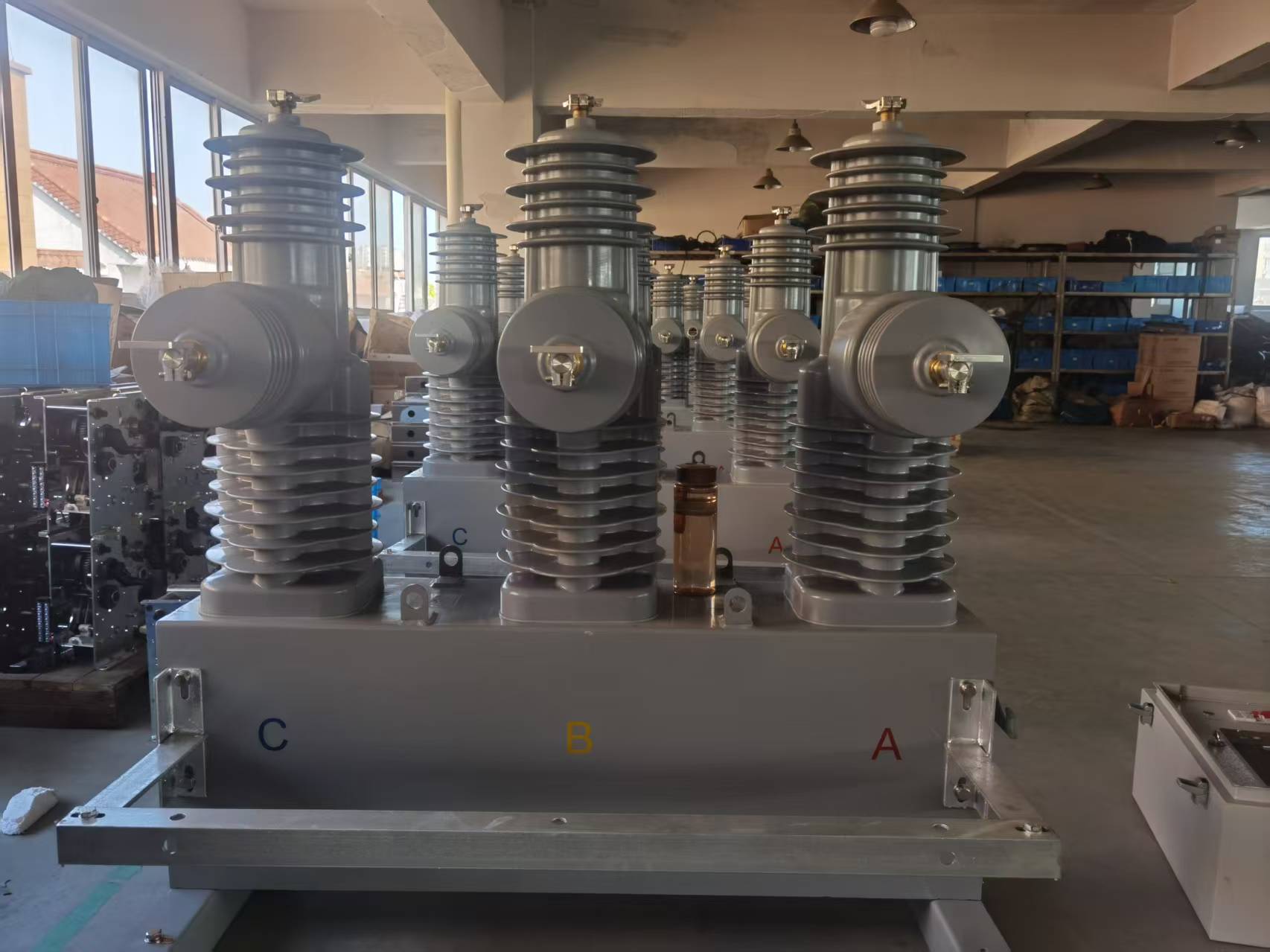
Auto reclosers work by themselves when there is a fault. They find problems and stop electricity without your help. The device opens the circuit fast if it senses trouble. If the fault goes away, it tries to turn power back on. Most faults, like lightning or branches, last only seconds. Auto reclosers act quickly to keep your lights on and devices safe.
It cuts down on downtime and makes your system more reliable.
You do not have to reset the switch yourself.
Automatic operation gives you quicker fixes and less waiting for help.
Here is a table that shows how auto reclosers and circuit breakers are different:
Feature | Circuit Breaker | Auto Recloser |
|---|---|---|
Primary Function | Stops current during faults | Turns power back on after faults automatically |
Resetting Mechanism | Needs a manual or automatic reset after tripping | Resets itself many times before stopping faults |
Efficiency | Takes longer to fix because of a manual reset | Cuts downtime by turning power back on fast |
Role in Electrical Systems | Protects people and equipment during faults | Keeps service going and stops big problems |
Adjustable Settings
You can change auto recloser settings to fit your network. These settings help you handle new problems and keep things safe. You might want to make it more sensitive to catch small faults. Fast trip settings help shut off power quickly when needed. You can pick single-shot or multi-shot modes for how it reacts.
Sensitivity helps find faults that could start fires.
Fast trip settings shut off power quickly in danger.
Modes let you choose how the auto recloser acts.
Adjustable Setting | Impact on Performance |
|---|---|
Configurable Protection | Makes protection fit your grid and keeps it flexible. |
Sensitivity Adjustments | Finds hard-to-see faults and helps spot problems. |
Fast Trip Settings | Shuts off power fast in risky times to stop fires. |
Operational Modes | Lets you pick single, multi, or timed shots for fault response. |
You can change these settings anytime to keep your system safe and working well.
Remote Control
A remote control lets you work from far away, which helps with hard-to-reach power lines. You can use special tools to run and check the auto recloser from a distance. This means fewer trips to the site and lower costs. You can fix faults and bring back service fast without sending workers.
A remote control lets you run switches in places with no staff.
You save time and money by doing less manual work.
Fast fixes keep your network working well.
Remote control helps you fix problems faster and use your team better.
Benefits
Reliability
You want your power to stay on as much as possible. An auto recloser helps you reach that goal. It acts quickly when a problem happens on the line. The device checks for faults and restores power if the problem goes away. This means you do not have to wait for a worker to come and fix the issue. Your lights and devices come back faster.
When you use an auto recloser, you see fewer long outages. The device tries to close the circuit several times before it gives up. If you reduce the number of reclosing attempts, you get more momentary outages and longer average outage times. The table below shows what happens when you change the number of reclosing attempts:
Reclosing Attempts | Momentary Outages Increase | Average Outage Duration Increase |
|---|---|---|
From 3 to 2 | 0.12 min (7.2 s) | |
From 3 to 1 | 894 | 1.25 min (75 s) |
You can see that more reclosing attempts help keep your power more reliable.
Reduced Outages
You do not want to lose power for long periods. Auto reclosers help you by cutting down the time your power is off. Most faults in overhead lines last only a few seconds. The device opens the circuit, waits, and then tries to restore power. If the problem clears, your service comes back right away.
You get fewer long outages.
Short faults do not turn into big problems.
Your home, school, or business stays powered.
Tip: Auto reclosers can reduce outage times by up to 80%. You get back to normal life faster after a short fault.
Safety
You care about safety for your family and your equipment. Auto reclosers help you by stopping dangerous faults quickly. The device opens the circuit as soon as it finds a problem. If the fault stays, it keeps the line open to protect you and your property.
The device keeps workers safe by reducing the need for manual resets.
It stops fires and damage by acting fast.
You get alerts if something is wrong, so you can act quickly.
Auto reclosers make your power system safer and more reliable. You can trust them to protect you and your community.
Applications
Distribution Networks
Auto reclosers are used in overhead distribution networks. They help keep power on when faults happen. These devices work in cities and in the countryside. In rural areas, lightning or tree branches can cause problems. In cities, pollution or objects can cause faults. Auto reclosers fix these issues fast. You do not need a worker to reset them. This makes your network stronger and cuts down on power loss time.
Urban and Rural Use
Urban and rural systems have different problems. Auto reclosers help with these faults. In the countryside, trees, animals, and storms cause trouble. In cities, pollution and objects cause more faults. The table below shows how each fault affects these places:
Fault Type | Description | Impact on Urban vs. Rural Distribution |
|---|---|---|
Lightning Strikes | Lightning causes short faults on overhead lines. | Both areas get hit, but cities have more things at risk. |
Tree Contact | Trees near lines can cause faults, especially in storms. | Happens more in rural places with lots of trees. |
Animal Interference | Animals touching lines can cause faults. | Both areas see this, but rural places have more animals. |
Insulator Flashovers | Dirty or old insulators can cause faults, especially when wet. | Cities have more pollution, hurting insulators. |
Wind and Ice | Wind or ice can make wires touch and cause faults. | Both areas get this, but rural places have worse weather. |
Tip: Auto reclosers change to fit each area’s needs. You get less downtime and faster fixes, wherever you live.
Industrial Settings
Factories and big buildings need steady power. Auto reclosers help a lot in these places:
They use strong magnets or spring parts for good reliability.
Smart controllers let you run the system from far away.
Power comes back fast, so you save energy.
You spend less time and money fixing things because the device works by itself.
Your power system gets more reliable.
Many companies see over 30% better efficiency after using auto reclosers. Smart features help you find faults and cut downtime. Your machines keep working and your equipment stays safe.
Types of Auto Recloser
Single-Phase
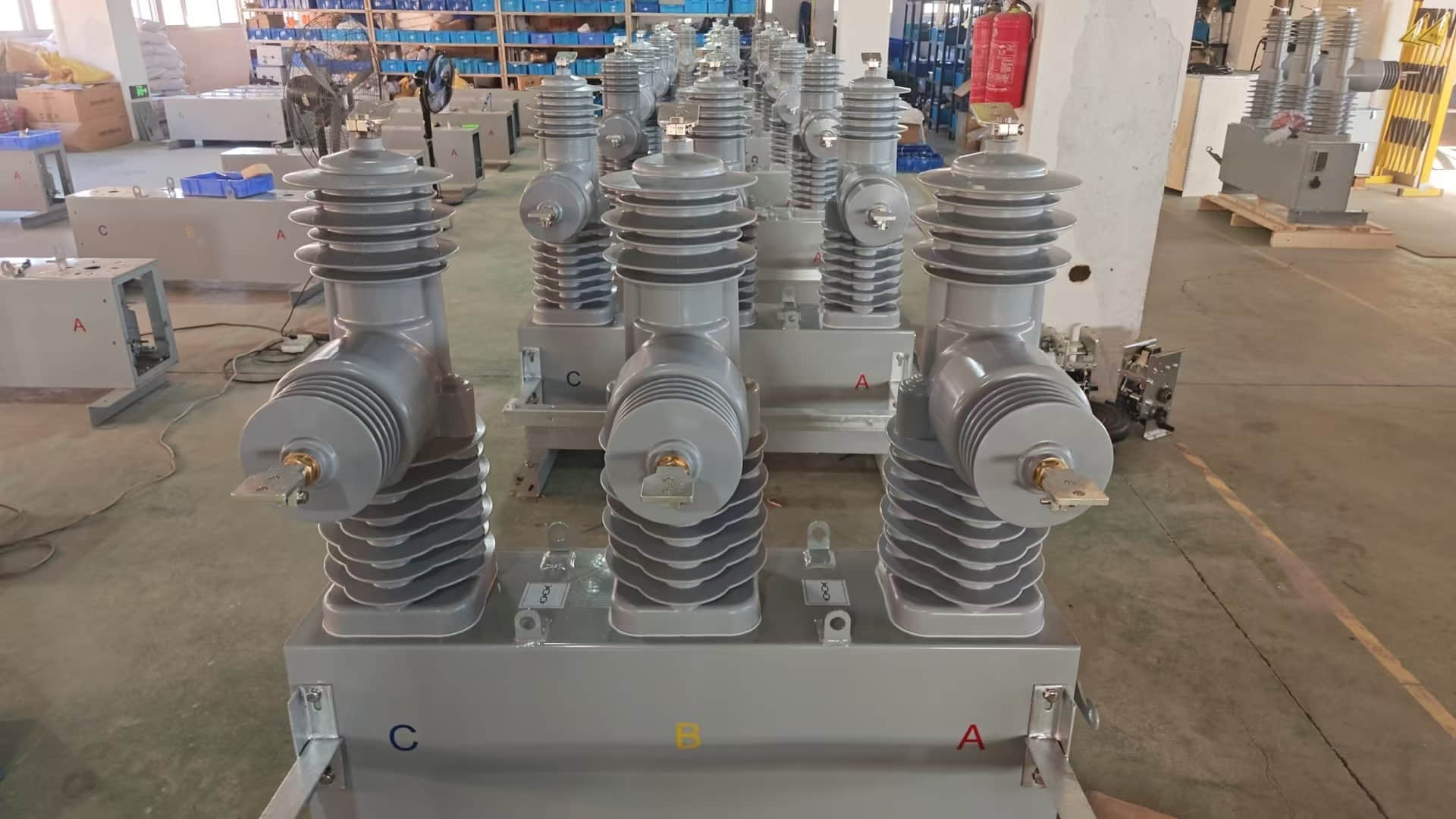
Single-phase auto reclosers are used on lines for homes and small shops. These devices work on just one phase at a time. If there is a fault, only the bad phase turns off. The other phases keep working like normal. This means fewer people lose power when something goes wrong. You get better service and less time without power.
Single-phase auto reclosers use smart logic to handle open-phase problems. They must watch for uneven loads and keep the system steady. This type is best when you want most people to have power, even if there is a problem.
Tip: Single-phase auto reclosers help keep your lights on, even if one line has a fault.
Three-Phase
Three-phase auto reclosers work on all three phases together. When a fault happens, all phases turn off at the same time. This makes the protection logic easier to use. You do not have to worry about uneven loads or open-phase issues. But more people might lose power, even if only one phase has a problem.
Three-phase auto reclosers are good where you want to stop single-phasing, which can hurt equipment. They are easier to set up and work with other protection devices.
Here is a table that shows the main differences between single-phase and three-phase auto reclosers:
Feature | Single-Phase Auto Recloser | Three-Phase Auto Recloser |
|---|---|---|
Operation during faults | Keeps good phases working | Turns off all phases together |
Customer impact during outages | Fewer people lose power | More people may lose power |
Protection logic complexity | Needs smart logic for open-phase problems | Easier to set up and use |
Coordination | Harder because of uneven loads | Easier because all phases work together |
Best use case | When you want most people to have power | When you need to stop single-phasing |
Single-phase auto reclosers keep good lines working during faults.
Three-phase auto reclosers may cause more outages, but are easier to use.
Single-phase systems need smart logic for open-phase problems.
Hydraulic
Hydraulic auto reclosers use oil and moving parts to find and fix faults. You see these in many old power systems. They are simple and last a long time. Many people trust them because they have worked well for years. You do not need fancy electronics to use them.
Hydraulic auto reclosers need regular checks. You must look at the oil and moving parts to keep them working. These devices do not have a remote control or smart monitoring. If you want something basic and strong, hydraulic auto reclosers are a good pick.
Here is a quick comparison between hydraulic and electronic auto reclosers:
Feature | Hydraulic Reclosers | Electronic Reclosers |
|---|---|---|
Reliability | Known for being simple and tough | Has smart features like remote monitoring |
Maintenance Requirements | Needs more regular checks | Often checks itself, so you do less work |
Note: Hydraulic auto reclosers give you strong, simple protection, but you need to check them more often than electronic types.
Electronic
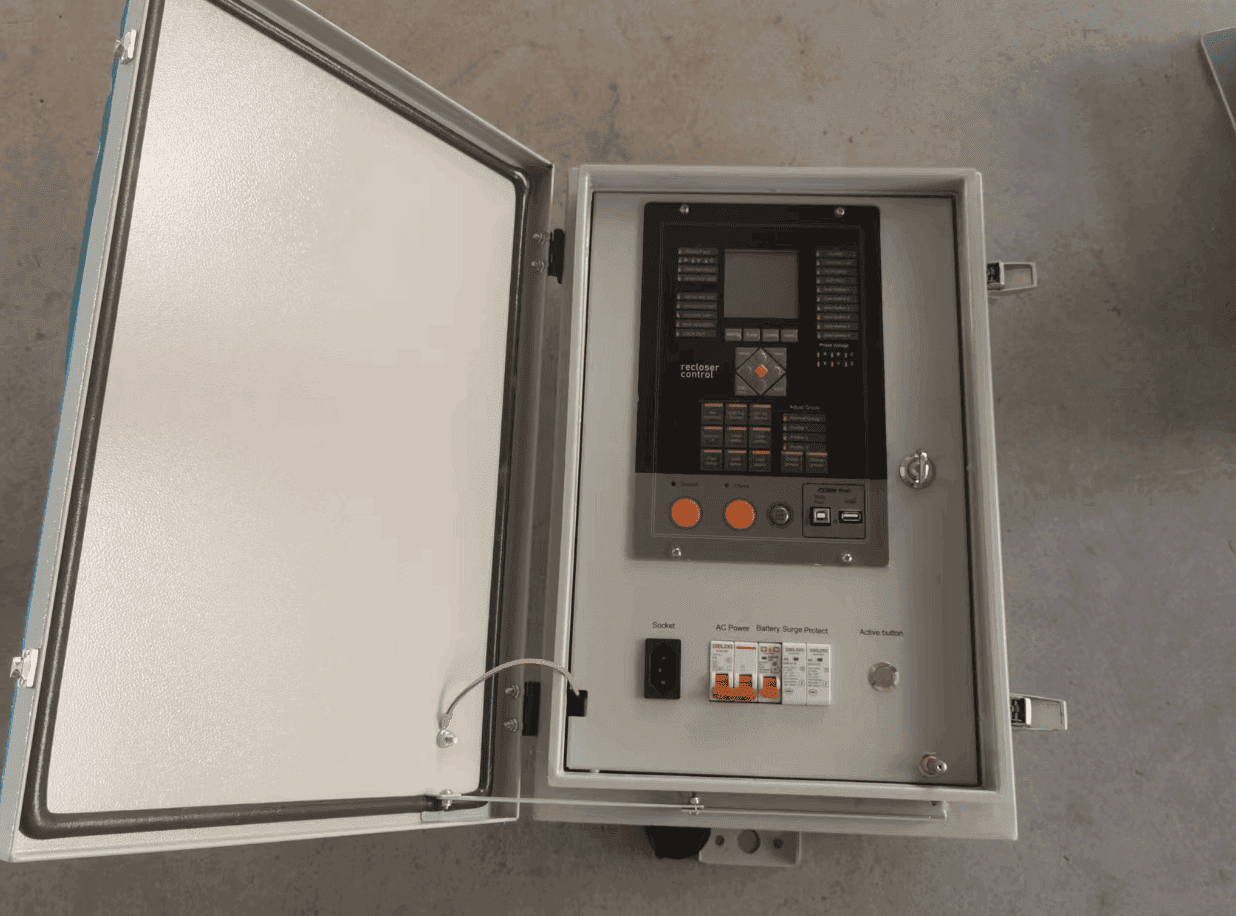
Electronic auto reclosers use special electronics to protect power lines. You see these in new power systems. They use sensors and microprocessors to find faults fast. Digital controls help fix problems quickly. These devices respond smartly to trouble.
Electronic auto reclosers give you many benefits. They do more than just open or close circuits. They record data and send alerts to you. You can control them from far away. You change their settings easily with a computer or control panel. This makes your work easier and keeps your network safe.
Key Features of Electronic Auto Reclosers:
Smart Fault Detection:
Sensors watch current and voltage for changes. They find faults faster and better than the old types.Programmable Settings:
You choose how the device reacts to faults. You pick how many times it tries to close the circuit. You set how long it waits between tries.Remote Monitoring and Control:
You check your recloser from your office or phone. You open or close the switch without going to the site.Data Logging:
The device saves records of faults and outages. You use this data to spot patterns and make your system better.Self-Diagnostics:
Electronic reclosers check themselves for problems. They tell you if they need repairs or maintenance.
Tip: Electronic auto reclosers help you save time and cut down trips to the field.
Here is a table to compare electronic and hydraulic auto reclosers:
Feature | Electronic Auto Recloser | Hydraulic Auto Recloser |
|---|---|---|
Fault Detection | Fast and accurate | Slower, less precise |
Settings | Easy to change | Harder to adjust |
Remote Control | Yes | No |
Data Logging | Yes | No |
Maintenance | Self-checks and alerts | Needs manual checks |
You find electronic auto reclosers where you need strong reliability. Utilities use them in cities, suburbs, and faraway places. You use them in smart grids and with renewable energy. These devices help keep lights on and protect equipment.
If you want to upgrade your power system, electronic auto reclosers give you more control and safety. You trust them to fix faults fast and keep your network working well.
Note: Electronic auto reclosers cost more than hydraulic ones, but you save money later with fewer outages and less maintenance.
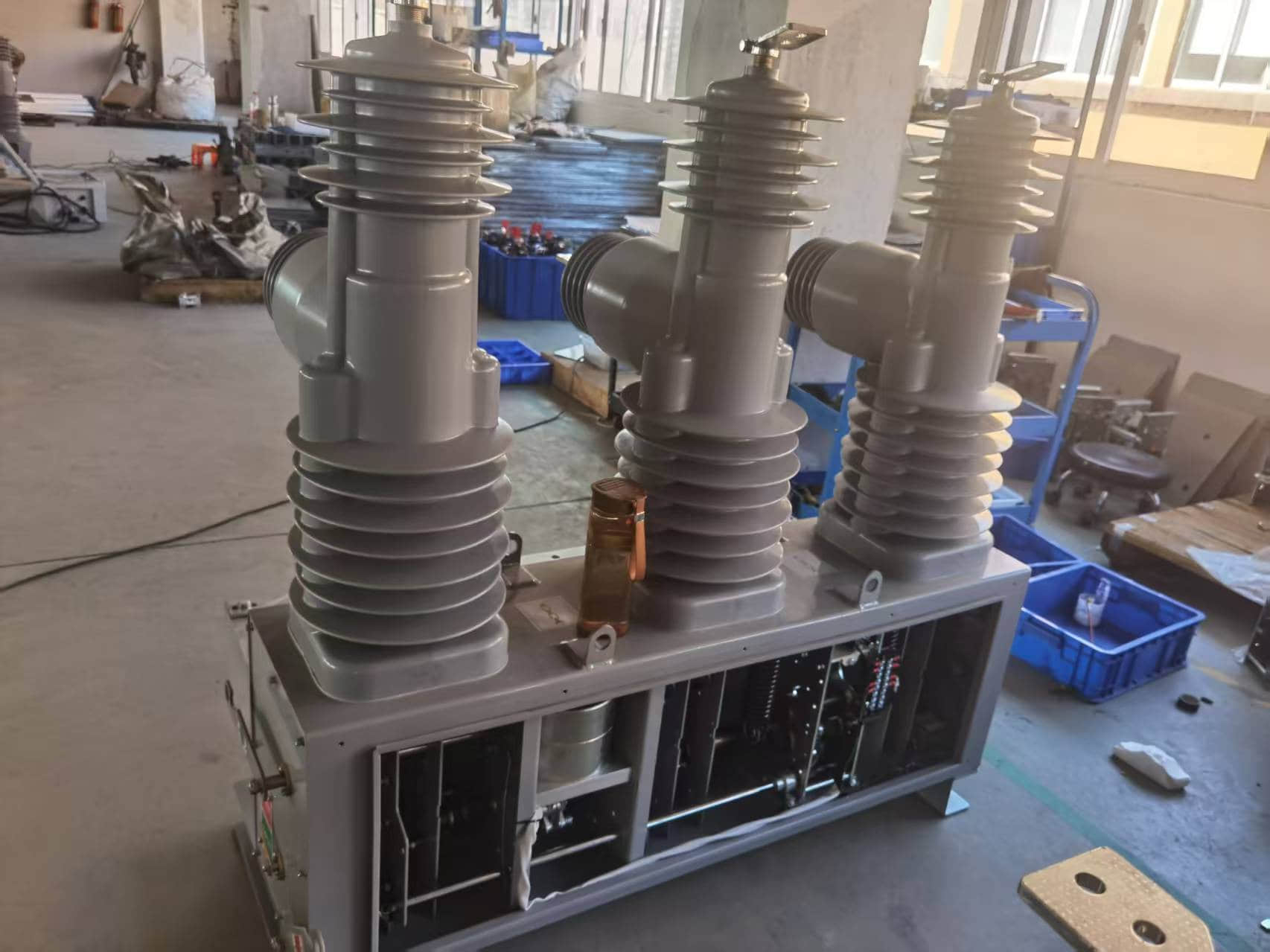
Considerations
Installation
When you put in an auto recloser, you want it to work well. It should help keep your power steady. Most auto reclosers go on utility poles in overhead networks. There are different types, so you can pick what fits best.
Here are some important things to remember when installing:
Put the auto recloser where it can fix faults fast and cut outage time.
Pick the right setup for your network, like single-phase or three-phase.
Add sensors to watch the lines. These help the auto recloser find problems quickly.
Choose the insulation type. Oil and solid insulation need different care and affect the environment in different ways.
Make sure you can reach the device easily for checks and repairs.
Keep the equipment safe from weather, animals, and other dangers.
Tip: A good setup helps your auto recloser last longer and work better.
Maintenance
You must take care of your auto recloser so it works when needed. Doing regular checks stops small problems from getting worse. You should follow a plan and use the right tools for each job.
Maintenance Practice | Description |
|---|---|
Follow the maker’s schedule based on tests and real use. | |
Condition-Based Monitoring | Use tools like vibration checks and thermal cameras to look at the device. |
Detailed Documentation | Write down all checks and repairs to spot problems early. |
Personnel Training | Teach your team to see warning signs and use the device safely. |
Lubrication Management | Use the right oil and keep it clean to stop failures. |
Environmental Control | Protect the device from heat, water, and dust with good covers and air flow. |
Immediate Issue Resolution | Fix small problems right away to stop bigger ones. |
Obsolescence Management | Plan for spare parts and know when you might need new ones. |
Note: Checking often and fixing problems fast helps your auto recloser protect your network for a long time.
Coordination
You want your auto recloser to work well with other protection devices. This keeps outages small and safe. Auto reclosers often work with fused cutouts and sectionalizers. Each device has its own job and timing.
Key Aspect | Description |
|---|---|
Coordination Importance | Set each device to act only when needed. This keeps outages small. |
Protection Device Goals | Isolate the problem and keep power on for as many people as possible. |
Computational Tool | Use special tools to set the best settings. |
Common Devices | Work with fused cutouts, sectionalizers, and other reclosers. |
Adjustment Methodology | Use tables and smart ways to set up devices for top reliability. |
Tip: Good teamwork between devices keeps your system safe and most people have power during faults.
If you plan for installation, maintenance, and coordination, your auto recloser will work its best. You also keep your equipment, your team, and your community safe.
You count on an auto recloser to keep power safe and reliable. The device quickly identifies problems and restores electricity. This means you have fewer times without power. In storms, like the one in Melbourne in February 2024, auto reclosers helped homes get power quickly. You get smart features and live checks. These help protect your grid and keep your lights on.
Cuts outages by turning power back on after short faults
Makes power more reliable by stopping long blackouts
Keeps your equipment safe by finding faults fast
FAQ
What is the main job of an auto recloser?
You use an auto recloser to stop electricity when a fault happens. It checks if the problem is gone and then turns the power back on. This helps keep your lights on and your equipment safe.
How many times can an auto recloser try to restore power?
Most auto reclosers try up to four times to bring power back. If the fault stays, the device keeps the line open for safety. You can adjust the number of tries to fit your needs.
Can you control an auto recloser from far away?
Yes, you can use a remote control to open or close the auto recloser. This helps you fix problems faster and saves time. You do not need to send workers to the site every time.
Where do you usually find auto reclosers?
You see auto reclosers on utility poles in overhead power lines. They work in cities, towns, and rural areas. You also find them in factories and large buildings that need steady power.
Do auto reclosers need regular maintenance?
Yes, you need to check auto reclosers often. You look for signs of wear, test the device, and make sure it works right. Good maintenance helps you avoid bigger problems and keeps your power system strong.
What is the difference between a circuit breaker and an auto recloser?
Feature | Circuit Breaker | Auto Recloser |
|---|---|---|
Resetting | Needs manual reset | Resets itself |
Tries to restore | No | Yes, tries several times |
Tip: Auto reclosers save you time by restoring power automatically.
Can auto reclosers help prevent wildfires?
Yes, you can set auto reclosers to trip fast during high fire risk. This stops sparks from faults. Quick action helps you lower the chance of fires starting on power lines.