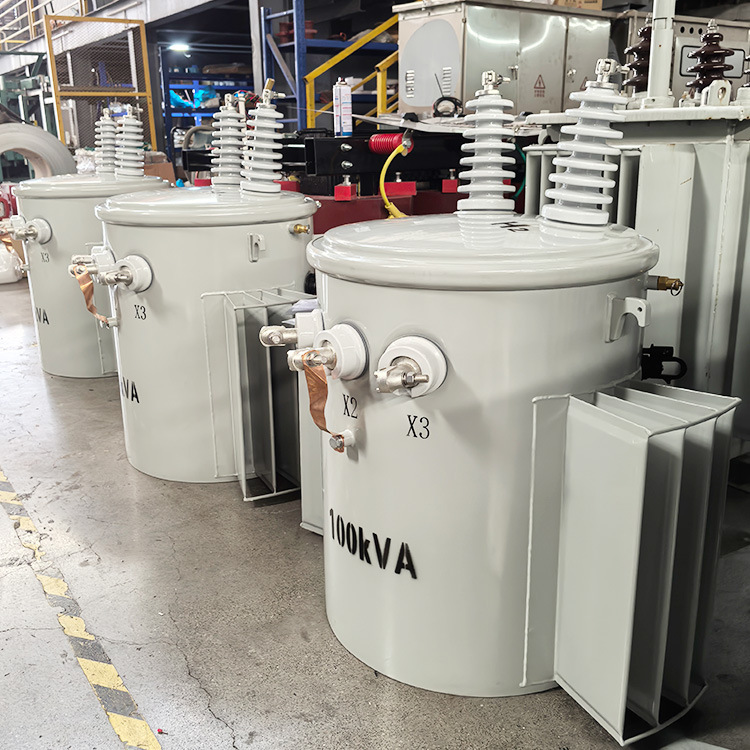
What Is a Pole Mounted Transformer?
When people ask me about pole mounted vs pad mounted transformers, I usually start with pole mounted units because they’re the classic “can on a pole” you see along overhead lines.
A pole mounted transformer is a medium-voltage distribution transformer installed high on a utility pole. Its job is simple but critical: step down overhead distribution voltage (often 7.2 kV, 13.2 kV, 24.9 kV, or similar in US systems) to the 120/240 V or 208/120 V levels homes and small businesses actually use.
Basic Design and Components
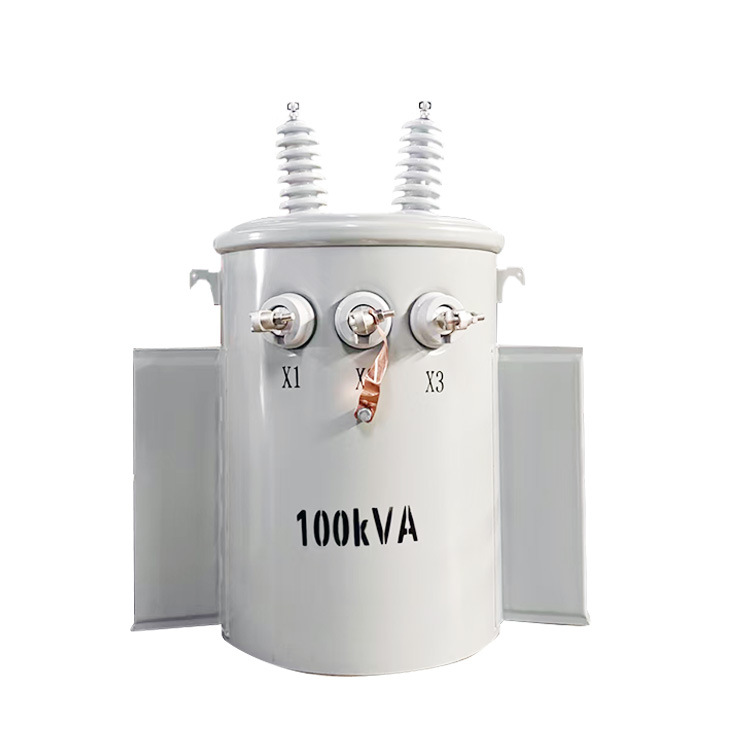
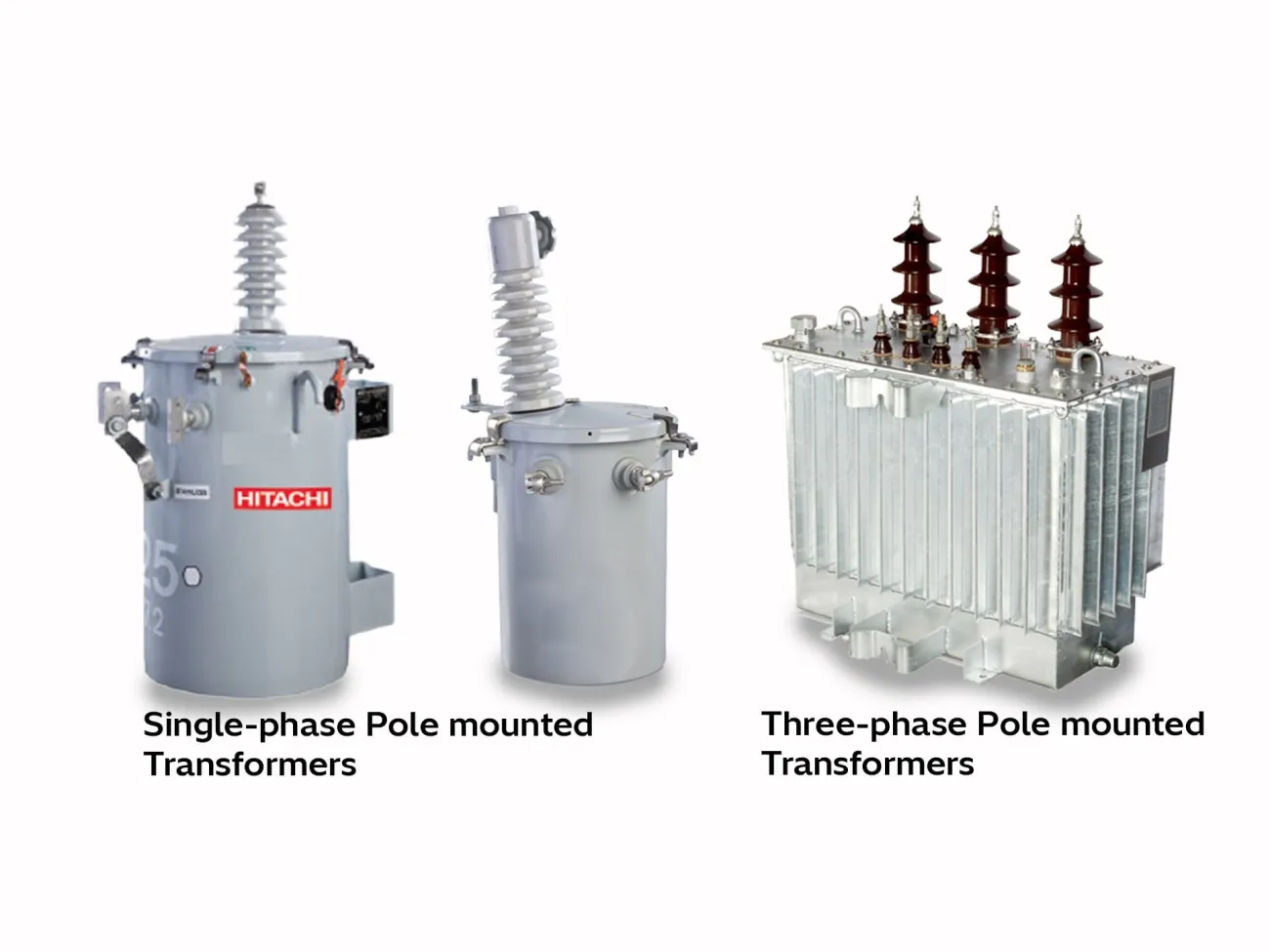
A typical single-phase pole mounted transformer includes:
Sealed steel tank filled with mineral oil or an alternative fluid
Core and windings designed for distribution duty
High-voltage bushings for overhead primary connection
Low-voltage bushings or secondary lugs feeding the service drop
External fuse cutout (often on the pole just above the transformer)
Lightning arresters are mounted near the primary terminals
Grounding connections bonded to the pole ground system
Standard ratings for utility distribution transformers on poles in the US often fall in the 10–167 kVA range for single-phase units, with smaller three-phase banks created by combining three single-phase transformers.
Overhead Line Configurations
You’ll usually see pole top transformers in these common overhead setups:
Single-phase primary with a single-phase transformer serving a rural home or farm
Three single-phase pole units banked for three-phase service to a small commercial load
Loop or radial feeder designs where multiple poles carry a line, and each transformer taps off to serve local loads
These are core elements of overhead power lines and transformers in US rural and many suburban networks.
Where You See Pole Mounted Transformers
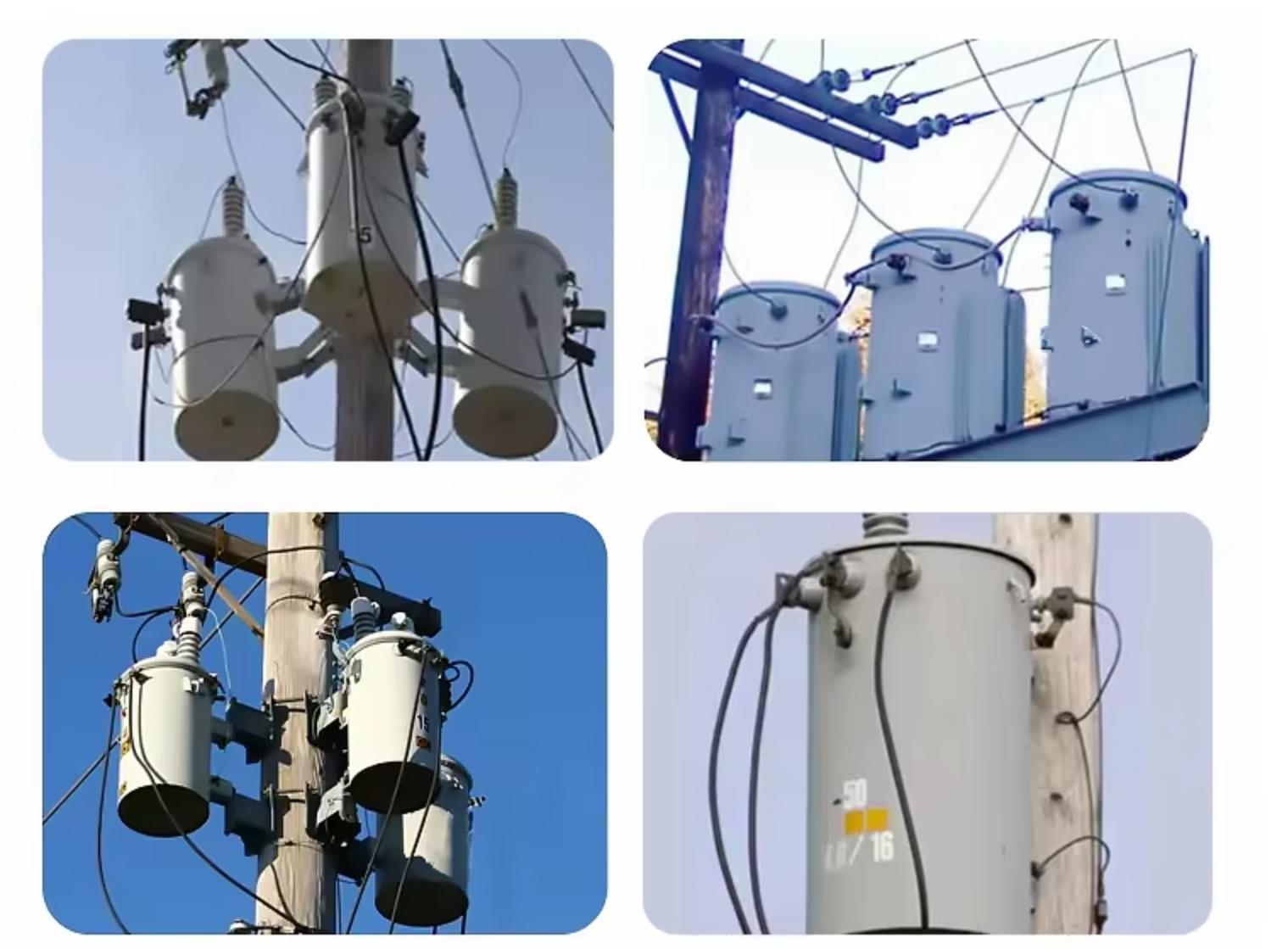
In day-to-day power distribution, pole mounted transformers show up most often:
Along rural roads and agricultural routes
In older suburban neighborhoods with overhead wires
At temporary or remote sites (construction, pumping stations, remote cabins)
Serving individual homes, small businesses, and light commercial loads
Whenever the distribution network is primarily overhead, a pole mounted transformer is usually the most direct, cost-effective way to get from medium-voltage lines down to residential service voltage.
What Is a Pad Mounted Transformer?
A pad mounted transformer is a ground-mounted distribution transformer installed on a concrete pad with all live parts fully enclosed in a locked, tamper‑resistant steel cabinet. Utilities and developers in the U.S. use them heavily in neighborhoods, commercial sites, and campuses where power is delivered through underground cables instead of overhead lines.
Basic Design of a Pad Mounted Transformer
A typical pad mounted transformer includes:
Oil-filled or dry-type transformer tank inside a sealed enclosure
Primary (medium-voltage) side: usually 5 kV–35 kV class
Secondary (low-voltage) side: 120/240 V for residential, 208Y/120 V or 480Y/277 V for commercial loads
Dead-front or live-front terminations for underground cable connections
Loop-feed or radial-feed options for flexible distribution design
Everything sits on a level concrete pad with proper grounding, clearances, and access for a line crew.
For nearby medium-voltage accessories like cable junctions, we typically pair pad units with a cable branch box to keep the system compact and safe.
Key Features of Pad Mounted Enclosures
Pad mounted transformers are built for safety and public access areas:
Lockable, tamper-resistant cabinet with separate high-voltage and low-voltage compartments
Dead-front construction (no exposed energized parts when doors are open)
Oil containment and pressure relief for safer fault behavior
Corrosion-resistant finish for long outdoor life
Clear labeling and operating handles for safe switching and fusing by utility crews
These features make them suitable to sit right next to sidewalks, driveways, and parking lots without fencing.
Underground Cable Setups With Pad Mounted Transformers
In underground residential distribution (URD) and commercial layouts, pad mounted transformers usually connect to:
Primary medium-voltage cables in PVC or HDPE conduit from a feeder or ring main unit (often metal-clad switchgear; see also this comparison of ring main unit vs switchgear)
Loop-feed configurations that let utilities backfeed from another direction during an outage
Secondary low-voltage cables in conduit feeding homes, townhomes, stores, or small industrial buildings
Ground grid and ground rods bonded to the transformer tank and neutral
This setup keeps the entire distribution system below grade, improving reliability and appearance in urban and suburban areas.
Typical Ratings and Applications
Common pad mounted transformer ratings and use cases in the U.S.:
kVA range: about 25 kVA to 3000 kVA+
Voltage class: primary 5–35 kV; secondary 120/240 V, 208/120 V, 240/120 V delta, 480/277 V, etc.
Single-phase units: typical for residential subdivisions and light loads
Three-phase units: standard for commercial buildings, industrial parks, schools, and hospitals
You’ll see pad mounted transformers wherever owners want:
Clean aesthetics (no overhead lines or pole hardware)
Higher public safety around sidewalks, playgrounds, and parking lots
Reliable underground power for modern residential developments and commercial sites.
Core differences between pad mounted and pole mounted transformers
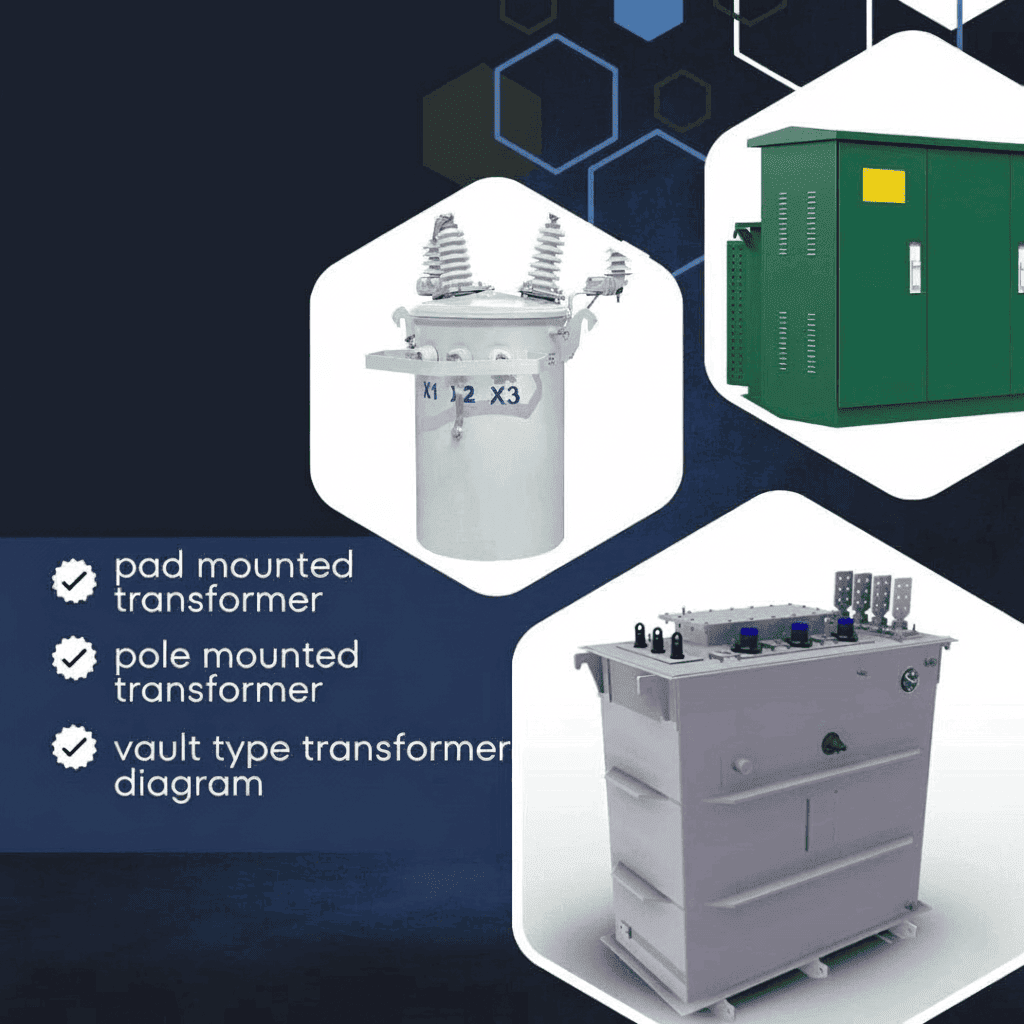
Installation: overhead vs. underground
Pole mounted transformers hang on distribution poles and tie directly into overhead lines. They’re the go‑to when the whole network is already on poles, especially in rural and light suburban areas.
Pad mounted transformers sit on a concrete pad at ground level and connect to underground cables (URD – underground residential distribution). If the neighborhood is fully underground, you’re almost always looking at pad mounts.
Design, enclosure, and mounting
Pole mounted units are usually simpler, oil-filled tanks with exposed bushings and external arresters, fuses, or drop‑outs on the pole. They rely on height for separation from the public.
Pad mounted transformers have a lockable, tamper‑resistant steel enclosure with separate high‑voltage and low‑voltage compartments, built for safe ground‑level operation and switching. Many utilities pair them with compact gear like an American‑style prefabricated substation for larger commercial sites, similar to this box-type substation solution.
Capacity, voltage class, and scalability
Pole mounted: Commonly used for smaller kVA ratings (serving a few homes, a farm, or a small commercial load). Ideal for single‑phase and lighter three‑phase loads on medium-voltage overhead feeders.
Pad mounted: Typically used for higher kVA ratings, three‑phase distribution, and higher medium-voltage classes in urban and commercial layouts. Easier to scale up as a site grows (more loads, EV chargers, small industrial).
Safety, access, and public contact
Pole mounted transformers rely on height and clearances to keep people away. Live parts and hardware are still relatively exposed to line workers and to storms.
Pad mounted transformers are built for high public contact areas:
Locked doors and barriers around all live parts
Clear labeling and controlled access
Less chance of accidental contact, vandalism, or animal interference
In busy U.S. neighborhoods, codes and utility standards often lean toward pad mounted units for better safety, aesthetics, and controlled access at ground level.
Pad Mounted vs Pole Mounted Transformers: Installation and Space Needs
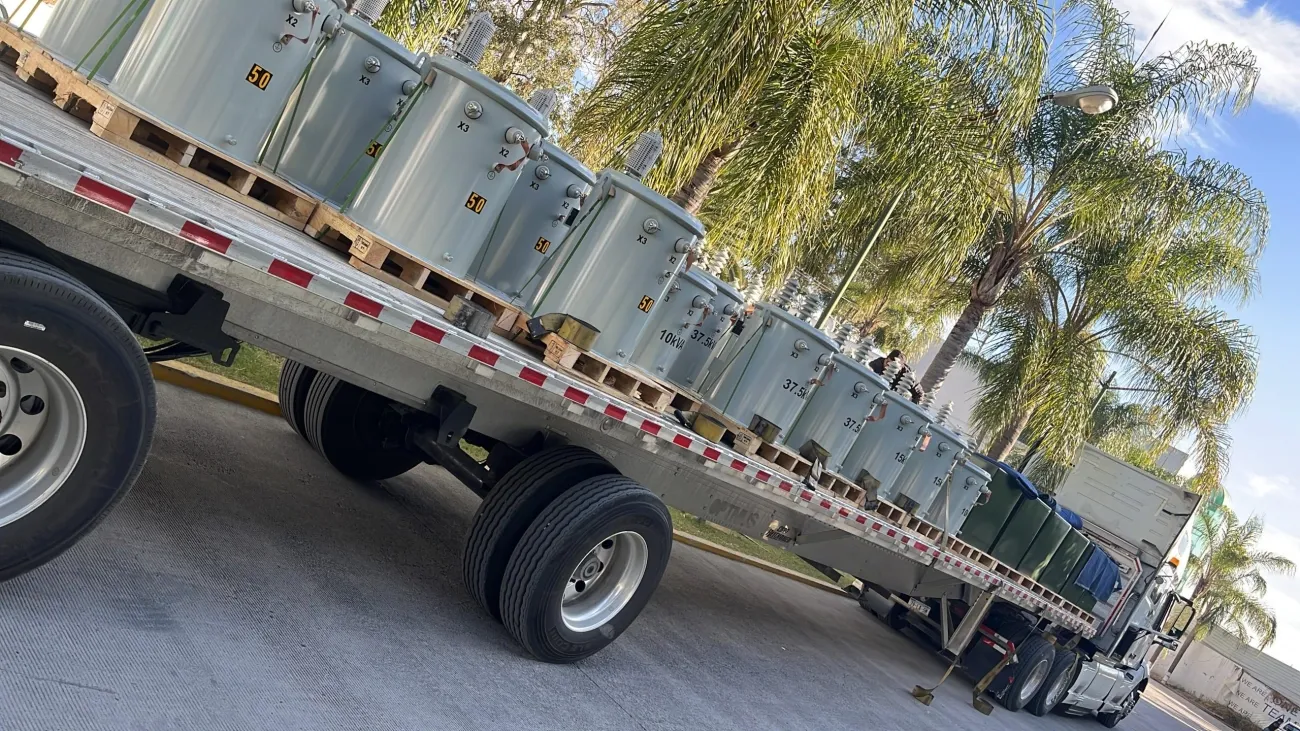
Pole Mounted Transformer: Site Prep & Mounting
For pole mounted transformers, the structure is the “foundation.”
Mounting requirements
Strong wood, steel, or concrete pole set to utility standards
Proper class and height to handle transformer weight and line clearances
Secure brackets, crossarms, and hardware to support the pole top transformer
Site preparation
Truck and bucket-truck access for installation and future maintenance
Stable soil and proper backfill around the pole
Clear right-of-way for overhead lines and safe working distance from buildings
Grounding
Ground rod at the pole with bonding to transformer tank and neutrals
Tested ground resistance to meet utility and NEC/NESC requirements
Pole mounted transformers work best where we already have overhead lines and plenty of vertical space, especially in rural or open suburban corridors. For a broader view of how these fit into overhead systems, you can connect this with the basics of switchgear in power systems.
Pad Mounted Transformer: Pad, Clearance & Grounding
Pad mounted transformers are all about what’s on the ground, not in the air.
Concrete pad
Level, reinforced concrete pad sized to manufacturer/utility spec
Correct anchor bolt layout and cable window orientation
Elevation set above grade to reduce water pooling
Clearances
Code-required working space in front of doors (usually 10–12 ft clear access)
Minimum distance from buildings, windows, walkways, and driveways
Vehicle and fire department access where required by local code
Grounding
Ground grid or ground ring around the pad
Bonding of tank, compartments, and neutral to the grounding system
Attention to step and touch potentials in public access areas
These ground mounted transformers are the default choice for underground residential distribution (URD) and campus-style layouts where cables arrive from below instead of overhead.
Urban vs Rural Space Constraints
Space is usually the tie-breaker between pad mounted vs pole mounted transformers:
Urban and high-density areas
Limited sidewalk and frontage space makes large pads hard to place
Underground cables are common, so pad mounted units fit well
Higher focus on aesthetics and keeping equipment away from sightlines and traffic
Suburban
Mix of both, depending on subdivision design and HOA/municipal rules
Cul-de-sacs and planned neighborhoods often favor pad mounted units along lot lines
Rural
Plenty of right-of-way for poles and overhead lines
Long feeder runs, scattered loads, and easier permitting for pole lines
Pole mounted transformers are usually the lowest-cost, most flexible option
Terrain, Flooding & Accessibility
Real-world site conditions in the U.S. matter just as much as the one-line diagram.
Terrain
Steep, rocky, or wooded areas often favor pole mounted transformers (easier to set a pole than pour a pad)
Flat, graded development sites are ideal for pad mounted installations
Flood risk
Floodplains, coastal zones, and low spots are bad locations for pad mounted units at ground level
We either raise the pad elevation or go with pole mounted transformers above flood level
Accessibility
Need year-round truck access for both types
Narrow alleys and tight downtown streets can make pad placement and replacement tricky
Remote or off-road locations are usually faster and cheaper to serve with pole top transformers
Bottom line: if you already have overhead lines and open right-of-way, pole mounted transformers are usually simpler and cheaper to install. If you’re building an underground, clean-looking distribution network—especially in newer U.S. subdivisions and commercial parks—pad mounted transformers with proper pads, clearances, and grounding are the smarter long-term play.
Pad mounted vs pole mounted transformers: safety and reliability
When I’m choosing between pad mounted and pole mounted transformers, safety and reliability sit at the top of the list.
Physical protection and public safety
Pad mounted transformers sit in locked steel enclosures at ground level. Live parts are fully sealed, so kids, pets, and the general public can’t accidentally touch anything energized. That tamper‑resistant cabinet dramatically lowers public contact risk.
Pole mounted transformers are up on the pole, out of reach. That distance offers a natural safety buffer, but there’s much less mechanical protection. If a vehicle hits the pole or there’s a severe storm, the transformer and attached hardware are more exposed.
Weather, storms, and environment
Pole mounted units are directly exposed to sun, wind, ice, and debris. In lightning‑prone or stormy areas, utilities usually pair them with overhead protection like drop‑out fuses and high‑voltage lightning arresters to cut down on failures.
Pad mounted transformers are still outdoors, but the sealed cabinet shields bushings, terminations, and live parts from direct wind‑driven rain, ice, and contamination. That enclosure generally means better long‑term reliability in harsh climates and coastal or polluted environments.
Fault protection, fusing, and switching
Both types rely on fuses, arresters, and switching to keep faults small and localized, but the setups are a bit different:
Pole mounted:
Often use external drop‑out fuses on the pole as the primary protective device.
Switching and isolation are usually done with separate pole‑top switches or cutouts.
Simple, visible, and fast for line crews to diagnose from the ground.
Pad mounted:
Typically include internal load‑break switches, bayonet fuses, and current‑limiting fuses inside the cabinet.
Designed for safer operation with doors closed or partially open, reducing arc‑flash and contact risk.
Easier to integrate into loop or URD (underground residential distribution) systems for better sectionalizing.
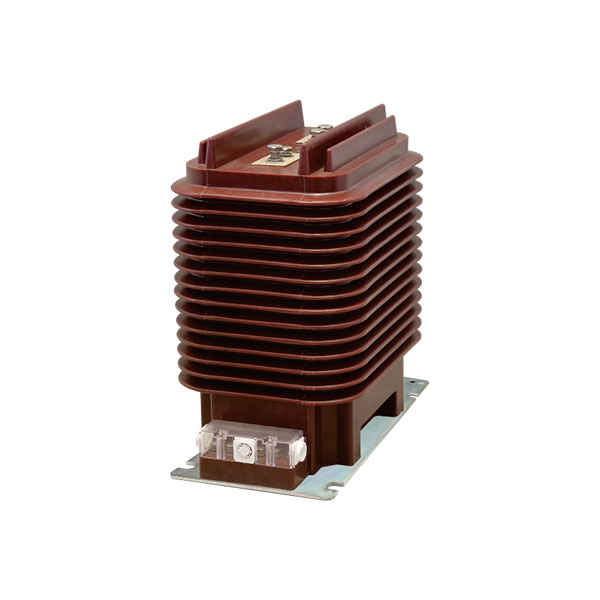
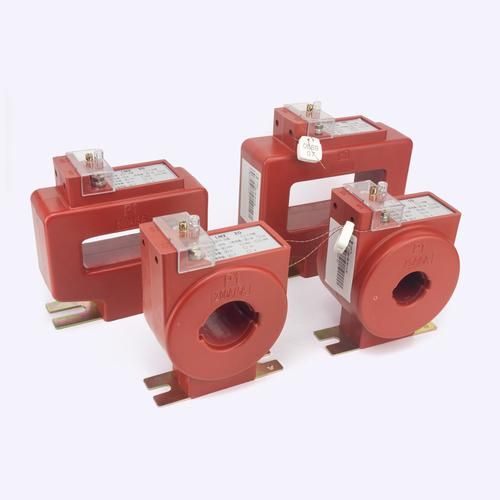
For systems using current transformers for metering or protection, we’ll pair them with robust medium‑voltage CTs such as a 35 kV current transformer to keep fault sensing accurate and reliable.
Outage frequency and ease of safe operation
Pole mounted transformers tend to see more storm‑related outages, especially where trees overhang lines. However, they’re fast to patrol visually and quick for crews to access with a bucket truck.
Pad mounted transformers usually deliver:
Fewer weather‑driven interruptions when paired with underground cables.
Safer switching and isolation at the transformer location.
Better options for looping and backup feeds, which can cut outage times in dense residential or commercial areas.
Bottom line:
If public contact safety, tamper resistance, and lower outage risk are top priorities (urban neighborhoods, campuses, commercial sites), I lean toward pad mounted transformers.
If simple overhead construction and fast visual troubleshooting matter more (rural or light suburban), pole mounted transformers still do the job very well.
Pad Mounted vs Pole Mounted Transformers: Cost and Maintenance
When you’re choosing between pad mounted and pole mounted transformers, cost and maintenance are usually what make or break the decision.
Upfront equipment and installation costs
Pole mounted transformers usually win on upfront cost:
Smaller kVA ratings, simpler design, lighter weight
Cheaper hardware (poles, crossarms, brackets)
Faster installation with bucket trucks on existing overhead systems
Pad mounted transformers cost more at the start:
Heavier, sealed steel enclosures with locked compartments
Need a concrete pad, excavation, conduit, and underground cable
Higher labor cost for civil work and cable terminations
If you’re already in an overhead distribution area, a pole top transformer is almost always cheaper to buy and set up. In fully underground systems, the added cost of a pad mount is baked into the overall URD (underground residential distribution) design.
Maintenance access, inspection, and repair
For day‑to‑day work, pad mounted transformers are usually easier and safer:
Pad mounted: Techs work at ground level, in a locked cabinet, with clear separation between medium‑voltage and low‑voltage compartments. It’s simple to integrate nearby switching or protection gear such as an indoor or cabinet‑mounted load break switch.
Pole mounted: Every inspection, tap change, or fuse replacement needs a bucket truck or climbing gear. Weather, traffic access, and right‑of‑way all slow things down.
For utilities in the U.S., that difference shows up in truck rolls, response times, and labor costs.
Long‑term operating cost and lifespan
Both pad mounted and pole mounted units are typically oil‑filled medium‑voltage distribution transformers with similar electrical life if they’re sized and protected correctly. The big cost drivers over time are:
Environmental exposure
Pole mounted: More exposed to wind, ice, trees, vehicles hitting poles.
Pad mounted: Better mechanical and weather protection, less physical damage risk.
Outage and repair cost
Pad mounts often support smarter switching and protection, especially when paired with gear like an RMU or advanced ring main unit, which can cut fault impact and restoration time.
Typical service life
Both can run 25–40+ years if not overloaded.
Pad mounted units often show better real‑world longevity in harsh climates because the enclosure protects bushings, terminations, and accessories.
Over decades, pad mounted transformers can offset part of their higher purchase price with fewer damage events, safer operation, and reduced outage costs—especially in dense or high‑value areas.
Impact of overhead vs underground networks on total cost
Your existing network usually decides the winner:
Overhead networks (rural, many suburbs):
Poles are already there.
Adding a pole mounted transformer and a few spans of wire is far cheaper than trenching and conduit.
Total lifecycle cost is lower if storm/outage risk is acceptable.
Underground networks (new subdivisions, campuses, urban cores):
Once you commit to underground cables, pad mounted transformers line up naturally with the design.
You avoid visual clutter, get stronger public safety, and easier ground‑level operations.
Total system cost (transformers + lines + civil work) is more, but justified by aesthetics, reliability, and regulations.
In short:
Need lowest initial cost on an overhead system? Go pole mounted.
Building or expanding an underground network with tight safety and appearance requirements? Go pad mounted.
Where Are Pole Mounted Transformers Used?
Pole mounted transformers are the go‑to option when you want low‑cost, fast, and flexible overhead power distribution.
Typical rural and suburban overhead use
You’ll see pole top transformers everywhere along overhead lines in:
Rural feeder lines bringing power miles out to farms and single homes
Suburban streets with wood poles and overhead services
Small towns and roadside businesses where underground power isn’t worth the cost
They’re ideal when you’re running long distances and need to drop from medium voltage to 120/240 V close to the load with minimum hardware.
Temporary power, construction, and remote locations
Utilities and contractors lean on pole mounted units when they need:
Temporary construction power for subdivisions, road projects, and commercial builds
Remote sites like oil & gas pads, telecom towers, pump stations, and well houses
Where Are Pad Mounted Transformers Used?
Urban and Dense Residential Areas
Pad mounted transformers are the go‑to choice in cities and tight neighborhoods where everything is underground and curb appeal matters. Power utilities place them on sidewalks, cul‑de‑sacs, and near townhomes so they can feed multiple homes quietly and safely without overhead lines. They’re locked, weather‑proof, and designed so the public can walk right past them with minimal risk.
Commercial, Industrial Parks, and Campuses
You’ll see three‑phase pad mounted transformers all over business parks, logistics centers, hospitals, schools, and university campuses. They sit on concrete pads near service entrances or behind buildings, tied into underground medium‑voltage loops. For higher‑end or more complex systems, they’re often paired with metal‑clad switchgear like our 40.5 kV metal-enclosed switchgear to handle switching and protection in one clean setup.
Subdivisions with Underground Power Distribution
Most newer U.S. subdivisions, HOA communities, and master‑planned developments use underground residential distribution (URD). Pad mounted units sit at corners, greenbelts, or along easements and feed multiple lots through underground cables. That layout cuts visual clutter, improves reliability in storms, and makes it easier to scale as the neighborhood grows.
Aesthetic and Safety Driven Use Cases
Pad mounted transformers are the default pick when:
Overhead lines are banned by local code or HOA rules
Developers want a clean, “no wires” look for premium communities or retail centers
There’s heavy pedestrian traffic (schools, parks, downtown streetscapes) and public contact risk needs to be minimized
In short, any time you care about aesthetics, safety, and underground networks, a pad mounted transformer is usually the right move.
How to choose between pad mounted and pole mounted transformers
When I’m helping customers pick between pad mounted and pole mounted transformers, I always walk through four things: existing infrastructure, cost/safety/look, rules, and long‑term load growth.
1. Check overhead vs underground infrastructure
Start with what you already have:
Mostly overhead lines?
Pole mounted transformer is usually the straightforward choice.
Faster to set, simpler tie‑in to existing poles, insulators, and overhead hardware like pin-type insulators.
Existing or planned underground distribution?
Pad mounted transformer is almost always the better fit.
Clean tie‑in to URD (underground residential distribution), neater streets, fewer exposed conductors.
2. Balance cost, safety, and appearance
Think in trade‑offs, not absolutes:
Cost:
Pole units are usually cheaper to buy and install when you already have poles.
Pad units cost more upfront (concrete pad, enclosure, trenching), but can reduce other civil/overhead work.
Safety:
Pad mounted transformers offer locked, tamper‑resistant enclosures and better public contact protection.
Pole mounted units are out of reach, but still exposed to vehicles, trees, and storms.
Appearance (curb appeal):
High‑end residential, campuses, and retail usually prefer pad mounted to hide wires and poles.
Rural and light industrial areas are usually fine with pole top transformers.
3. Know your regulations and utility standards
In the U.S., you can’t just pick what “looks best”:
Local code and utility rules may:
Ban new overhead lines in certain cities or subdivisions.
Set minimum clearances, fencing, and pad design.
Require specific fault and switching devices (often coordinated with upstream gear like an RMU – see how a ring main unit functions in a medium‑voltage system: what is the function of RMU).
Easements and right‑of‑way:
Tight ROW along streets? Poles might be easier.
Private property or campus? Pad mounted on a dedicated pad often works better.
Always align with the serving utility’s standards first; that usually decides 80% of the choice.
4. Match to environment, load, and future growth
Look beyond year one:
Environment:
Flood‑prone or hurricane zones may favor pole mounted units above water, or elevated pads with sealed pad mounted transformers.
High‑traffic, public‑access areas lean toward pad mounted for better physical protection.
Load size and type:
Small, scattered rural loads → single‑phase pole transformers spread across the line.
Larger, concentrated loads (industrial park, multi‑building campus) → three‑phase pad mounted units with room for expansion.
Future growth:
Go pad mounted with a higher kVA rating and space for additional underground feeders.
Or design pole lines so additional transformers or reconductoring can be added without rebuilding everything.
Expect more buildings or EV chargers?
If you’re in the U.S. and unsure, the best path is:
1. Confirm what your utility allows.
2. Map your overhead/underground plan,
3. Then choose the transformer type that hits your cost, safety, and appearance targets while leaving headroom for growth.
FAQs about pad mounted vs pole mounted transformers
Key safety difference between pad mounted and pole mounted transformers
Pad mounted transformers are in locked, grounded metal enclosures at ground level. Live parts are sealed away, so the public can walk right past them safely. They’re designed to be tamper‑resistant and work well in neighborhoods, schools, and public areas.
Pole mounted transformers are up on the pole, exposed to weather, with primary fuses and connections visible (from the ground). Safety comes from height and clearance, not enclosure. They’re safe when installed correctly, but less protected from vehicle impact, vandalism, or flying debris.
Typical price difference: pad mounted vs pole mounted units
For the same kVA rating, pole mounted transformers are usually cheaper to buy and install. The hardware and labor for hanging a single‑phase pole top transformer is lower than pouring a pad and installing an enclosed unit.
Pad mounted transformers cost more upfront because of:
The enclosure and extra bushings/compartments
Concrete pad, fencing/clearance, and site work
But if you already have underground residential distribution (URD), pad mounts often win on total system cost, because you avoid building out overhead lines.
Using pole mounted transformers in urban or residential areas
Utilities across the U.S. still use pole mounted transformers in many older neighborhoods and rural-style streets, especially where overhead lines already exist.
In denser or newer urban developments, local rules and aesthetics usually push toward pad mounted transformers with underground cables to clean up the skyline and reduce public exposure.
Bottom line: yes, you can use pole mounted units in residential areas, but new developments often specify underground service and pad mounts in their easements and zoning standards.
Expected service life and reliability
Typical service life for both pole mounted and pad mounted distribution transformers is 25–40 years, often longer with good maintenance and light loading.
Reliability factors:
Pole mounted units see more wind, ice, tree contact, and lightning, so they’re more likely to be involved in outage events when storms hit. Devices like outdoor disconnect switches for overhead lines help sectionalize and clear faults faster.
Pad mounted units are better physically protected, so they tend to have fewer damage-related outages, but flooding, poor drainage, or vehicle impact can still be a problem if siting is bad.
Maintenance tasks and inspections
For both pad mounted and pole mounted transformers, utilities typically handle:
Visual checks: leaks, rust, oil level, corrosion on bushings and connectors.
Electrical inspections: insulation tests, thermal scans under load, checking protective devices and upstream switches or grounding switches (similar to what’s verified when testing high-voltage grounding and switching equipment).
Oil testing: dielectric strength, moisture, and dissolved gas analysis on critical units.
Hardware checks: grounds, pad condition, pole integrity, tightness of connections, and condition of fuses/switches.
Pad mounted units are easier to access from the ground but need strict lockout/tagout and clearance. Pole mounted units are harder to reach (bucket truck work) but quicker for simple fuse changes and small repairs along overhead lines.