Your Guide to Safe, Reliable Power Systems
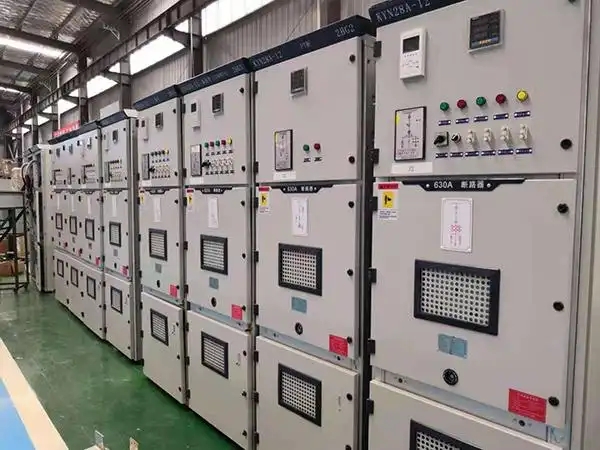
Introduction: Why Switchgear Drives Your Power
Switchgear power systems control and protect your electricity, preventing outages and fires. I’m Thor, an electrical engineer at Wei Shoe Elec, having helped homeowners, businesses, and factories across the U.S. and Europe solve power issues. Picture your home going dark mid-dinner or a factory halting, costing thousands per hour.
This guide shares 7 key functions, types, and tips to choose reliable switchgear, ensuring safety and efficiency. You'll find practical solutions here, whether you’re a homeowner or a facility manager. Need custom switchgear? Email [email protected].
What Is Switchgear and Why Does It Matter?
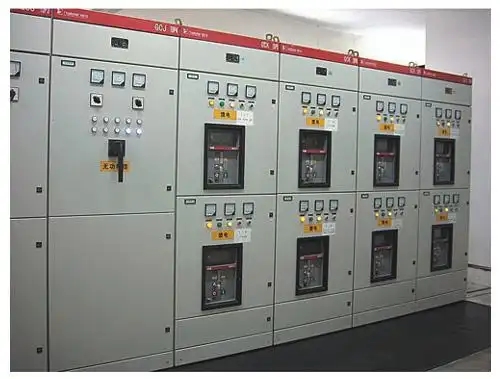
Switchgear is the heart of your power system, managing electricity flow like a traffic controller. It protects equipment, isolates circuits for maintenance, and ensures stable power. Switchgear keeps your lights on and operations running from home breaker panels to data centers.
Core Functions:
Protection: Cuts power during faults to prevent fires or damage.
Isolation: Safely shuts off circuits for repairs without full downtime.
Control: Enables manual or remote switching for flexibility.
Monitoring: Provides real-time performance data via sensors.
Switchgear is essential for homes, factories, and grids, ensuring uninterrupted power.
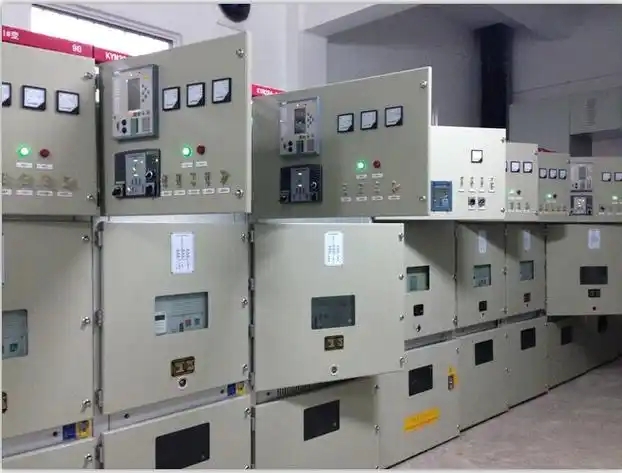
3 Main Types of Switchgear
Switchgear varies to suit homes, businesses, or grids. Here’s the breakdown.
By Voltage Level:
Low Voltage (LV, <1kV): Powers homes, offices, and small businesses.
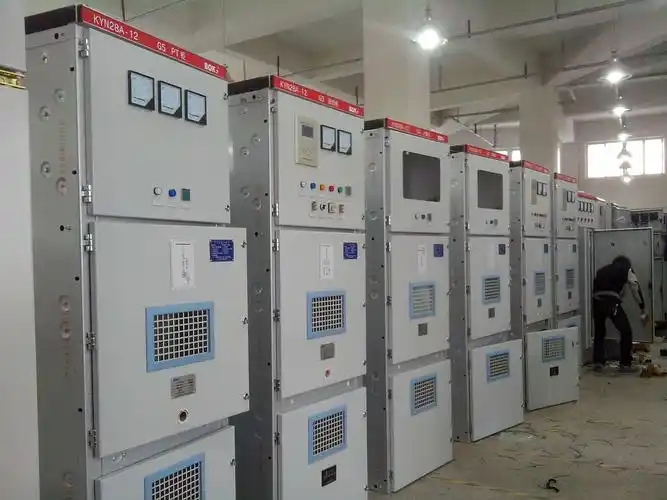
Medium Voltage (MV, 3.3kV-36kV): Drives factories, substations, and wind farms.
High Voltage (HV, 66kV-500kV+): Supports national grid transmission.
By Insulation Technology:
Air-Insulated (AIS): Affordable, easy to maintain, ideal for open spaces.
Gas-Insulated (GIS): Compact, reliable, perfect for urban sites.
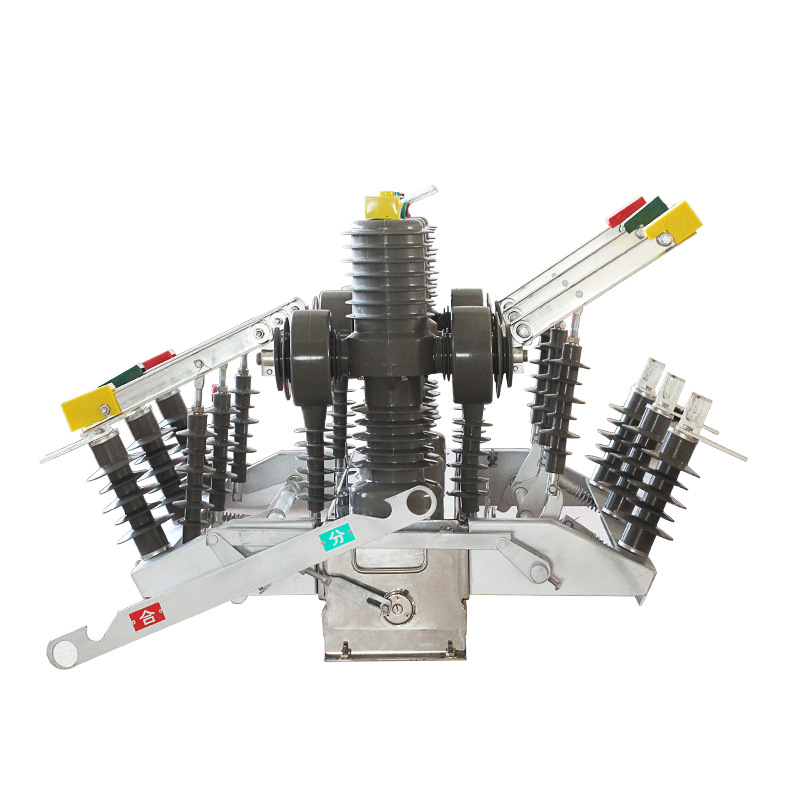
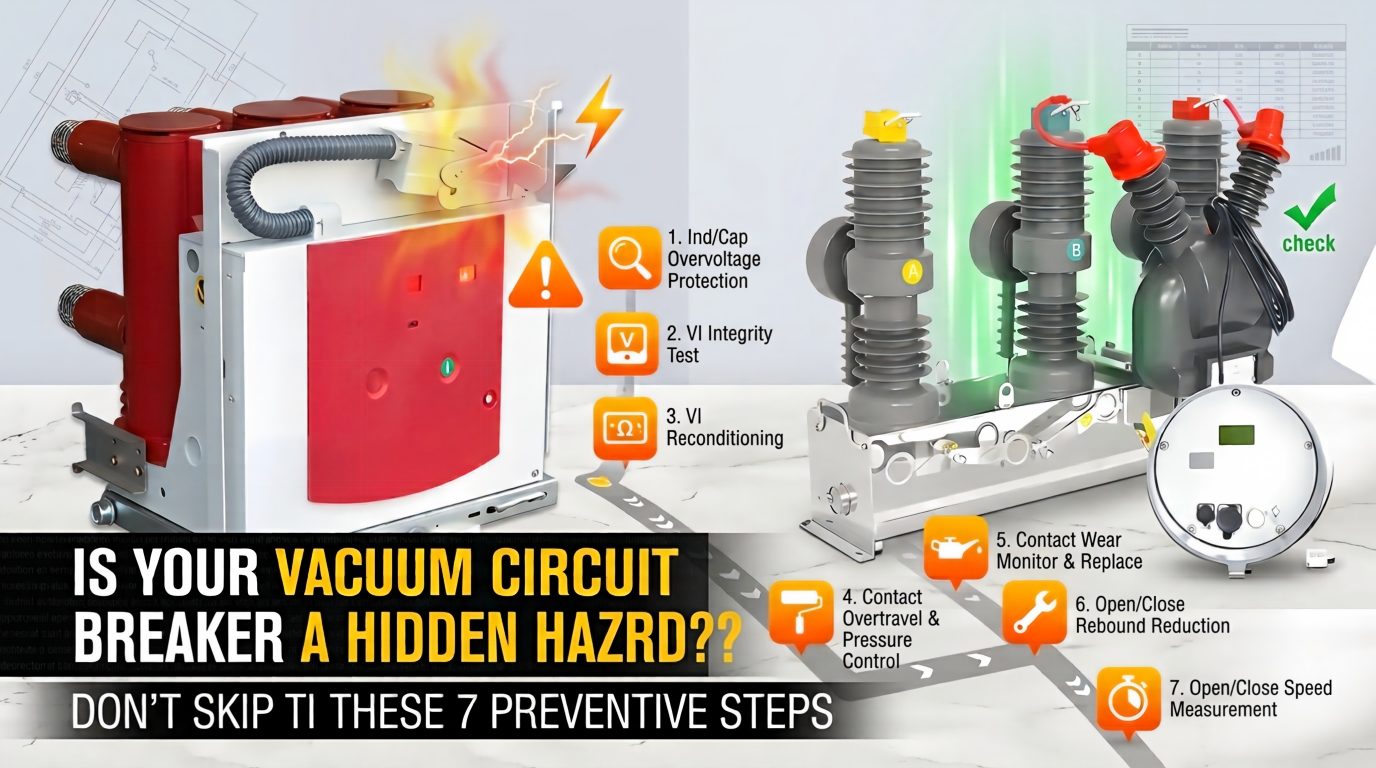
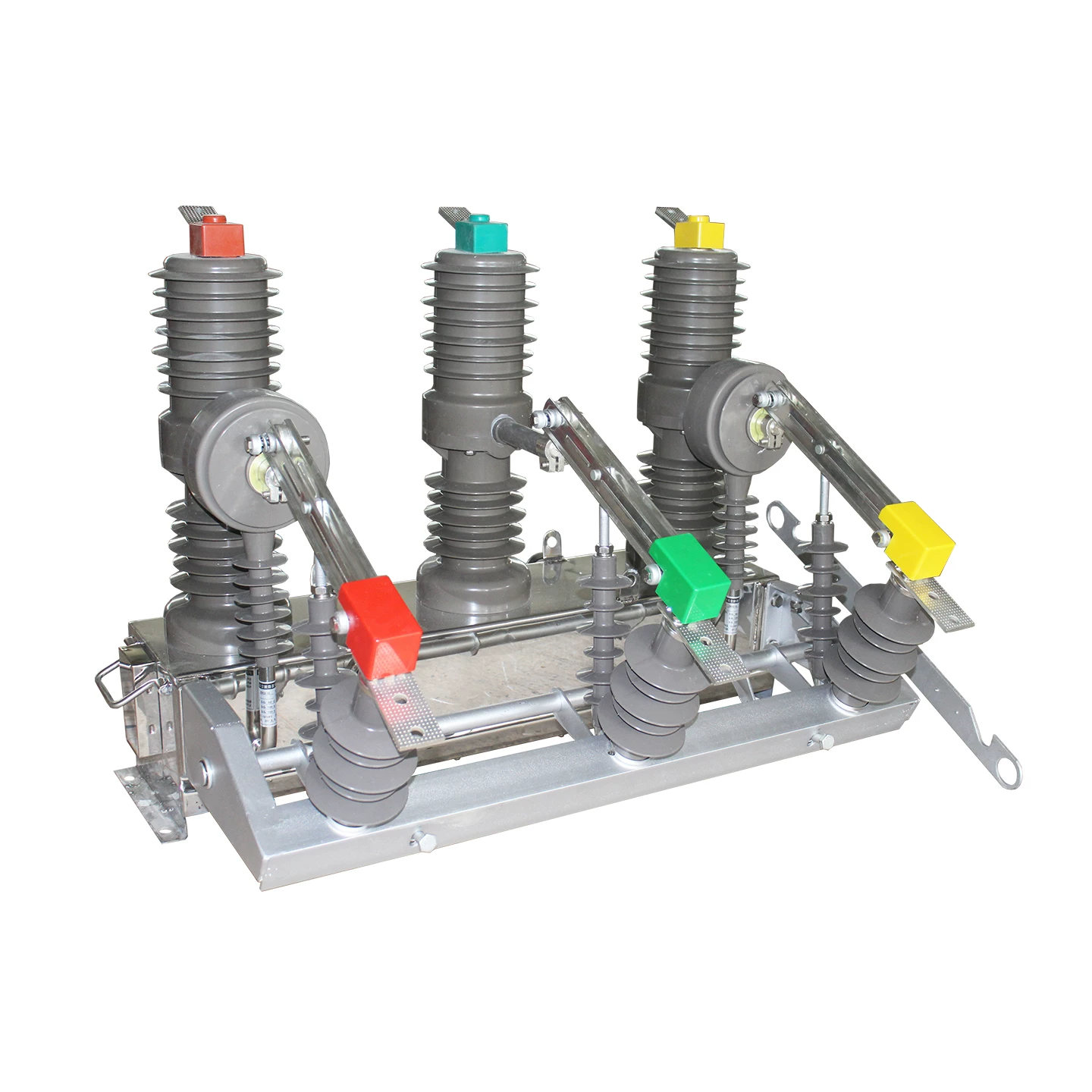
Vacuum Circuit Breaker (VCB): Safe, clean, widely used in MV applications.
By Construction:
Fixed or withdrawable designs for flexibility.
Indoor or outdoor setups for diverse environments.
Modular or compact systems for easy upgrades.
Case Study: In 2024, a 100MW wind farm in Texas used 24kV VCB switchgear to isolate a storm-damaged feeder, minimizing downtime (Source: North American Windpower, 2024).
Real-World Applications of Switchgear
Switchgear powers diverse settings, ensuring safe electricity distribution.
Homes: LV switchgear, like breaker panels, protects lights and appliances.
Commercial: LV or MV switchgear supports office equipment or HVAC systems.
Factories: MV switchgear distributes power to heavy machinery.
Data Centers: Ring main units ensure uninterrupted power via redundancy.
Renewable Energy: MV switchgear stabilizes wind or solar outputs.
Substations: HV switchgear manages grid loads and isolates faults.
Switchgear bridges power and applications, with flexible designs for any need.
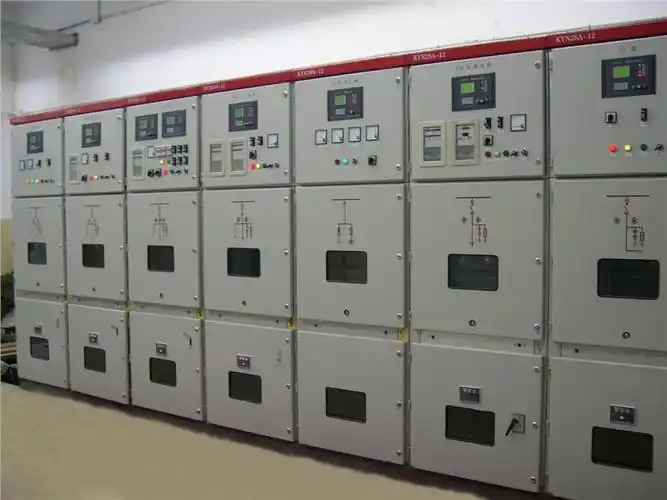
Key Technical Parameters to Know
Choosing switchgear requires matching specs to your system. Here’s what to check.
Rated Voltage (kV): LV (<1kV), MV (3.3-36kV), or HV (66kV+).
Rated Current (A): From 100A (homes) to 4000A (industry).
Short-Circuit Capacity (kA): Handles fault currents, e.g., 25- 50kA for MV.
Arc Extinguishing: Vacuum (clean), SF6 (compact), or air (simple).
Busbar Layout: Ensures balanced power distribution, like highways for electricity.
Standards: UL (U.S.), IEC 62271 (Europe), ANSI C37 (global).
Note: Most switchgear is AC, but DC switchgear suits railways or battery storage.
Case Study: A California factory chose Wei Shoe Elec’s 15kV VCB switchgear, IEC 62271-certified, for reliable motor control (Source: IEEE Industrial Report, 2025).
Switchgear vs Transformers vs Breakers
Switchgear’s role is often misunderstood. Let’s clarify.
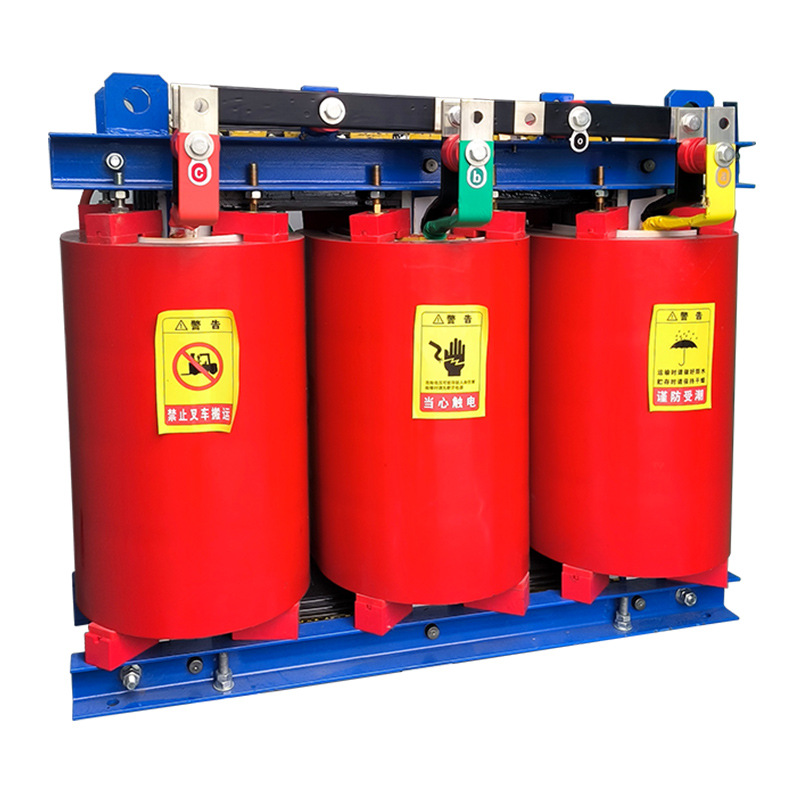
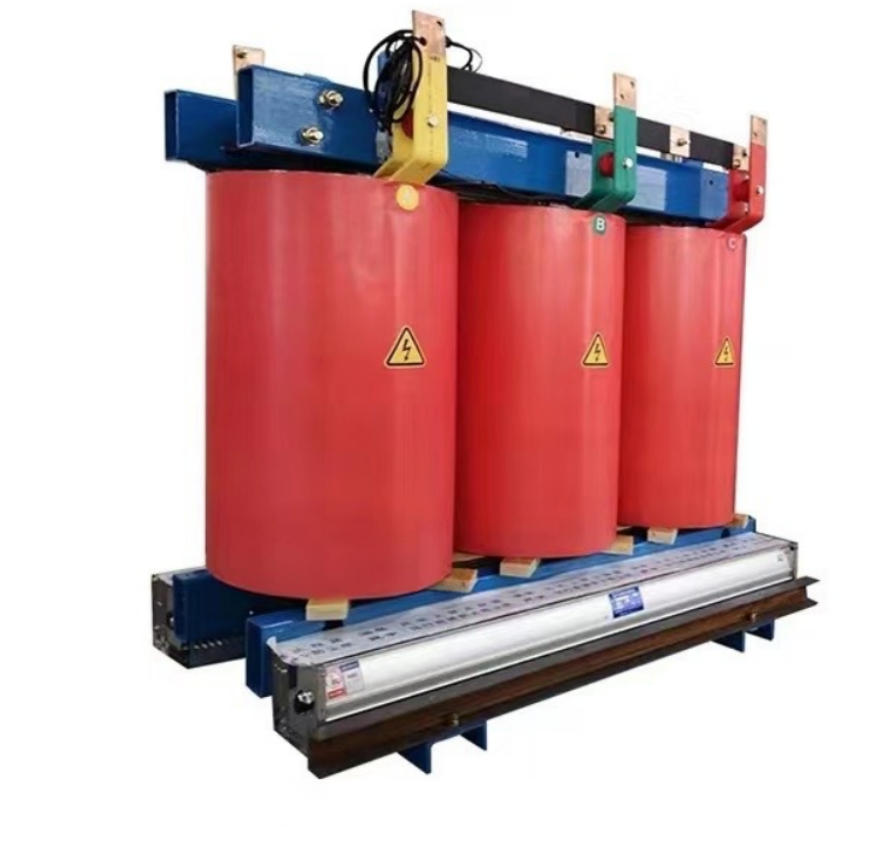
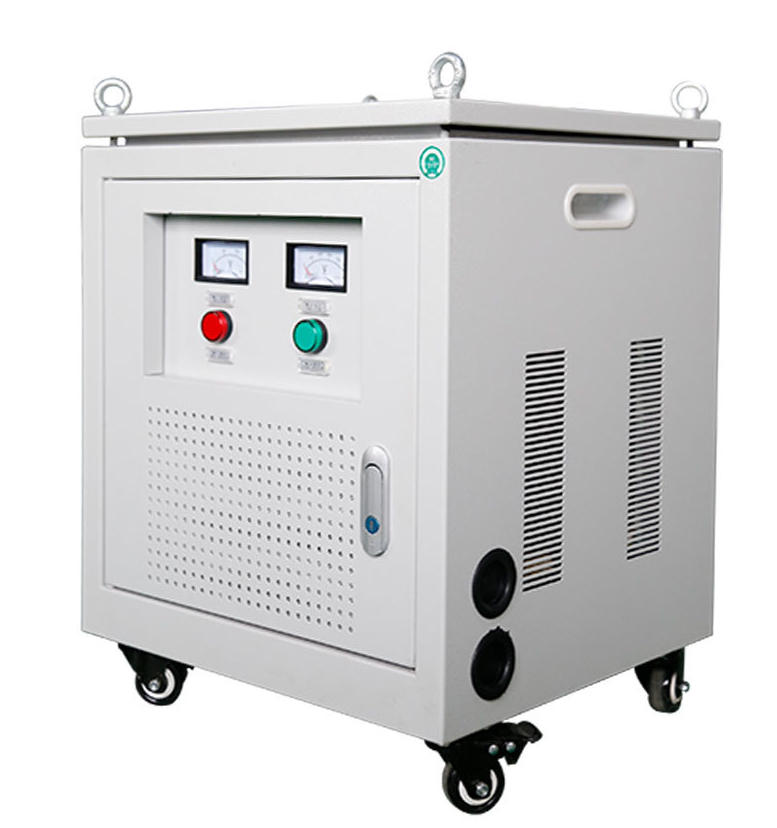
Switchgear ≠ Transformer: Transformers adjust voltage (e.g., 11kV to 400V); switchgear controls and protects power flow.
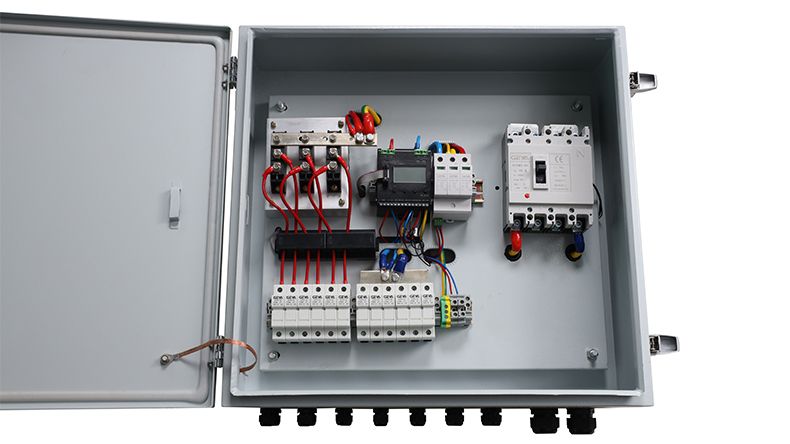
Switchgear Includes Breakers: Breakers (like AFCI/GFCI) are components within switchgear, alongside busbars and relays.
Switchgear Ensures Stability: It coordinates system elements for safety, like a conductor leading an orchestra.
Understanding these differences aids in selection and maintenance.
How to Troubleshoot Switchgear Issues
Switchgear problems, like tripping or overheating, disrupt power. Here’s how to diagnose and fix them.
Overload: Too many devices on one circuit. Unplug high-power appliances (e.g., heaters) and spread loads.
Short Circuit: Damaged wires cause surges. Check cords for fraying with a non-contact voltage tester.
Ground Fault: Water near wiring trips the GFCI. Inspect bathrooms or outdoor outlets for moisture.
Overheating: Loose connections or dust buildup. Clean panels annually and use thermal imaging.
Aging Equipment: Switchgear over 20 years old may fail. Replace breakers or upgrade panels.
Tools Needed:
Non-contact voltage tester ($20-$50).
Digital multimeter ($30-$100).
Thermal imaging camera (e.g., Fluke, $500+).
Safety Tip: Always turn off the main power before checks. Need support? Call Wei Shoe Elec at +86-0577-62788197.
Case Study: A Seattle warehouse used Wei Shoe Elec’s thermal imaging to spot a hot busbar, saving $10,000 in repairs (Source: IEEE Safety Journal, 2024).
How to Choose the Right Switchgear
Picking the wrong switchgear can ruin your project. Avoid these mistakes.
| Mistake | Consequence | Solution |
|---|---|---|
| Wrong voltage rating | System failure | Match voltage (e.g., 15kV for factories). |
| Low fault capacity | Damage during faults | Choose 25- 50kA for MV systems. |
| Ignoring the busbar layout | Load imbalance | Plan for balanced distribution. |
| Skipping certifications | Regulatory rejection | Ensure UL/IEC/ANSI compliance. |
| No expansion plan | Costly upgrades | Select modular designs. |
Selection Tips:
Budget: LV breakers $10-$100, panels $500-$2000; MV $2000-$10,000; HV $10,000+ (2025 estimates).
Delivery: Wei Shoe Elec offers standard units in 1-2 weeks, custom in 4-6 weeks.
Products: AFCI/GFCI for homes, MCB/MCCB for businesses, VCB for factories.
Certifications: UL (U.S.), IEC (Europe), ANSI (global) ensure compliance.
Practical Advice:
Use an online switchgear selector tool (e.g., at weishoelec.com) to match voltage and load.
Check panel brands (e.g., Square D, Siemens) for compatible breakers.
Plan for future load growth with modular systems.
Need a free selection consultation? Contact Wei Shoe Elec via WhatsApp at +86 159 5777 0984.
The Future of Switchgear: Smart and Digital
Switchgear is evolving into intelligent systems, boosting efficiency and safety.
SCADA Integration: Enables remote management via Supervisory Control and Data Acquisition, monitoring current and voltage.
IoT Sensors: Track temperature and current, preventing faults.
Predictive Maintenance: AI predicts failures, cutting downtime by 80%.
Arc Flash Protection: Real-time systems reduce injury risks.
Sustainability: Supports renewables like wind and solar with efficient load management.
Implementation Steps:
Install IoT sensors (e.g., Exertherm CTM, $200-$500).
Connect to SCADA for real-time data.
Use AI tools to analyze trends and schedule maintenance.
Benefits: Smart switchgear can reduce maintenance costs by 30% and extend equipment life beyond 30 years.
Need IoT switchgear? Email [email protected] for tailored solutions.
FAQs
Q1: What is switchgear in power systems?
Switchgear controls and protects electrical systems with breakers, busbars, and relays, ensuring safety and reliability.
Q2: What’s the main function of switchgear?
It protects equipment, cuts power during faults, isolates circuits, and enables control.
Q3: What are the three types of switchgear?
By voltage: LV (<1kV), MV (3.3-36kV), HV (66kV+). By insulation: AIS, GIS, VCB.
Q4: How do I maintain switchgear at home?
Check outlets for wear, avoid overloading circuits, and hire pros for annual inspections. Wei Shoe Elec offers maintenance advice—email [email protected].
Q5: Is switchgear AC or DC?
Mostly AC, but DC switchgear is used in railways, battery storage, and data centers.
Q6: What’s the cost of switchgear for small businesses?
LV switchgear costs $500-$2000. Get a free quote from Wei Shoe Elec at +86-0577-62788197.
Conclusion: Power Up with the Right Switchgear
Switchgear power systems are the backbone of safe, reliable electricity, from homes to factories. These 7 functions—protection, isolation, control, monitoring, and more—keep your system running smoothly. With our selection tips and Wei Shoe Elec’s UL/IEC-certified solutions, you can avoid costly mistakes.
Ready to upgrade? Try the online switchgear selector tool at weishoelec.com, get a free quote at +86-0577-62788197, or consult on IoT solutions at [email protected]. Share this guide, but please credit Wei Shoe Elec.