Fuses 101: What Is a “Fuse Breaker” in Simple Terms?
Let’s clear this up right away: “fuse breaker” isn’t a real technical term. It’s something people say when they’re not sure if they mean a fuse or a circuit breaker. Both protect your home’s wiring, but they work differently.
When most people Google “what is a fuse breaker”, they’re usually talking about old-style fuses in a fuse box or modern circuit breakers in a breaker panel. I’ll break down the fuse side of that in plain language.
What Is a Fuse in a Home Electrical System?
A fuse is a small, simple safety device that sacrifices itself to protect your wiring.
Power flows through a tiny metal strip or wire inside the fuse
If too much current (electricity) flows, that strip overheats and melts
When it melts, the circuit opens, and electricity stops
This helps prevent overheating, melted wires, and potential fires
So in simple terms:
A fuse is a one-time “safety link” that burns out on purpose when things get dangerous.
That’s why when people say “my fuse breaker blew,” what usually happens is:
A fuse blew (melted inside), or
A breaker tripped (switched off), or
They’re not sure which one they actually have.
How a Fuse “Breaker” Works: Melting to Stop Dangerous Current
Here’s the basic idea without the technical fluff:
Normal use
Your lights, TV, and appliances pull a safe amount of electricity.
The fuse’s little metal strip stays cool and solid.
Too much stuff on one circuit (overload)
You plug in space heaters, hair dryers, or too many devices at once.
Current (amps) goes above what the fuse is rated for.
Fuse heats up and melts
The built-in metal link melts like a tiny wire fuse in fireworks.
The circuit is broken, and power to that line shuts off instantly.
Result
Your power goes out on that circuit, but your wires and devices are protected.
The fuse is now blown and must be replaced, not reset.
That “melting to shut things down” is why some people casually say “fuse breaker” — they know something in the panel “breaks” to keep them safe, even if it’s technically a fuse.
Where You’ll Still See Fuses and “Fuse Breakers” Today
Even in the US, fuses haven’t completely disappeared. You’ll still find them in:
Older homes
Fuse boxes with screw-in or cartridge fuses instead of flip-style breakers
Often in basements, utility rooms, or older detached garages
Appliances
Some microwaves, older HVAC units, and certain electronics still use internal fuses
Often, glass or cartridge-style fuses are behind a small panel
Cars and trucks
Your auto fuse box uses blade-style fuses to protect car circuits
These work on the same melt-and-open principle
Electronics and chargers
Some surge protectors, power supplies, and specialized equipment still use fuses for precise protection
Anywhere you see a small, replaceable device labeled with amps (like 15A, 20A, 30A) that burns out when overloaded, you’re dealing with a fuse.
Basic Electrical Terms in Plain Language
To make this easier to follow, here are a few simple definitions you’ll see on labels and in panels:
Volt (V) – Think of “pressure” pushing electricity through wires.
Amp (A) – How much electricity is actually flowing, like the amount of water in a pipe.
Watt (W) – How much power something uses. Rough idea:
Watts = Volts × AmpsCircuit – A loop of wiring that feeds outlets, lights, or appliances.
Overload – Too many devices on one circuit using more amps than it’s designed for.
Fuses are rated mostly by amps (like 15A or 20A). If you exceed that rating, they blow to protect the wiring.
Why People Get Confused by the Term “Fuse Breaker”
People mix up fuses, circuit breakers, and fuse breakers for a few reasons:
They all live in the same spot
You flip open a metal door in the basement or garage and see either fuses or breakers.
To most homeowners, it’s all just “the breaker box” or “fuse box.”
Online listings use sloppy language
Some sellers label things like “fuse breaker,” “fuse switch,” or “breaker fuse.”
That blurs the line between a fuse (one-time use) and a breaker (resettable).
Regional language differences
Some people call any protective device “fuses,” others say “breakers,” and a lot say “fuse breaker” as a combo of both.
Same job, different method
Both a fuse and a breaker stop dangerous current
One melts, the other trips like a switch
Since the result is “power went out to protect me,” the terms get mixed.
The key point:
If it melts and you replace it, it’s a fuse.
If it trips and you reset it, it’s a circuit breaker.
That’s the real difference hiding behind the phrase “fuse breaker.”
Types of Fuse Breakers You’ll See in Real Life
When people say “fuse breaker,” they’re usually talking about old‑school fuses that protect a circuit the same way a breaker does today. Here’s what you’ll actually run into in real life and what it means for your home’s safety.
Cartridge fuse “breakers” in older homes
Cartridge fuses are tube-shaped fuses with metal caps on both ends. You’ll often see them:
In older main disconnects near the meter
In older subpanels feeding a garage, barn, or outbuilding
Protecting large loads like old electric ranges or well pumps
Inside the tube, a metal strip melts when the current gets too high. Once it blows, the fuse is done—you have to replace it.
Pros:
Simple and very fast to react to serious faults
Less likely to be “tampered with” than screw‑in fuses
Cons:
You need the right size replacement on hand
Easy to install the wrong amp rating if you’re not careful
Not as convenient as flipping a breaker back on
Plug or screw‑in fuse types in vintage fuse boxes
If you’re in an older house with a true fuse box in the house, you’ll probably see round, screw‑in fuses that look like big light bulbs:
They screw into threaded sockets on the panel front
Some are standard plug fuses, some are “S‑type” that try to prevent oversizing
Pros:
Cheap and easy to understand
Blow quickly during a short circuit
Cons:
Too easy for someone to “fix” nuisance blowing by screwing in a higher‑amp fuse
Frequent blown fuses are a red flag that your wiring is overloaded or outdated
Not as safe or flexible as a modern main breaker panel
Rewirable fuse carriers (mostly outdated now)
Rewirable fuses use a small carrier with a piece of fuse wire inside. When it melts, someone manually replaces the wire:
Common in older systems outside the U.S.
Rare in modern American homes, but you might see them in very old or DIY panels
Why they’re outdated:
Easy to install the wrong gauge wire (dangerous)
Easy to bypass protection entirely
Not acceptable under modern residential code in most cases
Fuses in appliances, cars, and electronics
Even in homes with modern breakers, fuses are everywhere:
Cars and trucks: blade fuses in a fuse box under the dash or hood
Electronics: tiny glass or ceramic fuses in TVs, amps, chargers, and power supplies
Appliances: internal fuses in microwaves, dryers, dishwashers, and HVAC equipment
These fuses are sized specifically for each device and protect the internal components, not your house wiring. In higher‑voltage or industrial setups, you’ll see more advanced protection gear (often working alongside equipment like indoor disconnect switches and insulators), but that’s beyond typical home use.
Pros and cons of each fuse type for home electrical safety
Here’s the trade‑off in plain language:
Pros of fuses:
Very fast response to short circuits
Simple design, nothing to “mechanically fail.”
Works well for dedicated equipment protection
Cons of fuses:
One‑time use—you’re replacing parts instead of resetting
Easy for a homeowner to install the wrong size (fire risk)
Harder to troubleshoot at a glance compared to labeled breakers
Older fuse boxes often come with undersized or outdated wiring behind them
In most U.S. homes, fuses still make sense inside appliances and electronics, but for your main house wiring, a properly sized breaker panel is safer, easier to use, and more in line with modern home electrical safety expectations.
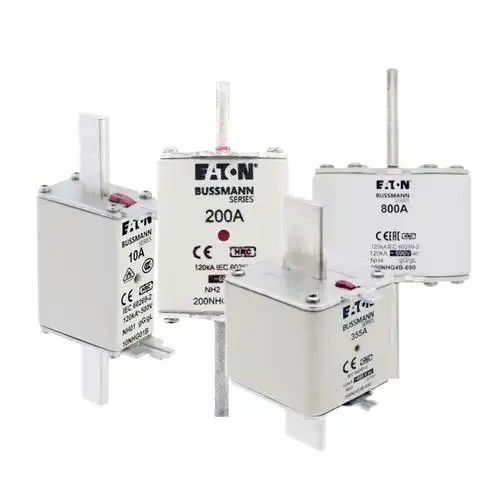
Circuit Breakers 101: The Modern “Fuse Breaker” Replacement
What a circuit breaker is (in plain English)
A circuit breaker is a reusable safety switch that protects your home’s wiring from too much electrical current. When something goes wrong—like too many appliances on one circuit or a wiring fault—the breaker “trips” and shuts off power before the wires overheat or start a fire.
Think of it as:
Traffic cop for electricity – It lets normal current pass.
Emergency shutoff – It cuts power the moment it senses trouble.
How a circuit breaker trips vs. a fuse burning out
People often call any of these devices a “fuse breaker,” but they don’t work the same way:
Fuse:
Has a thin metal strip that melts when the current is too high.
Once it blows, it’s done—you must replace it.
Very fast response, but not reusable.
Circuit breaker:
Uses an electromagnet and/or bimetal strip inside.
When the current is too high, the mechanism snaps open and cuts power.
You simply reset the breaker by flipping the handle back on.
Same goal—stop the dangerous current. Different method and much more convenient.
Basic parts of a breaker panel in a typical U.S. house
When you open your main breaker panel (also called a breaker box), you’ll usually see:
Main breaker
Big switch at the top or bottom that can shut off power to the whole house.Individual circuit breakers
Rows of smaller switch-like breakers labeled “Kitchen,” “Living Room,” “Dryer,” etc.Bus bars and neutral/ground bars
Metal bars inside the panel where breakers and wires connect. These are part of the distribution system that feeds each branch circuit, similar in concept to how larger systems use load-break switchgear to safely control power flow.
You should never touch bare metal parts inside the panel—just the breaker handles if you’re resetting one.
Why modern homes use circuit breakers instead of fuses
In the U.S., circuit breakers are standard in new homes for a few reasons:
Resettable – No buying and swapping fuses every time something blows.
Safer for homeowners – Less chance of putting in the wrong size device.
Code requirements – Modern electrical codes favor breakers and advanced protection (GFCI, AFCI, dual-function).
Easier upgrades – Adding circuits or upgrading protection is simpler with a breaker panel.
Better protection options – Smart breakers, arc-fault protection, and ground-fault protection are all built on breaker technology.
Simple real-life examples of when a breaker will trip
Here’s when you might see a “fuse breaker” (really a circuit breaker) do its job:
Too many devices on one outlet strip
Space heater + hair dryer + curling iron on the same bathroom circuit? The breaker may trip from overload.Short circuit
A hot wire touches neutral or ground, or a damaged cord gets crushed. The breaker trips instantly to stop the surge.Ground fault
Power leaks to ground—often in wet areas like bathrooms or outdoors. A GFCI breaker or outlet will trip to protect you from shock.Bad appliance
An old microwave or failing AC unit pulls too much current or shorts internally. The breaker trips every time you turn it on.
In all these cases, the breaker is doing exactly what it’s supposed to do—protecting your wiring, your home, and you.
Types of Circuit Breakers in a Home Panel
When people say “fuse breaker,” they’re usually talking about the circuit breakers in their main panel. Here’s what those actually are and what each type does in a typical U.S. home.
Single-Pole Breakers (Standard Household Circuits)
Single-pole breakers are the small, skinny switches you see in most breaker panels.
Used for: Lights, outlets, TVs, computers, small appliances
Voltage: 120V
Typical sizes: 15A and 20A
What they protect: One “hot” wire feeding a circuit
If a single-pole breaker trips often, it usually means too many things are plugged into the same circuit or there’s a wiring issue.
Double-Pole Breakers (Big Appliances)
Double-pole breakers are twice as wide and take up two spaces in the panel.
Used for: Electric dryers, ovens, water heaters, AC condensers, EV chargers, some well pumps
Voltage: 240V (and sometimes 120/240V split-load circuits)
Typical sizes: 30A, 40A, 50A, 60A+
They protect large loads that draw more power. A tripped double-pole breaker can shut down a key appliance, so if it trips more than once, I always recommend having an electrician check it.
Miniature Circuit Breaker (MCB) Basics
In home use, what most people call a “regular breaker” is technically a miniature circuit breaker (MCB).
Compact design that fits in standard residential panels
Thermal-magnetic protection:
Thermal: reacts to overloads (too much current over time)
Magnetic: reacts quickly to short circuits
Designed for everyday residential circuits
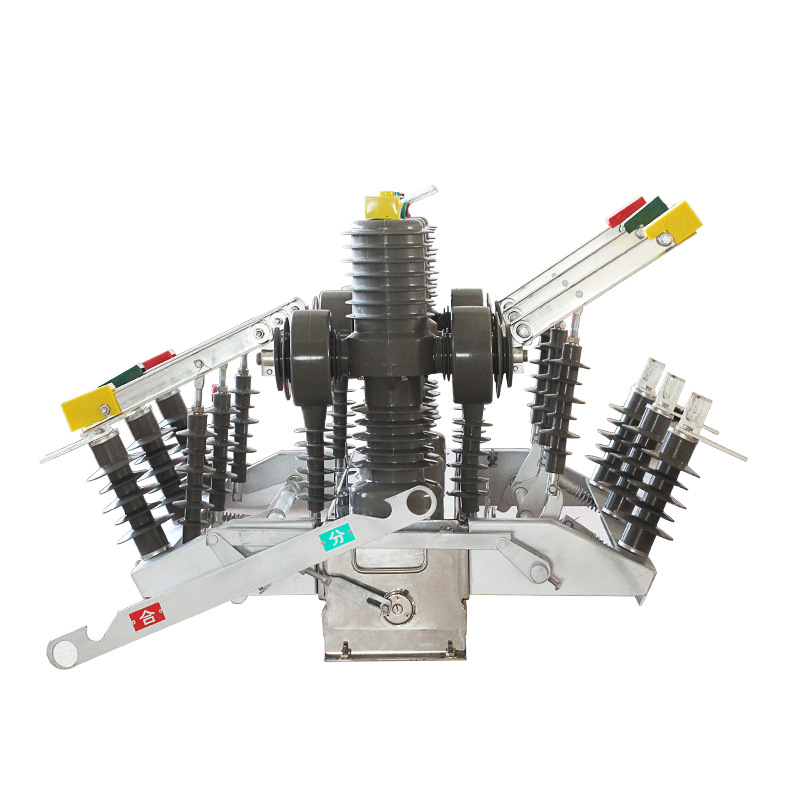
In industrial and utility settings, you’ll see larger gear like MCCBs, vacuum contactors, and advanced medium-voltage breakers or reclosers. For example, a utility may use an auto circuit recloser on overhead lines to automatically re-energize after temporary faults.
GFCI vs Regular Breaker in Wet Areas
A regular breaker protects your wiring. A GFCI breaker is focused on protecting people from shock.
Regular breaker:
Trips on overloads and short circuits
Standard protection for most dry areas
GFCI (Ground Fault Circuit Interrupter) breaker:
Required by code in: bathrooms, kitchens, laundry rooms, garages, basements, outdoors, around pools/spas
Trips if it detects current leaking to ground (like through a person)
Works even if the total load is small — it reacts to tiny imbalances, not just big overloads
You can have GFCI protection either at the breaker or at a GFCI outlet on that circuit.
AFCI Breakers for Arc Fault Protection
AFCI (Arc Fault Circuit Interrupter) breakers reduce fire risk from dangerous arcing in wiring.
Required in most bedrooms and living areas in the modern code
Detects “arc faults” from loose connections, damaged cords, or nails/screws through cables
Trips before that arcing can ignite surrounding materials
These are key for older wiring that has been bumped, stapled too tightly, or modified over the years.
Dual-Function Breakers (GFCI + AFCI)
Dual-function breakers combine:
GFCI (shock protection)
AFCI (arc-fault/fire protection)
in one device.
They’re a smart choice when:
You’re remodeling and want both person and fire protection on the same circuit
You don’t want to mix GFCI outlets and AFCI breakers all over the place
You want a cleaner layout in the panel with fewer specialty devices
They cost more than standard breakers but usually less than trying to piece together multiple separate devices, and they bring your home much closer to current safety standards in one shot.
Fuse vs Circuit Breaker vs “Fuse Breaker”
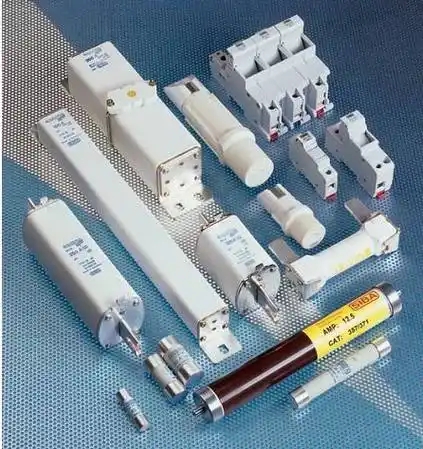
What Is a Fuse Breaker, Really?
In everyday talk, most people use “fuse breaker” to mean any device that shuts power off when there’s a problem. Technically:
A fuse is a one-time “burnout” safety link.
A circuit breaker is a reusable switch that trips off.
“Fuse breaker” isn’t a formal product name. It’s just a mixed-up term people use online and in stores when they’re not sure if it’s a fuse or a breaker.
When you see “fuse breaker” in a listing, it’s almost always either:
A standard circuit breaker, or
A fuse holder / fuse block being described badly in marketing.
Key Differences: Fuse vs Circuit Breaker in Plain English
Here’s the simple breakdown:
How they work
Fuse: Inside the fuse is a thin metal strip. Too much current? The strip melts and the fuse “blows,” cutting power.
Circuit breaker: Uses an internal switch mechanism (thermal, magnetic, or both). Too much current? The breaker trips and flips to OFF.
What you do after a fault
Fuse: You must replace it with a new fuse of the same rating.
Circuit breaker: You just reset it by flipping the handle back to ON after fixing the issue.
Visual difference
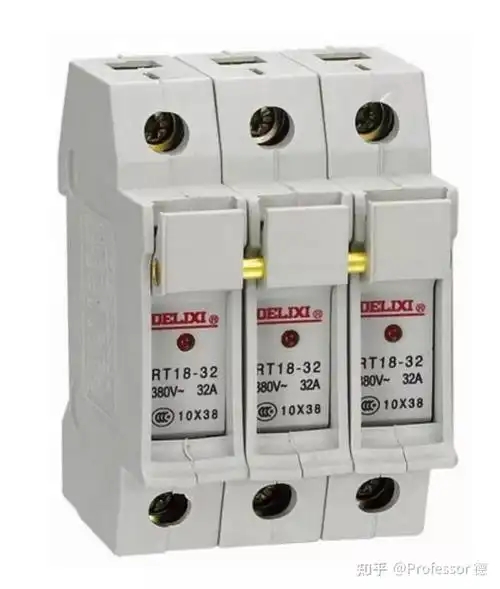
Fuse: Usually a glass tube, cartridge, or screw‑in “plug” style.
Breaker: Looks like a small switch in a row of other switches in a panel.
Response Time, Safety, and Convenience
Response time
Fuses can react extremely fast, especially special “fast-blow” types used in electronics.
Breakers are slightly slower but still plenty quick enough for typical home wiring protection.
Safety
People sometimes screw in a larger fuse than they should to “stop it from blowing.” That can overheat wires and start fires.
With a breaker, you can’t “upsized” it without an electrician swapping hardware, which is harder (and less likely) for a homeowner to do.
Both fuses and breakers are safe when properly sized and installed.
The big safety problem is human behavior:
Convenience
Fuse: Cheap, simple, but a hassle: once it blows, you need a new one on hand.
Circuit breaker: Faster and easier—just reset, no parts to buy each time.
Reset vs Replace: What Actually Happens
Blown fuse
The metal link inside literally burns open.
Power is off until you:
Find why it blew (overload, short, etc.).
Fix the problem.
Replace the fuse with the same amp rating and type.
Tripped breaker
The internal mechanism unlatches and flips the handle to OFF or a middle “tripped” position.
Power comes back when you:
Unplug or switch off some loads or fix the fault.
Firmly flip the breaker all the way OFF, then back ON.
For larger systems and more advanced protection (like in commercial or utility gear), this same idea scales up into specialized devices and switchgear-based power systems built around advanced breakers, not fuses.
Which Is More Common and Code-Compliant in Modern Homes?
In the U.S. today:
New homes and panel upgrades:
GFCI breakers (for ground fault protection in wet areas)
AFCI breakers (for arc fault protection in living spaces)
Dual-function breakers that combine both.
Almost always use circuit breakers, not old-style residential fuses.
Modern code often expects breakers so you can use:
Old houses
They can be underpowered for today’s loads (EV chargers, big HVAC, large kitchen appliances).
Many insurers and inspectors strongly recommend upgrading to a breaker panel.
You may still see fuse boxes, especially in older neighborhoods.
They can be legal if kept in good shape and properly sized, but:
Bottom line:
“Fuse breaker” is just a mixed term; in practice, U.S. homes use fuses in older systems and circuit breakers in modern, code-compliant panels.
If you’re planning any electrical upgrade or adding big loads, moving to a breaker panel with modern protection is usually the smartest and safest move.
Fuse Box vs Breaker Panel in Your House
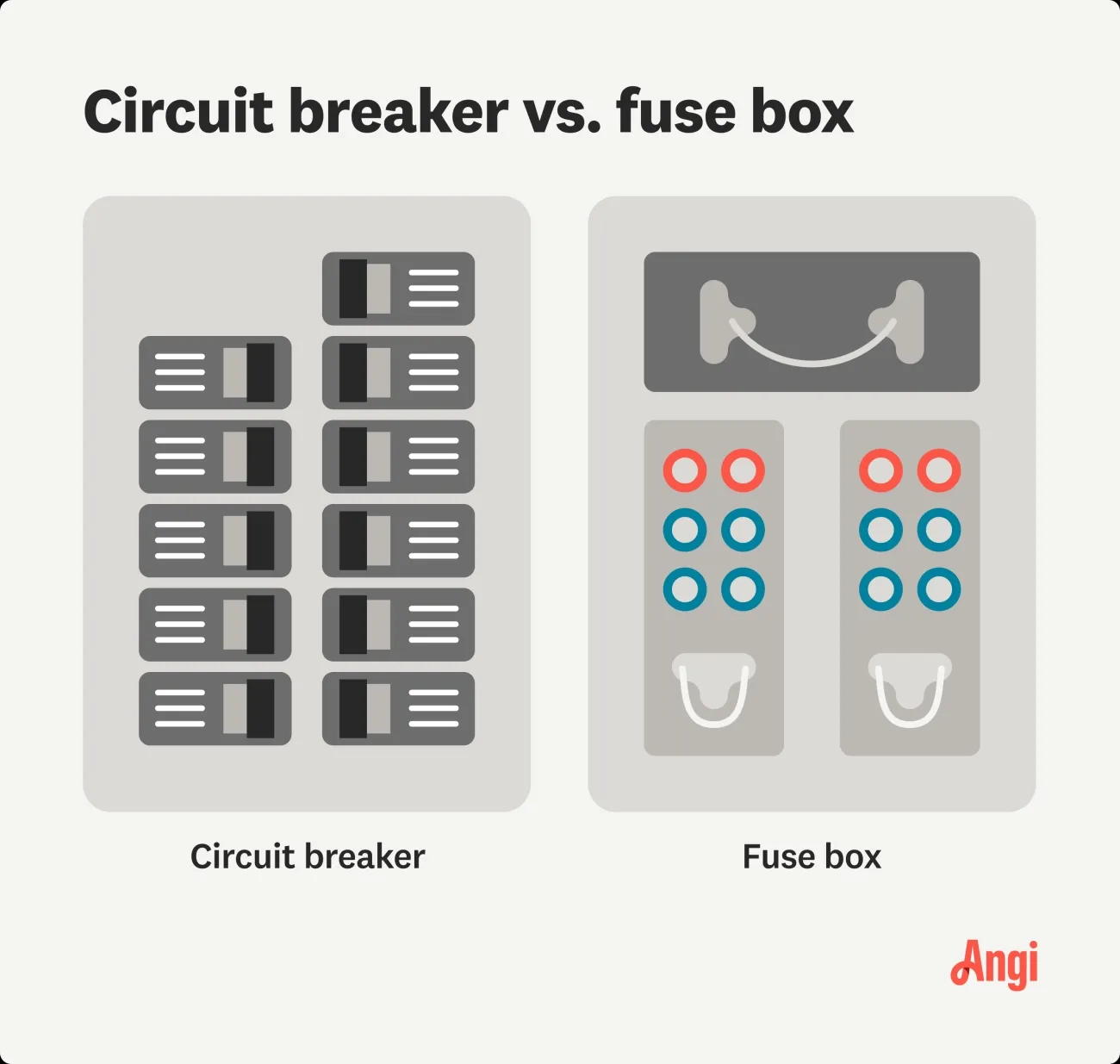
What a fuse box looks like vs a breaker panel
Fuse box (older style):
Usually a small metal box, often painted, with a simple door.
Inside you’ll see round screw-in fuses or pull-out cartridge fuses, not switches.
Some fuses are glass with a visible wire inside; others are solid and labeled by amps (15A, 20A, 30A, etc.).
Breaker panel (modern style):
Larger metal panel, usually gray, with a solid hinged door.
Inside you’ll see rows of black (or gray) switch-style breakers, not round fuses.
Each breaker looks like a small toggle switch, usually labeled ON/OFF with the amp rating printed on the handle.
Common setups in old house electrical panels
In older US homes (especially pre-1970s), it’s common to see:
A main fuse disconnect at the top (a big pull-out block) feeding smaller branch fuses.
Multiple screw-in fuses for lights and outlets, and cartridge fuses for big loads like old ranges or water heaters.
Sometimes an even older style with rewirable fuses, where someone actually replaced the fusible wire (these are very outdated and usually not considered safe by today’s standards).
These older setups were state-of-the-art decades ago, but they weren’t designed for today’s heavy loads like central AC, EV chargers, and big kitchen appliances, which is why many homeowners eventually replace a fuse panel with a breaker panel as part of a full breaker panel upgrade or larger electrical modernization, similar to how utilities are modernizing power distribution equipment.
How to tell at a glance if you have fuses or breakers
You can usually tell in 10 seconds:
You have a fuse box if:
You see round, screw-in pieces (often white or colored) that look like oversized bottle caps.
You see glass windows showing a thin wire or metal strip.
You have to unscrew or pull out something to replace it.
You have a breaker panel if:
You see rows of small switches lined up vertically or horizontally.
Each is a toggle that can be flipped back ON after it trips.
There is a larger “MAIN” breaker at the top or bottom.
If you see both (for example, fuses outside and breakers inside), you may have a mixed or partially upgraded system.
Why many homeowners upgrade from fuse box to breaker panel
In the US, most homeowners move from fuse box to breaker panel for a few key reasons:
More capacity: Modern breaker panels handle higher total amperage and more circuits for today’s lifestyle (HVAC, EV chargers, hot tubs, home offices).
Convenience: A breaker that trips can be reset; a blown fuse must be replaced, and you need the right fuse on hand.
Safety & code compliance: Old fuse panels can be unsafe if the wrong size fuse was used to “stop it from blowing.” That can overheat wires and increase fire risk. Modern panels support better protection like GFCI, AFCI, and dual-function breakers.
Insurance & resale: Many insurers and home inspectors flag old fuse boxes, especially if they’re overloaded or from certain outdated brands. Upgrading can help with insurance approvals and home value.
Typical locations of fuse boxes and breaker panels in a home
In most US houses, you’ll find your fuse box or breaker panel in one of these spots:
Garage (very common in newer homes)
Basement (including utility or laundry area)
Utility room or mechanical room
Hallway or closet near the front of the house (in some older houses)
Exterior wall near the electric meter (often the main disconnect or main breaker)
If you’re not sure where yours is, start by looking near where the electric meter is mounted outside. The main breaker panel or fuse box is usually on the same side of the house or just inside that wall.
Why Everyone Googles “What Is a Fuse Breaker?”
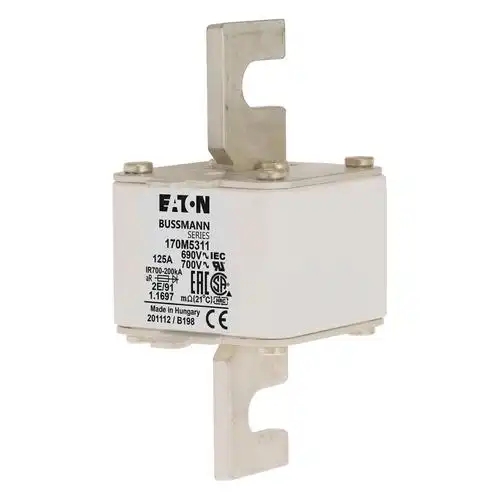
Common myths about “fuse breakers.”
A lot of people search “what is a fuse breaker” because the term itself is confusing. Here are the biggest myths I see:
Myth 1: A fuse breaker is a special device.
In most cases, people are actually talking about either a fuse or a circuit breaker, not a third product.Myth 2: Fuses and breakers work the same way.
They both protect wiring, but a fuse melts once and must be replaced, while a breaker trips and can be reset.Myth 3: Any box with switches or fuses is a “fuse breaker box.”
You either have a fuse box (with screw-in or cartridge fuses) or a breaker panel (with flip-style switches).
When you see residential gear marketed as a “fuse breaker,” it usually just means the seller is mixing up terms.
How online listings cause fuse breaker confusion
Online marketplaces make the confusion worse:
Sellers often stuff keywords like “circuit breaker vs fuse” or “fuse box vs breaker panel” into one title.
Low-cost imports sometimes label products “fuse breaker” to show they’re a residential circuit protection device without being precise.
Some industrial products, like a drop-out high-voltage fuse used on utility poles, get lumped in with home breakers, even though they’re completely different from the breakers in your main breaker panel. (Example: a utility-style drop-out fuse for outdoor protection is not something you’d ever use in a house.)
Result: homeowners aren’t sure whether they’re buying a fuse, a breaker, or something in between.
Regional language differences in the U.S.
Even around the United States, people use different terms:
Some homeowners call the panel in the basement the “fuse box” even when it’s actually a breaker panel.
Electricians and inspectors will say “panelboard, ” “load center ” “main breaker panel ” or just “panel.”
Older neighborhoods with original wiring often truly have an old fuse box house setup but the same words get used for modern panels too.
So when people say “fuse breaker ” it’s often just local slang for “the thing that shuts the power off.”
Why people call any safety device a “fuse breaker”
Most homeowners don’t deal with electrical gear every day. To them:
Anything that stops power = “fuse breaker”
A little device that trips or blows = “fuse breaker”
The main shutoff in the garage = “fuse breaker”
The problem is fuse and breaker matter a lot for safety code and upgrades like replacing a fuse box with a breaker panel. Using the wrong word can confuse your electrician or lead you to the wrong product.
How marketing blurs fuse vs breaker
Some brands and resellers are part of the problem:
Product titles mix everything: “miniature circuit breaker MCB fuse breaker” to catch all search traffic.
Labels say “fuse/breaker protection” even when it’s clearly just a miniature circuit breaker (MCB).
Industrial and utility gear like outdoor vacuum circuit breakers for higher voltages sometimes show up in the same category as home breakers further blurring what a “breaker” really is.
Bottom line: if you’re unsure what you have look at the device not the marketing name. Glass plugs or cartridges usually mean fuses; rows of resettable switches mean circuit breakers. When in doubt describe what you see and let a licensed electrician guide you.
How to Check If You Have Fuses or Breakers in 30 Seconds
Simple safety checks first
Before you touch anything do this:
Stand on a dry floor (no wet basement puddles).
Use one hand when you open the panel door keep the other hand off metal.
Don’t remove any covers or metal plates—just open the main door.
If you see burn marks melted plastic or buzzing step back and call an electrician.
How to find your fuse box or breaker panel
In most U.S. homes the panel is usually:
In the basement garage utility room laundry room or a closet near the entry.
In older houses sometimes on a porch or outside wall.
Look for a gray metal door about the size of a large textbook or small cabinet.
Fuse box vs breaker panel: quick visual guide
Open the door and look inside:
You have a fuse box if you see:
Round screw-in fuses that look like fat glass/ceramic plugs.
Glass fuses where you can see a little metal strip or wire inside.
Cartridge fuses—rectangular or cylindrical pieces you pull out of holders.
A layout that looks “older ” with no rows of flip switches.
You have a breaker panel if you see:
Rows of slim black (or gray) switch-style breakers you can flip ON/OFF.
A main breaker at the top or bottom that looks like a larger switch.
Labels like “15A 20A 30A” printed on each switch.
That’s your quick fuse box vs breaker panel check.
Blown fuse symptoms vs tripped breaker
When a circuit shuts off here’s what you’ll notice:
Blown fuse symptoms:
Part of your house loses power (outlets/lights) on one circuit.
On a glass fuse the metal strip inside looks melted broken or dark.
Sometimes there’s a burn mark or smoky look inside the fuse.
Tripped breaker symptoms:
Some outlets/lights go dead.
One breaker handle is not fully in ON or OFF—it’s stuck in the middle or slightly off.
The handle may feel a bit “loose” compared to others.
How to spot glass fuses cartridges or breakers at a glance
Glass fuses: Round glass fronts usually about the size of a quarter screwed into a panel.
Cartridge fuses: Longer tube-like pieces often in pull-out blocks labeled “MAIN” or for big appliances.
Switch-style breakers: Flat plastic handles that flip like small light switches lined up in rows.
When to stop and call an electrician
Stop DIY and call a licensed electrician if:
You smell burning see scorch marks or hear crackling from the panel.
A breaker or fuse keeps tripping or blowing over and over.
You’re not sure how to reset a circuit breaker or replace a fuse safely.
Your panel looks extremely old rusted or overloaded with double-tapped wires.
If you’re looking into more advanced protection upgrades—like moving from basic breakers to smarter high-safety solutions—check out how smart circuit breakers expand on traditional protection with features like remote monitoring and fault detection in this smart circuit breaker guide.
Common Problems: Blown Fuse, Breaker, or Tripping Breaker
When a “fuse breaker” blows or a breaker keeps tripping it’s your home’s way of saying: something isn’t safe. Don’t ignore it and definitely don’t try to “fix” it by upsizing the fuse or breaker.
Everyday Causes of a Blown Fuse or Tripping Breaker
Most of the time it comes down to one of these:
Circuit overload
Too many devices on one circuit (space heater + hair dryer + microwave etc.).
Multiple power strips or extension cords daisy‑chained together.
Short circuit
Hot wire touches neutral or ground where it shouldn’t.
Damaged cords crushed cables behind furniture or loose wire connections.
Ground fault
Current leaks to ground often through moisture or damaged insulation.
Common around kitchens bathrooms basements garages and outdoor outlets.
Faulty appliances
Old space heaters window AC units or cheap electronics can trip protection devices quickly.
Signs Your Circuit Is Overloaded
Watch for these overload symptoms:
Lights dim or flicker when you turn on a big appliance.
Warm or hot outlets switches or plug strips.
A breaker or fuse that trips/blows when you plug in “one more thing.”
Buzzing sounds at the panel or outlet (stop using that circuit immediately).
If you’re seeing more than one of these on the same circuit you’re pushing it too hard.
Short Circuits vs Ground Faults (Plain English)
Here’s the simple breakdown:
Short circuit
Think of it as a “shortcut” for electricity.
The hot wire takes a direct low‑resistance path to neutral or ground.
Result: a sudden spike in current. The fuse blows or breaker trips almost instantly to protect the wiring.
Ground fault
Electricity leaks to ground where it shouldn’t—often through a wet surface metal part or even a person.
GFCI outlets and breakers are designed to cut power fast if they detect this kind of leak.
In both cases the protection device is doing its job to prevent fire or shock.
What Does a Circuit Breaker Do When There’s a Fault?
When there’s an overload short circuit or ground fault:
The breaker senses too much current or an unsafe pattern.
Internal mechanisms (thermal and/or magnetic) react and the handle flips to the middle or “OFF” position.
Power to that circuit shuts off before wires overheat and start a fire.
High‑performance protection devices like current‑limiting fuses designed for fault protection do a similar job in more demanding applications.
How to Safely Reset a Circuit Breaker After It Trips
Follow this every time:
Unplug or switch off some devices on that circuit (space heater toaster hair dryer etc.).
Go to your breaker panel and find the breaker that’s slightly off or in the middle position.
Firmly push it all the way to OFF first.
Then push it to ON until it clicks.
Plug devices back in one at a time. If it trips again:
You likely have an overload bad appliance or wiring problem.
Stop resetting and call a licensed electrician.
Never tape a breaker on never jam a fuse and never replace a blown fuse with a bigger one. Those shortcuts turn a simple nuisance trip into a real fire hazard.
When You Should Upgrade from Fuses to Circuit Breakers
If your house still runs on fuses there’s a good chance the wiring and panel were never designed for today’s loads—EV chargers big HVAC systems induction ranges and all the electronics we plug in every day. At some point it stops being “old but fine” and turns into a real safety and reliability issue.
Warning Signs Your Old Fuse Box Isn’t Safe
You should seriously consider upgrading your fuse box to a modern breaker panel if you notice:
Fuses blow regularly for normal use (microwave + toaster vacuum + space heater window AC etc.).
Fuse box feels warm or smells burnt when circuits are under load.
Loose corroded or discolored fuse holders or wiring inside the panel.
Oversized fuses (for example a 30A fuse on wiring that should only have a 15A or 20A fuse) – this is a major red flag.
Mixed wiring and “DIY fixes” inside the panel: taped-up splices doubled-up wires on one fuse makeshift adapters.
No main disconnect or clearly labeled shutoff for the whole house.
If you see any of this stop adding “temporary fixes” and plan an upgrade. Insurance companies and home inspectors are calling this out more and more.
Frequent Blown Fuses With Normal Appliances
If every time you:
Run the microwave and coffee maker together…
Turn on a hair dryer while the bathroom light and fan are on…
Or plug in space heaters portable ACs or gaming setups…
…and you blow a fuse it’s not just annoying. It usually means:
The circuit is undersized for how we live today.
The fuse box layout is outdated and poorly balanced.
You’re constantly running right at or above safe limits.
A modern breaker panel lets your electrician add more circuits balance loads and use specialized protection like AFCI and GFCI instead of pushing old wiring to the edge.
Adding EV Chargers HVAC or Big Kitchen Upgrades
If you’re adding any of these a fuse box is almost always a bottleneck:
EV chargers (Level 2): Often need a dedicated 40–60A 240V circuit.
New central HVAC or heat pump: Big 240V loads plus air handler circuits.
Electric ranges induction cooktops double ovens.
Tankless electric water heaters or electric dryers.
Major kitchen remodels: More small-appliance circuits dishwashers disposals microwaves and under-cabinet lighting.
Most fuse panels simply don’t have:
Enough capacity (amperage).
Enough circuit spaces.
The right type of protection required by modern electrical codes.
At that point a breaker panel upgrade isn’t a luxury; it’s the right way to support these upgrades safely.
Insurance Home Inspection and Code Reasons to Upgrade
In the U.S. older fuse panels—especially certain brands and configurations—are getting flagged a lot:
Home inspectors often write up fuse boxes as “safety concern” or “recommend upgrade ” which can affect sale price and negotiations.
Insurance companies may:
Charge higher premiums.
Require panel upgrades before issuing or renewing a policy.
Deny coverage for fire claims traced to outdated or overloaded electrical panels.
Electrical code (NEC) evolves every few years. While old systems can be “grandfathered ” any major renovation usually triggers requirements for:
GFCI and AFCI protection.
Proper grounding and bonding.
Adequate service size (100A–200A for most homes today).
If you’re planning a remodel panel upgrade is often the cleanest way to meet code and avoid headaches with permits and inspections.
Typical Process to Replace a Fuse Box With a Breaker Panel
Here’s how a fuse-to-breaker upgrade usually goes in a U.S. home:
Site visit and load calculation
A licensed electrician checks:
Existing panel brand size and condition.
Service size (60A 100A etc.).
Number and type of circuits you actually need. They’ll do a load calc to see if you need 100A 150A or 200A service.
Quote permits and scheduling
You get a written estimate for the panel upgrade (often including new grounding and some circuit cleanup).
Electrician pulls permits and coordinates with the local utility for a power shutoff and inspection.
Power shutoff and removal of old fuse box
Utility temporarily cuts power at the meter.
Electrician safely removes the old fuse panel and checks the condition of existing wiring.
Install new main breaker panel
New breaker panel is mounted and properly grounded.
Existing circuits are moved over labeled correctly and new breakers are installed (standard GFCI AFCI or dual-function where needed).
If needed new service entrance cable and meter equipment are upgraded.
Inspection and power restoration
City or county inspector reviews the work.
Utility restores power once the job passes inspection.
You now have a clear labeled main breaker panel that’s easier to use and safer.
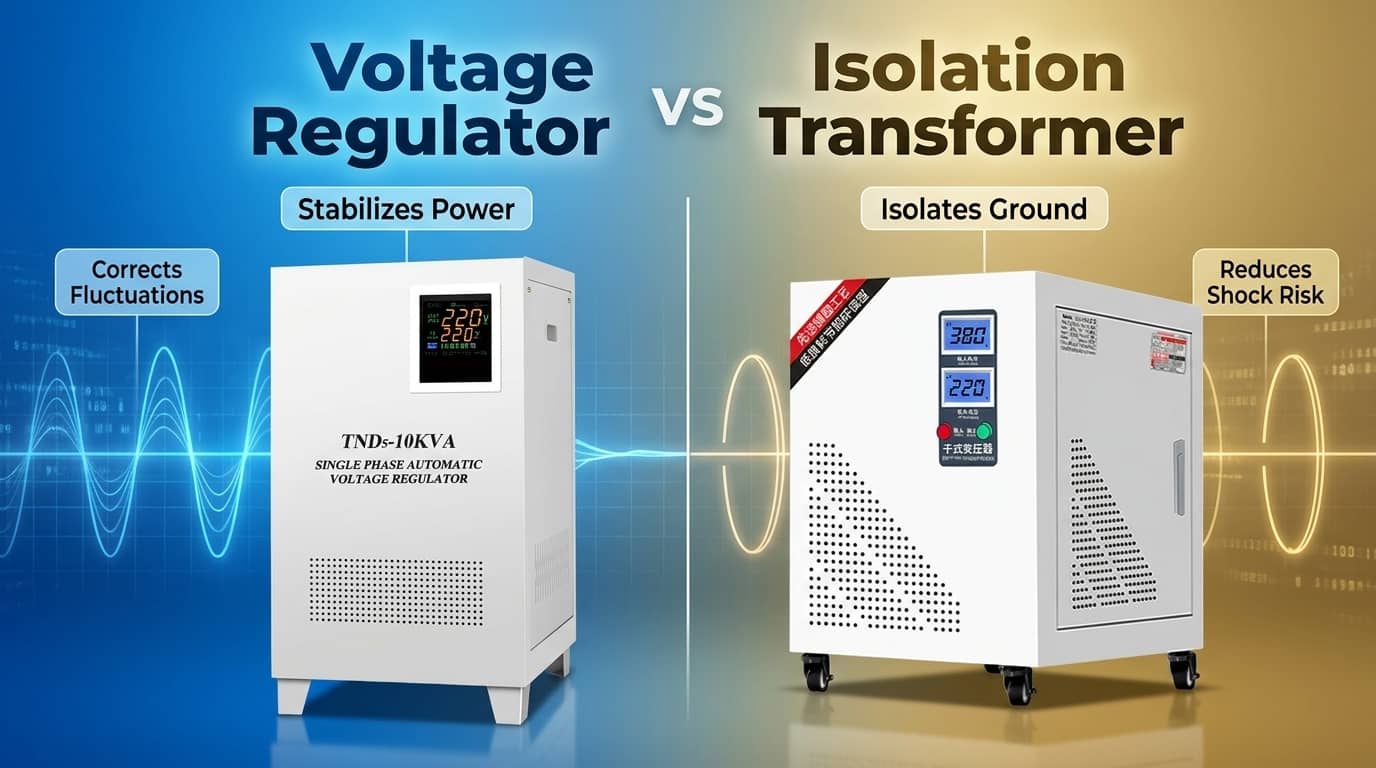
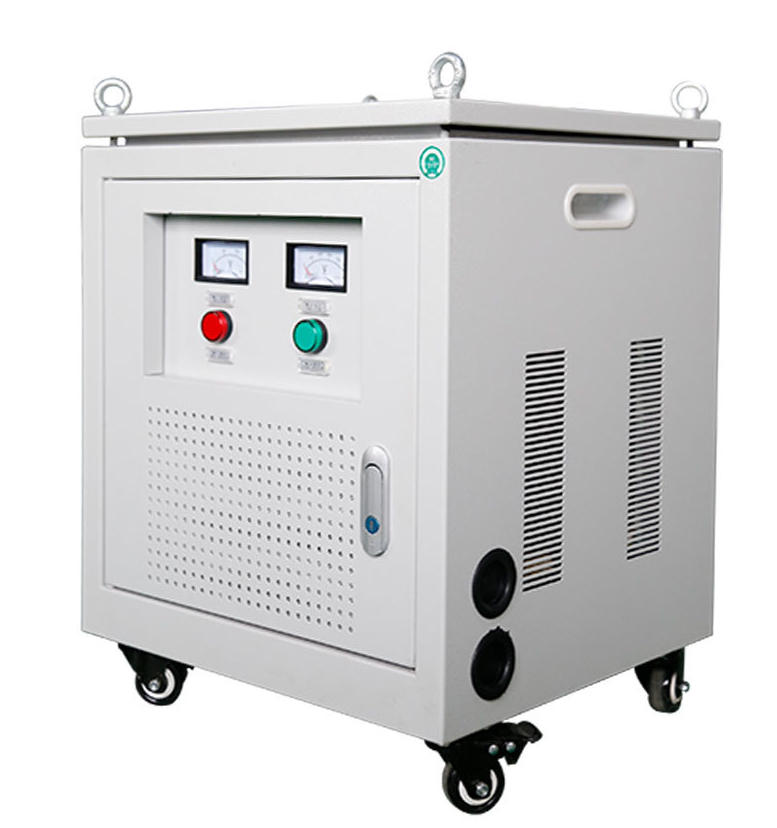
If you’re also adding higher-end protection—like surge protection or even advanced gear such as an isolation transformer upstream for sensitive equipment similar in concept to the industrial prefabricated substation solutions used in larger installations—this is the time to plan it in.
Bottom line: If your fuses are constantly blowing your panel looks sketchy or you’re upgrading to EVs heavy HVAC or a modern kitchen it’s time to look hard at replacing the fuse box with a breaker panel. It’s a major jump in both safety and usability—and it’s often required to protect your investment and keep your insurance and inspections clean.
Home Electrical Safety Tips Around Fuse Breakers
When people say “fuse breaker ” they usually mean either a fuse or a circuit breaker. No matter what you call it these devices are your last line of defense against electrical fires. Here’s how I’d keep a home in the U.S. safe around them.
Simple habits to keep your wiring safe
Use these everyday habits:
Don’t overload outlets.
Avoid “octopus” setups with multiple power strips daisy-chained.
High‑draw items (space heaters hair dryers microwaves) should be on their own outlet when possible.
Use power strips with surge protection.
Look for UL listing and a reset switch not cheap no‑name strips.
Watch for warning signs.
Lights dimming or flickering when things turn on
Warm or discolored outlets or plugs
Buzzing from the panel or outlets
Burning smell anywhere near wiring
Match plugs to the right place.
Use GFCI‑protected outlets in kitchens bathrooms garages and outdoors.
Don’t use extension cords as permanent wiring.
What never to do with a fuse breaker or circuit breaker
Some “fixes” are flat‑out dangerous:
Never tape a breaker in the ON position.
Never bypass a fuse with foil wire or metal objects.
Never keep resetting a breaker 5–6 times in a row.
If it keeps tripping there’s a reason—and it may be serious.Never swap parts just to “see what happens.”
Randomly changing fuses or breakers can create a fire risk.
Why you should never oversize a fuse or breaker
If a 15‑amp fuse or breaker keeps blowing or tripping the answer is not to “upgrade” it to 20 or 30 amps:
Breakers and fuses are sized to protect your wires not your appliances.
Oversizing lets the wire overheat before the protection device trips. That’s how house fires start inside walls.
If you’re regularly tripping a circuit you likely need:
Fewer devices on that circuit or
A new properly wired circuit added by an electrician.
If you’re comparing protection options some homeowners also look at how different devices behave in overload situations similar to the way a circuit breaker vs HRC fuse is evaluated in industrial setups (see this detailed breakdown of circuit breaker vs HRC fuse performance and selection).
When a constantly tripping breaker means real danger
A breaker that trips once in a while when you plug in too much? Annoying but usually just overload. A breaker that trips over and over is different:
Red‑flag situations:
Breaker trips immediately when you reset it
You hear buzzing sizzling or smell burning at the panel or an outlet
You see scorch marks on outlets plugs or the panel cover
The breaker feels hot to the touch
In these cases:
Stop resetting the breaker.
Unplug everything on that circuit if you can do so safely.
Call a licensed electrician right away.
How to talk to a licensed electrician (and get clear answers)
You don’t need to speak “electrician language” to get good help. Do this instead:
Describe the symptoms not your guess.
“The bedroom lights flicker when the AC kicks on.”
“The living room breaker trips every time we use the space heater and TV together.”
Take clear photos of:
Your breaker panel or fuse box (cover open and closed)
Any damaged outlets cords or scorch marks
Ask direct questions:
“Is this a safety issue or just an inconvenience?”
“What’s the short‑term safe workaround and what’s the long‑term fix?”
“Will this work be up to current code and good for future upgrades?”
Request options and pricing.
“What’s the minimum safe fix?”
“What’s the best long‑term solution if I plan to add more load (EV charger hot tub etc.)?”
Clear details help your electrician quickly spot whether you just need a minor repair or a bigger upgrade like a new main breaker panel or additional protection devices (GFCI AFCI or even smart circuit breakers).
Smart Circuit Breakers and Modern Home Protection
How Smart Breakers Improve on Old “Fuse Breaker” Technology
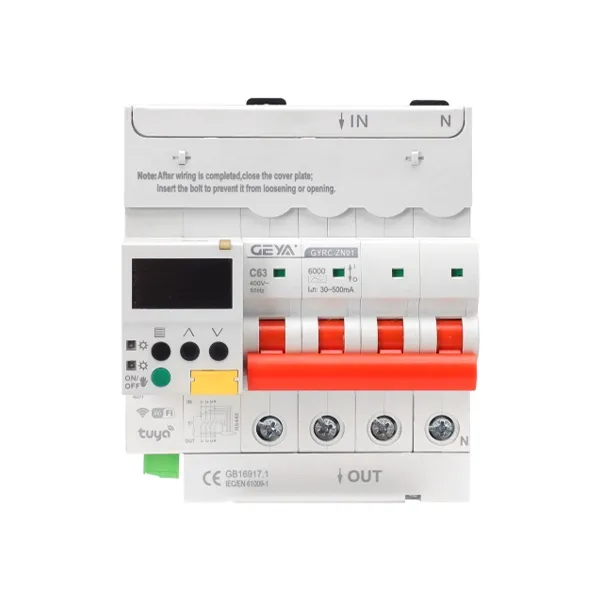
Smart circuit breakers take the basic job of a fuse breaker—shutting off power during a problem—and add brains on top of it. Instead of just tripping and leaving you guessing a smart breaker:
Monitors each circuit in real time
Logs when and why it tripped
Lets you see and control circuits from your phone
Helps you balance loads so you’re not constantly overloading one circuit
In simple terms: a fuse just sacrifices itself once a standard breaker trips and you reset it but a smart breaker actually “talks” to you and helps you prevent problems before they become expensive or dangerous.
Remote Monitoring and App Alerts for Tripping Breakers
With smart breakers and smart panels you can:
Get instant app alerts when a breaker trips (even if you’re not home)
See which circuit went out—“Kitchen outlets” instead of “Breaker #7”
Turn certain circuits on or off remotely (handy for rentals vacation homes or kids who keep flipping space heaters back on)
Check that critical loads (sump pump fridge server aquarium) still have power
For more technical folks or pros a detailed electric circuit breaker technical guide can help you understand how these smarter devices are built and tested.
Energy Tracking and Load Management with Smart Panels
Smart breaker panels give you circuit-by-circuit energy tracking so you actually know where your power is going:
See which rooms or appliances use the most electricity
Spot “energy hogs” like old fridges space heaters or always-on electronics
Track EV charging and HVAC usage by day week or month
Set alerts if a circuit pulls more power than normal (great for catching failing equipment early)
This kind of load management helps you lower your bill size future upgrades correctly and avoid nuisance trips when you add big loads like an EV charger or hot tub.
Extra Protection from Arc Faults Ground Faults and Surges
Many smart breakers add advanced protection on top of what standard breakers do:
Arc fault protection (AFCI): Looks for dangerous arcing in damaged cords loose connections or staples through wires—common causes of electrical fires.
Ground fault protection (GFCI): Trips faster when electricity starts leaking to ground protecting people from shock in kitchens bathrooms garages and outdoors.
Built-in surge protection: Helps shield sensitive electronics from voltage spikes from lightning or utility issues.
Combined you get stronger protection for both your family and your gear than old fuse boxes or basic breaker panels can provide.
When Smart Breaker Upgrades Make Sense for Your Home
Upgrading to smart circuit breakers is worth a serious look if:
You’re already planning a panel upgrade or service upgrade
You’re adding big loads (EV charger solar battery storage new HVAC home office servers)
You own a rental Airbnb or second home and want remote control and alerts
You have frequent breaker trips and want data to pinpoint the cause
You care about energy usage and want real numbers not guesses
For most U.S. homeowners the sweet spot is pairing a modern breaker panel with smart breakers on key circuits: EV HVAC kitchen laundry and critical loads. It costs more up front but the extra safety convenience and energy insight can easily pay off over time—especially as homes get more electrified and connected.
Beginner FAQs: What Is a Fuse Breaker Really?
Is a fuse breaker the same thing as a circuit breaker?
No. People in the U.S. often say “fuse breaker” when they actually mean either a fuse or a circuit breaker.
Fuse: One‑time protection device that melts when there’s too much current. You must replace it after it blows.
Circuit breaker: Reusable switch that trips off when there’s a problem. You reset it after fixing the issue.
So “fuse breaker” isn’t a real technical term. In residential electrical work we’re talking about fuses vs circuit breakers and they are different devices.
Can you replace a fuse breaker with a modern breaker yourself?
Legally and safely in most U.S. homes: no you shouldn’t.
Swapping a fuse box for a breaker panel means:
Working on the main service (high shock and fire risk)
Re‑terminating multiple circuits
Pulling permits and passing inspection
DIY risks:
Shock fire failed inspection
Voided homeowners' insurance if something goes wrong
You can reset a tripped breaker or replace a screw‑in fuse on a clearly labeled circuit but panel upgrades and service changes belong with a licensed electrician.
Are fuses ever safer than circuit breakers?
In some niche cases yes—but not for a typical house.
Fuses can react very fast to short circuits and can provide excellent protection when sized correctly.
But in real‑world homes:
Homeowners oversize fuses “so they don’t blow” (very dangerous)
Fuse boxes often lack modern protections like GFCI and AFCI
Old panels may be corroded overloaded or poorly maintained
For almost every U.S. residential setup a modern breaker panel with proper GFCI/AFCI protection is safer more convenient and more code‑friendly than old fuses.
What is an MCB vs MCCB in simple terms?
You’ll see these terms a lot when you shop panels or industrial gear:
MCB (Miniature Circuit Breaker):
Smaller breaker used for standard branch circuits
Typical in home breaker panels
Handles lower current ratings (think normal outlets and lighting)
MCCB (Molded Case Circuit Breaker):
Larger heavier‑duty breaker
Used in main panels commercial or industrial systems
Handles higher currents and sometimes adjustable trip settings
In a typical U.S. house the regular breakers in your panel are MCB‑type devices while MCCBs show up more in commercial switchgear and higher‑capacity systems similar to what you’d see paired with advanced electrical switchgear assemblies.
How much does it usually cost to switch from fuses to breakers?
It depends on your house and local labor but for U.S. homeowners common ranges are:
Basic fuse box to breaker panel upgrade (100–125A):
Roughly $1 500–$3 000 installedLarger service upgrades (to 200A new main breaker panel):
Often $2 500–$5 000+ especially if:The utility service needs work
The panel location must move
You’re preparing for EV charging big HVAC or a new kitchen
Always get multiple quotes from licensed electricians near you and make sure the price includes permits inspection grounding upgrades and labeling of circuits.