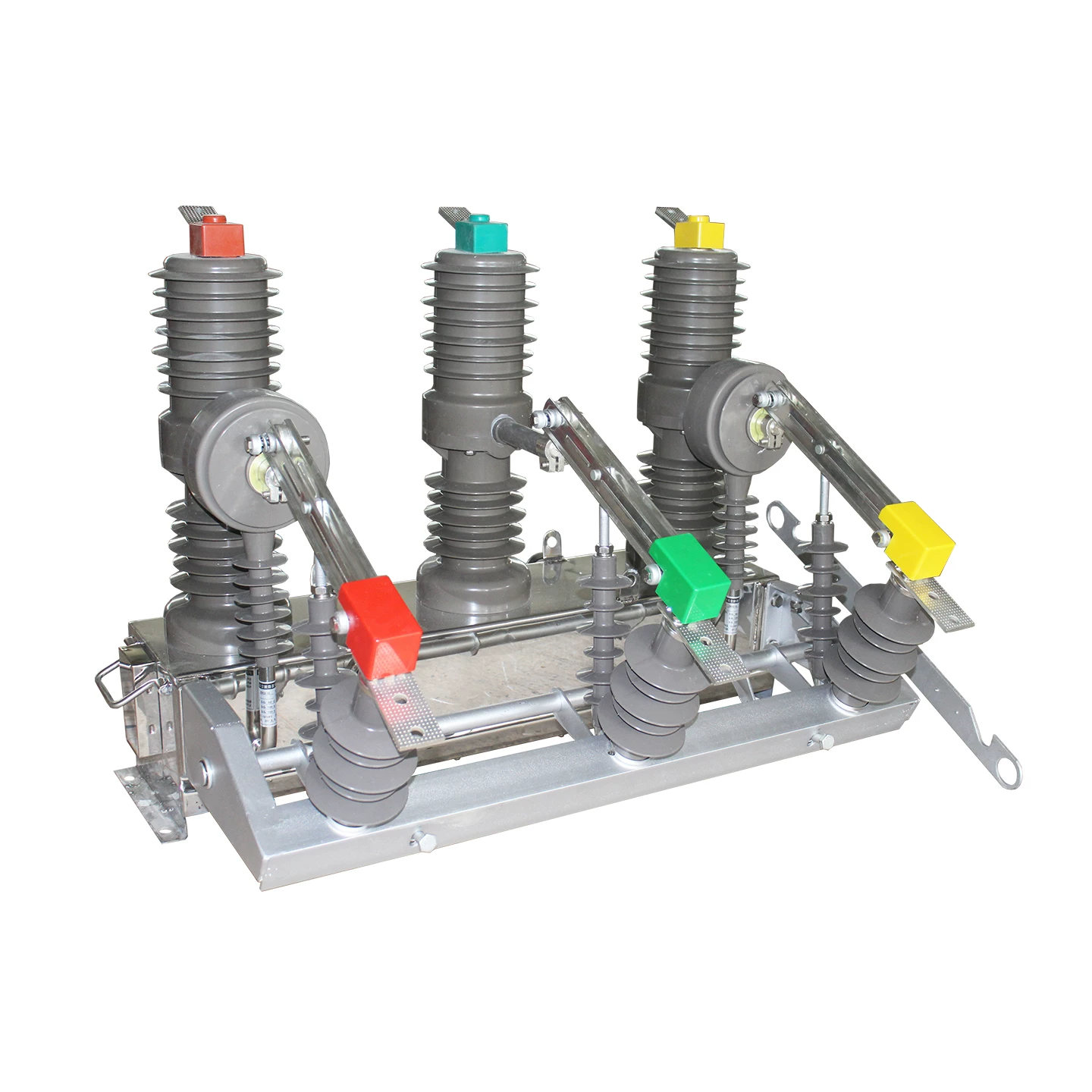
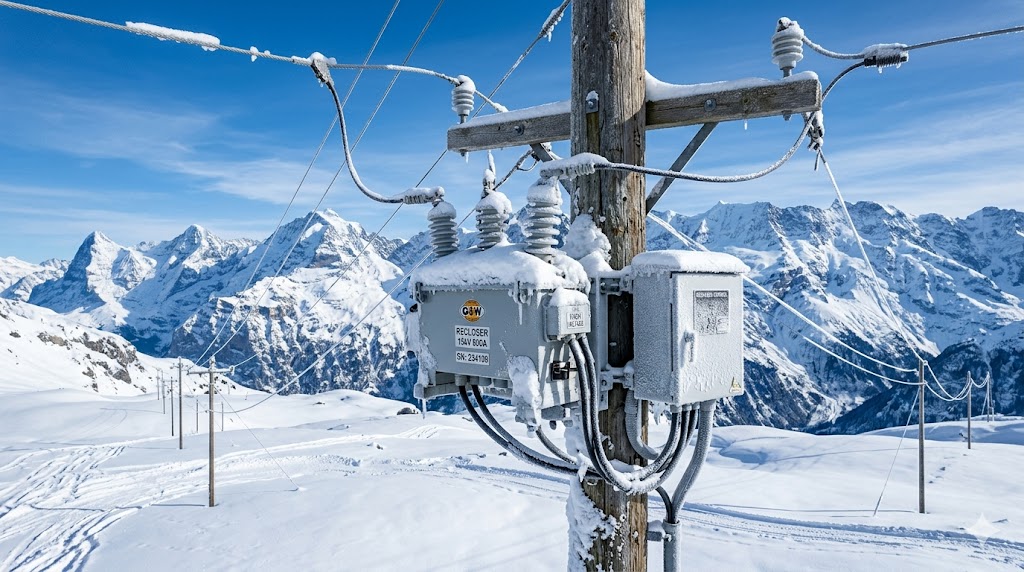
If you are choosing an auto recloser for Alpine, subzero, or plateau grids, the decision is brutally simple: prioritize low-temperature resistance, anti-condensation design, high insulation strength, and reliable mechanical performance. In practice, buyers should first screen for -40°C-rated, high-altitude-rated, IP65 or higher, and built-in heater/anti-freeze-design products before comparing anything else.
This is not a cosmetic specification issue. In cold, high-altitude service, a recloser that looks acceptable on paper can fail due to cabinet condensation, linkage freezing, insulation flashover, or gas-related instability long before its nominal service life.
What Readers Will Learn Before They Buy
By the end of this article, you will know how to choose the right auto recloser for cold climate applications, how to match products to actual site conditions, and how to screen suppliers that can support long-term field reliability rather than just provide catalog claims.
Why Cold and High-Altitude Recloser Selection Fails Fast if You Ignore 4 Hard Requirements
Many failed projects have the same root cause: the buyer selected by voltage and current only. In cold regions, that is incomplete.
The correct baseline is four hard requirements: survive low temperature, stop condensation, maintain insulation at altitude, and keep the mechanism moving under ice and snow conditions. If one of these four is weak, the recloser will misoperate when the feeder needs it most.
Cold and High-Altitude Environments: The 4 Field Conditions That Decide Recloser Survival
Extreme Low Temperature: -30°C to -50°C
At these temperatures, standard polymers harden, seals lose elasticity, grease thickens, and tolerances that were harmless at room temperature become binding points. The field result is delayed operation, incomplete travel, failed close/open actions, or controller startup problems.
For SF₆-based designs, severe cold adds another risk: liquefaction behavior and pressure instability. That is why high altitude vacuum circuit recloser selection is usually the safer first choice in severe winter territories.
Large Day-Night Temperature Swings and Condensation
Experienced operators often say the real enemy is not cold alone, but moisture trapped inside a “sealed” cabinet. Warm daytime air, cable gland leakage, maintenance opening, and poor breather design can leave water vapor inside the enclosure.
When night temperature drops, condensation forms on terminals, boards, CT secondary circuits, and insulating surfaces. That can trigger flashover, corrosion, nuisance trips, and control circuit shorting.
High Elevation and Reduced Air Insulation Strength
At altitude, air density drops and external insulation performance declines. This directly affects outdoor recloser insulation performance at high elevation, especially under wet, polluted, or icing conditions.
In practical engineering, buyers should increase creepage distance, use larger silicone sheds, and apply altitude correction margins instead of relying on plain lowland insulation designs. This is consistent with the engineering logic behind IEC insulation coordination practice and utility high-altitude design adjustments.
Ice, Snow, and Pollution Flashover
Ice accretion, wind-driven snow, wet contamination, and lightning create a high proportion of transient faults in mountain feeders. That is exactly why reclosing is valuable there.
But the recloser must be configured for those faults. A unit with generic timing and poor external insulation may simply repeat unsuccessful operations without restoring service.
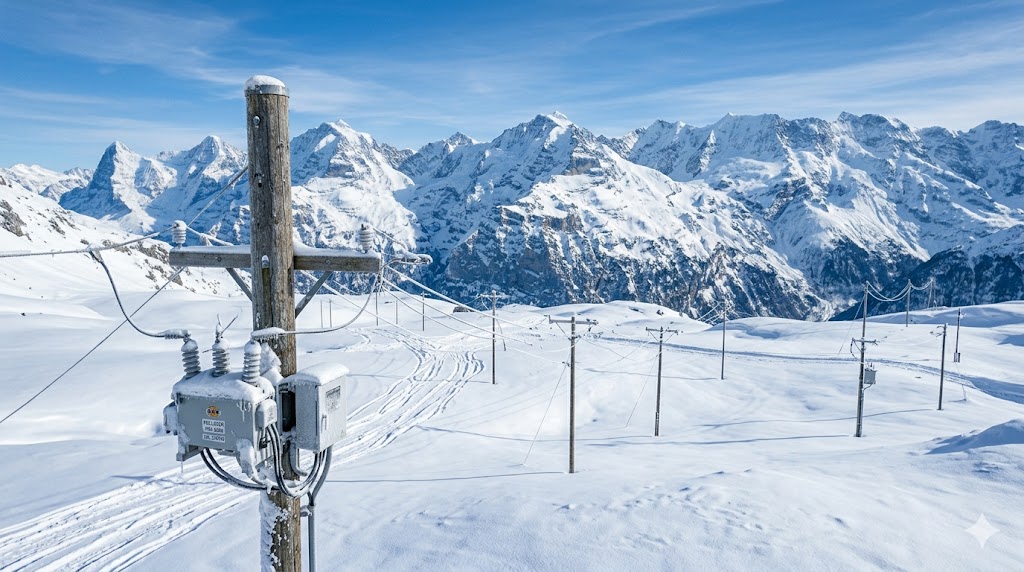
Auto Recloser for Cold Climate Applications: The Non-Negotiable Selection Checklist
Temperature Rating Must Be -40°C to +70°C for Control and Protection
The controller and protection unit should be -40°C to +70°C rated. Reject ordinary -20°C grade controllers for severe cold projects. They are a common source of freezing, rebooting, display failure, and logic instability.
This is a core item in low-temperature distribution line recloser requirements. If the secondary control cannot start or calculate correctly, the interrupter body is irrelevant.
Vacuum Recloser Is Usually Better Than SF₆ in Severe Cold
For most alpine distribution lines, vacuum reclosers are the preferred solution. They avoid gas liquefaction risk and generally show more stable behavior in very low temperatures.
They also usually reduce maintenance burden for remote sites. That matters when a mountain feeder may only be accessible after weather clearance.
If Using SF₆, Demand Low-Temperature High-Altitude Gas Design
If SF₆ equipment is unavoidable, require a dedicated low-temperature design. In practice that means reduced gas pressure, a filling strategy tuned for cold operation, or SF₆/N₂ mixed gas to reduce liquefaction risk.
Do not accept standard-pressure SF₆ equipment for severe cold. Below roughly -30°C, standard designs can enter dangerous operating margins.
External Insulation Must Be Built for High Elevation and Ice
Specify creepage distance ≥35 mm/kV rather than ordinary 25 mm/kV in cold, high-altitude, or icing-prone environments. Silicone rubber sheds and added creepage skirts are strongly recommended.
Materials should be low-temperature resistant silicone rubber or cold-resistant epoxy systems that do not embrittle easily. This is particularly important on a utility pole mounted recloser for extreme weather.
Protection Rating Should Be IP65 or Higher
Outdoor installation should start at IP65. In mountain weather, this is not over-specification; it is minimum protection against water ingress, blowing snow, dust, and freeze-thaw exposure.
Still, the enclosure rating alone is not enough. Ask how cable entry, gland sealing, door compression, and pressure equalization are handled.
Operating Mechanism Must Be Low-Temperature Reinforced
Prefer permanent magnet or spring mechanisms designed for low-temperature service. Avoid electromagnetic operating mechanisms where coil resistance changes and mechanical output may become unreliable in severe cold.
Well-designed permanent magnet and spring mechanisms typically provide more consistent action under subzero conditions.
Mechanical System Must Prevent Freezing and Jamming
Require sealed transmission chambers, no exposed metal linkage, low-temperature grease rated for -40°C, and verified mechanical life of at least 10,000 operations.
Small details decide winter reliability: shaft tolerance, bearing material, pin corrosion control, and whether external motion paths can collect packed snow or refrozen meltwater.
Secondary Control Power Must Start Reliably in Cold Weather
The control power supply should support a wide-range AC/DC input, typically 85 to 265 V, with optional redundancy. Cold-start behavior must be verified, not assumed.
Field complaints often show that batteries, DC modules, and auxiliary relays fail before the main interrupter body. That is a procurement blind spot.
Condensation Control Must Be Designed In, Not Added Later
Require built-in heaters and a temperature-humidity controller with automatic switching around 0–10°C. This should be part of the original design, not an afterthought.
Undersized heaters are common in real projects. A heater that exists only in the bill of materials but cannot hold internal temperature is almost as bad as no heater at all.
EMC and Surge Resistance Must Be Utility Grade
Specify Class 4 EMC performance and robust lightning, surge, and electrostatic discharge resistance. Mountain networks often face intense lightning exposure and long overhead line runs.
Internationally, buyers should align with practical utility-level expectations under IEC 61000 EMC frameworks and recloser/control design practices commonly mapped to utility standards.
Key Technical Parameters for Utility Pole-Mounted Recloser for Extreme Weather
Recommended Core Parameter Table
| Parameter | Recommended Value for Cold & High-Altitude Use | Why It Matters |
|---|---|---|
| Controller temperature rating | -40°C to +70°C | Prevents cold-start failure and logic instability |
| Recloser type | Vacuum preferred | No liquefaction risk, better cold stability |
| Altitude suitability | Plateau/high-altitude rated | Compensates for reduced air insulation strength |
| Creepage distance | ≥35 mm/kV | Improves external insulation under altitude, ice, and pollution |
| Enclosure protection | IP65 or higher | Reduces ingress of snow, water, dust, and moisture |
| Operating mechanism | Low-temperature permanent magnet or sealed spring | Improves action reliability in subzero conditions |
| Mechanical life | ≥10,000 operations | Supports repeated switching in transient-fault areas |
| Heating design | Built-in heater + temp/humidity control | Prevents internal condensation and freeze issues |
| Power supply | 85–265 V AC/DC, optional redundancy | Ensures startup in harsh field conditions |
| EMC | Utility-grade, Class 4 | Protects against surge, lightning, and interference |
Recloser Type Comparison Table: Vacuum vs SF₆ in Cold and High-Altitude Areas
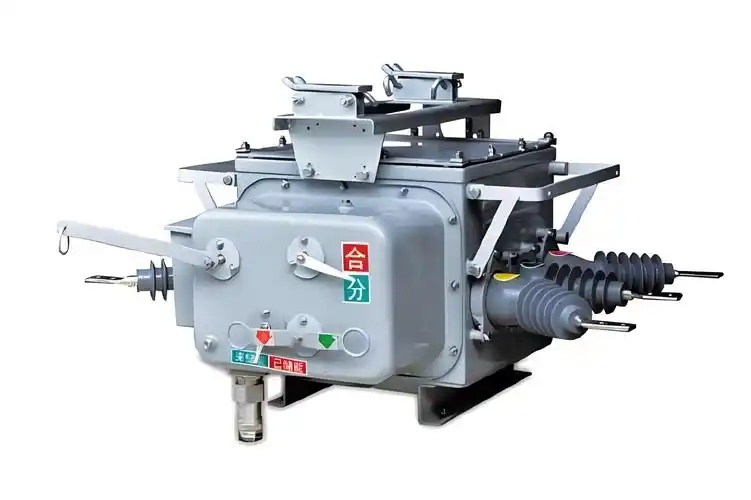
| Item | Vacuum Recloser | SF₆ Recloser |
|---|---|---|
| Liquefaction risk in severe cold | None | Present if not specially designed |
| Cold-weather stability | Usually better | Depends heavily on gas design |
| High-altitude application fit | Strong, with proper external insulation | Requires tighter gas and insulation design control |
| Maintenance burden | Lower for remote sites | Generally, higher monitoring concern |
| Best use case | Most cold, high-altitude feeders | Specially engineered low-temp/high-altitude projects only |
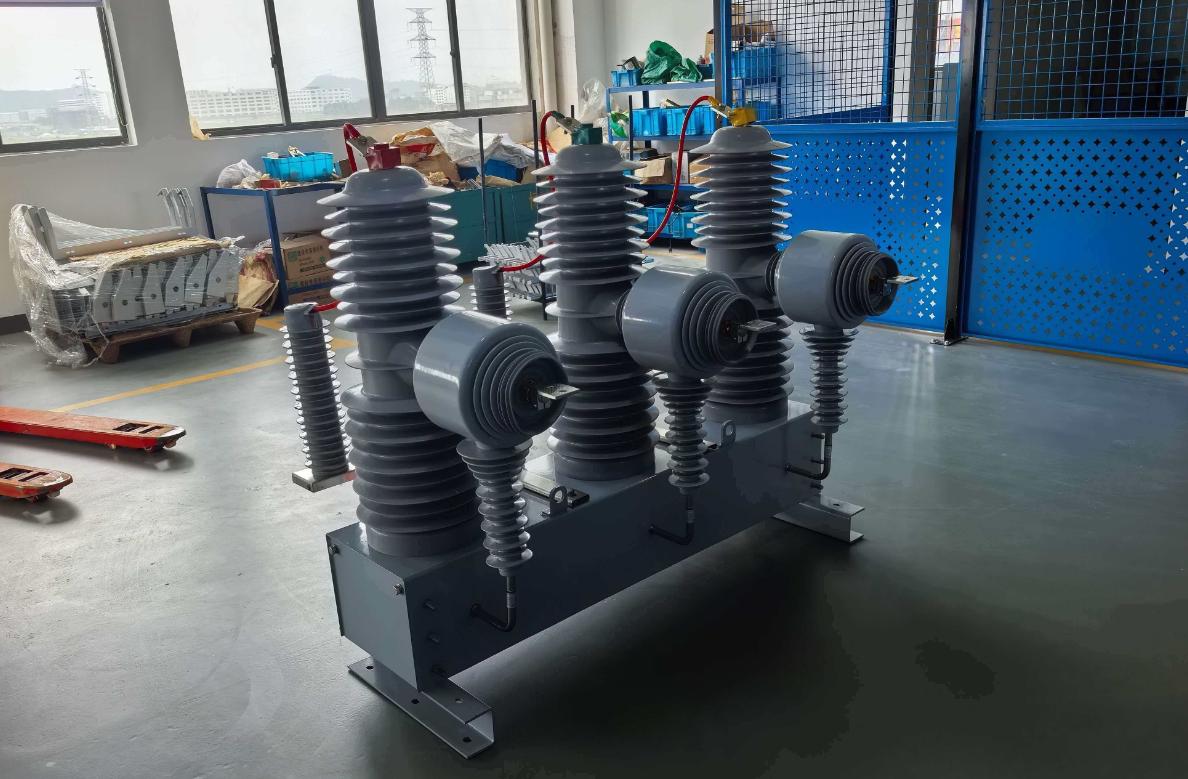
Altitude and Insulation Table for Outdoor Recloser Insulation Performance at High Elevation
| Elevation Band | Recommended Creepage | Insulation Margin Recommendation | Material Upgrade |
|---|---|---|---|
| Below 1,000 m | Standard to 25 mm/kV | Normal utility practice | Standard outdoor grade |
| 1,000–2,000 m | 30 mm/kV or above | Apply moderate altitude correction | Improved silicone sheds |
| 2,000–3,000 m | ≥35 mm/kV | Increase external insulation margin | Cold-resistant silicone rubber |
| Above 3,000 m | ≥35 mm/kV with added skirts | Plateau-specific insulation coordination | Large sheds, anti-icing profile, reinforced sealing |
Reclosing Logic for Snow, Ice, Lightning, and Temporary Flashover Faults
Why 3 Reclosing Attempts Often Outperform 2 in Alpine Feeders
Cold-region feeders often experience a high share of transient faults: lightning, wet snow flashover, ice shedding, and pollution-induced temporary discharge. In those systems, 3 reclosing attempts often restore more service than a 2-shot scheme.
This is especially true where icing flashover clears after a short thermal or weather-driven interval rather than immediately.
Recommended Reclosing Time Settings for Cold Regions
Recommended starting values are:
1st reclose: 0.5–1 s for fast transient recovery while avoiding immediate repeated lightning effects
2nd reclose: 10–30 s to allow icing or wet contamination flashover paths to recover
3rd reclose: 60–300 s for delayed restoration attempt before lockout on permanent faults
These are field-oriented starting points, not universal defaults. Coordination must follow feeder topology, source strength, DG presence, and utility protection philosophy.
Synchronism and Dead-Line Checks in Small Hydro and Remote Mountain Grids
In cold mountainous networks with small hydro or PV interconnection, reclosing logic must avoid non-synchronous closing onto local generation. That means buyers should require a deadline check and synchronization check capability.
In many practical cases, line-voltage-present and bus-dead logic is preferred. Communication and automation should support IEC 61850, where the network requires coordinated remote supervision.
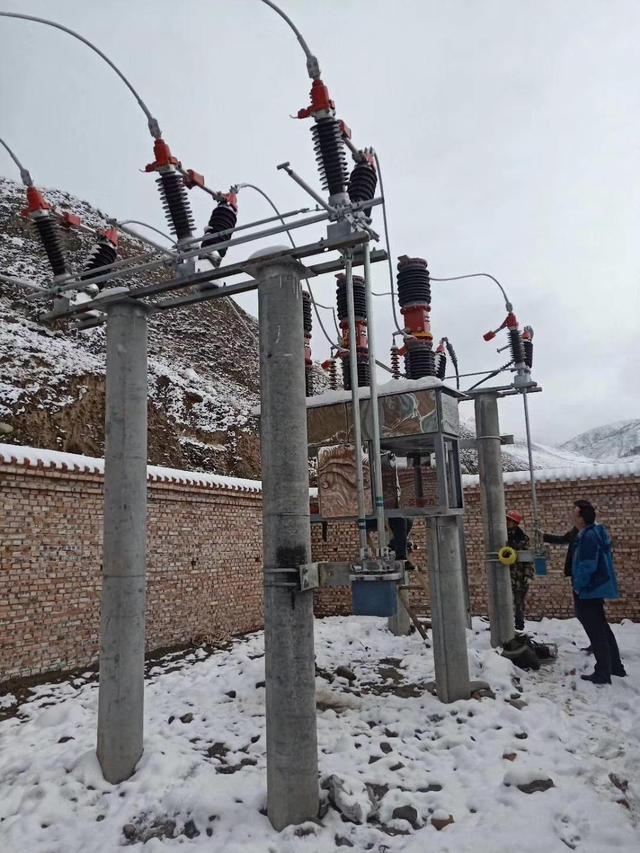
Voltage-Level Selection Guide: How to Choose by 10kV, 35kV, and Distributed Generation Scenarios
10kV Distribution Network: Preferred Recloser and Controller Configuration
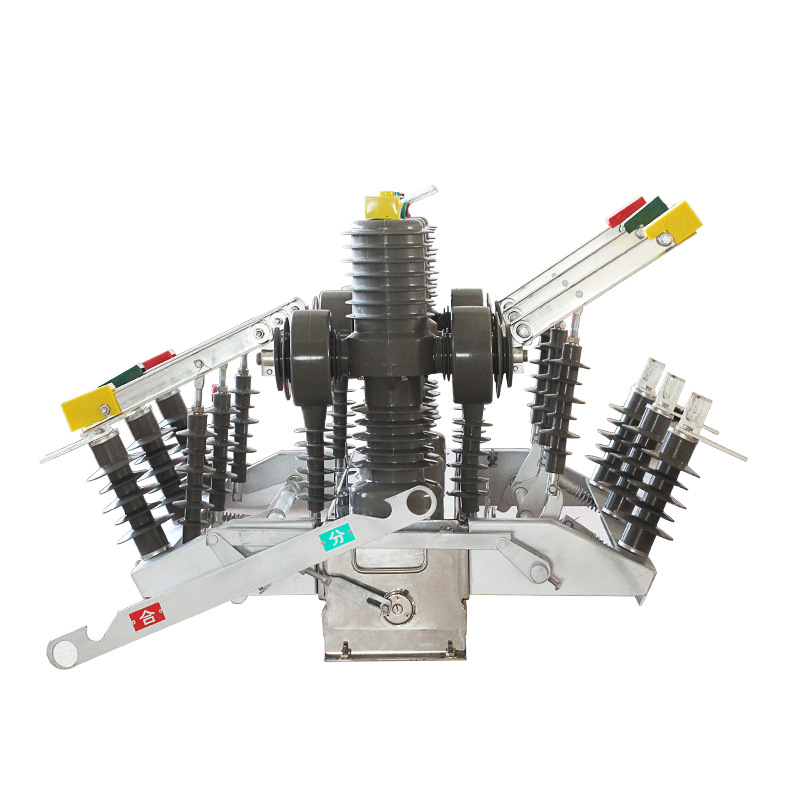
For the most common 10kV feeder application, a practical baseline is a ZW□-12M plateau-type vacuum recloser with -40°C rating, IP65 protection, and permanent magnet mechanism.
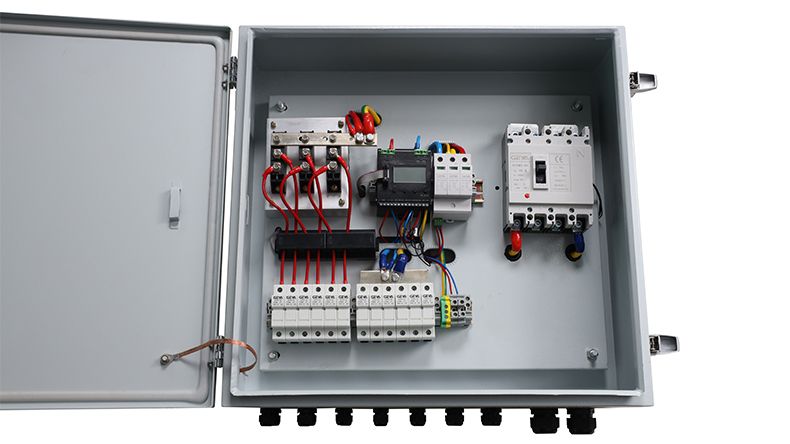
The matching controller should be intelligent, also -40°C rated, support 3 reclosing attempts, and include a heater plus temperature/humidity monitoring.
35kV Line: Preferred Reclosing Scheme and External Insulation Requirements
For 35kV lines, the first choice is usually a vacuum circuit breaker plus an intelligent reclosing controller. Where gas-insulated designs are considered, use only mixed-gas SF₆ reclosers specifically engineered against liquefaction.
External insulation should use larger sheds and additional creepage skirts, with a specific creepage distance not less than 35 mm/kV.
Small Hydro / PV Grid-Connection: Logic and Communication Requirements
For distributed generation feeders, a dead-line check/synchronism check logic to prevent generator impact from non-synchronous reclosing. This is not optional in weak or island-prone networks.
Communication should support IEC 61850 and remote monitoring of temperature, condensation, and operation count.
Common Failure Points in Cold Regions That Buyers Often Miss
Cabinet Heaters That Exist on Paper but Cannot Hold Internal Temperature
One of the most frequent field complaints is simple: the heater is installed, but too small, poorly placed, or badly controlled. It prevents neither condensation nor cold-soak on sensitive electronics.
Door Seals, Cable Glands, and Breather Design Causing Hidden Moisture Ingress
Many moisture failures enter through weak points, not the main housing wall. Door gasket compression, cable gland quality, and breather placement often decide whether the cabinet stays dry.
Battery and Auxiliary Power Collapse During Cold Starts
Operators regularly report that auxiliary components fail first. Batteries lose effective capacity, DC modules start late, and relay outputs become unstable during low-temperature startup.
Grease Selection and Shaft Tolerance Problems in Subzero Operation
Some failures are mechanically subtle. A grease grade suitable for -20°C may become too viscous at -40°C, while a shaft fit that is acceptable in the workshop becomes a seizure risk in the field.
Icing on External Linkages and Sensor Interfaces
Exposed moving parts, unshielded sensors, and poorly routed harnesses attract snow packing and refreeze. This is why sealed mechanical paths are far better for unattended mountain installations.
Real-World Data and Field Examples for Cold and High-Altitude Recloser Selection
Example: Plateau Distribution Line Above 3,000 m
In one plateau feeder application above 3,000 m, a standard outdoor unit showed repeated external insulation stress under wet snow conditions. After upgrading to ≥35 mm/kV creepage, larger silicone sheds, and improved enclosure sealing, nuisance flashover events dropped noticeably over the following winter cycle.
The engineering lesson was clear: altitude correction cannot be treated as a paperwork formality.
Example: Northern Utility Feeder at -40°C Winter Minimum
On a northern feeder with a minimum winter temperature of around -40°C, a standard mechanism design experienced incomplete operations during cold mornings. Replacing it with a low-temperature vacuum recloser using a reinforced sealed mechanism and low-temperature grease cut failed operation incidents significantly.
Utilities in these climates often value action certainty more than any small upfront equipment saving.
Example: Ice Flashover Faults Restored by Adjusted Reclose Timing
A feeder exposed to icing showed poor restoration results under short generic reclosing intervals. Extending the second and third reclose delays into the recommended cold-region range improved service restoration because temporary flashover conditions had time to dissipate.
This is why protection settings must follow weather-driven fault physics, not only standard template values.
Field Performance Table: Typical Faults, Root Causes, and Corrective Configuration
| Observed Field Problem | Likely Root Cause | Corrective Configuration |
|---|---|---|
| Repeated nuisance tripping after sunset | Internal condensation on control circuits | Heater + humidity controller + improved gland sealing |
| Failed close/open operation in deep winter | Grease thickening or mechanism jamming | Low-temp permanent magnet/spring mechanism, -40°C grease |
| Flashover at high altitude under snow/pollution | Insufficient creepage and insulation margin | ≥35 mm/kV creepage, silicone sheds, plateau design |
| Poor restoration after icing faults | Reclose timing too short | 3-shot logic with delayed 2nd and 3rd attempts |
| Auxiliary system dead on a cold morning | Weak battery/DC startup | Wide-range AC/DC supply, redundancy, cold-start verification |
Community Insights: What Real Users and Field Operators Actually Complain About
Frequently Reported Practical Pain Point: Condensation Is More Dangerous Than Cold Alone
Across field discussions and operator exchanges, a repeated theme appears: many crews fear internal moisture more than ambient low temperature. A controller can survive the air temperature if it stays dry; it often fails when temperature cycling creates water on boards and terminals.
Common Installer Feedback: Auxiliary Components Fail Before the Main Recloser Body
Installers often point out that heaters, terminal blocks, door switches, humidity sensors, and low-cost accessory wiring are the weak links. The main interrupter may be sound, but the secondary ecosystem is not.
Operator View: Remote Mountain Sites Need Lower Maintenance Designs
Operators responsible for remote sites strongly favor sealed-for-life, vacuum-based, low-maintenance solutions. Not because they are fashionable, but because truck access, snow clearance, and technician exposure make each site visit expensive and slow.
Unique On-Site Detail: Snow Packing, Ice Melt Refreeze, and Door Opening Events
A field detail that non-specialists often miss: maintenance itself can introduce moisture. If a cabinet is opened during snow or fog conditions, humid air enters, then condenses and refreezes later.
Another overlooked issue is snow packing around hinges, latches, cable loops, and external interfaces. When daytime melting is followed by night refreeze, seemingly minor geometry becomes a jamming point.
Community Insight Table: Real Discussion Themes, Hidden Risks, and Design Responses
| Real Field Theme | Hidden Risk | Procurement Response |
|---|---|---|
| “The heater is installed, but the cabinet still drips.” | Undersized heater or poor airflow path | Demand heating capacity details and humidity control logic |
| “Main unit is fine, accessories keep failing.” | Weak auxiliary component quality | Review accessory bill, low-temp rating, and wiring design |
| “Opening the cabinet in the snow causes trouble later.” | Moisture introduced during maintenance | Specify anti-condensation recovery design and service procedures |
| “Linkage froze after melt-refreeze cycle.” | Exposed moving parts trap water and ice | Use a sealed transmission chamber and shielded interfaces |
| “Remote mountain site cannot support frequent visits.” | Maintenance-intensive design | Prefer vacuum, sealed mechanism, remote diagnostics |
How to Evaluate Suppliers for Low Temperature Distribution Line Recloser Requirements
Ask for Third-Party Low-Temperature and Altitude Test Reports
Do not buy from a catalog claim alone. Request verifiable third-party type test reports for low-temperature and, where relevant, altitude-adapted design verification.
Relevant technical credibility should align with recognized frameworks such as IEC 62271 series practices for high-voltage switchgear and utility insulation/performance expectations.
Check Whether the Supplier Offers Plateau-Specific and Heater-Integrated Configurations
A serious supplier should offer climate-based configuration, not a one-version export model. Ask whether they provide plateau-specific insulation packages, integrated heaters, humidity control, and low-temperature mechanism options.
Review Delivered Projects in Cold, Mountainous, or Snow Regions
Ask for references in cold or high-altitude service. A supplier with delivered projects in snow regions, mountain utilities, or industrial highland networks is far more credible than one quoting only lab capability.
Verify Spare Parts, Remote Support, and Control Software Flexibility
Remote projects need fast spare parts support, remote diagnostic assistance, and adjustable control logic. If the controller cannot be tailored to 3-shot reclosing, synchronism check, or custom alarm mapping, it may not fit real feeder needs.
Mandatory Low-Temperature Type Test: Verify -40°C for 4 Hours
As a hard procurement condition, ask for evidence of -40°C low-temperature type testing for 4 hours, with both mechanical and electrical performance remaining compliant. This separates engineered products from relabeled general-purpose units.
Recommended Configuration Schemes by Working Condition
Scenario A: Severe Cold Below -40°C but Moderate Altitude
Choose a vacuum recloser, -40°C controller, IP65+ enclosure, built-in heater, and sealed spring or permanent magnet mechanism.
Scenario B: Cold Region Above 3,000 m Elevation
Choose plateau-rated insulation, ≥35 mm/kV creepage, silicone rubber sheds, and additional altitude correction margin.
Scenario C: Cold, High Altitude, Frequent Lightning, and Small Hydro Access
Choose advanced reclosing logic, synchronism/deadline checks, Class 4 EMC, and redundant auxiliary power.
Scenario D: Remote Unattended Line With Heavy Snow and Low Maintenance Access
Choose vacuum interruption, sealed mechanical design, anti-condensation package, and low-maintenance accessories with remote status diagnostics.
Pitfalls to Avoid in Cold & High-Altitude Recloser Projects
Do not use standard -20°C controllers. They are prone to freezing, crashing, and frequent misoperation in severe cold.
Do not use standard-pressure SF₆ equipment. It can liquefy below -30°C and create a serious insulation risk.
Do not trust catalog wording without testing. Always verify real -40°C low-temperature type test reports.
Do not evaluate an enclosure by IP rating alone. Moisture often enters through seals, glands, and maintenance practices.
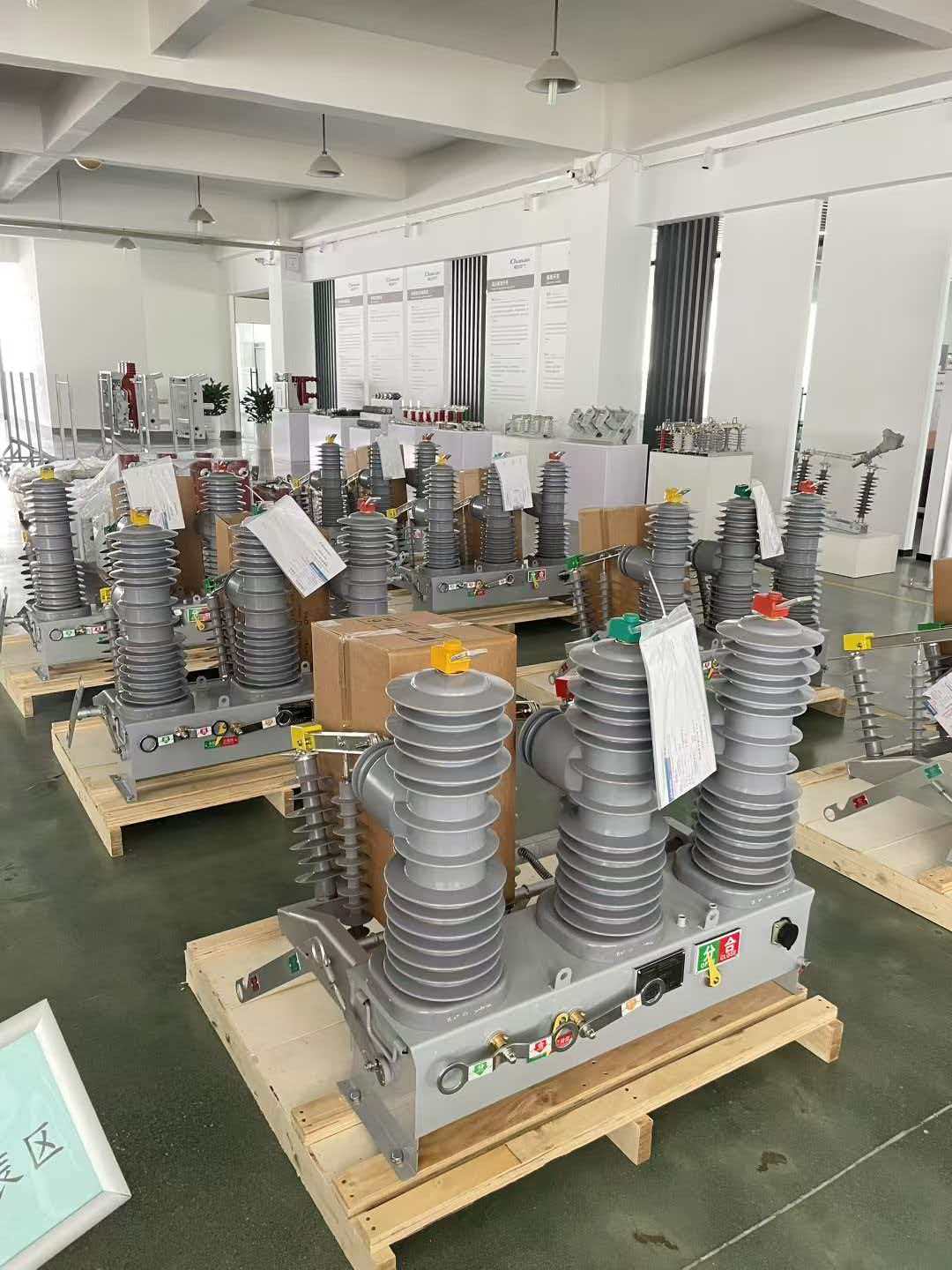
Why Weisho Electric Auto Reclosers Stand Out in Cold and High-Altitude Projects
Built for -40°C-Class and High-Altitude Duty
Weisho Electric focuses on the conditions that actually determine survival in severe climates: -40°C-class performance, high-altitude suitability, reinforced external insulation, and dependable switching behavior under subzero conditions.
Strong Enclosure Protection, Anti-Condensation Design, and Reliable Mechanisms
Weisho Electric auto reclosers are engineered around the field realities buyers care about most: IP65+ protection, optional heating packages, sealed transmission paths, and stable low-temperature mechanisms.
This directly addresses the failure points seen in mountain and snow-region installations, where condensation and mechanical sticking cause more trouble than many catalogs admit.
Engineering Support for Parameter Matching and Site-Based Configuration
Weisho Electric does not stop at nominal voltage selection. The team supports configuration based on altitude, minimum temperature, feeder structure, lightning exposure, icing behavior, and distributed generation presence.
That matters because a 10kV feeder at -35°C and 800 m is not the same engineering problem as a 35kV line at -40°C and 3,500 m with small hydro backfeed risk.
Proven Value for Utilities, EPCs, and Industrial Distribution Projects
For utilities, EPC contractors, and industrial power users, Weisho Electric offers practical value: specification matching, robust harsh-climate configuration, and support aimed at deployment reliability rather than generic export packaging.
FAQ
What temperature rating should an auto recloser have for cold regions?
The controller and protection unit should be rated -40°C to +70°C for reliable operation in cold-region service.
Is vacuum or SF₆ better for high altitude and low temperature reclosers?
Vacuum is usually preferred because it avoids liquefaction risk and performs more consistently in severe cold and high-altitude environments.
What IP rating is recommended for outdoor reclosers in snow and ice areas?
IP65 or higher is the practical minimum for outdoor installations exposed to snow, ice, moisture, and blowing dust.
How much creepage distance is needed at high altitude?
In cold high-altitude environments, a practical recommendation is ≥35 mm/kV, with further adjustment depending on pollution severity and elevation.
Why is condensation control so important in alpine recloser installations?
Because condensation can cause insulation failure, corrosion, control circuit shorting, and nuisance tripping even when the equipment is otherwise low-temperature rated.
How many reclosing attempts are suitable for icing and lightning-prone feeders?
3 reclosing attempts are often more effective than 2 in cold regions with a high proportion of transient faults such as lightning and icing flashover.
What mechanism type is best for sub-zero operation?
Low-temperature permanent magnet or spring mechanisms are generally better choices than electromagnetic drives for subzero service.
How do I choose the right supplier for a cold-climate auto recloser project?
Compare suppliers by low-temperature test reports, high-altitude design capability, delivered cold-region references, spare parts support, and after-sales engineering responsiveness.
How do I choose between 10kV and 35kV cold-region reclosing solutions?
For 10kV feeders, a ZW□-12M plateau vacuum recloser with an intelligent -40°C controller is usually the preferred solution. For 35kV lines, the usual first choice is a vacuum circuit breaker plus an intelligent reclosing controller, with mixed-gas SF₆ used only in specially engineered low-temperature designs.
What should be added for small hydro or PV grid-connected feeders in cold regions?
Require deadline check/synchronism check, IEC 61850 communication, and remote monitoring of temperature, condensation, and operation count.
Conclusion: How to Select the Right Recloser Without Costly Cold-Region Failures
The right choice starts with five non-negotiables: -40°C class, plateau-ready insulation, IP65+, anti-condensation design, and dependable low-temperature mechanics. After that, match reclosing logic, power supply, and communication functions to the real feeder conditions.
If you follow that sequence, you will not just buy an auto recloser for cold climate applications. You will buy one that can actually survive mountain winter service and restore faults when the network needs it.
Leave an Inquiry for a Cold & High-Altitude Recloser Recommendation
If you are planning a project, leave a message with your voltage level, altitude, minimum winter temperature, and grid type. You can also contact Weisho Electric via WhatsApp for a tailored recommendation and quotation.
Tell us your site conditions, and Weisho Electric will help you match the right automatic recloser for cold and high-altitude duty.