From Heathrow to California: Global Factory Owners Now Use This Resilience Checklist to Avoid Blackouts and Fire Disasters
🔥 Introduction: When the Red Alert Sounds
I'm Thor, Chief Electrical Engineer at Wei Shoe Electric. When a substation fire paralyzed London Heathrow Airport, causing losses of £190 million, and California hospitals fought to survive during power outages triggered by wildfires, a disturbing pattern emerged: all these disasters were preventable.
Across our global diagnostics work — from the Frankfurt Airport retrofit to remote wind farms in Greece — we identified the same three systemic blind spots in high-voltage substations. Most can be discovered in under 60 minutes, with no engineering degree needed.
This article equips plant owners, energy managers, and site engineers with a simple yet powerful substation resilience checklist to help them avoid millions in downtime losses. You’ll learn:
How to spot invisible high-risk factors
Which upgrades have the highest cost-benefit ratio
What immediate actions should you take when a disaster looms
🛠️ 3 Steps to Identify Hidden Substation Hazards
STEP 1: Cooling System Risk Assessment (Time Required: 15 Minutes)
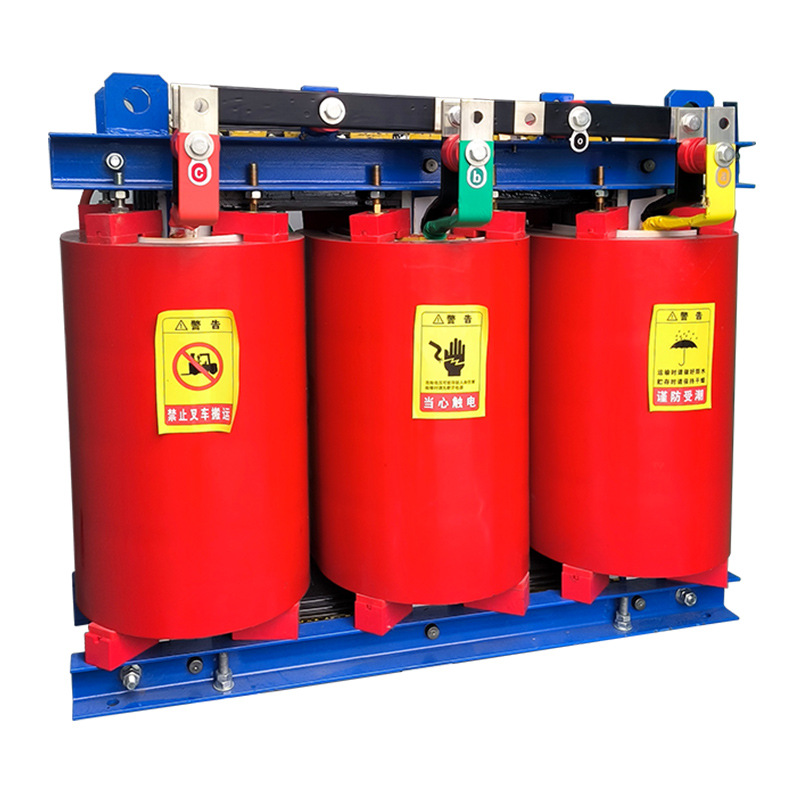
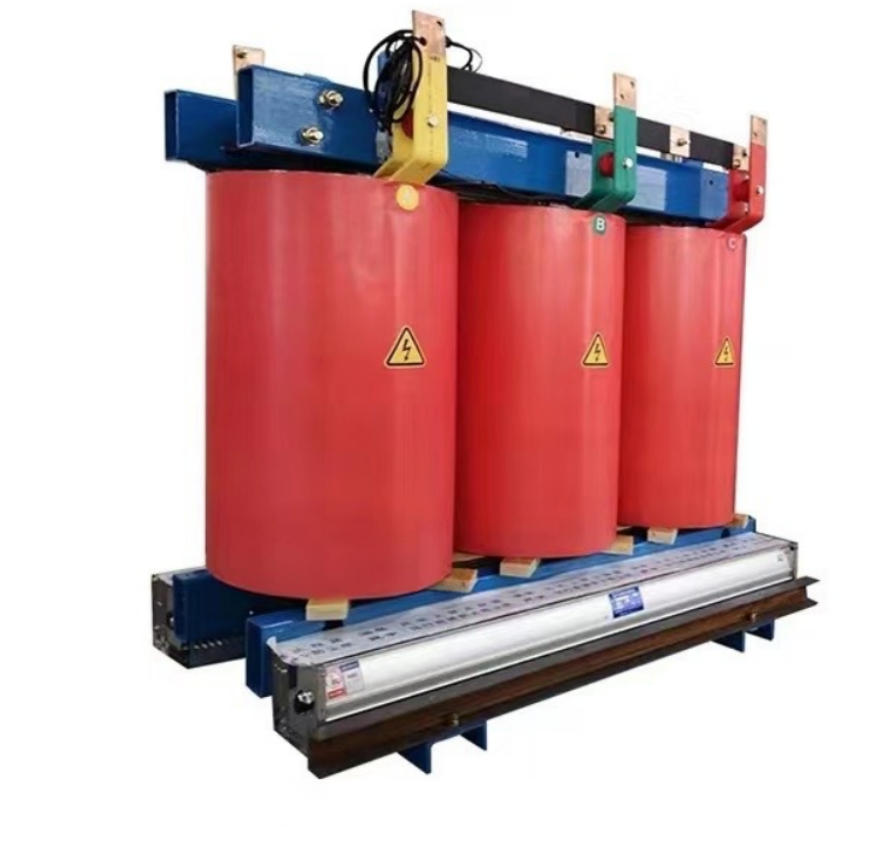
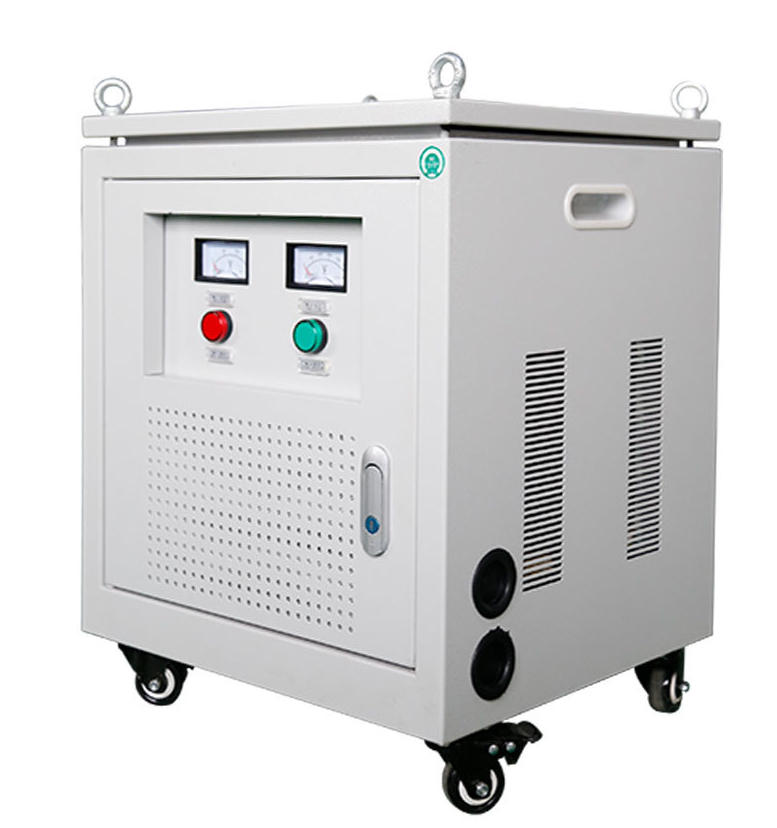
Overheating is a silent killer for substations. Transformers using outdated coolant are especially vulnerable. A quick nameplate check could reveal a hidden threat.
🔍 Action Checklist:
• Find the transformer nameplate → Locate the “Insulating Liquid” field:
→ If it reads "Mineral Oil", your risk level is 🔴 High
→ If it reads "Silicone Fluid" or "Esters", your risk level is 🟢 Low
• Perform the back-of-hand test on the enclosure (use safety gloves):
→ If it feels hot (>60°C) → Immediate inspection required
→ If it’s only warm (<50°C) → Recheck next quarter
💡 Real-World Cost Data (California Manufacturing Plant):
| Upgrade Action | Cost per Unit | Failure Risk Reduction |
|---|---|---|
| Replace Mineral Oil with Silicone Fluid | $2,300 per ton | 92% |
| Install Infrared Monitoring Device | $6,800 | 78% |
🔧 Insight: Plants using silicone-based coolants and active IR monitoring have seen an average of 4 fewer shutdowns annually.
STEP 2: Space Layout Hazard Mapping (Time Required: 20 Minutes)
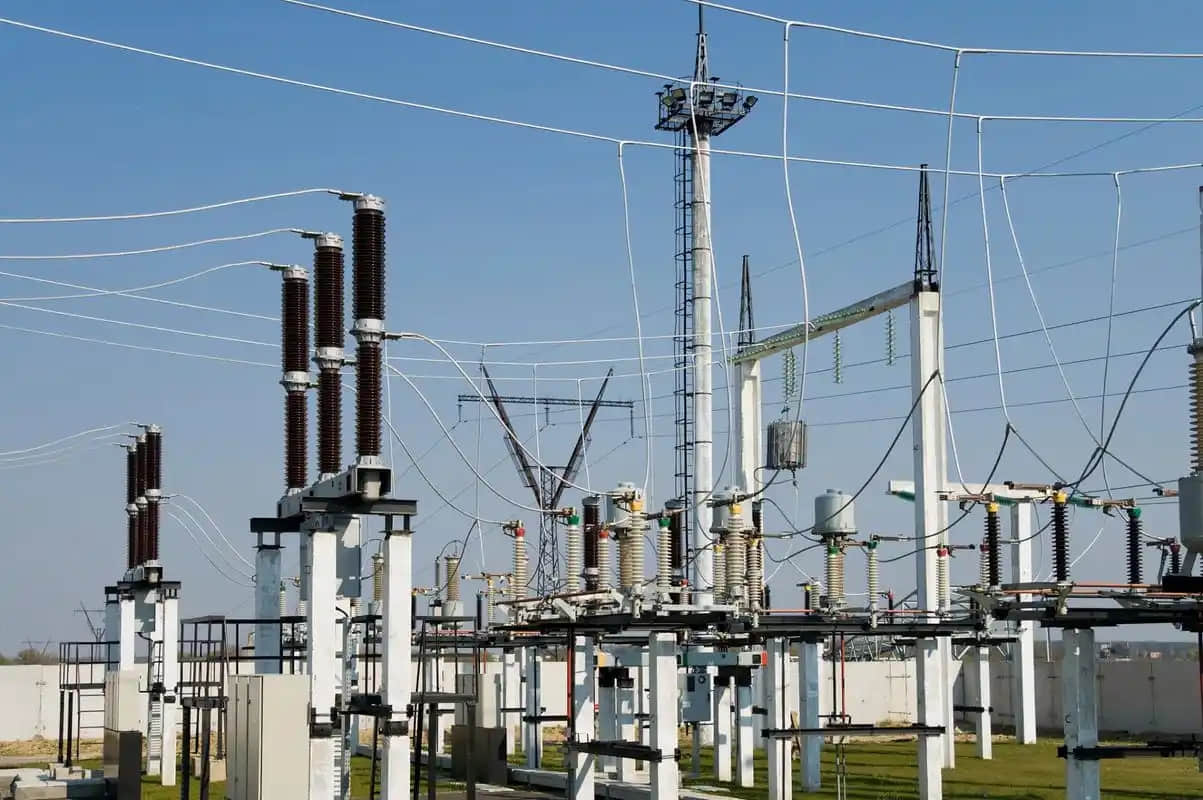
Cramped layouts amplify fire, flood, and short-circuit risks. Substations often evolve, but outdated spatial planning can leave fatal gaps.
📸 What to Inspect & Document On-Site:
• Distance between main and backup transformer < 8 meters? ⚠️ High risk
• Do cable trenches run through the entire site? ⚠️ Vulnerability to single-point failure
• Is the diesel generator too close to your substation? ⚠️ Fire hazard multiplier
✅ Case Study: Retrofit at German Automotive Plant
• Before: The Generator was 5 meters from the MV room
• After: Relocated to opposite site corner + underground armored cable re-routing
• Investment: $3,500
• Loss Prevention: Avoided $2.2 million in shutdown losses from a near-miss electrical fire
STEP 3: Extreme Weather Emergency Kit Setup (Time Required: 25 Minutes)
Substations are increasingly exposed to wildfires, floods, and extreme heat. Quick-deploy kits have saved facilities millions — yet most sites still lack even basic emergency gear.
🔥 Essential Emergency Gear
| Equipment | Purpose | Activation Trigger |
|---|---|---|
| Infrared Thermometer | Detects hotspots from a distance | Use daily during wildfire seasons |
| Fireproof Blanket | Covers the transformer to block embers | Deploy if fire is within a 1 km radius |
| Flood Barrier Panel | Protects the cable trench from rainwater | Install 2 hours before a heavy rain alert |
A fast-moving wildfire approached a 20 MW wind station. Site staff used 400 fire blankets to protect $2.5 million worth of assets. The damage was zero.

📊 Substation Self-Assessment: Score Your Risk Level
Use this 5-point scoring table to estimate your site’s resilience. Each item earns 1 point if satisfied.
| Checklist Item | Score (Yes = 1) |
|---|---|
| Coolant is silicone/ester-based | ____ |
| Key equipment is spaced at least 8 meters apart | ____ |
| Emergency kit includes fire blankets and flood panels | ____ |
| Monthly infrared temperature checks are documented | ____ |
| Microgrid supplies critical loads during outages | ____ |
▶ If your total ≥ 4 → Annual audit sufficient
❓ Most Asked Questions by Facility Owners
Q1: How long does it take to switch from mineral oil to silicone fluid?
💡 Thor’s Answer: The full process can be done in 8 hours over a weekend. Drain Friday night → Refill Sunday morning. No need to halt weekday operations.
Q2: Our substation is over 25 years old. Where should we start if we can't afford full modernization?
💡 Strategy: Begin with a $1,000 resilience pack (IR thermometer + fire blanket + flood barrier) and relocate backup generators at least 30m away.
Q3: What’s the ROI of these protection upgrades?
💡 Data-Based Insight: Every $1 spent on protection yields ~$18 in avoided losses, based on post-analysis from 37 global substations.
Q4: Do I need a full SCADA system to monitor substation risks?
💡 No. For smaller sites, infrared scans and manual weekly logs can still reduce downtime by 40–50%.
Q5: What’s the biggest mistake site managers make?
💡 Ignoring space layout. It's not about fancy tech — moving one generator or rerouting a trench has saved companies millions.
⚡ Final Note: Your Custom Substation Resilience Plan Starts Here
As Wei Shoe’s lead engineer, I help factories across 12+ countries upgrade aging substations for a new era of extreme climate and 24/7 demand.
If you’re unsure how vulnerable your site is — or where to begin — we offer free remote assessments to guide your upgrade path.
📩 Send these 3 items to my team:
• Substation Basics: Transformer model, quantity, years in use
• Layout Photos: Main/backup equipment positions, cable trench view
• Current Issues: Overheating, breaker trips, system alarms
🧭 Within 24 Hours, You’ll Receive:
✔️ Substation Health Report with a thermal risk map
✔️ Phased Resilience Upgrade Plan — from $1,000 to $50,000, tailored to your site
📱 WhatsApp: +86 159 5777 0984
📧 Email: [email protected]
Let’s make your power system not just operational, but disaster-proof.
— Thor, Chief Electrical Engineer, Wei Shoe Electric