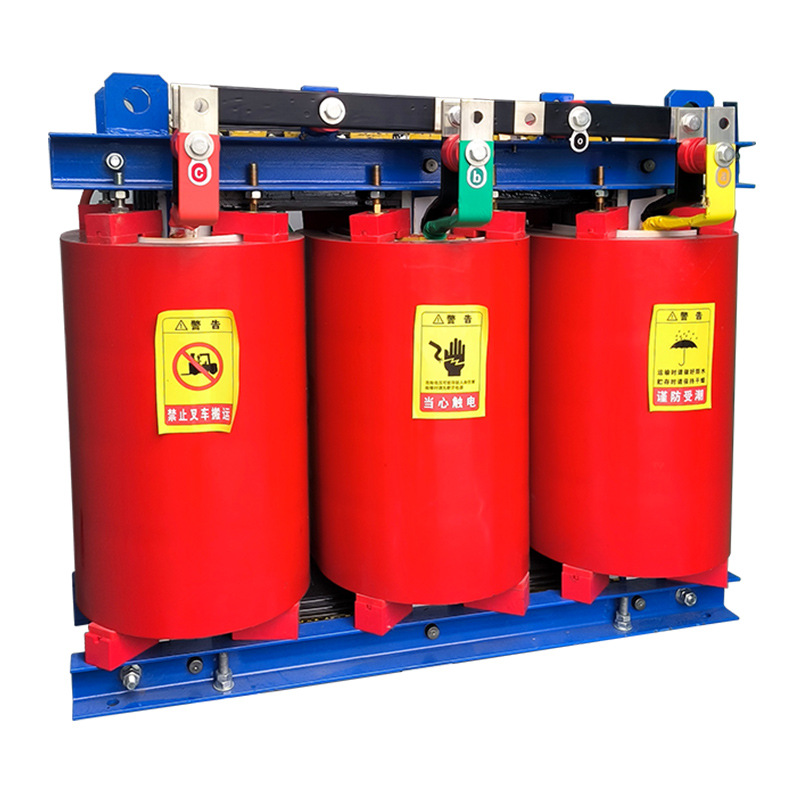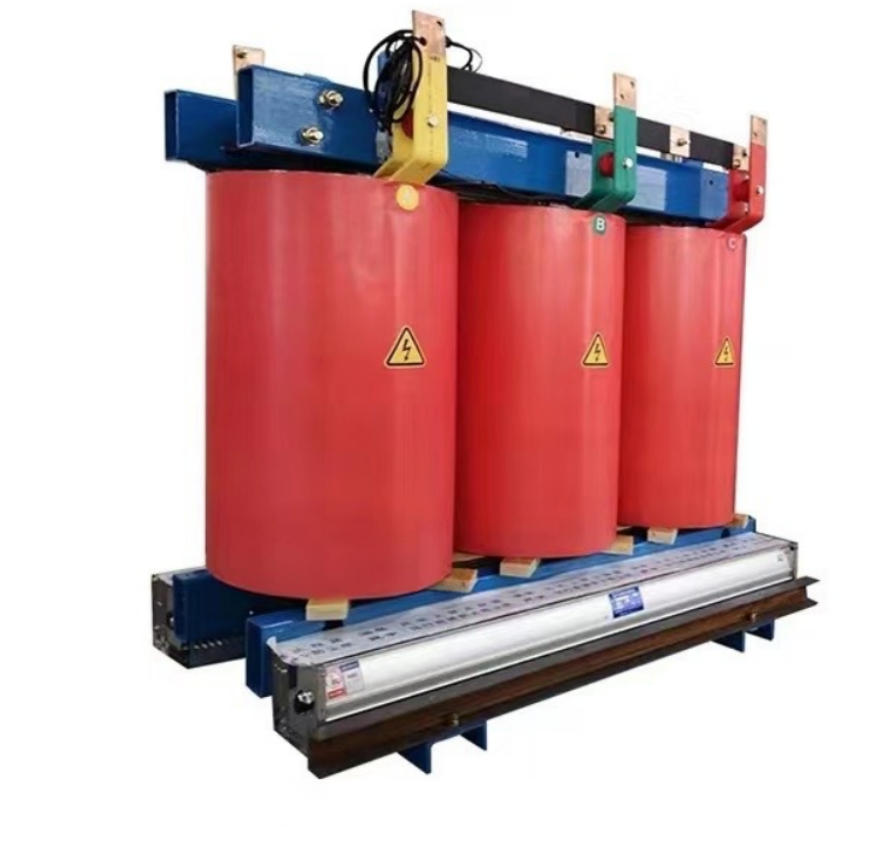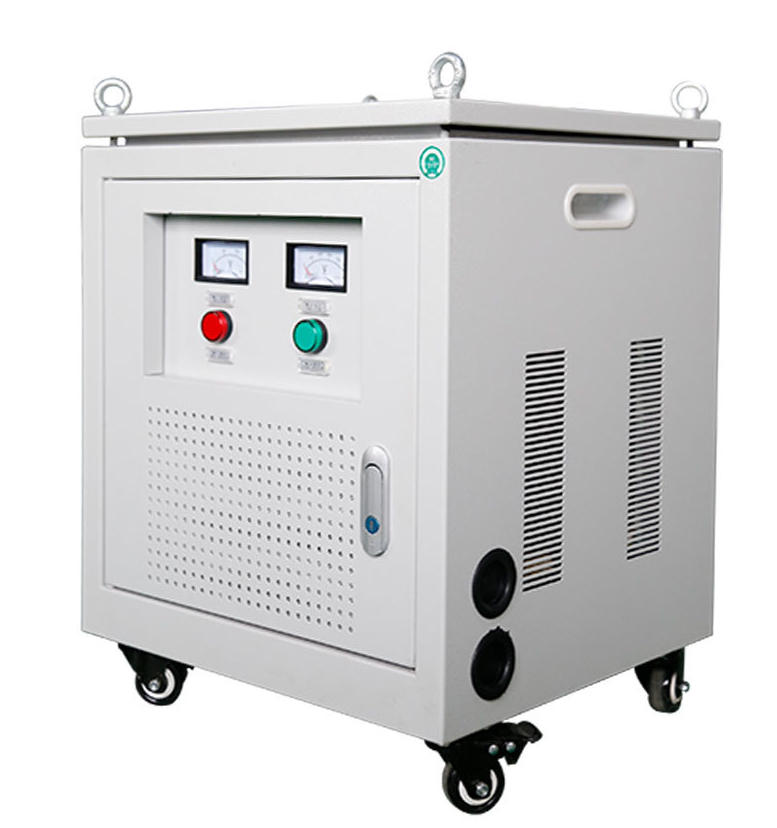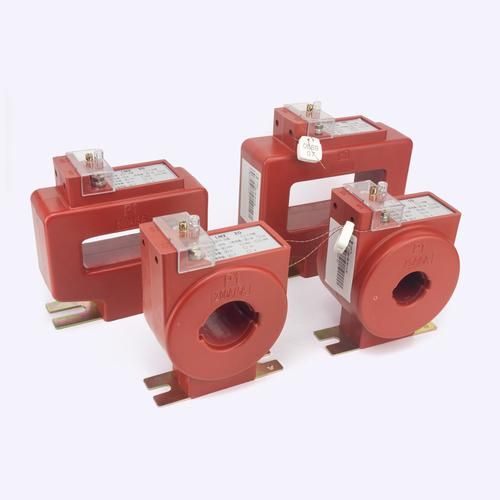
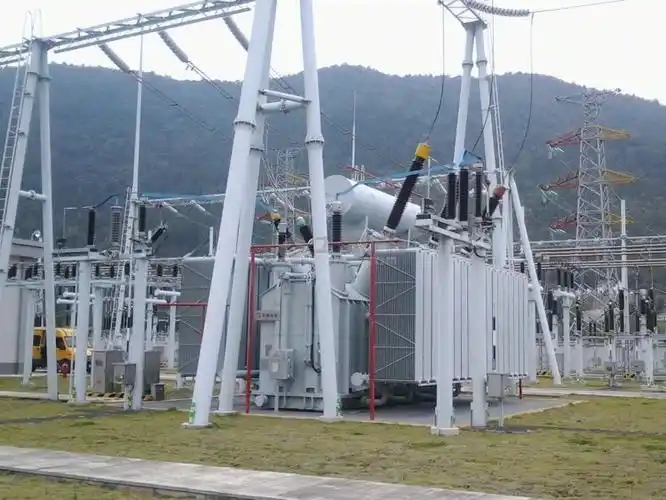
An electrical substation transformer is a massive transformer within a substation. It's primarily designed to change electricity's voltage for either efficient long-distance transmission or safe distribution to homes and businesses.
These vital devices adjust voltage using two coils of wire wrapped around a metal core. The ratio of those coils determines the voltage change needed for effective power distribution across the grid.
2. The Definition and Core Role of a Substation Transformer
A substation transformer is an indispensable part of any modern electrical grid. It serves as the critical link between a power plant and the end-user.
Together with generators, transmission lines, and distribution networks, they form a complete electrical infrastructure. Unlike the smaller units you might see on residential streets, these transformers are colossal in size.
They can handle extremely high voltages and immense amounts of energy.
Dive into a Substation, better understand a substation transformer's role, and watch this video. It provides a great visual overview of a substation's major equipment, including the transformer itself and its surrounding components.
3. How a Substation Transformer Works
The operation of a substation transformer is based on one fundamental physical law: electromagnetic induction. This principle dictates exactly how the transformer is able to increase or decrease voltage.
Electromagnetic Induction: A transformer works exclusively with alternating current (AC). When AC flows through the first set of coils, it creates a continuously changing magnetic field around a metal core.
Magnetic Field Induction: This magnetic field then travels along the metal core and induces a current in the second set of coils. This second set is called the secondary winding.
Voltage Transformation: The key to stepping voltage up or down lies in the turn ratio between the primary and secondary coils. If the secondary coil has more turns than the primary, the voltage will be increased (step-up). If it has fewer turns, the voltage will be decreased (step-down).
Note: The working principle of a transformer only applies to AC. Direct current (DC) cannot be used to change voltage with a transformer because it does not create a changing magnetic field.
4. Key Functions of a Substation Transformer
Depending on its location within the electrical grid, a substation transformer serves two distinct and critical roles.
Step-Up Function:
Location: These transformers are typically located within substations near power plants.
Purpose: They step up the relatively low voltage generated by power plants to extremely high transmission voltages, often hundreds of thousands of volts.
Importance: At a constant power level, a higher voltage means a lower current. This allows electricity to be transmitted over vast distances with minimal energy loss. It makes long-range transmission both efficient and economical.
Step-Down Function:
Location: These transformers are placed in substations near urban or industrial areas.
Purpose: They take the high voltage from the transmission network and step it down to a more manageable medium voltage. This medium voltage is then further reduced by smaller distribution transformers.
Importance: Stepping down the voltage is the final critical step. It ensures electricity is safely and reliably distributed to all types of users, from households to commercial facilities.
5. Unique Design and Cooling Systems
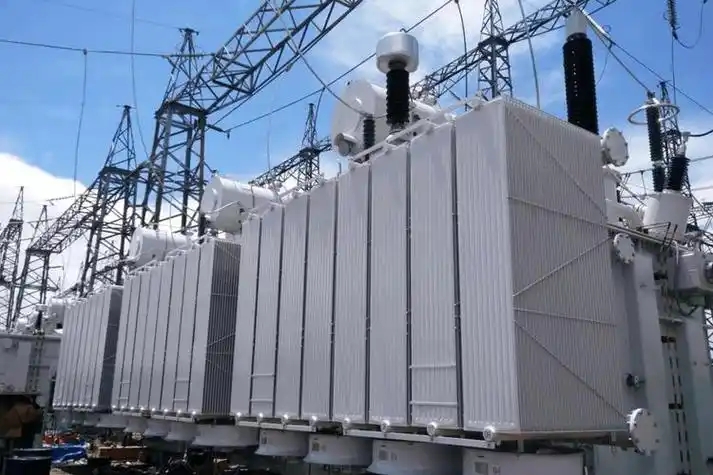
Because they handle immense amounts of power, substation transformers have complex designs and cooling systems. These systems are far more advanced than those of smaller, ordinary transformers.
Core and Coils: The core of the transformer is made of laminated metallic sheets with low magnetic reluctance. The primary and secondary windings are wrapped around it.
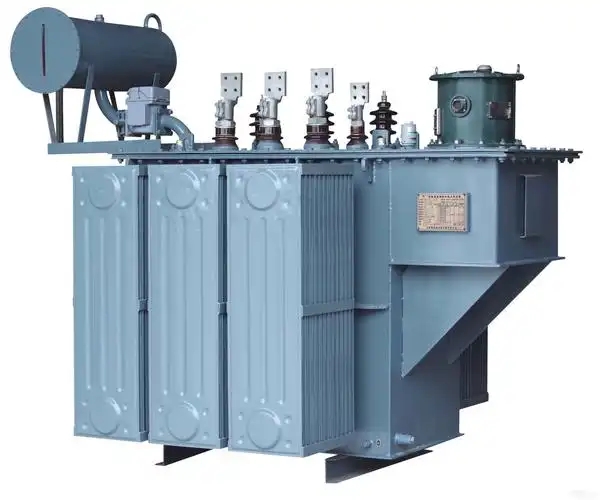
Oil Insulation and Cooling: These core components are housed in a large steel tank. They are completely immersed in specialized transformer oil. This oil serves two vital purposes: it provides excellent electrical insulation and it acts as the primary cooling medium, absorbing heat generated by the coils and core.
Cooling Enhancements: To handle the massive heat load, large transformer tanks are often equipped with various cooling enhancements. These include:
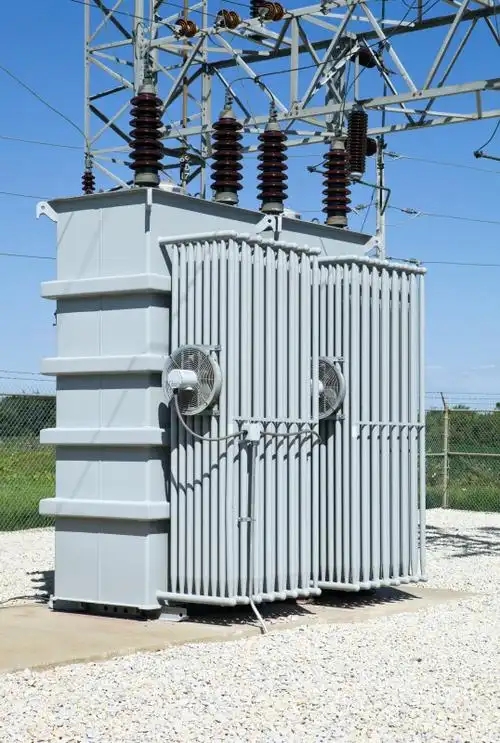
Fins: These are heat sinks that increase the surface area of the tank. They allow it to dissipate heat through natural convection.
Fans: Fans are used to force air over the fins. This significantly accelerates the cooling process.
Pumps: Pumps are installed to force the transformer oil to circulate more vigorously. This moves heat away from the core more quickly.
Water Spray Systems: During periods of extreme heat or peak load, some transformers have water spray systems. These quickly lower the temperature by evaporative cooling.
6. Transformer Protection Systems
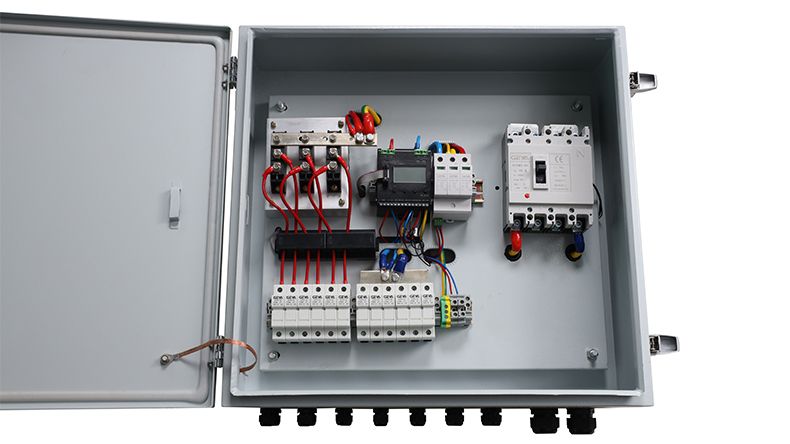
In a substation, a transformer works in concert with a suite of sophisticated protection systems. These systems ensure that if an internal or external fault occurs, the transformer can be isolated instantly. This prevents a cascading failure across the power grid.
Differential Relays: This is an advanced protection technique. It detects internal faults by comparing the current entering and leaving the transformer's primary and secondary windings. If a significant difference is detected, the relay will send a trip command to the circuit breaker.
Buchholz Relays: A Buchholz relay is a mechanical protection device installed on the transformer's main tank. It detects internal faults by monitoring the gases and oil surges produced. It can issue a warning or even a trip command based on the severity of the gas production.
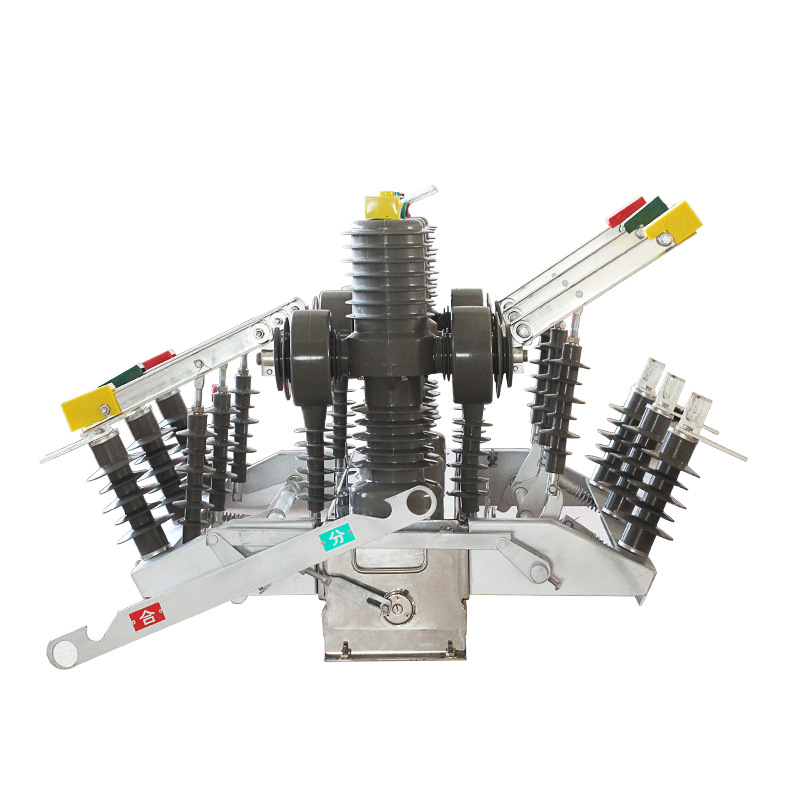
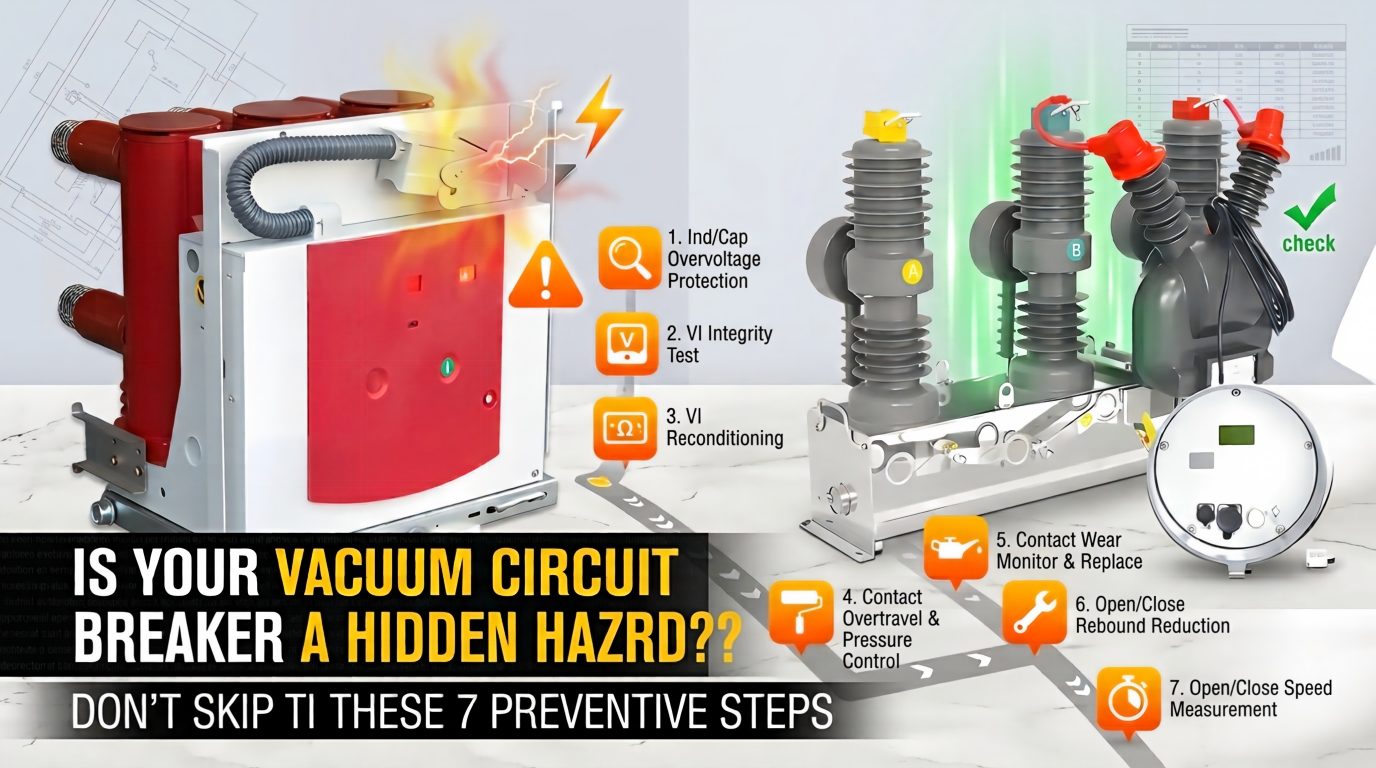
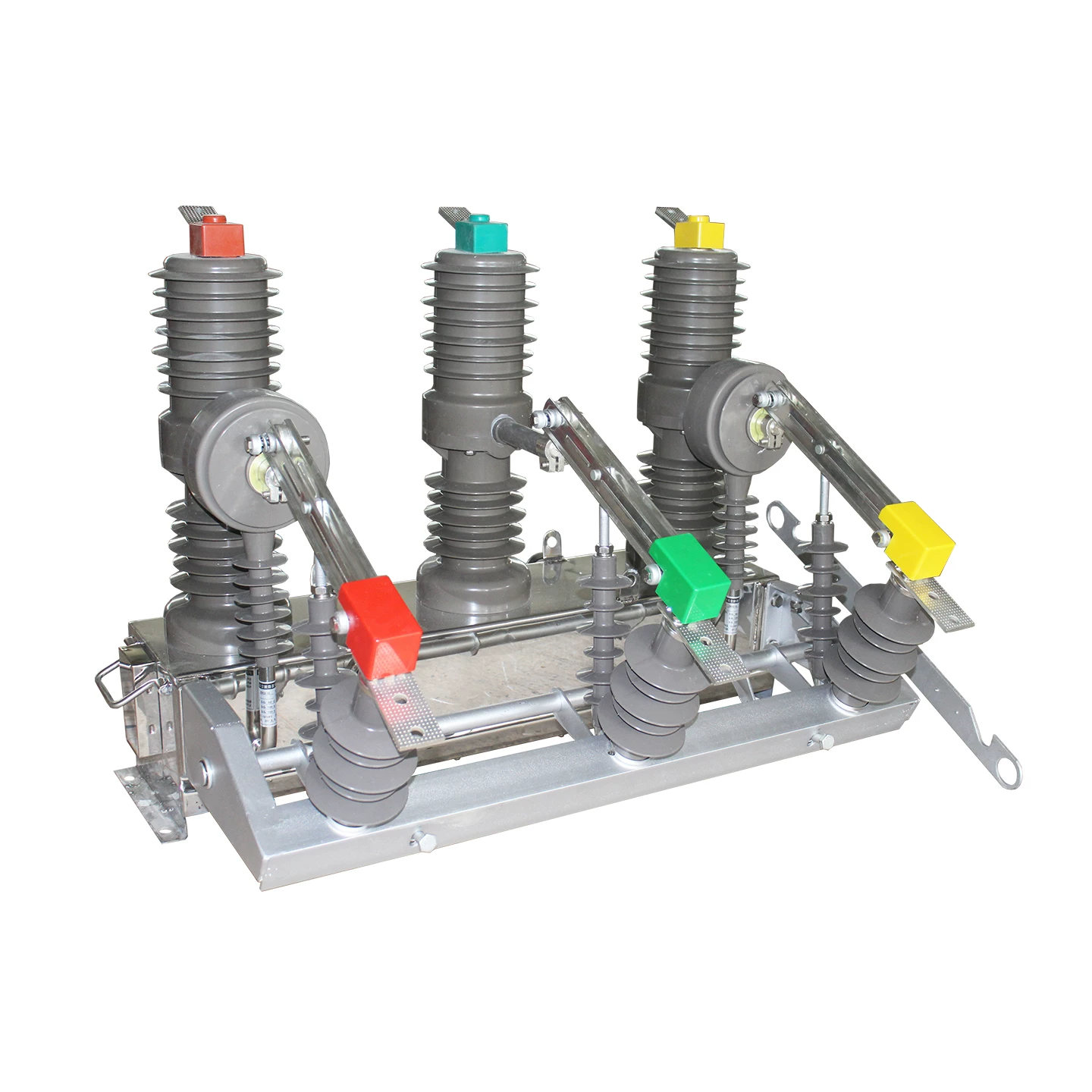
Circuit Breakers: High-voltage circuit breakers are the executors of the protection scheme. After a protective relay sends a trip command, the circuit breaker will rapidly open. This disconnects the transformer from the power grid and isolates the fault.
Note: A substation's protection system is designed to be multi-layered. Its core goals are "speed, accuracy, and selectivity" in clearing faults to minimize grid instability.
7. Routine Maintenance and Fault Diagnosis
To ensure a transformer's long service life, which can span decades, routine maintenance and advanced diagnostic techniques are essential.
Dissolved Gas Analysis (DGA): This is a key diagnostic method. Engineers regularly take oil samples from the transformer and analyze the gases dissolved within them. Different gases, like acetylene or hydrogen, are a signature of specific internal faults like arcing or overheating. This provides critical insight into the transformer's health.
Thermal Imaging: Engineers use thermal cameras to remotely check the temperature distribution of the transformer and its connections. Any abnormally hot areas could indicate a loose connection or an internal overheating issue.
Routine Electrical Tests: These include measuring winding resistance, insulation resistance, and turns ratio tests. They are performed to verify that the transformer's electrical performance still meets its original design standards.
Tip: Proactive maintenance is far more cost-effective than reactive repairs. Using advanced diagnostics like DGA can help you identify a potential problem before a catastrophic failure occurs. This prevents expensive equipment damage and widespread power outages.
8. The Smart Grid and Future Trends
As we transition towards a smarter and more sustainable power grid, substation transformers are also evolving.
Remote Monitoring and Data Analytics: Modern transformers are equipped with a variety of sensors and communication modules. They can transmit real-time data to a central control center. This data can be analyzed to enable predictive maintenance, allowing engineers to intervene before a failure ever occurs.
More Efficient Designs: As materials science and design technology advance, future transformers will be more compact and energy-efficient. They may also use more environmentally friendly insulating fluids to reduce their impact on the planet.
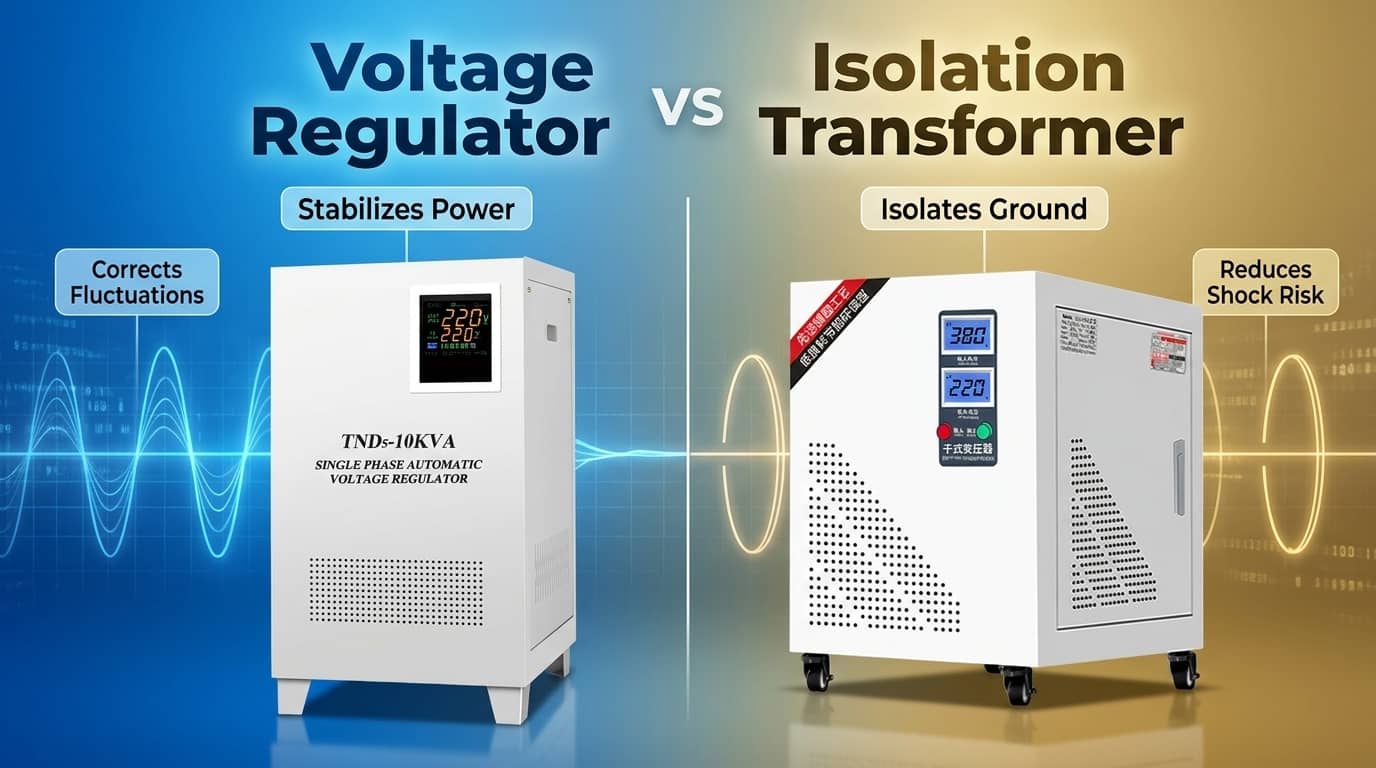
9. Comparison with Other Transformer Types
10. Conclusion
Substation transformers are the unsung heroes of the modern power grid. They play a decisive role in the journey of electricity. They enable its smooth, efficient, and safe transfer between power plants, transmission networks, and our homes. It is these immense and complex devices that truly power our illuminated cities and efficient society.
11. Frequently Asked Questions (FAQ)
Q1: Why do substation transformers make a loud humming sound?
A: The humming sound is a normal byproduct of operation. It's primarily caused by two physical processes. It's the result of tiny vibrations in the transformer's iron core from magnetostriction and vibrations of the coils from electromagnetic forces.
Q2: What is the typical lifespan of a substation transformer?
A: A well-maintained substation transformer is designed to last anywhere from 25 to 40 years. Its operational life can be extended through consistent maintenance and advanced diagnostics. However, it will eventually need to be replaced due to the aging of its insulation.
Q3: Why are substation transformers filled with oil for cooling?
A: Transformer oil serves two crucial purposes. It's an excellent electrical insulator, preventing short circuits between the transformer's high-voltage coils. It's also a highly efficient coolant that absorbs and transfers heat.
Q4: Is there a high risk of a transformer catching on fire?
A: Modern substations are equipped with multiple layers of protection and fire suppression systems, so the risk of a fire is extremely low. However, if a major internal fault occurs, the transformer's oil could vaporize and ignite. For this reason, substations are designed with firewalls and oil containment pits to manage any potential risk.
Q5: How do substation transformers protect themselves during a thunderstorm?
A: They use surge arresters to protect themselves. A surge arrester is a protective device that is connected in parallel on the high-voltage side of the transformer. When a voltage surge from lightning or the grid occurs, the arrester immediately diverts the overvoltage to the ground. This protects the transformer from damage.