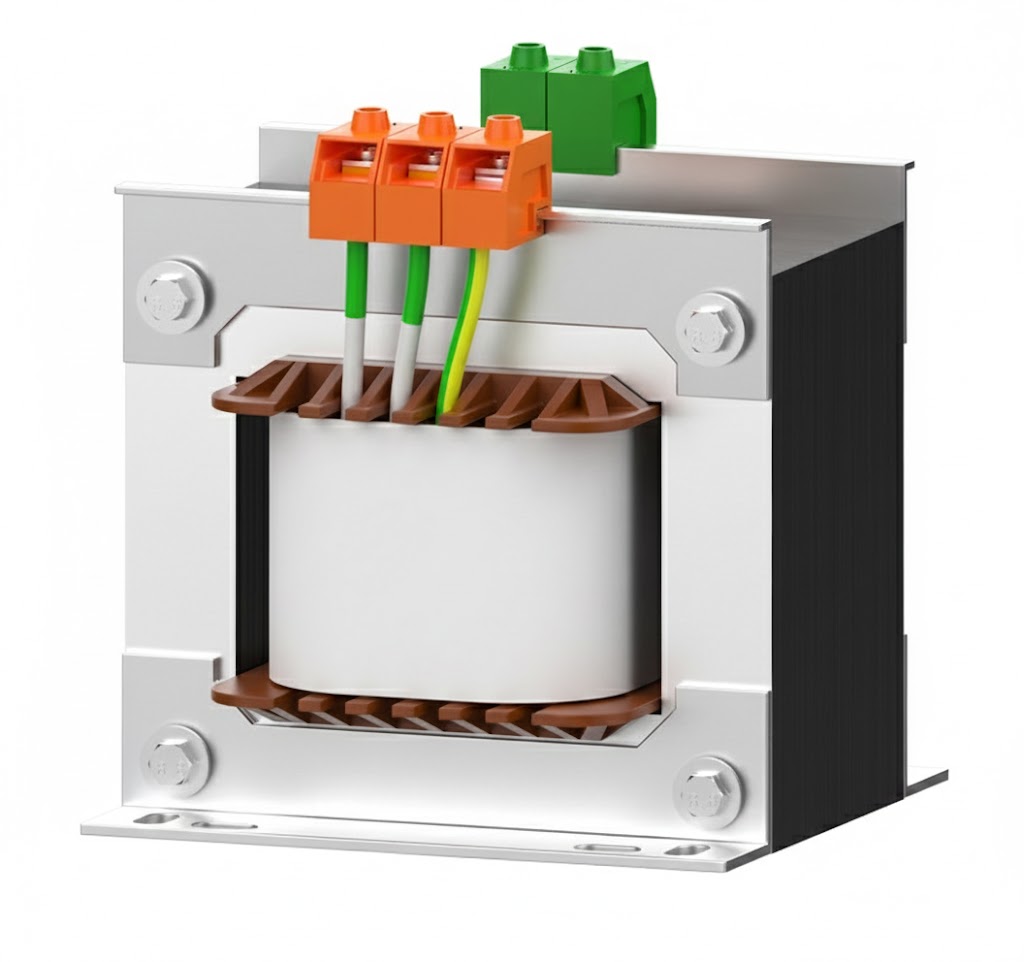
What Is a Control Power Transformer?
A control power transformer (CPT) is a small, specialized step‑down transformer that takes high-line voltage (like 480V or 240V) and safely converts it to a lower control voltage (typically 120V or 24V) to run relays, contactors, PLCs, solenoids, and other control devices. It also provides electrical isolation, creating a safer, cleaner control power supply inside an industrial control panel.
In simple terms, a CPT separates “big power” from “brain power.” The motors and heaters run on higher voltage, while the control circuit runs on a stable, low‑voltage supply that’s easier to protect, troubleshoot, and keep online. That separation is why control transformers are standard in industrial automation, machine tools, and motor control centers (MCCs).
Control power transformers matter because they are:
The backbone of control reliability – if the CPT sags or fails, contactors may chatter, PLCs can reset, and production stops.
A key safety layer – isolation reduces shock risk and helps keep faults in the power side from taking out the control side.
Designed for inrush – unlike general‑purpose transformers, CPTs are built to handle the high inrush current of electromagnetic relays and contactor coils without excessive voltage drop.
You’ll typically find control power transformers in:
Industrial control panels for conveyors, pumps, presses, and packaging machines
Motor control centers (MCCs) feed starters and overload relays
Automation cabinets with PLCs, I/O modules, sensors, and safety relays
HVAC and building control systems powering thermostats, damper actuators, and control relays
Anywhere you see a panel‑mount or DIN-rail-mounted transformer feeding low‑voltage control circuits, you are almost certainly looking at an industrial control transformer or machine tool transformer doing this critical step‑down and isolation job.
How a Control Power Transformer Works
Electromagnetic Induction in a Control Power Transformer
A control power transformer (CPT) is just a smart way of turning higher, “dirty” line voltage into stable, low‑voltage control power. It works on electromagnetic induction: AC voltage on the primary winding creates a changing magnetic field in the core, which then induces a proportional voltage in the secondary winding. No moving parts, just a magnetic circuit doing the work 24/7.
Primary and Secondary Windings Explained
You’ll see two main sides on any industrial control transformer:
Primary winding: Connects to your line (often 480V or 240V in U.S. plants).
Secondary winding: Feeds your control circuit (commonly 120V or 24V).
The turns ratio between primary and secondary sets the output voltage. More turns on the primary than the secondary = lower voltage on the secondary. That ratio is what makes a 480V to 120V control transformer or a 24V control power transformer behave exactly as you expect in a panel.
Step‑Down Control Voltages (480V to 120V / 24V)
In U.S. industrial and commercial panels, typical step‑down setups are:
480V → 120V for standard control power and maintenance-friendly voltage
480V → 24V for safer, low‑voltage PLCs, sensors, and small relays
240V → 120V / 24V in smaller or older systems
A good industrial control transformer keeps this output solid even when the line isn’t perfect, giving your relays, PLCs, and contactors the voltage they were designed for.
Handling Inrush Current the Right Way
Control circuits don’t just draw steady current. Devices like contactors, solenoids, and electromagnetic relays pull a big inrush current the instant they energize—often several times their normal VA.
A real machine tool transformer/motor control transformer is built with:
Extra short‑term inrush VA capacity
Low impedance windings to ride through that surge
Strong cores that don’t saturate easily
That’s how a CPT keeps its secondary voltage from crashing when multiple loads pull in at once, which helps avoid nuisance tripping and chattering coils.
Why Voltage Regulation Matters in Control Circuits
In control power, voltage regulation is everything. If the voltage sags when a coil pulls in, you get:
Weak or chattering contactors
Random PLC input faults
Relays dropping out under load
A voltage regulation transformer designed as a CPT holds the secondary voltage within a tight band during both normal load and inrush. That stability is what keeps U.S. OEM equipment, MCCs, and control panels running clean and predictable.
If you’re comparing different transformer sizes and want to understand how load and inrush affect sizing, it’s worth looking at a transformer sizing guide like our breakdown on how to choose the right transformer size, which walks through VA rating and real‑world control loads.
Key Features and Benefits of Control Power Transformers
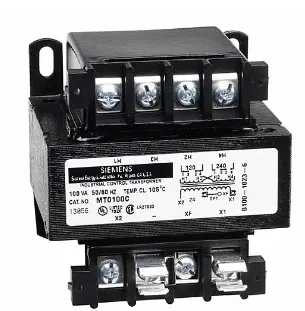
Stable voltage under inrush and overload
A good industrial control transformer is built to ride through motor starts, solenoid pulls, and relay inrush without your control voltage sagging.
What matters most:
| Feature | Why does it matter in your panel |
|---|---|
| High inrush VA capability | Keeps contactors and solenoids from chattering or dropping |
| Tight voltage regulation | PLCs, relays, and sensors see a clean, stable supply |
| Short‑term overload handling | Handles peak demand without nuisance trips |
Electrical isolation and noise reduction
Control power transformers add a safety and performance layer between the line and your control circuit.
Galvanic isolation helps protect people and downstream devices from line faults.
Noise filtering cuts electrical noise from drives and large motors so your PLC inputs and electronic relays stay stable.
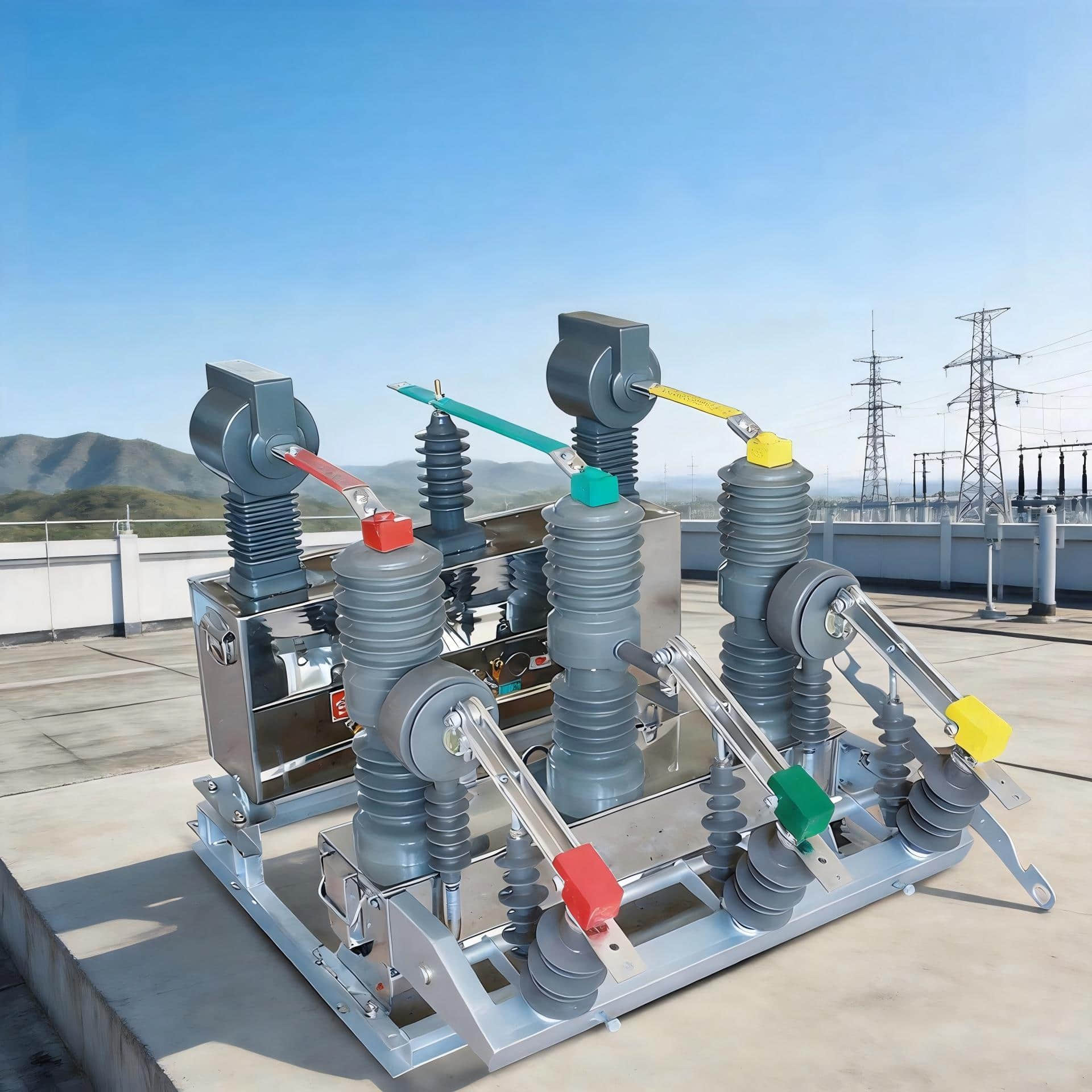
Isolation design is similar in intent to what’s used in higher‑voltage gear like gas‑insulated switchgear, just scaled for control power.
Compact, panel‑mount, and DIN‑rail options
For US OEMs and panel shops, footprint and mounting flexibility are critical.
Panel‑mount control transformers for MCC buckets and machine panels
DIN‑rail control transformers for compact automation cabinets
Multiple lead options for clean wiring and faster builds
Thermal performance and durability
Industrial control transformers have to live inside hot, dusty enclosures and stay reliable.
| Design Focus | Benefit in harsh environments |
|---|---|
| Optimized core and copper design | Lower losses, cooler running |
| High‑temp insulation system | Longer life at elevated ambient temperatures |
| Rugged, industrial construction | Less risk of failure from vibration and heat |
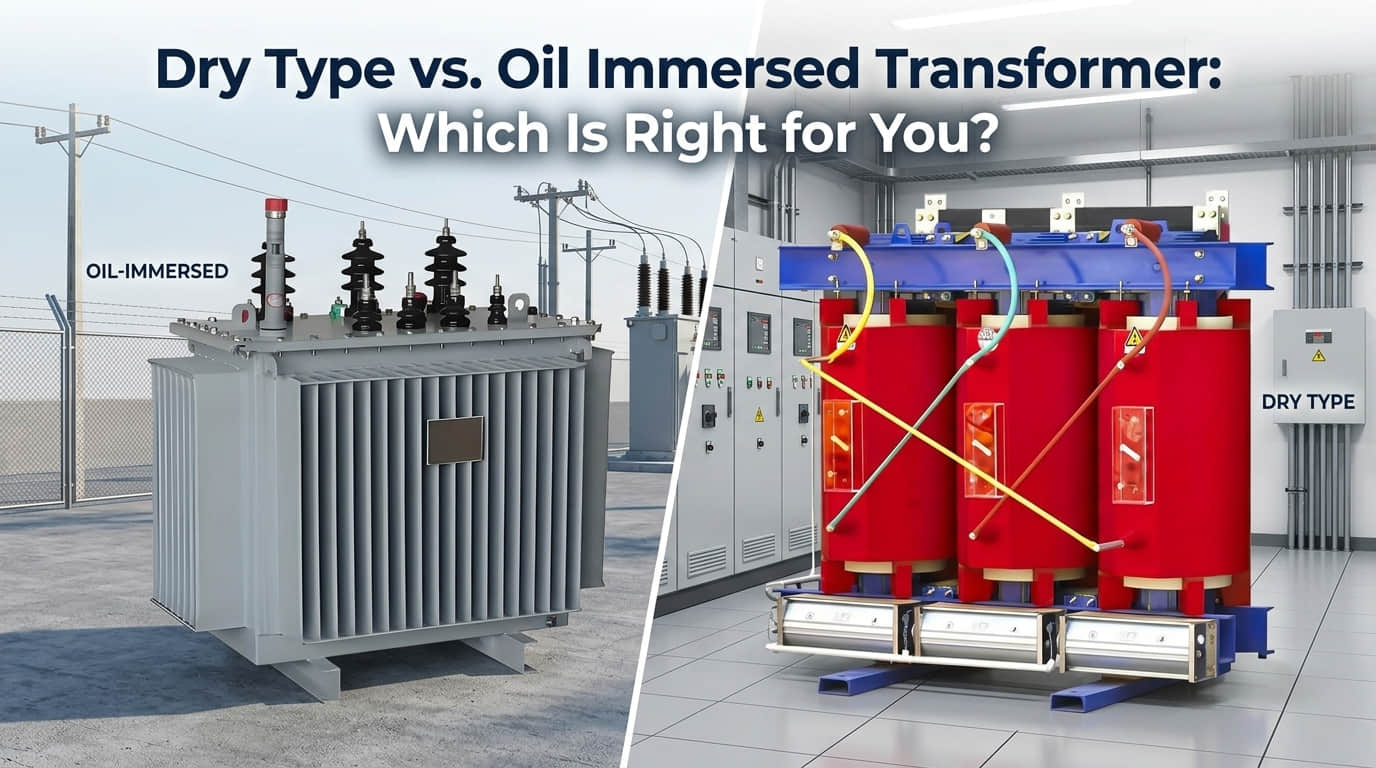
The same attention to thermal behavior that goes into medium‑voltage gear, like a pad‑mounted transformer, is applied here, just targeted at control loads.
Better uptime, fewer nuisance trips
When the control power is solid, everything else in the control panel behaves better.
Strong inrush handling means contactors pull in cleanly every time.
Good regulation stops PLC resets and relay chatter caused by voltage dips.
Robust design cuts down on unplanned downtime, mis-trips, and service calls.
That’s why I always spec a true industrial control panel transformer instead of trying to “get by” with a light-duty unit.
Control Power Transformer vs Other Transformers
Control Power Transformer vs Isolation Transformer
A control power transformer (CPT) always provides isolation like an isolation transformer, but it’s purpose‑built for control circuits.
CPT: Sized for relays, contactors, PLCs, and solenoids, with tight voltage regulation during inrush
Common Control Power Transformer Applications
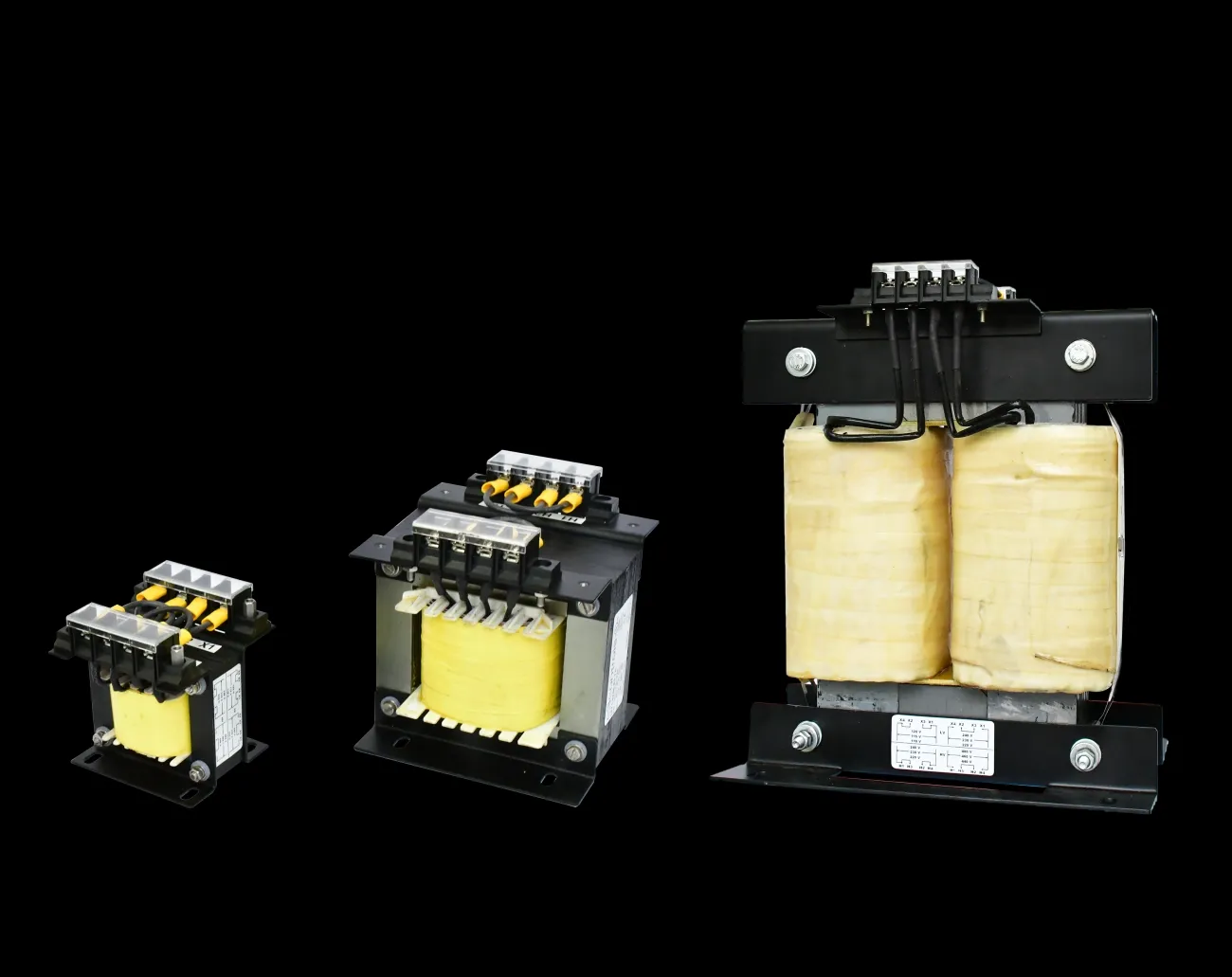
Industrial machinery & motor control centers (MCCs)
I use control power transformers (CPTs) anywhere a plant needs reliable low‑voltage control power for starters, overloads, and safety circuits. In MCCs and industrial machine tools, CPTs step down 480V or 600V to 120V or 24V to feed:
Motor starters and contactor coils
Overload relays and interlocks
Emergency stop and safety circuits
A stable CPT here keeps drives, motors, and protective devices from nuisance tripping.
Automation systems, PLCs, relays & sensors
In modern automation, I rely on industrial control transformers to power:
PLC inputs/outputs and small HMIs
Electromagnetic relays and timers
Analog and digital sensors that hate voltage dips
Good voltage regulation transformers prevent false trips and random PLC faults during inrush events.
HVAC controls, solenoids & contactors
For commercial and industrial HVAC, a step‑down control transformer is standard for:
24V thermostat and control circuits
Valve and damper solenoids
Fan and compressor contactors
Here, rugged CPTs handle frequent cycling and inrush from multiple coils starting at once.
Manufacturing lines, process panels & OEM equipment
If I’m building or re‑paneling a line, I’ll design in a panel‑mount control transformer to serve:
Conveyor and packaging machine control circuits
Process skids and OEM control panels
Safety interlocks and light stacks
OEMs favor compact, DIN‑rail CPT options to save panel space while meeting UL/CSA requirements.
Commercial & building control systems
In buildings, control panel transformers provide low‑voltage power for:
Lighting control panels and occupancy systems
Access control and basic BMS I/O
Small relays, alarms, and signaling circuits
Wherever there’s a need for low-voltage control power that stays stable under inrush, a properly sized CPT is the go‑to choice.
How to Size and Select a Control Power Transformer
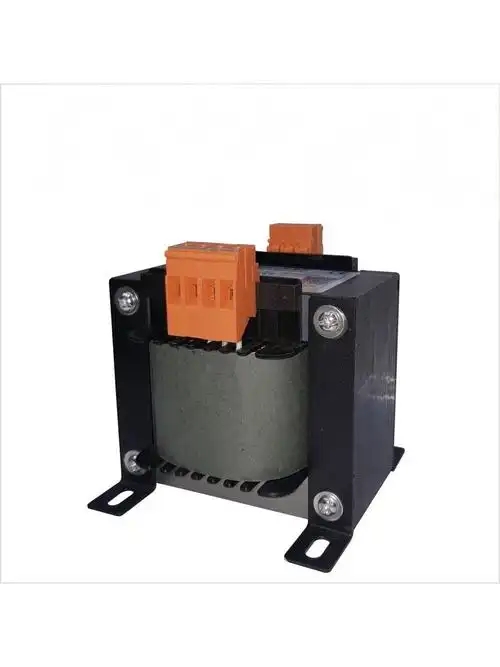
Understand VA Rating and Inrush VA
When I pick a control power transformer (CPT), I always start with VA:
Add up all steady loads: PLCs, relays, contactor coils, solenoids, indicator lights, small power supplies, etc. Use their VA or Volt × Amp.
Account for inrush VA: Contactors, solenoids, and some relays can pull 3–10× their normal VA for a split second.
Pick a transformer with:
Continuous VA ≥ total steady load VA, and
Short‑term inrush VA capability high enough to start everything without sagging the voltage.
If nuisance tripping or dim pilot lights show up when things pull in, your transformer’s VA or inrush rating is usually too small.
Primary and Secondary Voltage Selection
Match the voltages to your panel and code requirements:
Primary (line side): Common US industrial voltages are 480V, 240V, 208V, 600V. Many industrial control transformers offer multiple primary taps for these.
Secondary (control side):
120V for classic control circuits in motor control centers and older equipment.
24V AC or 24V DC (via power supply) for safer, low‑voltage controls, especially in building systems and OEM equipment.
Always verify the control voltage against your PLC, relay, and contactor coil nameplates.
Frequency, Phase, and Tap Options
For US panels, most control power transformers are single‑phase, 60 Hz:
Frequency: Using a 60 Hz transformer on 50 Hz can overheat it unless it’s rated 50/60 Hz.
Phase: Even if your system is 3‑phase, the CPT almost always runs single‑phase off one phase or line‑to‑line.
Taps:
Primary taps let you fine‑tune for 480/240/208/600V systems.
Secondary taps can help correct minor voltage issues in long runs or under heavy inrush.
How to Calculate Total Control Circuit Load
I keep this simple and conservative:
1. List all devices on the control circuit.
2. For each device, note: voltage, VA or current, and duty (continuous or occasional).
3. Continuous loads: Add all VA directly.
4. Inrush loads (contactors, solenoids):
Use the manufacturer's inrush VA when available.
If not, multiply sealed VA by 3–10× depending on type and experience.
Safety margin: Add 25–50% on top of your calculation to future‑proof and reduce overheating.
This simple “control transformer sizing calculator” approach avoids most field problems.
Environmental Conditions, Certifications, and Efficiency
US customers expect CPTs to survive real‑world plant conditions:
Temperature and altitude: Check the nameplate temperature rise and derating info if your panel runs hot or is at high altitude.
Environment:
Dirty, dusty, or corrosive areas: choose fully enclosed or harsh‑duty designs.
Outdoor or pad‑mount gear: pair CPT choices with equipment that already addresses security and weather, like the designs discussed in this pad‑mounted transformer safety guide.
Certifications: For the US and Canada, look for UL Listed / Recognized and CSA approvals.
Efficiency: Higher‑efficiency control transformers run cooler, waste less energy, and extend component life inside packed control panels.
Mounting Styles, Fusing, and Protection Options
How the transformer is installed is just as important as the VA rating:
Mounting styles:
Panel‑mount transformers for MCC buckets and OEM enclosures.
DIN‑rail control transformers for compact control panels and quick field replacement.
Fusing and protection:
Primary fusing protects the transformer and wiring from faults.
Secondary fusing protects the control circuit and is often required by code and OEM standards.
Consider supplementary breakers or mini fuses for easy service and clear fault isolation.
Grounding and bonding: Bond the core/frame and ground the secondary as required by your control scheme and NEC. Using solid grounding and proper protection also works hand‑in‑hand with practices like those outlined in this article on grounding current transformer secondaries for safety.
Pick a control power transformer that matches how you actually build and service panels—right VA, right voltage, right approvals, and a mounting and protection scheme your electricians can support quickly in the field.
Installation and Wiring Basics for Control Power Transformers
Reading CPT wiring diagrams
When I’m installing a control power transformer (CPT), I always start with the wiring diagram on the nameplate or datasheet. It tells you:
Primary terminals (often labeled H1, H2, H3) – where the line voltage (480V, 240V, etc.) lands
Secondary terminals (X1, X2, X3) – where your control power (120V, 24V, etc.) comes out
Taps – for 240/480V or 208/240/480V adjustment
Ground symbol – where to bond the core or secondary
Match the diagram to your actual line and control voltages. If you’re working in a panel with other medium‑voltage gear, I treat the CPT the same way I’d treat a current transformer in a protection scheme—correct polarity, correct terminals, and no guessing.
Primary and secondary connections (step by step)
A simple step‑down control transformer hook‑up usually looks like this:
1. De‑energize and lock out the supply.
2. Primary side
Land the incoming hot legs on H1/H2 (or H1/H2/H3 for three‑phase style CPTs used phase‑to‑phase).
Set and connect any primary taps per the diagram (e.g., 480V vs 240V).
3. Secondary side
Connect X1 and X2 to your control circuit bus (e.g., 120V or 24V control).
If you’re using a grounded secondary, bond one side (usually X2) to ground.
4. Torque all terminals to spec and dress conductors cleanly in the panel.
Grounding and bonding best practices
For control circuit isolation and safety, I always:
Bond the CPT core/frame to the panel ground bar.
Decide if the secondary is grounded or ungrounded:
Grounded: bond X2 to ground for a defined reference and easier troubleshooting.
Ungrounded: Use when the spec calls for it, and make sure the whole control system is designed that way.
Keep ground and neutral separate where required by code and local practice.
Overcurrent protection and fusing on CPTs
Good fusing is what saves the transformer and the rest of the panel:
Primary fusing:
Typically, small‑amp fuses or a breaker sized per the CPT’s VA and primary voltage.
Time‑delay fuses help ride through inrush current.
Secondary fusing:
Protects control circuits, relays, PLC power supplies, and solenoids.
Often split into multiple fused branches for different loads.
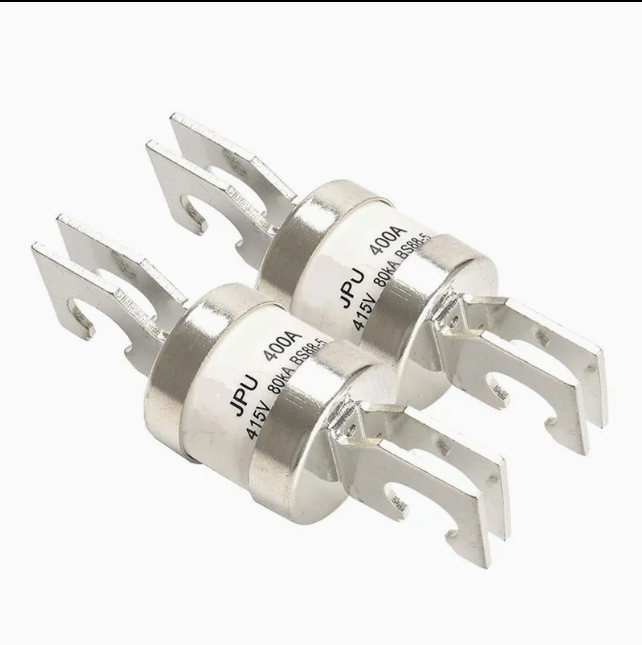
For critical systems, I size and select fuses with the same discipline I’d use for a high‑voltage current‑limiting fuse in protection gear: fast enough to protect, but not so tight that it nuisance‑trips on inrush.
Typical installation mistakes to avoid
The same issues keep showing up in US control panels:
Wrong primary tap chosen (e.g., wired for 240V on a 480V system).
No secondary fusing, so a control short cooks the CPT.
Undersized wire or too long runs are causing a control voltage drop.
Secondary is ungrounded by accident, making troubleshooting a nightmare.
Loose terminals that overheat under inrush or continuous load.
Simple checks to confirm correct operation
Before I sign off on a CPT install, I run a few quick checks:
Confirm nameplate vs actual line voltage with a meter.
Verify secondary voltage under no‑load and under typical load.
Check polarity and tap connections against the diagram.
Feel for abnormal heating after the panel runs for a while.
Confirm all fuses/breakers are the correct type and rating.
If the secondary voltage holds steady when contactors pull in, and relays don’t chatter, I know the control power transformer is wired correctly and sized right for the job.
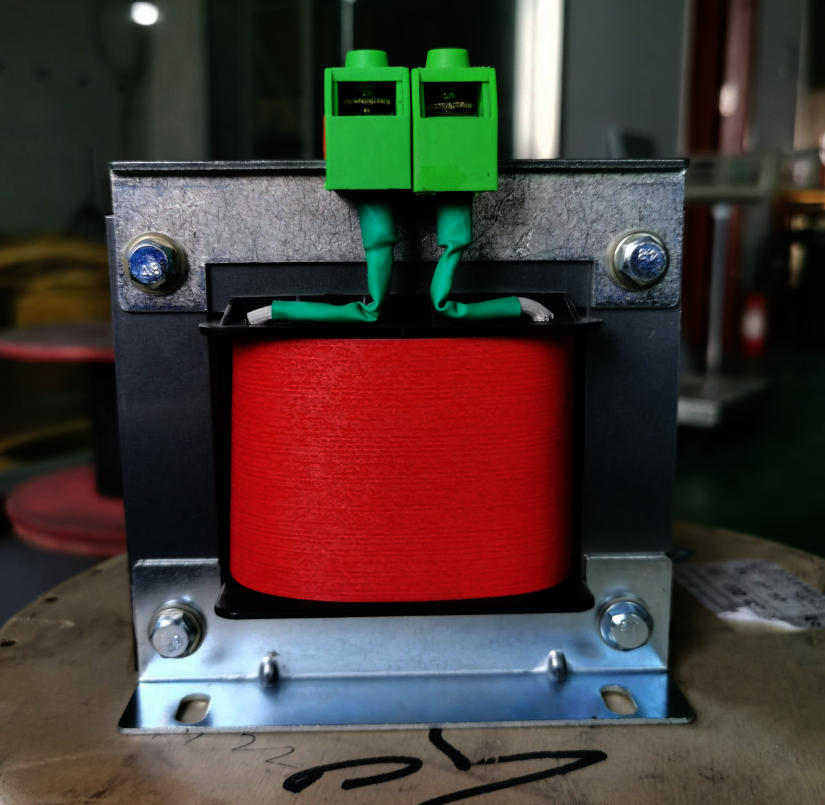
Maintenance and Troubleshooting Tips for a Control Power Transformer
Routine inspection and cleaning of control transformers
For any industrial control transformer, basic housekeeping goes a long way:
Kill power and lockout/tagout before touching anything.
Blow out dust with dry compressed air (short bursts, safe distance from windings).
Tighten terminals on primary and secondary – loose lugs are a top cause of heat and voltage drop.
Check for signs of moisture, corrosion, or oil/chemical contamination inside the control panel.
Make sure nearby gear like switchgear or metal‑clad panels isn’t dumping extra heat into the cabinet.
Do a quick thermal scan (if you have an IR gun or camera) during load – hot spots usually show up at terminations, not in the core.
Signs of overload, overheating, or wrong sizing
You likely have an overloaded or undersized control panel transformer if you see:
Discolored or darkened insulation on leads or winding surfaces
Burning smell, cracking sounds, or buzzing that’s louder than usual
Surface temperature too hot to touch for more than a second or two
Frequent fuse trips on the secondary, especially on startup
Relays or contactors chattering when multiple loads pull in together
If nameplate VA is close to your calculated running load, you’re probably undersized once you factor in inrush VA from solenoids and contactors.
How to troubleshoot voltage drops in control circuits
If your 120 V or 24 V control power isn’t staying solid:
1. Measure at the transformer secondary with everything energized.
2. Measure at the farthest device (PLC input, relay coil, solenoid) during operation.
3. If you see a big drop under load:
Check for loose or undersized conductors in long runs.
Look for too many loads pulling in at once (contactors, solenoids).
Confirm the transformer VA rating plus inrush VA is above your real demand.
4. Check for shared neutrals or grounds causing unexpected voltage shifts.
Rule of thumb: if the voltage at the device drops more than 10% when coils pull in, you need to fix wiring, increase conductor size, or upsize the CPT.
Dealing with nuisance tripping of relays and contactors
Nuisance trips and chattering are almost always a control power issue:
Slow or weak pick‑up usually means low control voltage.
Random drop‑outs when big loads start = CPT can’t handle short‑term inrush VA.
Make sure coil voltage matches the secondary rating (no 240 V coils on a 120 V secondary).
Add separate circuits or sequencing for high‑inrush devices so they don’t all slam on at once.
If your control power is stable at the transformer but not at the device, you’re fighting wiring and voltage drop, not the transformer itself.
When to repair, resize, or replace a CPT
Here’s how I decide what to do with a control panel transformer:
Repair (if)
Only terminals or external leads are damaged.
Mounting hardware, lugs, or fuse blocks need replacement.
Resize (if)
Calculated load + inrush > 80% of nameplate VA.
You’ve upgraded the panel (more PLC I/O, more contactors) without upsizing the transformer.
Voltage drops or coil chatter persist even after tightening and re‑wiring.
Replace (if)
Windings are burned, cracked, or shorted, or the insulation is clearly cooked.
You have repeated overheating events or nuisance trips that point to internal damage.
The existing transformer doesn’t match the new voltage, phase, or code requirements.
In US plants, the cheapest long‑term is usually upsizing to a properly rated, industrial control transformer with solid voltage regulation and good inrush handling, rather than fighting chronic trips and downtime.
Choosing WEISHO Control Power Transformers
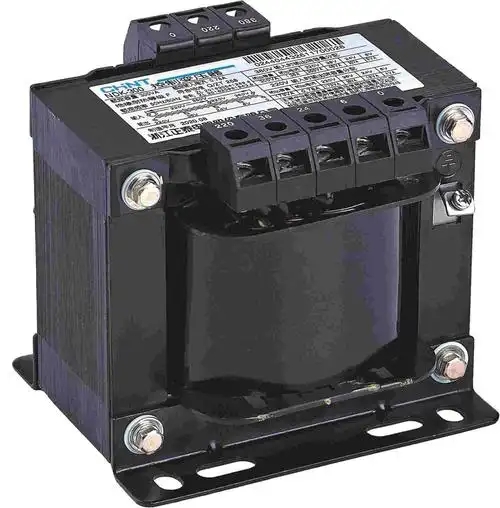
What sets WEISHO control transformers apart
I design WEISHO control power transformers specifically for industrial control panels, not as generic “one‑size‑fits‑all” units. The focus is simple: stable control voltage, high inrush handling, and long life in tough environments US plants deal with every day—heat, dust, vibration, and constant switching.
Key design features for industrial automation
WEISHO industrial control transformers are built around real control loads: PLCs, relays, solenoids, contactors, and small control power supplies. Core features include:
Strong inrush current handling for contactors and electromagnetic relays
Tight voltage regulation to avoid control circuit voltage drop and nuisance trips
High dielectric strength and insulation for safer control circuit isolation
Compact, panel‑mount, and DIN‑rail options for crowded MCC buckets and OEM panels
If you’re using modern contactors (for example, like those discussed in this overview of contactor types and applications), these CPTs are built to feed them clean, stable power.
Voltage, VA, and mounting options
For US plants and OEMs, I keep the range practical and flexible:
Primary voltages: 208V, 240V, 277V, 480V, 600V (single‑phase)
Secondary voltages: 120V, 24V, 24/120V combinations for low‑voltage control power
VA ratings: from small machine tool transformers for a few relays, up to larger motor control transformers for dense MCC sections
Mounting: back‑panel, base‑mount, and DIN rail control transformer versions for fast assembly
Custom control transformer solutions
When standard catalog units don’t quite fit, I support custom control transformer builds for:
Special primary/secondary combinations
Non‑standard VA and inrush requirements
Unique form factors or terminals to match your existing control panel transformer layout
Specific UL / CSA targets for US and North American projects
How WEISHO fits into real‑world panels and MCCs
In real projects, WEISHO control power transformers typically end up:
In motor control centers (MCCs), feeding bucket control circuits and interlocks
Inside OEM industrial automation transformer assemblies with PLCs and I/O
In process panels with solenoids, contactors, and control relays
In building and HVAC control systems that need reliable 120V or 24V control power
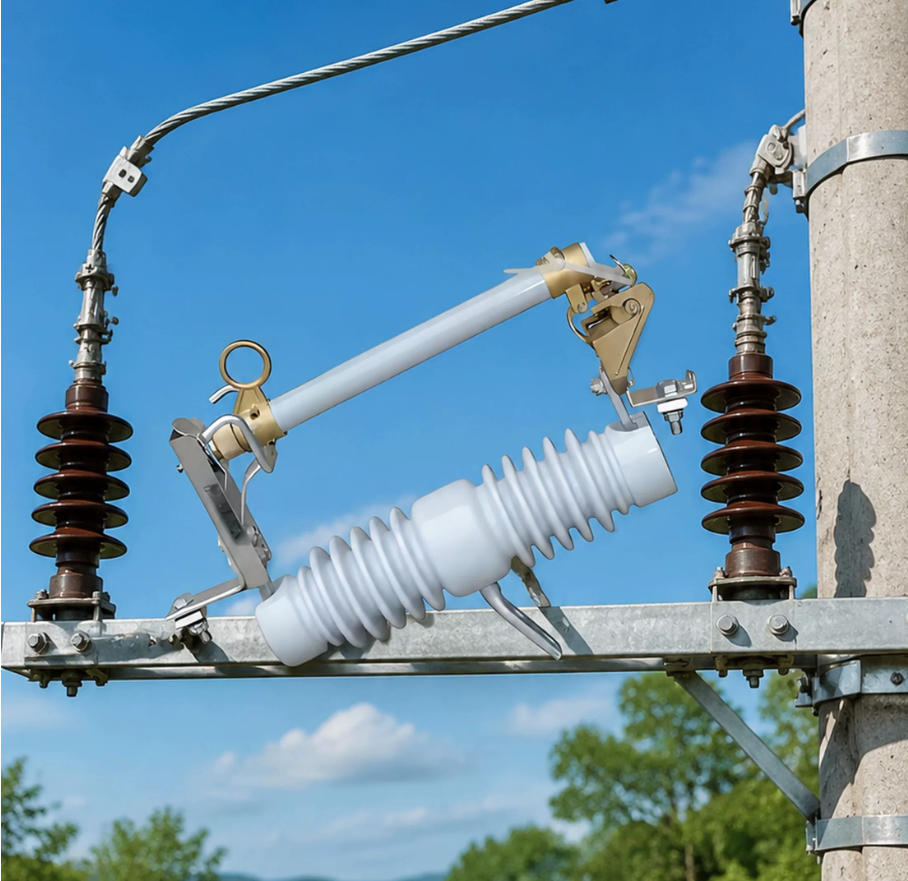
Paired with upstream protection devices—such as high‑voltage fuses similar to those used in drop‑out fuse protection assemblies—WEISHO control transformers help keep your control circuits stable, reduce nuisance trips, and extend the life of your automation hardware.
Quick FAQs on Control Power Transformers
Can I use a regular transformer instead of a CPT?
Usually, no. A standard transformer isn’t designed to handle the high inrush VA from contactors, solenoids, and relays. A control power transformer (CPT) is built for:
Better voltage regulation under inrush
Higher short‑term VA capacity
Safer control circuit isolation
If you’re feeding control circuits in an MCC, OEM panel, or automation system, use a CPT, not a generic distribution transformer.
What VA rating do I need for my control circuit?
Add up:
The steady‑state VA of all devices (PLCs, relays, sensors, lamps, HMIs)
The highest inrush VA (usually from the largest contactor/solenoid)
Then:
Multiply inrush VA by 1.25–1.5 for safety
Pick the next standard VA size above that number
If you prefer a calculator‑style approach, we always design WEISHO control transformers with enough short‑term inrush VA margin to keep your control voltage stable when everything pulls in at once.
How much inrush current should I plan for?
Typical ranges (rough guide, check actual device datasheets):
Small relays: 5–10× holding VA
Motor contactors: 3–10× holding VA
Solenoids: 5–15× holding VA
Most North American control panels are sized so the CPT can handle inrush VA for at least 30–60 seconds without sagging below about 85–90% of rated control voltage.
Do I really need isolation in my control power?
In industrial and commercial panels, yes, you usually do. Isolation gives you:
Safety – separates control circuits from the primary system
Noise reduction – helps keep electrical noise off PLCs and electronics
Better fault control – easier grounding and protection design
This is the same safety logic used with other isolation products like an outdoor disconnect switch on high‑voltage lines—clear separation and controlled fault paths.
How do I know if my CPT is undersized?
Common warning signs:
Control voltage drops when multiple contactors pull in
Relays chatter or PLC I/O drops out on start‑up
CPT runs hot to the touch, smells burnt, or shows discoloration
Nuisance trips on overloads or fuses feeding the control transformer
If you see this, measure the secondary voltage during inrush. If it sags too much, you likely need a higher VA control panel transformer.
How long do control power transformers usually last?
With proper sizing and ventilation, a good industrial control transformer can easily run 15–25 years or more:
Keep it clean and free of dust buildup
Don’t exceed nameplate VA or temperature rise
Check terminations periodically for looseness and hot spots
Heat and overload are what usually kill transformers—not age.
Are WEISHO control transformers compatible with my panel?
In most cases, yes. WEISHO industrial control transformers are designed around common U.S. specs:
Primary: 480V, 240V, 208V, 600V (single or multi‑tap)
Secondary: 120V, 24V control power, and other standard control voltages
Mounting: panel‑mount transformer styles, DIN rail options, and MCC‑friendly footprints
Approvals: built to meet common UL/CSA expectations for control panel transformers
If you’re retrofitting or doing a replacement control power transformer, just match:
Primary voltage
Secondary voltage
VA rating
Mounting space
When the application is special—high ambient, harsh environments, or tight panels—we can support custom control power transformer solutions tailored to U.S. industrial and commercial projects.