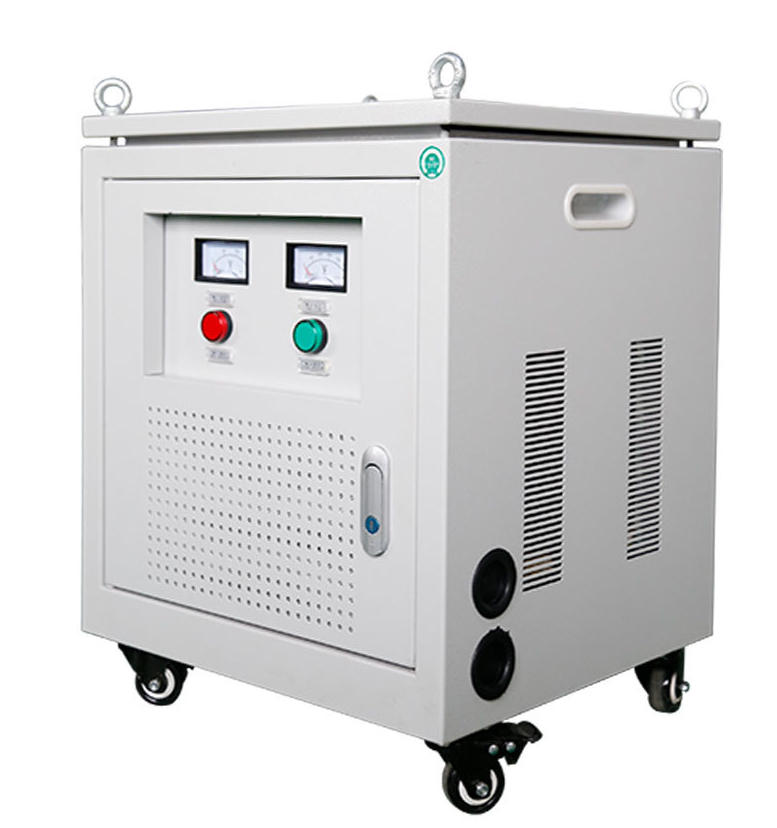
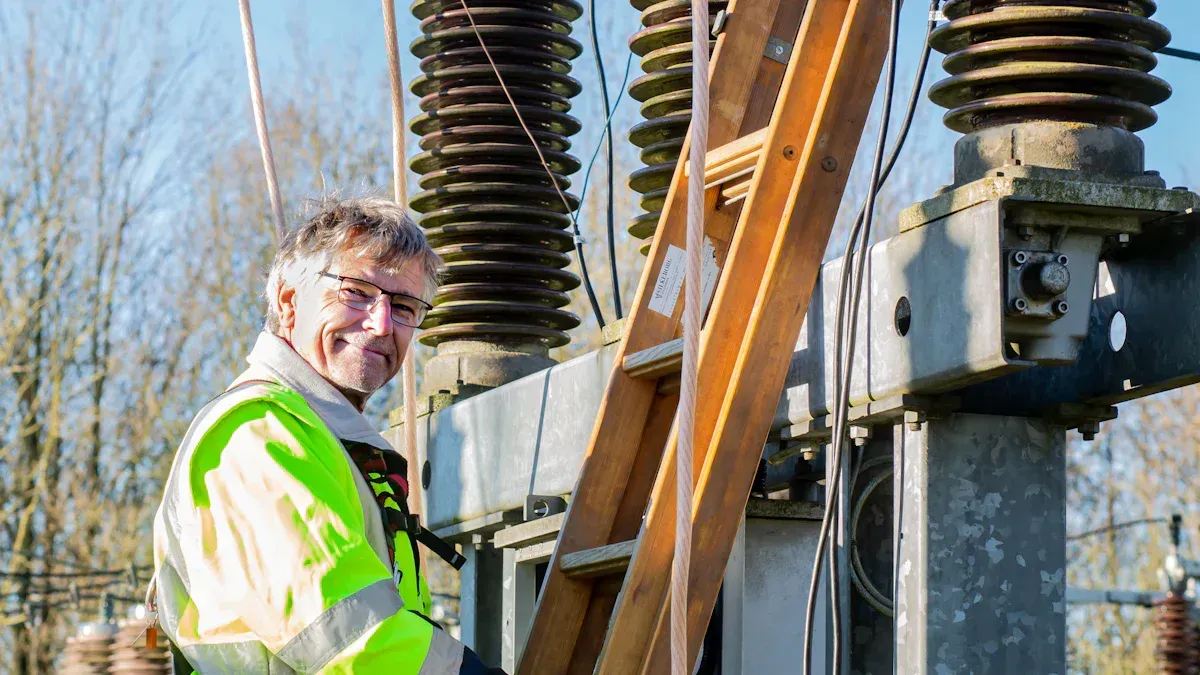
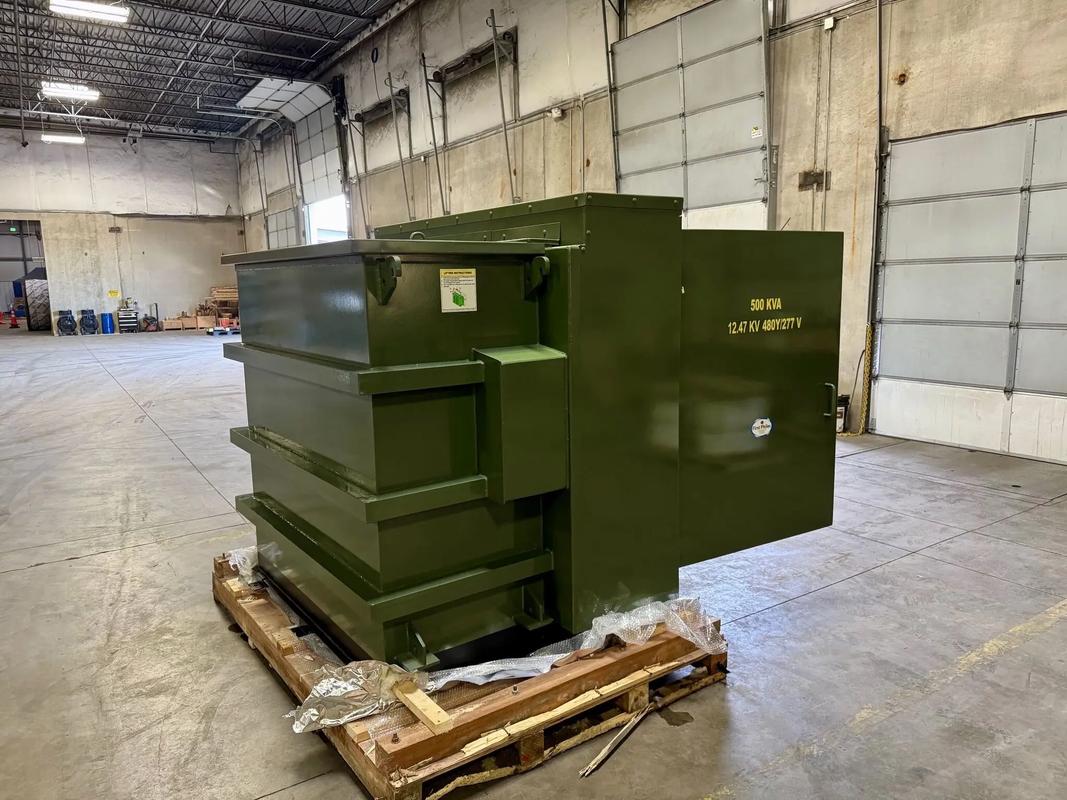
A pad-mounted transformer helps keep people safe in public places. It has a locked steel cabinet and a design that is hard to break into. You can find these transformers where power lines are underground. Their tough build stops people from getting inside. It also protects important parts from bad weather. Some safety risks are:
Getting shocked by high voltage if you touch the inside parts
Arc flash accidents that can burn or hurt you
Explosions or fires from someone messing with it or broken parts
Fluids leaking out that can hurt people or the environment
Key Takeaways
Pad-mounted transformers have steel cabinets with locks. These cabinets keep people safe from high-voltage parts.
Tamper-resistant features make it hard to break into the transformer. This protects the transformer from vandalism.
Wires are hidden inside the cabinet. This stops people from touching them by accident. It also keeps animals from hurting the cables.
The transformer is made of strong steel or aluminum. This helps it resist rust and damage from weather or impacts.
The transformer has a weatherproof design with sealed enclosures. This helps it work well in rain, snow, and very hot or cold weather.
Trained workers do regular maintenance and safety checks. This makes sure the transformers work safely and well.
Warning signs on transformers tell people to stay away. These signs show that high voltage is dangerous.
Studies say living near pad-mounted transformers is safe. There are no big health risks, like cancer.
Pad-Mounted Transformer Security
Locked Cabinet
Pad-mounted transformers have locked steel cabinets for safety. You need special tools to open these cabinets. Utility companies use penta-head bolts and company locks. Only trained workers can get inside. These locks keep people away from high-voltage parts. You see pad-mounted transformers in parks and neighborhoods. They are also near schools. Locked cabinets help protect everyone close by.
Tamper-Resistant Features
Manufacturers make pad-mounted transformers with tamper-resistant steel housing. This means breaking into the cabinet is very hard. Strong metal and special locks stop vandalism and theft. You do not need to worry about someone messing with the transformer. The cabinet keeps everything safe inside.
Tip: Tamper-resistant features make pad mounted transformers safer than older transformer types with open designs.
Concealed Wiring
You do not see wires outside a pad-mounted transformer. All wiring stays hidden inside the locked cabinet. This design keeps you from touching live wires. It helps prevent accidents. Concealed wiring also protects the transformer from weather and animals.
Hidden wires lower the risk of electrical shock.
Concealed wiring stops animals from chewing or damaging cables.
Public spaces look cleaner with hidden wires.
Robust Materials
Pad-mounted transformers use tough materials for safety and long life. The cabinet uses steel or aluminum. These metals resist rust and damage.
Steel or Aluminum Construction
Manufacturers build pad-mounted transformers with steel or aluminum. These metals are strong and do not break easily. They resist rust, so rain and snow do not hurt the cabinet. Utility companies pick these materials because they meet strict standards like ANSI, IEEE, and IEC. These standards make sure the transformer works well in homes, businesses, and factories.
Steel and aluminum cabinets protect against weather and impact.
Strong metals keep the transformer safe from vandalism.
Standards like ANSI and IEEE guarantee quality and safety.
Impact Resistance
You do not need to worry if something hits a pad-mounted transformer. The cabinet can handle bumps from cars, bikes, or lawn equipment. Impact resistance means the transformer keeps working even if it gets hit. This feature helps protect the inside parts. It keeps the power on for your home or business.
Feature | Benefit |
|---|---|
Steel/Aluminum Cabinet | Stops rust and damage |
Impact Resistance | Keeps the transformer working |
Locked Cabinet | Prevents unauthorized access |
Pad-mounted transformers use grounded metal housing to keep electricity safe. You find these transformers in utility, commercial, and industrial areas. They offer strong protection and reliable service.
Environmental Protection
Pad-mounted transformers protect against bad weather and dangers outside. You see them working in rain, snow, and hot sun. Their strong design keeps inside parts safe. This helps the transformer last a long time.
Weatherproof Design
Sealed Enclosure
Every pad-mounted transformer has a sealed enclosure. The cabinet shuts tight so water, dust, and bugs stay out. This keeps the electrical parts dry and clean. You do not have to worry about rust or short circuits from water. The transformer works even when there are storms.
Protective Coating
Manufacturers put special coatings on the cabinet. These coatings stop rust and corrosion. The transformer stays strong after many years outside. The coating also protects from chemicals and salt in the air. This helps the transformer work well near roads or the ocean.
Note: A weatherproof design means you need fewer repairs and have less power loss.
Here is a table that compares pad-mounted transformers and pole-mounted transformers:
Transformer Type | Environmental Protection Features | Implications for Failure Rates |
|---|---|---|
Enclosed in weather-resistant cabinets, oil containment | Contributes to longevity and reliability | |
Pole-Mounted Transformers | Exposed to direct environmental conditions | Higher maintenance needs, potentially shorter lifespans |
Flood and Fire Resistance
Elevated Pad
Pad-mounted transformers sit on concrete pads. This keeps them above floodwater. The pad gives extra support and keeps the transformer steady. Utility companies follow rules to make sure water cannot get in during floods.
Fire-Retardant Materials
Manufacturers use fire-retardant materials inside the transformer. These materials help stop fires from spreading. There are fire barriers around the oil tank and electrical parts. Fire barriers protect your neighborhood and keep the power on during emergencies.
Utilities use fire barriers to follow safety rules.
Real-life examples show that fire barriers protect important places and cause less damage.
You also get more protection from the sealed tank and special oil. The oil cools the transformer and stops it from getting too hot. Most pad-mounted transformers use ONAN cooling. This means oil moves by itself, and air cools the outside. This keeps the transformer safe and working well.
Manufacturers follow rules set by UL (Underwriters Laboratories):
The cabinet design keeps water out, even in floods.
The sealed tank helps stop fires.
Special oil meets safety codes.
Each transformer passes safety and performance tests.
You can trust a pad-mounted transformer to work safely in hard weather. Its weatherproof and fire-resistant features help keep your community safe and your power on.
Operational Safety
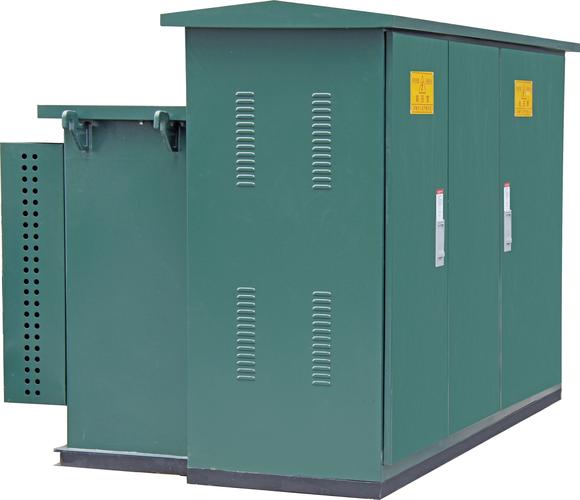
Pad-mounted transformers have many safety features. These features help protect you and your community. You can trust them to keep electricity working and lower risks.
Fault Protection
Fuses and Breakers
There are different fault protection devices inside pad-mounted transformers. These devices help stop electrical accidents and keep things safe.
Fusing options act fast when the current gets too high. They limit energy in the circuit and lower stress on the transformer.
Energy Limiting Surge Protection (ELSP) fuses protect the transformer from energy surges. Surges can come from lightning or other outside sources. This protection stops insulation damage and helps the transformer last longer.
Dual-sensing fuses check both temperature and current. They give extra protection against overheating. They keep the transformer safe.
Bayonet fuses are inside the transformer tank. They protect against faults inside and make maintenance easier for workers.
All these fault protection devices work together. They stop dangerous problems before they happen. You can feel safe knowing the transformer can handle surprises.
Pressure Relief
Pad-mounted transformers have pressure relief systems. If pressure builds up inside, the relief device opens. It lets the pressure out safely. This helps stop explosions and keeps people and property safe.
Tip: Regular checks help make sure fuses, breakers, and pressure relief devices work right.
Authorized Access
Restricted Entry
Only trained workers can open a pad-mounted transformer. Utility companies use special locks and bolts to keep the cabinet closed. You should never try to open or mess with the equipment. Getting inside without permission can hurt or even kill you.
Utility workers get special training to work with transformers.
People who are not trained must stay away from the cabinet.
Safety Signage
You will see warning signs on every pad-mounted transformer in public places. These signs use words like "Warning" and "Danger" to show the equipment is risky. The "Mr. Ouch" label is common. It helps kids and adults know about the dangers.
"Mr. Ouch" labels are on transformers near homes, parks, schools, and stores.
Signs warn about serious injury or death if you touch or open the cabinet.
Alert: Always follow safety signs and stay away from electrical equipment.
Public Safety
Danger Assessment
You might wonder if pad-mounted transformers are dangerous. If installed and cared for the right way, they are safe for public places. The locked cabinet, tamper-resistant design, and fault protection features keep you safe from electrical dangers.
The cabinet stops people from touching high-voltage parts.
Fault protection devices stop dangerous electrical events.
Safety signs tell you to stay away.
Never try to open or touch a pad-mounted transformer. If you see damage or hear strange sounds, call your utility company right away.
Health Concerns
Some people worry about health risks from living near a pad-mounted transformer. Studies show these transformers do not cause big health risks. The electromagnetic fields (EMF) around them stay within safe limits set by rules.
Health Risk Aspect | Description |
|---|---|
Electromagnetic Fields (EMF) | EMF levels near pad-mounted transformers are usually safe and follow rules. |
Noise | Transformers can make a low humming sound. Some people may not like this noise. |
Maintenance and Safety | Good maintenance helps stop accidents and keeps safety features working. |
Distance | Being farther from the transformer lowers EMF and noise. |
Professional Consultation | Talking to experts can help with safety questions. |
A big study found no strong link between living near transformer stations and childhood leukemia. There was a small risk for kids five and older, but very few kids were exposed. Most experts say pad-mounted transformers do not cause cancer.
Note: If you worry about EMF or noise, talk to your utility company or a health expert for help.
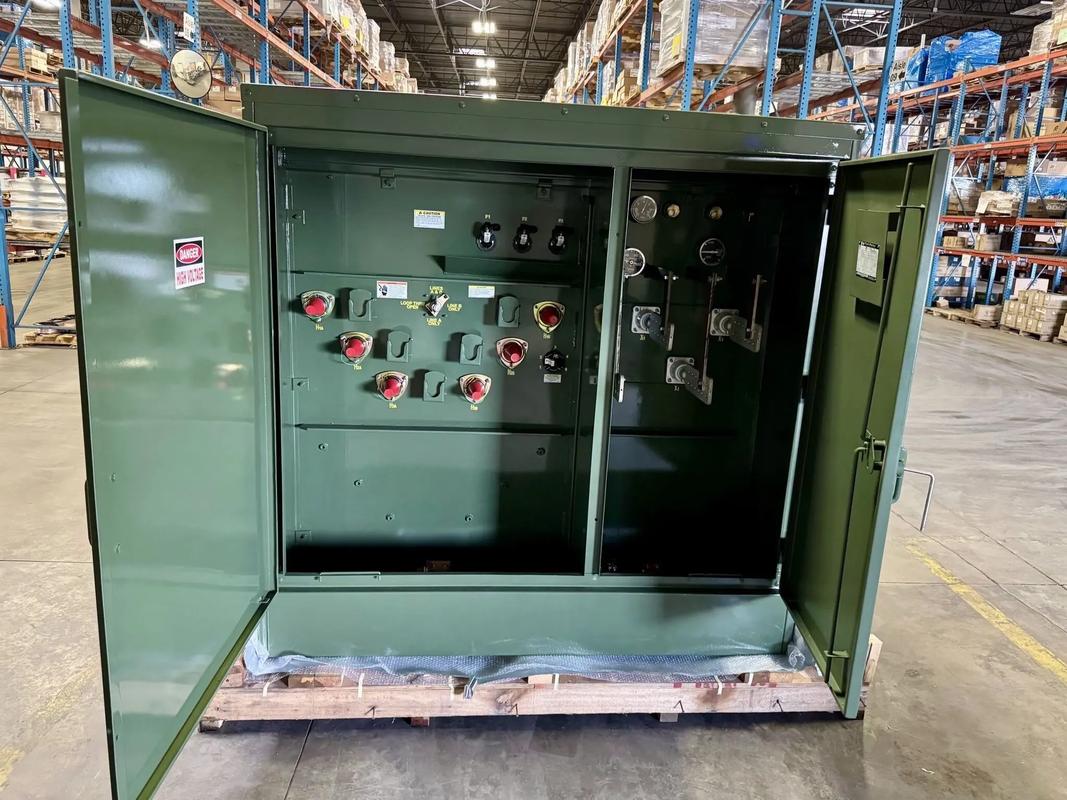
Compliance Standards
Certifications
Pad-mounted transformers have to follow strict rules. These certifications help keep people and neighborhoods safe.
ANSI/IEEE
Pad-mounted transformers must follow the rules from ANSI and IEEE. These groups make sure transformers are safe and work well.
ANSI C57 Series has many important rules:
ANSI C57.12.00 gives basic rules for liquid-immersed distribution transformers.
ANSI C57.12.90 tells how to test transformers for safety and performance.
ANSI C57.12.34 is about pad-mounted, compartmental-type, self-cooled transformers.
IEEE Transformer Testing Procedures show how to test transformers. These tests check if the transformer works in different situations. If a transformer passes, it is safe for your area.
Tip: Pick transformers that meet ANSI and IEEE standards. This helps make sure the equipment is safe and works well.
UL Listing
You might see a UL label on some pad-mounted transformers. UL checks electrical equipment for safety. If you see this label, the transformer passed hard safety tests. UL listing means the transformer meets national safety codes and can handle real-life use.
Utility Requirements
Utility companies and local governments have extra rules for pad-mounted transformers. These rules help keep people safe and make sure the power stays on.
Local Codes
Your city or state may have special rules for putting in pad-mounted transformers. These rules say things like:
Where the transformer can go
How far should it be from buildings or sidewalks
What kind of barriers or fences are needed
Utility workers follow these rules to keep everyone safe. Inspectors check the transformer before it is used.
Maintenance
Regular maintenance keeps pad-mounted transformers safe and working right. Utility workers use a checklist to find problems early.
Always turn off and unplug the transformer before working on it.
Look for rust, dirt, chipped paint, or strange colors on the cabinet.
Listen for weird noises or shaking when the transformer is on.
Clean dust and dirt from the outside.
Check the temperature and oil levels.
Look at cables, bolts, and hardware to make sure they are tight. Tighten anything loose.
After maintenance, turn the transformer back on and do tests like voltage checks or temperature scans.
Watch for oil leaks. Fix leaks fast. If leaks keep happening, the transformer might need to be replaced.
Write down everything you see and do during maintenance.
Note: Good maintenance and regular checks help stop accidents and keep transformers safe for everyone.
By following these rules and standards, you can trust that pad-mounted transformers are built and cared for safely. These steps help lower risks and make sure transformers do not put people in danger.
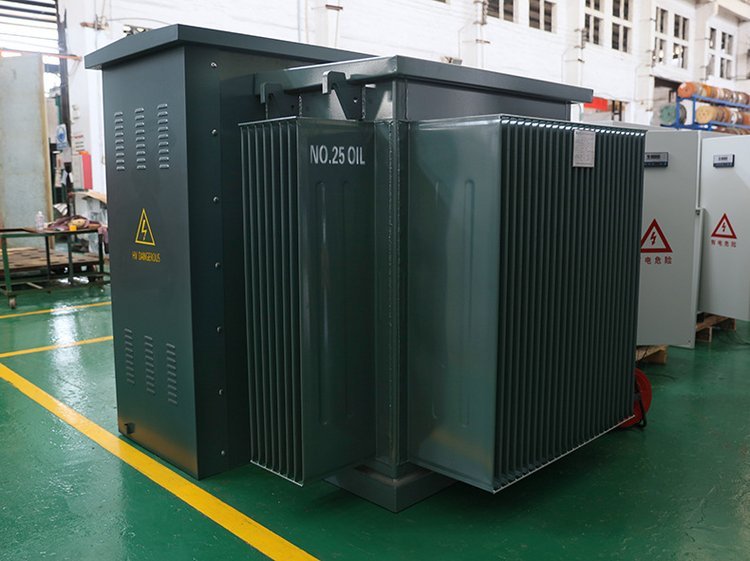
Pad-Mounted Transformer Applications
Residential Use
Pad-mounted transformers are common in neighborhoods. They sit on concrete pads near sidewalks or driveways. Their locked cabinets and hidden wires help keep families safe. You do not have to worry about touching live parts. You also do not see messy cables. Utility companies put these transformers away from busy places. This means you can walk or play nearby without danger.
Pad-mounted transformers bring electricity to homes. They lower the voltage to a safe level for your house. You get power for lights, appliances, and electronics. The strong cabinet protects the transformer from weather, animals, and people. Utility workers check the transformer often to make sure it works well.
Tip: If you see a pad mounted transformer in your yard, stay away. Remind others to keep their distance too.
Commercial Use
Businesses need safe and steady power. Pad-mounted transformers work well for stores, offices, and shopping centers. You find them outside buildings or in parking lots. Their enclosed design keeps electrical parts safe from rain, snow, and vandalism. You do not see wires or open parts. This helps keep customers and workers safe.
Pad-mounted transformers are more secure than older types. Here is a table that shows how they protect commercial areas:
Feature | Description |
|---|---|
Enclosed Design | Stops weather damage and keeps people out. |
Tamper-Proof Construction | Has lockable doors and hidden hinges to block vandals. |
Dead-Front Construction | Covers all live parts so you cannot touch them. |
Weather-Resistant Housing | Handles tough weather so your business keeps running. |
You can feel safe knowing your business is protected. The dead-front construction means you cannot touch live parts. Tamper-proof locks and hidden hinges stop thieves and vandals. The weather-resistant cabinet keeps the transformer working in storms or heat.
Note: Pad mounted transformers in commercial areas are safe. They do not cause cancer. Studies show electromagnetic fields from these transformers are within safe limits.
Industrial Use
Factories and warehouses need strong and reliable power. Pad-mounted transformers help run heavy machines and equipment. You find them outside big buildings or inside fenced areas. Their steel or aluminum cabinets resist damage from trucks, forklifts, and tools.
Industrial transformers have extra safety features. The transformer sits on an elevated pad to avoid floods. Fire-retardant materials inside help stop fires from spreading. Utility workers check these transformers often to make sure they work right.
Pad-mounted transformers in industrial areas keep workers safe. You do not need to worry about electrical shocks or explosions. The locked cabinet and fault protection devices lower risks. Regular maintenance helps prevent problems.
Alert: Pad mounted transformers are safe when installed and cared for correctly. They are made to keep you safe at work and at home.
Comparison
When you pick a transformer for your area, you want to know how it compares to others. The two main types are pad-mounted transformers and pole-mounted transformers. Each type has good and bad points. Let’s see how they match up for safety and security.
Here is a table that shows the main differences:
Feature | Pad-Mounted Transformers | Pole-Mounted Transformers |
|---|---|---|
Installation Location | Ground level in enclosed boxes | Elevated on utility poles |
Protection Against Contact | Enhanced protection against accidental contact | Less protection due to height, but reduced flooding risk |
Environmental Protection | Enclosed design protects from environmental elements | More exposed to elements, but elevated to reduce flooding |
Vandalism Risk | Lower risk due to enclosed design in public areas | Higher risk due to exposure and accessibility |
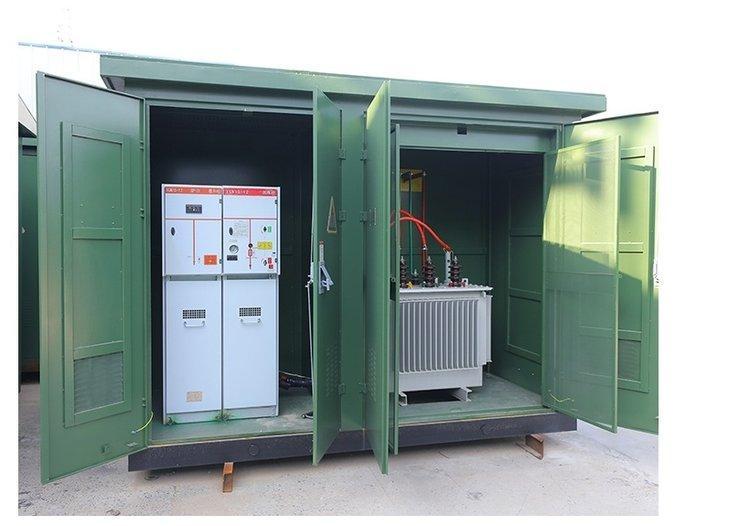
Pad-mounted transformers sit on the ground inside locked metal boxes. This design keeps people from touching dangerous parts. The cabinet blocks rain, snow, and dirt. It also stops animals and vandals from getting inside. Pole-mounted transformers hang high up on utility poles. Their height keeps them away from most people. But they do not have as much protection. Weather, birds, and tree branches can reach them more easily.
Pad-mounted transformers work well in places where people walk or play. You find them in parks, neighborhoods, and shopping centers. Their locked cabinets and hidden wires make them safer for public spaces. Pole-mounted transformers fit better in rural areas or places with lots of floods. Their height keeps them above water. But they are easier to see and sometimes easier to damage.
Tip: If you worry about safety, pad mounted transformers help you feel safer in busy places.
You might ask, “Are pad-mounted transformers dangerous?” If you follow the rules and stay away, these transformers are not dangerous. The locked cabinet and warning signs protect you from high voltage. Utility workers check them often to make sure they work right.
You may wonder, “Are pad-mounted transformers safe?” Yes, they are safe when trained workers install and maintain them. The design keeps you away from live parts and lowers accident risks.
Some people ask, “Do pad-mounted transformers cause cancer?” Studies show these transformers do not cause cancer. The electromagnetic fields around them stay within safe limits. Experts say you do not need to worry about health risks from living near one.
Health and Safety Myths
EMF Concerns
Some people worry about electromagnetic fields (EMF) from pad-mounted transformers. EMF is energy from electrical devices. Transformers make EMF, but it gets weaker as you move away. A study in Canada checked EMF near transformers by wind turbines. The study found that magnetic fields drop fast with distance. If you stand a few feet away, EMF is much lower than safety limits set by groups like ICNIRP.
Note: EMF levels near pad mounted transformers are much lower than what experts say is risky.
You can feel safe near these transformers. The steel cabinet and grounded design help keep EMF low. Most homes and parks have pad-mounted transformers. You do not need to worry about EMF in these places.
Cancer Risk
Many people ask if pad-mounted transformers cause cancer. Health groups like the International Agency for Research on Cancer (IARC) studied this. IARC found only a little evidence linking very low frequency magnetic fields (ELF-EMFs) from transformers to cancer, especially childhood leukemia. They said ELF-EMFs are "possibly carcinogenic to humans," but this does not mean transformers cause cancer. The European Commission also studied this. They found a small rise in risk for childhood leukemia at some exposure levels, but scientists do not know why.
Most experts say pad-mounted transformers do not cause a major cancer risk. The magnetic fields are weak and get weaker with distance. You can trust that living near a pad-mounted transformer is safe for you and your family.
Myth | Fact |
|---|---|
Transformers cause cancer | No strong proof links pad-mounted transformers to cancer. |
EMF is always dangerous | EMF near transformers is much lower than safety guidelines say. |
Public Interaction
You help keep yourself safe around pad-mounted transformers. Utility companies and safety experts give rules to avoid danger:
Stay 4 feet from the sides and back.
Never open or climb on a transformer.
Do not use the transformer as a workbench or play area.
Make sure utility crews can reach the transformer for repairs.
Call 811 before digging near a transformer so you do not hit cables.
⚠️ Always follow warning signs and barriers around pad mounted transformers. These rules protect you and help keep the power on in your community.
You do not need to worry about health risks if you follow these steps. Pad-mounted transformers are made to keep you safe. Experts agree the risks are very low when you use caution and stay informed.
You can count on a pad-mounted transformer to help keep your neighborhood safe. The locked and tamper-resistant cabinet stops people from getting inside. It also keeps out bad weather, fire, and stops accidents from happening. Utility experts say these things are important:
Advantage | Description |
|---|---|
The closed cabinet keeps you from touching live parts. | |
Reliability and durability | The strong build works well in tough weather for steady power. |
Locked cabinets help keep public places safe. |
You do not have to worry about getting hurt or about cancer. Research shows that pad-mounted transformers are safe in public places and do not cause cancer. Their strong design makes them a great choice for safe power.
FAQ
Are pad-mounted transformers dangerous?
You do not need to worry if you follow the rules. The locked cabinet and warning signs keep you safe from high voltage. Only trained workers should open the cabinet. If you stay away and listen to instructions, pad-mounted transformers are not dangerous.
Are pad-mounted transformers safe?
Pad-mounted transformers are safe in your neighborhood. The strong cabinet, hidden wires, and safety signs help protect you. Utility workers check them often. Never touch or try to open the cabinet. These transformers are safe for public places.
Do pad-mounted transformers cause cancer?
You do not have to worry about cancer from pad-mounted transformers. Studies show electromagnetic fields around them are within safe limits. Experts say there is no strong proof these transformers cause cancer.
What should you do if you see damage on a pad-mounted transformer?
Call your utility company right away if you see damage. Do not touch or go near the transformer. Damaged cabinets or leaking oil can be dangerous. Utility workers have special training to fix these problems safely.
Why do pad-mounted transformers have warning signs?
Warning signs help keep you safe. They tell you about high voltage and other dangers. Always read and follow these signs. The signs remind you to stay back.
How often do utility workers check pad-mounted transformers?
Utility workers check pad-mounted transformers on a regular schedule. They look for damage, leaks, and other problems. Regular checks help keep transformers working and protect your community.
Can you plant trees or bushes near a pad-mounted transformer?
Keep plants at least 10 feet from the front and 4 feet from the sides and back. This space allows utility workers to access the transformer for repairs. Plants too close can block access and cause safety problems.
What happens if a pad-mounted transformer gets flooded?
Pad-mounted transformers sit on raised concrete pads. This helps keep water out during floods. The sealed cabinet protects the electrical parts. If flooding happens, utility workers will check and fix the transformer to keep it safe.