By Thor (Electrical Engineer with 12 Years of Experience, Weishoelec Co., Ltd.)
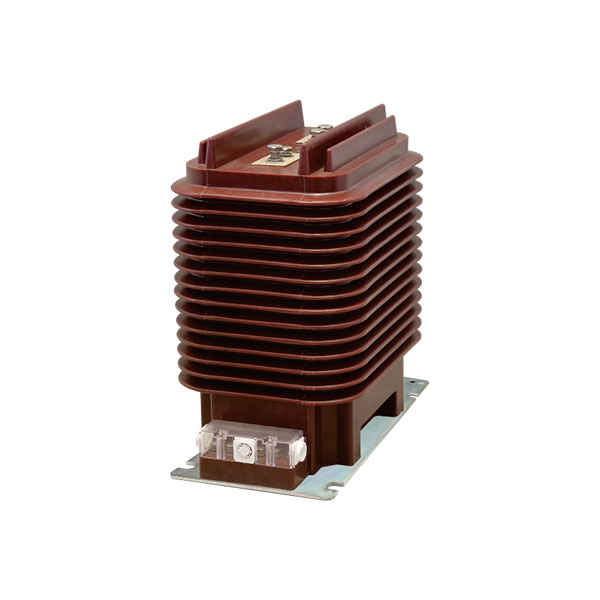
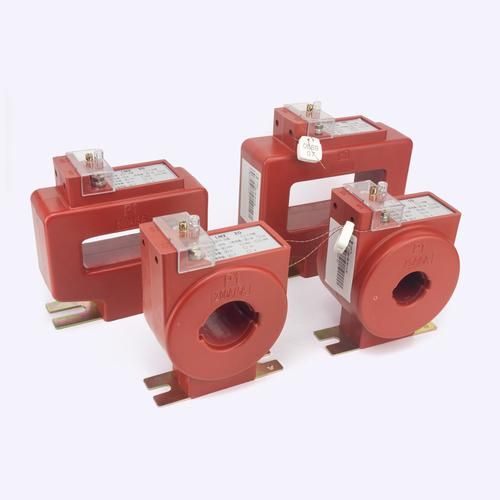
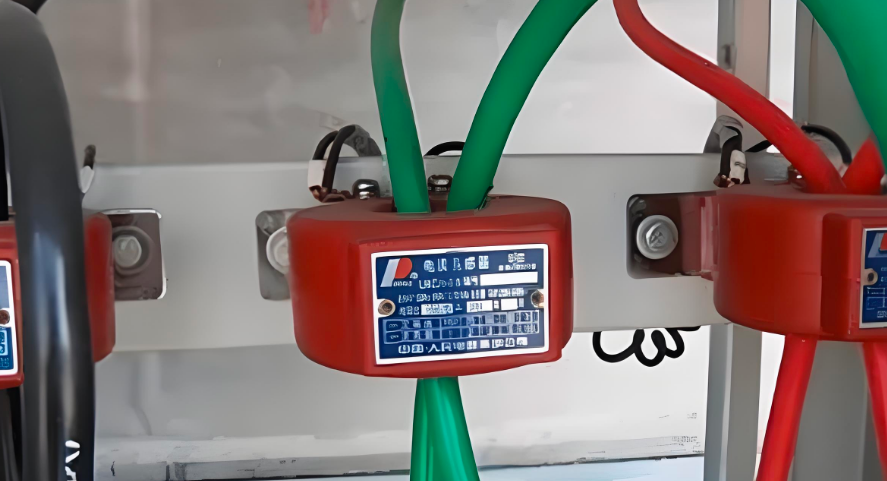
In the intricate world of power systems, Current Transformers (CTs) serve as vital links. They connect high-voltage primary circuits to low-voltage secondary circuits.
Their fundamental role is to accurately scale down large primary currents, which can range from tens to thousands of amperes. This scales them into smaller, standardized secondary currents, typically 5A or 1A.
This scaled current reliably feeds measuring instruments, relay protection devices, and automated control systems.
A critical, non-negotiable rule in CT installation and operation dictates that one end of the secondary side must be grounded. This seemingly simple practice harbors profound safety logic.
It's designed to protect both equipment and personnel. Let's delve into the principles, functions, and crucial considerations behind this essential safety measure.
Section 1: The Core Purpose of CT Secondary Side Grounding: Dual-Layered Safety Protection
A CT's primary winding is directly connected to the high-voltage grid. Its secondary winding interfaces with low-voltage instruments and protection devices.
These two circuits are typically isolated by insulation materials. However, this isolation is not infallible in real-world operation.
Prolonged use can lead to insulation aging or mechanical damage during installation. Sudden overvoltage surges can also occur, all of which can cause insulation breakdown between the primary and secondary windings.
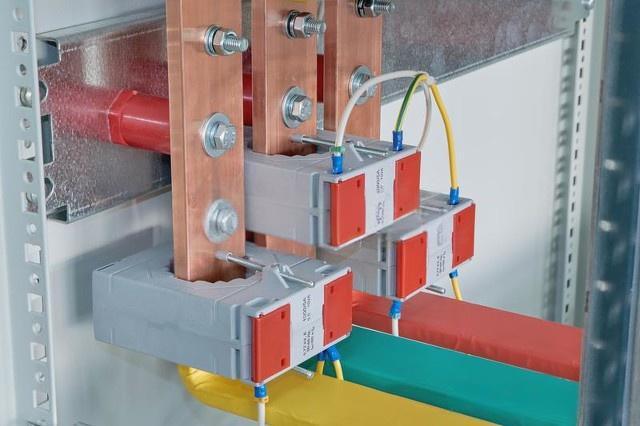
If the secondary side is left ungrounded in such a scenario, the high voltage from the primary side would directly surge into the secondary circuit through the breakdown point. This poses a severe threat.
Secondary equipment, like ammeters and protective relays, could be incinerated or damaged. Any personnel near the secondary devices would also face a critical risk of electric shock.
By grounding one end of the secondary side, we effectively create a "safe discharge path" for any potential high-voltage intrusion. Should insulation breakdown occur, the high voltage is immediately shunted to the earth via the ground point.
This prevents dangerous voltages from building up in the secondary circuit. Crucially, this grounding does not impede the CT's normal function.
The secondary current signal is induced by the primary current. A single ground point will not alter the current ratio or introduce unwanted interference.
It's paramount to note that the secondary circuit must employ "single-point grounding". Multiple grounding points can lead to stray currents.
These are due to potential differences in the Earth, which may interfere with the accuracy of secondary signals. They can even compromise the proper operation of relay protection.
Therefore, regulations explicitly mandate "one and only one grounding point". This is typically chosen at the terminal box or control room side, ensuring a fixed and reliable grounding location.
Section 2: The Core Role of Current Transformers: The "Signal Bridge" of Power Systems
To fully grasp the necessity of grounding, we first need to understand the fundamental value of Current Transformers within a power system.
In high-voltage power systems, the operating currents of primary equipment like generators, transformers, and circuit breakers are immense. This makes a direct connection to measuring or protection devices impossible.
Not only would instrument ranges be mismatched, but such high currents could also cause equipment overheating and destruction. CTs resolve this challenge by leveraging the principle of electromagnetic induction.
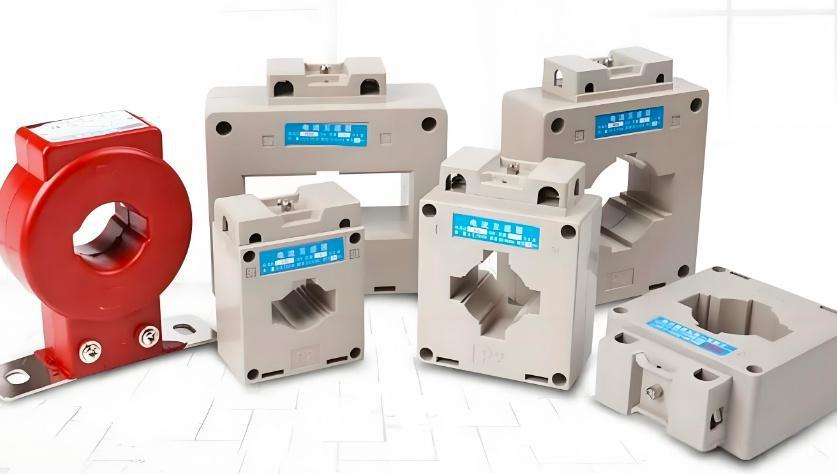
They "scale down" the large primary current proportionally. This produces a small secondary current that meets the range requirements of secondary devices.
At the same time, it provides electrical isolation between the primary and secondary circuits.
Specifically, their functions manifest in three key areas:
Measurement and Monitoring: CTs supply current signals to ammeters, energy meters, and other devices. This provides real-time insights into the primary equipment's operating current.
This helps operations personnel monitor the system's status effectively.
Relay Protection: In the event of a system short-circuit fault, the secondary current proportionally increases with the primary fault current. This triggers protective devices, such as overcurrent relays.
These then rapidly trip the faulty circuit, preventing the accident from escalating.
Safety Isolation: Through their insulated structure, CTs separate the high-voltage primary circuit from the low-voltage secondary circuit. This prevents high voltage from directly transferring to the secondary side.
This provides fundamental protection for low-voltage equipment and personnel, with grounding serving as a crucial "double safeguard" for this protection.
Undeniably, Current Transformers are pivotal hubs for "sensing" and "protecting" the power system. Grounding is a critical measure to ensure the safe operation of this essential hub.
Section 3: Extended Knowledge: Why is CT Secondary Side Open-Circuit Operation Strictly Prohibited?
Beyond the mandate for grounding, Current Transformers come with another ironclad rule. The secondary side must never be operated under open-circuit conditions.
This regulation also stems from critical safety and equipment protection requirements.
From a principal standpoint, the CT's primary winding is connected in series with the primary circuit. This means its current is determined by the primary system's load, independent of the secondary side.
During normal operation, the secondary winding forms a closed loop through its load (e.g., instruments, relays). The resulting secondary current generates a "demagnetizing magnetic field."
This field counteracts the magnetic field produced by the primary current. This keeps the magnetic flux in the iron core at a very low level, typically a few tenths of a millivolt.

If the secondary side is open-circuited, the secondary current instantly vanishes. With it, the "demagnetizing magnetic field" disappears.
However, the primary current continues to generate its magnetic field. At this point, the magnetic flux in the iron core will drastically surge.
It can reach dozens or even hundreds of times its normal operating level. This intensely strong magnetic field leads to two severe problems.
High Voltage Hazard: The secondary winding has significantly more turns than the primary winding. This is often tens to hundreds of times more.
According to the law of electromagnetic induction, this drastic change in iron core magnetic flux will induce extremely high voltages on the secondary side. This can potentially reach thousands or even tens of thousands of volts.
Such voltages are more than capable of breaking down secondary equipment insulation. They can also cause severe electric shock injuries to anyone nearby.
Iron Core Overheating: The strong magnetic field induces severe hysteresis and eddy current losses within the iron core. This causes the core's temperature to rise sharply.
This can burn out winding insulation and even permanently damage the Current Transformer.
Therefore, during CT installation or maintenance, the secondary side must first be reliably short-circuited. This is done using a dedicated shorting link or wire before disconnecting any secondary equipment.
It is forbidden to connect or remove loads from the secondary side while it is in an open-circuit state.
In Summary
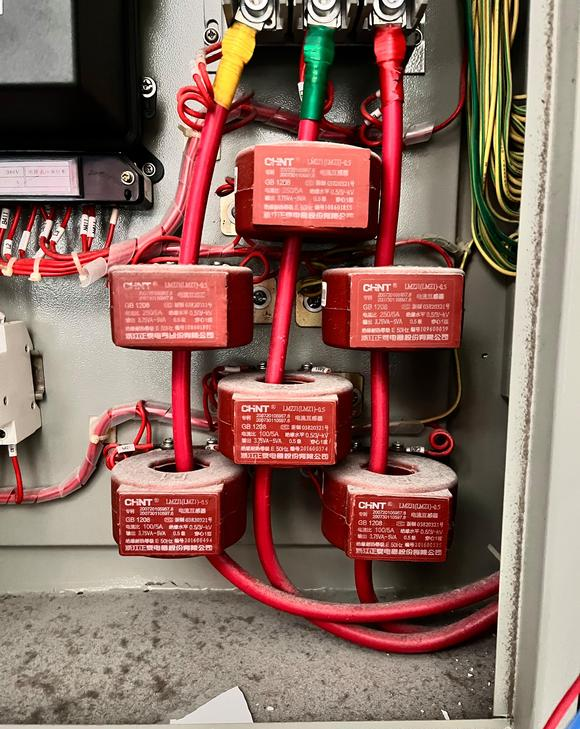
Grounding the secondary side of a Current Transformer is essentially a proactive measure. It manages potential insulation faults, creating the final safety barrier for the secondary system.
Conversely, prohibiting open-circuit operation on the secondary side is crucial. This prevents equipment damage and personal risks stemming from uncontrolled electromagnetic energy.
These two seemingly independent regulations are inherently linked. Both aim to achieve a critical balance between equipment functionality and safety protection within the high-voltage, high-current environment of power systems.
For power operations and maintenance personnel, strictly adhering to these regulations is not only fundamental to ensuring stable system operation. It is also a direct responsibility for their safety and that of the equipment.
About the Author
Thor is a seasoned Electrical Engineer at Weishoelec Co., Ltd. He boasts 12 years of extensive experience in power system design, installation, and operation & maintenance.
Weishoelec Co., Ltd. is a leading export-oriented manufacturer of electrical equipment. Our products are supplied to clients across Europe, North America, the Middle East, Belt and Road Initiative countries, and globally.
Thor is dedicated to presenting complex technical principles in a clear and accessible manner. He aims to help more industry professionals understand the safety and applications of electrical equipment.
Connect with Weishoelec
Should you have any questions or requirements regarding Current Transformers or other electrical products, please do not hesitate to reach out to us:
Phone: +86-0577-62788197
WhatsApp: +86 159 5777 0984
Email: [email protected]
We look forward to collaborating with you. We aim to provide safe, efficient solutions for your power projects.