The "Electrical Crisis" Caused by Traditional Fuses
Late one night, in a villa in Florida, a fuse melted due to an air conditioner overload, plunging the house into darkness and panic. The following day, the homeowner discovered that the fridge’s contents had spoiled and the smart door lock had malfunctioned, resulting in over $3,000 in losses.
This is not an isolated incident—according to the National Fire Protection Association (NFPA), about 51,000 home fires are caused by electrical faults in the U.S. every year, with fuse delays being a primary cause. So, why can Miniature Circuit Breakers (MCBs) resolve this crisis?
They are not just replacements for fuses; they serve as a "safety guard" in the age of smart electricity use.
This article will explore the five core advantages of MCBs, provide real-world comparisons, and offer technical analysis to reveal how MCBs have become the new standard for electrical protection in homes and businesses.
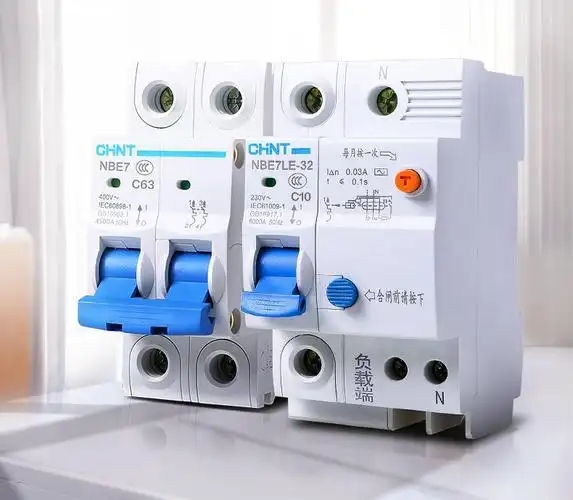
What Is a Miniature Circuit Breaker (MCB)?
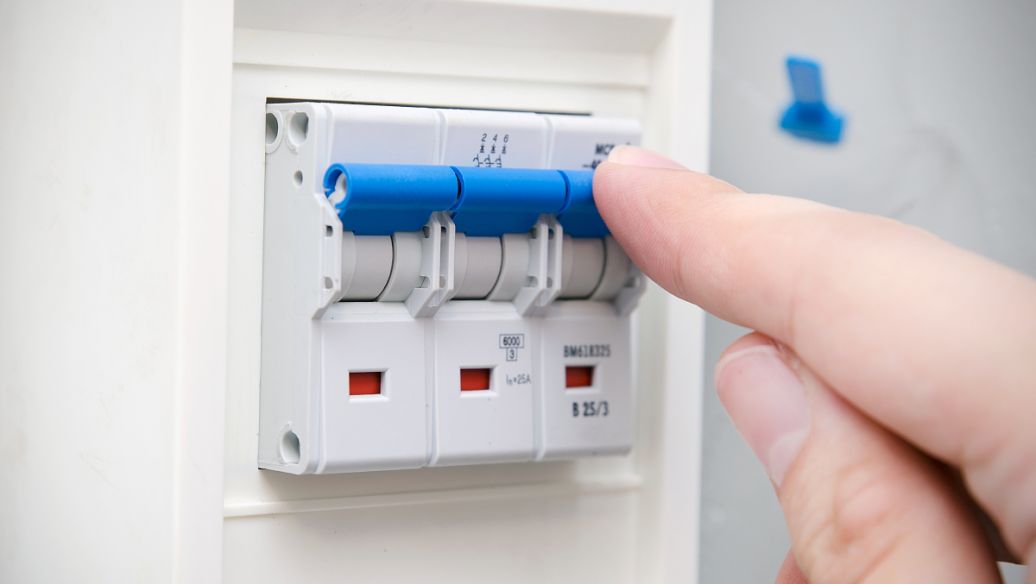
An MCB is an intelligent device designed to automatically disconnect a circuit. Its primary function is to monitor for abnormal currents (such as overloads or short circuits) and cut off the power supply within milliseconds. Unlike fuses, which rely on metal components that melt, MCBs use a mechanical structure that enables a “trip-reset” cycle without the need for replacement parts. This not only makes MCBs more efficient but also more cost-effective and environmentally friendly over time.
The 5 Revolutionary Advantages of MCBs
Advantage 1: Reusability – Say Goodbye to Midnight Fuse Replacements
Pain Point Scenario: A café in London suffered from frequent fuse failures, resulting in a loss of 6 hours of business each month. After switching to MCBs, they only needed to flip a switch to restore power, saving £4,200 annually in maintenance costs.
Technical Principle: MCBs are equipped with a mechanism where a bimetallic strip and an electromagnetic coil work together. Once the fault is cleared, users can manually reset the device, allowing it to be reused multiple times.
This reusability feature makes MCBs a more practical and cost-effective solution than fuses, which need to be replaced every time they blow.
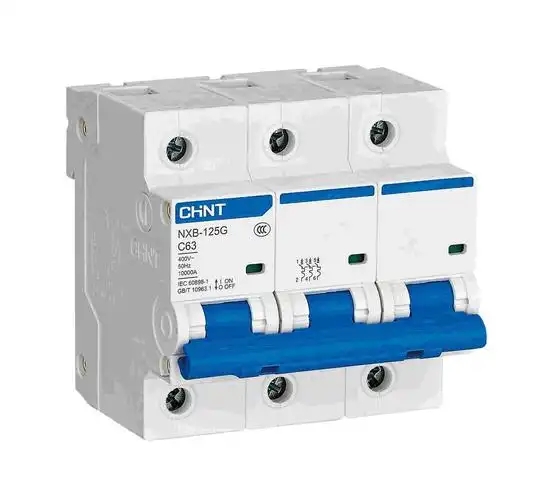
Advantage 2: Response Speed Increased by 5x – No More "Slow Death" of Appliances
Data Comparison:
MCB trip time: 10-20 milliseconds (about 1/10th of the time it takes to blink)
Fuse melting time: 100-2000 milliseconds (damage is already done to the equipment by this time)
Real Cost Example: A data center in California experienced a significant loss when a fuse failed to react quickly enough, resulting in a burnt motherboard and $120,000 in repair costs. If an MCB had been used, the trip time would have been far faster, preventing this costly damage.
MCBs help prevent damage to sensitive electrical equipment by reacting far quicker than traditional fuses. This speed is crucial in preventing costly repairs and downtime for businesses, especially those relying on high-value equipment like servers, computers, and manufacturing machines.
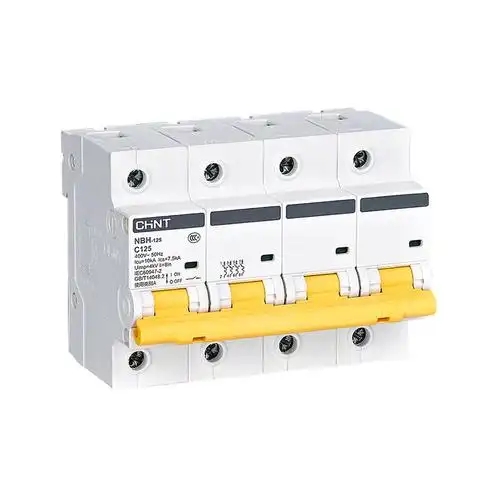
Advantage 3: Closed Design – Reducing the Risk of Electric Shock by 90%
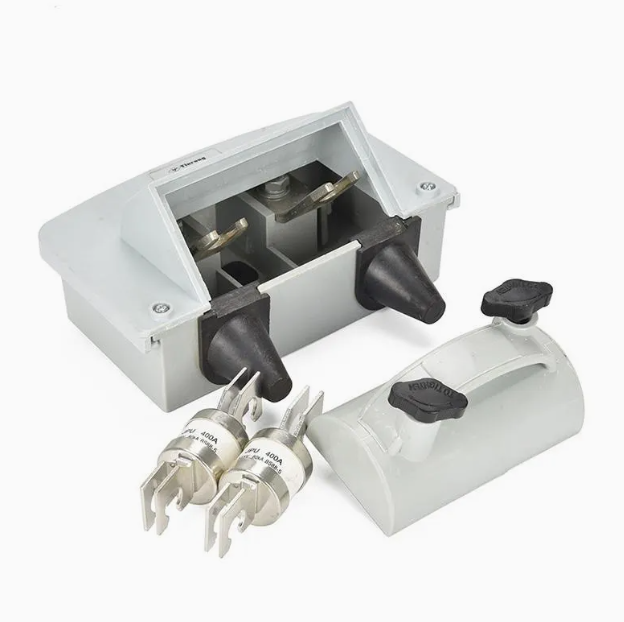
Safety Hazard: Traditional fuses require you to open the electrical box for replacement, exposing live components that could cause electric shock. This is particularly dangerous for non-professionals, such as homeowners or children, who may accidentally touch the exposed parts.
MCB Solution: MCBs come with a fully enclosed casing and an external operating handle, allowing for safe operation even by non-experts. The entire MCB unit is designed to prevent accidental contact with live parts, ensuring a much safer experience compared to traditional fuses.
This closed design dramatically reduces the risk of electrical accidents and makes MCBs far more suitable for home use, where safety is a top priority. With MCBs, anyone can operate the device with minimal risk of electric shock, making them a more user-friendly and safer alternative.
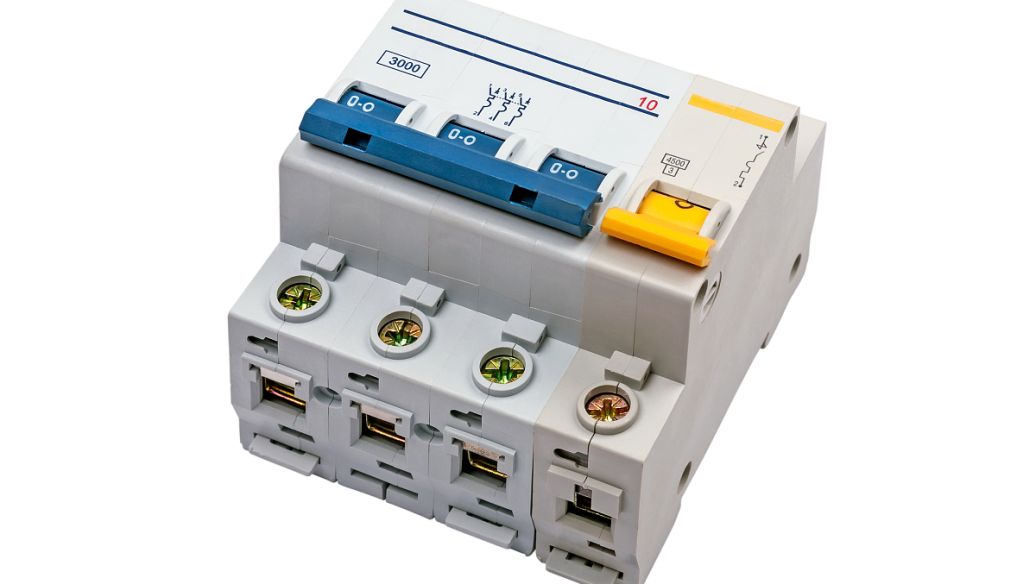
Advantage 4: Accurate Tripping – Less Than 0.1% False Trigger Rate
Case Comparison:
Fuses: A factory in Germany faced a 3-hour shutdown due to a fuse blowing from a minor voltage fluctuation, which was not a real fault.
MCBs: MCBs come with an internal thermal-magnetic trip mechanism that distinguishes between a temporary overload (like when an air conditioner starts up) and a true fault (like a short circuit). This ensures that only real faults cause the MCB to trip, significantly reducing false alarms.
The precision with which MCBs react to electrical issues makes them far more reliable than fuses. Fuses are prone to blowing even in the case of harmless electrical surges, which can lead to unnecessary downtime and disruption in operations. MCBs ensure that only genuine faults result in a power cut, minimizing the risk of disruptions.
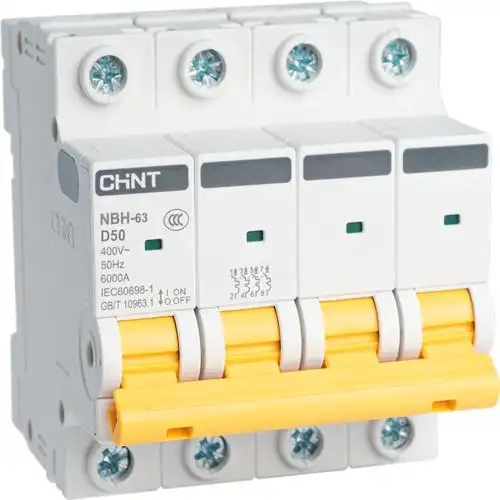
Advantage 5: Lower Long-Term Costs – Saving Real Money
Cost Breakdown:
Item | MCB (5 years) | Fuse (5 years) |
Equipment Purchase | $50 | $20 |
Replacement & Maintenance | $0 | $180 |
Fault-related Losses | $200 | $1,200 |
Total Cost | $250 | $1,400 |
MCBs have a higher initial cost compared to fuses, but their long-term savings are significant. Over the course of five years, MCBs save businesses and homeowners a substantial amount of money by eliminating the need for frequent replacements and reducing potential damage to electrical equipment. This makes MCBs a more economical choice in the long run.
In addition to direct cost savings, the reliability and safety of MCBs can help avoid indirect costs like downtime, damage to machinery, and the inconvenience of replacing blown fuses.
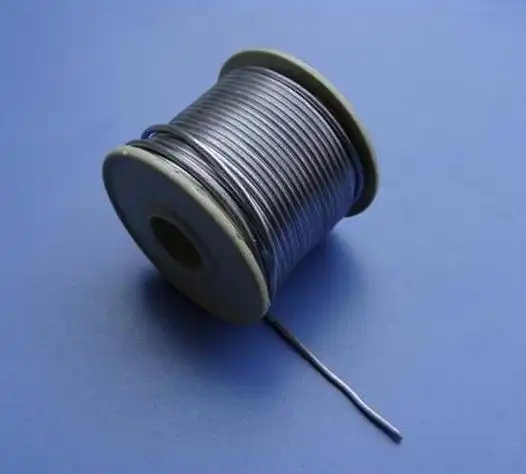
MCB vs. Fuse – Who Is the True King of Circuit Protection?
Comparison Dimensions
Feature | MCB | Traditional Fuse |
Response Mechanism | Thermal-magnetic dual protection for precise fault identification | Relies solely on melting, cannot distinguish between overload and short circuit |
Reusability | ✅ Can be reset infinitely | ❌ One-time use, requires replacement |
Maintenance Difficulty | Easy for non-professionals to operate | Requires an electrician to replace |
Safety | Fully enclosed, no shock risk | Exposed live parts during replacement |
Cost-Effectiveness | Higher initial cost, long-term savings are significant | Low initial cost, high cumulative costs |
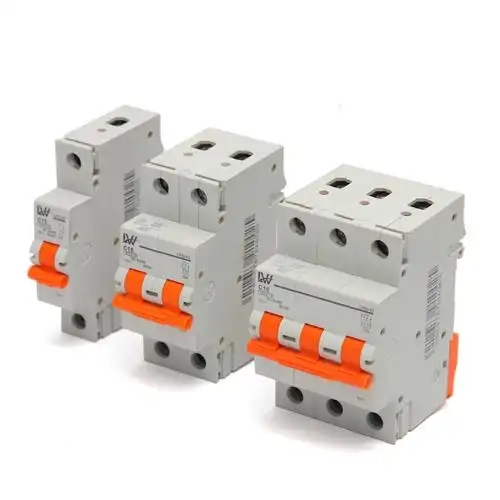
MCB Application Scenarios and Selection Guide
Scenario 1: Home Electrical Systems – Protecting Your Smart Home’s "Invisible Line of Defense"
Typical Setup:
Kitchen (16A Type B MCB)
Air Conditioner (20A Type C MCB)
Lighting (10A Type B MCB)
Tip: Avoid connecting high-power devices (like ovens) to regular outlets. These should be connected to dedicated MCBs to prevent overloading.
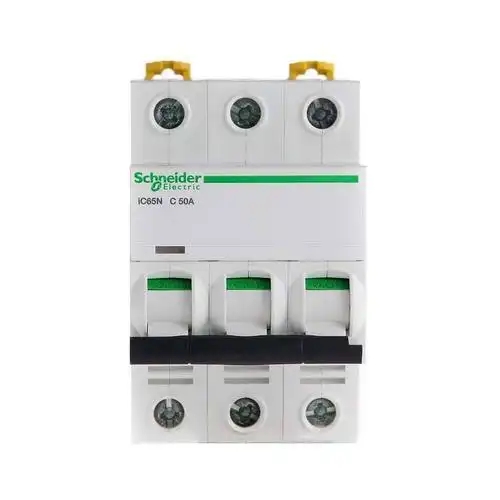
Scenario 2: Commercial Buildings – Ensuring Uninterrupted Operations
Case Study: A hotel in New York switched from fuses to MCBs and experienced an 85% reduction in customer complaints related to electrical faults.
Scenario 3: Industrial Control – The "Emergency Doctor" for Precision Equipment
Technical Tip: Heavy machinery should use Type D MCBs, which can withstand 10-20 times the instantaneous current (such as the surge during motor startup).
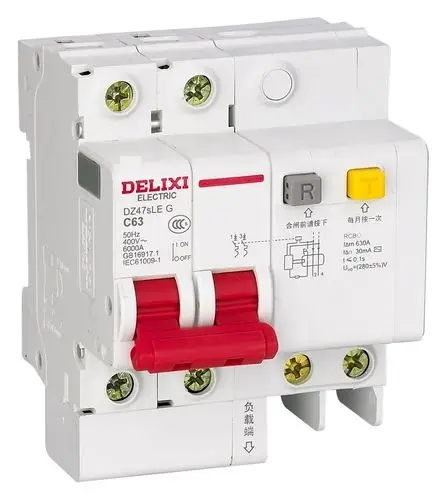
4 Golden Rules for Choosing an MCB
1. Match the Rated Current: Calculate the total load of the circuit (such as the total power of kitchen appliances) and select an MCB with a rating 20% higher than the total load.
2. Choose the Right Response Curve:
Type B: For homes, lighting (trips at 3-5 times rated current)
Type C: For businesses, motors (trips at 5-10 times)
Type D: For industrial settings, transformers (trips at 10-20 times)
1. Verify the Number of Poles: Single-pole (120V), double-pole (240V), or three-pole (three-phase).
2. Brand Compatibility: Ensure that the MCB is compatible with the electrical panel you are using, as different brands may have different size requirements.
Conclusion: MCB – The Ultimate Solution for Electrical Safety
From reducing fire risks to saving long-term costs, the value of MCBs far exceeds that of traditional fuses. They are not just a technological upgrade; they are a proactive step in protecting both homes and businesses. With their safety, reusability, speed, and cost-efficiency, MCBs offer an essential upgrade to any electrical system.
Don’t wait any longer—upgrade your electrical system with MCBs today!
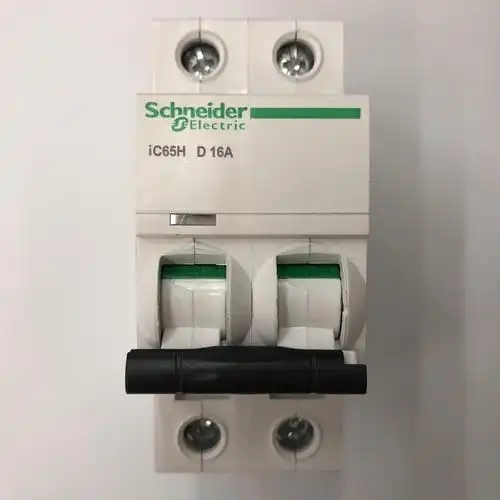
FAQ: Common Questions About MCBs
Q1: How do I reset an MCB after it trips?
A: After ensuring the fault is cleared, flip the handle from the “OFF” position to the “ON” position.
Q2: Can I replace a fuse with an MCB by myself?
A: Ensure the distribution box supports MCB rail installation. It is recommended to have a licensed electrician perform the installation to avoid compliance issues.
Q3: Does frequent tripping of an MCB indicate a quality issue?
A: It may be due to overload, short circuits, or incorrect MCB selection. Use a clamp meter to check the actual current.