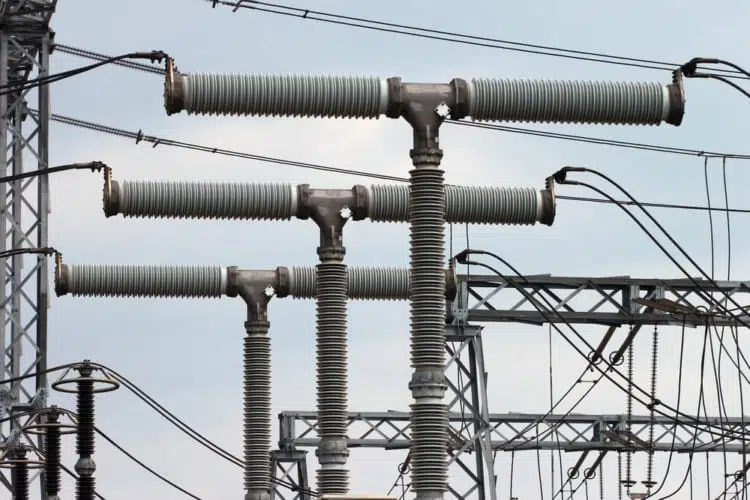
Application and Technical Requirements for Electrical Switchgear
When you look at the top factors to consider when purchasing electrical switchgear, you must start with the basic application and system data. If these numbers are wrong, no brand or feature can save the project.
Match Voltage Level and System
Your LV and MV switchgear buying checklist always begins with voltage and load:
| System Type | Nominal Voltage Range | Typical Switchgear |
|---|---|---|
| LV | ≤ 1 kV | LV panels, switchboards |
| MV | 1–36 kV | Metal-clad / metal-enclosed MV switchgear |
| HV | > 36 kV | Transmission-class switchgear |
Confirm actual system voltage (e.g., 480 V, 4.16 kV, 13.8 kV).
Check utility interface, transformer ratings, and motor voltages.
Align LV or MV switchgear type with your network and fault level, not just catalog ranges.
Current, Fault Level, and System Topology
For reliable operation, you need switchgear sized to your real load profile:
Continuous current rating: Sum present loads and add 20–30% spare capacity for future feeders and expansion.
Short-circuit rating (Icu/Icw):
Calculate 3‑phase fault current (kA) and fault duration (e.g., 50 kA, 1 s).
Verify breakers, busbars, and devices are rated above this level with a margin.
System topology (radial, ring, dual-feed):
Radial: simpler panels, fewer incomers.
Ring/dual-feed: more incomers, bus couplers, and interlocks to manage power flow.
Special Applications That Change Switchgear Selection
Certain loads demand extra attention in any MV switchgear selection guide:
Large motors and VFDs (high inrush, starting duty).
Generators and renewables (bi-directional power flow, protection settings).
UPS and data center critical loads (high service continuity expectations).
At WEISHO, we design electrical switchgear around your actual network data—voltage, fault level, and topology—so you avoid undersized panels, nuisance trips, and long-term reliability issues.
Safety Features in Electrical Switchgear – Non‑Negotiable Purchase Factors
When I buy or specify electrical switchgear for US facilities, safety is the one thing I never compromise on. Before I look at price, I lock in these safety features:
Verified internal arc classification (IAC AFLR)
Make sure MV switchgear is tested to IEC 62271‑200 with the right kA level and duration for your fault current. IAC AFLR means protection from the front, lateral, and rear – critical for walk‑in gear rooms and maintenance staff.Arc flash safety and mitigation
For Arc flash safety in switchgear, I look for:Fast arc‑quenching systems and protection relays
Pressure relief ducts/vents pointing away from personnel areas
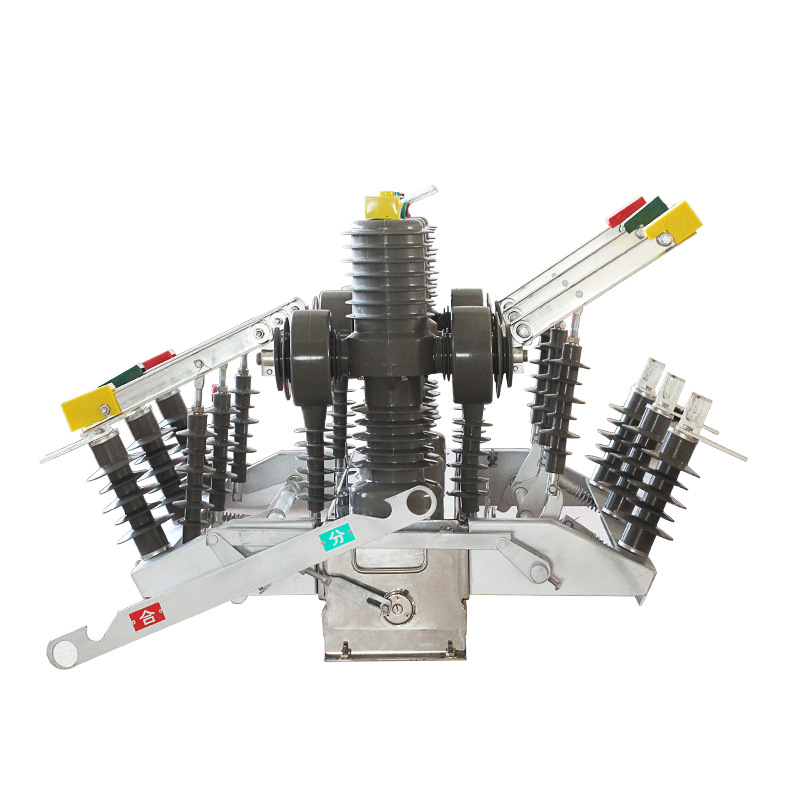
Tested enclosures and components (for example, an outdoor high‑voltage SF6 circuit breaker installed upstream can reduce incident energy at the LV lineup).
Fail‑safe interlocks
Mechanical and electrical interlocks must make it impossible to rack a breaker in or open a compartment when it’s not safe. This is one of the biggest switchgear reliability factors in industrial plants and data centers.The right insulation medium for your site
Match the insulation to your environment and corporate policy:Air‑insulated: simple, low cost, easy to service
SF6 or eco‑gases: compact MV switchgear, but check SF6 regulations and leak monitoring
Solid insulation: compact and low‑maintenance, good for tight rooms
Physical protection for workers
I always insist on:Steel barriers between busbars, cables, and breakers
Automatic shutters on live parts when a breaker is withdrawn
Clearly marked safe zones and test positions
Even basic equipment like an outdoor disconnect switch should support visible isolation and safe grounding procedures.Aligned with US codes and PPE rules
Your electrical switchgear has to line up with:NEC and NFPA 70E arc‑flash labels and calculations
Site arc‑flash study and defined PPE categories
Company safety rules for racking, grounding, and lockout/tagout
Quick Safety Checklist for Electrical Switchgear
| Safety Feature | Why It Matters | What I Accept in a Spec |
|---|---|---|
| Internal Arc Classification (IAC AFLR) | Protects people if the gear fails under fault | IEC 62271‑200 tested at site fault kA and duration |
| Arc Flash Mitigation | Cuts incident energy and blast risk | Fast relays, vents, and a tested arc‑resistant design |
| Interlocks | Prevents dangerous misoperations | Mechanical + electrical cannot be bypassed easily |
| Insulation Medium | Impacts footprint, safety, and regulations | Clear choice (air/SF6/eco/solid) with documentation |
| Barriers & Shutters | Limits exposure to live parts during work | Metal barriers, automatic shutters, marked safe zone |
| Code & PPE Alignment | Keeps you compliant and workers protected | NEC, NFPA 70E labels, written LOTO and PPE rules |
If a vendor – whether a big electrical switchgear manufacturer or a smaller electrical switchgear company – can’t prove these safety points in writing and with proper test reports, I move on, no matter how attractive the price looks.
Compliance Standards and Type-Test Certification for Electrical Switchgear
When I buy or supply electrical switchgear, I treat compliance and type-testing as hard requirements, not add-ons. For any LV or MV project in the US, this is where I start:
For LV assemblies, I insist on full IEC 61439 compliance (IEC 61439-1/-2), and for MV switchgear, I look for IEC 62271-200 on the nameplate and in the test reports.
I only accept fully type-tested panels, with complete reports from independent labs like ASTA, KEMA, CESI, or STL; type-tested vs partially type-tested switchgear is a big red flag area.
I review the short-circuit rating (Icu/Icw), temperature rise, dielectric strength, and mechanical endurance results myself, not just the brochure.
Ratings and certificates must match the exact configuration I am buying: same busbar rating, breaker model, protection relays, form of separation, and options – not a “similar” catalog sample.
When we deliver integrated packages such as a compact box-type substation with built-in MV switchgear, I make sure the entire assembly, not just the breaker, is backed by formal test certificates and documentation from the manufacturer.
Getting these compliance and switchgear testing certificates right up front is what keeps inspections smooth, insurance valid, and long-term switchgear reliability where it needs to be.
Build Quality and Component Selection in Electrical Switchgear
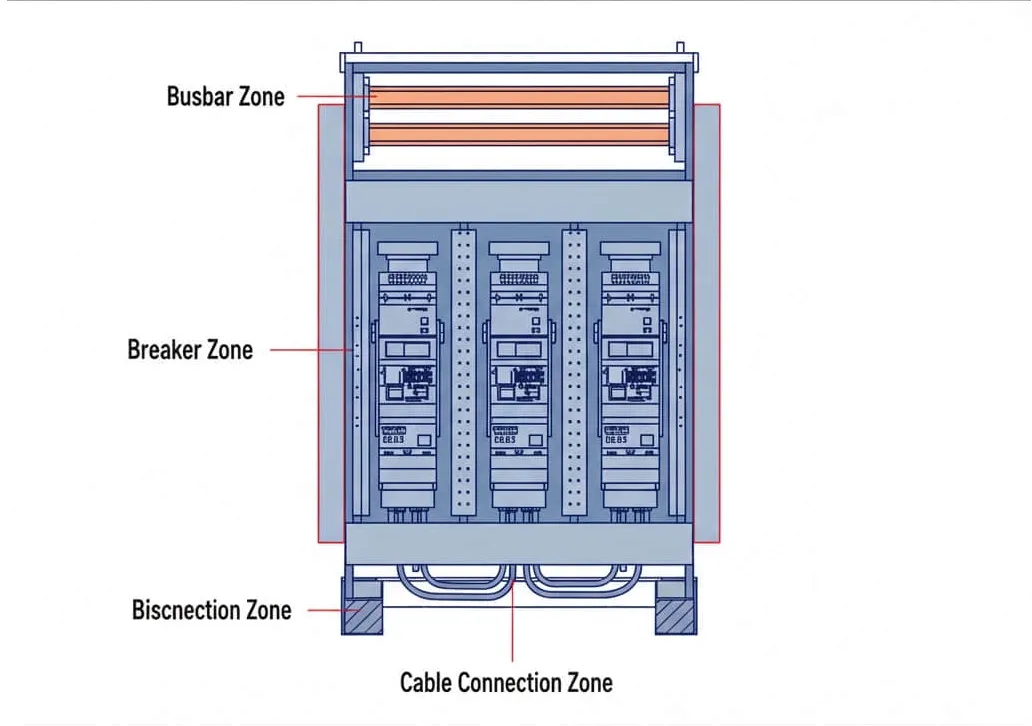
When I look at the Top Factors to Consider When Purchasing Electrical Switchgear, build quality and component choice are non-negotiable. This is where reliability, safety, and long-term value are either locked in or lost.
Busbars, Breakers, and Relays
For busbars, I size and select them around your real load and fault levels:
I prefer copper busbars for high current and lower losses, with the right cross-section and plating to control temperature rise.
Aluminum can work for certain LV and MV switchgear, but I only use it where the busbar current rating and material clearly meet UL/IEC and project specs.
For main protection, I stick with proven circuit breaker technologies (vacuum, SF6, ACB, MCCB) from established brands, and I often pair them with advanced arc detector breaker designs to cut arc flash energy quickly.
I always specify modern numerical protection relays instead of old electromechanical units, so you get better metering, event logs, and remote diagnostics.
Enclosure, Wiring, and Finish
Mechanical build quality is just as critical as the electrical design:
I use sheet metal with enough thickness, proper bracing, and serious anti-corrosion treatment so the switchgear can handle real-world U.S. plant and utility environments.
Hinges, locks, and door hardware are industrial-grade, so doors stay aligned and tight even after years of use.
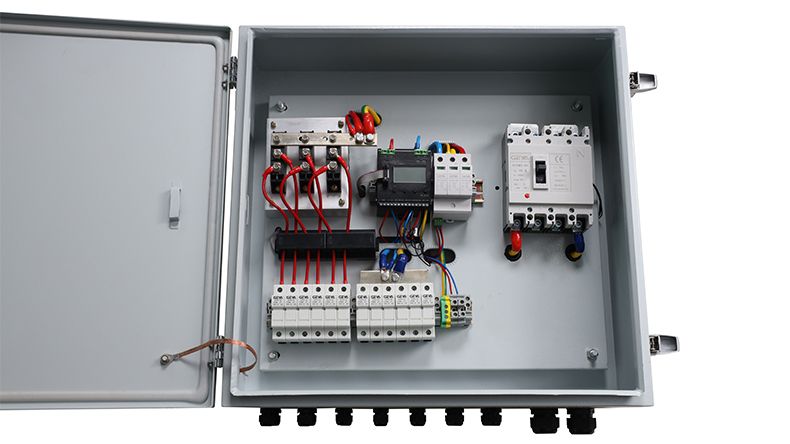
Inside the panels, I insist on neat wiring, clear device and terminal labels, and accessible cable terminations to make inspections and switchgear maintenance requirements faster and safer for your team.
When you compare electrical switchgear manufacturers or quotes, this level of build and component discipline is what separates a cheap box from a panel you can trust for 20+ years.
Ingress Protection (IP), Environmental and Seismic Withstand for Electrical Switchgear
Ingress protection and environmental withstand are Top Factors to Consider When Purchasing Electrical Switchgear in any U.S. facility, especially where uptime and safety matter. If the site is an indoor MCC room, a data center, or an outdoor substation, I always size the enclosure, IP rating, and seismic strength together so the gear survives real-world conditions.
IP rating for switchgear – match it to the environment
Use the IP rating to match your electrical switchgear to dust, water, and contamination levels:
| Environment / Location | Recommended IP Rating | Practical Notes & Extras |
|---|---|---|
| Clean indoor (MCC rooms, IDF/MDF, offices) | IP54–IP55 | Good against dust and splashing water; ideal for most U.S. plants |
| Light industrial indoor | IP55–IP56 | Better for light washdown and moderate dust |
| Outdoor/harsh industrial / utility yard | IP65+ | Needed for wind‑driven rain, heavy dust, and pollution |
| Coastal, chemical, or wastewater sites | IP65+ with coatings | Add corrosion protection and ventilation/filters |
For indoor MV applications around 11 kV, IP choice ties directly into room layout and cost, similar to what you’d consider in an 11 kV substation design cost guide.
Environmental and temperature considerations
Before I lock in a switchgear design, I always review:
Dust and moisture: Level of airborne dust, humidity, washdown, or water spray near the gear.
Corrosive atmosphere: Chemicals, salt air, SO₂/NOx from process or nearby industry that attack metals and insulation.
Temperature extremes: Min/max ambient temperature and any hot spots from nearby equipment or poor ventilation.
Temperature rise testing: Verified temperature rise tests so the busbars and breakers run cool at your rated current, even with U.S. utility over‑volt/under‑volt swings.
If the room is humid or sees temperature swings (common in many U.S. Gulf Coast and Midwest plants), I strongly recommend:
Space heaters in LV/MV compartments
Anti‑condensation measures and filtered vents
Dehumidifiers or HVAC systems where high reliability is critical
Seismic and vibration withstand
For U.S. projects in seismic zones (West Coast, parts of Alaska, Utah, the Carolinas), seismic and environmental withstand directly affect switchgear reliability:
Confirm seismic qualification to your required level (Zone 4, IBC, IEEE 693) from the electrical switchgear manufacturers.
Make sure tests cover the complete assembly (not just components).
Check anchoring details, base channels, and building interface so the gear stays in place during an event.
Consider vibration from nearby compressors, pumps, or rail lines, even outside major quake zones.
Handled correctly, IP rating, environmental protection, and seismic strength turn into long‑term reliability, not just another line on the LV/MV switchgear buying checklist.
Service Continuity and Maintainable Electrical Switchgear
When I look at service continuity in electrical switchgear, I’m really deciding how much of the system can stay energized while techs are working. For most U.S. commercial and industrial sites, this is one of the top factors to consider when purchasing electrical switchgear because every unnecessary outage costs real money.
Form of separation and breaker design
To keep power on while working inside the gear, I focus on:
Form of separation:
Form 3b works when you can tolerate more planned outages.
Form 4b is better for hospitals, data centers, and process plants where feeders and control wiring must stay isolated so other loads stay online during compartment work.
Withdrawable vs fixed breakers:
Withdrawable breakers make it faster to isolate, test, and swap units, which fits a strategy with spare breakers on the shelf.
Fixed breakers cut hardware cost and complexity, but usually mean longer outages for replacement or major repairs.
Maintenance, access, and outage windows
Good MV or LV switchgear design makes maintenance straightforward and safe:
Plan clear front and rear access routes so technicians can safely reach cables, relays, and CTs without awkward body positions or unsafe workarounds.
Make sure each feeder, breaker, and relay can be isolated, tested, and returned to service quickly, with test positions, clear tagging points, and logical interlocks.
Match the level of service continuity to your site:
24/7 operations and critical loads need higher separation from, more sections, and better maintainability.
Warehouses or smaller commercial buildings can accept simpler layouts and slightly longer outage windows.
For tighter uptime requirements and compact layouts, I often suggest looking at modern metal-clad or GIS-style electrical switchgear; understanding options like GIS switchgear architectures helps balance reliability, footprint, and long-term maintenance needs.
Lifecycle Cost, Energy Efficiency, and Total Cost of Ownership for Electrical Switchgear
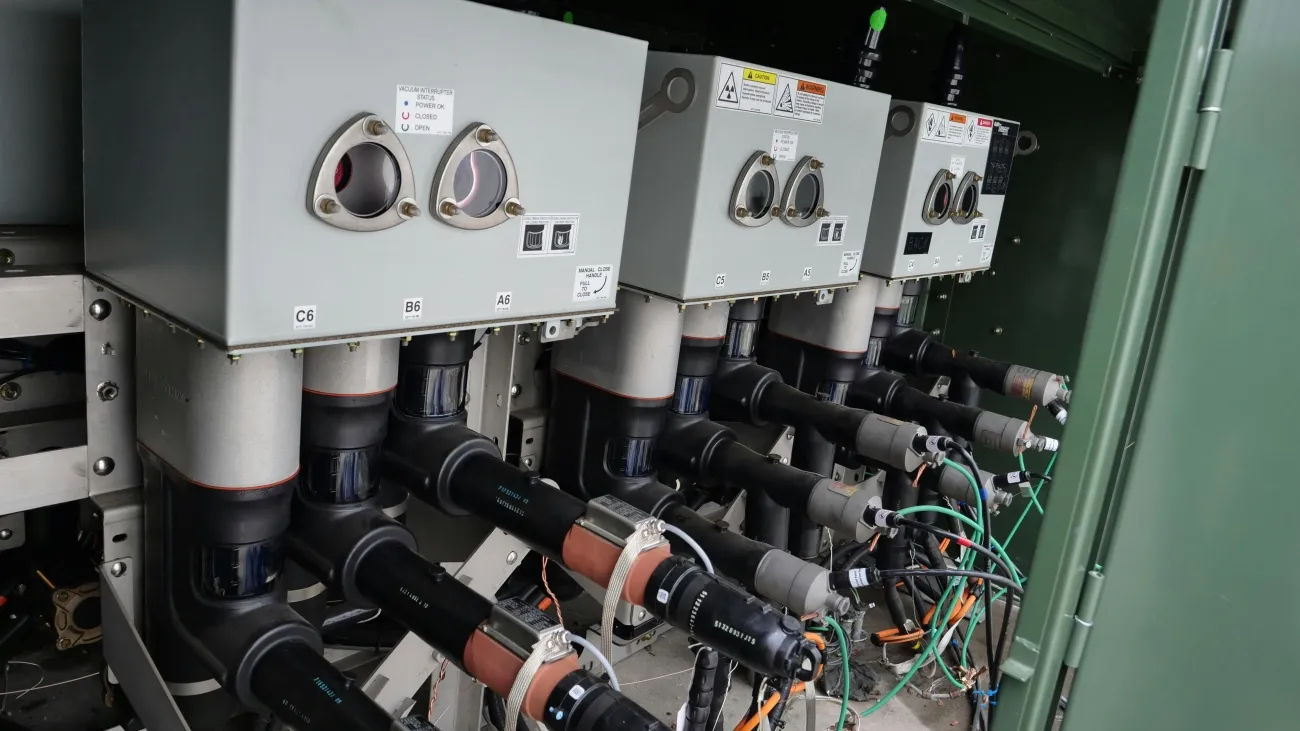
When I help customers in the U.S. choose electrical switchgear, I don’t look at the price tag alone—I look at the total cost of ownership (TCO) over 20–30+ years. The right LV or MV switchgear might cost a bit more upfront, but it can save you hundreds of thousands in losses, maintenance, and unplanned downtime over its life.
Compare TCO, Not Just Price
Before you sign a PO, line up each offer and compare:
Initial cost vs. 20–30 year TCO: Include purchase, installation, commissioning, and expected replacement or upgrade costs.
Power losses: Check manufacturer data for busbar and feeder losses (W/kA, W per feeder). Even small differences add up on U.S. power rates when the gear runs 24/7.
Service life & obsolescence risk: Favor modern breaker, relay, and smart switchgear platforms that will still be supported 10–20 years from now. Layout choices like maintenance-friendly rack-in breaker designs can also cut long-term labor costs.
Factor In Maintenance, Downtime, and Support
Your electrical switchgear is a long-term asset, and the real cost shows up in how often you have to touch it:
Maintenance intervals: Look for equipment with longer inspection cycles and clear, accessible layouts that keep labor hours down.
Spare parts & service: Confirm pricing and availability from your electrical switchgear manufacturers or local partners—especially for breakers, relays, and control parts.
Downtime impact: Quantify what an hour of outage costs your facility. Gear that’s easier to isolate, test, and return to service often pays for itself in avoided production losses.
Warranties, Training, and Services
I always treat after-sales support as part of the real project cost:
Warranties and service contracts: Compare term length, scope (parts vs. labor), and response times—don’t just accept the standard brochure line.
Operator and maintenance training: Make sure your team is trained on safe operation, basic troubleshooting, and routine care; this directly reduces failures and call-outs.
Lifecycle services: Ask for mid-life retrofit options, digital upgrades, and condition monitoring packages so your electrical switchgear can adapt instead of being ripped out early.
If you weigh all of this—energy efficiency, maintenance, downtime risk, and support—you’ll make a smarter electrical switchgear buying decision that fits your budget today and protects your facility for decades.
Smart, Digital, and Future-Ready Electrical Switchgear Features
When I look at the Top Factors to Consider When Purchasing Electrical Switchgear, smart and digital capability is now non‑negotiable for most U.S. facilities. The right smart electrical switchgear cuts downtime, trims maintenance costs, and keeps you ready for future upgrades and grid rules.
Key Smart Features To Demand
IoT condition monitoring
Built‑in sensors for temperature, humidity, partial discharge, and breaker operations
Cloud/local dashboards for real‑time health and remote diagnostics
Ideal for plants, data centers, and utilities that can’t afford surprise outages
Open communication protocols
Native support for SCADA, DCS, Modbus TCP/IP, and IEC 61850
Easy tie‑in to existing utility and building management systems
Reduces integration cost on large commercial and industrial projects
Room to grow digitally
Extra space for relays, meters, gateways, and sensors
Spare fiber/Ethernet ports and auxiliary power for add‑ons
Supports long‑term digital upgrades as your operation scales
Data logging and analytics
Time‑stamped event records and disturbance logs
Alarm history for breaker trips, overloads, and protection actions
Better switchgear reliability and maintenance planning using real operating data
Cybersecurity and access control
User roles, passwords, and audit trails for all changes
Support for VPNs, firewalls, and segmented OT networks
Critical for utilities, hospitals, and government sites with strict IT policies
As grid technology shifts toward smarter systems, choosing digital-ready gear that aligns with the future of power distribution equipment protects your investment over the full life of the switchboard.
Quick Smart Switchgear Checklist
| Digital Feature | What It Does For You |
|---|---|
| IoT-enabled condition monitoring | Early fault detection, fewer unplanned outages |
| Remote diagnostics | Faster troubleshooting, lower service visit costs |
| SCADA / DCS / Modbus / IEC 61850 support | Simple integration with existing control and utility systems |
| Space for extra relays and meters | Easy future upgrades without replacing main electrical switchgear |
| Data logging and alarms | Better protection settings, informed maintenance, compliance |
| Cybersecurity tools | Protects critical power assets from unauthorized access |
Electrical switchgear manufacturer's reputation and support
When you’re comparing bids, the manufacturer’s reputation and after‑sales support are just as important as the spec sheet. For critical power systems in the U.S., this is one of the Top Factors to Consider When Purchasing Electrical Switchgear because it directly affects reliability and downtime risk.
Focus on these points:
Proven track record: Choose electrical switchgear manufacturers with many years in business, strong financials, and real references for similar projects (same voltage level, same industry, same climate). Ask for contactable references—not just logos.
Core certifications: Confirm the factory holds ISO 9001 (quality), ISO 14001 (environment), and ISO 45001 (safety), and that they actually follow documented QA procedures on every panel, from simple MCCs to complete prefabricated substation solutions.
Local service and spare parts: Make sure there is a local service team, stocked spare parts, and clear response times near your site—not just a distant “electrical switchgear company” with no boots on the ground. This is a key switchgear reliability factor for plants and data centers across the U.S.
Warranty that matters: Compare warranty length (24–36 months is common) and what it really covers—breakers, protection relays, busbars, labor, travel, and response time. A longer but weak warranty is less valuable than a shorter but comprehensive one.
Real project history: Ask for case studies, site visits, and long‑term customer relationships. Whether you’re working with a global brand or a regional electrical switchgear services provider, proof of performance over 5–10+ years tells you more than any brochure.
Testing, FAT, Site Tests, and Documentation for Electrical Switchgear
When I buy or supply electrical switchgear, I treat testing and documentation as non‑negotiable. They’re what prove the gear is safe, built right, and installed correctly.
Key switchgear tests to lock in
I always define the test plan in the purchase spec and PO, including:
Factory Acceptance Test (FAT) – Visual checks, wiring checks, functional testing of feeders, mechanical/electrical interlock tests, and full protection relay testing.
Type tests vs routine tests – Type tests (design validation) are done once on a representative panel; routine tests are done on every panel built for you. You need proof of both.
Site acceptance & commissioning tests – Insulation checks, secondary injection for relays, CT/VT polarity, tripping tests, interlock checks, and system function with real loads.
For MV projects, I align FAT and commissioning with our RMU maintenance safety steps so day‑one testing and long‑term upkeep follow the same logic.
Simple switchgear testing checklist
| Stage | What I Require |
|---|---|
| Type tests (lab) | IEC 61439 / IEC 62271 compliance, short-circuit (Icu/Icw), temp rise, dielectric, mechanical endurance, certified by ASTA/KEMA/STL |
| FAT (factory) | Visual, wiring, interlocks, functional tests, protection settings, nameplate & rating verification |
| Site tests & commissioning | Installation check, torque on terminations, insulation tests, relay tests, trip checks, interlocks, SCADA I/O checks |
Documentation, you must walk away with
Before I sign off:
I review O&M manuals, single‑line diagrams, GA drawings, protection settings, and relay logic.
I insist that all test reports, certificates, and as‑built drawings are handed over in both PDF and native formats and stored in the plant document system.
I tie documentation into our maintenance program so future technicians can service the electrical switchgear without guesswork.
Sustainability, Environmental Impact, and Regulatory Trends for Electrical Switchgear
When we talk about the Top Factors to Consider When Purchasing Electrical Switchgear, sustainability is now right up there with safety and reliability—especially for U.S. facilities with ESG targets and corporate climate policies.
Here’s what I focus on:
Go SF6-free or low-GWP where you can
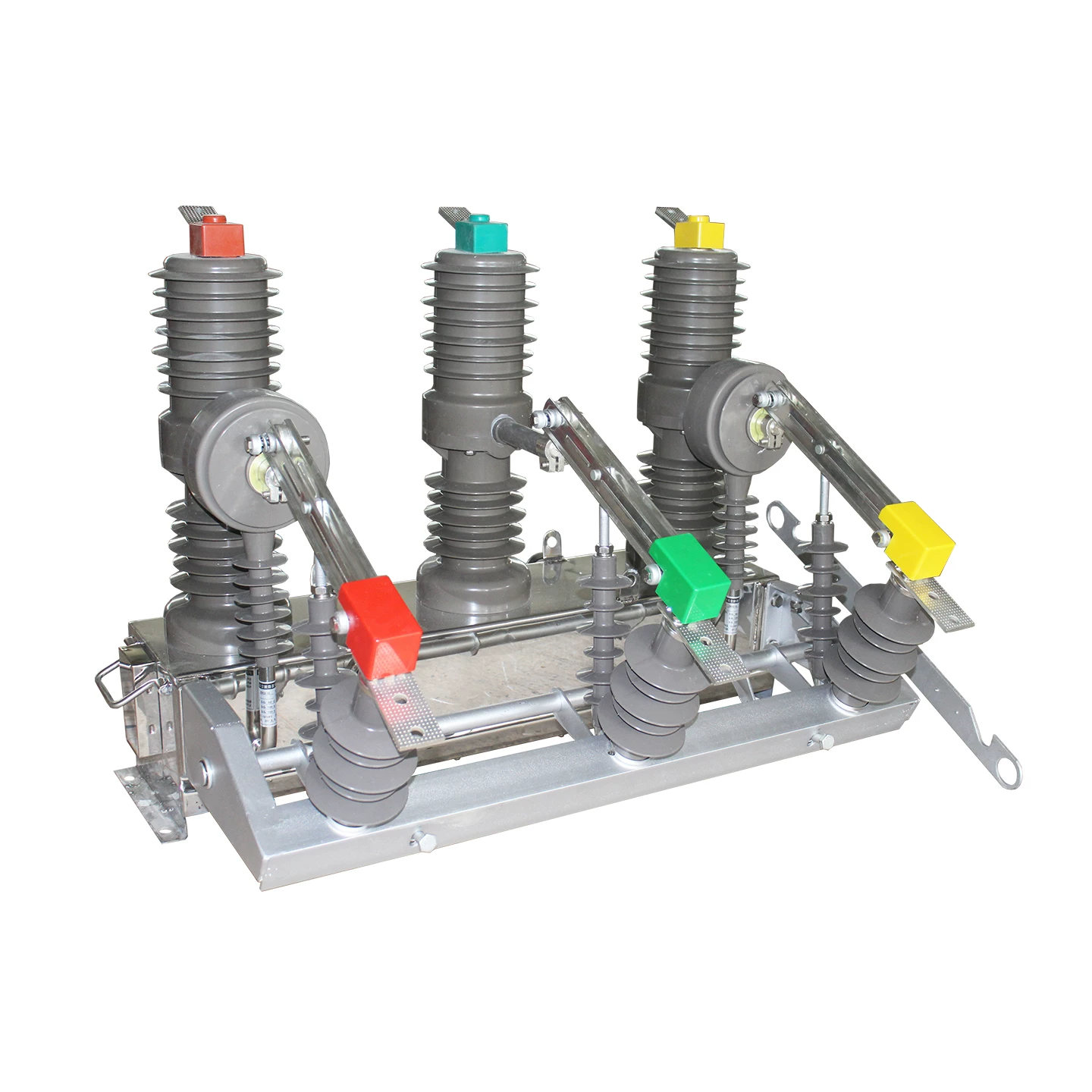
If regulations, utility requirements, or corporate policies are tightening, prioritize SF6-free or low–global warming potential designs, such as vacuum technology and modern outdoor high-voltage vacuum circuit breakers, to reduce long-term regulatory and environmental risk.Think recyclability and end-of-life from day one
Ask how easily major parts (busbars, breakers, sheet metal, insulation) can be separated and recycled, and what the manufacturer’s process is for handling SF6 or other special gases at end-of-life.Require real environmental management, not marketing
Verify ISO 14001 certification, documented environmental management systems, and traceable material sourcing. Don’t just take “green” brochures at face value—ask for certificates and sample reports.Include energy losses in lifecycle cost
Lower power losses mean lower carbon footprint and lower bills. Build losses into your switchgear lifecycle cost analysis over 20–30 years, not just the purchase price.Stay ahead of SF6 regulations and phaseouts
Track upcoming EPA rules, state-level climate policies, and utility standards that may restrict SF6 or force earlier switchgear replacement. Make sure your new gear won’t become obsolete halfway through its expected life.
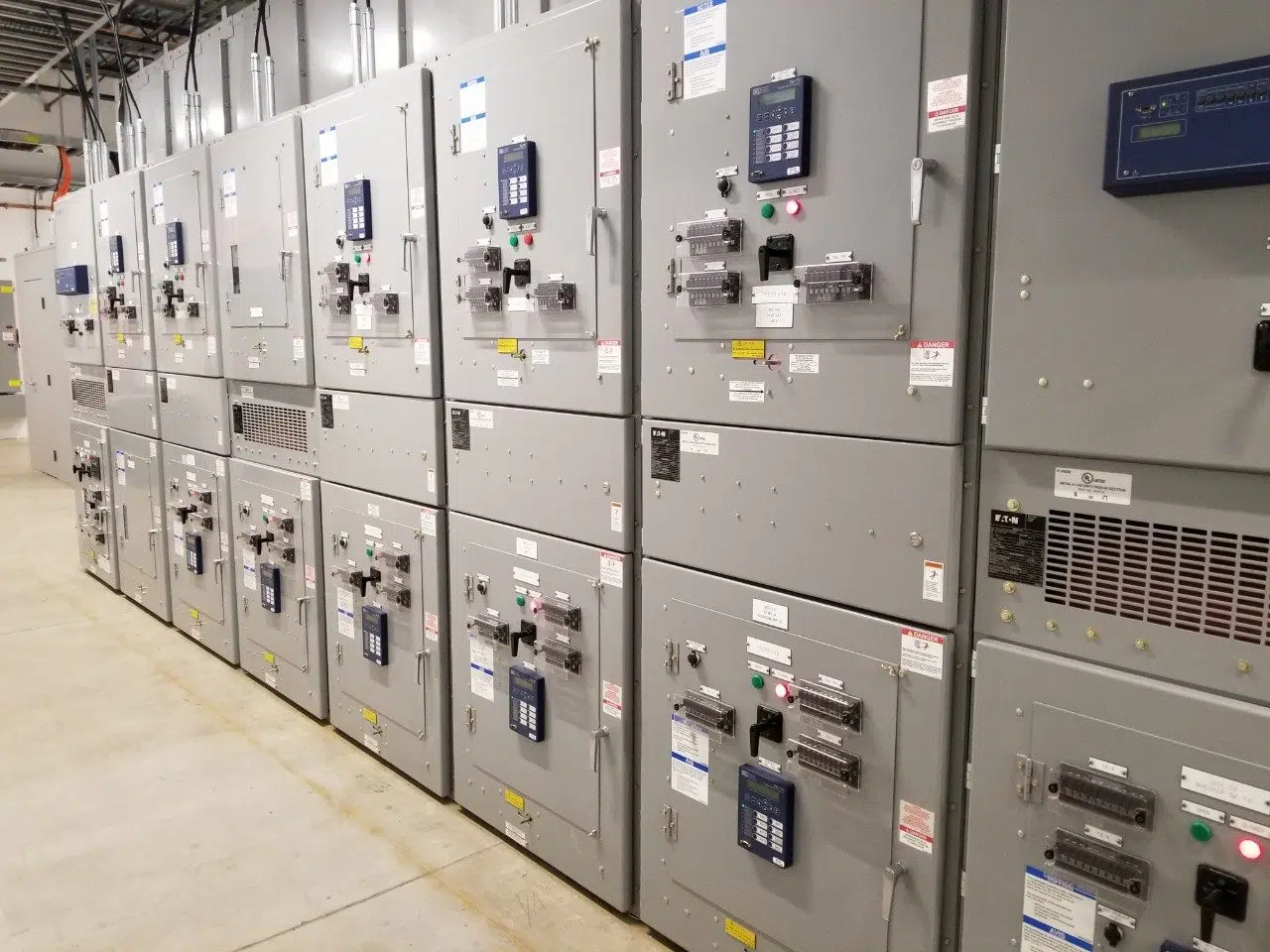
Budget vs Value – Comparing Electrical Switchgear Quotations the Right Way
When I look at the Top Factors to Consider When Purchasing Electrical Switchgear, the big one I never compromise on is value over sticker price. A low number on a quote means nothing if it drives up risk, downtime, or lifecycle cost.
Use a true apples-to-apples checklist
Before you pick a supplier, line up every quote using a simple LV/MV switchgear buying checklist:
Ratings: Voltage, short-circuit (Icu/Icw), busbar current, insulation level
Construction: Form of separation, IP rating, IAC classification, enclosure type
Standards: IEC 61439 / IEC 62271 compliance is clearly stated in writing
Accessories: Protection relays, metering, space heaters, CTs/VTs, communication modules
If you’re buying medium or high voltage gear, make sure enclosure details (indoor/outdoor, corrosion protection) are explicit and comparable; weak enclosures are a common way to cut corners and cost.
Watch the hidden costs
A “cheap” quote often ignores items that hit you later:
| Cost Area | What I always verify across bids |
|---|---|
| Civil & installation | Pads, trenches, doors, rigging, and on-site labor |
| Cabling & terminations | Cable lugs, glands, supports, and routing hardware |
| Protection engineering | Coordination studies, relay settings, and commissioning time |
| Spares & maintenance | Spare breakers, relays, consumables, and service rates |
| FAT & training | Scope of factory tests, test reports, and operator training |
Choose long-term value, not the lowest number
For every offer, I balance:
Reliability vs price – proven components and full testing over “budget” builds
Downtime risk – what one outage would cost your facility in lost production
Safety – arc flash performance, clear labeling, and practical maintenance access
Switchgear lifecycle cost – energy losses, expected life, and upgrade options
I only move forward with the bid that gives the best total cost of ownership over 20+ years, even if it’s not the lowest upfront price.