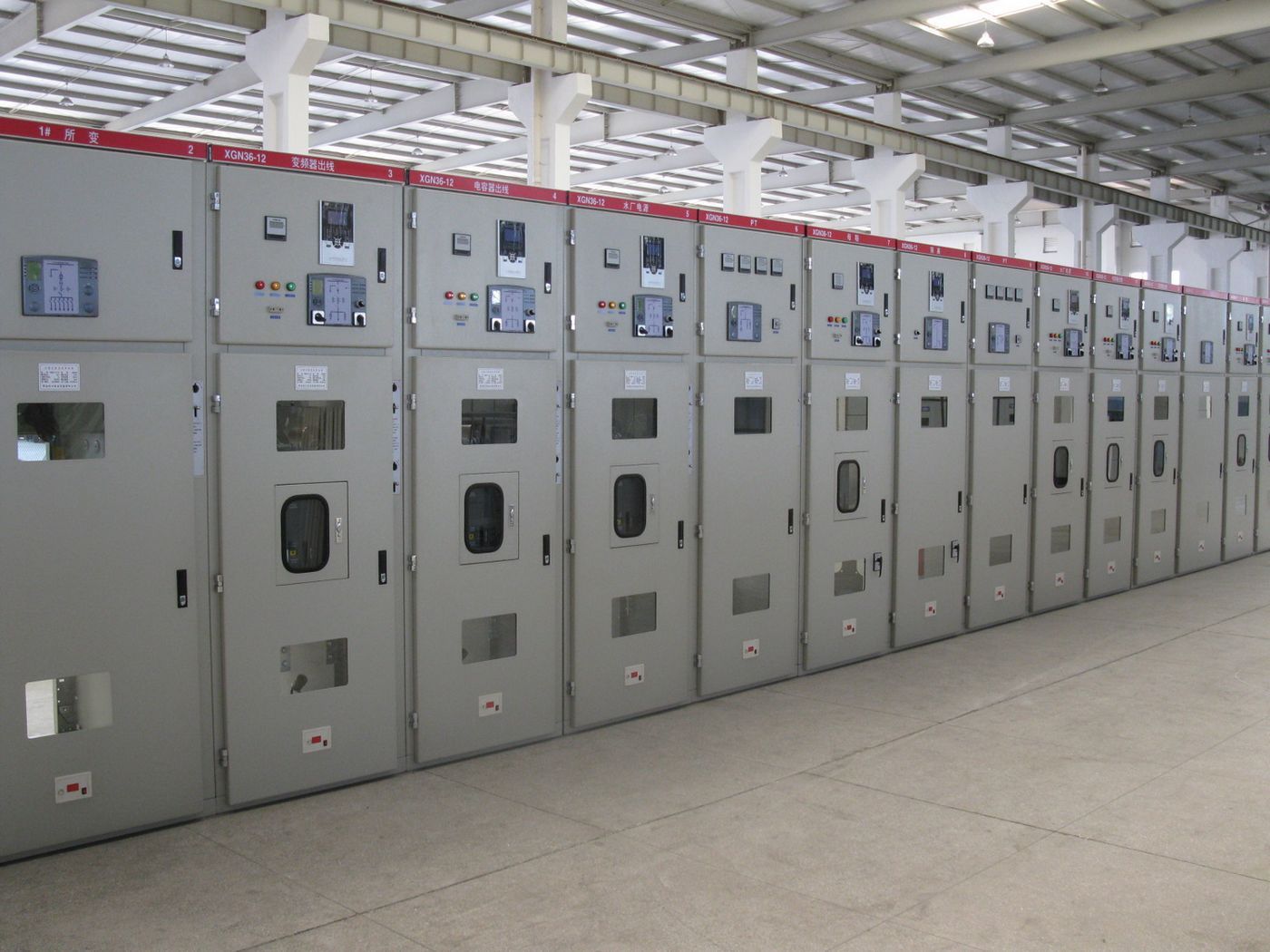
In modern high-voltage distribution systems, Gas-Insulated Switchgear (GIS) is favored for its compact size and high reliability. It is widely used in urban grids, industrial parks, and critical infrastructure.
GIS uses sulfur hexafluoride (SF₆) gas as the insulation medium, enabling safe high-voltage switching within sealed enclosures. Its design ensures minimal exposure to environmental disturbances while maintaining operational safety.
Overview and Advantages of GIS
GIS plays a key role in power distribution, protection, and monitoring. Its compact, enclosed design makes it ideal for city centers and underground substations.
Main advantages include:
Small footprint, reducing land costs
Sealed structure resists pollution and humidity, lowering maintenance requirements
High reliability with minimal failure rate and long service life
Suitable for high-density and complex environments compared to air-insulated switchgear (AIS)
The Essence and Internal Structure of GIS
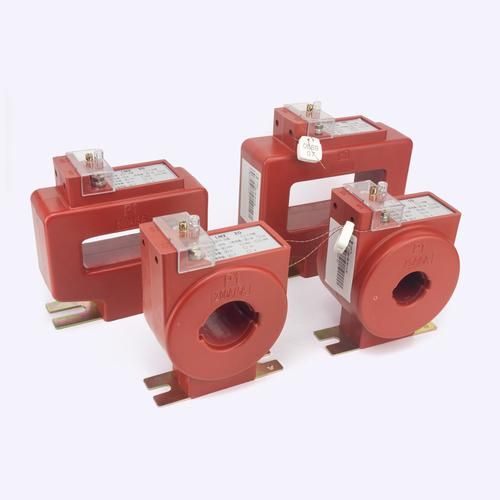
GIS is essentially a metal-enclosed, gas-insulated switch assembly. It combines isolators, disconnect switches, grounding switches, current transformers, circuit breakers, and voltage transformers into a complete system.
The internal space is filled with SF₆ gas, which serves both insulation and arc-quenching purposes. These enclosures must remain sealed under normal conditions, as gas leakage can compromise safety and insulation.
Power enters the GIS through the grounding switch, flows through isolators and current transformers, reaches the circuit breaker, and continues through the secondary CT, isolators, and grounding switch. Finally, it connects to voltage transformers for monitoring and measurement. This configuration ensures safe and efficient high-voltage distribution in a compact footprint.
GIS Operating Principles and Safety Standards
When a GIS circuit breaker operates, the electrical arc is rapidly extinguished by SF₆ gas. The sealed gas compartment isolates dust, moisture, and external interference.
Relevant standards include:
IEC 62271-203: High-voltage switchgear requirements IEC official link
IEEE C37.122: GIS design and testing standards, IEEE official link
Manufacturer manuals from ABB, Siemens, and GE
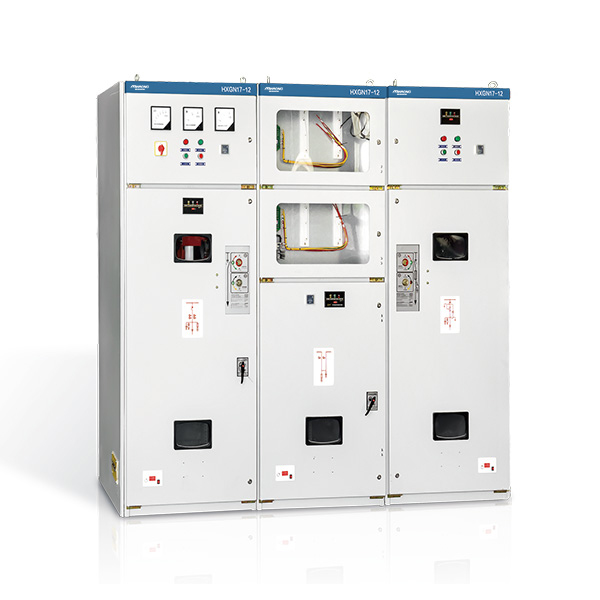
GIS vs AIS Comparison
| Feature | GIS | AIS |
|---|---|---|
| Footprint | Small | Large |
| Insulation Medium | SF₆ | Air |
| Maintenance Frequency | Low | High |
| Initial Investment | High | Medium |
| Reliability | Very High | Moderate |
| Typical Applications | Urban underground, industrial parks, high-rise buildings | Open space, outdoor substations |
GIS Key Component Maintenance Checklist
| Component | Inspection Frequency | Check Items | Notes |
|---|---|---|---|
| Circuit Breaker | Every 5 years | Operational performance, gas pressure | Prevent arc residue and mechanical wear |
| Busbar System | Annually | Insulation condition, temperature rise | Use infrared thermography to detect hotspots |
| Transformers | Every 2 years | Accuracy, insulation test | Avoid measurement errors affecting protection |
| SF₆ Gas System | Annually | Pressure and leakage | Safely handle and recover gas, comply with regulations |
| Grounding Switch | Every 2 years | Contact resistance, mechanical status | Ensure safe maintenance |
| GIS Coils (Trip/Closing) | Every 2 years | Coil insulation, continuity | Prevent burnout or operation failure |
International Case Studies
Frankfurt, Germany – 50Hertz Transmission
Siemens GIS installed in an urban underground substation, reducing footprint by 70% and adapting to dense building environments.Shibuya, Tokyo, Japan – TEPCO
GIS replaced AIS to solve space constraints, ensuring stable power for metro and commercial areas.San Diego, California, USA – SDG&E
ABB GIS handles high temperature and load fluctuations, reducing downtime significantly.Dubai International Airport, UAE – DEWA
GE GIS guarantees 24/7 operation for critical airport systems, delivering high reliability and low maintenance costs.
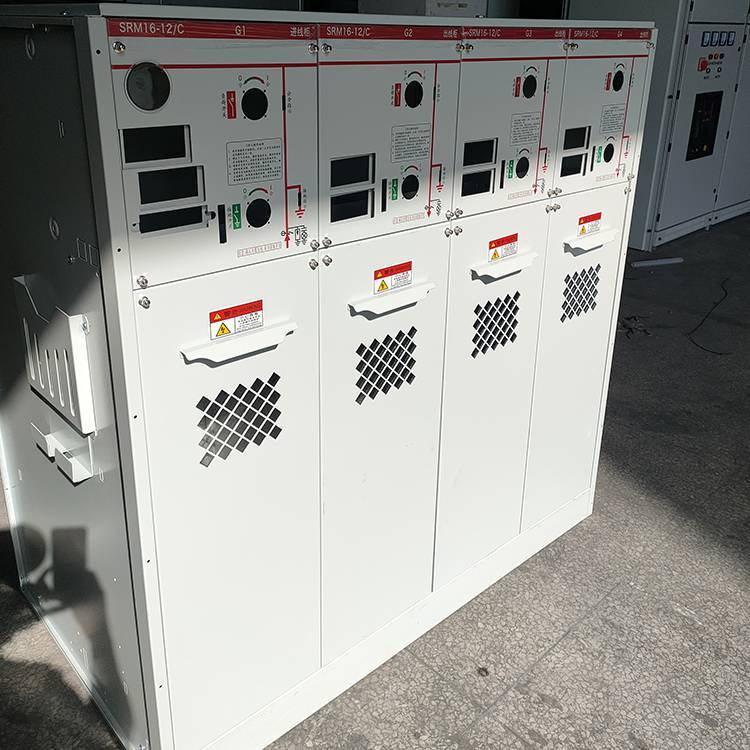
GIS Selection and Investment Considerations
Selection factors
Voltage level (12kV, 36kV, 72kV, etc.)
Rated current and short-circuit capacity
Installation environment (urban underground, high-rise, industrial park)
Manufacturer reputation and service support
Investment insights
For urban underground substations, the GIS initial investment is about 30% higher than AIS. However, a footprint reduction of 70% and 40% lower maintenance costs provide ROI within five years.
FAQ – Practical Guidance
Q: How long does a GIS switchgear last?
A: With proper operation and maintenance, the lifespan can reach 30-40 years.
Q: Why is GIS more expensive initially than AIS?
A: GIS uses sealed SF₆ compartments with precise engineering, but offers lower lifetime costs.
Q: Where is GIS most suitable?
A: Urban centers, industrial parks, underground basements, and rail transit systems.
Q: Is SF₆ environmentally safe?
A: SF₆ is contained within sealed enclosures with minimal leakage. New alternatives like g³ are emerging.
Q: What are the signs of GIS coil burnout?
A: Operation delay, unusual noises, overheating, or protection misoperations.
Q: How often should GIS be maintained?
A: Annually check gas pressure and insulation; circuit breakers are tested every five years.
Q: Is GIS suitable for renewable energy projects?
A: Yes, wind and solar projects benefit from compact design and high reliability.
Call to Action
GIS is increasingly vital in modern power systems. Selecting the right model and manufacturer reduces costs and improves reliability.
For professional GIS planning, design, or maintenance support, contact:
Engineer: Thor
Phone: +86-0577-62788197
WhatsApp: +86 159 5777 0984
Email: [email protected]
Resources: weishoelec.com