What Is an Arc Detector Breaker?
An arc detector breaker is a special type of circuit breaker designed to sense dangerous electrical arcing and shut the circuit off before a fire starts. In simple terms, a standard breaker protects wires from too much current; an arc detector breaker protects your home from hidden, spark‑like faults that can ignite drywall, insulation, and framing.
In the electrical world, you’ll see these called:
Arc fault circuit interrupter (AFCI)
Arc fault detection device (AFDD)
Arc fault breaker or arc detector breaker
They all share the same core idea: advanced electronics inside the breaker constantly “listen” to the electrical current. When they recognize the signature of a dangerous arc fault—not just a normal on/off switch—they trip and kill the power in a fraction of a second.
Here’s the key difference from a standard breaker:
Standard breaker:
Look for overloads and short circuits (too much current).
Trips when the amperage exceeds its rating.
Arc detector breaker (AFCI/AFDD):
Look for abnormal arcing patterns in the current.
Trips even when the current is below the breaker’s amp rating, but the pattern is unsafe.
People often confuse arc detector breakers with normal breakers because:
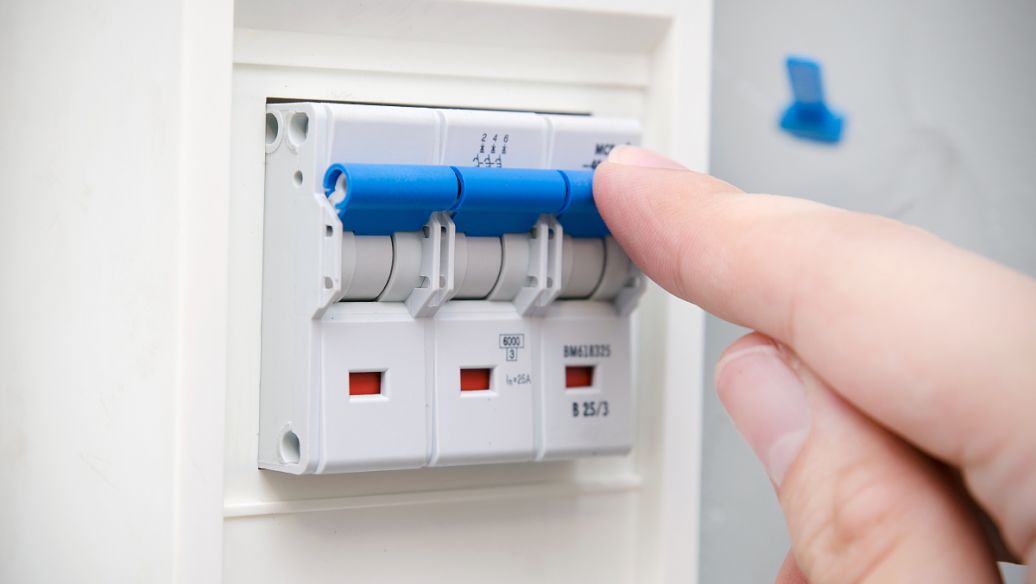
They sit in the same panel and look very similar.
They often have the same amp rating (15A, 20A, etc.).
Many homes still only have traditional breakers, so “a breaker is a breaker” in most people’s minds.
The reality is simple: if a standard breaker is basic protection, an arc detector breaker is smart protection. It’s built to catch one of the biggest hidden fire risks in modern homes—electrical arcing behind walls, in outlets, and in damaged cords—before you ever see smoke.
How Arc Detector Breakers Work: Detecting the Invisible Threat
Arc detector breakers (AFCI/AFDD) work like a smart guard on your wiring. Instead of just waiting for a big overload or short circuit, they constantly “listen” to the electrical current in real time and look for the unique signature of an electrical arc.
The breaker has electronic sensors that sample the current many times per second.
A built‑in microprocessor analyzes the wave shape, noise, and tiny spikes in the current.
When the pattern matches a dangerous arc fault, the breaker trips and shuts the circuit off.
An electrical arc is basically electricity jumping through air or across a damaged connection instead of staying inside the wire or device. That jump creates extreme heat, often over 10,000°F, plus sparks and carbon buildup. Inside a wall, in an old outlet, or behind furniture, that heat can easily ignite wood, insulation, or dust and start a fire before you ever see smoke.
There are three main fault types these devices watch for:
Series arc faults: A loose connection or broken conductor in line with the load (for example, a loose wire on a receptacle screw). Current is limited, so a normal breaker often doesn’t see it, but the arc can still generate a lot of heat.
Parallel arc faults: Arcing between hot and neutral or hot and another hot conductor. These can create big spikes and are more likely to start fires quickly.
Ground faults: Current leaking from hot to ground, like through a metal box or a person. AFCIs can detect some of these patterns, but ground fault interrupters (GFCIs) are designed to protect people specifically from shock.
The microprocessor in an AFCI/AFDD uses pattern recognition to tell the difference between a “good” arc and a bad one. Everyday things like:
Flipping a light switch
Unplugging a vacuum
Starting a motor
all create brief, normal arcs. The breaker is programmed to recognize their short, predictable patterns and ignore them, while still reacting to the random, noisy, sustained arcs caused by damaged wiring or loose connections. This is where AFDD technology keeps improving, using smarter algorithms to cut down on nuisance tripping while staying sensitive to real faults—similar to the way modern vacuum or motor‑protection breakers are tuned differently than traditional devices like a simple disconnect or isolator switch (for example, an indoor power disconnect switch used in industrial systems: GN19-12ST-1250A indoor power disconnect switch).
When the arc detector breaker decides something is unsafe, it trips very fast—typically within fractions of a second. That quick reaction is what cuts off the heat before it can build up and ignite surrounding material. In many cases, the device is also a combination breaker that includes traditional overload and short‑circuit protection, so you get:
Overload protection
Short‑circuit protection
Parallel and series arc fault protection
For best protection in U.S. homes, pairing an arc detector breaker (AFCI) with a GFCI gives you both fire and shock protection:
AFCI/AFDD: Focused on detecting arc faults that can cause electrical fires.
GFCI: Focused on detecting small ground faults that can send current through a person.
You can do this either with dual‑function (AFCI + GFCI) breakers in the panel or by combining an AFCI breaker with GFCI receptacles in key locations like bathrooms, kitchens, garages, and outdoor circuits. Together, they create a much safer electrical system without you having to change how you use your home day to day.
Why Arc Faults Are So Dangerous
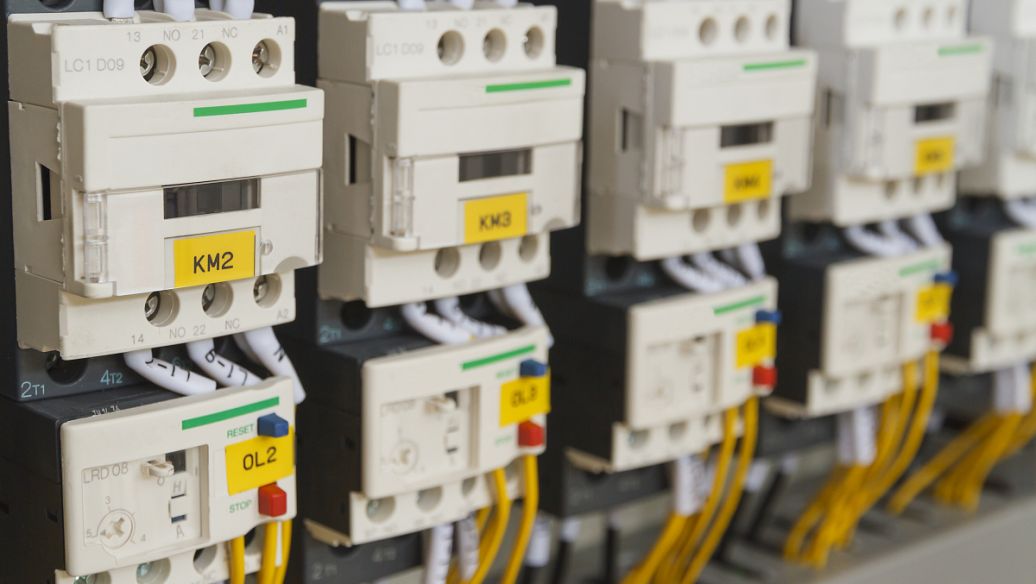
Arc faults are one of the leading hidden causes of home electrical fires in the U.S., and they’re especially scary because they usually start where you can’t see them—inside walls, ceilings, and junction boxes.
How loose connections and damaged wires lead to arcing:
When a wire isn’t tightly connected (loose terminal screw, worn outlet, backstabbed receptacle), electricity can “jump” across tiny gaps instead of flowing smoothly.
Damaged insulation (from age, heat, or physical damage) can expose conductors, letting current arc between them.
Each tiny “jump” is an electrical arc, and it can repeat hundreds of times per second.
Real-life arc fault causes in U.S. homes:
Old, worn outlets and switches that feel loose when you plug in.
Cables pierced by drywall screws or staples during construction or DIY projects.
Rodents chewing on NM (Romex) cables in attics, crawlspaces, and garages.
Crushed cords under furniture, pinched extension cords in doorways or windows.
DIY splices without proper junction boxes or wirenuts, or using the wrong wire type.
Space heaters, portable A/C units, and high-draw devices are plugged into old receptacles.
How arcs start electrical fires:
An arc can reach temperatures above 10,000°F—hot enough to instantly carbonize wood or plastic.
That heat can smolder wood studs, insulation, or dust for hours before an open flame appears.
Fires often start behind drywall, so by the time a smoke alarm goes off, the fire is already established.
Standard breaker vs arc detector breaker:
It recognizes the “signature” of dangerous series and parallel arc faults.
It trips even when the current is too low to bother a normal breaker but high enough to be a fire risk.
Overload (too much current for too long).
Short circuits (very high current in a split second).
A standard circuit breaker looks for:
It does NOT “see” a small, unstable arc if the total current stays under its rating, even if that arc is hot enough to ignite wood.
An arc detector breaker (AFCI / AFDD) constantly analyzes the electrical waveform:
How arc detector breakers cut fire risk:
They shut down the circuit at the very early stage of an arc, long before insulation, studs, or furniture can ignite.
They add an extra layer on top of overload and short-circuit protection, targeting exactly the type of faults that start many residential fires.
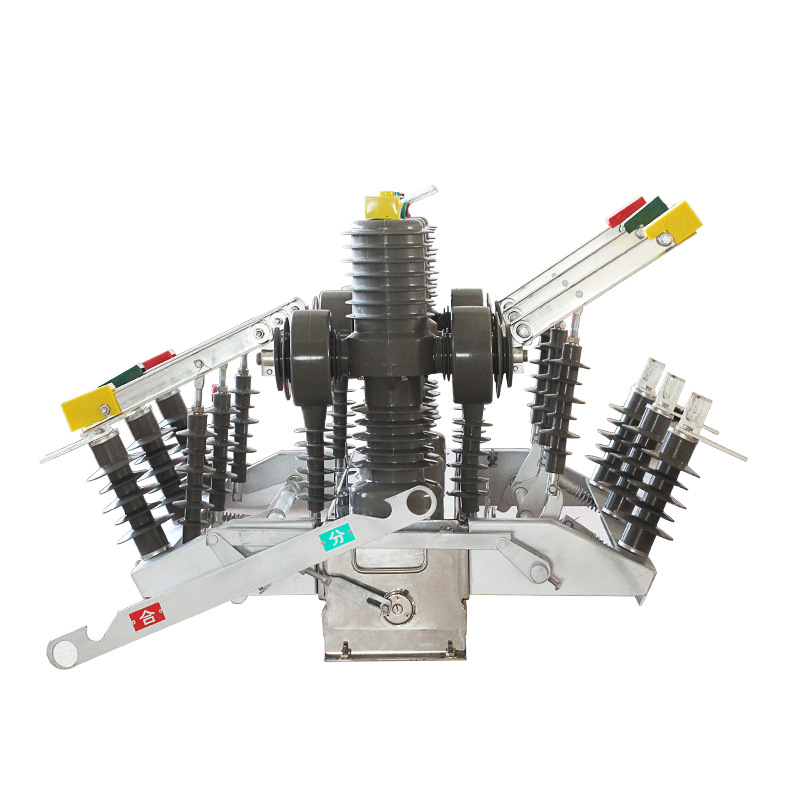
When combined with GFCI protection and proper devices like outdoor disconnect switches or properly tested equipment, such as a correctly functioning vacuum contactor (see how to test one in detail in this guide on testing a vacuum contactor: https://www.weishoelec.com/Blog/how-to-test-a-vacuum-contactor/), they form a much more complete electrical safety net for your home.
In short, standard breakers protect your wires from burning up from too much current; arc detector breakers protect your home from wires that can start fires even when the current looks “normal.”
Types of Arc Detector Breakers (AFCI / AFDD)
When we talk about “arc detector breakers,” we’re really talking about AFCI (Arc Fault Circuit Interrupter) and AFDD (Arc Fault Detection Device) options. They all aim at the same thing: to stop dangerous arcing before it becomes a fire. The differences are in how they install and how much protection they provide in one device.
Standard AFCI Breakers for Branch Circuits
Standard AFCI breakers replace normal breakers in your main panel and protect an entire branch circuit—bedroom, living room, or a group of outlets and lights.
Good for:
Bedrooms, living rooms, hallways, dining rooms
Most 15A and 20A general‑purpose circuits
Newer homes or panel upgrades where you’re already inside the panel
They combine arc detection + overload + short‑circuit protection, similar to a quality vacuum circuit breaker at higher voltages, but optimized for residential use and smaller loads.
Combination AFCI Breakers (Arc + Overload + Short Circuit)
“Combination” AFCI doesn’t mean “outlet + breaker.” It means the breaker can detect both:
Series arc faults (loose connection in a single conductor)
Parallel arc faults (arcing between hot–neutral or hot–ground)
Every breaker you install in a modern panel should ideally be a combination AFCI style if you want full arc protection—not just basic overload and short‑circuit protection.
Best use:
Bedrooms and living spaces where NEC typically calls for arc fault protection
Circuits with a mix of outlets and lights (lamps, TVs, chargers, etc.)
Outlet-Style Arc Fault Devices (AFCI Receptacles)
Outlet‑style AFCI (or AFDD) devices look like a GFCI outlet but add arc detection. You install them in a standard wall box, and they protect:
The outlet itself
Other outlets downstream on the same circuit (if wired correctly)
These are perfect when:
You can’t easily replace breakers in an older panel
You’re doing retrofits in an older home
You want targeted protection for one area (like a kids’ room or a home office)
Dual-Function AFCI + GFCI Breakers
Dual‑function or “combo” AFCI + GFCI breakers do four things in one:
Arc fault protection
Ground fault protection (shock protection)
Overload protection
Short‑circuit protection
They cut down on devices, wiring clutter, and confusion at the panel while giving you both fire prevention and shock protection on the same circuit.
Best use:
Kitchens, laundry rooms, bathrooms (where GFCI is required)
Garages and unfinished basements
Outdoor circuits where moisture + cords = higher risk
How to Choose the Right Arc Detector Breaker by Room
Here’s a simple guide for a typical U.S. home:
Bedrooms & Living Rooms:
Use combination AFCI breakers in the panel (standard choice).
Outlet‑style AFCI is a good backup if the panel can’t be easily modified.
Home Office / Media Room:
A combination AFCI breaker to handle electronics and power strips.
Consider dual‑function AFCI + GFCI if you run lots of equipment and want maximum protection.
Kitchens & Laundry Rooms:
Dual‑function AFCI + GFCI breakers are the most practical and code‑friendly choice.
Garages & Basements:
Dual‑function AFCI + GFCI for both shock and arc protection, especially with power tools and extension cords.
Outdoor Circuits (Patio, Exterior Outlets):
Dual‑function AFCI + GFCI at the panel or a weather‑rated GFCI/AFCI device outside.
If you’re updating a panel or building new, I always push for panel‑mounted AFCI or dual‑function breakers first. They give broad, clean protection and keep your system consistent across all circuits.
Code Rules and Where You Actually Need an Arc Detector Breaker
When it comes to arc detector breakers (AFCI/AFDD), the National Electrical Code (NEC) is what drives what you must do in a U.S. home—and inspectors take it seriously.
NEC Arc Fault Requirements in U.S. Homes
The NEC now requires arc fault circuit interrupter (AFCI) protection on most 120-volt, 15- and 20-amp branch circuits that feed outlets in living spaces. Depending on the code cycle your state or city is on, that usually includes:
Bedrooms and closets
Living rooms, family rooms, dens, and hallways
Dining rooms and similar living areas
Many areas in finished basements
Some kitchen and laundry circuits, depending on local adoption of recent NEC editions
Your local jurisdiction may be a cycle or two behind the latest NEC, so you always want to check with your city/county building department or your electrician before planning an upgrade.
Where You Typically Need Arc Detector Breakers
In real-world residential work across the U.S., AFCI breakers are commonly required on:
Bedroom circuits (first area the NEC targeted for AFCI due to fire risk)
General lighting and receptacle circuits in living rooms, dens, offices, and hallways
Finished basements and many new additions
New or significantly altered kitchen and laundry circuits, where local code has adopted the newer rules
GFCI protection is still required in wet locations (kitchens, bathrooms, garages, outdoors), so in those areas we often use dual-function AFCI + GFCI breakers to meet both requirements with one device.
Why Newer Homes and Remodels Need AFCI More Often
New construction and permitted remodels are inspected to the current NEC version that your area has adopted. That’s why:
Newer homes almost always have multiple AFCI breakers in the panel.
Major remodels (kitchen redo, room addition, service/panel upgrade) often trigger mandatory AFCI upgrades on affected circuits.
If you’re replacing a standard breaker in an existing house under a permit, the inspector may require you to swap it for an AFCI breaker instead.
If you’re already planning a breaker replacement or panel upgrade, it usually makes sense to design with NEC arc fault requirements in mind instead of just copying whatever was in the old panel.
How Local Code and Inspections Affect What You Install
Every U.S. city or county can:
Adopt the NEC on its own schedule
Amend or tighten certain sections
Enforce different expectations for existing vs. new work
That means what’s “required” in one state can be “recommended” in another. During an inspection, the inspector will look for:
AFCI protection where the current code says it belongs
Correct labeling and breaker type for each circuit
Proper installation practices (including neutral wiring and pigtails on AFCI breakers)
If you’re not sure whether to upgrade to AFCI during a breaker change, looking at guidance on how to change a circuit breaker safely is a good starting point—but always match the breaker type to what your local code demands.
When Arc Detector Breakers Make Sense Even If They’re Not Required
Even when code doesn’t force you, I still recommend installing arc detector breakers in these situations:
Older homes (especially with original wiring, aluminum wiring, or lots of “mystery” DIY work)
Circuits with space heaters, power strips, gaming setups, or home offices pulling heavy loads
Areas with lots of extension cords or plug-in surge protectors
Rental properties, where you want extra fire protection and reduced liability
Any time you’re already paying for a panel upgrade and want to future-proof the system
You don’t have to AFCI-protect your entire house in one shot. Many homeowners start with bedrooms and main living areas, then upgrade other circuits over time. That’s usually the best balance between cost and safety while aligning with current and future NEC expectations.
When to Install an Arc Detector Breaker in Your Home
Knowing when to install an arc detector breaker (AFCI/AFDD) is just as important as knowing what it does. In U.S. homes, I usually recommend adding arc fault protection based on three things: the age of the wiring, how the home is used, and whether you’re already planning electrical work.
Signs Your Home Needs AFCI Arc Detection
Your home is a strong candidate for AFCI breakers if:
Your house is older than 20–30 years
Older wiring, worn insulation, and outdated devices are much more likely to develop series arc faults at loose connections and splices.You rely heavily on extension cords or power strips
Constantly plugged‑in strips behind TVs, desks, home offices, and game rooms create hotspots for parallel arcing protection issues when cords get pinched, stepped on, or overloaded.You’ve had a lot of DIY electrical work done
Unpermitted additions, mystery junction boxes in the attic, or “temporary” fixes that became permanent all increase the risk of hidden wiring faults.You see symptoms of trouble
Outlets that feel warm
Plugs that wiggle or fall out easily
Lights that flicker when other loads switch on
Breakers that trip randomly with no clear overload
Those aren’t just annoyances—they’re warning signs that an electrical arc could already be happening behind the scenes.
High‑Risk Areas in a Typical Home
If you’re not ready to protect every circuit, start with the highest‑risk rooms and circuits, especially where you see space heaters, extension cords, and heavy plug‑in loads:
Bedrooms and living rooms
Lots of power strips, TVs, chargers, and lamps plugged into older outlets. Loose receptacles are a common source of arcs.Home offices and gaming setups
Multiple high‑draw electronics on one outlet strip (PCs, monitors, consoles, printers) create more stress on receptacles and cords.Basements and garages
Space heaters, freezers, tools, and extension cords are common here. Physical damage to cords and cables is a big issue in these spaces.Attics and crawl spaces
Rodents, fasteners, and temperature changes can damage cables over time. You’d never see the problem until it becomes a fire.
Anywhere you see old outlets, discolored faceplates, or “daisy‑chained” power strips, an arc detector breaker can dramatically cut your fire risk.
Best Time to Add Arc Detector Breakers
From a cost and convenience standpoint, the smartest time to install AFCI/AFDD breakers is when you’re already touching the electrical system:
During a panel replacement or service upgrade
If you’re upgrading from a small fuse box or an old, crowded panel, that’s the perfect time to swap key circuits to combination AFCI breakers that handle both overload and arc protection. The electrician is already in the panel, so labor is more efficient.During a remodel or room addition
When you’re opening walls for a kitchen, bedroom, basement, or home office, it’s easy to:Add AFCI breakers to new circuits
Correct bad splices and loose connections
Make sure new wiring meets modern residential electrical safety standards
When adding high‑load plug‑in equipment
If you’re installing new electric space heaters, bigger media setups, or large shop tools that plug into standard outlets, it’s worth putting those circuits on an AFCI breaker before you start using them heavily.
If you’re already working with an electrician, I’d simply tell them: “I want arc fault protection on my most heavily used and highest‑risk 120V circuits,” and let them design around your panel capacity and budget.
By timing the upgrade around existing work and focusing on your most vulnerable wiring and outlets, you get the most home fire prevention benefit from arc detector breakers without wasting money or tearing up finished walls.
Arc Detector Breaker Installation Basics (AFCI Installation 101)
What to Know Before You Open the Panel
Before you even think about installing an arc detector breaker (AFCI):
Kill the main power at the service disconnect. Don’t just flip one breaker; shut off the entire panel.
Verify power is off with a non-contact voltage tester on a known live circuit first, then on the panel circuits you’ll touch.
Remove panel cover carefully and avoid touching bare bus bars or metal where the main lugs are exposed. Those can still be live even with branch breakers off.
If you’re not already comfortable working inside a panel, this is your sign to slow down and consider a pro. A mistake here can be lethal, not just inconvenient.
Simple Overview: How Panel-Mounted AFCI Breakers Are Wired
A typical panel-mounted AFCI breaker has:
Hot terminal (brass screw) – This connects to the circuit’s hot (black) wire.
Load neutral terminal (silver screw) – This connects to the circuit’s neutral (white) wire (for AFCI breakers with pigtails or neutral terminals).
Pigtail neutral (white factory wire) – This connects to the panel’s neutral bar.
Basic wiring steps (high-level overview, not a full tutorial):
1. Turn off the main breaker and remove the old standard breaker.
2. Move the circuit hot wire to the AFCI breaker’s hot/load terminal.
3. Move the circuit neutral from the neutral bar to the AFCI neutral/load terminal (if required by the breaker type).
4. Land the AFCI pigtail neutral on the neutral bar.
5. Snap the AFCI breaker onto the bus, reinstall the panel cover, turn the main back on, then switch the AFCI on and test.
If you’re already used to safe panel work, this will feel similar to other advanced protective devices like GFCI breakers or specialized protection in more complex gear such as indoor switchgear with strict safety practices.
Key Safety Steps for AFCI Installation
Keep it simple and safe:
Turn off the main power and lock it out if possible.
Use insulated tools and safety glasses.
Keep one hand in your pocket when near live conductors to reduce shock risk.
Label wires before moving anything, so you don’t mix circuits.
After installation, use the test button on the AFCI to confirm it trips and resets properly.
If anything feels confusing or cramped in the panel, stop. That’s when a licensed electrician earns their money.
Neutral Connections and Shared Neutrals (Multi-Wire Branch Circuits)
Arc detector breakers are picky about neutrals, and this is where many DIY installs go wrong:
The hot and neutral that the AFCI protects must stay together on that same breaker.
You cannot share a neutral between two separate standard AFCI breakers. That’s a multi‑wire branch circuit (MWBC) issue and will cause nuisance tripping or worse.
In MWBC setups, you usually need:
A 2‑pole AFCI breaker with tied handles, or
A breaker specifically listed to handle shared neutrals and common disconnect.
If you open the panel and see two hot wires sharing a single neutral, assume you’re dealing with a multi‑wire branch circuit and call an electrician unless you 100% understand how MWBCs and handle ties work.
DIY vs Hiring a Licensed Electrician
DIY may be okay if:
You already have experience replacing breakers safely.
Your panel is modern, clearly labeled, and not overcrowded.
You’re installing a single, straightforward AFCI on a simple circuit (one hot, one neutral, no shared neutrals).
Call a licensed electrician if:
You see shared neutrals, multiple wires under one breaker, or messy wiring.
You’re dealing with an older panel, aluminum wiring, or signs of overheating.
Your panel brand needs specific breaker models or has known compatibility issues.
The AFCI keeps tripping after installation and you can’t easily isolate the cause.
In the U.S. market, this is usually a 1–2 hour job for a pro if the panel is in decent shape.
Typical Price Range and What Affects Cost
For most U.S. homes, expect:
AFCI breaker hardware: typically $30–$60 USD per breaker, depending on:
Brand (Square D, Eaton, Siemens, etc.)
Type (standard AFCI vs dual‑function AFCI/GFCI)
Amp rating (commonly 15A or 20A)
Professional installation:
Local labor rates
Condition of the panel and wiring
Whether code upgrades or panel labeling are required at the same time
$100–$250+ per breaker installed, depending on:
If you’re already planning bigger work (panel upgrade, remodel, or adding circuits), folding AFCI installation into that project can be cheaper per breaker because the electrician is already on-site and has the panel open.
In short, installing an arc detector breaker isn’t the place to cut corners. Done right, it’s a relatively small upgrade that pays off big in residential electrical safety and fire prevention.
Troubleshooting an Arc Detector Breaker That Keeps Tripping
When an arc detector breaker (AFCI/AFDD) keeps tripping, it’s either doing its job and catching a real problem, or it’s reacting to something that looks like a problem. Your goal is to figure out which one you’re dealing with—without ignoring a real fire risk.
Common Reasons an Arc Detector Breaker Trips
In normal use, an AFCI breaker can trip because of:
Real wiring faults
Loose outlets or switches
Damaged cords (crushed, pinched, or chewed by pets/rodents)
DIY additions made with back‑stabbed connections or wire nuts not fully tight
Staples or screws driven through cables in walls or ceilings
Electrical noise that “looks” like arcing
Motors starting and stopping (shop vacs, treadmills, older refrigerators)
Older dimmer switches and cheap LED bulbs
Low‑quality surge protectors or power strips
Older electronics with dirty or failing power supplies
Mixed neutral or wiring issues in the panel
Shared neutrals were handled incorrectly
Neutrals from different circuits are tied together in a junction box
Miswired neutral on the breaker’s pigtail
These issues can confuse the breaker’s electrical arc detection circuitry and cause nuisance tripping.
Real Fault vs. Nuisance Trip: How to Tell
You’re looking for patterns:
Likely real fault:
Breaker trips randomly, even with only a few things plugged in
You see or smell trouble: warm outlets, buzzing, flickering lights, or scorched plugs
The breaker trips the instant a certain outlet or light is turned on
Breaker trips again immediately after you reset it, with nothing new plugged in
Likely nuisance trip:
Breaker trips only when one device runs (e.g., one vacuum, one treadmill)
It trips during big motor start‑ups or when dimmers are used at certain levels
Swapping the problem device to a different circuit causes that other AFCI to trip too
If you’re seeing signs of heat, burning, or buzzing, treat it as a real fault and get a pro involved.
Step‑by‑Step: How to Track Down a Tripping Arc Detector Breaker
Use a simple process and stay methodical:
Reset once and observe
Turn the breaker fully OFF, then back ON.
Notice what was running when it tripped (appliances, tools, heaters, vacuums).
Unplug everything on that circuit
Unplug all devices, power strips, and surge protectors.
If the lights are on that circuit, turn them OFF at the switch.
Turn the breaker back on with everything unplugged
" You may have a wiring problem (loose outlet, damaged cable shared neutral issue).
Stop there and consider calling an electrician.
If it trips immediately:
Plug things back in one at a time
Plug in the most basic loads first: lamps chargers small electronics.
Then try larger loads: vacuum space heater treadmill air compressor.
Turn each device on and off a few times and see if the breaker trips.
Check outlets and cords
Dark or melted spots on outlets or plugs
Loose or wobbly outlets in the wall
Cords that are cracked taped pinched under furniture or run under rugs
Look for:
Check any power strips or surge protectors
Remove cheap power strips from the circuit and test again.
If the breaker stops tripping replace those strips with higher‑quality UL‑listed devices.
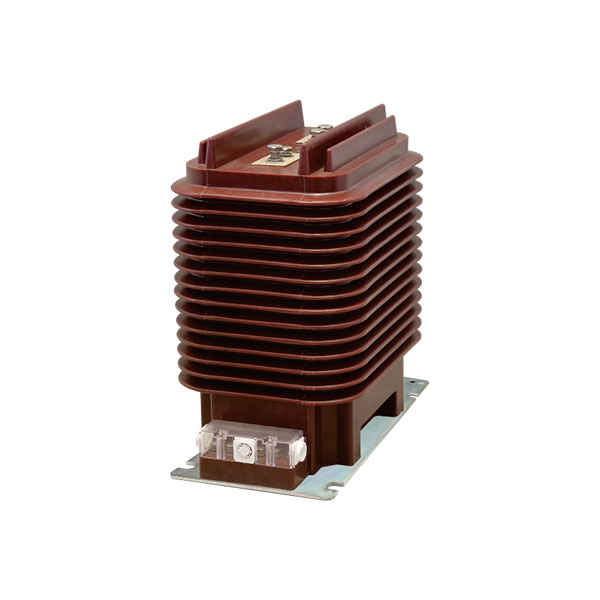
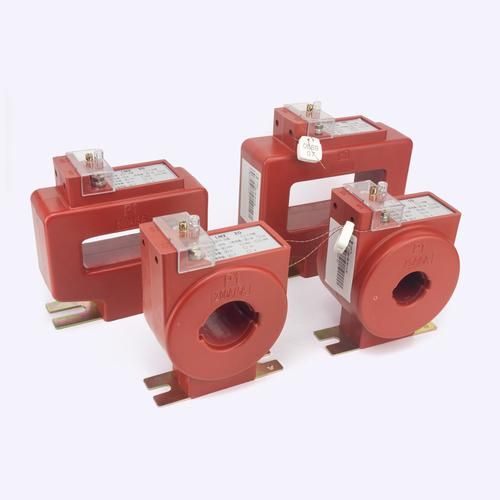
If you suspect a deeper wiring problem an electrician may use tools like a current transformer similar in concept to those used in protective current transformer setups in power systems, to pinpoint irregular current patterns—your home version is the AFCI itself.
Devices That Commonly Cause AFCI Nuisance Trips
Some devices are repeat offenders on AFCI‑protected circuits:
Vacuums and shop vacs (big motor startup spikes)
Older dimmer switches (especially with cheap LED bulbs)
Budget power strips and surge protectors
Treadmills and exercise equipment
Cheap phone chargers or no‑name USB power bricks
If one specific device trips the breaker repeatedly but works fine on a non‑AFCI circuit, it might be noisy failing or just not AFCI‑friendly. In the U.S. market a lot of older or discount electronics simply weren’t designed with arc fault circuit interrupter compatibility in mind.
When It’s Time to Call an Electrician
Stop and call a licensed electrician if:
The breaker won’t reset even with everything unplugged
It trips instantly every time you flip it back on
You smell burning or see scorch marks on outlets switches or the panel
Lights flicker or outlets feel warm to the touch
You have older wiring (knob‑and‑tube aluminum or 1960s/70s era) and repeated trips
At that point you’re not just troubleshooting a breaker—you’re dealing with residential electrical safety and fire prevention. A pro can check for loose connections bad splices or incorrect neutrals and verify everything meets NEC arc fault requirements in your area.
How Often to Test and Inspect an Arc Detector Breaker
Treat your AFCI/AFDD like any other safety device:
Test monthly using the TEST button on the breaker:
Press TEST → breaker should trip.
Reset it by switching fully OFF then ON.
Inspect annually:
Check your panel for labels blank breakers or signs of heat.
Walk the circuit: look at outlets and switches for cracks looseness or discoloration.
Any time you remodel or add new loads:
Have an electrician verify that the new wiring and the AFCI breaker are compatible.
Staying proactive with circuit breaker troubleshooting keeps your AFCI from becoming just another device in the panel and turns it into what it’s meant to be: a front‑line home fire prevention tool that actually protects your family and your house.
Benefits of Using Arc Detector Breakers
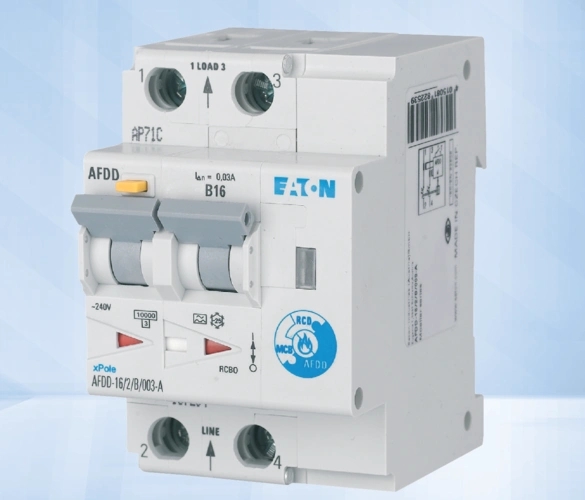
Key safety benefits for home fire prevention
Arc detector breakers (AFCI / AFDD) are one of the most effective home fire prevention devices you can install today. Instead of waiting for a wire to short out or a breaker to overload they:
Detect dangerous arcing in wiring and outlets before it turns into a fire.
Shut power off fast usually in a fraction of a second.
Add protection that standard breakers and fuses simply don’t offer.
In a typical U.S. home that’s a big deal: most electrical fires start quietly inside walls long before a smoke alarm ever sounds.
Quick view of what they add:
| Device Type | What It Protects From |
|---|---|
| Standard breaker | Overload short circuits |
| GFCI | Shock from ground faults |
| Arc detector breaker AFCI | Arc faults that can start hidden fires |
Peace of mind vs smoke alarms and standard breakers
I don’t like relying on “last line” protection if I don’t have to. Smoke alarms are critical but they only react once a fire is already underway. Standard breakers only react when current is too high. Arc detector breakers step in earlier:
They listen for “bad” electrical patterns not just high current.
They cut power before wires overheat enough to ignite.
They help you sleep better knowing hidden wiring faults are being watched 24/7.
Think of smoke alarms as your “fire is already happening” protection. Arc detector breakers are your “let’s not let this become a fire in the first place” protection.
Insurance and resale value benefits
In many U.S. markets having modern arc fault protection is starting to look less like a luxury and more like a selling point:
Home buyers and inspectors like seeing AFCI protection in key living areas.
Some insurers look favorably on updated electrical safety especially in older homes.
A clean modern panel with AFCI and GFCI protection can make your home stand out in a tight market.
You’re not just buying a breaker—you’re upgrading the safety story of your house.
Protecting older wiring and extension cords
A lot of U.S. homes still use:
Old 2-prong outlets
Aging NM cable in the walls
Long extension cords and power strips for space heaters window ACs or gaming setups
That’s exactly where arc detector breakers shine:
Loose connections and brittle insulation are more likely to arc.
Extension cords run under rugs or behind furniture can be damaged and start arcing.
AFCI breakers catch that arcing before it cooks the wire and starts a fire.
If you’ve got older wiring but aren’t ready for a full rewire upgrading to arc detector breakers is a smart “bridge” solution to protect what you already have.
Fitting into a safer smarter home electrical system
Arc detector breakers fit perfectly into a modern layered safety setup:
AFCI for arc faults (fire prevention)
GFCI for shock protection (bathrooms kitchens outdoors)
Standard overload/short-circuit protection in the same breaker
Optional smart breakers for app alerts energy tracking and remote monitoring
As smart home tech grows manufacturers are already building more advanced AFDD and smart breaker solutions that tie into your panel much like advanced switchgear earthing and protection systems do on the utility side. For a U.S. homeowner that means:
Fewer surprises from hidden wiring issues
Better protection for your family and your property
A safer foundation for all the electronics we keep adding to our homes
Future of Arc Detection and Smart Breakers
The future of arc detector breakers , AFCI breakers and AFDD technology is all about smarter detection better accuracy and tighter integration with the smart home gear people in the U.S. are already using.
Smarter AFDD & AFCI Technology
Arc fault circuit interrupter (AFCI) and arc fault detection device (AFDD) tech is moving from “basic protection” to “intelligent protection.” Next‑gen devices use improved sensors and faster processors to:
Track electrical waveforms in much finer detail
Distinguish series arc faults parallel arcs and normal switching noise more accurately
React faster to dangerous arcs while ignoring harmless events like motor starts or light dimming
The goal is simple: better fire prevention with fewer nuisance trips.
AI‑Style Algorithms for Better Accuracy
Manufacturers are already rolling out AFCI and AFDD breakers that use AI‑style algorithms to analyze current patterns in real time. Instead of relying on just fixed thresholds these devices:
“Learn” the difference between normal appliance behavior and true arc faults
Reduce nuisance tripping from vacuums treadmills or LED drivers
Improve reliability in homes with lots of electronics chargers and smart devices
As this tech matures you can expect more self‑adjusting self‑diagnosing breakers that quietly keep watch in the background.
Smart Home Integration and Monitoring
Smart breakers are also becoming part of the connected home. Newer arc detector breakers and smart panels can:
Send instant alerts to your phone when a breaker trips
Show which circuit tripped and why (overload short circuit arc fault ground fault)
Log events so you or your electrician can troubleshoot more easily
Tie into whole‑home energy monitoring and load management systems
If you’re already using smart thermostats cameras or connected security smart arc detection fits right into that same ecosystem and gives you better visibility into what’s happening behind your walls.
What to Look For in Next‑Gen Arc Detector Breakers
When you’re planning for long‑term residential electrical safety in the U.S. market here’s what I’d look for in next‑gen AFCI/AFDD and smart breakers:
Combined protection: AFCI + GFCI + overload + short‑circuit protection in one device
Low nuisance trip rate: Proven performance with modern electronics and motor loads
App integration: Clear trip codes , alerts and circuit labeling in a mobile app
Diagnostic features: Event logs self‑test functions and easy status indicators
Code compatibility: Fully compliant with current NEC arc fault requirements and ready for future updates
Scalability: Works in a standard panel today but can also tie into smart panels and larger systems later
As part of a modern safer electrical system these smart arc detection devices will sit alongside other critical gear like high‑voltage insulators and disconnect solutions (for example the kind of composite pin insulators used in higher‑voltage distribution) giving you a more complete protection strategy from utility feed down to the outlet.
If you’re upgrading a panel building new or planning a long‑term remodel it makes sense to choose arc detector breakers that aren’t just code‑legal today but smart enough to protect your home for the next 20+ years.