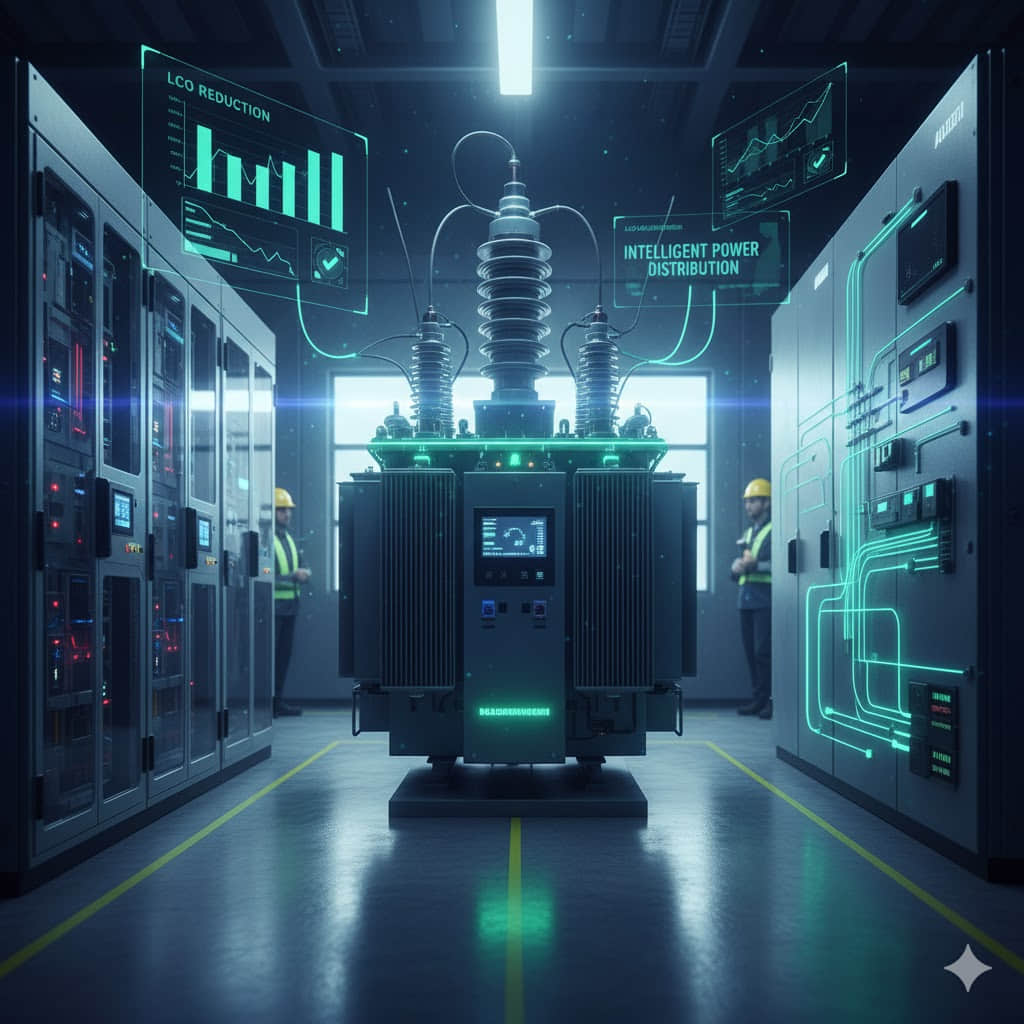
Introduction: A Transformative Era for Power Distribution
As an electrical engineer with hands-on experience in industrial power systems, I’ve seen how traditional distribution equipment is being challenged by modern demands. Transformers, switchgear, circuit breakers, and surge protectors are no longer passive devices; they are evolving into software-driven intelligent systems.
Europe’s aging grids, the increasing penetration of renewable energy, and the explosive demand for electricity from AI-driven data centers make this transformation critical. Ignoring this shift could lead to operational inefficiencies, higher maintenance costs, and potential reliability risks.
Key Takeaways
Power systems are rapidly transitioning from hardware-only devices to software-integrated intelligence
Smart transformers, switchgear, circuit breakers, and surge protectors now include sensing, analytics, and remote control capabilities
Europe’s grid modernization and renewable integration are driving demand for intelligent equipment
Chinese manufacturers provide both production capacity and expertise in software-enabled devices
Cybersecurity, international standards, and vendor reliability are critical considerations
Challenges of Traditional Distribution Equipment
| Equipment Type | Traditional Limitations | Potential Risks |
|---|---|---|
| Transformer | Lacks real-time monitoring | Overload and temperature anomalies go undetected |
| Circuit Breaker | Manual operation or basic automation | Slow fault recovery, high downtime risk |
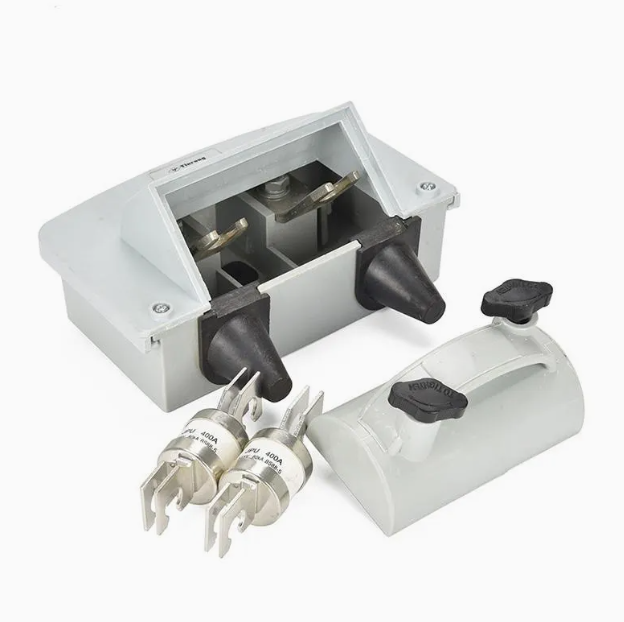
| Switchgear | Isolated operation | Limited integration with SCADA and remote control |
| Surge Protector | Passive protection | Aging may reduce effectiveness and compromise safety |
Note: Traditional devices are mechanically reliable but lack real-time visibility and intelligent fault response, which are critical for modern grids.
Market Drivers for Intelligent Power Equipment
Renewable Energy Integration: The variability of wind and solar power demands adaptive voltage regulation and real-time reactive power management.
High-Tech Load Growth: AI-powered data centers and cloud computing infrastructure require an ultra-reliable power supply with predictive maintenance.
Digital Grid Strategy: European Union Smart Grid Task Force and the U.S. Grid Modernization Initiative emphasize data-driven monitoring and control.
IoT and AI Advancement: Low-cost sensors, standardized communication protocols, and AI analytics allow predictive and prescriptive operational control.
Tip: The backbone of intelligent equipment is a combination of sensor data collection, software analysis, and networked control.
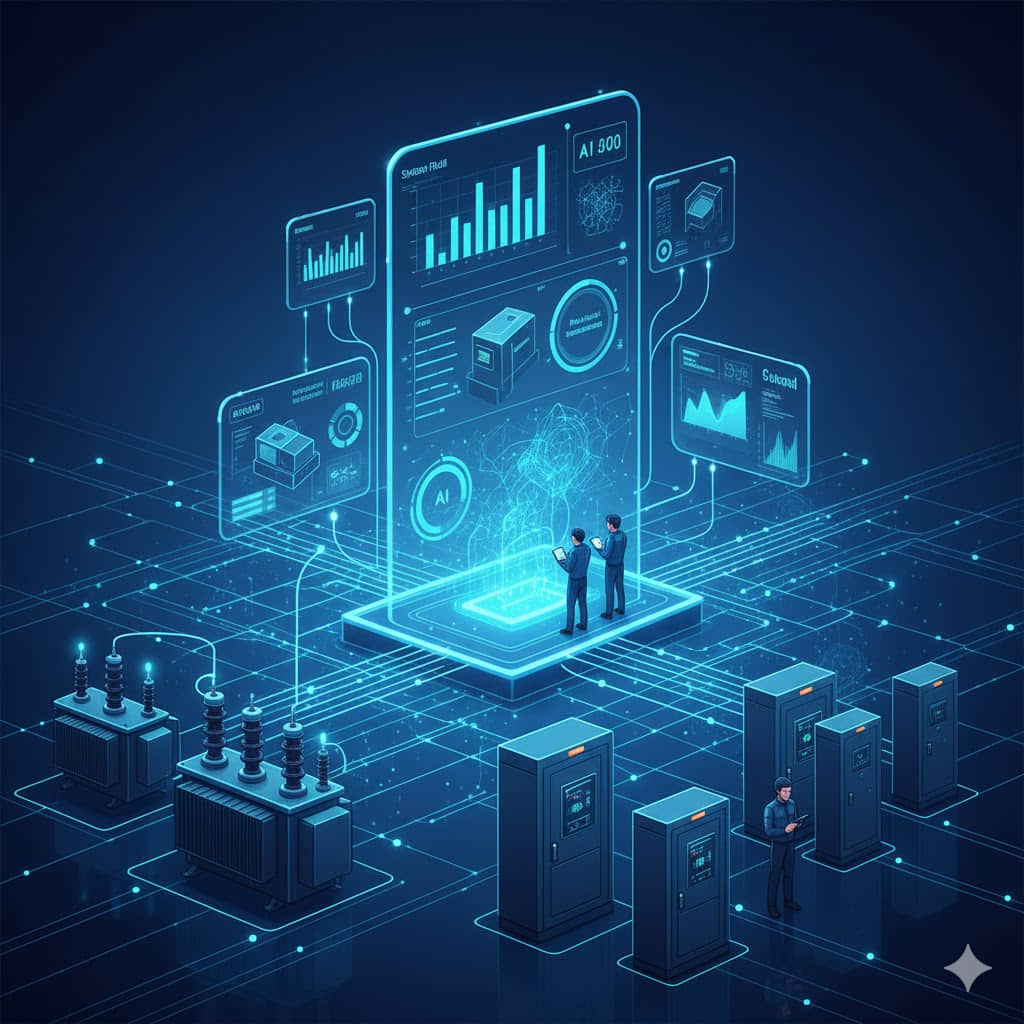
Software-Driven Transformation of Key Distribution Equipment
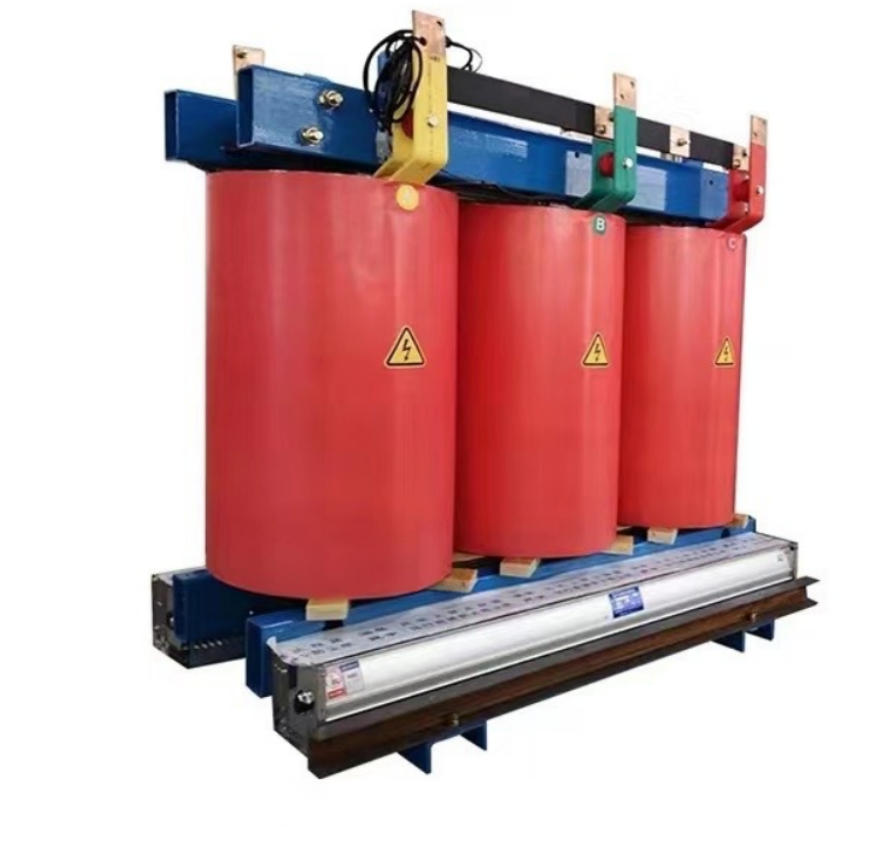
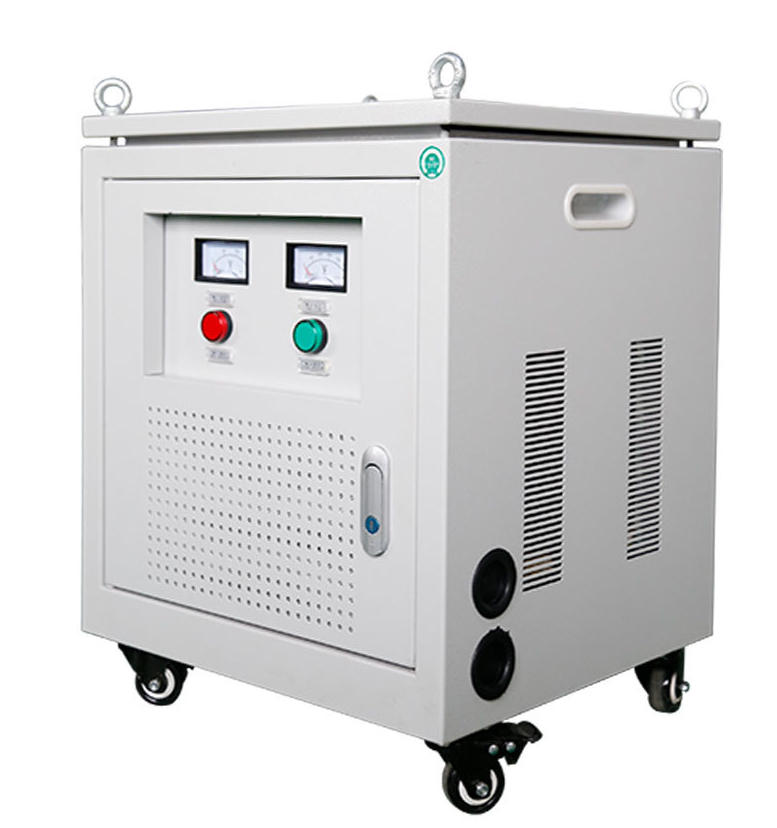
Smart Transformers
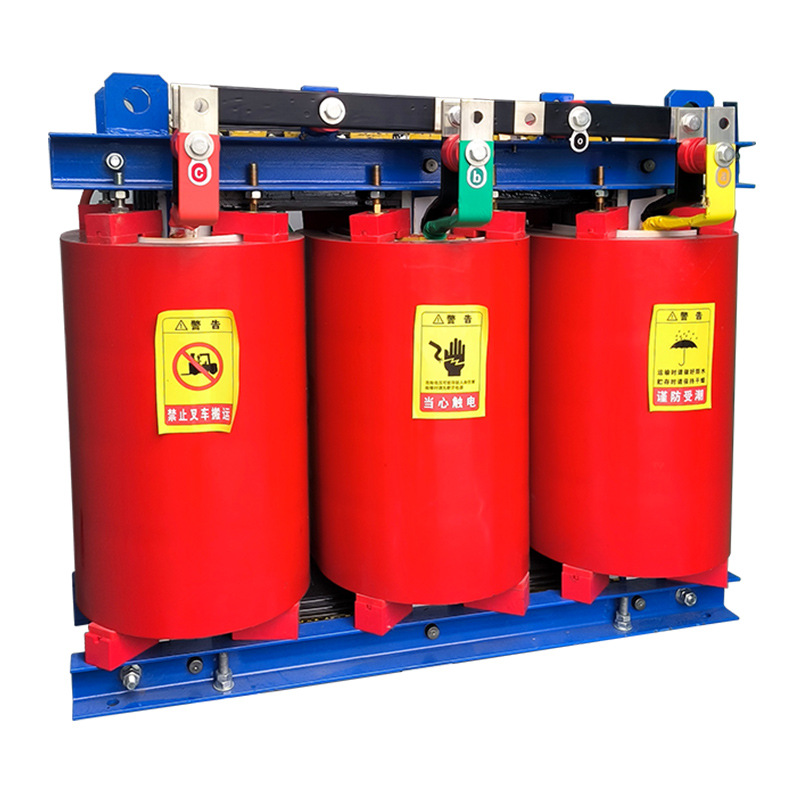
Monitoring & Analytics: Sensors continuously collect temperature, voltage, current, load, and oil level data. Software analyzes this to detect anomalies.
Automatic Tap Changers: Electronic tap changers adjust transformer ratios in real-time to stabilize output voltage.
Predictive Maintenance: Early alerts allow preventive actions, reducing downtime and extending equipment life.
IoT Connectivity: Cloud integration enables remote monitoring and operational adjustments from anywhere.
| Feature | Description |
|---|---|
| Data Acquisition | Real-time capture of temperature, load, voltage, and current |
| Automatic Tap Changing | Dynamic ratio adjustment via software-controlled tap changers |
| Predictive Maintenance | Predicts potential failures and alerts operators |
| IoT Integration | Remote monitoring and cloud platform compatibility |
Tip: Smart transformers are not just passive assets; they are self-aware, self-regulating components of the grid.
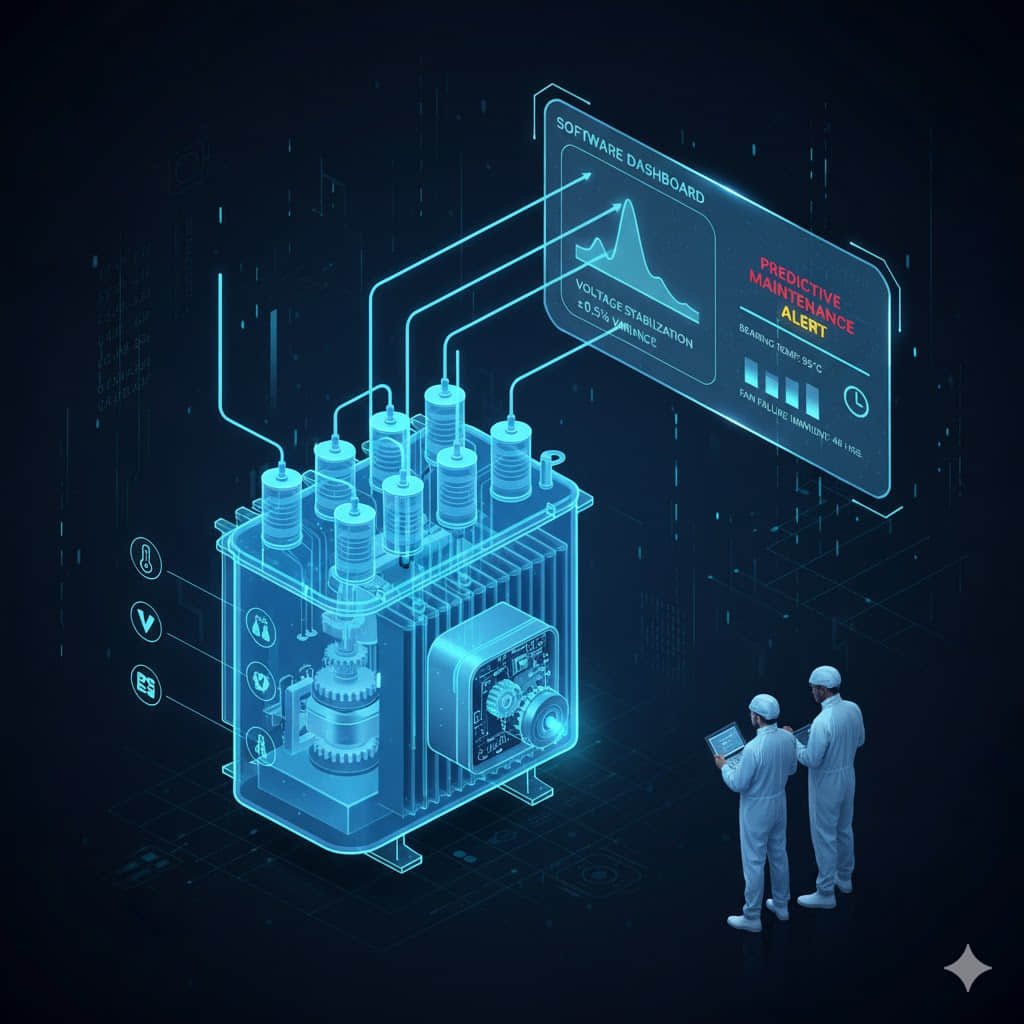
Case Example: In Germany, Siemens deployed smart transformers with embedded sensors in the Baden-Württemberg grid, resulting in a 23% reduction in unexpected outages over two years (Siemens Smart Grid Report, 2022).
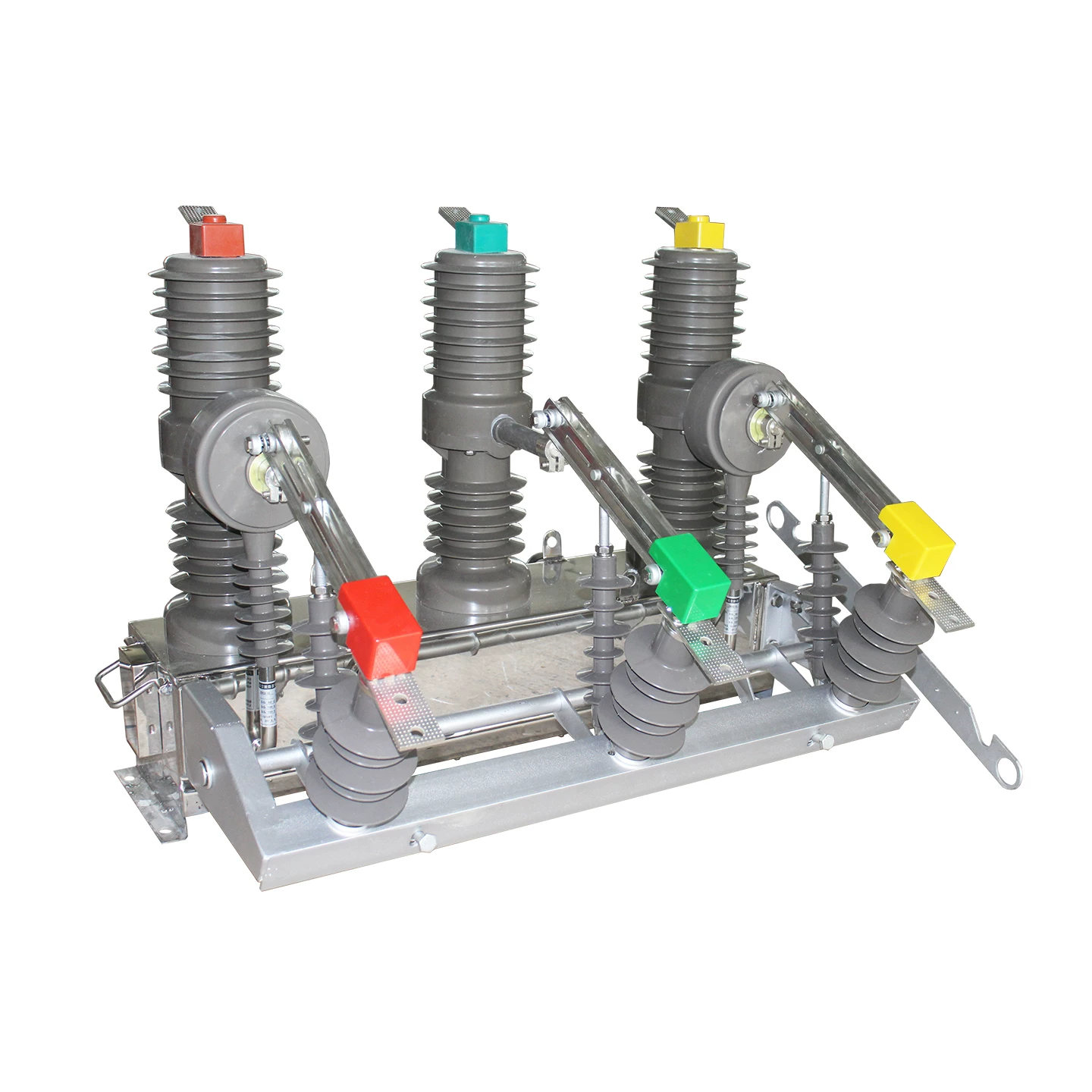
Intelligent Switchgear and Circuit Breakers
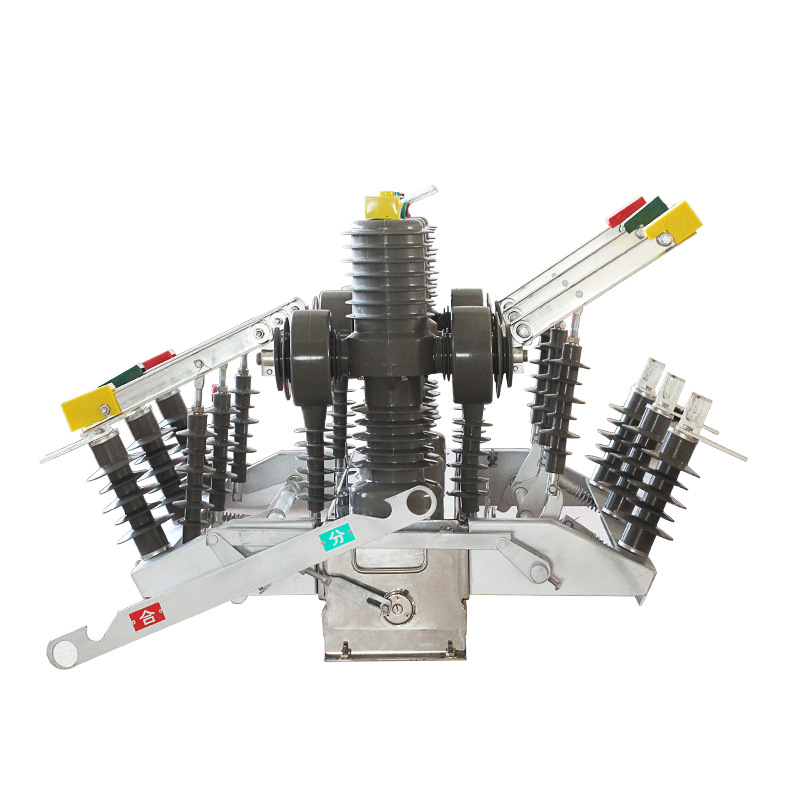
Automatic Reclosing: Quickly restores power after transient faults, minimizing downtime.
Condition Monitoring & Diagnostics: Software tracks mechanical and electrical parameters to predict failures.
Remote Control & Cloud Integration: Operators manage multiple substations from a centralized SCADA platform.
Modular & Scalable: Easily adapt to growing loads and integration with renewable energy sources.
| Equipment | Software Functions | Typical Applications |
|---|---|---|
| Circuit Breaker | Condition monitoring, automatic reclosing, fault analytics | Industrial parks, medium-voltage networks |
| Switchgear | Remote control, alarms, data collection | Data centers, distributed energy integration |
Case Study:
ABB’s VD4 Digital Circuit Breakers: Provide arc statistics, insulation monitoring, and predictive diagnostics.
Wei Shoe Electric GN Series Switchgear: Seamless SCADA integration enabling real-time monitoring and automated maintenance scheduling.
Video Placement: Smart Transformer / Intelligent Switchgear section
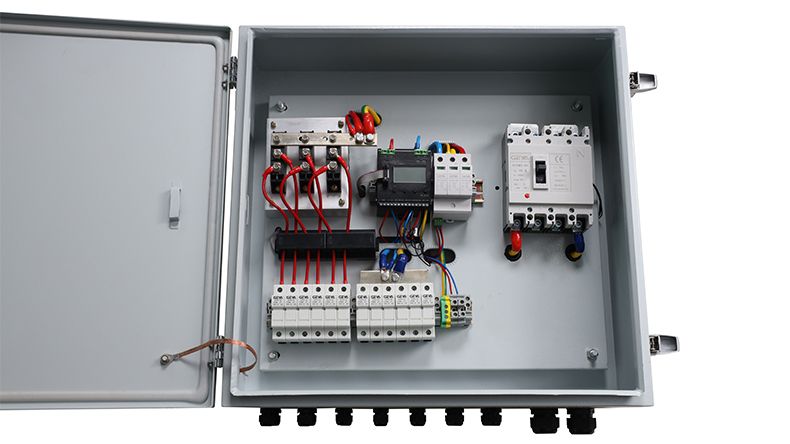
Smart Surge Protectors
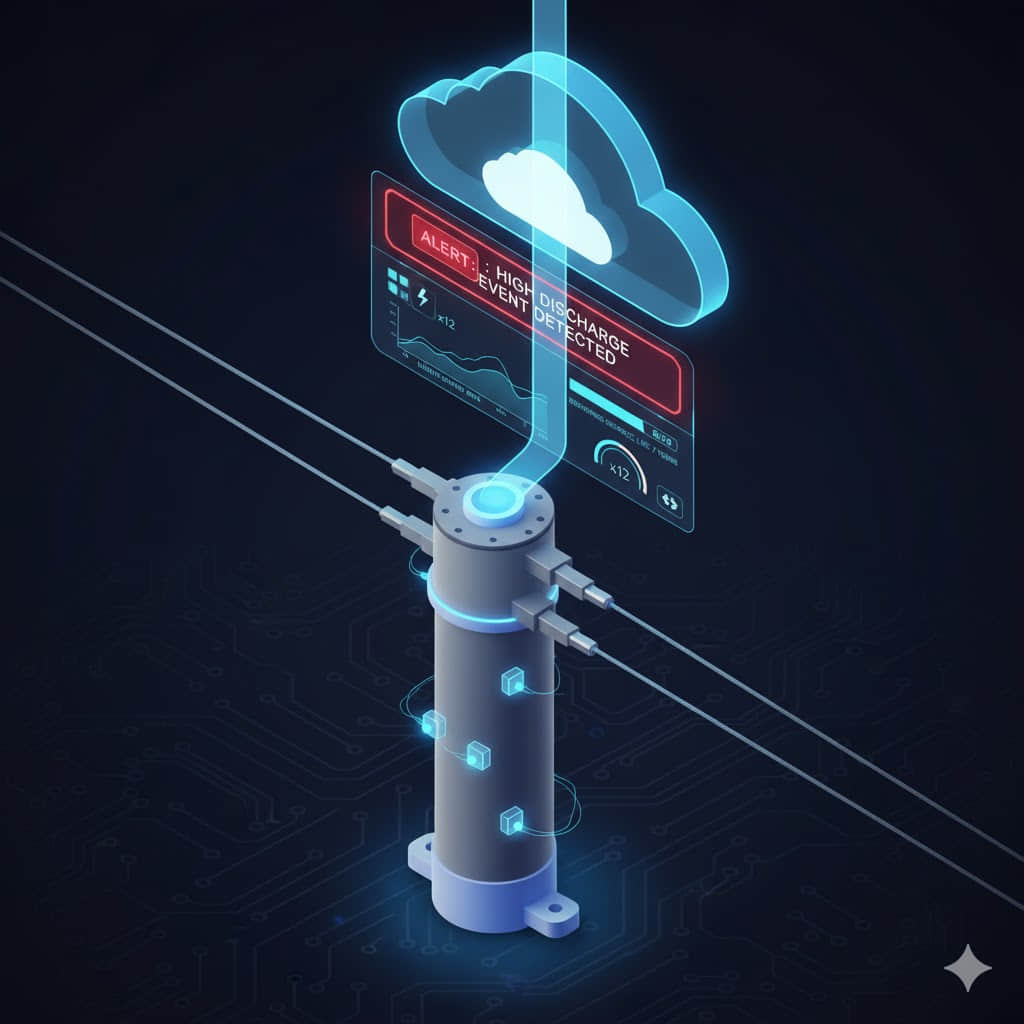
Discharge Event Monitoring: Tracks frequency and energy of lightning strikes or transient surges.
Aging Assessment: Software predicts remaining service life and schedules maintenance.
Remote Reporting: Data feeds into management dashboards for real-time assessment.
| Feature | Description |
|---|---|
| Discharge Monitoring | Records lightning events and energy levels |
| Aging Analysis | Predicts remaining life for proactive replacement |
| Remote Monitoring | Dashboard integration for real-time condition reporting |
Case Study: Schneider Electric’s Smart SPD modules offer remote alerts and lifetime analytics, enabling industrial clients to prevent costly failures.
Emerging Trends and Technical Challenges
Software Integration is Irreversible: Sensors, analytics, and remote control are becoming standard.
Cybersecurity Risks: Smart devices must be encrypted, regularly patched, and audited for malware risks.
Compliance & Certification: IEC 61850, GB/T 39022, UL, and CE certifications are essential for international deployment.
Integration & Vendor Capabilities: Chinese manufacturers excel in both mass production and system-level integration for smart grids.
Data-Driven Optimization: AI analytics can identify energy loss points, forecast load, and optimize maintenance schedules.
Tip: Intelligence improves efficiency and reliability, but security, standards, and integration capability determine the real-world success of deployments.
Expanded Frequently Asked Questions
• Q1: Are smart devices vulnerable to cyberattacks?
A: Yes, but strong encryption, firewalls, regular updates, and vendor security audits mitigate risks effectively.
• Q2: How reliable is remote monitoring and IoT integration?
A: Protocols like IEC 61850, Modbus, and MQTT are proven. Redundant systems ensure operational continuity.
• Q3: Are smart transformers cost-prohibitive?
A: Initial costs are slightly higher, but reduced downtime, predictive maintenance, and efficiency gains usually recoup costs within 3–5 years.
• Q4: Do software updates require power shutdowns?
A: Most modern systems support online upgrades with minimal operational disruption.
• Q5: Are smart devices internationally certified?
A: Yes. IEC 61850, GB/T 39022, UL, and CE certifications ensure global compliance.
• Q6: Can existing grids be retrofitted with smart devices?
A: Yes. Modular devices like GN Series switchgear allow phased upgrades without full system replacement.
• Q7: How to ensure software reliability in smart equipment?
A: Regular vendor audits, secure coding practices, and professional maintenance teams are essential.
• Q8: Will intelligent surge protectors reduce downtime?
A: Yes. Remote alerts and real-time condition monitoring prevent failures and allow preemptive replacements.
Conclusion & Professional Services CTA
Software-driven intelligence is redefining power distribution. Predictive maintenance, automated control, and IoT connectivity make transformers, switchgear, circuit breakers, and surge protectors smarter, safer, and more reliable.
For engineers, EPC contractors, and procurement professionals, selecting vendors that provide certified, secure, and intelligent solutions is key to future-proofing their projects.
If you are looking for end-to-end smart distribution solutions, technical consulting, or on-site commissioning support, contact me:
Phone: +86-0577-62788197
WhatsApp: +86 159 5777 0984
Email: [email protected]