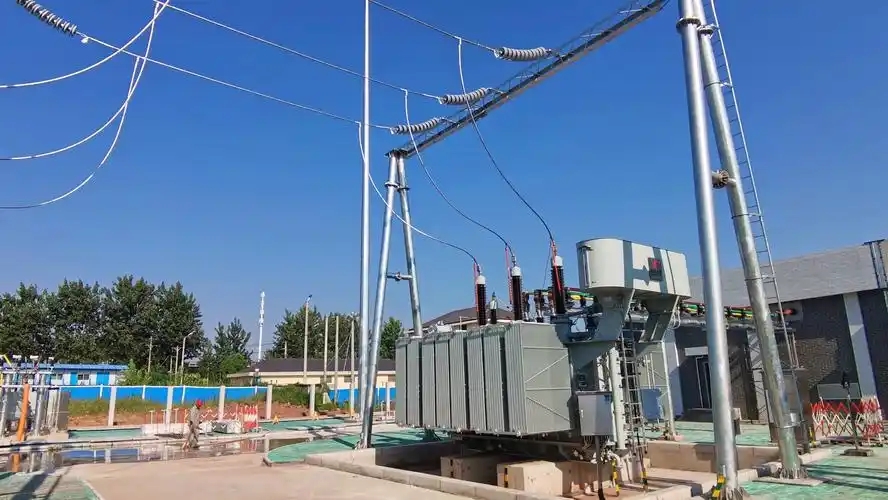
Hey there! I'm Thor from Wei Shoe Elec, a seasoned electrical engineer with 12 years of hands-on experience in high-voltage substation design, construction, and meticulous cost optimization. My expertise isn't just theoretical. It's forged in the field, managing projects from initial site assessments and intricate electrical schematics to efficient equipment procurement and seamless project execution for 11kV substations worldwide.
Navigating the complexities of 11kV substation design and construction costs can feel overwhelming. It's far more than just buying equipment. It demands precise planning, unwavering adherence to stringent safety standards, and adept management of countless variables that directly shape your budget.
A thoughtfully designed substation is a cornerstone investment, absolutely vital for dependable power distribution.
This definitive guide aims to demystify the core design phases, meticulously break down major cost components, and unveil those often-overlooked factors that quietly inflate your project's bottom line.
Crucially, I'll reveal how Wei Shoe Elec leverages its global expertise, robust supply chain, and integrated solutions to help clients achieve peak performance while rigorously controlling costs. We ensure your investment yields maximum long-term value. Let's dive in!
I. Understanding 11kV Substations: Key Design Phases
A successful 11kV substation project unfolds through a structured, multi-phase approach. Each phase demands specialized expertise and contributes significantly to the overall cost and ultimate success of the endeavor.
At Wei Shoe Elec, we meticulously guide our clients through every step, ensuring strict adherence to global and national standards like IEC 62271-202 (Prefabricated high-voltage/low-voltage substation) and GB/T 17467-2010 (Box-type substation general specifications). Our adherence to these benchmarks underscores our commitment to quality and safety.
1. Feasibility Study & Site Selection
This foundational phase is paramount.
It involves:
Load Demand Assessment: A precise analysis of current and projected power requirements.
Grid Interconnection Analysis: Detailing how the new substation will seamlessly integrate with the existing power grid.
Site Evaluation: A thorough assessment of land availability, accessibility, critical geological conditions, and potential environmental impacts. This stage significantly shapes civil works and land acquisition costs.
Regulatory Compliance: Navigating local zoning laws, environmental regulations, and utility interconnection prerequisites.
2. Detailed Design & Engineering
Once feasibility is confirmed, our engineers translate project requirements into comprehensive plans.
This includes:
Single Line Diagrams (SLD): Essential for a clear visualization of the entire electrical system.
Layout and Equipment Placement: Optimizing spatial efficiency and operational flow.
Protection Schemes: Designing robust relays and circuit breakers for rapid fault detection and isolation.
Civil, Structural & Architectural Design: Including foundations, control buildings, perimeter fencing, and drainage systems.
Auxiliary Systems: Such as lighting, HVAC, fire protection, and communication infrastructure.
Compliance Review: Ensuring all designs rigorously meet relevant industry standards, local codes, and international best practices in electrical engineering. Our designs prioritize safety, efficiency, and long-term durability.
3. Equipment Procurement
This phase involves sourcing all necessary, high-quality components.
Key considerations include:
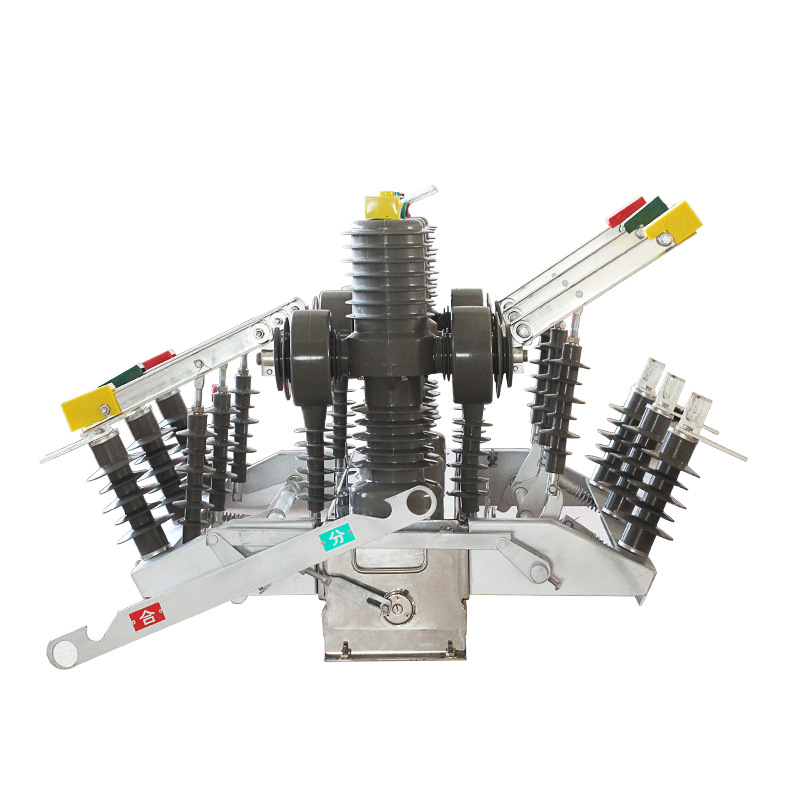
Main Equipment: Power Transformers, 11kV Switchgear (HV and LV), Circuit Breakers, Disconnectors, and Instrument Transformers.
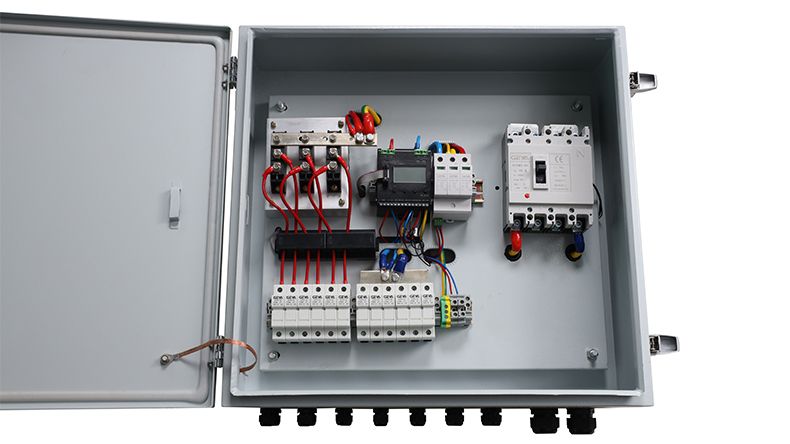
Auxiliary Equipment: Control panels, protection relays, battery banks, chargers, and essential earthing materials.
Quality and Reliability: Sourcing exclusively from reputable manufacturers that consistently meet or exceed international quality and performance standards.
Strategic Supply Chain Management: Efficient logistics and punctual delivery are non-negotiable to prevent costly project delays. Wei Shoe Elec leverages its extensive, globally established supply chain to ensure not only competitive pricing but also unwavering reliability in component delivery.
4. Construction & Installation
This is where the substation design physically takes shape.
This phase covers:
Site Preparation: Comprehensive earthworks, precise grading, and robust foundation laying.
Civil Works: Construction of vital control buildings, sturdy equipment pads, necessary trenches, and secure perimeter fencing.
Equipment Installation: Mechanical assembly and meticulous electrical wiring of all components.
Rigorous Safety Protocols: Strict adherence to international safety standards throughout all construction activities, prioritizing the well-being of all personnel.
5. Testing & Commissioning
Before the substation goes live, rigorous and multi-layered testing is mandatory to guarantee everything functions precisely as designed and safely.
Individual Component Testing: Verifying each piece of equipment meets its exact specifications.
System Integration Testing: Ensuring all components work together seamlessly and efficiently as a unified system.
Protection Scheme Testing: Verifying that relays and circuit breakers operate with precision under simulated fault conditions.
Energization: Bringing the substation online safely, efficiently, and in full compliance with operational protocols.
II. Decoding 11kV Substation Design & Construction Costs
A precise understanding of the cost breakdown is paramount for effective budget management. The total cost of an 11kV substation can fluctuate significantly, typically ranging from USD $250,000 to well over $1.5 million. This is influenced heavily by its scale, geographical location, inherent complexity, and specific client requirements.
1. Major Cost Components
The overall project cost can be methodically categorized into several key areas:
Land Acquisition & Civil Works (Typically 15-30% of total cost):
Land Purchase/Lease: Highly variable, contingent on location (e.g., urban vs. rural), required footprint, and local real estate market dynamics.
Site Preparation: Comprehensive earthworks, precise grading, advanced soil stabilization techniques, and efficient drainage systems.
Foundations: Robust reinforced concrete foundations are essential for transformers, switchgear, and control buildings.
Buildings: Construction of control rooms, dedicated switchgear buildings, and other crucial auxiliary structures.
Fencing & Security: Secure perimeter fencing, access gates, and potentially advanced CCTV surveillance systems.
Main Equipment Cost (Typically 35-55% of total cost):
This segment invariably represents the largest single cost driver.
Power Transformer: The central element; its cost is determined by capacity (kVA/MVA), voltage rating, cooling methodology (e.g., ONAN, ONAF), and specific technical specifications.
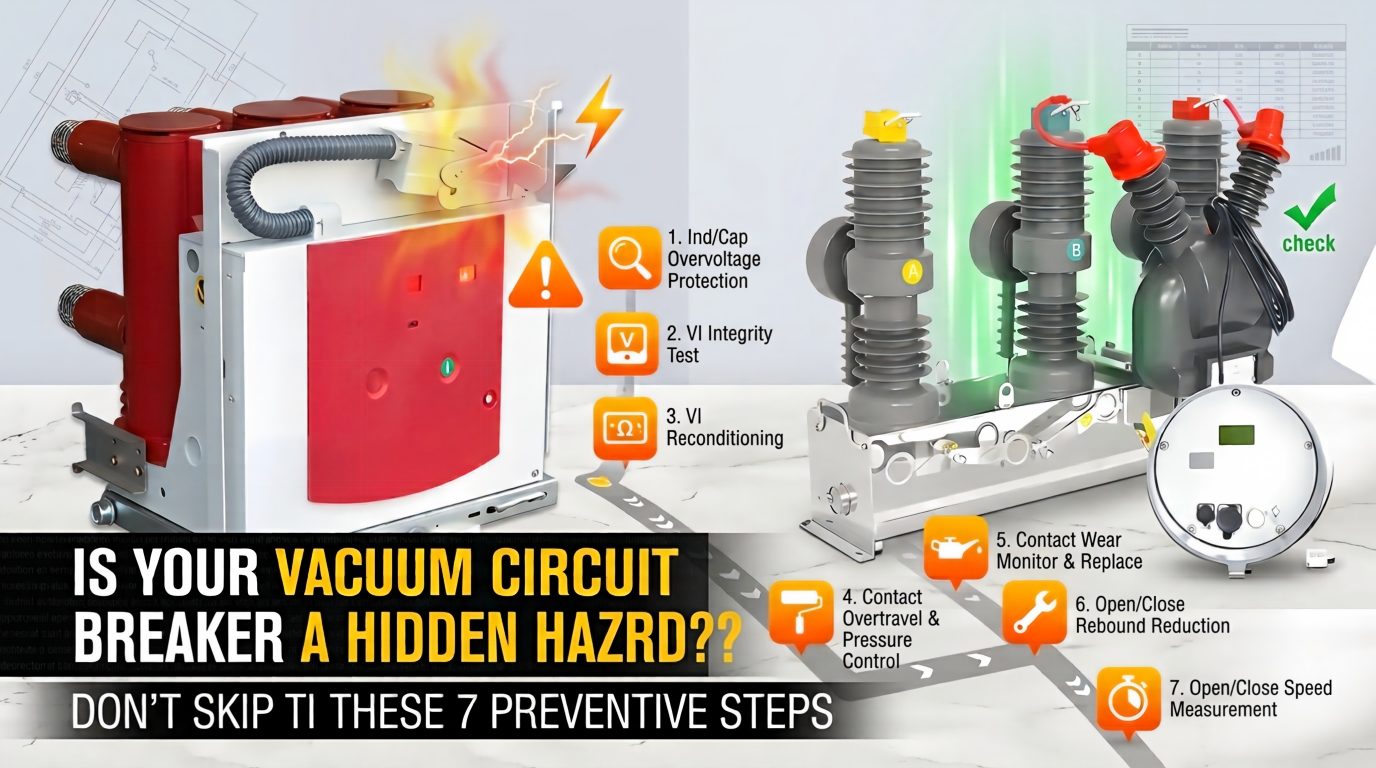
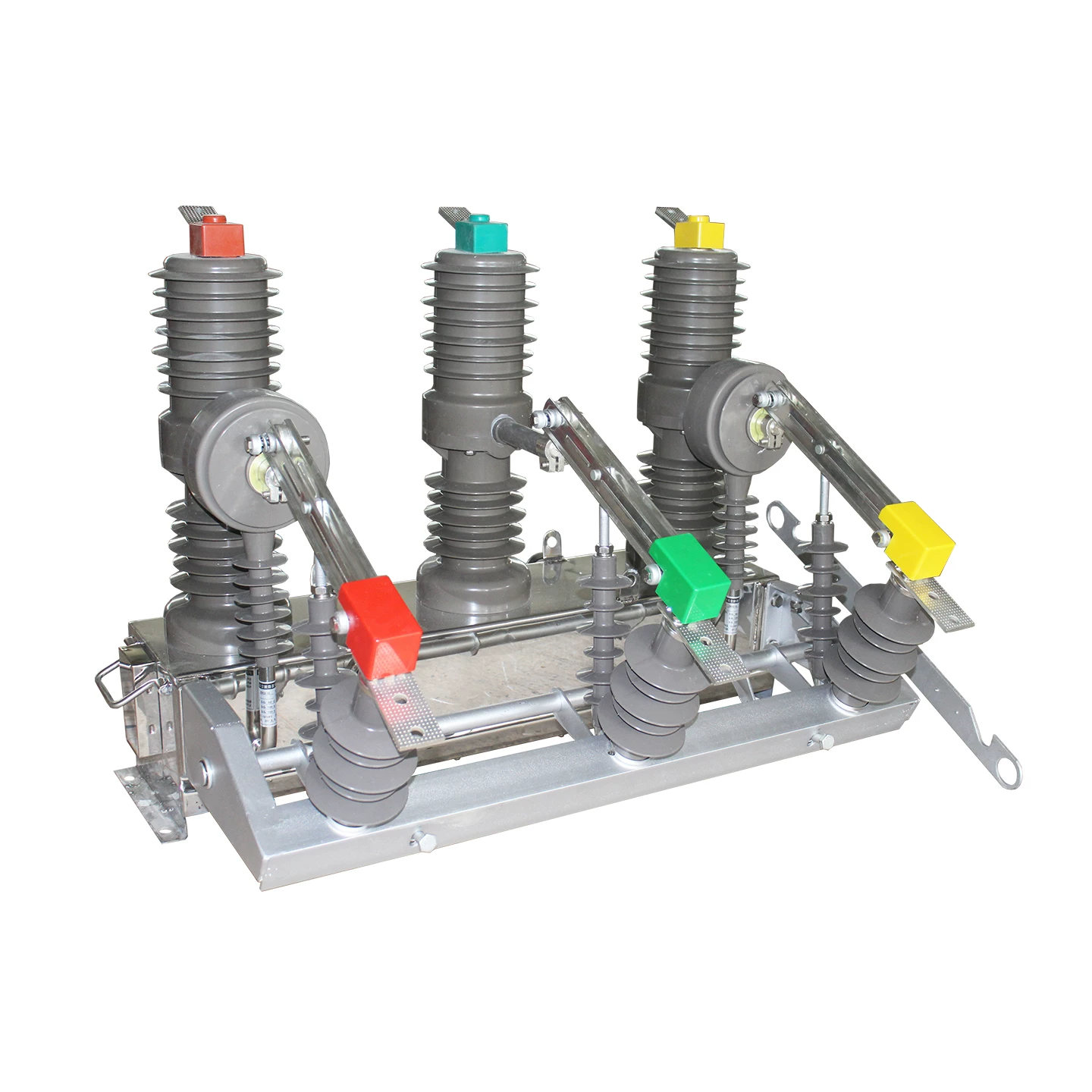
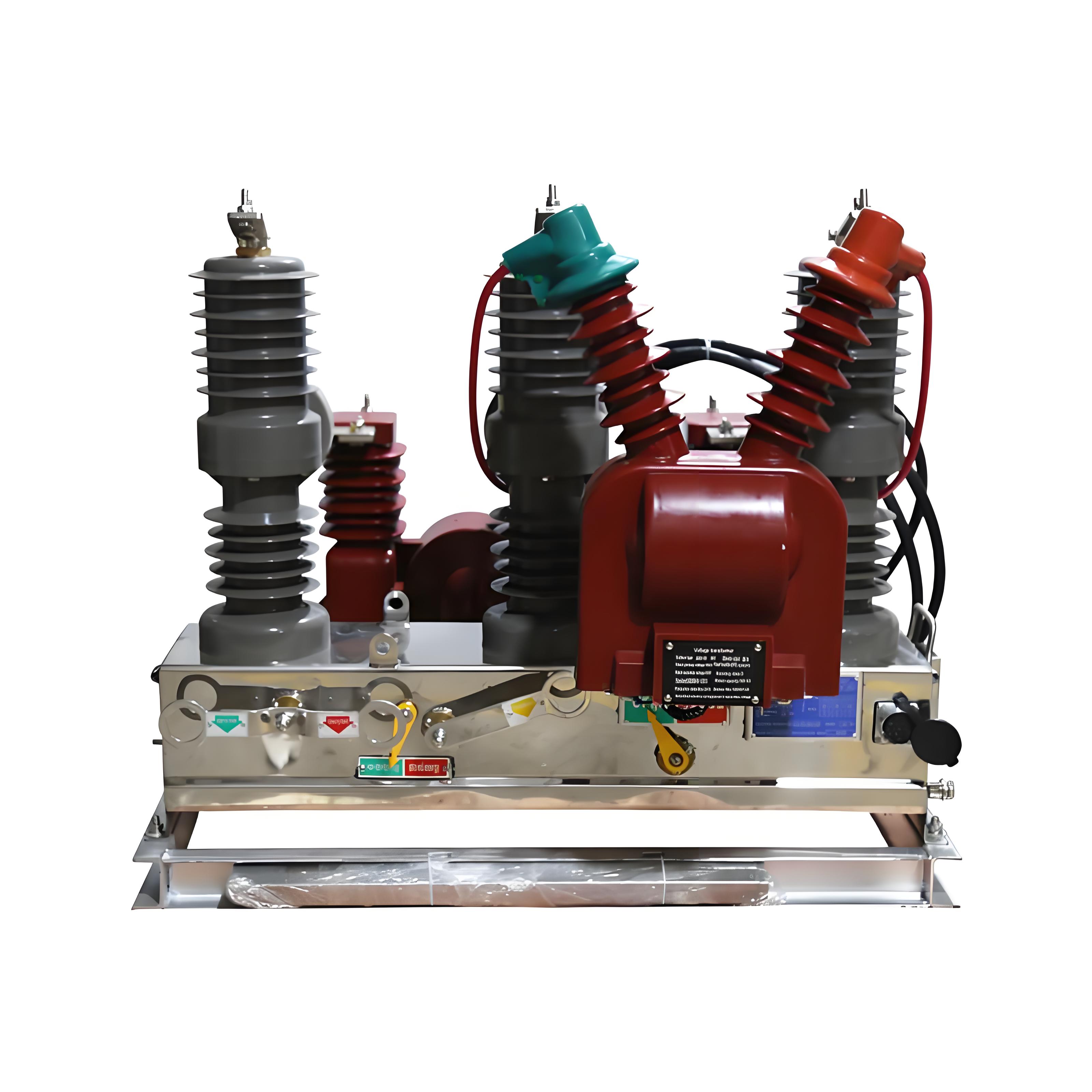
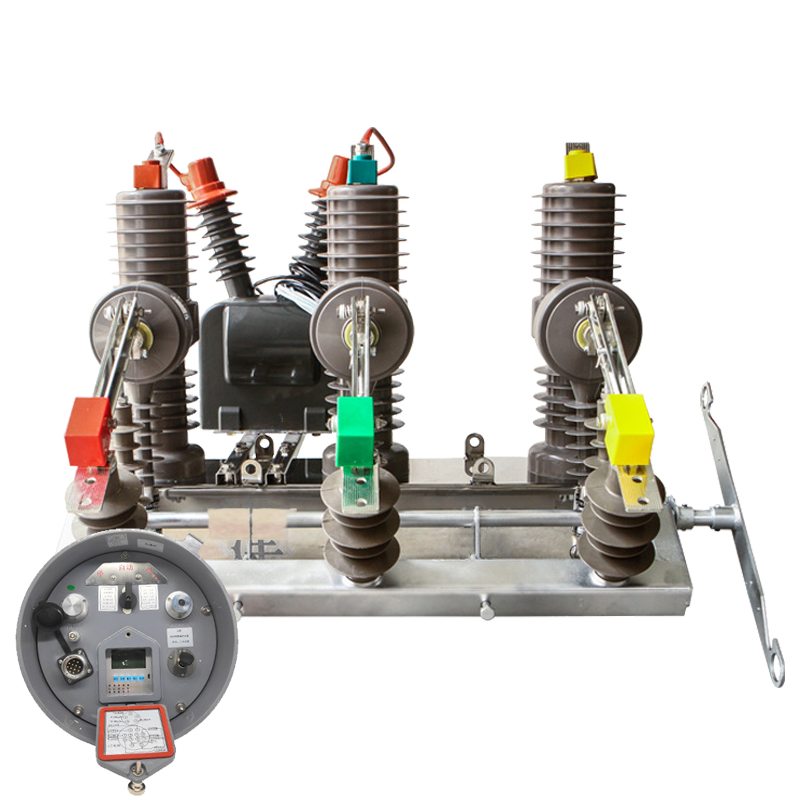
11kV Switchgear (HV Switchgear): Encompasses vital components like circuit breakers (e.g., Vacuum Circuit Breakers - VCB), disconnectors, earthing switches, and busbars. Costs vary based on type (indoor/outdoor, air-insulated, gas-insulated) and required short-circuit ratings.
Low Voltage (LV) Switchgear: Essential for local load distribution and internal auxiliary power requirements.
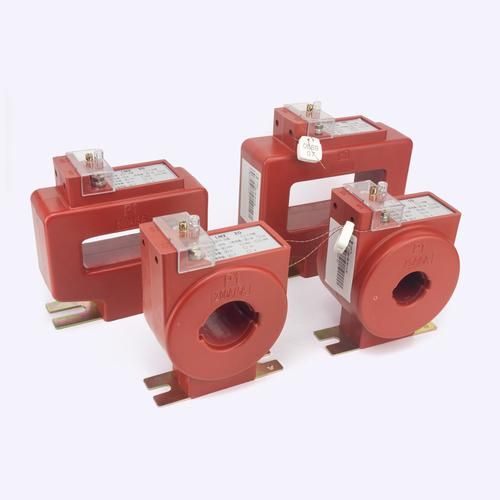
Instrument Transformers (CTs & PTs): Current Transformers and Potential Transformers, critical for accurate metering and reliable protection.
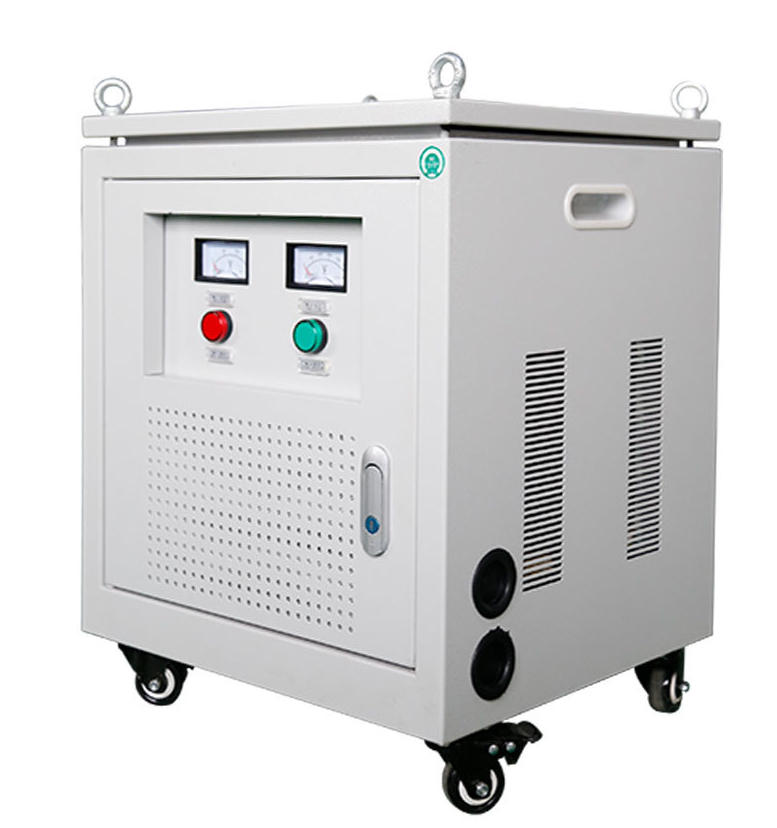
Auxiliary Transformers: Dedicated transformers for the substation's own power needs.
Installation & Commissioning (Typically 10-20% of total cost):
Transportation: Shipping costs for equipment from the manufacturer to the project site. This can be substantial, especially for oversized components like large power transformers.
Erection & Assembly: Labor costs associated with the physical installation and meticulous assembly of all equipment.
Cabling & Wiring: The cost of both power and control cables, alongside their expert installation.
Earthing System: The intricate design and precise installation of the substation's grounding grid.
Testing & Commissioning: Highly specialized engineers performing rigorous pre-energization tests, comprehensive functional checks, and precise protection relay calibrations.
Project Management & Engineering Consulting (Typically 5-15% of total cost):
Includes fees for feasibility studies, detailed design, meticulous project planning, critical scheduling, proactive risk management, and diligent site supervision. Experienced consultants can provide invaluable insights, leading to optimized designs and effective risk mitigation, ultimately yielding significant overall savings.
Miscellaneous & Contingency (Typically 5-10% of total cost):
Covers essential permits, necessary licenses, insurance, temporary site facilities, and a crucial contingency fund to absorb unforeseen issues or scope change.

Quick Cost Estimator & Considerations
While a precise quote requires detailed project specifics, here's a general framework for common 11kV substation scenarios to help you with preliminary budgeting.
Small (1-2.5 MVA, Compact/Modular): USD 250,000 - $500,000
Often suitable for small industrial parks or commercial buildings.
Lower civil works due to prefabrication.
Medium (5-10 MVA, Mixed Indoor/Outdoor): USD 500,000 - $1,000,000
Typical for medium-sized factories or urban distribution points.
Balances equipment sophistication with installation complexity.
Large (15-30 MVA+, Conventional AIS/GIS): USD $1,000,000 - $1,500,000+
Suited for large industrial complexes, renewable energy integration, or utility-scale distribution.
Higher land and civil works costs often apply.
Note: These figures are indicative and based on general industry averages as of early 2025. Actual costs will vary significantly based on your specific needs, location, material market fluctuations, and selected technology.
III. Key Factors Influencing Substation Design & Cost
Numerous variables exert a significant influence over the final budget for your 11kV substation project:
Substation Type & Configuration:
Indoor vs. Outdoor: Indoor substations (often Gas Insulated Switchgear (GIS) or highly compact designs) might entail higher building costs but offer superior equipment protection and a reduced land footprint. Outdoor substations (Air Insulated Switchgear - AIS) generally require more land.
Conventional (AIS) vs. Compact/Containerized/Modular: Modular designs, such as Wei Shoe Elec's advanced compact substations, can dramatically reduce on-site civil works and installation time. This often translates to lower overall project costs, despite potentially higher individual unit equipment prices, due to significant savings in labor and expedited project completion.
Capacity (MVA/kVA): Unsurprisingly, transformers and switchgear of higher capacity inherently command higher costs.
Voltage Level & Components: While this guide focuses on 11kV, the specific voltage levels of connected upstream and downstream networks directly influence insulation requirements, equipment ratings, and overall system complexity.
Site Conditions:
Geology: Challenging terrain like rocky ground or unstable soil mandates extensive and often costly civil engineering and foundation work.
Accessibility: Remote or difficult-to-access sites invariably increase transportation and specialized labor costs.
Environmental Factors: Regions with harsh weather, seismic activity, or corrosive atmospheres necessitate the use of specialized, more robust equipment and enhanced protective measures, adding to the expense.
Protection & Automation Level: The sophistication of integrated protection relays, SCADA (Supervisory Control and Data Acquisition) systems, and advanced automation features directly impact the control system's cost, but offers enhanced reliability and remote management capabilities.
Regulatory & Environmental Requirements: Stricter local codes, rigorous environmental impact assessments, or specific utility grid connection standards can add considerably to design, mitigation, and approval costs.
Project Schedule: Expedited project timelines almost always incur higher costs due to overtime labor, premium equipment sourcing, and accelerated logistics.
IV. Common Risks & Mitigation Strategies in Substation Projects
Substation projects, by their very nature, carry inherent risks that can impact both budget and timeline. Proactive and expert risk management is absolutely crucial for successful project delivery.
Cost Overruns: Often stemming from unforeseen site conditions, unexpected material price fluctuations, or last-minute design changes.
Mitigation: Conduct exceptionally thorough initial site surveys, build in a realistic contingency budget (as discussed above), and consider locking in key material prices with reliable suppliers where feasible.
Schedule Delays: Can arise from protracted permitting processes, critical equipment delivery delays, or unexpected labor shortages.
Mitigation: Proactive and early engagement with regulatory bodies, robust, diversified supply chain management, and detailed, agile project planning are essential.
Technical Issues: Including subtle design flaws, unexpected equipment malfunctions, or complex integration challenges between different systems.
Mitigation: Engage highly experienced design teams, insist on rigorous Factory Acceptance Testing (FAT) for all major components, and perform comprehensive Site Acceptance Testing (SAT) before energization. Wei Shoe Elec provides full factory routine test reports and type test documents for all our equipment, ensuring transparency and quality assurance.
Safety Hazards: Inherent in working with high-voltage electricity and heavy machinery.
Mitigation: Strict adherence to recognized international safety standards (e.g., NFPA 70E, local equivalents), robust lockout/tagout procedures, proper grounding, qualified personnel, use of personal protective equipment (PPE), and comprehensive emergency response plans. Our project teams rigorously implement international best practices for electrical safety at every stage.
V. How Wei Shoe Elec Optimizes Your Substation Investment
At Wei Shoe Elec, our 15 years of industry leadership aren't just about manufacturing. They're built on delivering comprehensive, meticulously engineered, and cost-effective substation solutions.
Here's how we specifically help you optimize your investment and ensure long-term value:
Expert Design & Engineering for Efficiency: Our seasoned engineers apply global best practices to craft optimized substation layouts and systems. This strategic approach minimizes extensive civil works, reduces material waste, and maximizes operational efficiency from day one, translating directly into cost savings and faster ROI.
Strategic Sourcing & Global Supply Chain Excellence: We leverage our extensive, time-tested global network to source high-quality components and materials at exceptionally competitive prices. This ensures you receive reliable, high-performance equipment without overstretching your budget, backed by secure logistics.
Specialization in Modular & Compact Solutions: We are leaders in prefabricated and box-type substations. These advanced solutions dramatically reduce on-site construction time, significantly cut down labor costs, and require a smaller land footprint, thereby accelerating project completion and reducing overall capital expenditure.
Integrated Project Management (End-to-End): From initial concept and detailed design to precise procurement, expert installation, and meticulous commissioning, we provide a seamless, single-source service. This comprehensive, single-point accountability streamlines communication, enhances efficiency, and effectively mitigates project risks throughout its lifecycle.
Focus on Life Cycle Cost (LCC) for Sustainable Value: We look beyond just the initial purchase price. Our designs inherently prioritize long-term energy efficiency, unparalleled reliability, and ease of maintenance. This holistic approach leads to significantly lower operational costs and a superior return on your investment over the entire lifespan of the substation, reflecting a truly sustainable solution.
VI. Wei Shoe Elec's Track Record: Success Stories
Our commitment to excellence is best demonstrated through the tangible results we deliver for our clients. Here are a couple of examples of how Wei Shoe Elec has navigated complex challenges to provide value:
Case Study 1: Accelerating Project Delivery for a New Industrial Park
Challenge: A rapidly expanding industrial park in Southeast Asia required a new 11kV substation on an extremely tight deadline and with limited on-site construction space. Traditional build methods posed significant time and logistical hurdles.
Wei Shoe Elec's Solution: We proposed and delivered a custom-designed, factory-prefabricated 11kV compact substation. Our team handled the full design, manufacturing, and rigorous factory testing. The unit was shipped fully assembled and required minimal on-site civil works.
Result: The substation was commissioned 30% faster than conventional methods, allowing the industrial park to connect to the grid ahead of schedule. The compact design saved significant land costs, and the plug-and-play installation drastically reduced on-site labor expenses, demonstrating our ability to deliver efficiency and speed.
Case Study 2: Cost Optimization for a Remote Mining Operation
Challenge: A mining company needed a reliable 11kV power supply in a remote, harsh desert environment. Budget constraints were stringent, and long-term operational reliability was paramount due to difficult access for maintenance.
Wei Shoe Elec's Solution: We designed a robust, modular outdoor 11kV substation focusing on durability, minimal maintenance requirements, and optimized equipment selection through our global sourcing network. Our engineering team analyzed the environmental conditions to recommend specific component protections.
Result: Despite the challenging location, we delivered a cost-effective solution that came in 15% under the client's initial budget projection for a conventional design. The high-reliability design has ensured continuous, stable power with significantly reduced maintenance interventions, proving our expertise in delivering robust solutions within budget, even for challenging environments.
VII. Partner with Wei Shoe Elec: Your Strategic Substation Solution Provider
Designing and constructing an 11kV substation is a significant undertaking that demands specialized knowledge and a reliable partner. Choosing the right expert can make all the difference in achieving your project goals efficiently, within budget, and with enduring reliability.
At Wei Shoe Elec, we are dedicated to being that strategic partner, delivering cutting-edge, cost-effective, and future-proof power solutions tailored to your unique needs.
Ready to discuss your 11kV substation project, explore customized solutions, or require a detailed cost estimate?
💡 Expert Insight: Don't let unforeseen costs or technical complexities derail your project. Our specialists offer personalized design and budget consultations, leveraging our 15 years of industry experience to set you up for absolute success.
Connect with Wei Shoe Elec Today!
📞 Speak with an Engineer: Call us directly at +86-0577-62788197 for immediate expert consultation.
📱 Chat on WhatsApp: Reach out conveniently via WhatsApp at +86 159 5777 0984 for quick inquiries and project discussions.
✉ Email for Solutions: Send your project details or questions to
[email protected] to request a comprehensive technical proposal or a custom, detailed quotation.🌐 Explore Our Expertise: Visit our official website,
weishoelec.com, for in-depth product specifications, detailed case studies, and more valuable industry insights. You can also find ourAbout Us page to learn more about our team and certifications.
VIII. Frequently Asked Questions (FAQ)
Here are answers to some common questions about 11kV substation design and costs:
Q1: How long does a typical 11kV substation project take from design to commissioning?A1: The timeline varies significantly based on complexity, chosen technology (e.g., modular vs. conventional), and local permitting. Generally, a project can range from 6-18 months. Modular solutions can drastically reduce on-site construction time, often completing installation and commissioning in 3-6 months after equipment delivery.
Q2: What's the typical lifespan of an 11kV substation, and what factors affect it?A2: A well-designed and properly maintained 11kV substation typically has a lifespan of 30-40 years. Factors affecting this include the quality of initial equipment, environmental conditions, operational load, and the effectiveness of preventive maintenance programs. Investing in high-quality components and regular maintenance can extend this significantly.
Q3: How does the type of switchgear (e.g., Air Insulated vs. Gas Insulated) impact cost and footprint?A3: Air Insulated Switchgear (AIS) is generally more cost-effective upfront and simpler to maintain, but requires a larger physical footprint due to air as the insulating medium. Gas Insulated Switchgear (GIS) uses SF6 gas as insulation, making it significantly more compact (up to 90% smaller footprint), ideal for urban areas or limited space, but typically comes with a higher initial cost and requires specialized handling for the gas. Your site constraints and budget will guide the best choice.
Q4: Can Wei Shoe Elec provide full turnkey solutions, including civil works?A4: Yes, Wei Shoe Elec specializes in integrated, turnkey solutions that can cover everything from initial design and equipment supply to supervision of civil works, installation, testing, and commissioning. We partner with reputable local civil contractors where necessary to ensure seamless project delivery, providing a single point of contact for your entire project.
Q5: What are the key safety considerations during 11kV substation construction?A5: Safety is paramount. Key considerations include strict adherence to electrical safety codes (e.g., NFPA 70E, local equivalents), robust lockout/tagout procedures, proper grounding, qualified personnel, use of personal protective equipment (PPE), and comprehensive emergency response plans. Our project teams rigorously implement international best practices for electrical safety at every stage.
Disclaimer: This article provides general information and cost estimations based on industry averages and Wei Shoe Elec's extensive expertise as of early 2025. Actual project costs and timelines can vary significantly based on specific client requirements, fluctuating market conditions, local regulatory frameworks, and unforeseen site challenges. Always consult with qualified professionals for detailed project planning, precise budgeting, and compliance verification.
Copyright Notice: This article is the intellectual property of Wei Shoe Elec. You are expressly welcome to share and repost this valuable content across your platforms. We only kindly request that you attribute the source to Wei Shoe Elec and include a direct link to our official website: