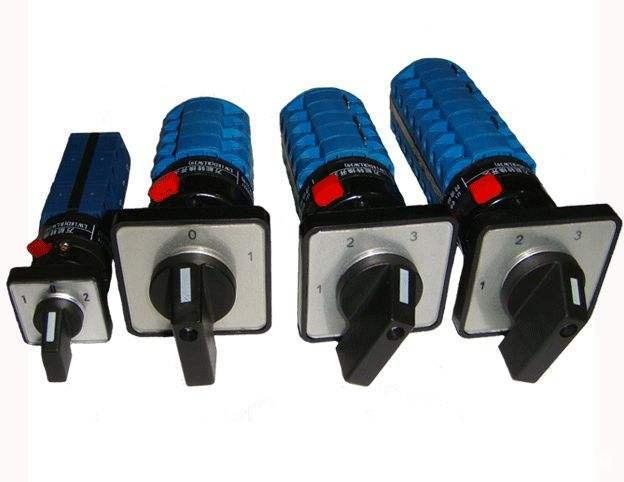
A manual transfer switch helps you safely change your home’s power from the utility grid to a generator when the power goes out. You can choose which important circuits stay on, like lights and refrigerators. Many people now think backup power is very important. With a manual transfer switch, you stop dangerous backfeed, do not need messy extension cords, and can power many circuits at the same time. This device is a safe and affordable way to keep your home working when the power is out.
Key Takeaways
A manual transfer switch lets you safely change your home's power from the utility grid to a generator when the power goes out.
You choose which circuits get power, so you can give power to important things like your fridge and lights first.
Using a manual transfer switch stops dangerous backfeeding, which keeps utility workers and your home safe.
A licensed electrician should install it to make sure it is safe and follows local rules.
Check your manual transfer switch every six months to make sure it works well.
Manual transfer switches usually cost less than automatic ones, so they are a good choice for backup power.
Always read and follow the manufacturer's directions to use and take care of your transfer switch safely.
Make a list of important circuits before a power outage so you can quickly turn power back on to the most needed areas.
Manual Transfer Switch Overview
What It Is
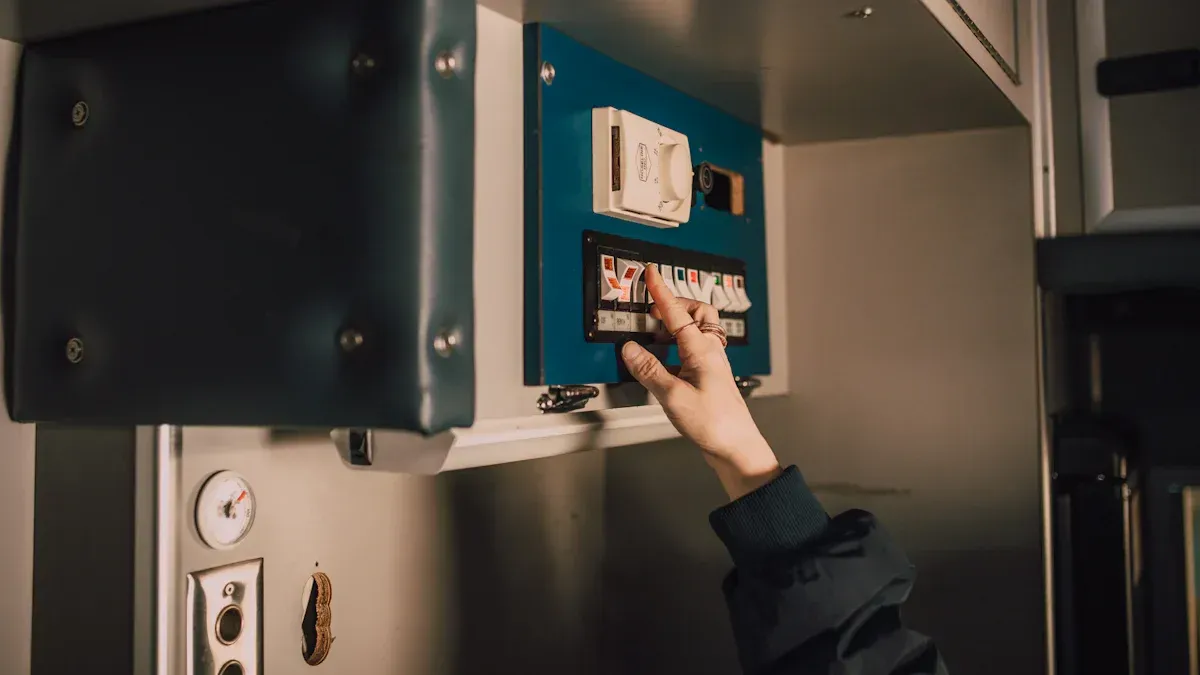
A manual transfer switch lets you pick when your house uses generator power instead of utility power. You use it if the power goes out. You choose when to flip the switch and what circuits get power. This gives you choices and means you do not need lots of extension cords. It helps keep your home safe and neat when there is an emergency.
Tip: You have to turn on a manual transfer switch yourself. It does not work by itself.
Key Parts
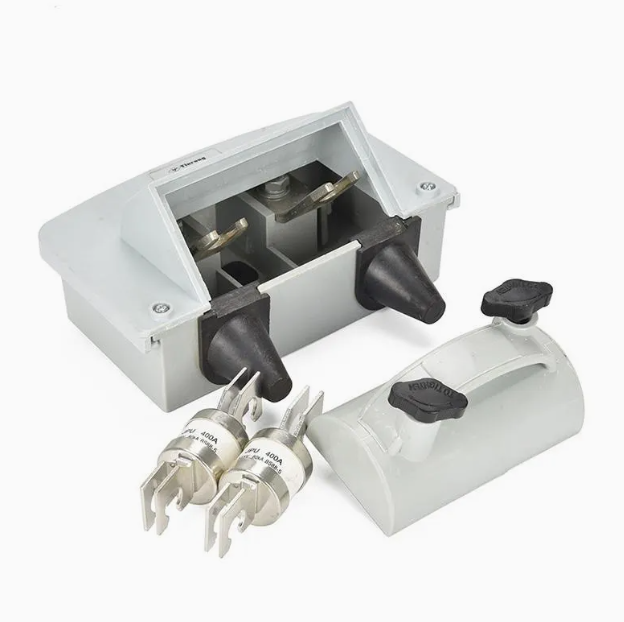
A manual transfer switch system has a few main parts. Each part helps your home get power safely.
Switch
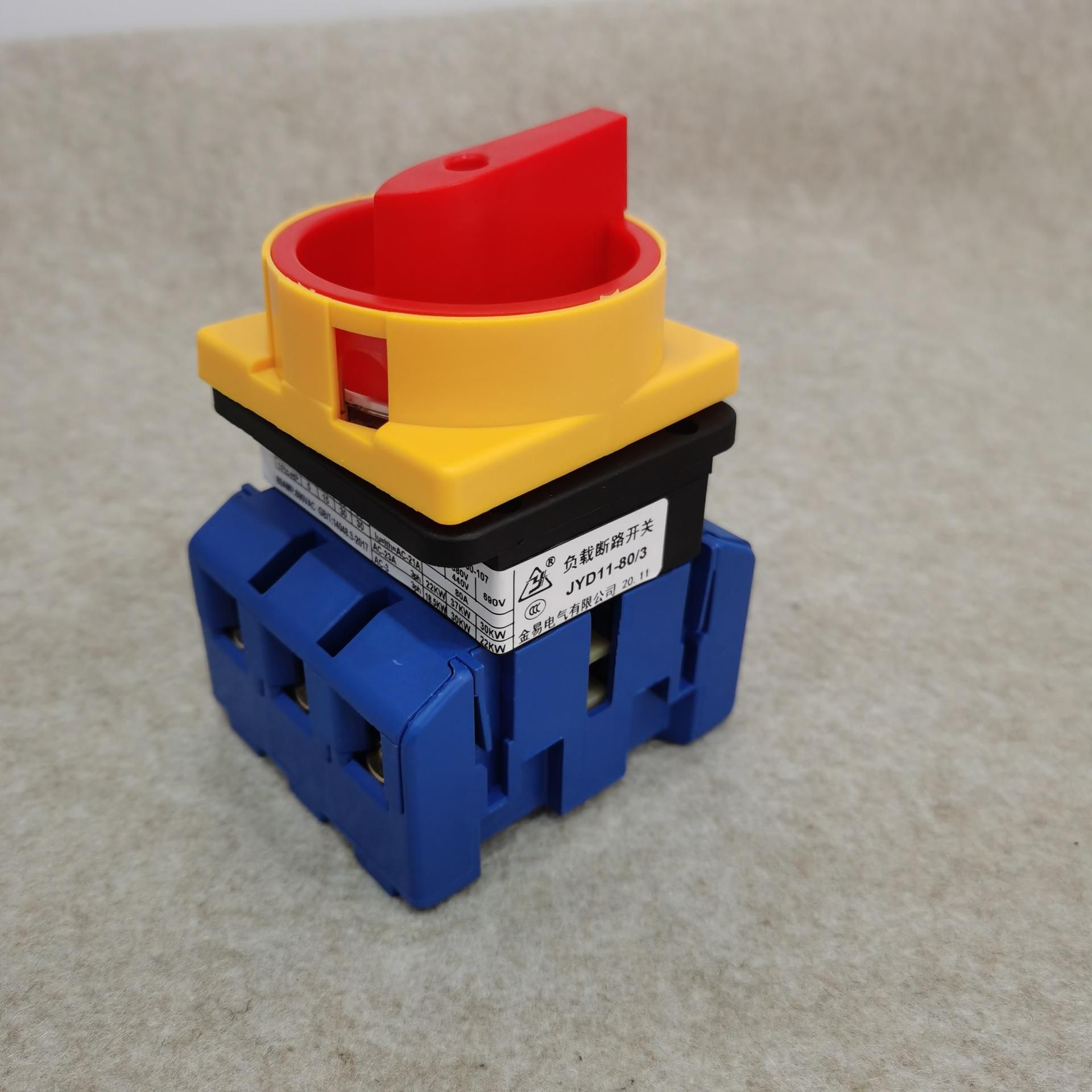
The switch is the main thing you use. You flip it to change your home's power from the utility to the generator. You must do this by hand.
Power Inlet
The power inlet is where you plug your generator into the switch. This part lets power move from the generator to your home's circuits.
Wiring
Wiring links the switch to your home's panel and the circuits you want to use. Good wiring keeps things safe and working well.
Main parts of a manual transfer switch system:
Switch for changing power sources
Power inlet for plugging in the generator
Wiring to connect circuits and panels
Manual vs. Automatic
You might wonder how a manual transfer switch is different from an automatic transfer switch. The biggest difference is how you use each one.
Feature | Manual Transfer Switch | Automatic Transfer Switch |
|---|---|---|
Operation | Switches by themselves when the power goes out | |
Cost | Usually costs less to make | Costs more because it works by itself |
Control | Let you decide when to switch power | Does not let you control, works on its own |
Response Time | Slower, since you must act | Switches right away when the power stops |
A manual transfer switch costs less and lets you choose when to use it. You have to be there to use it. An automatic transfer switch works by itself and is faster, but it costs more, and you do not control it.
How It Works
Knowing how a manual transfer switch works helps you stay safe. You control what happens, so each step matters.
Operation Steps
Switching Power
If the power goes out, you can use your manual transfer switch. This lets you connect your generator and keep things working at home. Here are the steps you should follow:
1. Read the safety manuals before you start.
2. Turn off all circuits on the transfer switch.
3. Use a generator cord to plug your generator into the power inlet.
4. Start your generator and let it warm up for a few minutes.
5. Flip the transfer switch from ‘Line’ to ‘Generator’.
6. Turn on the circuits you want to use with the generator.
7. Watch your system while the generator is running.
Tip: Always follow the instructions from the manufacturer for your switch and generator.
Returning to Utility
When the utility power comes back, you need to switch your home back. Here is what you should do:
1. Turn off the circuits that use the generator.
2. Move the transfer switch from ‘Generator’ to ‘Line’.
3. Turn off your generator and unplug the cord.
4. Turn on your circuits as needed.
This keeps your home safe and helps you switch back to normal power easily.
Safety Features
A manual transfer switch has safety features to protect you and your home. Here are some important safety tips and built-in features:
Learn how your switch works and know the control panel.
Wear rubber gloves and safety glasses when you use the switch.
Follow all instructions from the manufacturer.
Check the switch often for any damage.
Keep your hands dry and stay away from water.
Never use more power than your switch can handle.
Have an electrician check and take care of your switch.
Make sure your switch fits your generator.
A transfer switch separates your chosen power source. When you switch to generator power, it disconnects your home from the utility grid first. Then it connects to the generator. This “break-before-make” design stops electricity from your generator from going back into the grid. This prevents backfeed, which can be dangerous for workers and your equipment.
By following these steps and using the safety features, you can use your manual transfer switch safely and keep your home working during outages.
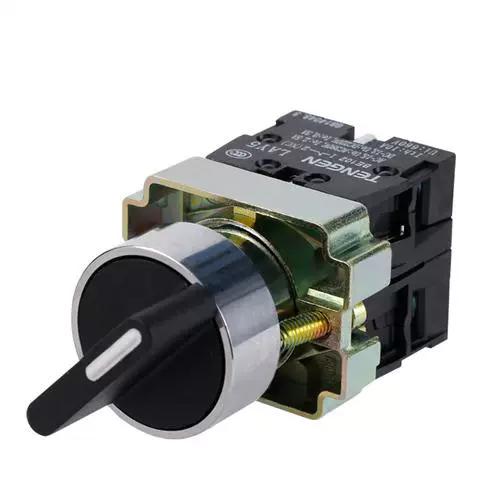
Applications
Home Backup
You want your home to be safe when the power goes out. A manual transfer switch helps you do this. You can keep your lights on and your refrigerator running. Your heating or cooling system can also work. The manual transfer switch lets you pick which rooms or appliances get power. You do not need to use extension cords all over your house. You also lower the chance of using too much power from your generator.
Note: You can only power the circuits you choose. This lets you control what stays on during a power outage.
Portable Generators
Many people use portable generators for backup power. You can connect a portable generator to your home with a manual transfer switch. This makes it simple to change from utility power to generator power. Most portable generators that work with a manual transfer switch start at 5kW. This size gives enough power for several important circuits. Always check your generator’s wattage before you connect it to the switch.
Benefits of using a portable generator with a manual transfer switch:
You do not need lots of extension cords.
You can power things like a furnace or a well pump.
You keep your home safer by stopping backfeed.
Essential Circuits
You may not need to power your whole house during an outage. A manual transfer switch lets you pick the most important circuits. These often include:
Kitchen outlets and refrigerator
Heating or cooling systems
Lights in main rooms
Sump pump or well pump
Medical equipment
You decide which circuits are most important for your family. The switch connects only those circuits to the generator. This helps you smartly use your generator’s power.
Tip: Make a list of your important circuits before an outage. This helps you stay ready and calm when you need backup power.
A manual transfer switch gives you safety and choices. You can use it with portable generators that start at 5kW. You also get to pick which parts of your home stay on during an emergency.
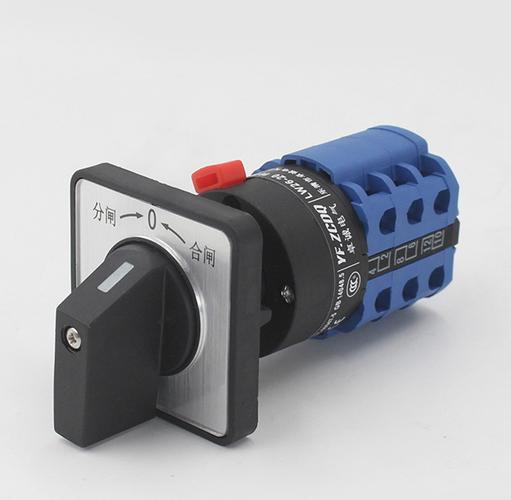
Manual Transfer Switch Benefits
Safety
You want your home to be safe when the power goes out. A manual transfer switch helps by following strict safety rules. When you use this switch, you stop dangerous backfeeding. This means electricity from your generator cannot go back into utility lines. You keep utility workers and your equipment safe.
Manual transfer switches must follow important safety codes. Here are some main standards:
Special seismic certification by OSHPD, tested and certified to IBC 2015
Installation that meets all NEC (National Electrical Code) standards
NFPA 110 requires each switch to be listed for emergency service and factory-tested
NFPA 70 (NEC) says switches for emergency systems must be listed for emergency use
You should always let a trained electrician install your switch. This makes sure your system is safe and follows all rules. You lower the risk of electric shock or fire.
Tip: Always check that your manual transfer switch has the right labels and certifications before you buy or install it.
Reliability
A manual transfer switch gives you a reliable way to change between utility and generator power. You pick which circuits get power, so you can keep your most important appliances working. You do not need extension cords or unsafe setups.
Here is how a manual transfer switch helps with reliability:
You get a safe way to change power sources during an outage.
The switch stops backfeeding, which can cause electrical dangers.
You can choose which circuits or appliances get power, so you can keep your refrigerator, lights, or medical devices on.
The switch sends electricity only to the circuits you pick, making your backup system more dependable.
Proper installation is very important. When a trained expert installs your switch, you know your backup power will work when you need it. The three-position switch design also helps stop backfeeding, which keeps your home and the utility grid safe.
Cost
You want a backup power solution that fits your budget. A manual transfer switch costs less than an automatic transfer switch. You pay less up front, and installation is easier.
Here is a quick comparison:
Type of Switch | Cost Range | Features |
|---|---|---|
Manual Transfer Switch (MTS) | Lower initial costs, simpler installation, and manual use | |
Automatic Transfer Switch (ATS) | Higher than MTS | Greater convenience, automatic operation, and higher reliability |
A manual transfer switch is a good choice if you want basic backup power and need to save money. You get safety and control without spending a lot. If you want more convenience or have critical power needs, an automatic switch may be worth the higher cost.
Note: Manual transfer switches are best for homeowners who want a cost-effective way to keep essential circuits running during outages.
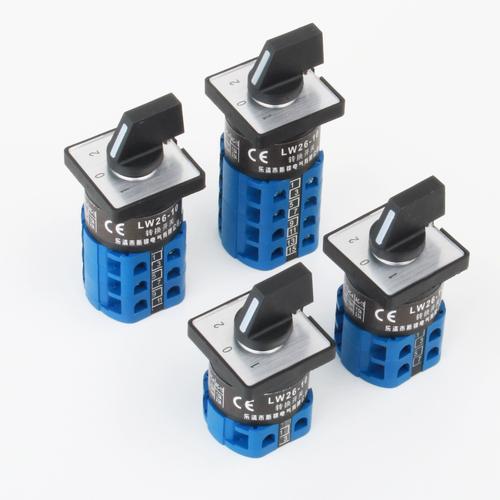
Control
When you use a manual transfer switch, you get a high level of control over your home's backup power. You decide exactly when to switch from utility power to generator power. This means you do not have to wait for an automatic system to act. You can respond to outages on your own schedule. If you want to wait until you know the power will be out for a long time, you can do that. If you want to switch right away, you can do that too.
A manual transfer switch lets you pick which circuits in your home get power from the generator. You do not have to power your whole house. You can choose only the most important things, like your refrigerator, lights, or medical equipment. This helps you use your generator’s power wisely. You avoid overloading your generator and keep your home safe.
Tip: Make a list of your most important circuits before an outage. This helps you know what to turn on when you use your generator.
You do not need to worry about the complexity of your main electrical panel. The manual transfer switch gives you a simple way to control which circuits get power. You flip switches for each circuit you want to use. This makes it easy to manage your power needs during an outage.
Here are some ways you can stay in control with a manual transfer switch:
You choose when to switch to generator power.
You select which circuits get power.
You can turn circuits on or off as your needs change.
You avoid using extension cords all over your house.
You keep your backup power system simple and safe.
You also get peace of mind. You know that you are not sending power back into the utility lines. You protect utility workers and your own equipment. You do not have to guess if your generator is powering the right things. You see and control everything from the transfer switch panel.
A manual transfer switch puts you in charge during a power outage. You do not have to rely on automatic systems or complicated setups. You make the decisions that work best for your family and your home.
Installation
Professional vs. DIY
You might think about putting in a manual transfer switch yourself. Many people want to save money by doing it on their own. But you should know the good and bad sides before you choose.
Equipment Cost Range | Installation Cost Range | DIY Installation Feasibility | Professional Installation Requirement | |
|---|---|---|---|---|
Manual | $300 - $700 | $200 - $500 | Possible if experienced | Recommended |
Automatic | $500 - $2,000+ | $500 - $1,500 | Generally not recommended | Required |
Doing it yourself can look easy, but it is risky. You could wire something wrong or skip a safety rule. Insurance might not pay for damage from mistakes you make. Most companies want a pro to install the switch for the warranty to count. If you do it yourself, you might lose your warranty and have to pay for repairs. Professionals know all the rules and make safe connections. They also give you a warranty for their work, so you feel safe.
Tip: Always check your local rules. Many places say you need a licensed electrician for this job.
Sizing
Picking the right size for your manual transfer switch is very important. Your switch should match your generator and what your home needs. Here is how you can choose the right size:
1. Match Your Generator’s Amperage: Check your generator’s output. The switch must have the same amperage rating. For example, if your generator gives 30 amps, you need a 30-amp switch.
2. Consider Your Load Type: Think about what you want to power. If you only need a few circuits, a small switch is fine. If you want to power your whole house, you may need a bigger, service-entrance-rated switch.
Ask a professional if you are not sure about the size. Picking the wrong size can cause problems or break your equipment.
Placement
You need to pick the best place for your manual transfer switch. Good placement keeps your system safe and easy to use. Here are some things to remember:
Safety: Always put your generator outside. This keeps carbon monoxide out of your house.
Accessibility: Put the inlet box close to the transfer switch. This makes wiring safer and easier.
Compliance: Local codes often need a permit and a plan. You must follow these rules to pass inspection.
Note: A professional knows the best place for your switch and will make sure your setup follows all safety codes.
Putting in your manual transfer switch the right way keeps you safe, protects your warranty, and makes sure your backup power works when you need it.
Safety Tips
Prevent Backfeeding
Backfeeding is when power from your generator goes into utility lines. This can hurt workers and break your appliances. You must stop backfeeding when using a manual transfer switch. Here are some ways to stay safe:
Always use a transfer switch to hook up your generator. This is the only safe way to add backup power.
You have to turn on manual transfer switches during an outage. This keeps the power sources apart.
The switch cuts off utility power before it connects to the generator.
Transfer switches have a lock. This lock stops both power sources from being on together.
Using a manual transfer switch makes sure generator power never goes into utility lines.
The switch links utility power, generator power, and your home’s circuits. It only lets one power source work at a time.
You keep workers and your equipment safe by using the switch the right way.
Tip: Never try to hook a generator straight to your home’s wiring without a transfer switch. This is not safe and breaks the rules.
Maintenance
You want your manual transfer switch to work every time. Regular care keeps your system safe and working well. You should check and care for your switch on a schedule. Here is a simple guide:
Maintenance Level | Frequency of Maintenance | Description |
|---|---|---|
Level 1 | Every 6 months | Routine checks for best performance |
Level 2 | Every 12 months | Detailed checks and testing |
Level 3 | Every 60 months | Full maintenance and upgrades |
For Level 1, look for loose wires, wear, or anything odd.
For Level 2, test the switch by running your generator and switching power.
For Level 3, have a pro do a full check and replace old parts.
Note: Always turn off all power before you check or clean your switch. If you see damage or have questions, call a licensed electrician.
Local Codes
You must follow local electrical codes when you put in a manual transfer switch. These rules keep your home safe and help you avoid trouble. Local codes often say you need a licensed electrician for the job. The National Electrical Code also has important rules. You must make sure your system is grounded the right way. This means connecting your generator’s ground lug to a grounding rod, as OSHA and Article 250 of the National Electrical Code say. You also need to balance the load across your circuits. Good load balance helps your generator run well and keeps your home safe.
Following local codes and national rules protects your family, your home, and workers. Always check your city or county rules before you start any electrical work.
A manual transfer switch lets you control backup power at home during outages. You keep your family and things safe by stopping backfeeding and making sure power changes are safe.
Utility workers stay safe when you use the switch.
You lower risks for people living near you.
Safety stays strong with a good setup and regular checks.
Think about what backup power you need. Ask an expert for help if you are not sure. This smart choice helps you get ready and feel sure when the power goes out.
FAQ
How do you use a manual transfer switch during a power outage?
You first start your generator outside. Then, you plug it into the power outlet. Next, you flip the transfer switch to “Generator.” You turn on the circuits you want to use. Always follow the instructions for your specific switch.
Can you install a manual transfer switch yourself?
You can install it if you have electrical experience. Most people should hire a licensed electrician. This keeps your home safe and meets local codes. You also protect your warranty.
What size generator works with a manual transfer switch?
Most manual transfer switches work with generators starting at 5,000 watts (5kW). You should check your switch and generator ratings. Always match the switch’s amperage to your generator’s output.
Does a manual transfer switch power your whole house?
You usually power only selected circuits, not your whole house. You choose which circuits stay on, like lights or the refrigerator. This helps you use your generator’s power wisely.
Why is a transfer switch safer than extension cords?
A transfer switch stops backfeeding. This keeps utility workers and your home safe. You also avoid running cords through windows or doors. You control which circuits get power from your generator.
How often should you maintain your manual transfer switch?
You should check your switch every six months. Test it with your generator once a year. Look for loose wires or damage. Call a professional if you find any problems.
What happens if you do not use a transfer switch?
If you connect a generator without a transfer switch, you risk backfeeding. This can hurt utility workers and damage your home’s wiring. You also break electrical codes.