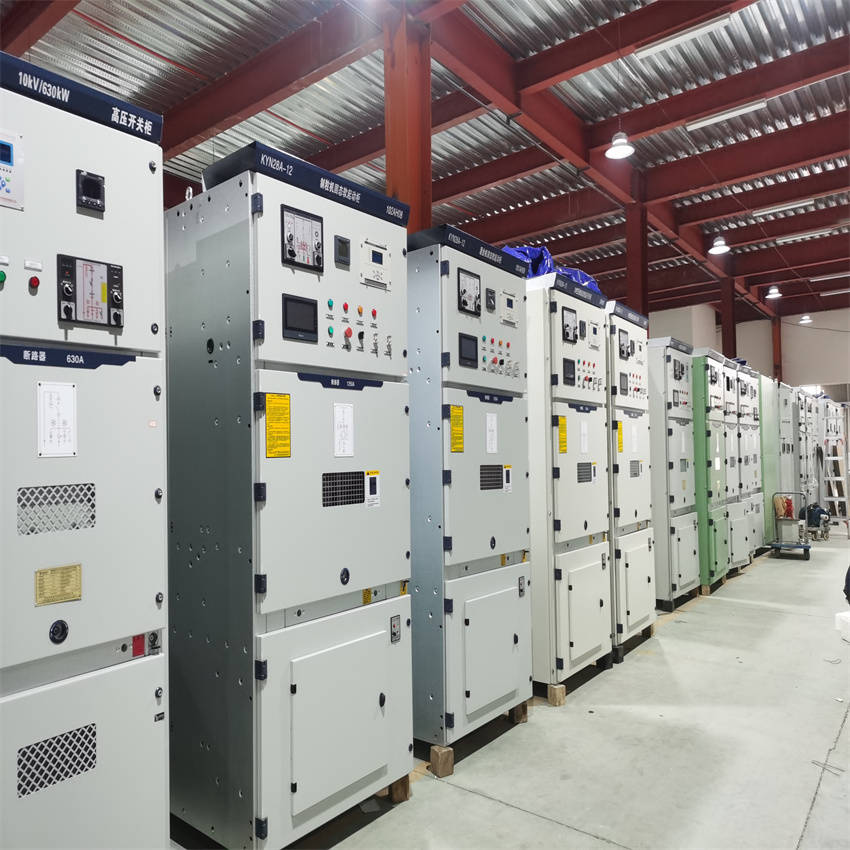
Substation fires. Unexpected blackouts. Arc flash incidents that send people to the hospital and shut plants down for weeks.
If you’re responsible for a power network, you already know how fast a minor fault can turn into a major disaster—financially, operationally, and legally.
The good news? Modern electrical switchgear is designed to be the barrier between “something went wrong” and “we lost the whole facility.” When engineered and specified correctly, it can:
Detect and clear faults in milliseconds
Dramatically cut arc flash energy
Improve selective coordination so that only the faulty section trips
Enable remote operation and predictive monitoring to keep people out of harm’s way
In this guide, you’ll see exactly how electrical switchgear minimizes risks in power networks—with real technologies, standards, and design strategies you can use to make your system safer, more reliable, and ready for 2025 and beyond.
Understanding the Major Risks in Power Networks
In real facilities, power network risk is rarely about one big failure. It’s usually a mix of electrical faults, aging equipment, and human factors stacking up. As an owner, I look at these core risks first, because they drive safety incidents, outages, and compliance issues.
Overcurrents and Short Circuits
Overcurrents and short circuits are the fastest way to damage gear and take down a system.
Overcurrent: Load exceeds the design rating – cables overheat, insulation cooks, and equipment life drops.
Short circuit: Phase-to-phase or phase-to-ground fault – currents can jump to 10–50 kA or more in industrial and commercial systems.
If fault interruption time is too slow, you see:
Busbar and cable damage
Welded contacts and failed breakers
Extended outages and costly repairs
Well-coordinated short circuit protection is non-negotiable if you care about uptime and asset life.
Arc Flash Hazards and NFPA 70E
An arc flash turns a fault into a pressure wave, intense heat, and metal vapor in milliseconds. In NFPA 70E terms, that means:
Incident energy is high enough to cause severe burns at several feet
Blast forces that can throw tools and panels
PPE levels that can make routine work slow and risky
NFPA 70E pushes us to reduce arc flash incident energy at the source, not just throw more PPE at the problem. That starts with how we design and operate electrical switchgear and how quickly it trips during a fault.
Selective Coordination and Cascading Outages
When selective coordination fails, the wrong device trips, and you get a cascading outage instead of a localized trip.
A downstream fault should trip the local breaker only.
Poorly set or mismatched protection means upstream breakers open, taking out entire switchboards or substations.
For critical loads (data centers, hospitals, oil and gas), loss of selective coordination is a direct hit to reliability, uptime, and revenue.
Insulation Breakdown, Aging, and Partial Discharge
Most electrical failures don’t start with fireworks; they start with insulation breakdown.
Heat, moisture, contamination, and mechanical stress age insulation.
Partial discharge (PD) – small, localized discharges inside insulation – is often the early warning sign.
If we don’t monitor PD, we miss:
Predictable failures in switchgear bus insulation and cable terminations
Opportunities for predictive maintenance instead of emergency repairs
Harmonic Distortion, Overheating, and Equipment Stress
Modern loads (VFDs, UPSs, LED lighting, IT gear) drive harmonic distortion into the power system.
This leads to:
Overheating of transformers, neutral conductors, and capacitors
Nuisance tripping and misoperation of sensitive protection
Accelerated aging of switchgear and busbars
Ignoring harmonics is a slow way to shorten the MTBF of your entire electrical network.
Human Error During Operation and Maintenance
Even with good equipment, human error is still one of the top risk drivers.
Typical issues:
Racking breakers in/out with exposed doors
Working on energized gear without proper remote operation
Incorrect switching, labeling, or isolation procedures
Every time an operator stands in front of live gear, the arc flash exposure and error potential go up. Good design aims to keep people out of the arc flash zone and simplify safe operation.
Core Protective Functions of Electrical Switchgear
When we talk about electrical switchgear safety in U.S. power networks, the core job is simple: see a problem early, isolate it fast, and keep people out of harm’s way. Here’s how modern switchgear actually does that in real life.
How switchgear detects and interrupts faults in milliseconds
Modern switchgear is built to spot trouble and cut it off before it turns into a fire, arc flash, or outage:
Protection relays and electronic trip units constantly measure current, voltage, and sometimes frequency.
When they see an overcurrent, short circuit, or ground fault, they send a trip signal to the breaker in milliseconds.
High‑performance breakers open fast enough to:
Limit fault current
Reduce thermal and mechanical stress on cables, transformers, and busbars
Cut arc flash incident energy at the source
In short, fast fault interruption time is one of the biggest levers we have for power network risk reduction.
Arc flash energy reduction and 2026 safety expectations
With NFPA 70E driving stricter practices, more U.S. facilities are expecting switchgear to actively help lower arc flash risk, not just survive it. Key arc flash mitigation features include:
Instantaneous / maintenance mode on trip units to temporarily lower pickup settings during work
Zone protection schemes that trip the closest device first to minimize clearing time
Built‑in arc flash detection using light and current to trigger ultra‑fast tripping
Together, these features can cut arc flash incident energy enough to move many tasks into lower PPE categories and make maintenance far more manageable.
Selective coordination and zone selective interlocking (ZSI)
Good switchgear doesn’t just trip fast; it trips the right device:
Selective coordination makes sure only the breaker nearest the fault opens, keeping the rest of the power system alive.
Zone selective interlocking (ZSI) links upstream and downstream trip units:
The downstream device sees the fault first and trips without delay
Upstream device waits briefly; if downstream clears the fault, upstream never trips
If the downstream device fails, the upstream steps in and trips quickly
This strategy sharply cuts cascading outages, improves uptime, and is critical in sites like data centers, hospitals, and oil and gas plants where continuity is everything.
Remote operation, remote racking, and operator safety
Most serious injuries in switchgear happen with people stand too close at the wrong time. That’s why remote operation has become a must‑have:
Remote open/close controls let techs operate breakers from a safe distance.
Remote racking systems let you insert and withdraw drawout breakers with the door closed and the worker outside the arc flash boundary.
Paired with closed‑door operation and arc‑resistant construction, this approach keeps operators out of the line of fire even if something goes wrong.
For medium‑voltage systems, combining safe operating procedures with proper grounding and earthing practices (like those covered in guides on 10kV switchgear earthing switches) makes a huge difference in everyday risk.
Partial discharge monitoring and predictive diagnostics
A lot of failures don’t start as explosions—they start as tiny insulation defects:
Partial discharge (PD) monitoring detects early insulation breakdown in cables, busbars, and terminations.
Condition monitoring sensors track:
PD activity
Temperature hotspots
Humidity and contamination
With that data, predictive diagnostics can flag panels, compartments, or feeders at risk before they fail.
For U.S. facility owners, that means fewer unplanned outages, lower maintenance costs, and a much better handle on medium voltage protection and long‑term asset health.
These core protective functions are the backbone of how modern electrical switchgear minimizes risks in power networks—by acting fast, staying smart, and keeping people physically away from danger.
How Modern Electrical Switchgear Design Directly Reduces Risk
Modern electrical switchgear is built from the ground up to cut risk in power networks, not just carry current. In U.S. facilities—data centers, industrial plants, utilities, hospitals—the design choices you make in switchgear directly affect arc flash exposure, unplanned downtime, and long‑term maintenance costs.
Closed-Door Operation & Arc-Resistant Construction
One of the biggest safety gains is closed-door operation. With well-designed gear, you can:
Open/close breakers
Rack breakers in and out
Perform basic switching
all with doors fully latched. That keeps operators out of the line of fire if something goes wrong inside.
Arc-resistant switchgear goes a step further. It’s engineered and tested (often per IEEE C37.20.7 and IEC 62271-200) so that if an internal arc fault occurs:
Pressure is directed away from the operator (upward via chimneys/vents)
Doors, covers, and viewing windows stay intact
Hot gases and shrapnel are contained and redirected
For U.S. users working under NFPA 70E and OSHA expectations, arc‑resistant construction and closed-door operation are two of the most effective ways to reduce incident energy at the worker location—often making energized tasks safer and more manageable from a PPE standpoint.
Vacuum and SF6-Free Circuit Breakers for Safer Operation
At medium voltage, vacuum circuit breakers (VCBs) are now the standard for safe and reliable fault interruption. They offer:
Very fast interruption of short circuits
Minimal contact wear and low maintenance
No risk of oil leaks or fire like older oil breakers
The next step is SF6‑free switchgear technology. SF6 gas has been widely used, but it’s a potent greenhouse gas and requires tight handling and leak management. Modern SF6‑free solutions use vacuum and alternative insulation systems that:
Eliminate SF6 handling risk and environmental concerns
Simplify compliance with tightening environmental rules in the U.S.
Keep fault performance and reliability at the same level as traditional gas-insulated gear
When you combine vacuum circuit breaker safety with SF6‑free insulation, you get a future-proof platform that reduces both operational and regulatory risk.
Fast Electronic Trip Units vs Thermal-Magnetic Protection
Legacy thermal-magnetic breakers are simple, but they react based on heat buildup and mechanical forces. That means:
Slower response on some fault conditions
Less precise short-circuit and ground fault coordination
More nuisance trips or, worse, delayed tripping when you need it fast
Modern switchgear uses electronic trip units that:
Sense current digitally in real time
Let you tune long-time, short-time, instantaneous, and ground-fault pickups
React much faster and more accurately during faults
The result is shorter fault interruption time, lower let‑through energy, and reduced stress on cables, transformers, and downstream equipment. That directly supports selective coordination in power systems—you can clear faults close to the source and avoid taking out half your facility.
Passive vs Active Arc Mitigation Systems
Arc flash mitigation in switchgear typically falls into two buckets:
Passive arc mitigation systems:
Arc-resistant housings, pressure relief channels, reinforced doors
Special busbar layouts and insulation to make arcs less likely
Barriers and shutters that prevent accidental contact
Passive protection is always “on” and requires no control power or logic, which is a big reliability win.
Active arc mitigation systems:
Arc flash sensors (light + current detection)
Ultra-fast switching devices that create a low-impedance path and extinguish the arc in a few milliseconds
Systems that drastically cut arc flash incident energy before mechanical damage escalates
Active systems are powerful for high‑risk locations like data centers and industrial MCC rooms, where every millisecond of energy reduction matters. Many U.S. facilities are using a hybrid approach—arc‑resistant enclosures plus active arc flash mitigation—to meet stricter internal safety targets.
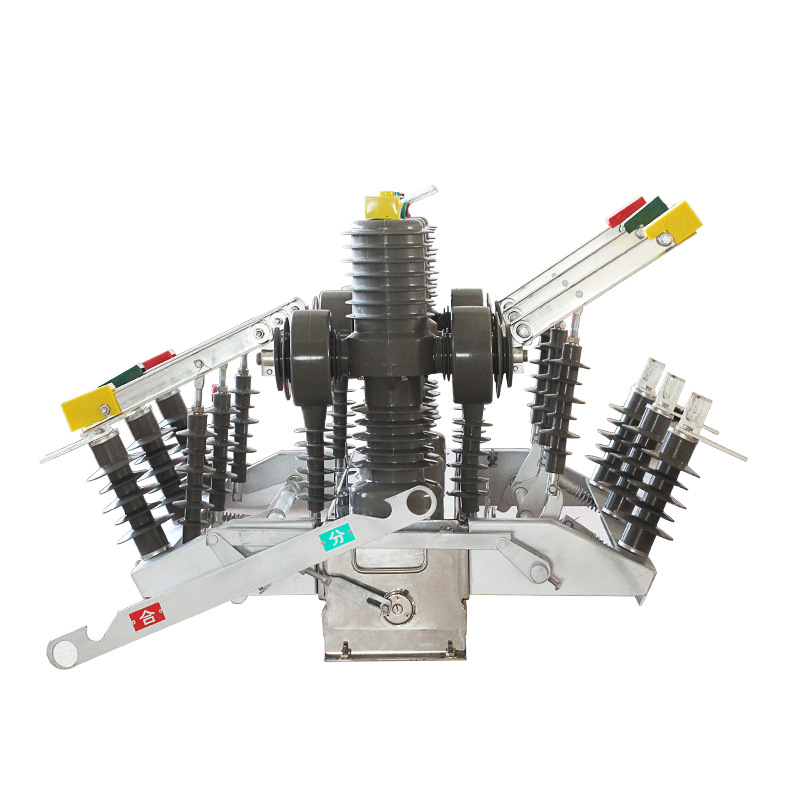
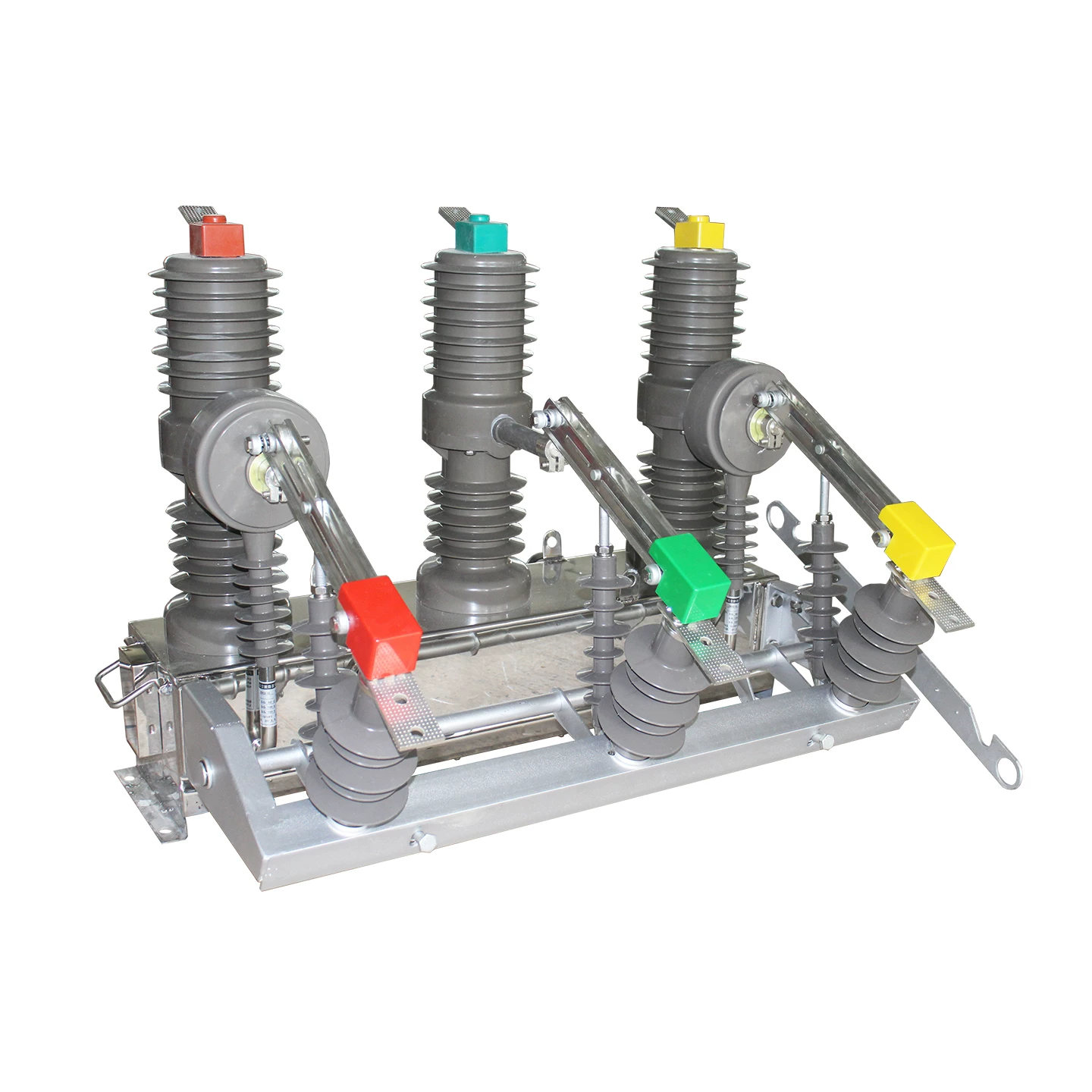
For outdoor and distribution applications, pairing this kind of protection with a robust outdoor vacuum circuit breaker like our ZW8-12(G) outdoor high-voltage vacuum circuit breaker gives you strong fault clearing performance and arc risk reduction right at the feeder.
Integrated Condition Monitoring for Temperature, Humidity, and Partial Discharge
Modern digital switchgear doesn’t just react to faults—it helps you prevent them. Integrated condition monitoring sensors track:
Temperature: Hotspots on bus joints, cable terminations, and breaker stabs
Humidity and condensation: A key driver of insulation breakdown and corrosion
Partial discharge (PD): Early warning of insulation damage long before a failure
Tie those sensors into a supervisory system or predictive platform, and you can:
Catch loose connections before they burn
Detect PD in medium-voltage compartments before it turns into a full insulation failure
Identify rooms or lineups with chronic moisture problems
For U.S. operators running 24/7 facilities, this is about risk reduction and uptime. Condition-based maintenance means fewer surprise outages, fewer emergency callouts, and a documented improvement in MTBF (Mean Time Between Failures). When we integrate these functions into our switchgear and related solutions like our energy storage integrated box-type transformer substations, we’re designing the entire system to detect and mitigate issues before they become safety events.
Real-World Risk Reduction with Standards and Data
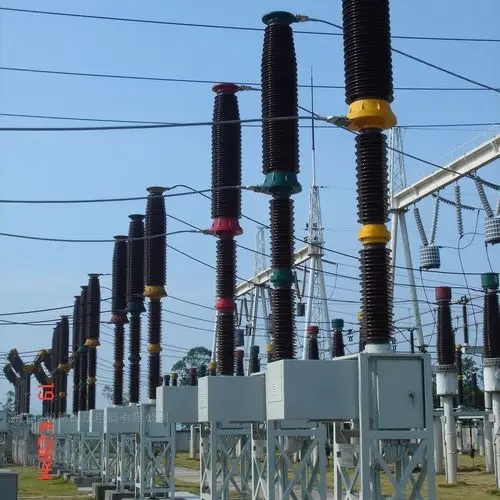
Hard data, not guesswork, drive modern electrical switchgear safety in the U.S.. We design and select gear around clear standards, measured arc flash energy, and proven reliability numbers.
Key Safety and Performance Standards for Switchgear
If your switchgear isn’t built and tested to current standards, you’re carrying unnecessary risk. The main benchmarks most U.S. facilities rely on are:
IEC 62271-200 – For medium-voltage switchgear, including arc classification, internal fault behavior, and mechanical strength.
IEC 61439 – For low-voltage switchgear assemblies, covering temperature rise, short-circuit withstand, and clearances.
IEEE C37.20.7 – Defines how arc-resistant metal-enclosed switchgear is tested and rated.
NFPA 70E – Drives how we perform electrical risk assessments and
How WEISHO Electrical Switchgear Minimizes Risks in Power Networks
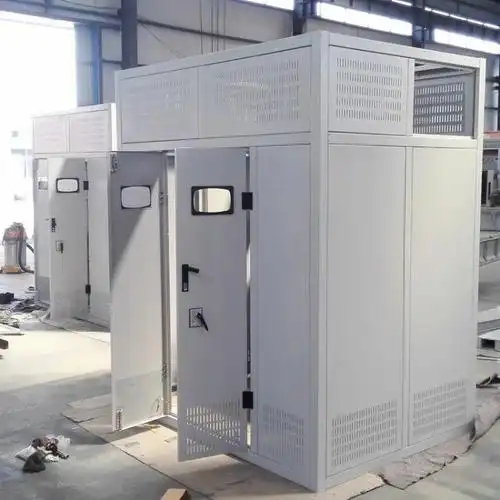
WEISHO ArcShield Arc-Resistant Medium-Voltage Switchgear
Our WEISHO ArcShield arc-resistant switchgear is designed to prioritize people's safety above all else, with equipment protection as a secondary consideration. We design around IEEE C37.20.7 and IEC 62271-200 arc-resistance concepts, so when a fault happens, the enclosure channels pressure, hot gases, and debris away from the operator.
Key risk-reduction points:
Closed-door operation for normal switching and racking
Tested arc-containment designs that help lower arc flash incident energy at the working distance
Medium-voltage protection tuned for short circuit protection, selective coordination, and fast fault interruption time
For projects combining overhead lines and substations, we often pair switchgear with surge and insulation protection practices similar to what’s covered in our breakdown of lightning arresters vs. insulators to keep the whole system safer and more resilient.
WEISHO SmartGuard Predictive Monitoring Platform
Our WEISHO SmartGuard platform adds real-time visibility to your electrical switchgear safety strategy. We embed condition monitoring sensors for temperature, humidity, and partial discharge, then stream data into a simple dashboard.
What this does for you:
Predictive maintenance instead of emergency repairs
Early warning for insulation breakdown, partial discharge, and overheating
Better uptime and MTBF improvement with data-driven maintenance windows
Support for digital switchgear reliability and power network risk reduction
WEISHO SF6-Free Eco-Friendly Medium-Voltage Solutions
We’re moving away from SF6 and into SF6-free switchgear technology that still delivers high reliability for U.S. utilities, industrials, and commercial buildings.
Benefits:
Eco-friendly switchgear solutions that support net-zero and ESG goals
Vacuum circuit breaker safety with proven medium-voltage performance
Lower regulatory and environmental risk compared with traditional gas-insulated gear
For solar-heavy sites or community solar, we integrate SF6-free gear with systems like photovoltaic box transformers to handle strong bidirectional power flow with proper protection and coordination.
Remote Diagnostics and Cyber-Secure Communication
We design WEISHO switchgear with remote operation, remote racking, and remote diagnostics so your people can stay out of the arc flash boundary as much as possible.
Core capabilities:
Remote monitoring and control over secure channels
Cyber-secure communication aligned with common utility and data center policies
Better electrical risk assessment with live device and breaker status
Faster response to faults without rolling a truck to every event
Third-Party Testing, Certifications, and Proven Performance
We back our switchgear with third-party testing and certifications so you’re not just taking our word for it. We design around major IEC and ANSI/NEMA switchgear requirements and validate performance in accredited labs.
You get:
Compliance with key standards like IEC 61439, IEC 62271-200, and relevant IEEE tests
Documented performance for arc flash mitigation, fault interruption, and reliability
Traceable type-test and routine-test reports to support engineering review, AHJ approval, and insurance risk assessments
In short, WEISHO electrical switchgear is built to materially cut risk in your power network—arc flash risk, outage risk, compliance risk, and environmental risk—while keeping operation simple for U.S. facility and maintenance teams.
Future-Proofing Risk Management in Power Networks
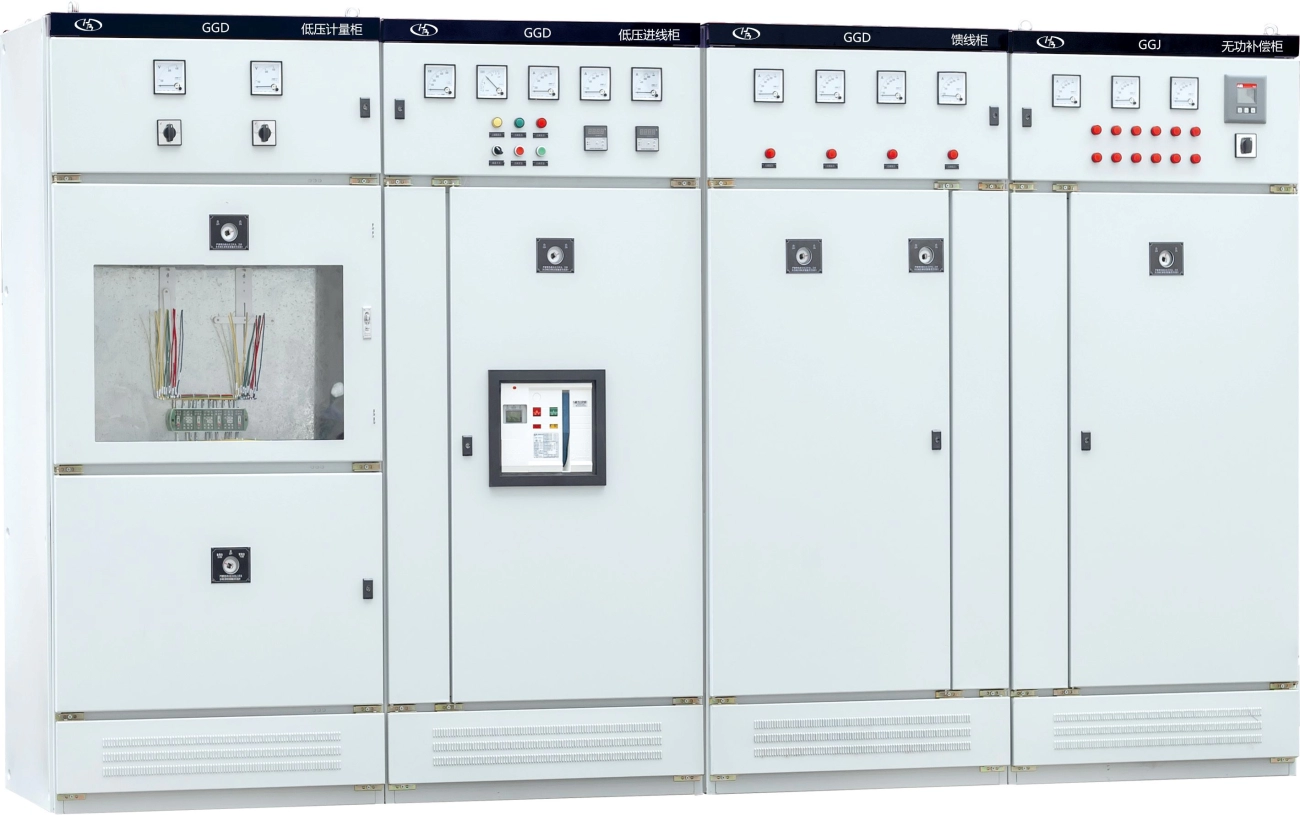
Switchgear for renewables and bidirectional power flow
As more U.S. sites add solar, wind, battery storage, and EV charging, electrical switchgear safety has to keep up with bidirectional power flow. I design and select switchgear that can:
Handle reverse current from PV and batteries without nuisance trips
Coordinate protection between the utility, microgrids, and on-site generation
Support fast transfer schemes so critical loads don’t see a blink
If your facility is adding rooftop solar, BESS, or CHP, your medium-voltage protection and short circuit protection strategy needs to assume fault current can now come from multiple directions and sources.
IEC 61850 and GOOSE messaging
To cut risk in large and complex power networks, I rely on IEC 61850 and GOOSE messaging for ultra-fast, digital protection. This lets relays and digital switchgear talk directly over Ethernet instead of waiting on hard-wired signals.
The payoffs are clear:
Millisecond-level fault detection and tripping
Zone selective interlocking (ZSI) is software-configurable
Easier reconfiguration when your system expands or your one-line changes
For U.S. data centers, hospitals, and industrial sites chasing higher uptime, IEC 61850-based systems are quickly becoming the standard for power network risk reduction.
AI-driven anomaly detection
Modern switchgear with built-in sensors and condition monitoring gives us real-time data on temperature, partial discharge, humidity, and load. We then feed this into AI-based anomaly detection to:
Spot insulation breakdown and partial discharge long before failure
Flag abnormal load profiles, harmonics, or breaker operation
Prioritize maintenance on the gear that’s actually at risk
This approach turns switchgear from a passive box into an active risk-management tool, boosting MTBF and cutting unplanned outages.
Preparing for grid codes and net-zero
Grid codes and net-zero rules in the U.S. are moving fast. To stay ahead, I focus on switchgear that:
Is tested to IEC 62271-200, IEC 61439, and key ANSI / NEMA standards
Supports renewables, storage, and demand response without major redesign
Makes it easy to document electrical risk assessment and arc flash mitigation for NFPA 70E compliance
When you choose modern, digitally enabled, eco-friendly switchgear now, you’re not just solving today’s problems—you’re locking in a platform that can adapt as grid codes, decarbonization targets, and reliability expectations tighten over the next decade.
FAQs on Electrical Switchgear Risk Reduction
What is the safest type of electrical switchgear today?
Right now, the safest setups in real-world U.S. facilities combine:
Arc-resistant switchgear tested to IEEE C37.20.7
Closed-door operation for normal switching and racking
Vacuum circuit breakers instead of oil or open air
Remote operation / remote racking to keep people out of the arc flash zone
Digital protection relays with fast fault clearing and self-diagnostics
When those features are combined and installed to NFPA 70E and NEC requirements, you get the lowest overall risk for both people and equipment.
How much can arc-resistant switchgear reduce arc flash energy?
Arc-resistant switchgear doesn’t remove the arc flash – it controls where the energy goes:
It channels pressure, hot gases, and shrapnel away from the front, where people stand.
It allows safer work at or near the equipment under defined conditions.
With fast fault interruption and options like active arc detection, incident energy at the working distance can often be cut from Category 3–4 down to Category 1–2 in many applications.
Actual numbers depend on your system (available fault current, clearing time, working distance), so you always need a proper arc flash study to see the real reduction at each bus.
Is SF6-free switchgear as reliable as traditional gas-insulated gear?
Modern SF6-free switchgear using vacuum technology and alternative insulating media is now proving itself in demanding environments:
Reliability: Vacuum interrupters have very high mechanical and electrical endurance, with long maintenance intervals and stable performance.
Performance: SF6-free solutions can meet or exceed IEC 62271-200 and ANSI/IEEE ratings for medium voltage.
Environment: You avoid the greenhouse impact and reporting burden tied to SF6 leakage.
For most U.S. commercial, industrial, and utility medium-voltage systems, SF6-free switchgear is a solid, future-proof option without giving up reliability.
How does zone selective interlocking improve protection and uptime?
Zone selective interlocking (ZSI) links upstream and downstream protection devices so they “talk” during a fault:
Closer breaker trips first and faster → limits fault energy to the smallest possible part of the system.
Upstream breaker waits if it “hears” a downstream trip signal → avoids unnecessary main or feeder trips.
Better uptime: A Fault on one panel or feeder doesn’t drop your whole plant or data hall.
Lower incident energy at the fault location because the downstream device clears it in a few milliseconds.
For facilities where downtime is expensive (data centers, hospitals, oil & gas, manufacturing), ZSI is a key tool for both safety and continuity of service.
Can legacy switchgear be retrofitted to improve safety and reliability?
Yes. In many U.S. facilities, retrofits are the fastest way to cut risk without a full replacement:
Breaker retrofits with new vacuum or maintenance-free breakers
Digital relay upgrades to replace old electromechanical or solid-state relays
Arc flash mitigation add-ons like fast relays, arc sensors, and remote racking
Condition monitoring for temperature, humidity, and insulation health
Maintenance and cleaning to address insulation breakdown and tracking
We often pair retrofits with broader system upgrades like new load-break switches or modern step-up/step-down transformers to clean up weak spots in the power path, similar to how we design our own load break switch assemblies and step-up/step-down transformer solutions.
A proper assessment will tell you whether retrofit vs. full replacement is the smarter move for your specific site, but in many cases, retrofits deliver a big safety and reliability gain with less downtime and lower capex.