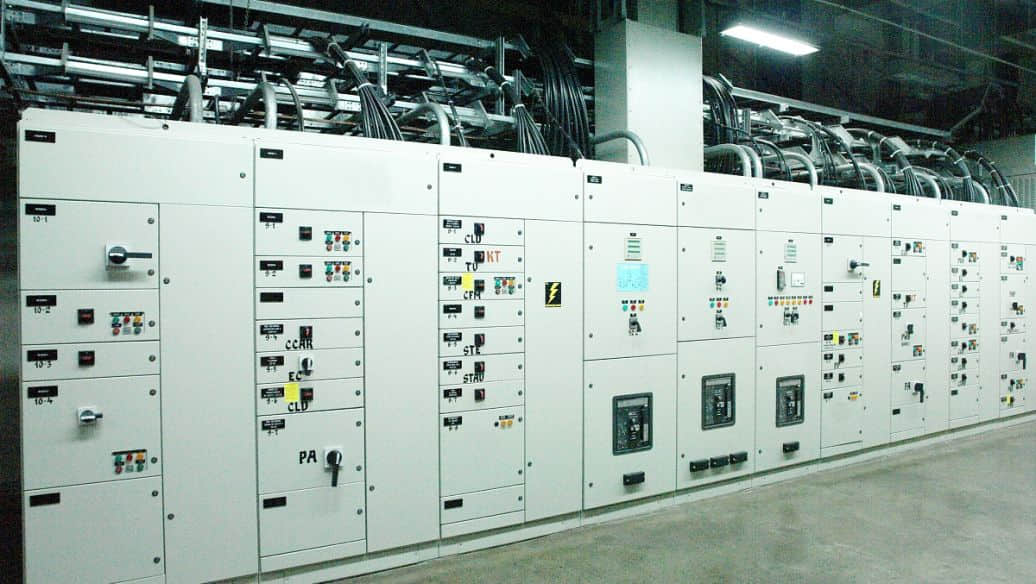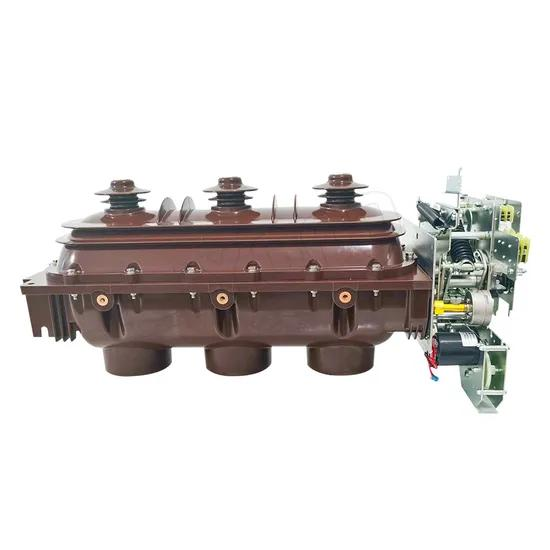
This article aims to explain how a load break switch (LBS) works, why it plays a key role in electrical systems, and how to choose and maintain the right type. Load break switches are essential for controlling and protecting power systems. By understanding their structure, types, and working principles, you can improve safety, reduce downtime, and make better decisions in power system design and operation.
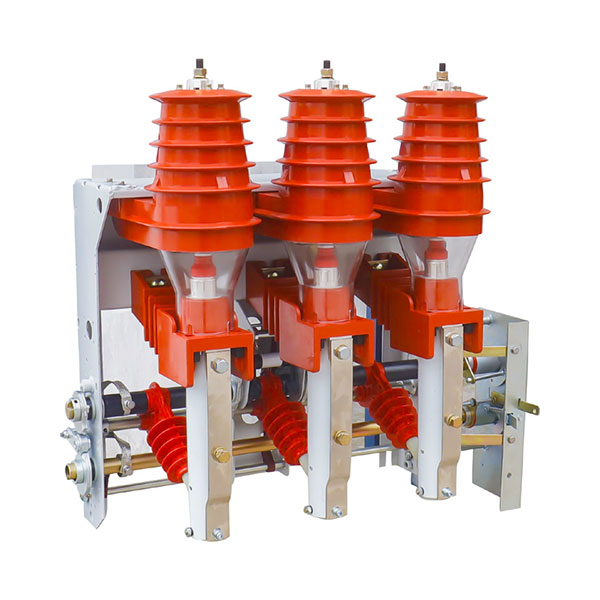
What Is the Working Principle of a Load Break Switch?
A load break switch operates by connecting and disconnecting electrical current under normal and overload conditions. Its core part is the arc-extinguishing device, which safely switches power by rapidly breaking the current and suppressing the arc.
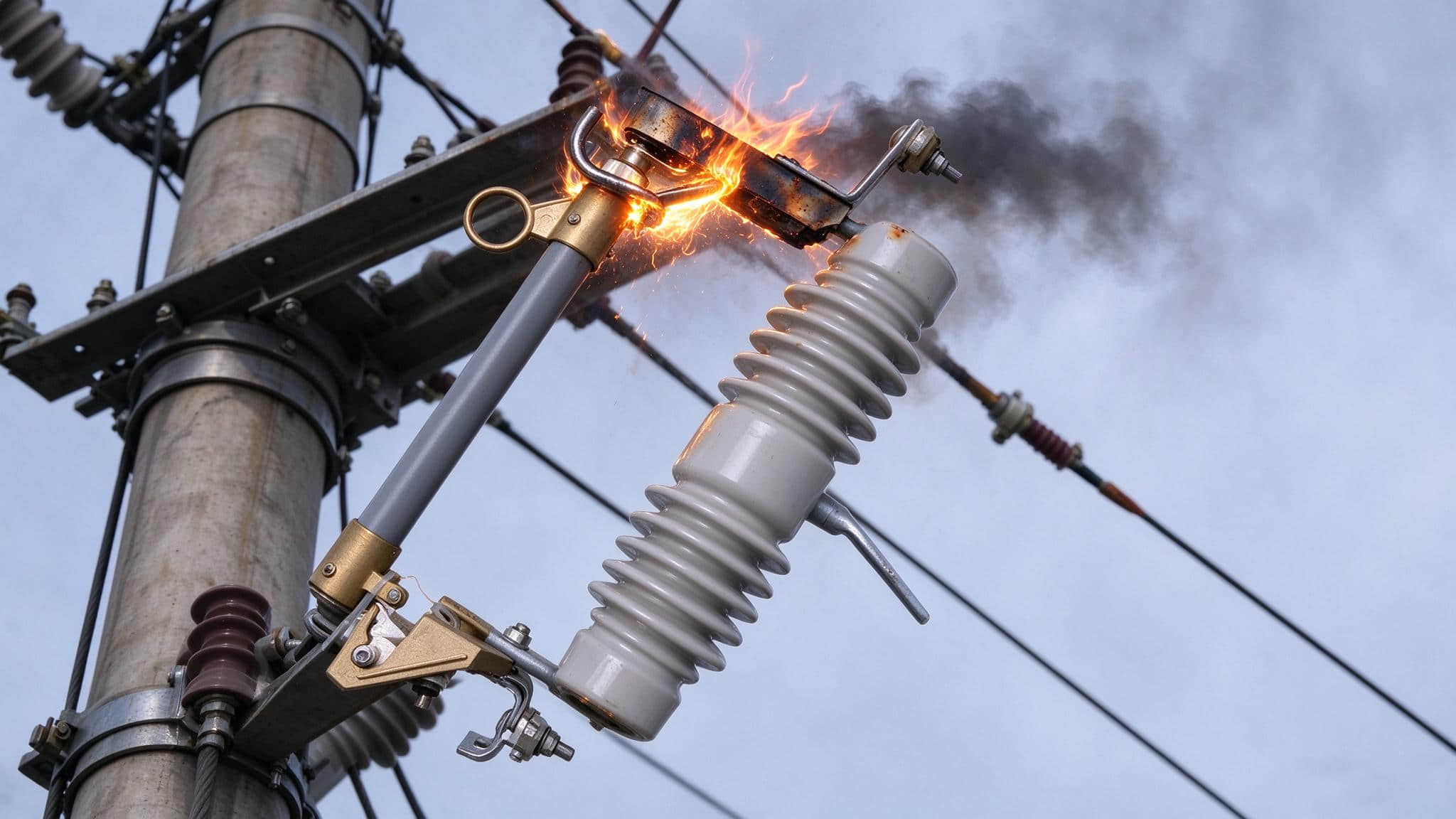
During normal operation, the switch opens and closes the circuit smoothly. When overloads occur, the arc-extinguishing device activates, cools, and separates the arc, safely interrupting the current flow. However, in the event of a short circuit, the internal arc suppression capability is not enough.
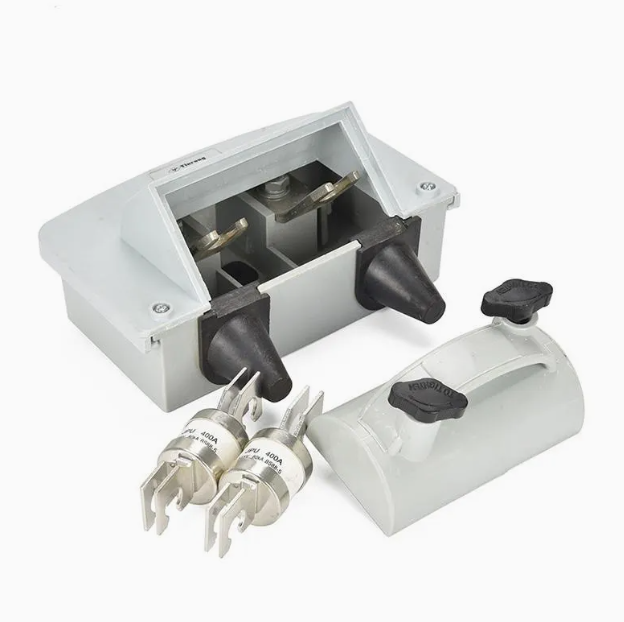
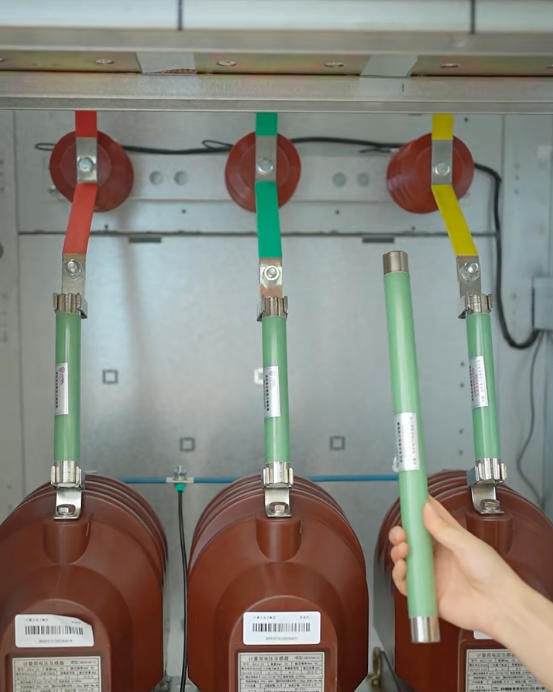
That’s when a high-voltage fuse, installed in series, breaks the current path. The fuse reacts instantly to high current by melting its element, working together with the switch to protect the circuit and equipment.
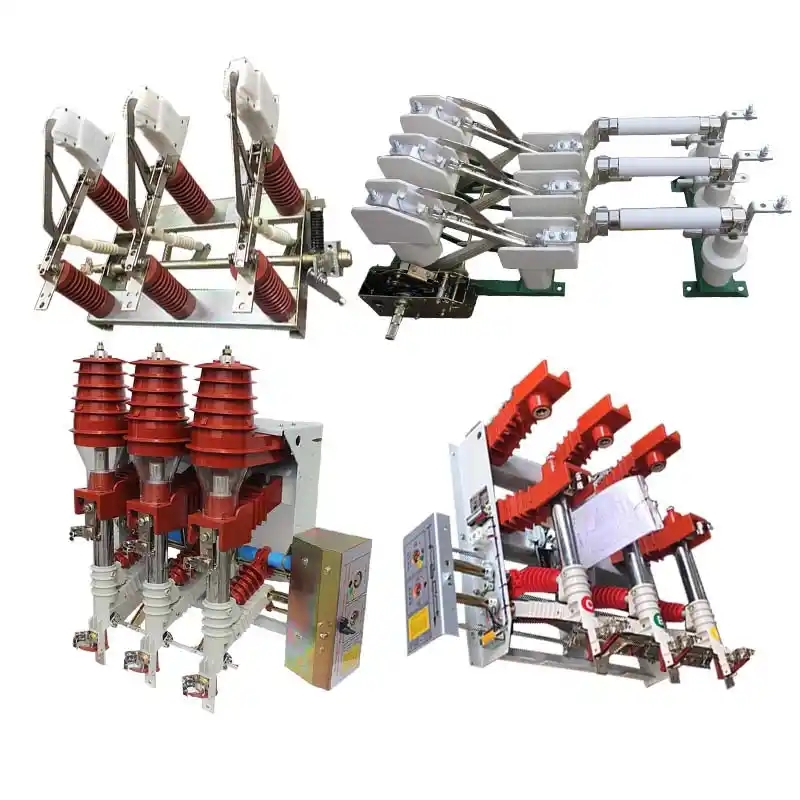
Types of Load Break Switches
There are several types of load break switches, each using a different arc-extinguishing method based on voltage level and application.
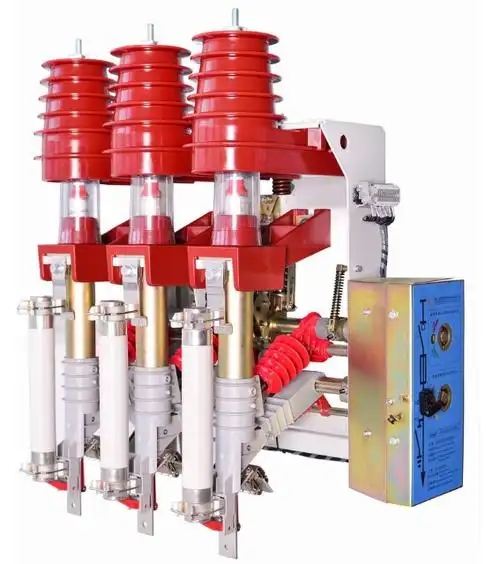
Solid Gas-Generating Type
This switch uses solid materials that produce gas when heated by the arc. As the arc forms, the heat decomposes the material, generating high-pressure gas. This gas blows the arc, cools it down, and forces ion rejoining to extinguish it. This type is widely used in power systems with voltage ratings up to 35 kV.
Puffer Type
The puffer-type switch includes a gas chamber and an arc chamber. During operation, a piston compresses gas in the chamber. The compressed gas blows directly onto the arc as it is released through a nozzle when the contacts separate and form an arc.
This process stretches and cools the arc, helping to extinguish it quickly. It is also suitable for voltages up to 35 kV.
Compressed Air Type
This switch relies on an external compressed air system. During disconnection, the control mechanism releases high-speed compressed air through nozzles directly onto the arc. The airflow cools and breaks the arc within milliseconds, making it suitable for high-voltage applications above 60 kV, such as long-distance transmission lines.
SF₆ Gas Type
This type uses sulfur Six-fluorine compound (SF₆) gas due to its excellent arc-quenching properties. When the contacts open and an arc forms, the SF₆ gas breaks down into reactive particles that absorb free electrons from the arc. This reduces the number of conductive particles and cools the arc, extinguishing it efficiently. This switch is ideal for substations with voltages of 35 kV and above that require high reliability.
Oil-Immersed Type
This switch includes an oil tank and contacts. When the arc forms, the surrounding oil decomposes rapidly, forming gas bubbles. These bubbles expand and create pressure waves that cool and blow the arc.
The oil also prevents oxygen from fueling the arc, making it easier to extinguish. This type is commonly used in outdoor power systems below 35 kV.
Vacuum Type
Vacuum load break switches rely on the excellent insulating and arc-quenching abilities of a vacuum. When the contacts separate in a vacuum, metal vapor from the contacts sustains the arc. The vapor quickly condenses and vanishes in the absence of air, and the arc goes out when the current reaches zero. This type is stable and suitable for systems up to 220 kV, often used in modern urban grids.
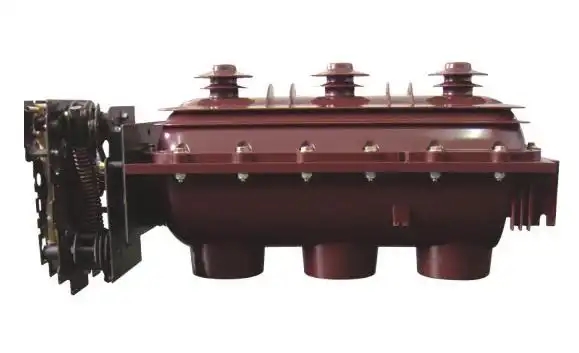
Where Are Different Types of Load Break Switches Used?
Each type of load break switch serves a specific purpose in the power distribution network.
◆ Solid Gas-Generating Type: Used in compact substations and areas with low power demand.
◆ Puffer Type: Common in residential zones, small factories, and community power systems.
◆ Compressed Air Type: Applied in high-voltage environments like transmission towers.
◆ SF₆ Gas Type: Found in critical substations requiring high reliability and safety.
◆ Oil-Immersed Type: Used in outdoor distribution equipment, especially in rural areas.
◆ Vacuum Type: Increasingly used in city grid upgrades and power infrastructure construction.
Can a Load Break Switch Work Alone?
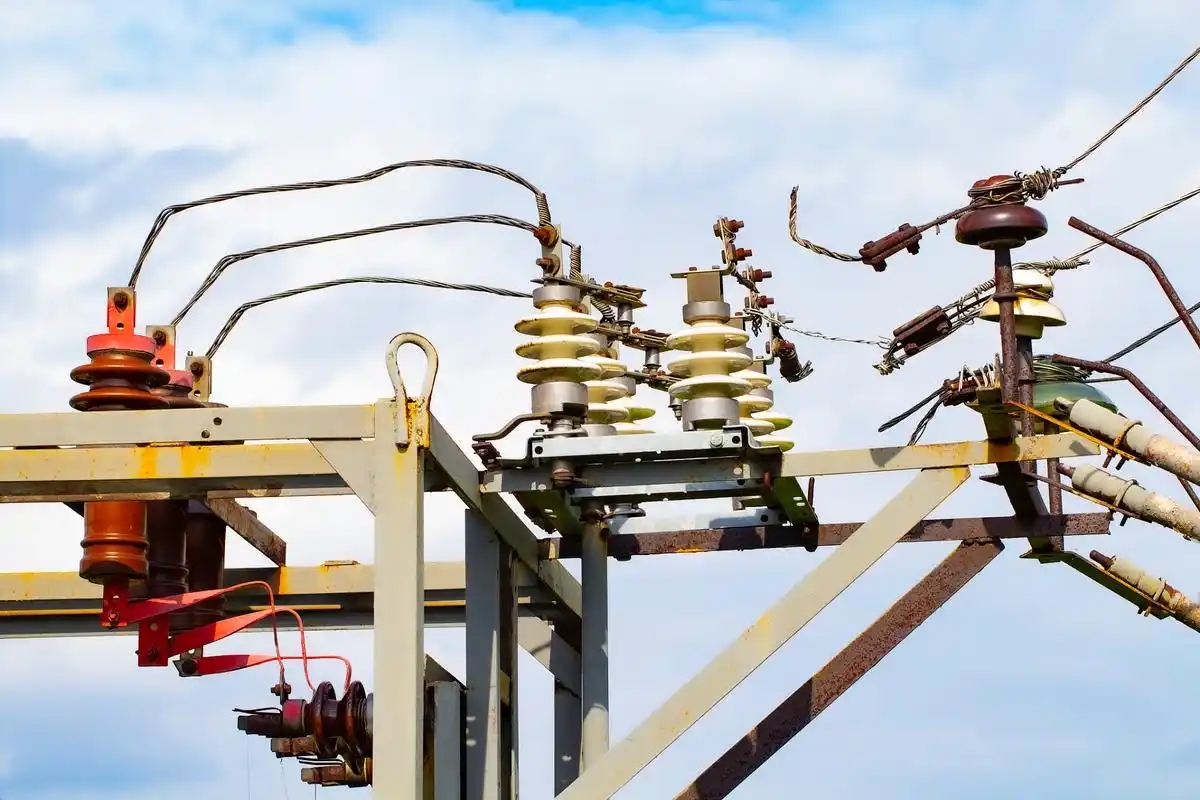
No, a load break switch cannot work alone for complete protection. In practice, the switch mainly handles normal and overload currents in applications like factory motor control and commercial power distribution.
However, it lacks the full protective features of a circuit breaker, especially for short-circuit conditions. Therefore, it is usually connected in series with a high-voltage fuse to form a reliable protection system.
How to Select a Load Break Switch?
1. Confirm Basic Parameters
◆ Voltage rating: Choose a switch rated for the system voltage. Using a mismatch may result in failure or unnecessary costs.
◆ Current rating: Calculate the maximum working current and ensure the switch’s rated current exceeds this value. Also, account for short-time overcurrent capacity and peak tolerance.
2. Consider the Environment
◆ Installation conditions: Outdoor installations require switches with high protection levels. Humid or corrosive environments demand corrosion-resistant materials.
◆ Altitude: High-altitude areas may need specially designed switches to maintain insulation levels.
3. Match the Application Scenario
Different scenarios require different types of switches. It’s also important to consider how the switch will work with other system components. Choose models that match the system’s layout, voltage level, and protection needs.
Installation and Maintenance Tips
Installation Guidelines
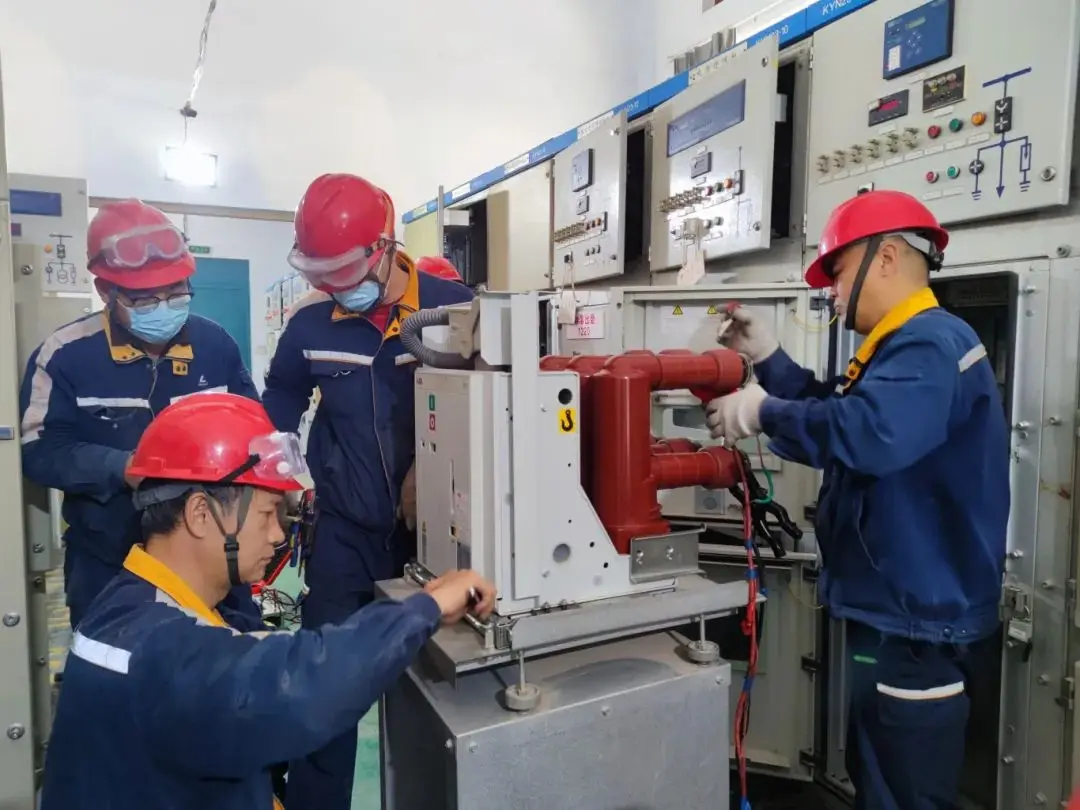
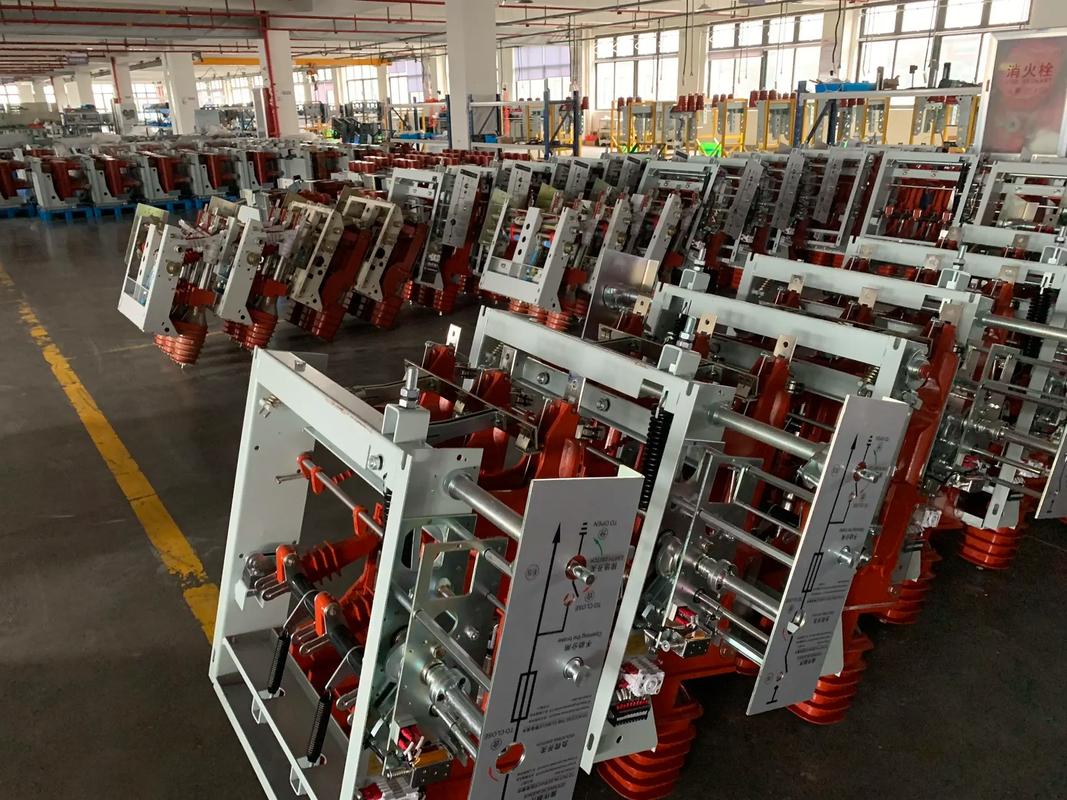
Before installation, inspect the switch and verify technical specifications. Install the switch vertically to ensure easy operation and maintenance. Make sure the wiring is tight and that grounding is secure and reliable.
Maintenance Tips
Inspect the device regularly. Check the condition of contacts and arc-extinguishing components. Monitor indicators such as gas pressure or oil levels, where applicable.
Lubricate the mechanical parts periodically and conduct insulation resistance tests and contact resistance tests to ensure reliability. When problems arise, qualified technicians should handle the repairs.
Final Thoughts
Load break switches are critical for ensuring safe and efficient power distribution. Understanding how they work, the types available, and how to select and maintain them helps reduce risks and improve system performance.
These switches protect systems from overload and help isolate faulty parts without interrupting the entire network. By choosing the right switch and maintaining it properly, you enhance both safety and reliability.
Need Help Choosing the Right Load Break Switch?
If you want to learn more about technical specs, product selection, or system integration, feel free to contact us. Our team of experts will provide you with detailed guidance and quality service to support your project from start to finish.