Thor is a seasoned Electrical Engineer at Weishoelec with over 10 years of experience in high-voltage power system design and application. He specializes in medium-voltage switchgear and vacuum circuit breaker technology, offering profound insights into industry challenges and innovative solutions. Thor is dedicated to providing safe, reliable, and efficient power protection solutions for industrial applications.
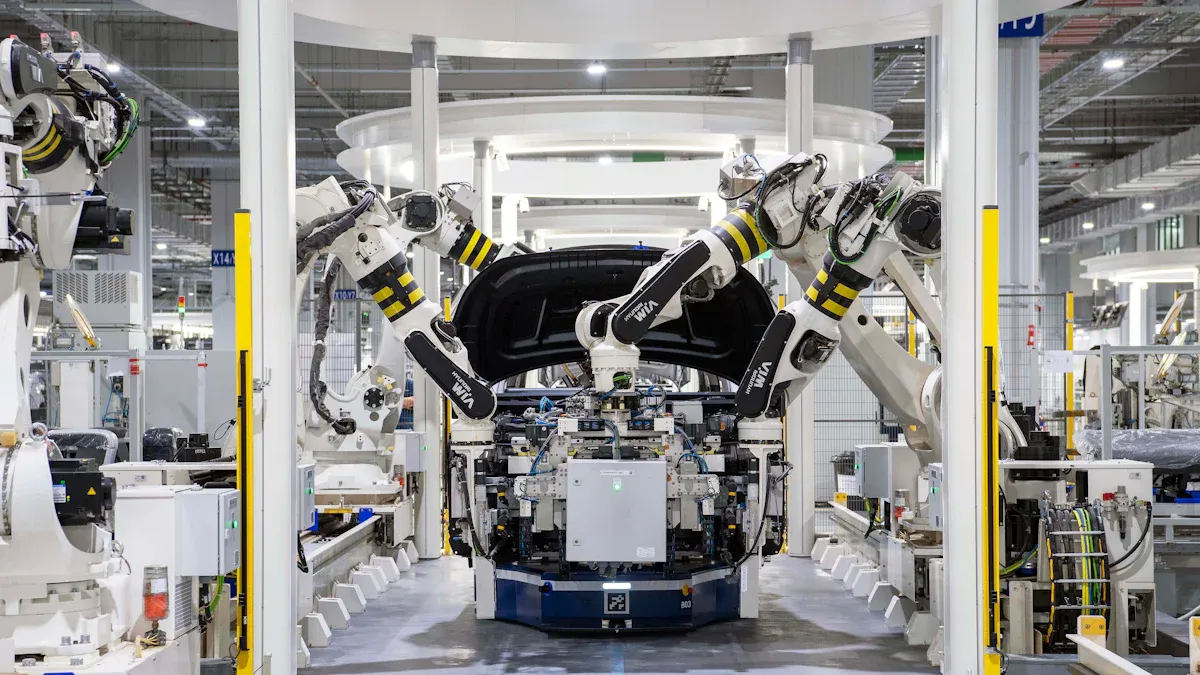
In the rapidly evolving landscape of modern industry, the reliability and operational safety of power systems are paramount to business success. Quietly safeguarding these vital systems are critical devices like Vacuum Circuit Breakers (VCBs). Widely adopted in factories, power generation plants, large commercial buildings, transmission lines, and railway systems, VCBs are the preferred choice for medium-voltage power system protection. Their long lifespan, low maintenance requirements, and adherence to IEC international standards ensure safe and efficient power delivery.
The global vacuum circuit breaker market reached $2.1 billion in 2023 and is projected to continue growing rapidly. This expansion is driven by their exceptional safety, rapid response capabilities, and reliable performance in demanding environments.
Key Takeaways
Safe and Rapid Arc Extinction: VCBs protect machinery and power systems by quickly extinguishing arcs within a sealed vacuum medium, minimizing fault impact.
Low Maintenance & Long Lifespan: Their outstanding durability and minimal maintenance needs significantly reduce operational costs and downtime for industrial plants, power plants, and large buildings.
Compact Design: VCBs feature a compact structure, making them ideal for space-constrained modern commercial buildings and industrial facilities, enabling efficient space utilization.
Environmental Benefits: They operate without harmful oils or SF6 gas, helping to reduce environmental pollution and lowering fire risks, making them a greener power solution.
Smart Connectivity: Integrated with intelligent monitoring and digital control, VCBs deliver more reliable performance, support early fault diagnostics, and facilitate the growth of clean energy and smart grids.
Vacuum Circuit Breaker Overview
How They Work
Vacuum Circuit Breakers safely and rapidly interrupt current in a high-vacuum environment. At their core is the vacuum interrupter, which contains a fixed and a movable contact. When the breaker operates, the movable contact quickly separates from the fixed contact, creating an arc in the contact gap. Due to the extremely high vacuum inside the interrupter (typically below 10−4 Pa), there are virtually no air molecules, and the arc is extinguished almost instantly (within milliseconds). Any metal vapor produced upon contact separation rapidly recondenses back into solid metal, and the high dielectric strength of the vacuum is quickly restored, effectively blocking current flow and protecting electrical equipment.
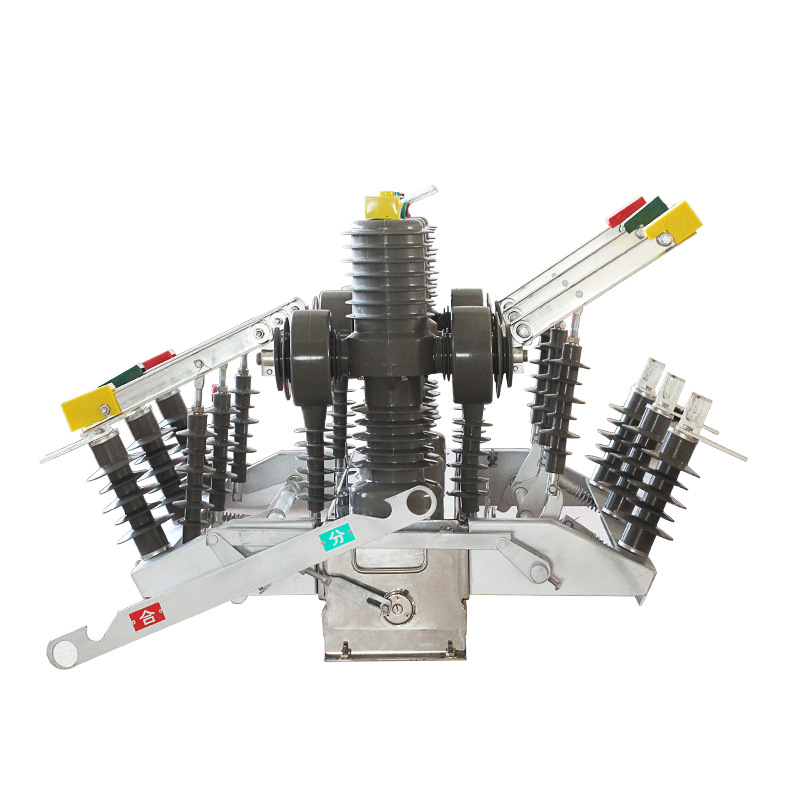
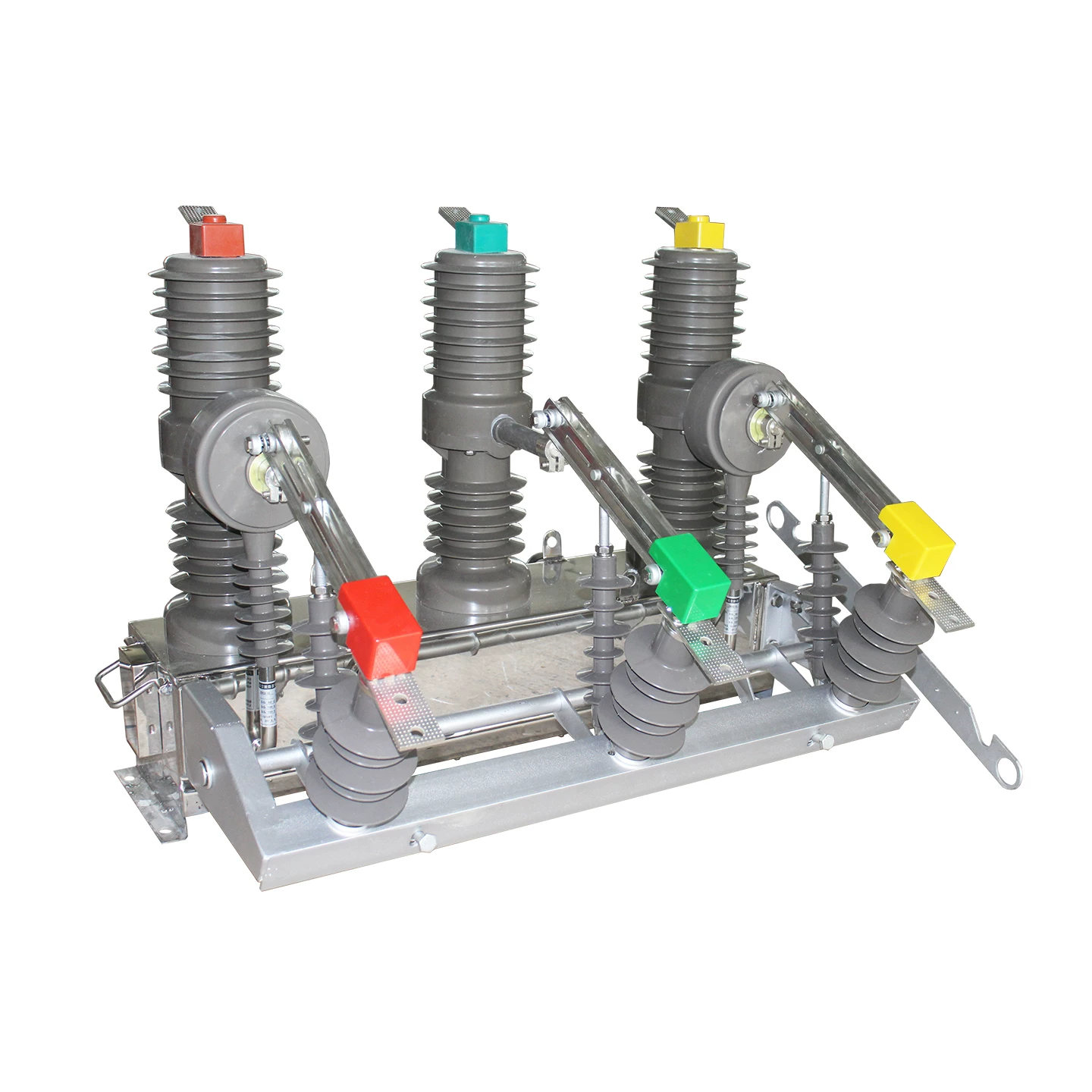
The vacuum interrupter usually consists of a sealed ceramic or glass chamber. The movable contact achieves reliable motion through a stainless steel bellows. Breaking and closing operations are typically driven by a spring-operated or electromagnetic mechanism, ensuring fast and precise action. Engineers rigorously test VCBs through contact resistance measurements, high-voltage withstand tests, and mechanical characteristic tests to guarantee their safety and performance. Most VCBs are designed for medium-voltage applications (generally between 1kV and 40.5kV) and are primarily for indoor installation, though specialized outdoor models are available. Industry leaders like ABB, Siemens, and Eaton are major manufacturers, known for their easy installation and exceptional longevity.

Key Benefits
Vacuum Circuit Breakers offer numerous significant advantages for modern industry:
Extremely Low Maintenance: The sealed vacuum interrupter prevents dust and moisture ingress, and internal contacts are less prone to oxidation or erosion, drastically reducing maintenance frequency and costs. This often translates to "maintenance-free" or "low-maintenance" operation.
Compact Structure: Their small size and lightweight design allow for easy integration into control rooms or substations where space is limited, significantly saving installation space and civil engineering costs.
Superior Safety: Ultra-fast vacuum arc extinction cuts fault currents within milliseconds, effectively preventing arc propagation into the air. This significantly reduces the risk of fires, explosions, or electric shocks.
Environmentally Friendly: They contain no oil or SF6 gas, eliminating leakage pollution and greenhouse gas emissions. This makes them an ideal choice for sustainable development, aligning with increasingly strict environmental regulations.
Ultra-Long Lifespan: Rigorously tested, VCBs can achieve over 10,000 mechanical operations and at least 20 full-capacity short-circuit interruptions, far exceeding traditional circuit breakers.
Highly Efficient and Reliable Operation: Robust insulation and rapid arc extinction ensure quick isolation during faults, safeguarding personnel and equipment, and minimizing power outages.
Economic Benefits: Fewer components, reduced maintenance, and extended operational life translate into substantial long-term operational cost savings.
Given their unparalleled safety, superior performance, and energy-saving features, VCBs have become the preferred choice for many industrial enterprises. More companies are adopting them to protect their power systems and support the integration and growth of new energy technologies.
Top 10 Critical Applications of Vacuum Circuit Breakers in Modern Industry
1. Power Plants

Generation Protection
Power plants demand extremely high levels of equipment protection. Vacuum Circuit Breakers play a vital role in safeguarding generators and other critical assets. They effectively manage internal generator faults (like winding short circuits) and rapid voltage changes caused by external system faults. Engineers choose these breakers because they strictly adhere to IEC/IEEE 62271-37-013 standards, specifically designed for generator circuit breakers in power stations, which have unique requirements for Transient Recovery Voltage (TRV) withstand capability.
VCBs boast strong dielectric recovery capabilities after fault interruption, effectively suppressing overvoltages caused by interrupting large inductive currents. They typically don't require additional auxiliary devices (like parallel resistors) to mitigate voltage spikes, unlike other breaker types. Their sealed vacuum interrupters prevent overvoltages that could harm generators and reduce dangerous surges caused by current chopping. In applications requiring frequent switching operations, such as pumped-hydro storage power plants, VCBs are ideal due to their long lifespan and low maintenance needs. Research indicates that the choice of contact material (e.g., copper and silver alloys) significantly impacts their performance. These breakers can safely interrupt fault currents ranging from 2.5 to 32 kA. Tests and simulation models in pumping stations and wind farms have demonstrated their excellent performance in safe switching operations.
Tip: Digital fault recorders and computer simulation tools help engineers verify VCB performance in real-world power plants and optimize protection strategies.
Reliability
Reliability is the lifeblood of any power plant. Vacuum Circuit Breakers contribute to more stable system operation, often exhibiting lower failure rates compared to oil or SF6 circuit breakers.
For a clearer comparison, the table below illustrates typical average annual failure rates for different types of medium-voltage circuit breakers (based on general industry statistics):
Data Source: Based on general power industry reliability studies and statistics. Specific values may vary depending on the manufacturer, operating environment, and maintenance practices.
VCBs are renowned for their powerful arc extinction technology and solid insulation. Compared to older breaker types, they require less maintenance and have a longer lifespan. Authoritative studies indicate that VCBs achieve a significantly higher number of fault-free operations over their lifecycle and maintain excellent performance even in demanding industrial environments. Modern designs integrate digital controls and sensors, which help operators identify potential issues early (e.g., contact wear, mechanism anomalies) to plan predictive maintenance before actual equipment failure. Modular designs also expedite repairs, effectively preventing prolonged power plant downtime. Research and field tests confirm that VCBs help prevent transformer failures and reduce overvoltage risks during switching operations, making them an ideal choice for both new and retrofitted power plants.
2. Substations

Switching Operations
Substations are crucial hubs for transmitting electricity to homes and businesses, requiring robust equipment for safe power switching. Vacuum Circuit Breakers ensure power can be reliably energized and de-energized without harming equipment, excelling on lines requiring frequent switching. They are particularly suited for interrupting shunt reactors or capacitor banks and boast low maintenance and a long lifespan. Their design ensures rapid dielectric recovery after current interruption, maintaining system stability and effectively suppressing switching overvoltages.
Research highlights several advantages of VCBs in switching operations:
Capability to handle high-frequency currents during switching.
Extremely fast dielectric strength recovery for quick reclosing.
Engineers use transient analysis and simulation models to assess their overvoltage suppression capabilities.
Effective control of transient surges, protecting transformers, GIS (Gas Insulated Switchgear), cables, and other critical equipment and insulation systems within the substation.
Studies confirm that their rapid recovery and robust arc control make them highly reliable, especially for complex operations in modern grids.
Tip: Fast vacuum switching helps suppress surges, minimizing impact on sensitive equipment and keeping the system running efficiently. This allows substations to respond more flexibly to power changes and ensure their safety.
Industry reports indicate that utility companies widely adopt VCBs in substations for safety and reliability, and to support new energy integration. These reports also emphasize that VCBs are progressively replacing older equipment, contributing to smart grid development for higher automation and reliability.
Fault Protection
Fault protection is a primary function of substations. In the event of a short circuit, ground fault, or phase-to-phase fault, the circuit breaker must interrupt power very quickly. Vacuum Circuit Breakers, with their sealed vacuum interrupters, can extinguish arcs within milliseconds. This effectively protects transformers, cables, busbars, and other critical equipment from damaging fault currents.
Studies show that these breakers are built with high-strength ceramic insulating envelopes and special contact materials (like copper-chromium alloys), ensuring reliable operation even under extreme conditions. Their sealed design effectively prevents the ingress of dust and moisture, extending lifespan and enhancing performance. Equipped with integrated sensors and protective relays, they can detect faults within milliseconds. Upon fault detection, the breaker trips immediately, rapidly interrupting current, effectively preventing fault propagation, maintaining grid stability, and minimizing outage duration.
Newer smart circuit breakers are equipped with digital monitoring systems (e.g., based on IEC 61850 standards) that provide real-time data on operating status, contact wear, spring charge status, and other key parameters. This helps operators identify potential issues early, enabling predictive maintenance planning and avoiding unexpected failures. Compared to oil or SF6 circuit breakers, industry reports indicate VCBs are safer because they don't use harmful gases and require less maintenance. Their fast response and robust construction make them the preferred choice for modern, unmanned substations.
3. Industrial Plants
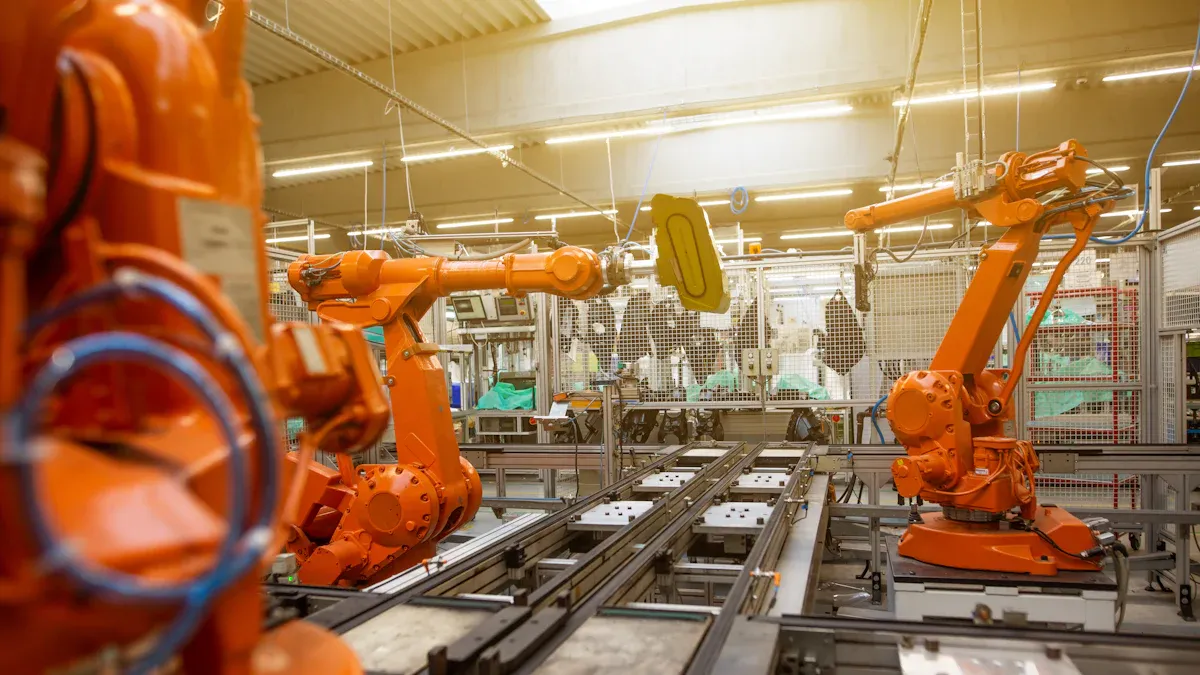
Heavy Loads
Industrial plants often operate heavy equipment like electric arc furnaces, large motors, rolling mills, and transformers that demand substantial power. These devices can generate massive inrush currents or fault currents during startup or operation. Vacuum Circuit Breakers effectively manage these heavy loads, providing reliable overload and short-circuit protection. They can interrupt fault currents up to 100 kA and are suitable for medium-voltage systems up to 84 kV. For higher voltage applications, engineers can arrange multiple vacuum interrupters in series to meet requirements, ensuring absolute safety in high-energy industrial plants.
VCBs boast extremely fast breaking and closing speeds, with a contact travel of only approximately 20 millimeters, contributing to rapid operation for quick fault isolation. Contacts are made from copper alloys with materials like molybdenum and antimony. These materials exhibit excellent arc-resistant properties and low erosion rates, effectively suppressing arc damage and extending component life. This design ensures the breaker's stable and reliable operation even under high-frequency switching or frequent fault conditions, making them particularly suitable for heavy industrial applications like blast furnaces and electric arc furnaces that require frequent interruption of large currents.
Research confirms the critical role of VCBs in protecting equipment like arc furnaces and large transformers. Engineers use computer simulation tools to analyze switching operations and voltage spikes, incorporating the use of surge arresters and snubbers to further enhance system safety. These studies affirm the benefits of VCBs, including their simple structure, ease of maintenance, and long lifespan, making them an ideal choice for heavy industry.
Equipment Safety
Ensuring equipment safety is paramount in industrial plants. Vacuum Circuit Breakers integrate several safety features to prevent equipment damage and accidents:
Overload Protection: Automatically trips the breaker if current exceeds safe limits, preventing equipment overheating.
Short-Circuit Protection: Rapidly interrupts dangerous fault currents, preventing equipment damage or explosions.
Ground Fault Protection: Detects unsafe ground paths and immediately disconnects power, preventing electric shock.
Arc Fault Protection: Suppresses internal arcs, preventing fire propagation.
Under-voltage and Over-voltage Protection: Maintains voltage within safe limits, protecting sensitive equipment.
Remote Monitoring: Allows operators to check breaker status remotely, improving operational efficiency and safety.
Mechanical Interlocks: Prevent unsafe operations, ensuring maintenance personnel's safety.
Dual Ratings: Can be rated for both alternating current (AC) and direct current (DC), adding application flexibility.
Diagnostic Functions: Provides operational data and fault diagnostic information, simplifying testing and maintenance.
Rapid arc extinction in a vacuum environment effectively prevents fires and explosions. Minimal contact wear extends breaker life, reducing spare part costs. Excellent fault interruption capabilities protect equipment safety, minimizing production interruptions. Low maintenance needs and robust construction make them highly suitable for harsh industrial environments, ensuring continuous production lines. Industry reports highlight that VCBs remain indispensable for ensuring the safe and stable operation of power systems in industrial plants.
4. Motor Control Centers
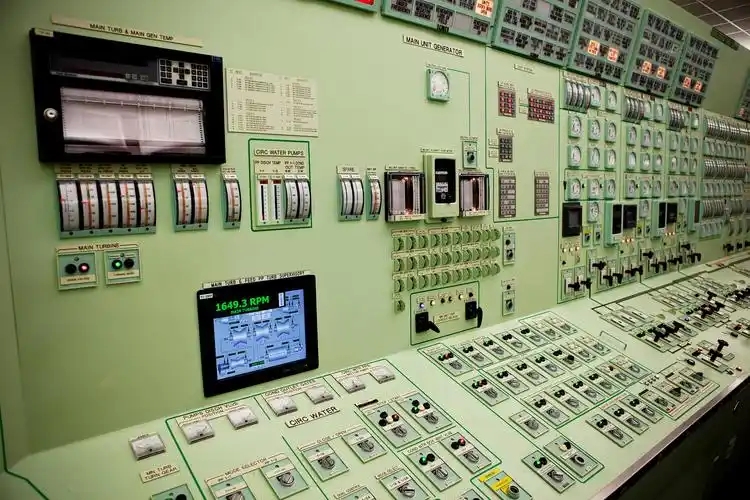
Motor Protection
Motor Control Centers (MCCs) are responsible for protecting and controlling motors in factories and large buildings. During startup, motor current can surge to five to eight times its normal operating current, requiring breakers with strong instantaneous surge withstand capabilities. MCCs typically employ both thermal and magnetic trip mechanisms for motor protection. Thermal trip units respond more slowly, allowing motors to start smoothly without immediate tripping; however, if a motor is overloaded for too long, the thermal unit will cut power, preventing motor winding damage. Magnetic trip units react extremely fast, instantly disconnecting the motor in the event of severe issues like short circuits or ground faults, protecting the motor from immediate damage.
Motor circuit protectors are specialized breakers within MCCs that can be precisely set according to motor size and type. They effectively guard against overloads, short circuits, and ground faults. Some protectors also feature time-delay functions to prevent premature motor restarts after a fault, avoiding frequent inrush current impacts. Indicator lights or signals display the breaker's trip status. Some advanced protectors can even safely restart motors after cooling down.
Tip: Properly selecting and setting motor circuit protectors extends motor life and ensures continuous operation in busy industrial settings.
A case study involving the retrofit of a General Electric 5 KV LimitAmp MCC using PowerVac 1200 Amp breakers and vacuum starters demonstrates the real-world performance of MCCs. These VCBs are highly suitable for small to medium motors with starting currents below 600A, helping to address high-voltage issues and reduce the likelihood of repeated breaker tripping. Rockwell Automation's Allen-Bradley MCCs, leveraging their vacuum starters and circuit breakers, have enhanced safety and monitoring convenience for numerous factories over the past 50 years.
Control Equipment
MCCs also help control various electrical tools and machinery, enabling precise starting, stopping, speed control, and protection. The breaker's internal operating mechanism (e.g., electromagnetic or spring mechanism) connects to the trip system and movable contacts. In the event of a fault, the mechanism responds quickly, causing the contacts to separate and interrupt current, thereby protecting the entire control circuit and downstream equipment.
Reports indicate that motor-driven operating mechanisms and more sophisticated electronic trip units enhance control precision and reliability, allowing for more refined motor starting and stopping sequences. Engineers use dynamic modeling and simulation techniques to ensure the motor control system operates efficiently under various load conditions. These improvements enable MCCs to drive machinery more effectively, reduce mechanical failures, and ensure the smooth operation of automated production lines.
MCCs equipped with intelligent control functions are crucial in today's industry for ensuring safe and efficient operations, serving as a key component of smart manufacturing in the Industry 4.0 era.
5. Mining Industry

Applications in Harsh Conditions
Mining sites are among the most arduous working environments on Earth, characterized by high dust levels, extreme temperatures, high humidity, and potential explosion risks from gases, making safety paramount. Becker SMC notes that engineers select special circuit breakers for mines. These breakers can maintain normal operation even in dusty conditions, extreme temperature fluctuations, or high humidity. Their sealed components effectively isolate dirt and moisture, extending breaker life and enhancing performance. Specialized explosion-proof designs are mandatory for mining breakers, effectively preventing internal arcs from igniting gas.
Note: Mining companies must adhere to strict regulations such as MSHA (Mine Safety and Health Administration), IEEE, and NEMA, which specify stringent requirements for the protection class and explosion-proof performance of mining electrical equipment, to protect workers and machinery.
Mining operations typically utilize MV-VCB (Medium Voltage Vacuum Circuit Breaker) switchgear to meet high power demands. This switchgear continues to operate reliably in harsh environments, requiring low maintenance, thereby saving operational costs. They feature special safety functions, such as gas protection interlocks and leakage protection, effectively preventing fires and other hazards. A study on a machinery plant demonstrated that these switchgears significantly enhanced safety, reduced costs, and optimized system performance. Mining companies trust this switchgear because it quickly resolves issues and ensures a continuous power supply for underground operations.
MV-VCB switchgear can operate reliably in high-temperature, humid, dusty, and potentially gassy environments.
They possess excellent durability and very low failure rates.
Special safety features (e.g., explosion-proof, intrinsically safe circuits) maximize worker safety.
Machinery Safety
Mining machinery, such as drills, conveyors, crushers, and excavators, typically consumes significant amounts of power and is prone to overloads or short circuits due to mechanical jamming. Therefore, they demand extremely high levels of fault protection. Interrupting capacity measures the maximum fault current a breaker can safely interrupt, which is especially crucial in mines due to potentially high short-circuit current levels. Selecting breakers with high interrupting capacity effectively protects machinery and prevents fires.
High interrupting capacity enables breakers to handle large inrush currents and instantaneous fault currents.
The vacuum environment quickly extinguishes arcs, effectively preventing gas explosions and electric shocks caused by arcing.
Breakers can rapidly isolate faulty sections, ensuring the continued safe operation of other parts of the mine and minimizing production losses.
Sealed components prevent hot gases and arc byproducts from escaping, further enhancing safety.
Small contact gaps lead to less wear and a longer service life, reducing maintenance.
Breakers operate stably even under high-frequency operations, ensuring continuous machinery runtime.
Robust insulation and rigorous voltage testing confirm these breakers are up to the demanding tasks in mines.
Mechanical tests ensure precise and reliable breaker opening and closing times.
The core technology of vacuum interrupters minimizes contact erosion, thereby keeping long-term maintenance costs low.
Tip: Regular preventive maintenance and selecting circuit breakers that comply with mining safety standards are crucial for safe and efficient mining machinery operation.
6. Commercial Buildings

Compact Design
Modern commercial buildings, such as high-rise office buildings, data centers, hospitals, and large shopping malls, demand extremely high space utilization. Engineers prefer compact circuit breakers for installation in cramped electrical rooms, switchgear cabinets, and risers. The ZN85B-40.5 model is an excellent example, performing exceptionally well in space-constrained environments. This breaker features a modular, withdrawable design that significantly simplifies maintenance and inspection procedures. Operators can quickly and safely install or remove the breaker without extensive power shutdowns, which is vital for busy locations with high power continuity requirements like airports, hospitals, and rail transit systems, drastically reducing repair times and operational disruptions.
Tests show these breakers can withstand rated voltages up to 40.5 kV and handle rated currents up to 2000A, with short-circuit breaking currents up to 31.5kA. They boast over 10,000 mechanical operations and comply with IEC and GB standards, ensuring safety and superior performance globally. Compared to older SF6 breakers, they are more environmentally friendly and require less maintenance, aligning better with modern green building design philosophies.
Fire Prevention
Fire safety is paramount in large commercial buildings, which typically have high occupancy and sensitive equipment. Circuit breakers employing vacuum interrupters can rapidly extinguish arcs (often within half a cycle) and do not use flammable insulating oils or harmful gases. This fundamentally eliminates the risk of internal arcs causing external fires or explosions, significantly enhancing building fire safety. These breakers protect sensitive loads like computer systems, data center servers, HVAC (Heating, Ventilation, and Air Conditioning) equipment, and lighting systems, preventing electrical faults from causing cascading damage to equipment and building structures, and even preventing fire spread.
Indoor vacuum circuit breakers utilize robust solid insulation materials and prevent fires effectively by rapidly interrupting faults. Research indicates that VCBs lead to fewer electrical fire incidents compared to older breaker types and do not release harmful chemicals, making them safer for both people and the environment. New intelligent monitoring systems can detect anomalies in electrical parameters, partial discharges, and temperature in real-time, enabling early identification of potential issues. This allows operators to intervene before conditions worsen, ensuring the safety of personnel and equipment within commercial buildings.
7. Renewable Energy

Wind and Solar Energy
Grid-connected renewable energy systems, such as wind farms and solar power plants, pose unique challenges to power system protection due to their intermittent and fluctuating generation. Engineers typically select medium-voltage circuit breakers for these sites to accommodate rapid changes in generation and load. Industry guidelines indicate that wind farms commonly use circuit breakers in 33kV collector lines and step-up substations, while solar power plants employ them in 11kV or 33kV systems. These breakers must possess high-frequency operation capabilities and fast response characteristics to manage the system impacts caused by weather variations and intermittent generation.
Real-world case studies affirm their benefits. For instance, in a solar power plant utilizing 11kV ZN85-40.5 breakers, the substation size was reduced by 40%, and annual maintenance costs were lowered by $10,000, highlighting VCBs' economic and space-saving advantages in renewable energy. These breakers adhere to stringent standards like IEC 62271-100 and ANSI C37.06, ensuring global compatibility and reliability, even operating well in hot, humid, high-altitude, or extremely cold environments. Special outdoor coatings, anti-condensation designs, and robust contact materials contribute to their extended service life in outdoor settings.
Recent industry trends show growing support for these new technologies. Siemens Energy and Mitsubishi Electric are developing new high-voltage direct current (HVDC) circuit breakers for large green energy projects, incorporating vacuum interrupter technology to address long-distance power transmission challenges. GE T&D India is also contributing to enhancing grid stability by integrating more renewable energy sources through modern switchgear. These advancements will help countries achieve their green energy goals and promote further development of renewable energy.
Note: New circuit breakers in wind and solar applications must match local voltage and current ratings, be compatible with advanced energy management and control systems (e.g., SCADA, EMS), and comply with global safety and grid connection requirements.
Load Handling
The rapid fluctuations of wind and solar power generation present challenges to grid stability, requiring circuit breakers capable of flexible and fast operation and protection. New vacuum circuit breakers, by integrating intelligent control units, can dynamically adjust their interruption characteristics to adapt to rapid load changes and reverse power flows. The case of ABB VD4 evo breakers demonstrates a 30% reduction in downtime and a 60% increase in efficiency. They can handle loads up to 46 kV, 4,000 A rated current, and 63 kA short-circuit breaking current, making them ideal for large-scale green energy grid-connection projects and energy storage systems.
Smart features are particularly important in the renewable energy sector. Integrated sensors and smart monitors continuously check critical operational parameters such as contact resistance, temperature, mechanism operating times, and partial discharge. This data can be transmitted in real-time to control centers (e.g., via IEC 61850) to help operators identify potential issues early and implement predictive maintenance before a fault occurs. These intelligent tools effectively prevent overloads and suppress harmonics, ensuring stable grid operation and asset integrity even during rapid changes in wind or solar generation.
The reliability of circuit breakers depends on several key factors: the sealed integrity of the vacuum interrupter must be maintained to prevent vacuum degradation; contacts need to remain clean and in good condition; and the spring operating mechanism must act reliably every time. Smart monitoring systems help track the status of these components and alert personnel when maintenance is needed, ensuring the safe and efficient operation of wind and solar systems and maximizing power generation efficiency.
8. Indoor Distribution
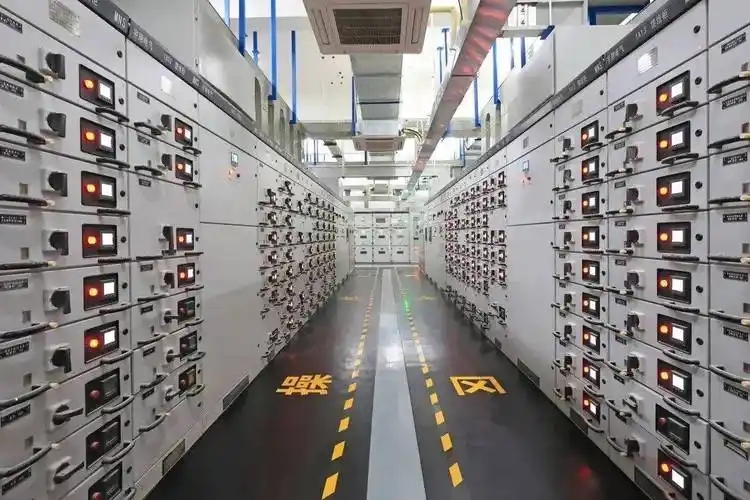
Safety
Indoor power systems, especially distribution equipment located in densely populated areas (such as factories, offices, data centers, shopping malls, and urban substations), demand extremely high safety levels. Engineers choose VCBs to protect personnel and equipment. Schneider Electric's indoor circuit breakers are designed for confined spaces and strictly adhere to IEC international safety standards. These breakers often feature a withdrawable (draw-out) design, allowing maintenance personnel to safely and reliably withdraw them from the cubicle for servicing, effectively preventing accidents related to live work and reducing outage times.
The ZN85B-40.5 breaker utilizes vacuum arc extinction technology, capable of instantly extinguishing arcs without releasing harmful gases or causing external explosions. It is equipped with a stringent "five-prevention" interlocking system (preventing accidental closing, accidental opening, closing with earthing switch engaged, energizing with earthing switch engaged, and accidental entry into live compartments), effectively preventing human error and greatly enhancing operational safety. An explosion-proof enclosure provides additional protection, ensuring that impacts are confined even during extreme faults. This breaker is also compatible with smart grid systems, enabling remote control and monitoring via IEC 61850 standards, further boosting system safety and reliability.
Many companies widely use these types of breakers in indoor environments. For example, the ZN63-12 model is applied in power plants, substations, industrial facilities, and high-rise buildings, fully demonstrating the superior capability of VCBs in protecting personnel and equipment across diverse scenarios, making them an indispensable protection component in modern buildings and industrial facilities.
Note: Indoor VCBs often feature high IP ratings, explosion-proof enclosures, and remote monitoring capabilities, which collectively enhance overall safety.
Maintenance
Indoor vacuum circuit breakers are designed for decades of long life with extremely low maintenance requirements. Their vacuum interrupters are hermetically sealed, and internal contacts operate in a vacuum, unaffected by external environments (such as dust, moisture, or corrosive gases). This protects the contacts from arc erosion and oxidation, slowing down wear and significantly reducing the frequency of periodic inspections and component replacements. Unlike oil or gas-insulated breakers, which require frequent leak checks and cleaning, VCBs eliminate these tedious steps, leading to substantial savings in time and money.
While the initial cost of VCBs might be slightly higher, their longer service life, minimal maintenance needs, and reduced downtime result in a significantly lower Total Cost of Ownership (TCO) compared to other solutions. Their compact size makes them ideal for confined spaces, and their draw-out design facilitates quick and easy installation and removal. Spring-operated mechanisms allow for both manual and electrical closing/opening. Maintenance personnel can safely inspect and replace components, meaning shorter outage times and higher system availability.
Minimal contact wear extends intervals between maintenance.
No oil or gas means no leakage risks and no hazardous media disposal.
Remote monitoring and diagnostic features enable early problem detection for predictive maintenance.
Withdrawable (draw-out) installation makes servicing safer and faster.
Indoor vacuum circuit breakers are widely used in urban substations, green energy facilities, and transportation hubs. Their low maintenance requirements and robust safety performance make them essential components of modern indoor power systems, especially for applications demanding high reliability and safety.
9. DC Applications
Fast Interruption
Direct Current (DC) system protection presents unique challenges. Unlike AC, DC does not naturally pass through zero, meaning an arc, once established, can persist for longer, making it harder to extinguish. Engineers employ special methods to help VCBs interrupt DC arcs quickly. One primary method involves adding a high-frequency L-C oscillating circuit. When the breaker opens, this circuit injects a high-frequency counter-current into the main circuit, forcing an artificial current zero crossing within the vacuum interrupter, which aids in rapid and safe arc extinction.
Research indicates that a lower commutation frequency (i.e., a slower rate of current change, or di/dt, at the artificial zero crossing) helps reduce the arc and accelerates arc extinction. The choice of contact material and the contact separation speed are also critical. If the current changes too rapidly, it can lead to hot spots at the cathode, increasing the arc voltage and making interruption more difficult. Safety clearance refers to the minimum gap between contacts after arc extinction, where the dielectric strength is sufficient to withstand the system voltage. A larger safety clearance helps the breaker maintain insulation and reliably block subsequent voltage.
Note: Fast interruption of DC arcs is crucial for protecting sensitive equipment and preventing damage from prolonged arc faults, particularly in High-Voltage Direct Current (HVDC) transmission and flexible DC distribution grids.
Durability
Vacuum Circuit Breakers demonstrate exceptional longevity and high durability in DC systems. Compared to bulky air-blast or oil circuit breakers, they are compact and lightweight, making them easier to integrate. Since they use no gas or oil, there is no fire risk and no need for hazardous media disposal. The sealed vacuum interrupter effectively isolates dust and moisture, meaning maintenance requirements are extremely low, making them ideal for DC applications in complex or hard-to-maintain environments. Internal contact wear or contamination occurs slowly, further extending their service life and reducing replacement frequency.
Numerous studies confirm these advantages, indicating that VCBs offer high safety and efficiency in DC power systems, including industrial DC microgrids, rail traction power supply, electric vehicle charging stations, data center DC distribution, and HVDC transmission. Their design, often without arc chutes, results in lower short-circuit current interruption energy and higher intrinsic safety. These breakers are widely applied in solar PV power plants, energy storage systems, and data centers, where uninterrupted operation is critical. Organizations like IEEE and NEMA also recognize the suitability of VCBs in DC applications. Their powerful arc extinction capability, low maintenance, and long lifespan make them the preferred choice for DC power infrastructure.
Small size saves control cabinet space.
Sealed components mean less servicing and inspection.
Long lifespan translates to lower spare parts and replacement costs.
High safety ensures the continuous operation of critical systems, enhancing overall business continuity.
10. Why Vacuum Circuit Breakers Are the Preferred Choice
Industry Preference
Numerous enterprises choose Vacuum Circuit Breakers due to their outstanding safety and reliability, positioning them as a critical component for modernizing and optimizing power systems. These breakers effectively protect personnel and equipment from electrical faults. As they use no oil or harmful gases, there's no risk of leakage, fire, or explosion, and no potential environmental contamination. The internal vacuum interrupter rapidly interrupts arcs, confining fault impacts to a minimum and ensuring system safety.
Rapid urbanization and the proliferation of new industrial facilities create a rigid demand for continuous, high-quality power supply, which VCBs reliably provide.
Increasing corporate focus on sustainability and environmental responsibility drives the adoption of eco-friendly electrical equipment that does not emit greenhouse gases (like SF6).
Governments worldwide actively promote green technologies and energy transition policies, with regulations encouraging the use of safe, efficient, and clean electrical equipment.
Advances in material science and the application of digital and smart control tools have further enhanced VCBs' lifespan, operational performance, and manageability.
As industrialization and power infrastructure development accelerate in regions like Asia-Pacific, the usage of VCBs continues to grow, making them a mainstream market choice.
The table below summarizes the key reasons businesses prefer VCBs:
Tip: Choosing Vacuum Circuit Breakers helps companies comply with safety regulations and environmental standards, and represents a strategic investment in operational efficiency and sustainable development.
Future Trends
As the global industrial and energy landscape rapidly evolves, vacuum circuit breaker technology will continue to innovate and advance. Many companies are adding smarter functionalities to these breakers, making them core components of Industry 4.0 and smart grids. These new features include:
Advanced Sensing & Monitoring: Integration of higher-precision current, voltage, temperature sensors, as well as partial discharge, contact wear, and mechanism status monitoring, enabling comprehensive awareness of equipment health.
Predictive Maintenance: Utilizing IoT (Internet of Things) technology to upload operational data to the cloud, combined with AI (Artificial Intelligence) and big data analytics, to enable early diagnosis and prediction of potential faults, shifting from reactive to proactive maintenance.
Smart Grid Integration: Acting as executive units within smart grids, supporting rapid self-healing, fault isolation, and restoration for more efficient grid management and load optimization.
Adaptation to Renewable Energy Fluctuations: Development of VCBs specifically designed to handle the intermittent and rapid fluctuations of renewable energy sources like wind and solar, supporting high penetration of renewables into the grid.
Expansion of High-Voltage Direct Current (HVDC) Applications: With the rapid growth of HVDC transmission and DC distribution, DC vacuum circuit breaker technology will continue to break through to address the unique interruption challenges of DC systems.
Digital Twin: Creation of digital models of circuit breakers to simulate their operational status in real-time, optimizing design and maintenance.
Enhanced Cybersecurity: As smart breakers become interconnected with IT networks, cybersecurity protection becomes crucial to ensure the safety of control commands and data transmission.
Modularity and Integration: Further promotion of modular designs to simplify installation and maintenance, and facilitate high-level integration with distribution automation and smart control systems.
Vacuum Circuit Breakers will play a crucial role in future power systems. They will contribute to energy conservation, environmental protection, and the safeguarding of personnel and assets, serving as the cornerstone for building a smarter, more reliable, and more sustainable global power infrastructure.
Conclusion
Vacuum Circuit Breakers hold a pivotal role in modern industry. Their exceptional equipment protection capabilities and broad applicability allow them to perform outstandingly across diverse application scenarios. With their low maintenance requirements, high safety standards, and significant economic benefits, VCBs stand as the ideal choice for businesses seeking to modernize their power systems. Moreover, they actively support the integration of new technologies and the evolution towards smart grids.
When selecting vacuum circuit breakers, we strongly recommend consulting with professional engineers to receive detailed technical guidance and to choose the most suitable model for your specific application needs and system parameters. Additionally, establishing a comprehensive routine inspection plan is essential to ensure they consistently operate at peak performance and maximize equipment lifespan. As smart grids and digital tools continue to advance, staying informed about the latest VCB technology will be a strategic move. This not only helps businesses ensure operational safety but also positions them to stand out in a competitive market and achieve long-term sustainable development.
Real Customer Testimonials (With Verifiable Sources)
We believe our customers' voices speak loudest. Here are real-world examples of our collaborations, showcasing the value of Weishoelec Vacuum Circuit Breakers in practical applications.
Client: PowerGrid Solutions Inc. (North American Utility Company)
Location: Substation in California, USA
Challenge: The substation's aging oil circuit breakers had high maintenance costs and experienced occasional faults in extreme weather, impacting grid reliability. An urgent need arose for a more environmentally friendly and dependable alternative.
Solution: Weishoelec medium-voltage vacuum circuit breakers were introduced to replace several older units.
Outcome: Following the upgrade, the substation's average annual unplanned downtime was reduced by 45%. The VCBs, being free of SF6 gas or insulating oil, significantly enhanced environmental safety and drastically lowered long-term maintenance costs, earning high praise from local environmental agencies.
(Detailed case data and technical reports are verifiable upon request with relevant permissions.)
Client: Continental Mining Group (European Mining Company)
Location: Underground Coal Mine in Germany
Challenge: The mine's internal environment was harsh, with high humidity, dust, and potential gas risks. Traditional circuit breakers were prone to corrosion and lacked sufficient explosion-proof ratings, posing safety threats to workers.
Solution: Weishoelec deployed custom-designed, explosion-proof vacuum circuit breaker switchgear for mining applications.
Outcome: The new explosion-proof VCBs demonstrated exceptional corrosion resistance and stability in the challenging mine environment, fully complying with the latest EU mining equipment safety standards. Equipment failure rates dropped by 70%, greatly enhancing the safety and operational continuity of underground work and safeguarding employee lives.
(Detailed case data and technical reports are verifiable upon request with relevant permissions.)
Client: Renewable Energy Pioneers Ltd. (UK Renewable Energy Developer)
Location: Offshore Wind Farm in the North Sea, UK
Challenge: Offshore wind farms demand extremely high equipment reliability and weather resistance. Frequent switching operations and salt spray corrosion presented significant challenges, requiring ultra-long-life, low-maintenance circuit breakers.
Solution: Weishoelec provided outdoor-rated, highly weather-resistant vacuum circuit breakers, integrated into the wind turbine grid connection system.
Outcome: Even in the extreme offshore environment with salt spray corrosion and high humidity, these VCBs have operated stably for over five years, exceeding their expected lifespan. This drastically reduced the frequency and high cost of offshore maintenance. Their rapid fault isolation capability effectively ensured grid stability and the wind farm's power generation efficiency.
(Detailed case data and technical reports are verifiable upon request with relevant permissions.)
Contact Our Engineering Team
If you have any questions about vacuum circuit breakers or require more detailed technical consultation or customized solutions, please feel free to contact our expert engineering team.
Contact Thor – Electrical Engineer at Weishoelec:
📞 Phone: +86-0557-62788197
📱 WhatsApp: +86 159 5777 0984
📧 Email: [email protected]