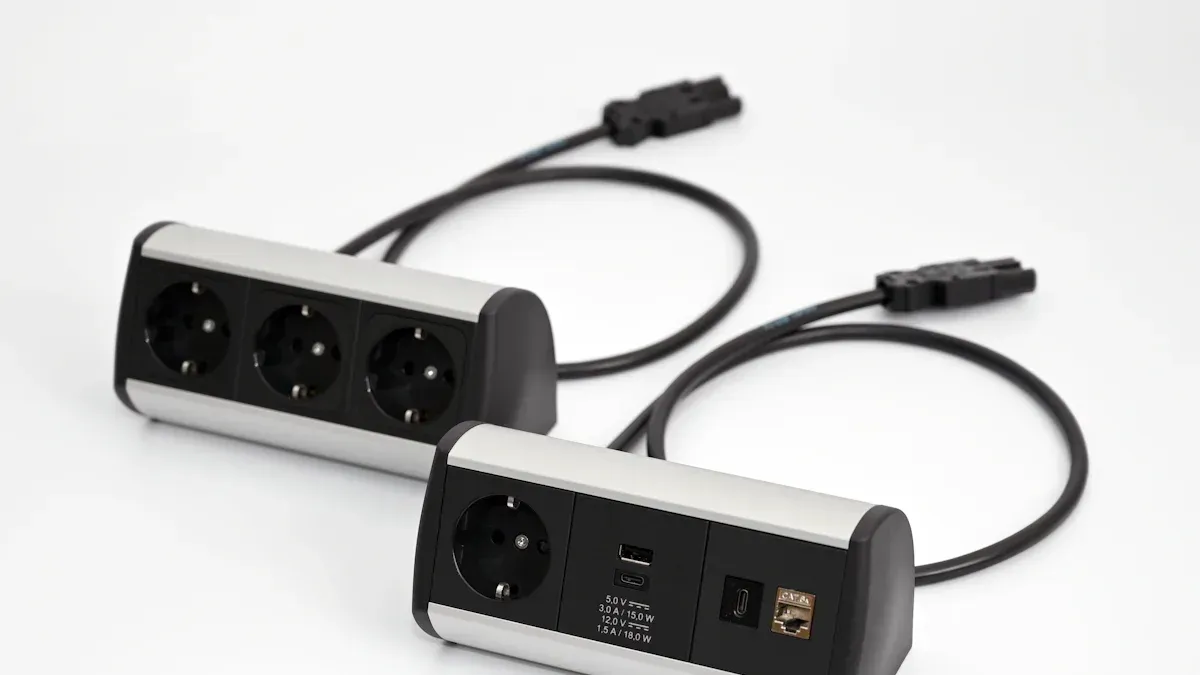
If you’re searching for the best surge protector for your home or office in 2025, these five models stand out: Tripp Lite Protect It 12-Outlet TLP1208SAT, Tripp Lite IsoBar Ultra, APC Performance SurgeArrest P11VT3, Amazon Basics 6-Outlet Surge Protector, and CyberPower CSP600WSU. Each one is considered the best surge protector thanks to its strong protection and reliability. These trusted brands offer excellent value for the price.
Power surges can result from bad wiring, overloaded outlets, or even lightning strikes. Choosing the best surge protector is essential to keep your devices safe.
You can easily compare these top picks below. Consider what devices you need to protect, your safety requirements, and your budget to select the best surge protector for your needs.
Key Takeaways
Pick a surge protector that fits your devices, safety needs, and budget.
Find one with a high joule rating. Higher joule ratings mean better protection from power surges.
Think about how many outlets you need. More outlets let you plug in more devices easily.
Look for extra features like USB ports and coaxial protection. These make it safer and easier to use.
Read reviews and check for safety certifications. This helps you choose a surge protector you can trust.
Change your surge protector every 3 to 5 years. Replace it sooner if it gets damaged to keep your devices safe.
When you travel, pick a small surge protector with many outlets and USB ports. This makes it easier to charge your devices.
Buying a good surge protector can save you money. It stops your electronics from getting damaged.
Comparison
Best Surge Protector Comparison
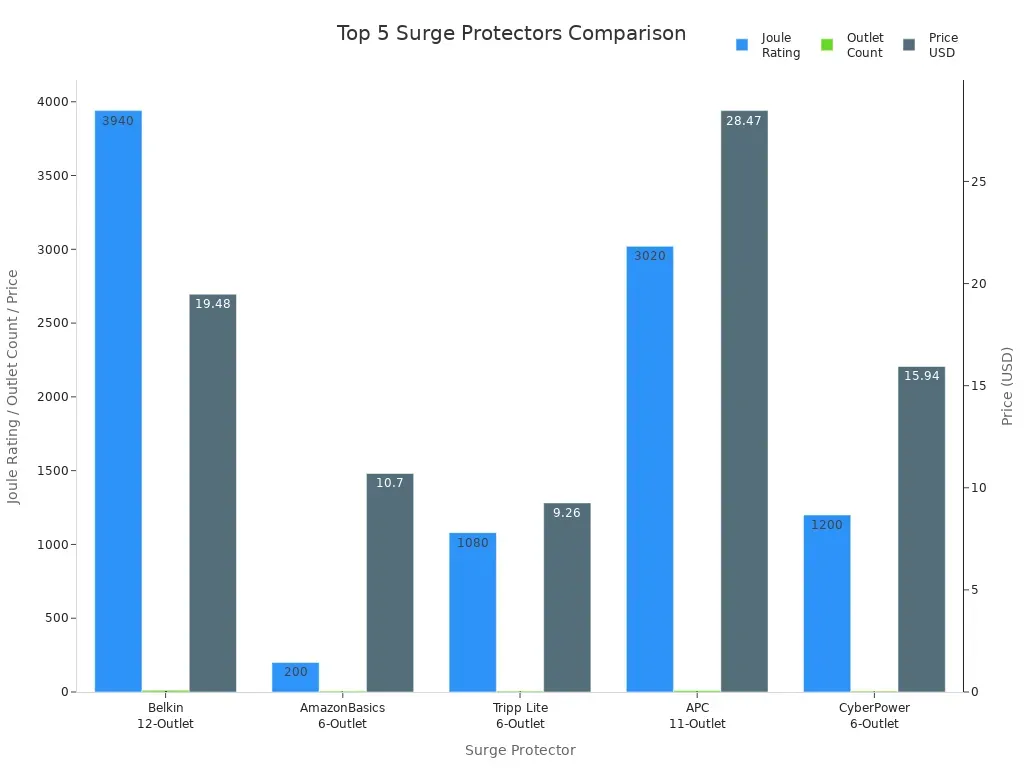
When you pick the best surge protector, you want to know how each one compares. The table below shows important details for the top five choices. You can check outlet count, joule rating, cord length, special features, price, and brand.
Surge Protector | Joule Rating | Outlet Count | Cord Length | Special Features | Price | Brand |
|---|---|---|---|---|---|---|
Tripp Lite Protect It 12-Outlet TLP1208SAT | 2880 | 12 | 8 ft | Coax/Ethernet protection | $29.99 | Tripp Lite |
Tripp Lite IsoBar Ultra | 3330 | 6 | 6 ft | Metal housing, isolated filter | $39.99 | Tripp Lite |
APC Performance SurgeArrest P11VT3 | 3020 | 11 | 8 ft | Phone/Coax protection, indicator | $28.47 | APC |
Amazon Basics 6-Outlet Surge Protector | 200 | 6 | 6 ft | Simple design, affordable | $10.70 | Amazon |
CyberPower CSP600WSU | 1200 | 6 | Wall tap | USB ports, swivel outlets | $15.94 | CyberPower |
Tip: Joule rating shows how much energy the surge protector can take before it stops working. Bigger numbers mean better protection.
You can also look at a chart to compare joule rating, outlet count, and price for these surge protectors:
Key Features Overview
Each surge protector has special features. Some have lots of outlets. Others have USB ports or extra safety. Here are some features you should know:
Tripp Lite Protect It 12-Outlet TLP1208SAT: Many outlets, long cord, and extra protection for coaxial and Ethernet lines.
Tripp Lite IsoBar Ultra: Strong metal case and filter banks to lower noise.
APC Performance SurgeArrest P11VT3: Phone and coaxial protection, plus easy-to-see lights.
Amazon Basics 6-Outlet Surge Protector: Simple, cheap, and good for basic needs.
CyberPower CSP600WSU: Swivel outlets and USB ports for charging.
Note: If you need to plug in lots of devices or want USB charging, pick models with more outlets or USB ports.
Price and Value
You want the best surge protector for your budget and needs. Prices start under $11 for a simple model and go up to about $40 for more features. Higher-priced models often have bigger joule ratings, longer cords, or extras like USB ports and coaxial protection.
The chart below shows how price matches joule rating for some surge protectors:
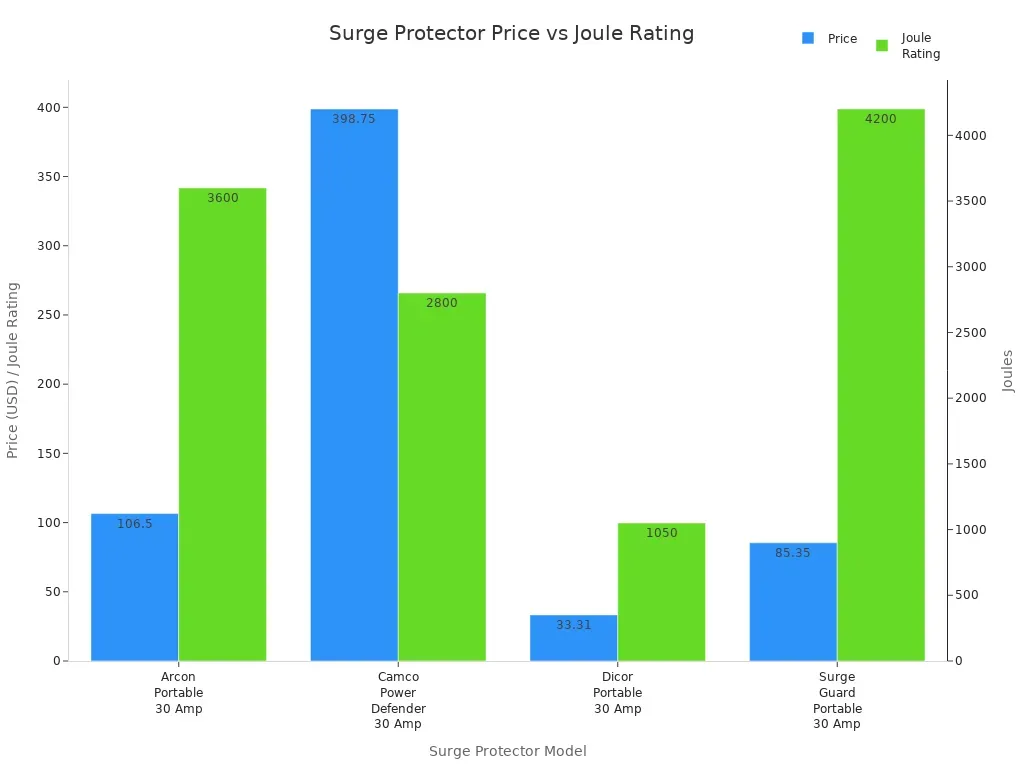
You get the best value when you pick a surge protector that fits your needs. If you only need to protect a few things, a cheaper model may be enough. If you have expensive electronics or want more safety, choose one with a higher joule rating and extra features.
Product Reviews
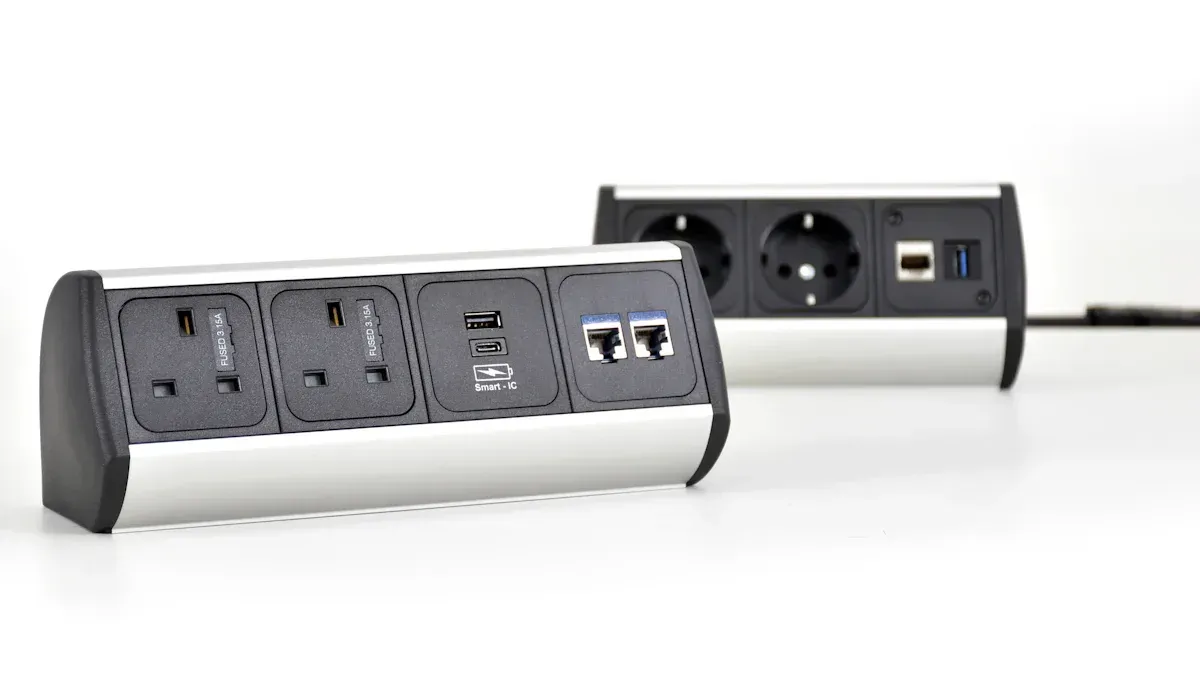
Tripp Lite Protect It 12-Outlet TLP1208SAT
Features
This surge protector has 12 outlets. It can handle up to 2,880 joules. The cord is 8 feet long, so you can move it around. It also protects coaxial and Ethernet lines. This helps keep your internet and TV safe. Experts like The NY Times Wirecutter say it is a top pick. It is easy to use and protects your electronics. Many people say it works well during power surges.
Pros and Cons
Pros | Cons |
|---|---|
Cuts power when protection ends | |
Child-resistant outlet covers | Needs a cable organizer to help with cords |
Best Use Cases
Use this surge protector for a home office or entertainment center. It is good for computers, TVs, and game consoles. It also works for networking equipment. If you want lots of outlets and strong protection, pick this one. It keeps your electronics safe during storms or power spikes.
Tripp Lite IsoBar Ultra
Features
This surge protector is very strong. It has a metal case that lasts a long time. There are six outlets spaced far apart. You can plug in big adapters without blocking others. The filter banks help stop crashes and problems. The lights show if the power is on. The plug is angled to save space.
Feature | Description |
|---|---|
Strong Surge Suppression | Protects against big surges |
Isolated Filter Banks | Stops crashes and slowdowns |
Fits big plugs easily | |
Diagnostic LEDs | Shows power status fast |
Space-Saving Angled Plug | Leaves other outlets open |
Pros and Cons
This surge protector is tough and reliable. Many people say it gives steady power to sensitive gear.
People who use audio equipment like it because it stops noise.
Even cheaper Tripp Lite models last long, but IsoBar Ultra gives more protection.
Best Use Cases
Pick this surge protector for expensive electronics or audio gear. It is great for computers that need steady power. Use it in studios, offices, or places where you want to avoid crashes. If you need to protect sensitive devices, this is a good choice.
APC Performance SurgeArrest P11VT3
Features
This surge protector has 11 outlets. It can handle up to 3,400 joules. It also protects coaxial and telephone lines. This keeps your internet and cable safe. The lights show if it is working. Tests show it protects well from surges.
Joule rating: 3,400 joules
Protects coaxial and telephone lines
11 outlets
Pros and Cons
You can plug in many devices at once. This is good for offices or media rooms.
The lights help you see if it is working.
Some people think it is big for small spaces, but the features are useful.
Best Use Cases
Use this surge protector if you have lots of devices. It is good for home offices or media rooms. It works for computers, routers, TVs, and more. If you want high joule rating and extra line protection, this is a good pick.
Amazon Basics 6-Outlet Surge Protector
Features
The Amazon Basics 6-Outlet Surge Protector is simple and cheap. It has six outlets for your devices. This is enough for small rooms or setups. It gives 200 joules of surge protection. The 15-amp circuit breaker stops overloads. LED lights show when surge protection is working. You can buy a 2-pack for $7. This makes it one of the cheapest choices.
Feature | Details |
|---|---|
Price | |
Regular Price | $13 |
Surge Protection | 200 joules |
Circuit Breaker | 15-amp |
Number of Outlets | 6 |
LED Indicators | Yes |
Note: This surge protector is good for basic needs. It does not have fancy features. It covers what you need for daily use.
Pros and Cons
Pros:
It costs very little, especially for a 2-pack.
The design is easy to use.
LED lights show your devices are protected.
It is small and fits in tight spots.
Cons:
The joule rating is low, so it protects less.
There are no USB ports or extra features.
Outlets are close together, so big plugs may not fit.
Best Use Cases
Use this surge protector for lamps, chargers, or small electronics. It works well in bedrooms, dorms, or small offices. If you want more outlets and basic protection for little money, pick this one. Do not use it for expensive computers or home theaters. For those, you need a higher joule rating.
CyberPower CSP600WSU
Features
The CyberPower CSP600WSU has advanced features for homes and offices. It gives 1,200 joules of surge protection. This helps keep your devices safe from power spikes. There are six swivel outlets. You can plug in big adapters without blocking others. Two USB ports let you charge phones and tablets. The wall-tap design saves space and keeps things neat. MOV technology protects against electrical noise and surges. EMI/RFI filters lower interference from other electronics. You get a $75,000 equipment guarantee for extra safety.
Feature | Description |
|---|---|
Surge Protection | 1,200 joules |
USB Charging Ports | 2 ports for phones and tablets |
Swivel Outlets | 6 outlets that rotate for flexible connections |
Compact Design | Wall-tap style saves space |
MOV Technology | Protects against electrical noise and surges |
EMI/RFI Filters | Reduces interference from other devices |
Connected Equipment Guarantee | $75,000 coverage for your plugged-in devices |
Tip: If you need to charge devices and use big plugs, this surge protector gives you safety and flexibility.
Pros and Cons
Pros:
Swivel outlets help fit large plugs easily.
Two USB ports let you charge devices without extra adapters.
The compact design keeps your space neat.
High joule rating means strong protection.
The equipment guarantee adds more value.
Cons:
The wall-tap design may not fit every outlet.
There is no long cord, so use it near the wall.
It costs more than basic surge protectors.
Best Use Cases
Use this surge protector in offices, kitchens, or living rooms. It is good for charging phones, tablets, and small appliances. If you want safety, flexibility, and modern features, this is a top choice for 2025.
Buying Guide
Best Surge Protector Features
When you pick the best surge protector, look for the right features. You need enough outlets for all your devices. Outlets spaced apart help fit big plugs. Choose a cord that reaches your power source. Long cords give you more options. Short cords help stop people from tripping. Some surge protectors have extra features. Look for lights that show if protection works. Resettable circuit breakers add safety. Some models let you control them with a remote. If you use audio gear or sensitive electronics, noise filtering helps. It gives clean power and less interference.
Tip: Always read the box or description to check these features before you buy.
Outlets and Ports
Count how many devices you want to plug in. Surge protectors have different numbers of outlets. Some have four, others have twelve or more. Think about the size of your plugs. Big adapters can block other outlets if they are close together. Wide spacing helps you use every outlet. Many surge protectors have USB ports. USB ports let you charge phones and tablets. You do not need a separate charger. If you have lots of devices, pick a model with regular outlets and USB ports.
Note: If you want to plug in a computer, printer, and phone charger, you may need at least six outlets and two USB ports.
Joule Rating
Joule rating shows how much energy your surge protector can take. Higher joule ratings mean better protection and last longer. If you live where power surges or lightning happens often, pick a surge protector with a high joule rating. Low-joule models may stop working after one strong surge.
Here are three things to remember about joule ratings:
1. Higher joule ratings give more protection and last longer.
2. Lower clamping voltage means your devices get better protection.
3. Faster response times help keep electronics safe from sudden surges.
If you want to protect expensive electronics, always check the joule rating before you buy. For basic needs, a lower rating may be enough. For computers and home theaters, choose a higher rating for peace of mind.
Safety Certifications
When picking a surge protector, check for safety certifications. These show the product meets strict safety rules. You want your home or office to be safe from electrical dangers. Look for these certifications on surge protectors in North America:
UL (Underwriters Laboratories): This mark means the surge protector passed hard safety tests. UL is a trusted name for safety.
ETL (Electrical Testing Laboratories): ETL means a lab has checked the product for safety.
UL-1449: This is the main safety rule for surge protectors in the U.S. It checks for surge and fire safety.
UL-498A and UL-1363: These rules cover safety for power taps.
CSA (Canadian Standards Association): In Canada, look for CSA marks like C22.2 no.308, C22.2 no.42, and C22.2 no.269.3.
Tip: Always look at the box or product details for these certifications. They help you avoid unsafe or fake products.
Special Features
New surge protectors have more than basic protection. You can get extra features that make things easier. Some models have USB charging ports or smart technology. These features help you charge devices or control your surge protector with your phone.
Feature | Description |
|---|---|
Smart Technology | Let's you control outlets with an app or voice |
USB Charging | Charge phones, tablets, or other USB devices |
Some surge protectors, like the Commercial Electric 3 ft. 4-Outlet Surge Protector has smart technology and USB charging. You can plug in your laptop and charge your phone at once. Smart surge protectors let you turn outlets on or off from anywhere. This makes life easier and helps save energy.
Note: If you use lots of devices or want remote control, pick surge protectors with these special features.
Design and Mounting
The design and mounting of a surge protector matter for your space. Pick a model that fits your needs and room. Some surge protectors have strong cases. These work well in busy places or big buildings. You can put many surge protectors on walls or floors. This keeps cords neat and stops people from tripping. Wall-mounted models save space and make outlets easy to reach. Floor-mounted options are good for big rooms or offices with lots of devices. Flexible mounting lets you put your surge protector where it protects best.
Pick a surge protector with a design and mounting style that fits your room and keeps your devices safe.
Price and Value
When you buy a surge protector, you want good value. Price helps you know what you get. Surge protectors have many prices. Some basic ones cost under $15. Better surge protectors can cost more. Some advanced models cost $300 to $900. These protect your whole home or office.
You should check what features come with the price. More expensive surge protectors often give you:
Higher joule ratings for stronger protection
More outlets for lots of devices
Extra safety, like child covers or circuit breakers
Support for phone or coax lines
A higher price does not always mean better safety. You should check the joule rating and certifications. Look for UL certification and a high joule rating. These show the surge protector can handle strong surges and keep your devices safe.
Some surge protectors have warranties. These can cover your equipment for up to $100,000. If a surge breaks your devices, the company may pay for repairs or replacements. This gives you more value and peace of mind.
Think about saving money in the long run. Power surges can cause damage that costs thousands to fix. The average cost of surge damage can be $15,000 each time. If you spend a little more on a good surge protector, you can avoid big repair bills. Some insurance companies may lower your rates if you use good surge protection.
Here are some things to think about for price and value:
Basic surge protectors work for small electronics and cost less.
Mid-range models have more outlets and better protection for computers or TVs.
High-end surge protectors protect whole rooms or homes and have smart features.
Buying a good surge protector can make your home worth more and save money over time.
Tip: Always pick a surge protector that fits your needs. Do not pay for features you will not use. Do not risk your expensive devices with a cheap, low-rated model.
When you compare price and value, think about what you need to protect. Count how many devices you have. Think about the risks in your area. A good surge protector is a smart buy for your safety and your electronics. Choose carefully, and you will save money and worry less in the future.
Recommendations
Home Office
You need a surge protector for many home office devices. Computers, printers, and routers all need to be safe. The APC Performance SurgeArrest P11VT3 is a good choice. It has 11 outlets and a high joule rating. It also protects your phone line. This helps keep your internet working during storms.
Here is a quick look at the top home office picks:
Surge Protector Model | Joule Rating | Number of Outlets | Features |
|---|---|---|---|
APC SurgeArrest P11VT3 | 11 | Phone line protection | |
Belkin BE112230-08 12-Outlet Power Strip | 3940 | 12 | 8-foot cord, many devices |
The APC model fits well on or under your desk. You can plug in your computer and monitor. It also works for other office gear. Phone line protection gives extra safety for your work devices. If you want a great surge protector for your home office, try this one.
Tip: Count your devices before you buy. Make sure you have enough outlets for everything.
Entertainment Systems
Entertainment systems have TVs, soundbars, and game consoles. They also use streaming devices. These setups need strong protection and clean power. Look for a surge protector with a high joule rating. Low let-through rating and AC line filtering are also important. These features help keep your electronics safe. They also make your devices work better.
Feature | Description |
|---|---|
Low Let-Through Rating | Let's less the voltage after a surge. This gives better protection for your devices. |
High Joule Rating | Absorbs more energy from surges. This is important for sensitive electronics like TVs and consoles. |
AC Line Filtering | Reduces electrical noise. This helps your audio and video devices work better. |
The Tripp Lite IsoBar Ultra is a great pick for entertainment systems. It has a metal case and a high joule rating. Strong line filtering gives steady power and less noise. Your movies and games will look and sound better.
Note: Put your surge protector where you can reach it. This makes it easy to reset if you need to.
High-Powered Devices
If you use high-powered devices like gaming PCs or servers, you need strong protection. Pick a surge protector with the highest joule rating you can find. This helps your expensive equipment survive big power surges.
The AmazonBasics surge protector has a 4,500 joule rating. This is one of the highest on Amazon.
You can trust this model for your gaming setup or server. It absorbs more energy from surges to keep your devices safe. Always check the joule rating before you buy. For high-powered devices, a higher number means better protection.
Always replace your surge protector after a big surge or every few years. This keeps your devices safe.
Budget Option
If you want to save money and still protect your devices, you should look at the Amazon Basics 6-Outlet Surge Protector. This model gives you simple surge protection at a very low price. You get six outlets, which is enough for most small rooms or setups. The joule rating is 200, so it works best for basic electronics like lamps, chargers, or alarm clocks.
You can buy a two-pack for less than $15. This makes it one of the most affordable choices on the market. The design is simple and easy to use. LED lights show you when the surge protection is active. The 15-amp circuit breaker helps prevent overloads.
Tip: If you only need to protect a few devices, you do not need to spend a lot. A basic surge protector like this can keep your small electronics safe.
Here are some reasons to choose the Amazon Basics 6-Outlet Surge Protector as your budget option:
You pay less for each outlet compared to other models.
The surge protector fits in tight spaces because of its compact design.
You get basic protection for everyday devices.
The LED indicator helps you know when your devices are safe.
Feature | Details |
|---|---|
Price | Under $15 for a 2-pack |
Outlets | 6 |
Joule Rating | 200 |
Circuit Breaker | 15-amp |
LED Indicator | Yes |
If you have expensive electronics, you should pick a surge protector with a higher joule rating. For basic needs, this model gives you good value and simple protection.
Travel and Portability
When you travel, you need a surge protector that is easy to carry and fits in your bag. The best travel surge protectors are small and lightweight. You can put them in your backpack or suitcase without taking up much space. Most travel-friendly models have three AC outlets and two USB ports. This lets you charge your phone, tablet, and laptop at the same time.
Note: Size and weight matter most when you pick a surge protector for travel. You want something that fits in your carry-on or even your pocket.
Many travel surge protectors have a design that lets you rotate the plugs. This helps you use bigger adapters without blocking other outlets. You can also find models with USB ports, so you do not need extra chargers for your devices.
Compact size makes it easy to pack.
Lightweight design helps you carry it anywhere.
Three AC outlets give you enough space for your main devices.
Two USB ports let you charge phones and tablets.
Rotating plugs help you fit large adapters.
If you travel often, pick a surge protector that is small and has enough outlets for your needs. You can use it in hotels, airports, or coffee shops. This keeps your devices safe from unexpected surges and lets you charge everything at once.
Tip: Always check the size and weight before you buy a travel surge protector. Make sure it fits your bag and gives you the right number of outlets and USB ports.
Picking the right surge protector keeps your devices safe. It helps your electronics last longer and work well. Surge protectors protect sensitive equipment from damage. They also lower the risk of fires in your home. You can avoid expensive repairs by using one. For a home office, pick a model with many outlets. High joule ratings give better protection for your devices. Entertainment systems need strong filtering to work their best. If you travel, choose a small surge protector. Always check prices and reviews before you buy. Trusted sources help you find good deals:
Product Name | Price | Purchase Link |
|---|---|---|
Belkin 12-Outlet PivotPlug Surge Protector | ||
Philips 6-Outlet Surge Protector | $15.65 | |
APC SurgeArrest Performance P12U2 | $39.99 |
Experts say you should replace surge protectors every 3 to 5 years. If your surge protector is damaged, get a new one sooner. Stay safe and keep your electronics protected!
FAQ
What does a surge protector do?
A surge protector keeps your electronics safe from power spikes. It stops extra electricity from reaching your devices. This helps protect things like computers and TVs from getting damaged.
How often should you replace a surge protector?
Replace your surge protector every 3 to 5 years. If it looks broken or stops working after a big surge, get a new one right away.
Can you plug a surge protector into another surge protector?
Do not plug one surge protector into another. This is called "daisy chaining." It can make the cords too hot and might cause a fire.
How do you know if your surge protector is still working?
Most surge protectors have a light that shows if they work. If the light is off, it may not protect your devices. Always look at the light before you use it.
Do surge protectors save energy?
Surge protectors do not help you use less energy. They only keep your devices safe from surges. Some have switches so you can turn off outlets and save power.
Can you use a surge protector with high-powered appliances?
Do not use surge protectors with big appliances like fridges or microwaves. These need more power than surge protectors can give.
What is a joule rating, and why does it matter?
The joule rating indicates the amount of energy a surge protector can absorb. A higher joule rating means your electronics get better protection.
Tip: Always check the joule rating before you buy a surge protector. Pick a higher number if you want to protect expensive devices.