You may get annoyed when you look for answers about HRC fuses and Circuit Breakers. Many websites use the wrong words. Some explanations are hard to understand or do not match each other. The jobs of these devices can seem the same, and the words used can be confusing. This makes it hard to know what makes them different. You should have an easy and clear comparison to help you learn about these electrical protection tools.
Key Takeaways
HRC fuses work fast by melting if too much current flows. This makes them good for sensitive equipment. Circuit breakers can be used again after they trip. You do not need to replace them each time, so you save money. HRC fuses can only be used once. Circuit breakers can be used many times. This means they are good for different jobs. Both HRC fuses and circuit breakers stop overloads and short circuits. But circuit breakers can also protect against earth faults. When you pick between HRC fuses and circuit breakers, think about how fast they work. Also, think about if you want to replace or reset the device. HRC fuses are mostly used in factories. Circuit breakers are used in homes and offices to keep people safe. Always check good sources when you learn about these devices. This helps you avoid mistakes from old or wrong facts. Knowing words like 'overload' and 'breaking capacity' helps you see how each device works. It also helps you know when to use them.
Basics
HRC Fuse
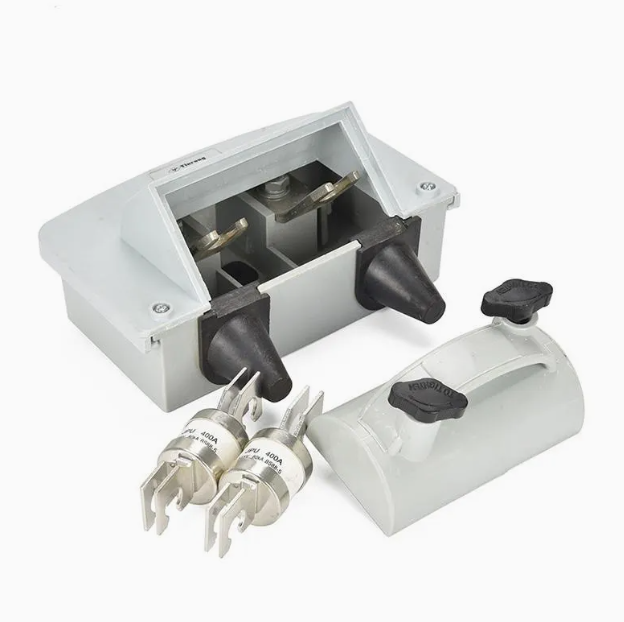
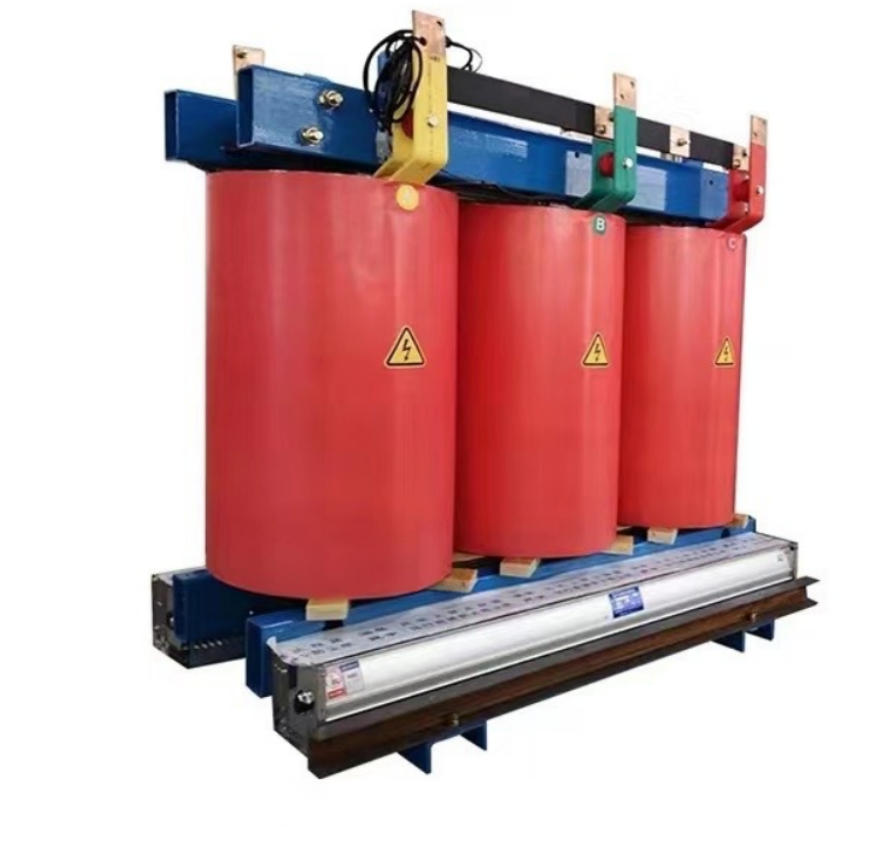
You often see HRC fuses where quick and strong protection is needed. HRC means high-rupturing-capacity. This fuse is used in medium and high-voltage systems. It is found in transformers and switchgear to keep them safe. If too much current goes through, the fuse melts and stops the circuit. After it works, you have to put in a new fuse. HRC fuses are good when you need fast action and can stop big currents. They are used in battery systems, car circuits, and places with delicate electronics.
HRC fuses and acts fast when there is a problem.
They can handle big fault currents.
They keep sensitive devices safe.
You use them one time, then change them.
Circuit Breaker
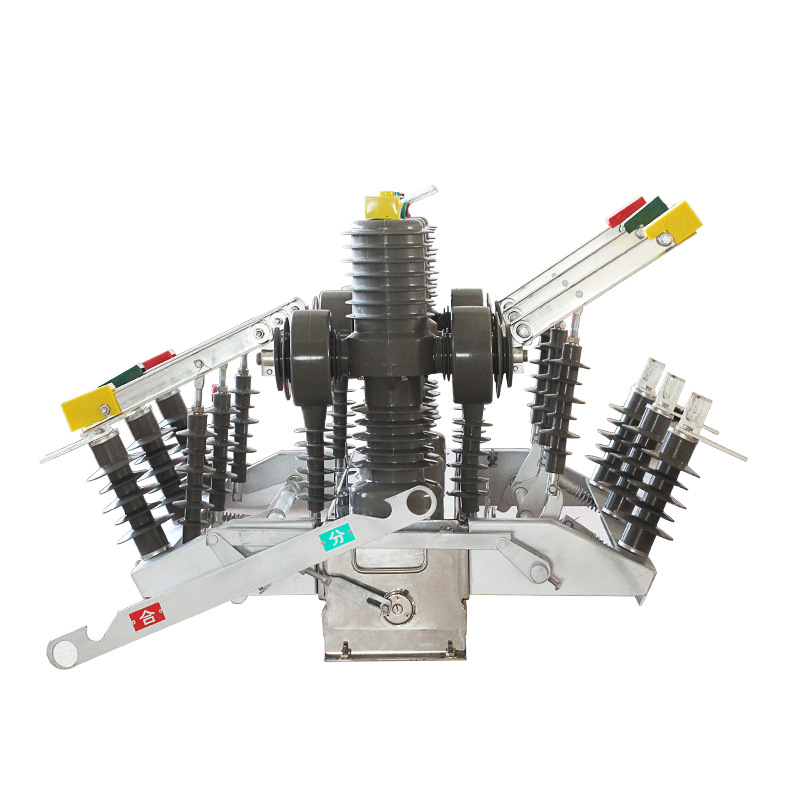
A circuit breaker keeps electrical circuits from getting damaged. It cuts off power if the current is too high. This helps stop fires and keeps things safe. You can turn a circuit breaker back on after it trips. You do not need to buy a new one. Circuit breakers must follow rules like IEC 60947-1 and 60947-2 for factories, or IEC 60898 for homes. You find them in houses, factories, and offices. They stop overloads and short circuits. Some also protect against earth faults and other dangers.
Circuit breakers stop the current to avoid damage.
You can use them again after you reset them.
They must meet safety rules.
You see them in homes, offices, and factories.
Key Differences
You might ask how HRC fuses and circuit breakers are different. Here is a simple table to show the main differences:
Feature | HRC Fuse | Circuit Breaker |
|---|---|---|
Usage | Single-use | Reusable |
Response Speed | Very fast | Fast |
Breaking Capacity | Very high | High |
Protection Types | Overload, short circuit | |
Replacement | Must replace after use | Reset and reuse |
Common Locations | Industrial, automotive, sensitive electronics | Homes, offices, factories |
Tip: If you need quick protection for delicate equipment or circuits with big fault currents, pick an HRC fuse. If you want easy reset and more protection, a circuit breaker is a good choice.
Both devices stop overloads and short circuits. Circuit breakers give more kinds of protection, and you can use them again. HRC fuses are best when you need speed and strong breaking power.
Why the Confusion?
Overlapping Roles
You might notice that HRC fuses and circuit breakers seem to do the same job. Both protect electrical circuits from damage. Both stop too much current from flowing. This overlap makes it hard to tell them apart. When you search online, you often see people use the words "fuse" and "breaker" as if they mean the same thing. That can make you wonder if there is any real difference.
Here are some ways their roles overlap:
Both devices protect against overloads.
Both can stop short circuits.
Both help keep your home or factory safe.
Note: You may see HRC fuses and circuit breakers in the same place. For example, a factory might use both to protect different parts of its system. This can make it even more confusing when you try to figure out which one you need.
Technical Terms
You probably see lots of technical words when you read about these devices. Words like "breaking capacity," "overload," and "short circuit" pop up often. If you do not know what these mean, you might feel lost. Some websites use advanced terms without explaining them. Others use different words for the same thing.
Here is a simple table to help you understand some common terms:
Term | What It Means |
|---|---|
Overload | Too much current for too long |
Short Circuit | Current takes a shortcut, causing danger |
Breaking Capacity | How much fault current can the device stop |
Reset | Turning the device back on after it trips |
Tip: If you see a word you do not know, look for a simple definition. This helps you understand how each device works.
Different Uses
You may find that HRC fuses and circuit breakers show up in different places. This adds to the confusion. Sometimes, you see both in one system. Other times, only one is used. The choice depends on what needs protection.
HRC fuses often protect sensitive electronics or high-voltage equipment.
Circuit breakers work well in homes, offices, and factories.
Some setups use both for extra safety.
You might wonder why one place uses a fuse and another uses a breaker. The answer depends on speed, cost, and how easy it is to reset the device. If you want fast action and strong protection, you might pick an HRC fuse. If you want to reset the device and use it again, a circuit breaker is better.
Callout: Always check what your system needs before you choose. The right device keeps your equipment safe and saves you money.
Online Info Issues
When you search online for answers about HRC fuses and circuit breakers, you often find confusing or mixed-up information. Many websites do not check facts carefully. Some sites copy content from others without understanding the topic. You may see the same mistakes repeated on different pages. This makes it hard for you to trust what you read.
You might notice that some articles use technical words without explaining them. Others use simple words but leave out important details. Sometimes, websites try to make things easy, but end up giving you the wrong idea. For example, one site may say circuit breakers and fuses do the same thing. Another site may list differences that do not matter for your needs. You get mixed messages, and you feel unsure about which device to choose.
Here are some common problems you may face when looking for answers online:
Outdated Information: Some websites show old facts or use standards that no longer apply. You may read about rules that have changed.
Copy-Paste Content: Many sites copy from each other. They repeat errors or miss key points.
Missing Context: Some articles do not explain where you use each device. You may not learn why a fuse works better in one place and a breaker in another.
Unclear Diagrams or Tables: You may see charts that do not match the text. Sometimes, diagrams use symbols you do not know.
Too Much Jargon: Some sources use words like "arc quenching" or "thermal trip" without telling you what they mean.
Tip: Always check if the website lists its sources. Reliable sites often link to standards or official guides. If you see a page with no sources, you should be careful.
You can use a simple checklist to judge if a website gives good information:
Question | Good Sign | Bad Sign |
|---|---|---|
Does it explain terms simply? | ✅ Yes | ❌ No |
Does it show real examples? | ✅ Yes | ❌ No |
Does it list sources? | ✅ Yes | ❌ No |
Is the info up to date? | ✅ Yes | ❌ No |
You should look for websites that teach you, not just sell products. Educational sites, official standards, and trusted brands often give better answers. If you see a lot of ads or pop-ups, the site may care more about clicks than facts.
Note: You can ask questions in forums or watch videos, but always double-check the facts. Not every answer online is correct.
When you know what to look for, you can avoid confusion. You will find clear answers and make better choices for your electrical system.
Circuit Breaker vs. HRC Fuse
How They Work
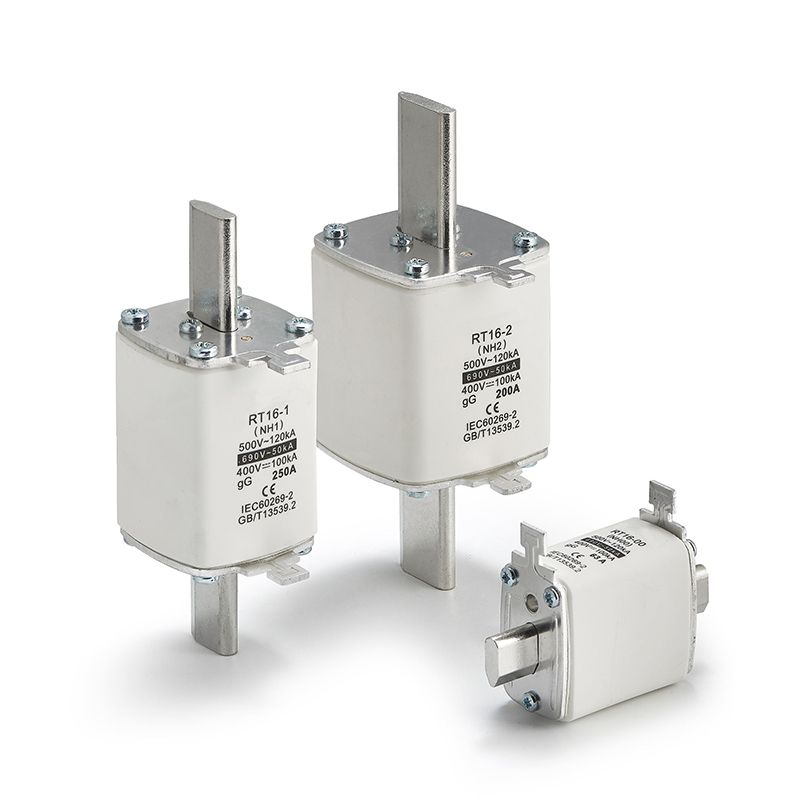
You can see a big difference in how these two devices stop dangerous currents. An HRC fuse uses a metal wire or strip inside. When too much current flows, this metal melts quickly. The melted metal breaks the circuit and stops the flow of electricity. You must replace the fuse after it works.
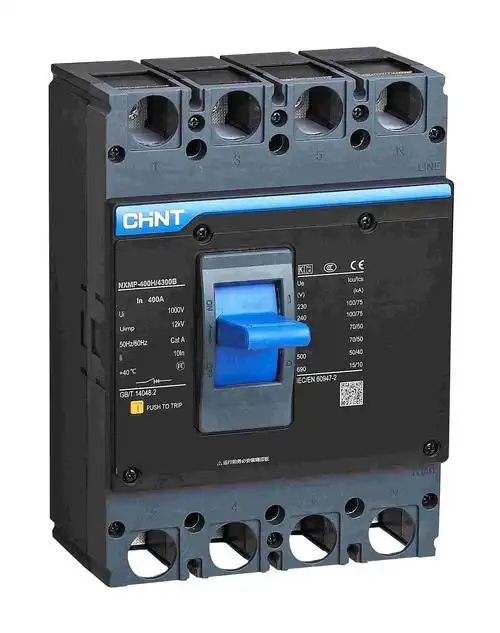
A circuit breaker uses a mechanical or electromagnetic system. When the current gets too high, the breaker trips and opens the circuit. This action stops the electricity. You can reset the breaker by flipping a switch. You do not need to buy a new one each time.
Here is a simple table to help you compare their operation:
Feature | HRC Fuse | Circuit Breaker |
|---|---|---|
Operation | Melts when the current is too high | Opens automatically on overload |
Response to Faults | Acts very quickly | Can use magnetic or thermal action |
Reset Capabilities | Must replace after it works | Can reset and use again |
Tip: If you want fast action and do not mind replacing a part, use an HRC fuse. If you want to reset the device, choose a circuit breaker.
Where Used
You will find HRC fuses in places that need strong and fast protection. These fuses work well in heavy industry and power systems. Here are some common uses:
Industrial power systems protect large machines and equipment.
Motor protection handles high starting currents and overloads.
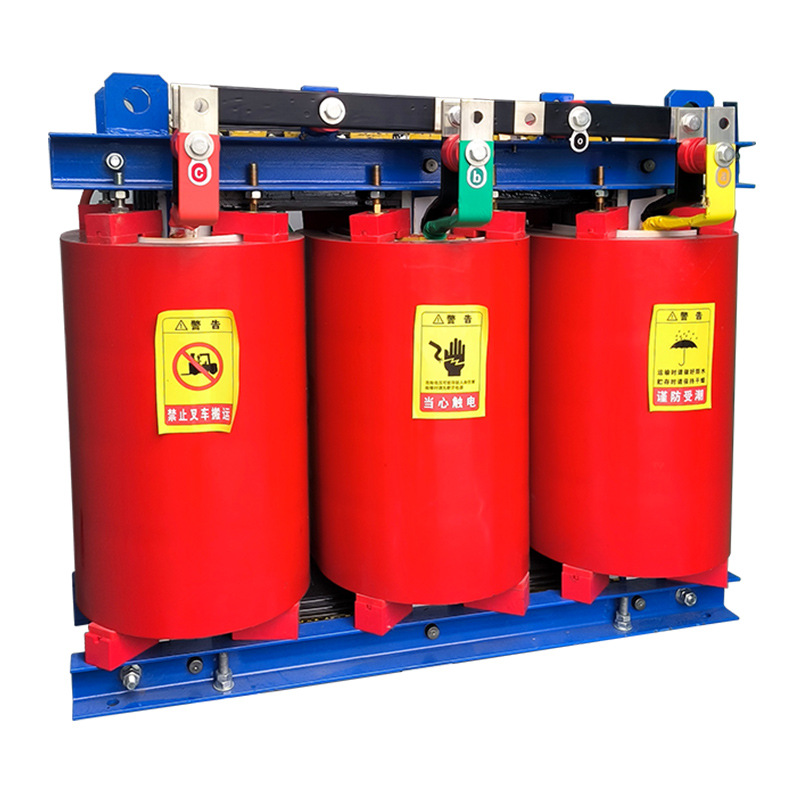
Transformers use HRC fuses to guard against fault currents.
Renewable energy systems, like solar and wind, use them to protect inverters.
Switchgear systems rely on HRC fuses for safety and reliability.
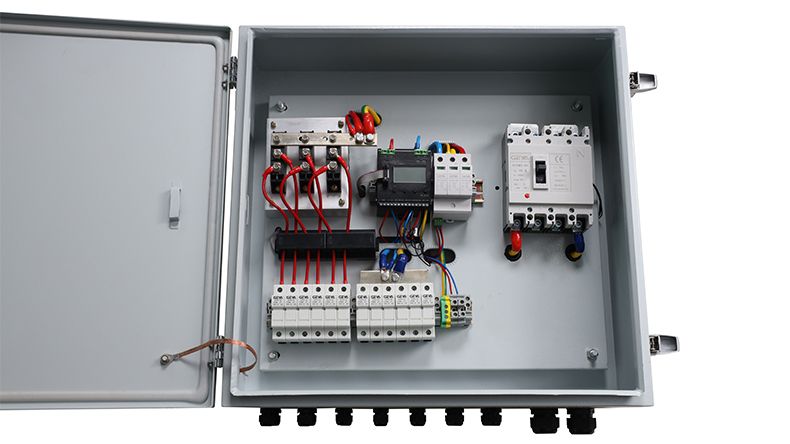
You see circuit breakers in many places. Homes, offices, and factories all use them. They protect wiring, outlets, and appliances from overloads and short circuits. You can also find circuit breakers in control panels and large electrical boards.
Note: HRC fuses often protect big, expensive equipment. Circuit breakers work well for everyday use and are easy to reset.
Pros and Cons
Speed
HRC fuses act very fast. They melt almost instantly when a fault happens. This quick action protects sensitive equipment from damage. Circuit breakers also work quickly, but they may take a bit longer to trip, especially if they use a thermal mechanism.
Cost
You pay less for HRC fuses at first. They cost less to buy than circuit breakers. However, you must replace them every time they blow. This can add up over time. Circuit breakers cost more at the start, but you can use them again and again. This makes them cheaper in the long run.
Breaking Capacity
HRC fuses can handle very high fault currents. Some can stop up to 80,000 amps or even 120,000 amps. This makes them perfect for places with big machines or lots of power. Circuit breakers usually have lower breaking capacities. They work well for most homes and offices, but may not be enough for heavy industry.
Protection Types
HRC fuses protect against overloads and short circuits. They do this job very well. Circuit breakers protect against more types of problems. They can stop overloads, short circuits, and sometimes earth faults or leakage currents. You get more options with a circuit breaker.
Here is a quick list to help you remember:
HRC fuses: Fast, strong, single-use, best for big faults.
Circuit breakers: Reusable, protect against more problems, easy to reset.
Callout: Choose HRC fuses for fast, strong protection in tough places. Pick circuit breakers for easy use and more types of safety in homes and offices.
Choosing for Your Needs
You need to pick the best protection device for your system. Where you use it and what you protect matters. How you take care of it is important too. Let’s see some common cases and what you should think about.
For Homes
Most houses use circuit breakers. You can reset them after a problem. They protect against overloads and short circuits. Some types also guard against earth faults. You do not need to buy a new one each time it trips. This saves you time and money. If you want simple and safe protection, circuit breakers are good for homes.
For Industrial Applications
Factories and big machines need stronger protection. You should think about a few things before you choose:
Voltage and current ratings must fit your system. Picking the wrong rating can cause safety issues or cost more.
Interrupting capacity is key. The fuse or breaker must stop the biggest fault current at your site.
Environmental conditions matter. Heat, humidity, rust, shaking, and dust can change how devices work.
Time-current features help match the device to your equipment. Some machines need quick protection, others need slower action.
Installation and maintenance should follow good rules. Checking devices often keeps your system safe.
Safety steps are important. High energy means you must follow strict rules when fixing or changing fuses.
If you need very fast action and strong breaking power, HRC fuses are a good pick. You must replace them after they work. If you want more kinds of protection and easier care, circuit breakers are better for most factories.
For Temporary Electrical Setups
Events, building sites, and short-term setups need flexible protection. You should do these things:
Find out what kind of electrical load you have. Is it resistive, inductive, or capacitive?
Choose the right voltage and current ratings for your setup.
Check things like heat, humidity, and if there are any harmful substances.
You can use this table to help you pick:
Guideline | Description |
|---|---|
Circuit Breakers | Protect against overloads and short circuits. Size them for your needs. |
Safety Systems | Add RCDs, voltage checks, and grounding for extra safety. |
Preventive Maintenance | Check devices during the event to keep protection working. |
You should always match the device to your load and where you use it. For short-term setups, circuit breakers are easy to reset and give flexible protection. HRC fuses may work for risky or sensitive circuits, but you must plan to replace them if they blow.
Tip: Always check what your system needs before you choose. The right device keeps your equipment safe and helps you avoid big mistakes.
Finding Reliable Answers
Search Tips
You want answers about HRC fuses and circuit breakers. Start by picking the right search words. Try using phrases like “HRC fuse vs circuit breaker comparison.” You can also use “breaking capacity of HRC fuse” or “circuit breaker protection types.” These words help you find better results.
A table can show which search words work best:
Aspect | HRC Fuse | Circuit Breaker |
|---|---|---|
Maintenance | Non-reusable | Limited operations as per the manufacturer |
Trip Time | 2-5 milliseconds | 10-30 milliseconds |
Utilization Category | Protects from overloads and short circuits | Varies based on category (A or B) |
Look for articles that compare features side by side. Tables and charts make it easy to see differences. Use filters to find new posts or articles. Newer info usually follows the latest safety rules.
Tip: Add “2025” or “latest standards” to your search. This helps you get the most up-to-date results.
Good Sources
You need to trust what you read online. Good sources come from experts, official rules, or big brands. Find articles that explain hard words and give real examples.
Here are some trusted places to look:
Electrical engineering forums with expert talks
Official standards like IEC 60947 or IEC 60269
Manufacturer websites (like Siemens, ABB, Schneider Electric)
University or technical college educational sites
Experts talk about different HRC fuses, like E-rated and R-rated fuses. These work well in switchgear. K and T fuse links are better outside but not inside. You may also see tips about current-limiting fuses and why they do not fit transformers.
A good article should have these things:
Characteristic | Description |
|---|---|
Current-limiting ability | Shows how much current the device lets through, acting in less than half a cycle. |
Time-current characteristics | Tells how fast the device reacts to faults, from fractions of a second to 30 seconds. |
Circuit overcurrent protection | Explains how the device stops damage by breaking the circuit quickly. |
Note: Good sources help you learn and do not just try to sell you something.
Asking the Right Questions
You get better answers if you ask clear questions. Many people make mistakes in forums because they do not know how HRC fuses work. Some think low current faults will always break an HRC fuse, but that is not true. Others believe current-limiting fuses can stop low-level faults, which is not right.
Here are some tips for asking better questions:
Be clear about your problem or setup.
Say the voltage, current, and type of equipment.
Ask about the right rating for your fuse or breaker.
Use words like “breaking capacity,” “trip time,” or “protection type.”
Common mistakes include:
Not checking if the fuse matches the short circuit current.
Thinking all fuses or breakers work the same way.
Forgetting to say if you need single-use or reusable protection.
Callout: Clear questions help experts give you the best advice. Always check the answers you get, especially if you see different opinions.
With good search tips, trusted sources, and clear questions, you can find answers you can trust. This helps you make smart choices for your electrical protection needs.
You have learned that HRC fuses work faster than circuit breakers. HRC fuses can stop bigger fault currents, too. Circuit breakers can be used again and again, but they need to be checked often. The table below shows how they are different:
Feature | HRC Fuses | Circuit Breakers |
|---|---|---|
Speed | Very fast | Slower |
Fault Handling | Lower capacity | |
Maintenance | None needed | Regular checks |
People get confused because both devices keep circuits safe. Many websites mix up the facts about them. If you want fast and strong safety, pick an HRC fuse. If you want to reset and get more options, use a circuit breaker. Ask simple questions and look for good sources to help you choose. With the right facts, you can make a smart choice.
FAQ
What does HRC mean in HRC fuse?
HRC stands for High Rupturing Capacity. You use HRC fuses when you need to stop very large fault currents quickly and safely. These fuses protect sensitive equipment in tough environments.
Can you reuse an HRC fuse after it blows?
You cannot reuse an HRC fuse. Once it melts and breaks the circuit, you must replace it with a new fuse. This single-use design helps keep your system safe.
Why do homes use circuit breakers instead of HRC fuses?
You see circuit breakers in homes because you can reset them after a fault. They protect against more types of problems and cost less over time. HRC fuses work better for big machines and high-voltage systems.
How do I know which device to choose for my setup?
Check your system’s voltage, current, and type of equipment. Use HRC fuses for fast protection and high fault currents. Pick circuit breakers for easy reset and more safety features.
Do circuit breakers act slower than HRC fuses?
Circuit breakers usually trip in 10–30 milliseconds. HRC fuses melt and stop current in 2–5 milliseconds. You get faster action with HRC fuses, which helps protect sensitive devices.
What happens if I use the wrong rating for a fuse or breaker?
If you use the wrong rating, your device may not protect your system. Too low, and it trips too often. Too high, and it may not stop dangerous faults. Always match the rating to your equipment.
Can circuit breakers protect against earth faults?
Many circuit breakers protect against earth faults. You find these features in modern breakers for homes and offices. They help stop electric shocks and keep you safe.
Where can you find reliable information about HRC fuses and circuit breakers?
Look for official standards, manufacturer websites, and educational resources. Use forums with expert advice. Always check if the source explains terms and gives real examples.
Tip: Ask clear questions and check answers from trusted sources to get the best advice.