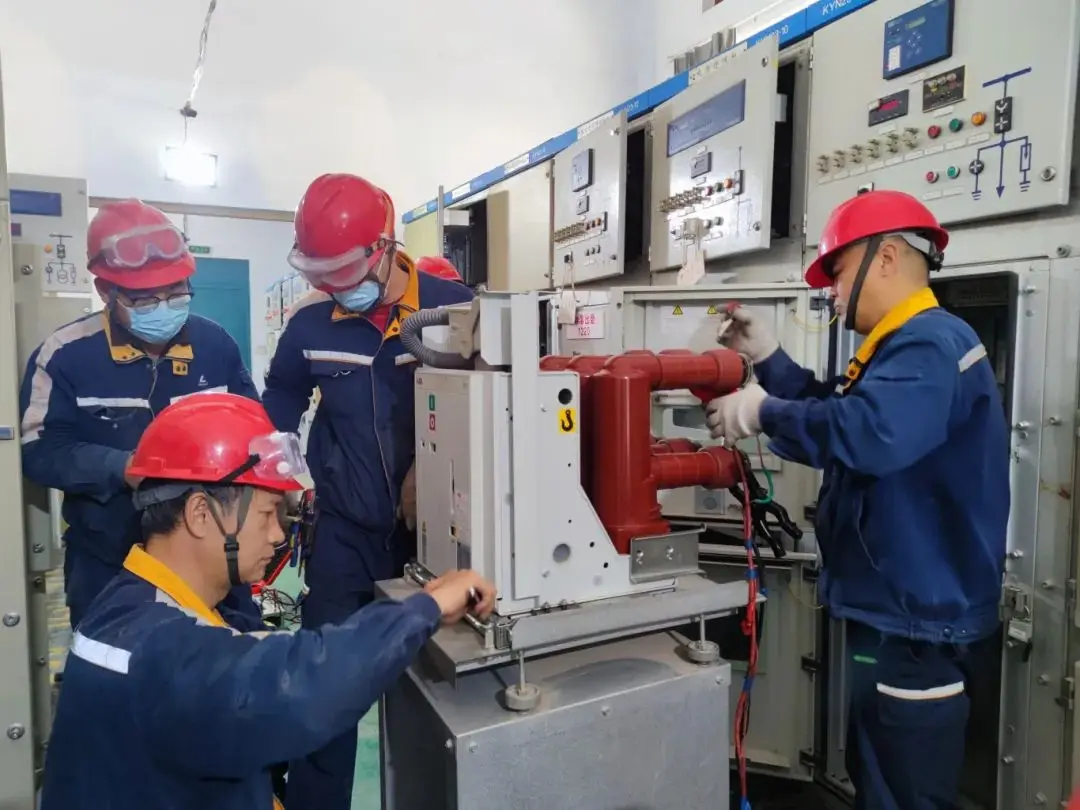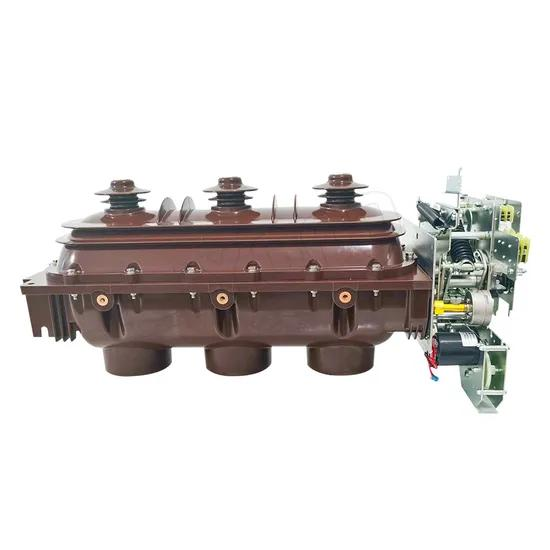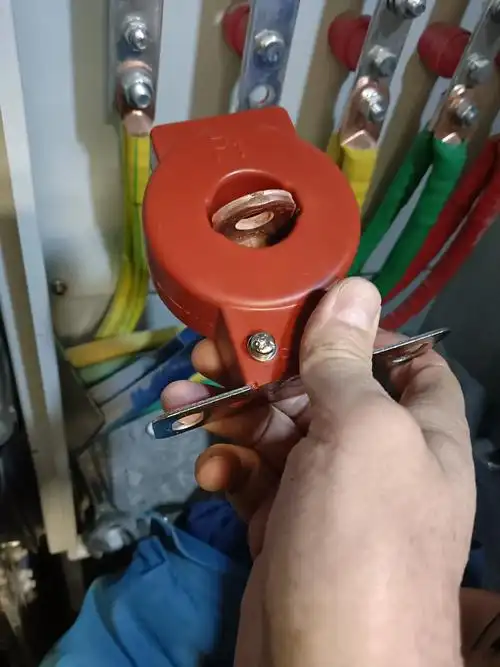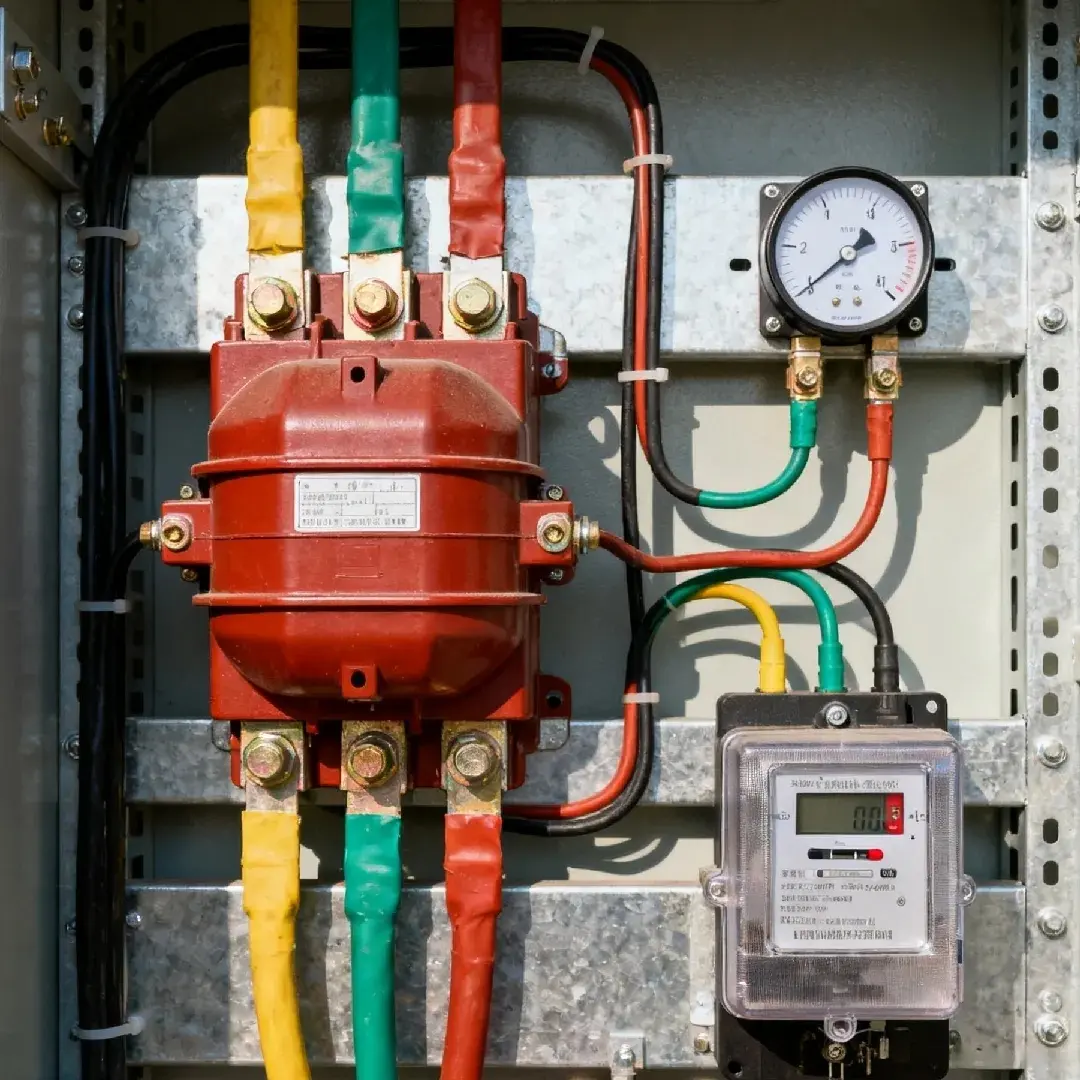
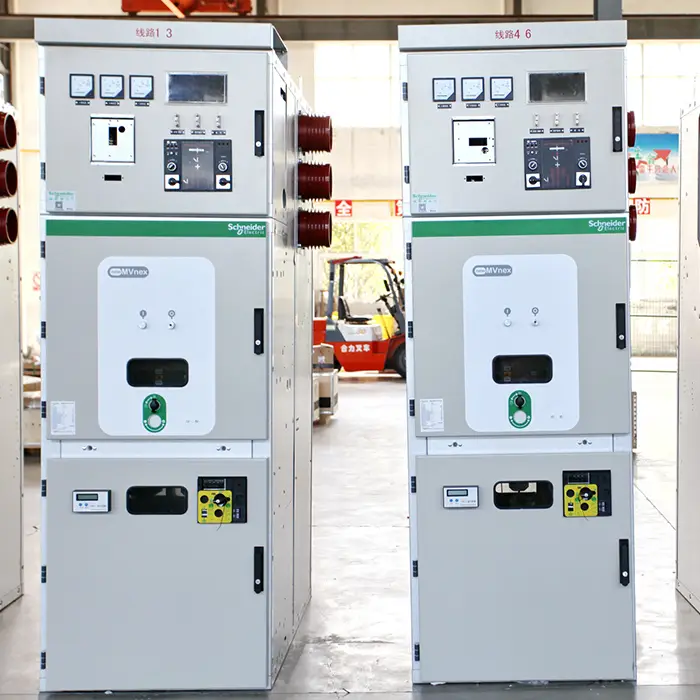
As an electrical engineer at Wei Shoe Elec, I often hear from clients across the US and Europe asking, “Which circuit breaker panel is safer and more cost-effective for my system?” If you’re struggling to choose between a Vacuum Circuit Breaker (VCB) panel and an Oil Circuit Breaker (OCB) panel, I’m here to help you compare their safety, maintenance, and costs. This guide will give you clear answers, practical insights, and real-world examples to make your decision easier.
Choosing the right panel can feel overwhelming, especially when safety risks like fires or high maintenance costs loom large. For example, a 2023 incident at a US manufacturing plant highlighted OCB fire risks, costing $500,000 in damages (source: NFPA Fire Incident Report). Let’s explore VCB and OCB panels together, addressing your pain points with data-driven comparisons and actionable advice.
What Are VCB and OCB Panels?
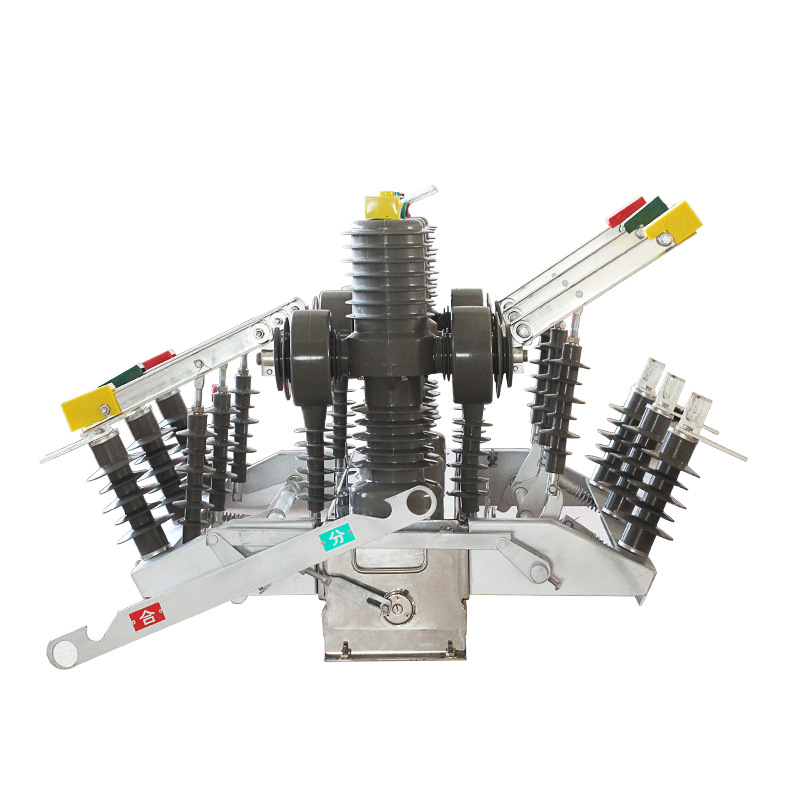
I want to start with a simple explanation of these panels so we’re on the same page. A VCB panel uses a vacuum to extinguish electrical arcs, making it a go-to for modern medium-voltage systems (1kV to 38kV). An OCB panel relies on insulating oil to do the same, often found in older setups. Both control and protect electrical circuits, but their designs differ significantly.
VCB Panels: Compact, reliable, and popular in industries like manufacturing and data centers.
OCB Panels: Common in legacy systems but fading due to safety concerns.
Understanding these basics helps us dive into their differences. Let’s look at safety first, as it’s likely your top concern.
How Safe Are VCB Panels Compared to OCBs?
Why Safety Matters
As an engineer, I know safety is non-negotiable. A single fault can shut down operations or, worse, cause harm. Let’s compare how VCB and OCB panels handle safety risks.
VCB Panels: Fire-Free and Reliable
VCB panels extinguish arcs in a vacuum, eliminating fire risks. They’re ideal for high-voltage systems (e.g., 11kV data centers). According to a 2024 Siemens report, VCBs have a 99.9% arc suppression success rate, meaning fewer faults. In a 2022 European warehouse fire, a VCB panel prevented escalation, saving $1 million in damages (source: EU Fire Safety Journal).
No flammable materials: Vacuum technology avoids oil or gas.
Low explosion risk: Stable even under high fault currents.
UL and RoHS compliant: Meets strict US and EU safety standards.
OCB Panels: Fire Risks to Watch
OCB panels use oil, which can ignite under stress. A 2023 US factory fire, caused by an OCB fault, led to $500,000 in losses (source: NFPA). Oil leaks also pose environmental hazards, requiring careful handling.
Flammable oil: High risk in high-voltage scenarios.
Higher fault rates: 10% of OCBs fail under short circuits (IEEE data).
Needs extra safety measures: Fire suppression systems add costs.
Safety Verdict
VCB panels win for safety. Their fire-free design and reliability make them a smarter choice for modern systems, especially where UL or RoHS compliance is required.

Which Panel Is Easier to Maintain?
Maintenance Impacts Your Bottom Line
I’ve seen clients frustrated by downtime and high maintenance costs. Let’s break down how VCB and OCB panels compare in upkeep.
VCB Panels: Low Maintenance, High Efficiency
VCB panels need minimal care—typically a check-up once a year or every 2,000 operations. Since there’s no oil, you avoid messy replacements. For example, a US data center using VCBs reported 50% less downtime than OCB systems (source: Data Center Dynamics, 2024).
Simple checks: Inspect contacts and vacuum seals annually.
No hazardous waste: No oil disposal issues.
Longer intervals: Maintenance every 12-18 months.
OCB Panels: Frequent and Costly Upkeep
OCB panels require oil testing and replacement every 6-12 months. This means more downtime and higher labor costs. A 2023 UK utility company spent $20,000 annually on OCB oil handling, per Energy Networks Association.
Oil changes: Regular testing and disposal are mandatory.
Environmental compliance: Oil disposal must meet EU REACH standards.
Skilled labor needed: Technicians must handle hazardous materials.
Maintenance Verdict
VCB panels are easier and cheaper to maintain. They save you time and money, letting you focus on operations rather than upkeep.
How Do VCB and OCB Costs Compare?
Balancing Upfront and Long-Term Costs
As Wei Shoe Elec, I know cost is a big concern. Let’s compare the initial and ongoing costs of VCB and OCB panels using clear numbers.
VCB Panels: Higher Upfront, Lower Long-Term
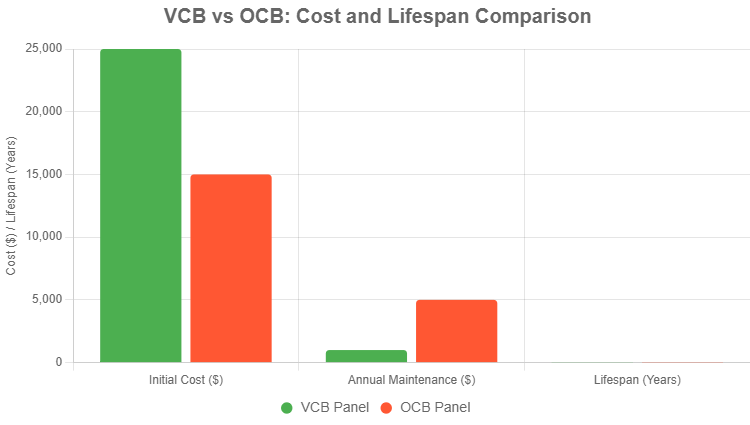
VCB panels cost more initially—around $10,000 to $25,000 for an 11kV unit (based on ABB pricing, 2024). But their low maintenance ($1,000/year) and 20-year lifespan make them cost-effective over time.
Initial cost: $10,000-$25,000, depending on voltage.
Maintenance: ~$1,000/year for inspections.
Lifespan: Up to 20 years, reducing replacement costs.
OCB Panels: Cheaper Upfront, Costly Later
OCB panels are less expensive upfront, costing $6,000-$15,000. However, annual maintenance, including oil replacement, can hit $3,000-$5,000. Their 10-year lifespan means earlier replacements.
Initial cost: $6,000-$15,000 for similar ratings.
Maintenance: $3,000-$5,000/year due to oil handling.
Lifespan: Around 10 years, doubling long-term costs.
Cost Comparison Chart
Here’s a visual breakdown of costs and lifespan:
Cost Verdict
VCB panels save money long-term. Despite higher upfront costs, their low maintenance and durability make them a better investment.
Where Should You Use VCB or OCB Panels?
Matching Panels to Your Needs
I often get asked, “Which panel fits my project?” Let’s look at where VCB and OCB panels shine.
VCB Panels: Modern and Versatile
VCB panels are perfect for medium-voltage systems (1kV-38kV), like factories, hospitals, or data centers. Their compact size suits tight spaces, and they handle harsh environments well. A 2024 US hospital upgrade to VCBs cut power outages by 30% (source: Healthcare Facilities Today).
Best for: Industrial plants, data centers, urban grids.
Environments: Indoor or outdoor, humid or dusty conditions.
Compliance: Meets UL (US) and RoHS (EU) standards.
OCB Panels: Limited to Legacy Systems
OCB panels work for older, low-voltage setups but are less common today. They’re still used in rural US grids where budgets are tight, but safety risks limit their appeal.
Best for: Legacy systems or budget-constrained projects.
Environments: Needs protection in wet or dusty areas.
Drawbacks: Phasing out due to safety and environmental issues.
Application Verdict
Choose VCBs for modern, reliable systems. OCBs may suit temporary or legacy setups, but are less practical long-term.
Environmental Impact and Regulations
Why Green Matters
As an engineer, I know environmental rules are strict in the US and EU. Let’s see how these panels align with regulations.
VCB Panels: Eco-Friendly Choice
VCB panels use no oil or gas, making them green. They comply with the EU’s RoHS and REACH standards and US EPA guidelines. A 2024 EU study found VCBs reduced carbon footprints by 15% compared to OCBs (source: European Environment Agency).
No hazardous waste: No disposal concerns.
Regulatory compliance: Meets US and EU green standards.
Future-proof: Aligns with net-zero goals.
OCB Panels: Environmental Challenges
OCB panels rely on oil, which risks spills and pollution. Disposal must follow EPA and REACH rules, adding costs. A 2023 US utility faced $10,000 in fines for improper OCB oil disposal (source: EPA).
Oil disposal: Requires certified handling.
Regulatory risks: Fines for non-compliance.
Outdated: Less aligned with green policies.
Environmental Verdict
VCB panels are the greener choice. They avoid environmental risks and comply with strict US and EU laws.
VCB vs OCB Comparison Table
Safety | No fire risk, reliable arc quenching | Flammable oil, fire/explosion risk |
Maintenance | Low, annual checks | High, frequent oil changes |
Cost | $10,000-$25,000, low long-term | $6,000-$15,000, high long-term |
Environment | Eco-friendly, no waste | Oil disposal risks pollution |
Voltage Range | 1kV-38kV, modern systems | Low-voltage, legacy systems |
Lifespan | Up to 20 years | Up to 10 years |
Suppliers and Market Trends
Finding Trusted Suppliers
I recommend top suppliers like ABB, Siemens, and Schneider Electric for VCB panels. Their 11kV VCBs range from $10,000-$25,000 (ABB catalog, 2024). OCBs are harder to find as manufacturers shift to VCBs and SF6 breakers.
Market Trends
The global circuit breaker market is growing at 6.5% annually, with VCBs leading due to safety and green benefits (source: MarketsandMarkets, 2024). In the US, UL-certified VCBs dominate new installations, while the EU’s RoHS pushes VCB adoption.
Top brands: ABB, Siemens, Schneider Electric.
Trend: VCBs replacing OCBs in modern grids.
Pricing: VCBs ($10,000+), OCBs ($6,000+ but rare).

FAQs
Q: How do VCB and OCB panels differ in operation?
A: VCBs use a vacuum to stop arcs, making them safer. OCBs use oil, which can catch fire.
Q: How much does VCB maintenance cost?
A: About $1,000/year, compared to $3,000-$5,000 for OCBs.
Q: Are OCBs still used in the US and EU?
A: Rarely—they’re outdated due to safety and environmental risks.
Q: Do VCBs meet US and EU regulations?
A: Yes, VCBs comply with UL, RoHS, and REACH standards.
Conclusion: Make the Smart Choice with Wei Shoe Elec
As Wei Shoe Elec, I’ve walked you through the key differences between VCB and OCB panels. VCB panels stand out for safety, low maintenance, and long-term savings, making them ideal for modern US and EU systems. OCBs, while cheaper upfront, carry fire risks and high upkeep costs, making them less practical. My goal is to help you choose a panel that keeps your operations safe and efficient.
Ready to upgrade your system? Contact us at Wei Shoe Elec for tailored VCB solutions: call 86-0577-62788197, WhatsApp +86 159 5777 0984, or email [email protected]. Feel free to share this guide—just please credit Wei Shoe Elec. I wish you a safer, smarter electrical future!