Introduction
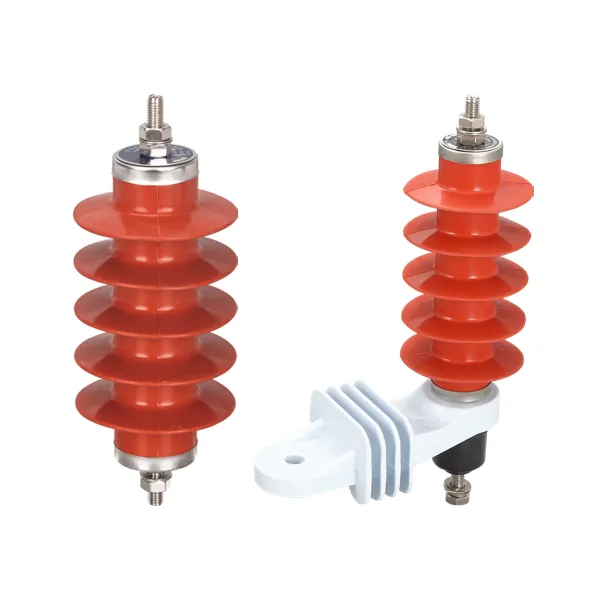
When planning electrical protection for your power system, the terms lightning arrester and surge arrester often surface, and many engineers mistakenly treat them as interchangeable. Using the wrong device can lead to catastrophic equipment failure, safety hazards, or compliance issues.
In 2023, a U.S.-based industrial plant suffered over $500,000 in damage after an indirect lightning strike triggered an overvoltage event. The facility had installed only lightning arresters, assuming they offered full protection. Unfortunately, the absence of proper surge arresters left sensitive equipment vulnerable to internal overvoltage surges. (Source: IEEE Transactions on Industry Applications, 2023)
This article clarifies the essential differences between lightning arresters and surge arresters, explains their applications, and provides practical guidance to select the right protection strategy for your system.
What Is the Difference Between Lightning and Surge?
Both lightning and surge refer to overvoltage phenomena, but their origins and impacts differ:
Lightning: Natural atmospheric discharges producing extremely high voltage (millions of volts) and current when striking directly.
Surge: A broader term for voltage spikes caused by lightning, switching operations, grid faults, or equipment failures.
Lightning delivers sudden, massive energy discharges, while surges involve shorter-duration voltage fluctuations that can still damage electronic components.
Understanding Lightning Arresters
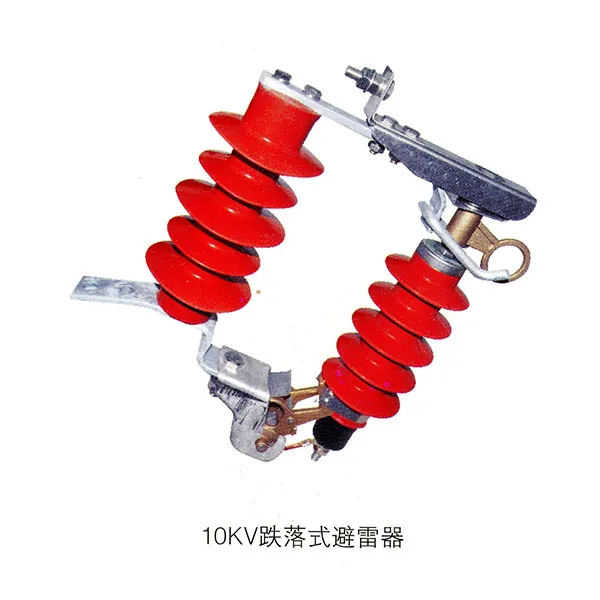
A lightning arrester protects structures, power lines, and towers from direct lightning strikes by diverting immense lightning current safely into the ground, preventing physical damage or fires.
Typical Applications: Transmission towers, substations, industrial plants, communication towers.
Operating Principle: Creates a low-impedance path to ground during direct strikes, remaining non-conductive under normal voltage.
Standards Compliance: Follows IEC 62305 for lightning protection systems.
Installation: Outdoors, at elevated points exposed to atmospheric discharges.
Understanding Surge Arresters
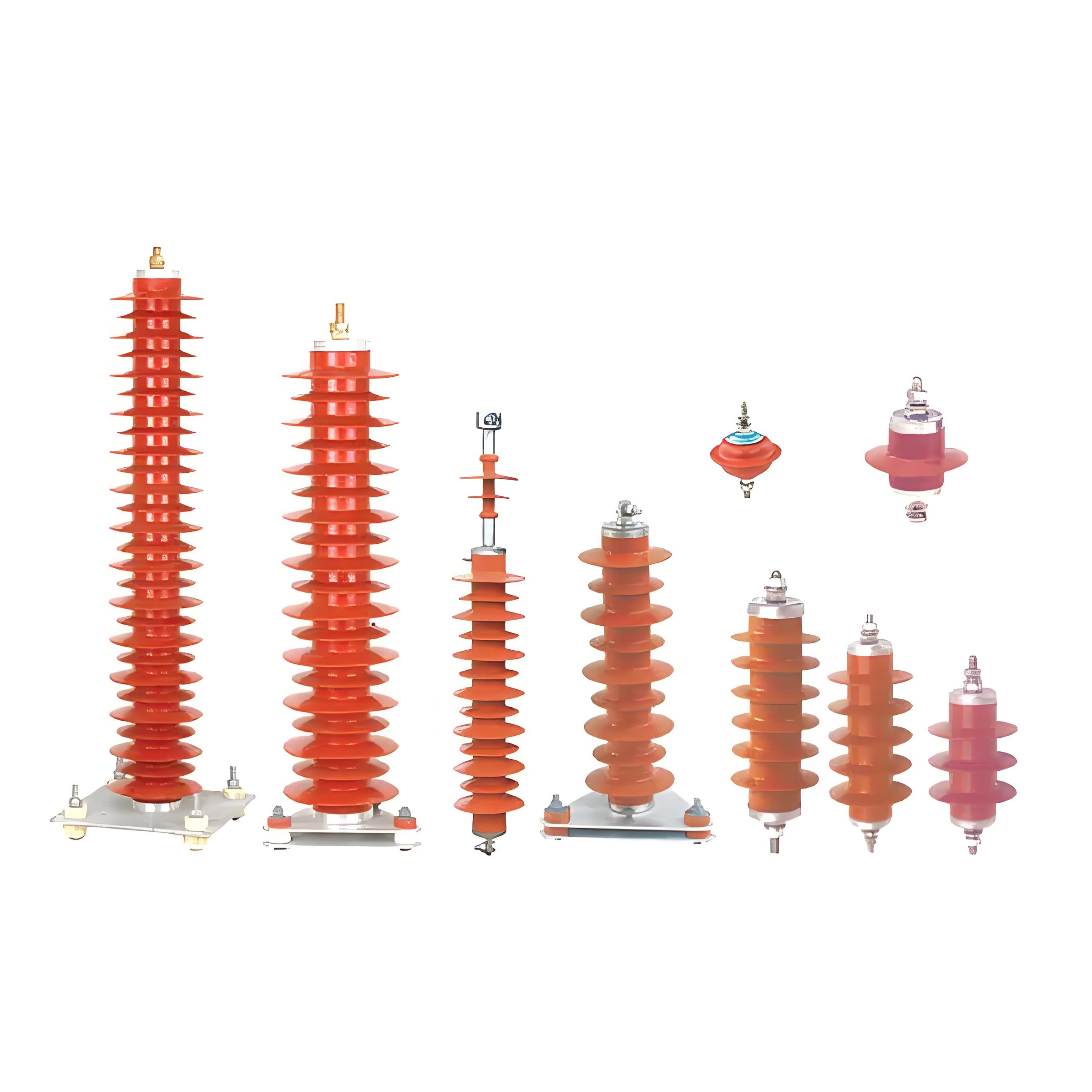
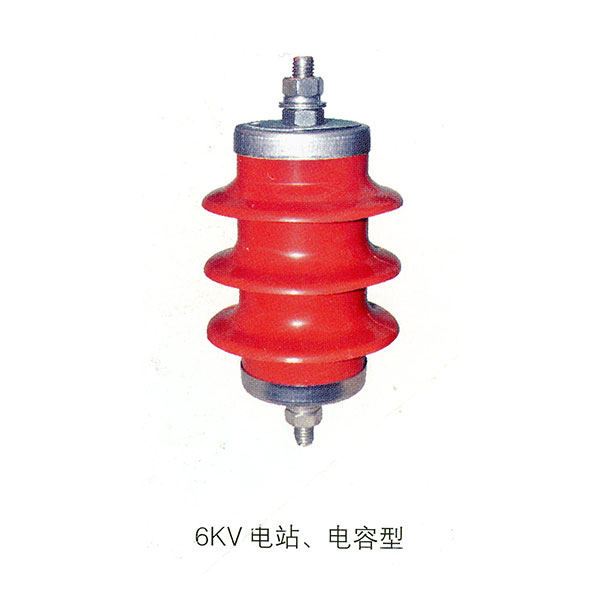
A surge arrester (or surge protection device, SPD) limits overvoltage surges across power and control systems, regardless of their cause, protecting sensitive equipment.
Typical Applications: Switchgear, transformers, control cabinets, industrial plants, data centers.
Operating Principle: Absorbs and dissipates transient energy while clamping voltage to a safe level.
Standards Compliance: Meets IEC 60099-4 or IEEE C62.11 standards.
Installation: Near equipment, indoors or outdoors.
Quick Comparison Table
| Feature | Lightning Arrester | Surge Arrester |
|---|---|---|
| Purpose | Divert direct lightning strikes | Limit overvoltage surges |
| Voltage Range | Handles millions of volts | Handles kV-level transients |
| Application | Transmission lines, towers | Industrial systems, equipment |
| Installation | Outdoor, elevated | Near equipment, indoors/outdoors |
| Standards | IEC 62305 | IEC 60099-4, IEEE C62.11 |
Technology Trends in Lightning and Surge Protection
Smart grids are driving innovation in protection devices. Smart surge arresters with IoT integration, such as Siemens’ latest SPDs, use 5G connectivity to monitor voltage spikes in real-time, reducing downtime by up to 15% (IEEE Transactions, 2024). Eco-friendly surge arresters, using recyclable metal-oxide varistors (MOVs), align with sustainability goals by reducing environmental impact. Similarly, advanced lightning arresters with integrated sensors provide predictive maintenance alerts, improving system reliability.
Regional Standards and Applications
Protection requirements vary by region due to differences in voltage standards and environmental conditions:
China: 20kV systems use surge arresters compliant with GB/T 11032, designed for high-humidity coastal areas.
Europe: 33kV systems follow IEC 60099-4, prioritizing lightning resistance in stormy regions.
Africa: 15kV rural grids require durable lightning arresters for dusty, high-UV environments.
Latin America: 33kV systems need high BIL ratings (e.g., 170kV) to handle frequent lightning.
Wei Shoe Elec provides customized solutions and documentation in English, Spanish, and Chinese to meet global needs.
Are Lightning Arresters and Surge Arresters the Same?
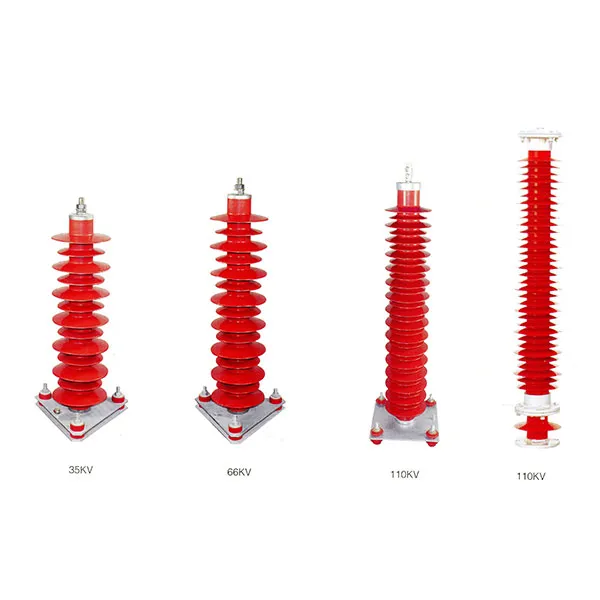
No, they are not the same:
Lightning Arresters: Address high-energy direct strikes.
Surge Arresters: Handle a wide range of transient overvoltages, including indirect lightning-induced surges and switching surges.
In critical systems, both devices are often used together for comprehensive protection.
What Is the Purpose of a Surge Arrester?
Surge arresters:
Protect equipment from transient overvoltages.
Absorb surge energy before it reaches sensitive devices.
Prevent insulation breakdown and electrical fires.
For example, a transformer experiencing switching surges may face voltage spikes that degrade insulation. A surge arrester clamps these spikes, extending equipment lifespan.
Difference Between Lightning Rod and Surge Protector
Lightning Rod: A metal rod on rooftops or towers that intercepts direct lightning and routes it to the ground.
Surge Protector: An electronic device within electrical systems to limit voltage spikes reaching sensitive equipment.
They operate at different system levels and address distinct threats.
Difference Between Line Arrester and Surge Arrester
Line Arrester: A specialized surge arrester installed along transmission or distribution lines to protect against lightning-induced surges traveling along conductors.
Surge Arrester: A general device protecting equipment inside facilities from any transient overvoltages.
Line arresters add an extra layer of protection for exposed high-voltage lines.
Real-World Case Studies
Case 1: Power Substation
A 220kV substation in Germany used both lightning and surge arresters. Lightning arresters on tower tops diverted direct strikes, while surge arresters protected transformers and switchgear. After a severe thunderstorm, the system experienced minimal stress due to layered protection.
Case 2: Industrial Manufacturing Plant
A U.S. automotive plant faced repeated PLC and VFD failures from switching surges. Installing surge arresters at key panelboards reduced equipment failures by 90% within six months.
Case 3: Data Center in Asia
A Singapore data center installed surge arresters compliant with IEC 60099-4 to protect servers from indirect lightning surges. Post-installation, uptime improved by 99.9%, avoiding costly downtime.
How to Select the Right Device
1. Evaluate Exposure:
High structures: Install lightning arresters.
Sensitive electronics: Use surge arresters.
Match arrester ratings to nominal system voltage (e.g., 11kV, 33kV).
Ensure compliance with IEC 62305, IEC 60099-4, or IEEE C62.11.
Balance upfront investment vs. long-term equipment protection.
Obtain tailored design support from suppliers like Wei Shoe Elec.
2. Review System Voltage:
3. Check Standards:
4. Consider Lifecycle Costs:
5. Consult the Manufacturer's Expertise:
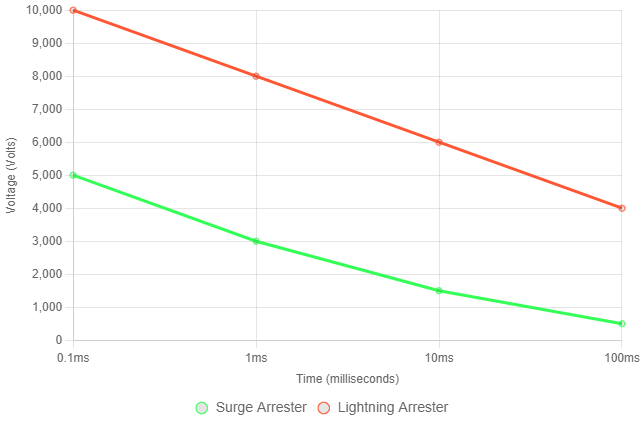
Voltage Clamping Characteristics:
International Standards Overview
| Standard | Description |
|---|---|
| IEC 62305 | Lightning protection system design |
| IEC 60099-4 | Metal-oxide surge arrester standards |
| IEEE C62.11 | Surge arrester performance requirements |
| UL 1449 | Low-voltage surge protective devices |
| GB/T 11032 | Surge arresters for China’s AC systems |
Compliance ensures safety, insurance coverage, and regulatory acceptance.
Maintenance & Service Life
Service Life: 10–20 years, depending on exposure.
Inspections:
Every 6 months: Test for leakage current using a multimeter.
Annually, inspect for physical damage or discoloration.
Replacement: After major lightning strikes or if failure indicators (e.g., MOV degradation) are present.
Troubleshooting Case Study:
Issue: Surge arrester failure in a 15kV system after repeated switching surges.
Cause: Exceeded energy absorption capacity.
Solution: Replace with a higher-rated SPD (e.g., 10kA) and test MOV integrity.
Procurement Considerations
When evaluating suppliers, ensure:
Compliance with ANSI/IEC standards
Full type test reports
Export documentation expertise
MOQ flexibility (e.g., minimum 50 units)
Bulk production capacity
Responsive technical support
Cost Reference: Surge arresters cost $50–600, while lightning arresters range from $100–1000, depending on voltage, material, and brand. Compare suppliers on Alibaba or Made-in-China. Contact Wei Shoe Elec at [email protected] for customized quotes.
Brand Comparison:
| Brand | Device Type | Voltage Range | Advantages | Disadvantages | Price Range (USD) |
|---|---|---|---|---|---|
| Eaton | Surge Arrester | 1-36kV | High reliability | Higher cost | 100-500 |
| Wei Shoe Elec | Lightning Arrester | 11-33kV | Cost-effective, lightweight | Limited global presence | 50-200 |
| ABB | Surge Arrester | 1-220kV | Advanced MOV technology | Complex installation | 150-600 |
Export Example: Wei Shoe Elec supplied 15kV surge arresters for a Southeast Asia data center, delivering in 20 days with full IEC 60099-4 documentation.
Customer Feedback:
“Wei Shoe Elec’s surge arresters ensured zero downtime in our Thailand facility during monsoon season.” – Asia Power Co.
Frequently Asked Questions (FAQ)
1. Can a lightning arrester work as a surge arrester?
Not effectively. They address different overvoltage threats.
2. Do I always need both devices?
For critical installations, yes. They complement each other for full-spectrum protection.
3. Does SPD mean surge arrester?
SPD (Surge Protective Device) often refers to low-voltage surge arresters in residential or commercial use.
4. What happens if a surge arrester fails?
Failure may result in equipment damage or fire. Quality devices have built-in failure indicators.
5. How do I know my system is properly protected?
A qualified electrical engineer should assess site-specific risks and recommend device combinations.
6. How do I choose eco-friendly arresters?
Opt for recyclable MOV-based surge arresters, which reduce environmental impact and offer durability.
Conclusion
Understanding the difference between lightning arresters and surge arresters is crucial for designing reliable power systems. They are not interchangeable but work together to provide layered protection against electrical overvoltages. By selecting the right devices, ensuring compliance with international standards, and following proper maintenance, you can protect your investment and ensure system uptime.
For customized product selection, design support, or quotations, contact:
Thor, Electrical Engineer
📞 Tel: +86-0577-62788197
📱 WhatsApp: +86 159 5777 0984
📧 Email: [email protected]