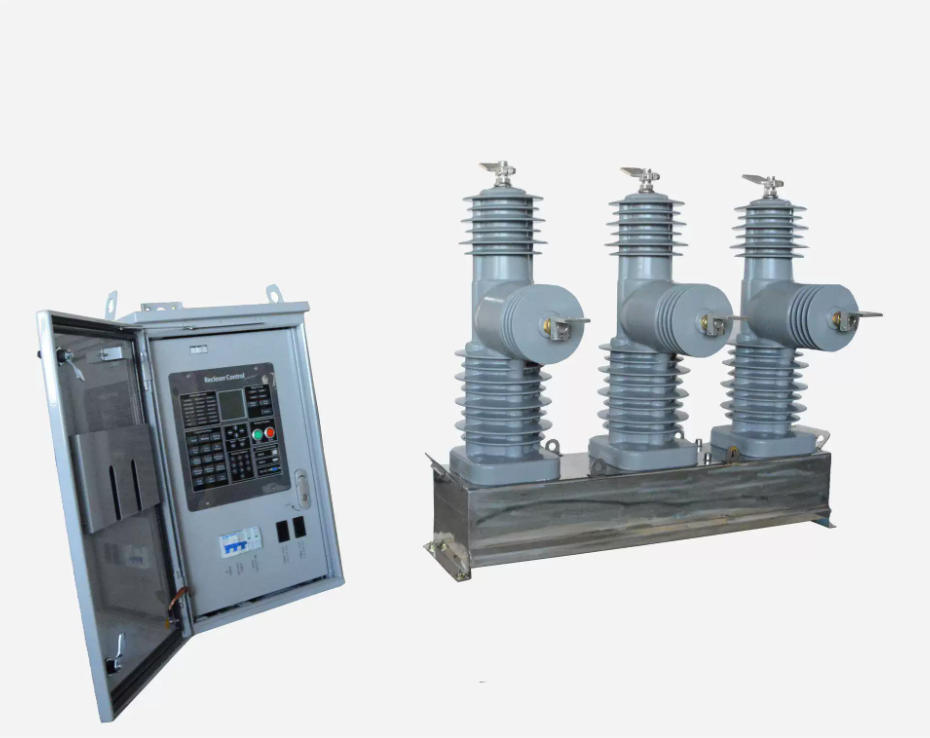
Understanding Automatic Circuit Reclosers (ACR) in Industrial Power Networks
Definition and Role in Heavy Industry
In the volatile environments of mining and heavy industry, power stability is non-negotiable. An Automatic Circuit Recloser (ACR) serves as the primary defense mechanism in medium voltage distribution networks, specifically ranging from 11kV to 38kV. Unlike static protection devices, these intelligent units are engineered to automatically detect fault currents and restore power supply reliability. For industrial operations, the ACR acts as a critical safeguard, preventing minor electrical disturbances from escalating into total system blackouts that halt production lines and damage sensitive heavy machinery.
How ACRs Differ from Standard Circuit Breakers
The fundamental distinction lies in the ability to restore power automatically. A standard circuit breaker trips to isolate a fault and remains open until a technician manually resets it—a costly delay in remote mining sites. Conversely, our auto reclosers are designed to handle the reality that over 80% of overhead network faults are temporary.
Standard Breakers: Trip and Lockout immediately.
Automatic Reclosers: Execute a programmed “trip-and-reclose” sequence to clear transient faults (such as lightning strikes or dust flashovers) and only lock out if the fault persists.
Key Components of a Modern Recloser System
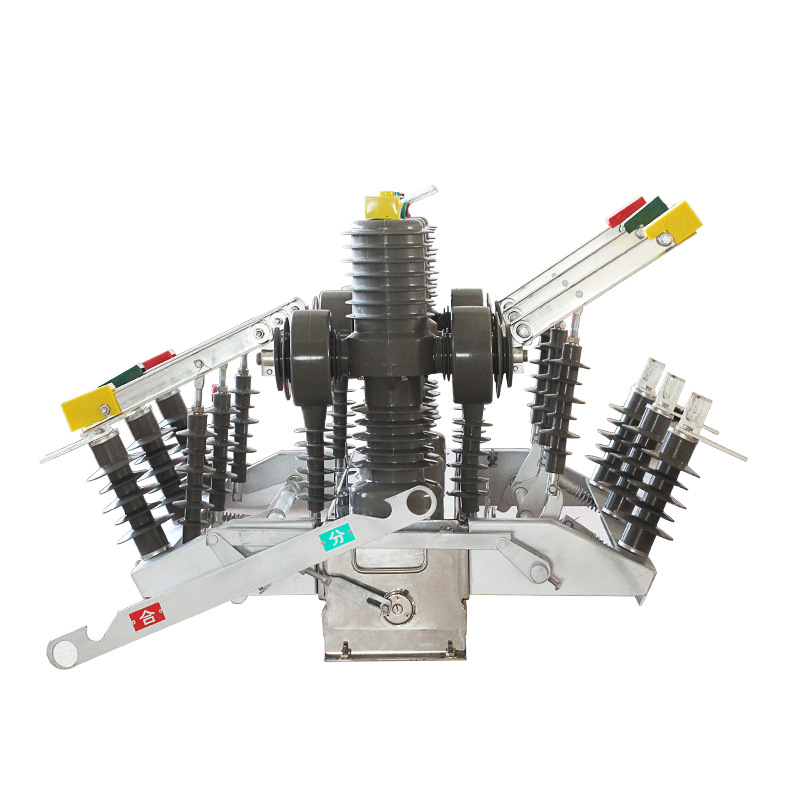
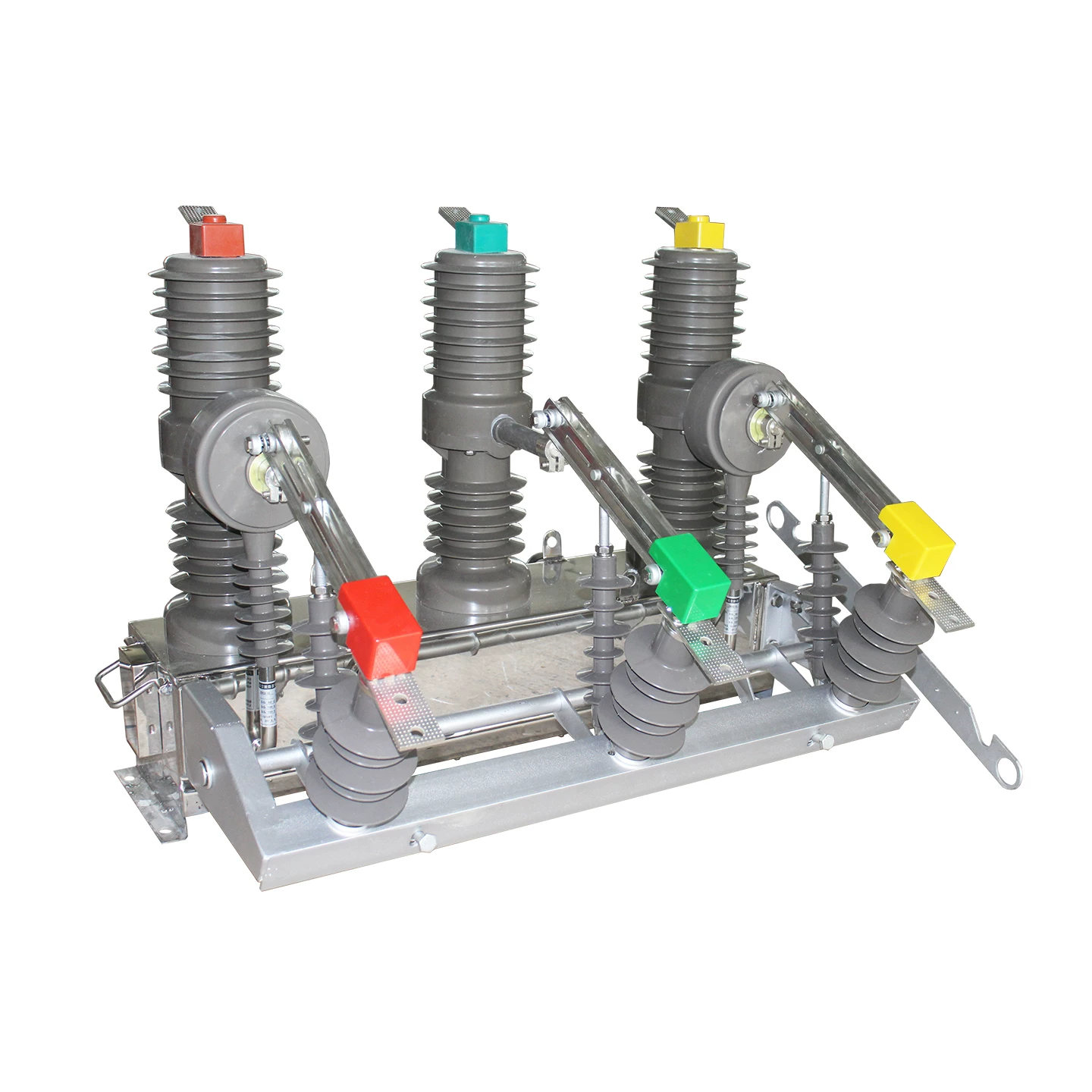
To withstand the rigors of industrial applications, Weisho reclosers integrate advanced technology with rugged physical construction.
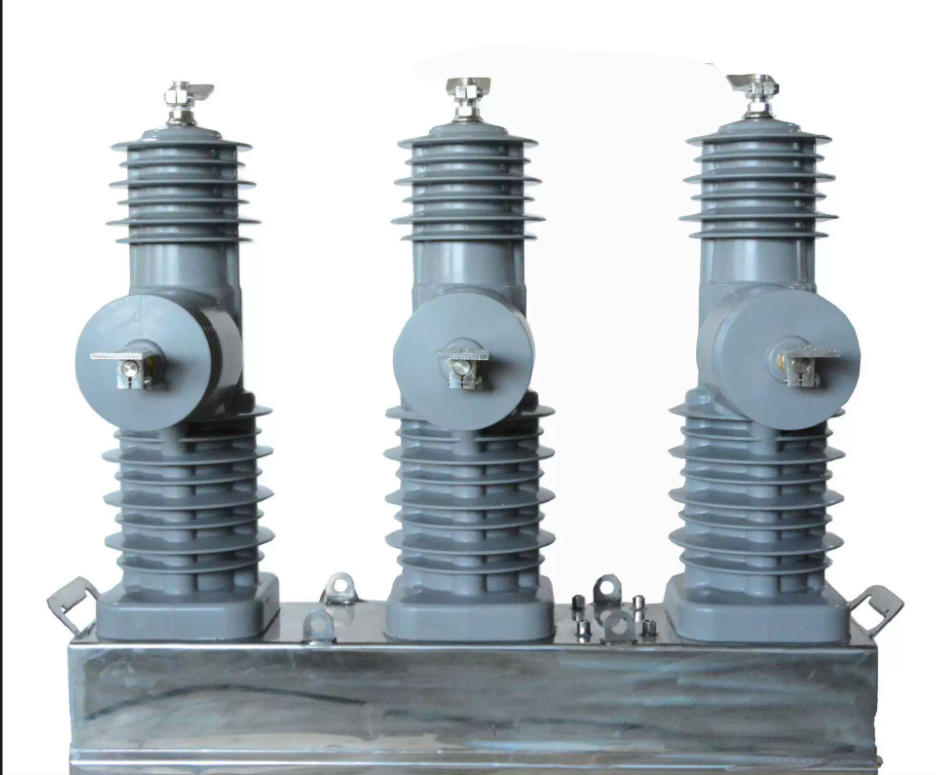
Vacuum Interrupters: Housed within solid dielectric insulation (cycloaliphatic epoxy), these ensure rapid arc quenching without the need for oil or gas maintenance.
Magnetic Actuator: A precision mechanism designed for tens of thousands of operations with minimal moving parts, ensuring long-term reliability.
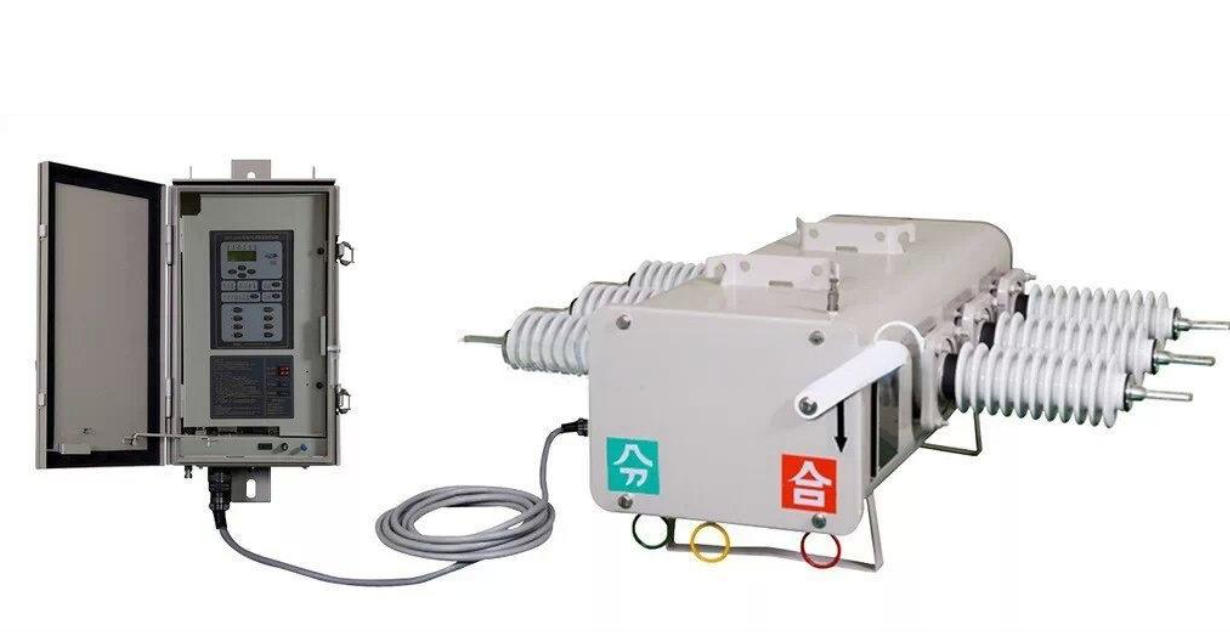
Smart Controller (FTU): The “brain” of the system, enabling advanced protection logic, data logging, and remote communication via GPRS or Ethernet.
Stainless Steel Housing: Provides IP65-rated protection against corrosion, dust, and extreme weather, essential for outdoor mining infrastructure.
How Automatic Reclosers Work to Restore Power
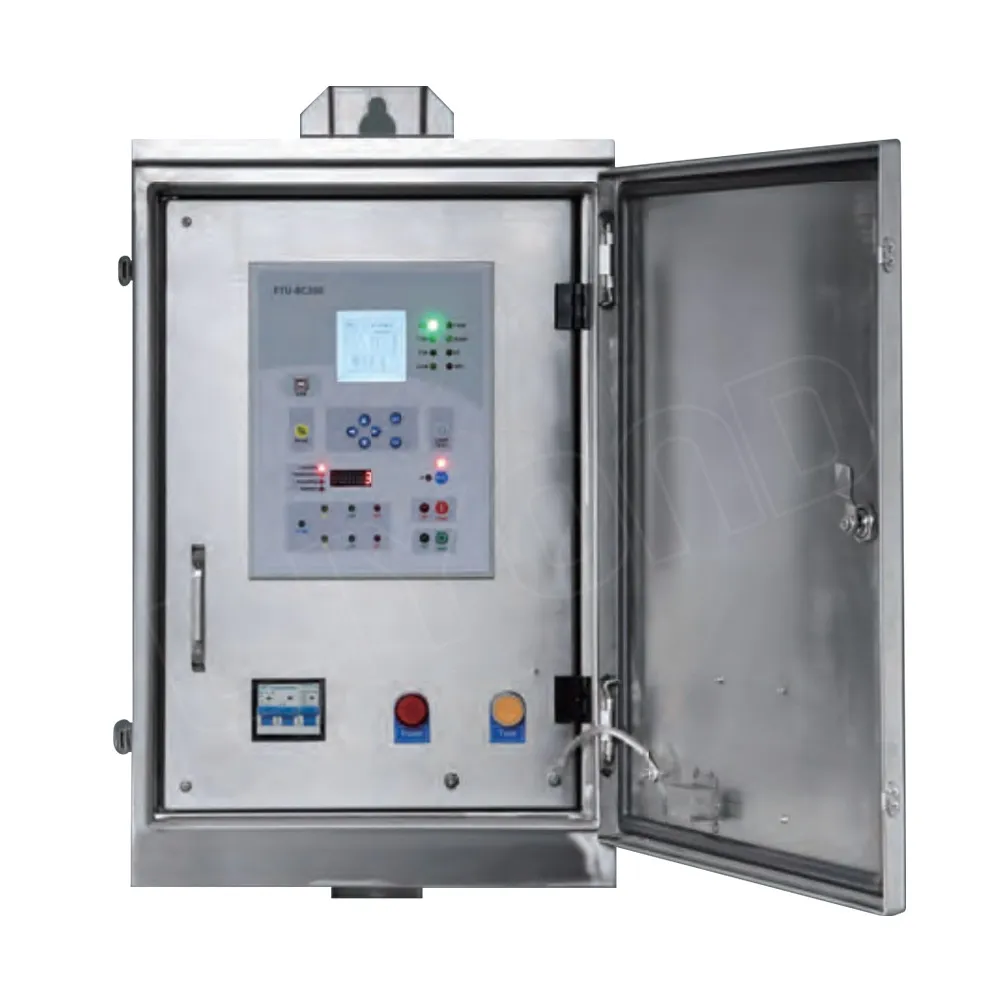
We engineer our automatic circuit reclosers (ACR) to handle the instability inherent in industrial grids. Unlike a standard fuse that blows and requires a truck roll to replace, an ACR is designed to test the line and restore power automatically if the issue is temporary. This capability is vital for maintaining uptime in mining and heavy industry sectors where every minute of outage costs money.
The Trip-Reclose Operation Cycle
The core function of our reclosers relies on a precise “trip and reclose” sequence. When a fault occurs on the line, the device enters a trip state to interrupt the short circuit current. Instead of staying open, it waits for a predetermined time (known as dead time) and then attempts to close the circuit again.
This cycle typically follows a programmable sequence:
Instantaneous Trip: The unit opens immediately to clear the fault.
Reclosing: After a few seconds, it closes to check if the fault has cleared.
Lockout: If the fault persists after a set number of operations (usually up to four), the device locks open to isolate the permanent fault.
This process ensures automatic restoration for transient issues—like lightning strikes or wildlife contact—without human intervention.
Sensing and Detecting Overcurrent Faults
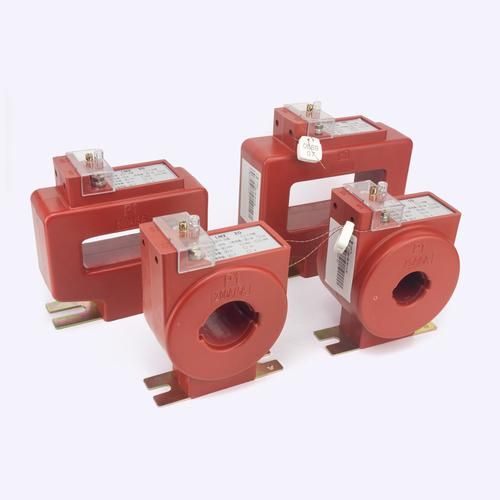
Reliable fault detection starts with accurate sensing. Our units utilize advanced current transformers (CTs) and voltage sensors housed within the tank. These sensors continuously monitor the electrical current flow and voltage levels.
When the system detects an abnormality, such as a phase-to-ground fault or a surge exceeding the rated capacity, the controller analyzes the data instantly. This allows for sophisticated protection schemes, including Sensitive Earth Fault (SEF) detection, which is critical for safety in high-resistance environments like quarries. Understanding the basics of what is electricity and how current behaves under load helps in configuring these protection settings correctly.
Microprocessor-Based vs. Hydraulic Control Systems
Modern grid demands have shifted the industry away from older hydraulic controls toward microprocessor-based systems. We focus on electronic control units (FTU) because they offer superior precision and flexibility compared to legacy oil-filled hydraulic reclosers.
Advantages of Microprocessor Control:
Precision: Electronic timing is exact and does not drift with temperature changes, unlike hydraulic fluid which thickens in the cold.
Customization: Operators can program specific time-current characteristic (TCC) curves to coordinate with other system protection devices.
Data: Smart controllers log event history and load data, enabling better fault prevention strategies.
By using digital controls, we ensure that the transition states between tripping and reclosing are managed with millisecond accuracy, protecting sensitive industrial machinery from damaging voltage sags.
Reducing Unplanned Downtime: Managing Transient vs. Permanent Faults
Eliminating Nuisance Tripping from Transient Faults
In mining and heavy industry, we know that nearly 80% of electrical outages on overhead lines are caused by **temporary faults**. These can be triggered by lightning strikes, wind-blown debris, or momentary contact with wildlife. In a traditional setup, a standard breaker trips and stays open, killing production until a maintenance crew manually resets it. Our automatic circuit reclosers change this dynamic completely. When the device detects a fault, it trips to interrupt the **short circuit** current, waits for a predetermined time, and then automatically recloses. If the fault was transient, the arc clears, and **power supply reliability** is restored instantly without human intervention. This capability is crucial for maintaining **grid stability** in remote locations where every minute of downtime equals lost revenue.
Isolating Permanent Faults to Protect Equipment
While reclosing saves the day for temporary issues, we must handle permanent faults—like a downed line or physical equipment failure—differently. If the fault persists after the programmed reclosing attempts, the recloser enters a “lockout” state. This action permanently isolates the damaged section to prevent further stress on the **electrical infrastructure**. By cutting off the current flow to the fault, we protect expensive upstream assets like transformers and generators from thermal damage. For critical high-voltage applications, deploying a robust outdoor high-voltage vacuum circuit breaker ensures that even the most severe faults are interrupted safely, preserving the integrity of the wider **power distribution system**.
Selective Tripping and Coordination with Sectionalizers
To minimize the impact of an outage, we employ a strategy called selective tripping. The goal is simple: isolate the smallest possible section of the network while keeping the rest of the facility running. We achieve this by coordinating our auto reclosers with downstream sectionalizers. Here is how it works:
* **Fault Detection:** The recloser detects a fault and trips.
* **Pulse Counting:** The downstream sectionalizer counts the interruption.
* **Isolation:** If the fault is within the sectionalizer’s zone, it opens during the recloser’s “dead time” (the open interval).
* **Restoration:** The recloser closes again, restoring power to the healthy sections of the grid.
This precise system protection logic ensures that a fault on a non-critical feeder doesn’t shut down the main processing plant, significantly reducing overall outage frequency and operational disruption.
Types of Reclosers Suited for Mining and Heavy Industry
Three-Phase and Triple-Single Reclosers
In heavy industrial settings, the stability of **power distribution systems** relies on selecting the right phase configuration. For most mining operations running heavy motors and conveyors, three-phase reclosers are the standard. These devices gang all three poles together mechanically or electronically; if a fault occurs on one phase, all three open simultaneously. This prevents “single-phasing,” a dangerous condition that can burn out expensive three-phase motors.
However, for rural feeder lines supplying remote site camps, triple-single reclosers offer flexibility. They allow each phase to operate independently for single-phase faults, keeping the remaining two phases live. This selective operation maintains power supply reliability for non-motor loads, ensuring that a minor line issue doesn’t shut down the entire facility.
Vacuum Interrupters for Harsh Environments
Mining environments are notoriously tough on electrical infrastructure. Dust, vibration, and extreme temperature fluctuations can cause traditional oil or SF6 gas-insulated switchgear to fail or leak. We prioritize **vacuum interrupters** housed in high-grade stainless steel tanks with solid dielectric insulation (cycloaliphatic epoxy).
This design offers distinct advantages for industrial power distribution:
Zero Maintenance: Vacuum bottles are sealed for life, eliminating the need for gas refilling or oil sampling.
Arc Quenching: Vacuum technology extinguishes arcs rapidly, minimizing contact wear during high-current fault interruptions.
Durability: Solid insulation is resistant to UV radiation, moisture, and heavy pollution, making it ideal for open-pit mines and dusty processing plants.
Single-Phase Adaptive Reclosing Solutions
Modern reclosers are defined by their intelligence. Our units come equipped with microprocessor-based controllers (FTU) that allow for adaptive protection schemes. This is critical when you need to troubleshoot frequent circuit breaker tripping caused by transient environmental factors rather than equipment failure.
Adaptive reclosing logic allows the device to sense the nature of the fault. If the system detects a temporary issue—like a tree branch brushing a line—it performs a fast reclose operation to restore power. If the fault persists, it locks out to protect the downstream assets. This intelligent differentiation significantly reduces stress on the medium voltage network and prevents unnecessary downtime for critical machinery.
Critical Advantages for High-Stakes Industrial Operations
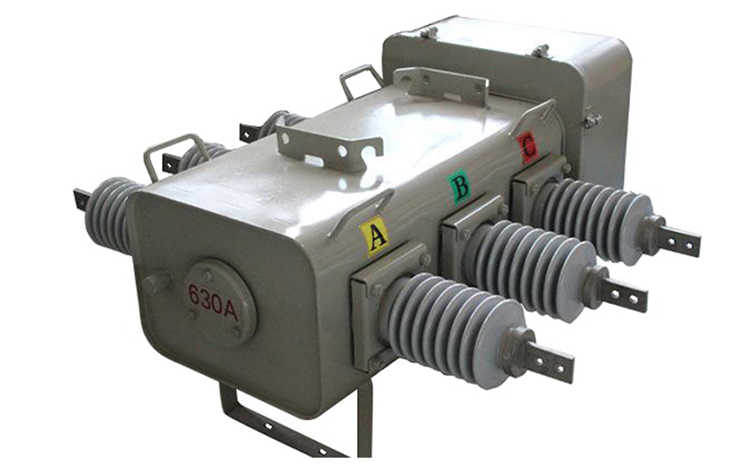
In the mining and heavy industry sectors, the cost of downtime is measured in thousands of dollars per minute. We design our automatic circuit reclosers to be more than just switches; they are critical assets for maintaining power supply reliability in the most demanding environments.
Minimizing Production Losses from Power Outages
For industrial operations, a complete shutdown due to a temporary fault is unacceptable. Our reclosers automatically detect and clear transient faults, attempting to restore power within seconds rather than waiting for a maintenance crew. This capability significantly reduces outage frequency and ensures that vital machinery like crushers, conveyors, and ventilation systems remain operational. By handling these transition states automatically, we prevent minor grid blips from turning into major production halts.
Enhancing Personnel Safety and Arc Fault Mitigation
Safety is our top priority when dealing with medium voltage networks. We utilize vacuum interruption technology combined with solid dielectric insulation, which eliminates the risk of oil or gas explosions common in older switchgear. This design effectively contains arcs and enhances fault prevention. Furthermore, our systems support remote operation, allowing operators to manage grid stability from a safe distance. You can read more about how reclosers guard power systems against these dangerous electrical faults without putting personnel in harm’s way.
Reducing Maintenance and Operational Costs
Remote mining sites are often difficult and expensive to access. We engineer our reclosers to be virtually maintenance-free, utilizing magnetic actuators and high-grade stainless steel tanks that withstand harsh weather, dust, and vibration. This durability removes the need for routine oil sampling or gas refilling. By automating system protection and reducing physical site visits, we help operators lower the long-term operational costs of their industrial power distribution networks.
Maintenance-Free: No oil or SF6 gas to monitor.
Durability: Stainless steel housing resists corrosion and UV damage.
Remote Management: Diagnosis and control via SCADA reduce truck rolls.
Strategic Application Scenarios in Mining Power Grids
Substation and Feeder Protection
In Mining and Heavy Industry Power Networks, the substation serves as the critical hub for energy distribution. We deploy Automatic Circuit Reclosers (ACRs) directly on outgoing feeders to serve as the primary line of defense. Unlike standard breakers, these devices handle fault detection and rapid isolation autonomously. This setup prevents a localized fault in one extraction pit from tripping the main breaker and blacking out the entire processing plant. By coordinating these reclosers with downstream equipment, we ensure that expensive assets, such as those detailed in our pole distribution transformer guide, are shielded from damaging short circuit currents and voltage surges.
Distributed Generation and Remote Site Interconnection
Many mining operations are located in remote areas, often relying on weak rural networks or operating as islanded microgrids with their own generation. Integrating these single-source power systems requires precise control to maintain grid stability. Our smart reclosers are equipped with advanced voltage sensing and synchronization capabilities. They act as the intelligent gatekeeper at the interconnection point. If the main power grid experiences instability or an outage, the ACR automatically disconnects the site to prevent dangerous back-feeding. This allows local generators to take over immediately, ensuring power supply reliability for critical life-support systems like ventilation and dewatering pumps.
Radial and Loop Recloser Configurations
While a radial distribution network is simpler to construct, it offers no redundancy—if the line is cut, production halts completely. For high-stakes industrial environments, we recommend loop automation. In this configuration, reclosers communicate to isolate the faulted section and automatically re-route power from an alternative source, achieving automatic restoration in seconds. To facilitate safe maintenance on these loops without total shutdowns, we often pair reclosers with a robust outdoor single-pole AC disconnect switch to provide a visible break point. This strategic layout minimizes the impact of temporary faults and keeps the operation running efficiently.
Smart Grid Integration and Remote Monitoring
Real-Time Telemetry via SCADA and DNP3 Protocols
In modern mining and heavy industry, visibility is everything. We don’t just install hardware; we integrate intelligent nodes into the distribution network. Our automatic circuit reclosers utilize advanced microprocessor-based controllers (FTU/RTU) that communicate seamlessly with central control rooms.
By supporting industry-standard protocols like DNP3 and IEC 60870-5-101/104, we ensure that operators receive real-time telemetry. This data includes voltage levels, current load, and fault history. Instead of waiting for a site inspection, engineers can monitor grid stability from a centralized location, ensuring that the power distribution systems feeding critical machinery remain operational.
Remote Configuration and Adaptive Protection Settings
Operational needs in heavy industry change rapidly. A static protection setting often leads to inefficiencies. Our reclosers feature remote configuration capabilities via GPRS, GSM, or radio communication. This allows operators to adjust protection curves and reclosing intervals without sending a crew to the field.
Adaptive Logic: Modify settings based on load shifts or temporary operational changes.
Reduced O&M Costs: Eliminate the need for physical site visits for minor adjustments.
Safety: Keep personnel away from high-voltage equipment during configuration.
This flexibility is crucial for maintaining network reliability in dynamic environments where load profiles fluctuate heavily. For broader context on how these systems fit into larger infrastructure, understanding 110kV substation basics helps in planning the hierarchy of protection devices.
Future Trends: AI and Enhanced Cybersecurity
As we move toward fully automated smart grids, the role of the recloser evolves from a simple switch to a sophisticated data hub. While the core function remains fault prevention, the integration of smarter algorithms helps predict failures before they cause an outage.
We focus on robust distribution automation that prioritizes security. As connectivity increases, ensuring the integrity of the control signals is paramount. Our systems are designed to support the rigorous demands of modern industrial power distribution, ensuring that remote commands are executed precisely and securely to maintain continuous production.
Selecting the Right Recloser for Your Industrial Network
Choosing the correct protection for industrial power distribution isn’t just about buying hardware; it’s about matching specs to the harsh reality of mining operations. We focus on durability and precise ratings to ensure grid stability and protect your electrical infrastructure.
Evaluating Voltage Requirements and Interrupting Mediums
Your network voltage dictates the baseline. We supply medium voltage reclosers ranging from 11kV to 38kV to cover diverse site requirements. For mining environments, the interrupting medium matters immensely. While we understand the mechanics of how high voltage switchgear operates generally, we often recommend solid dielectric (epoxy) insulation for heavy industry.
Solid Dielectric: Eliminates gas leak risks, highly resistant to UV and dust, maintenance-free.
SF6 Gas: Traditional option, but requires monitoring for pressure drops.
Vacuum Interrupters: Essential for rapid arc quenching and handling high electrical current faults.
Calculating Optimal Recloser Placement for Maximum Reliability
To stop electrical outages from halting production, placement is key. Installing reclosers at the substation is standard, but adding them at strategic mid-points on long feeders improves fault prevention. This setup isolates a short circuit to a specific zone, keeping the rest of the power grid live. Proper coordination ensures the device closest to the fault trips first, maintaining power supply reliability for critical machinery like ventilation fans and crushers.
Analyzing ROI: Initial Investment vs. Downtime Savings
The upfront cost of a smart automatic restoration system is a fraction of the cost of a single shift of lost production. By clearing temporary faults without human intervention, you eliminate the downtime associated with manual line patrols.
ROI Factors for Industrial Reclosers:
| Cost Factor | Manual Protection (Fuses/Breakers) | Automatic Circuit Recloser (ACR) |
|---|---|---|
| Fault Response | Requires manual reset/replacement | Auto-clears transient faults in seconds |
| Downtime | Hours (travel + repair time) | Seconds (reclose sequence) |
| Maintenance | High (frequent checks required) | Low (solid insulation, magnetic actuator) |
| Data Visibility | None | Real-time telemetry (Voltage, Current) |