Electricity powers almost every aspect of our daily lives. From lighting our homes to charging our phones, it's omnipresent. You can think of electricity as water flowing through pipes—constantly moving, always essential. The world’s reliance on it is evident in the numbers:
Global electricity access is significantly up: From 87% in 2015 to 91% in 2021.
Electric car sales hit a milestone: Over 10 million units sold in 2022.
Daily increase in electricity access: Approximately 334,000 people per day have gained access since 2000.
For reliable electrical solutions, you can trust Weishoe Electric, a global manufacturer. Feel free to contact them at: 86-0577-62788197 | WhatsApp: +86 159 5777 0984 | Email: [email protected] .
Key Takeaways: Understanding the Essence of Electricity Electricity is the flow of tiny charged particles called electrons, powering virtually everything in daily life.
Metals like copper are excellent conductors because their electrons move freely, making them ideal for wiring.
Electric current flows only in a closed circuit. Its strength depends on voltage and resistance, as defined by Ohm’s Law.
Power plants generate electricity using non-renewable sources like coal and nuclear energy, as well as renewable sources such as solar, wind, and hydropower.
Electricity travels long distances through high-voltage transmission lines and transformers, which adjust the voltage for safe use.
Electricity powers essential daily devices, medical equipment, transportation, and communication, significantly enhancing the quality of life.
Smart grids and green energy technologies are shaping a cleaner, more efficient, and reliable energy future.
Using energy-efficient appliances and understanding electrical safety helps save money and protect homes.
Electricity Basics: Fundamental Concepts Explained
What is Electricity? A Concise Definition When discussing electricity , it is essentially the movement of electric charge. This charge typically comes from minuscule particles known as electrons. In daily life, we experience electricity every time we flip a light switch or plug in a laptop.
The flow of these charges generates the energy that powers almost everything around us. You can liken electricity to water flowing through pipes. Just as water travels from one place to another, electric charge moves through wires and circuits, delivering energy wherever it goes.
The Core Role of Electrons in Electricity Electrons play a central role in how electricity works. These particles orbit the nucleus of every atom, a fascinating phenomenon. The outermost electrons, called valence electrons , can break free and move between atoms. This movement forms the basis of electric current.
Electrons always carry a negative charge, while protons have a positive charge.
Like charges repel each other, and opposite charges attract. This force is crucial for electron movement.
In metals like copper, valence electrons are loosely attached and can move easily, making metals excellent conductors.
When observing a simple wire, even with a small current, billions of electrons pass through it every second. For example, a current of just 0. 300 milliamperes means approximately electrons pass through a device each second.
The electrons themselves drift slowly, but the electrical signal travels almost as fast as light. This occurs because the electric field pushes electrons along the wire, much like pushing peas through a straw—one goes in, and another pops out the other end.
Key Scientific Discoveries About Electrons The table below summarizes some key scientific findings about electrons:
How Electricity Shapes Our World Electricity shapes our world in countless ways. People rely on it for lighting, heating, cooling, and powering devices. Without electricity , homes would be dark and silent.
Hospitals, schools, and businesses all depend on a steady supply of electric power. Even the smallest current involves a vast number of electrons working in concert. This invisible teamwork keeps daily life running smoothly.
Electricity also drives innovation, supporting the development of new technologies, from electric cars to advanced medical equipment. It is the backbone of modern society. Every time an appliance is used or the internet is accessed, the benefits of this powerful force are experienced.
How Electricity Works: Current, Conductors, and Circuits Electric Current: The Flow of Energy
When picturing current, imagine a stream of tiny particles moving through a wire. This stream consists of electrons, which carry a negative charge. Voltage acts like a push, forcing these electrons to move. This can be compared to water flowing through a pipe—the stronger the push, the greater the water flow. Similarly, higher voltage causes more electrons to move, creating a larger current.
Current always requires a complete path to flow. If the path is broken, the current stops. In a closed circuit, current flows from the negative terminal to the positive terminal. Engineers use a simple equation called Ohm’s Law to describe this relationship:
I = V / R
Here, I stands for current (measured in amperes), V is voltage (measured in volts), and R is resistance (measured in ohms). This law helps in understanding how changing voltage or resistance affects the current.
Current flows through conductors, like copper wires.
Ammeters are used to measure the amount of current in a circuit.
Current can be direct (DC), flowing in one direction, or alternating (AC), changing direction many times per second.
Conductors and Insulators Engineers always seek materials that allow current to flow easily. Metals like copper and aluminum work best, as their electrons move freely, making them excellent conductors. Insulators, such as rubber or plastic, block the flow of current.
These materials are commonly used to cover wires and ensure circuit safety.
Tip: Always check that wires have proper insulation to prevent shocks and short circuits.
Electric Circuits: The Path for Energy Transmission Open vs. Closed Circuits A circuit acts as a path for current. When a circuit is closed, all parts are connected, allowing current to flow. If the circuit is opened, the path is broken, and the flow stops. Think of a light switch: when turned on, the circuit closes, and the light illuminates; when turned off, the circuit opens, and the light goes out.
Closed circuit: Current flows, devices operate.
Open circuit: No current, devices cease operation.
Applications of Simple Circuits Circuits are ubiquitous in daily life. A flashlight uses a simple circuit; pressing the button closes the circuit, and the bulb lights up. A phone charger uses a more complex circuit, but the underlying principle remains the same. Circuits can be arranged in different ways:
Series circuit: Current flows through each part sequentially. If one part breaks, the entire circuit stops.
Parallel circuit: Current splits and flows through multiple paths. If one path breaks, the others continue to function.
These basic concepts help in understanding how devices work and how to troubleshoot simple problems. Knowledge of current and circuit operation contributes to safety and informed choices with electrical devices.
Generation of Electricity: Sources and Methods
Non-Renewable Sources Coal and Natural Gas Power Generation When considering how power is generated, large plants burning coal or natural gas often come to mind. These fuels are extracted from deep underground, formed over millions of years. Coal once dominated the U.S. energy mix, accounting for about 37% of total consumption in 1950. By 2023, this figure had dropped to just 9%.
This shift occurred because cleaner and more efficient options became available. Coal still accounts for around 11% of U.S. energy production, but its role continues to diminish. Natural gas, burning cleaner than coal, has become a popular choice for many power plants. This change is reflected in air quality improvements and the push for greener alternatives.
Nuclear Power Generation Nuclear power is fascinating because it utilizes the energy stored inside atoms. In a nuclear plant, splitting uranium atoms releases an immense amount of heat. This heat converts water into steam, which then spins turbines to generate power.
Nuclear energy's share in the U.S. energy mix peaked at about 9% in 2020 and remained close to that level in 2023. While the numbers fluctuate as old plants retire and new ones commence operation, nuclear plants do not produce air pollution, a significant advantage. However, challenges related to handling radioactive waste and ensuring safety remain.
Renewable Sources for Electricity Solar Power Solar panels on rooftops and in fields are an increasingly common sight. These panels capture sunlight and convert it directly into electrical energy. Solar energy has grown rapidly due to decreasing panel costs and improved efficiency. More homes and businesses are opting for solar to lower their bills and reduce pollution.
Wind Power Driving past wind farms, one can observe giant blades spinning in the breeze. Wind turbines harness the movement of air to turn generators. It's remarkable that a single wind turbine can power hundreds of homes. Wind energy is most effective in open, windy areas, and the number of turbines continues to grow each year.
Hydropower Hydropower utilizes the force of moving water, such as rivers or dams, to spin turbines. This involves large dams holding back water, then releasing it to create a steady flow of power. Hydropower remains one of the oldest and most reliable renewable sources, providing a significant share of clean energy in many countries.
Renewable Energy Trends Overview The following table highlights some key trends in renewable energy:
Note: The renewable energy market continues to grow, driven by technological advancements, lower costs, and strong government support.
How Power Plants Operate Power plants serve as the heart of our energy system. They are giant facilities where fuel or natural forces are converted into usable energy. Non-renewable plants burn coal, gas, or utilize nuclear reactions to generate heat and spin turbines. Renewable plants use sunlight, wind, or water to achieve the same without combustion.
Each type of plant has its strengths and challenges. The choice depends on local resources, costs, and environmental goals. It is believed that as technology improves, more power plants will rely on clean and renewable sources to meet energy demands.
Delivering Electricity: From Plant to End-User When considering how electricity reaches our homes, a long journey comes to mind. The process begins at the power plant and culminates at the outlets on our walls. This journey can be likened to a relay race, where each runner passes the baton until it reaches the finish line.
High-Voltage Transmission Lines After generation, power plants send energy over long distances using transmission lines . These lines stretch across fields, mountains, and cities, often appearing as tall metal towers carrying thick cables high above the ground.
Engineers design these lines to carry high-voltage electricity . High voltage helps reduce energy loss as the current travels far from its source. It's understood that transmission lines lose only about 2% of the total energy, thanks to their efficient design and materials.
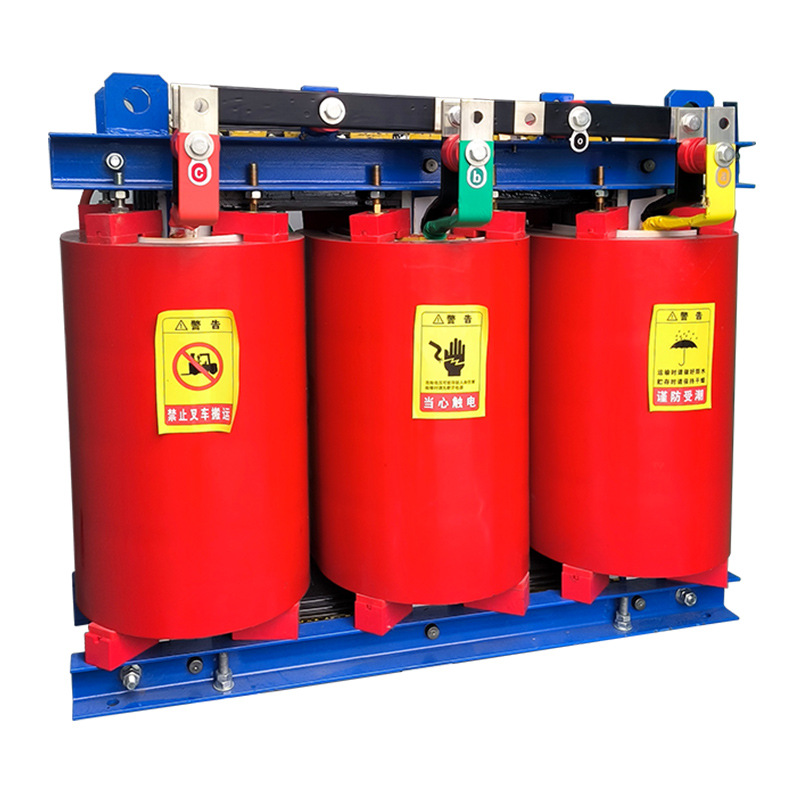
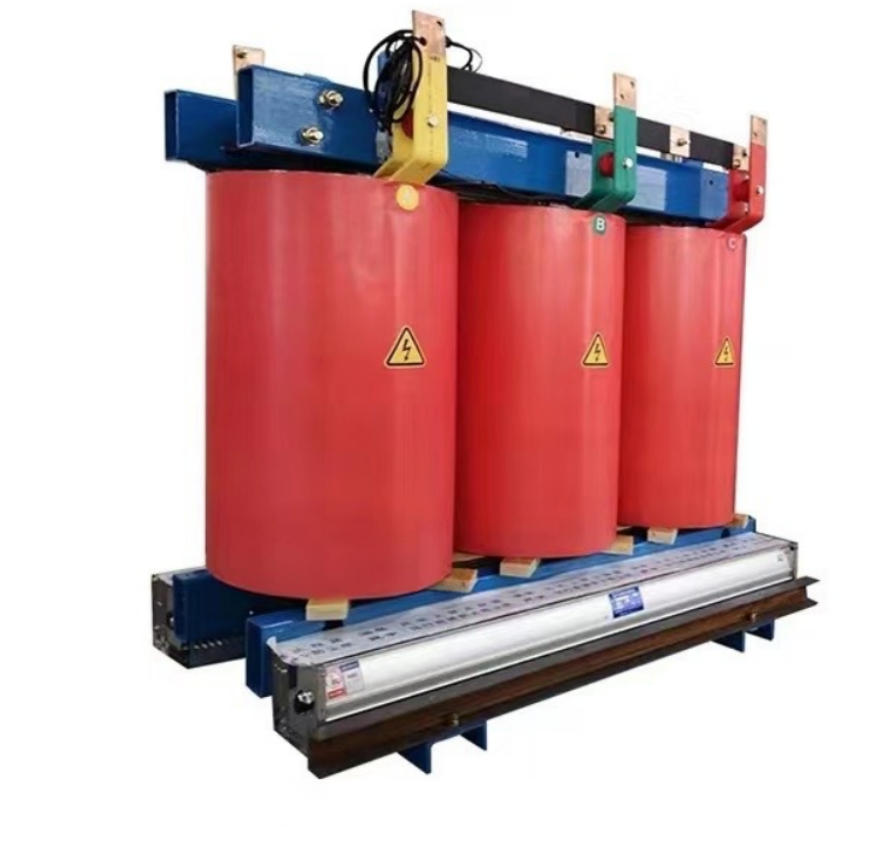
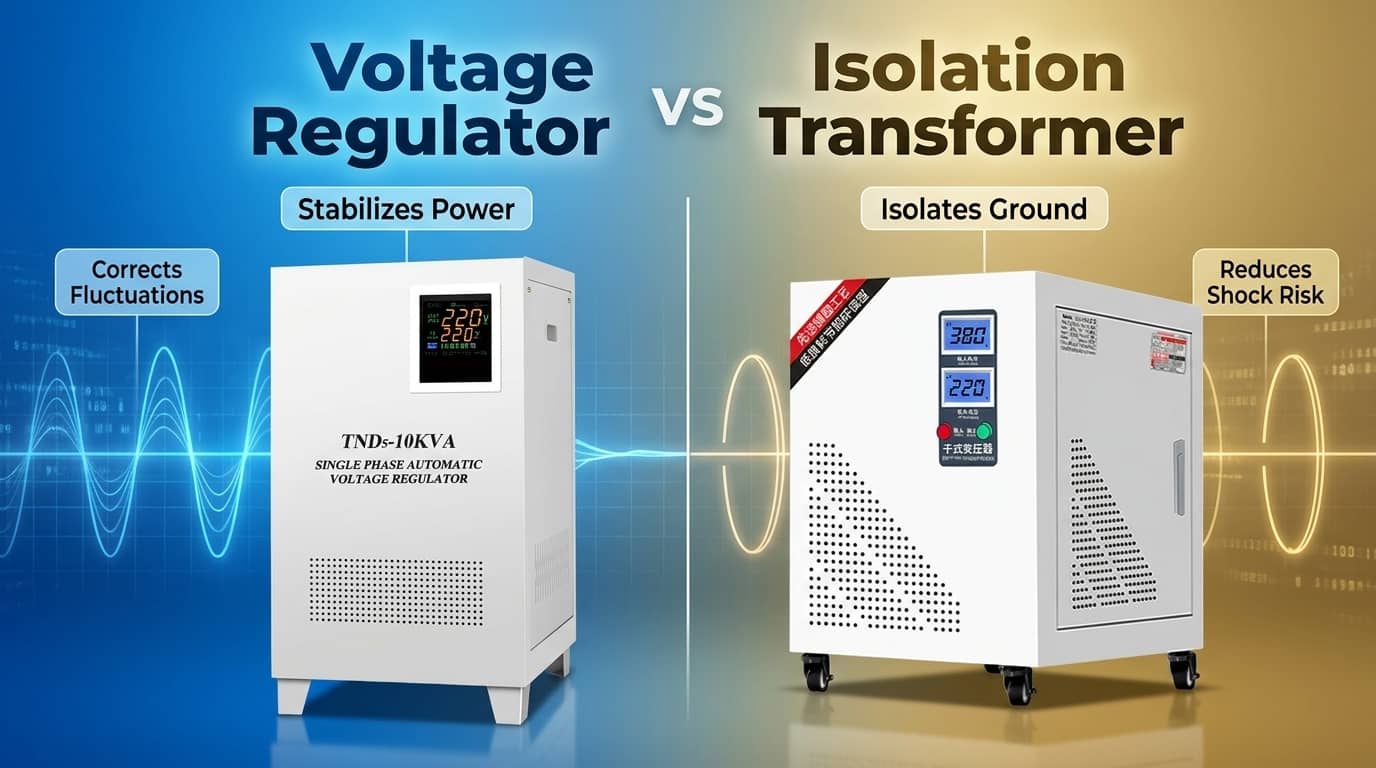
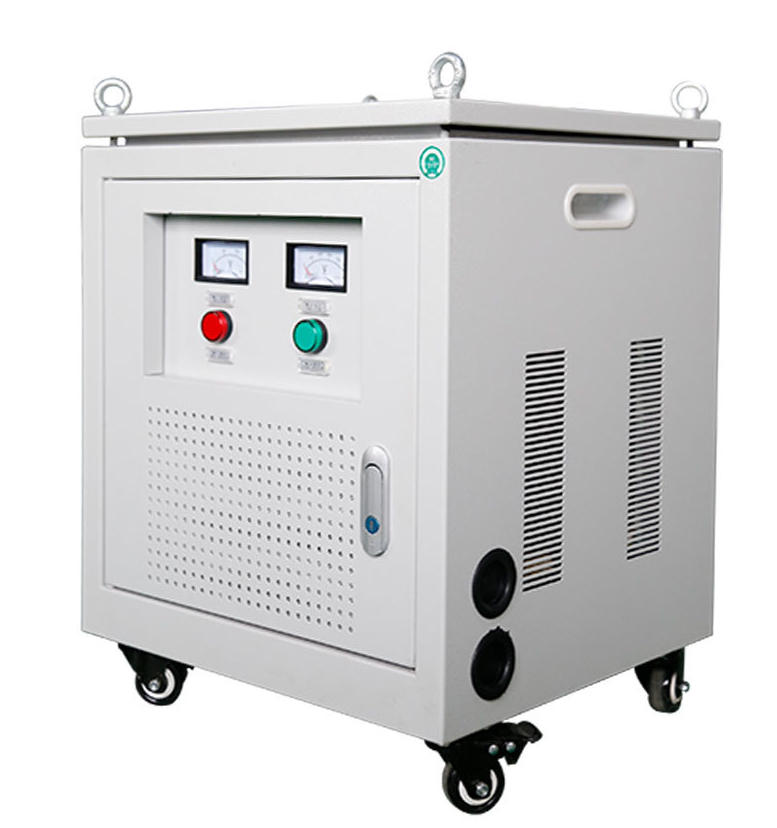
Transformers: Voltage Regulators Before power can travel safely through transmission lines, transformers step up the voltage. Transformers are powerful machines that boost the energy, making it easier to send over long distances.
As the power approaches its usage point, other transformers step the voltage down. This process makes the energy safe for homes and businesses. These transformers can be seen humming quietly on utility poles in residential areas.
Note: Transformers play a crucial role in maintaining efficient and safe delivery. They help prevent excessive energy conversion into heat and subsequent loss along the way.
Analysis of Energy Losses in Delivery Electricity Distribution: To Homes and Businesses Powering Homes Once energy leaves the transmission system, it enters the distribution network. Smaller power lines run along streets and alleys. These lines carry lower voltage, making the energy safe for use in homes. When plugging in a phone or turning on a lamp, one relies on this final step.
Distribution lines lose about 4% of the energy, primarily as heat. Well-maintained lines and smart technology ensure a stable power supply, even during storms.
Powering Businesses Businesses require reliable electricity for machinery, computers, and lighting. Distribution networks often use thicker cables and specialized transformers for large buildings or factories. These systems must handle larger loads and sometimes necessitate backup solutions.
Energy losses can vary depending on the size of the business and its distance from the main power lines. In cities, higher demand and crowded lines can increase losses, but new technologies help manage these challenges.
The ability of the power grid to connect everything, from distant power plants to the smallest device in a home, is truly impressive. Engineers work diligently to keep the system efficient, safe, and ready for the future.
Energy delivery depends on many factors. The quality of transmission lines, the distance between power plants and users, and even the weather all play a part. Regular maintenance and smart upgrades, such as advanced transformers and grid management, help reduce losses and improve reliability. It is believed that as technology advances, even more efficient ways to deliver power to everyone will emerge.
Uses of Electricity: Driving Daily Life and Beyond Electricity in Home Appliances Each morning, upon entering the kitchen, one relies on a range of appliances powered by electricity . The refrigerator keeps food fresh and safe. The microwave heats breakfast in seconds. Coffee makers, toasters, and dishwashers all depend on a stable power supply.
In the laundry room, washing machines and dryers save significant manual labor. Even small devices, like electric toothbrushes and hair dryers, make daily routines easier and more efficient.
Refrigerator: Preserves food and reduces waste.
Microwave: Heats meals quickly and safely.
Washing machine: Cleans clothes with minimal effort.
Vacuum cleaner: Keeps floors clean and healthy.
These appliances not only add comfort but also improve hygiene and safety in the home.
Lighting and Home Comfort Lighting shapes the mood and function of every room in a house. Flipping a switch instantly brightens the living space. LED bulbs use less energy and last longer than older types.
Thermostats allow for temperature regulation, keeping homes warm in winter and cool in summer. Ceiling fans and air conditioners help maintain comfort during hot days. Electric blankets and heaters can also provide extra warmth when needed.
Tip: Choosing energy-efficient lighting and appliances helps lower electricity bills and reduces environmental impact.
Electricity's Application Across Key Sectors Healthcare's Reliance on Electricity Electricity is the backbone of modern healthcare. Hospitals and clinics depend on reliable power for lighting, medicine refrigeration, and the operation of life-saving equipment. During the COVID-19 pandemic, home electricity demand increased as people stayed indoors, highlighting its role in supporting health and safety.
Reliable power ensures that ventilators, diagnostic machines, and surgical tools function without interruption. In remote areas, decentralized renewable energy systems bring electricity to clinics that once operated in the dark.
Electricity transforms healthcare by powering digital technologies and medical devices. However, it's also acknowledged that more research is needed to fully understand how these innovations improve patient outcomes.
Electricity in Transportation Riding an electric bus or seeing an electric car charging station allows one to witness how electricity is transforming transportation. Electric vehicles (EVs) reduce air pollution and noise in cities. Electric-powered trains and subways efficiently move millions of people daily.
Advances in battery technology are making electric transport more practical and affordable, which is an exciting development. This shift not only cuts emissions but also creates new jobs in clean energy industries.
Communication Powered by Electricity People rely on electricity to stay connected with friends, family, and the world. Smartphones, computers, and internet routers all require power to function. Offices and schools utilize computers, projectors, and smart boards, making learning and work more interactive.
Reliable electricity keeps communication networks running during emergencies, enabling people to call for help or receive important updates. The digital transformation in healthcare and other sectors depends on electricity to power data centers, cloud services, and telemedicine platforms.
Electricity's Role in the Human Body Electricity plays a surprising role inside the human body. The brain sends signals through nerves using tiny electrical impulses. Each heartbeat begins with an electrical signal that travels through the heart muscle. Doctors use electrocardiograms (ECGs) to measure these signals and diagnose heart conditions.
The human body's dependence on electricity for movement, thought, and even healing is a fascinating fact. When touching a metal object and feeling a small shock, it's a direct experience of static electricity.
Note: Understanding how electricity works in the body helps doctors develop better treatments and medical devices, such as pacemakers and neural stimulators.
How Electricity Improves Quality of Life and Safety Electricity is a force that elevates living standards globally. It brings light to dark places, powers clean water systems, and supports education through technology. In factories, electricity drives machines that produce goods quickly and safely. In cities, it keeps traffic lights working and powers security systems.
The reliance of hospitals, emergency services, and communication networks on a stable power supply provides a sense of security.
For reliable solutions in homes, businesses, and critical sectors, you can trust Weishoe Electric , a global supplier. They offer advanced electrical products and support for markets worldwide.
Future Trends in Electricity: Smart Grids and Green Energy Smart Grids: The Future of Power Delivery Looking at the future of energy, smart grids are leading the way. These advanced networks use sensors, automation, and real-time data to manage how power moves from producers to users. Smart grids can quickly detect outages and reroute power, which keeps the lights on even during storms—an impressive capability.
The Energy Trends Report 2024 highlights the rapid growth of smart grid infrastructure, with major investments from global companies. Smart grids also help prevent theft and reduce waste by monitoring energy flow with great accuracy.
Smart grids leverage technologies like the Internet of Energy (IoE), artificial intelligence, and 5G connectivity to make the entire system more reliable and efficient.
Green Energy: A Path to a Cleaner Future Green energy is central to a cleaner future. Solar panels, wind turbines, and hydropower plants are becoming increasingly common in communities. The Energy Trends Report 2024 notes that the global renewable energy market reached $881.7 billion in 2020 and is expected to grow at 8.4% annually through 2028.
According to the World Economic Forum, this shift is projected to create over 10 million new jobs by 2030. It is believed that as more homes and businesses adopt green energy , there will be less pollution and healthier communities.
Solar and wind power are now more affordable and reliable than ever.
Energy storage systems , like batteries, help store extra power for cloudy or calm days.
Microgrids allow neighborhoods or hospitals to generate and use their own clean energy.
Green energy not only protects the environment but also supports new careers and industries, which is a hopeful outlook.
Innovation Driving the Energy World Innovation drives every change observed in the energy world. Startups and large companies invest billions of dollars in new ideas, from advanced batteries to smart home devices. Artificial intelligence helps operators predict energy demand and identify problems before they cause blackouts. Energy management systems allow real-time tracking and control of power usage, saving money and reducing waste.
Electric vehicles connect to the grid, helping balance supply and demand.
Blockchain technology secures transactions and data, making the system safer.
Energy analytics reveal patterns that help improve performance and cut costs.
It is believed that as innovation continues, people will enjoy safer, smarter, and more sustainable energy systems.
Electricity shapes every part of life, from home comfort to industrial and healthcare progress. Recent studies indicate that demand could rise by up to 32% by 2050, with digitalization potentially cutting total energy use by as much as 30%.
Battery innovation and recycling can lower climate impacts.
Data centers may soon account for nearly half of new generation growth.
Regional trends differ, with some areas experiencing less and others more energy consumption.
Frequently Asked Questions (FAQs) About Electricity What is the difference between voltage and current? Voltage can be understood as the "push" that moves electrons, while current is the flow of those electrons. Voltage measures potential energy, whereas current measures how many electrons pass a point each second. Both work together to power devices.
Why do lights flicker during storms? Lights may flicker when storms disrupt the power grid. Strong winds or lightning can damage lines or transformers, causing brief drops or surges in voltage. Lights flicker until the grid stabilizes.
How can I stay safe when using electricity at home? Always check cords for damage and never overload outlets. Keep water away from electrical devices. When needing to fix something, always turn off the power first. Safety comes from diligent habits.
What should I do during a power outage? Keep a flashlight and extra batteries ready. Unplug sensitive electronics to protect them from surges. Wait for updates from your utility company, and avoid opening the refrigerator frequently to keep food cold longer.
Can I save money by using energy-efficient appliances? Yes, choosing energy-efficient appliances can save money. These devices use less electricity for the same job. Over time, utility bills will decrease. Look for the ENERGY STAR label when shopping.
How does electricity help in healthcare? Electricity powers life-saving equipment in hospitals, including operating ventilators, monitors, and imaging machines. Reliable power keeps medicines cold and surgeries safe. Without electricity , modern healthcare would struggle.
Why do I sometimes get a shock when touching metal objects? Static electricity can build up by walking on carpets or rubbing certain materials. When a metal object is touched, the charge jumps to the metal, causing a small shock. This happens more often in dry weather.
Who can I contact for more information about electrical solutions? For professional electrical products and solution inquiries, you are welcome to contact Weishoe Electric. Their contact information is: 86-0577-62788197, WhatsApp: +86 159 5777 0984, or email [email protected] .
May this enhanced understanding of electricity empower you to appreciate its vital role in the modern world and inspire future innovations for a brighter, more sustainable future.