As the new power system grows quickly, we must keep our distribution networks stable. It powers many homes and ensures industries operate without disruptions.
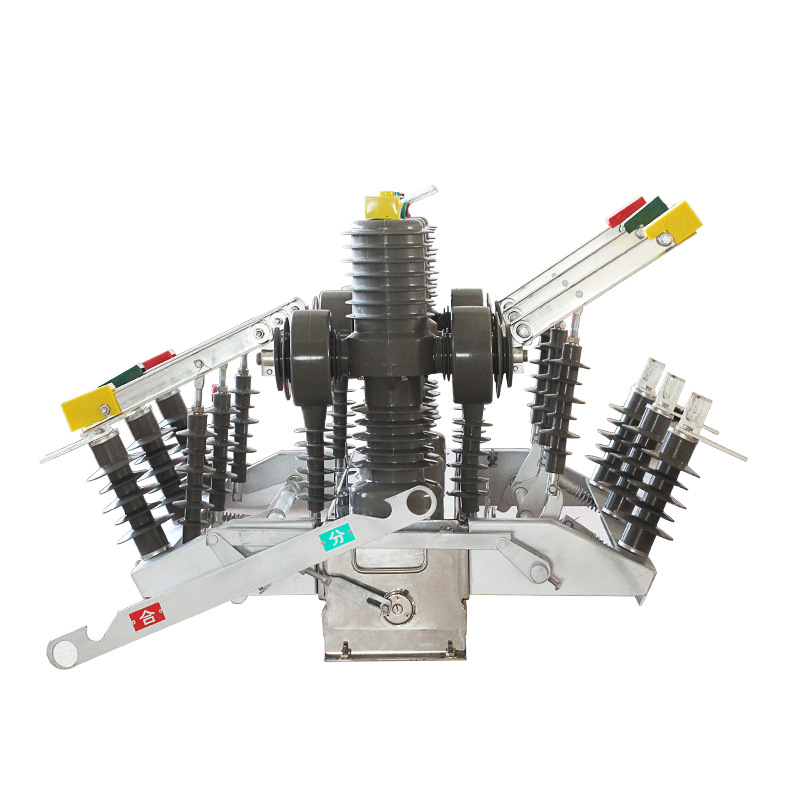
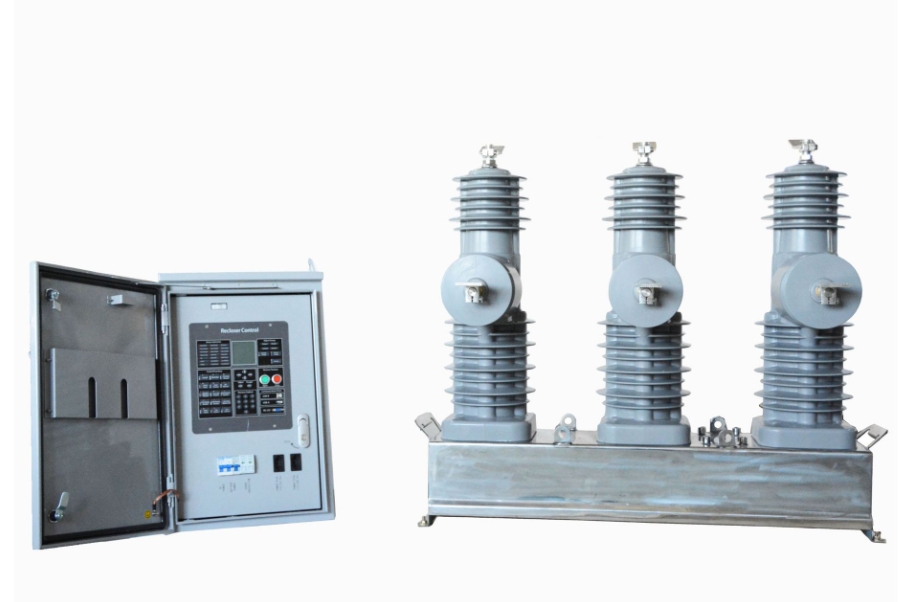
Advanced distribution automation equipment ensures precise control and reliable protection for these lines. The "three core components" are reclosers, sectionalizers, and feeder terminal units (FTUs).
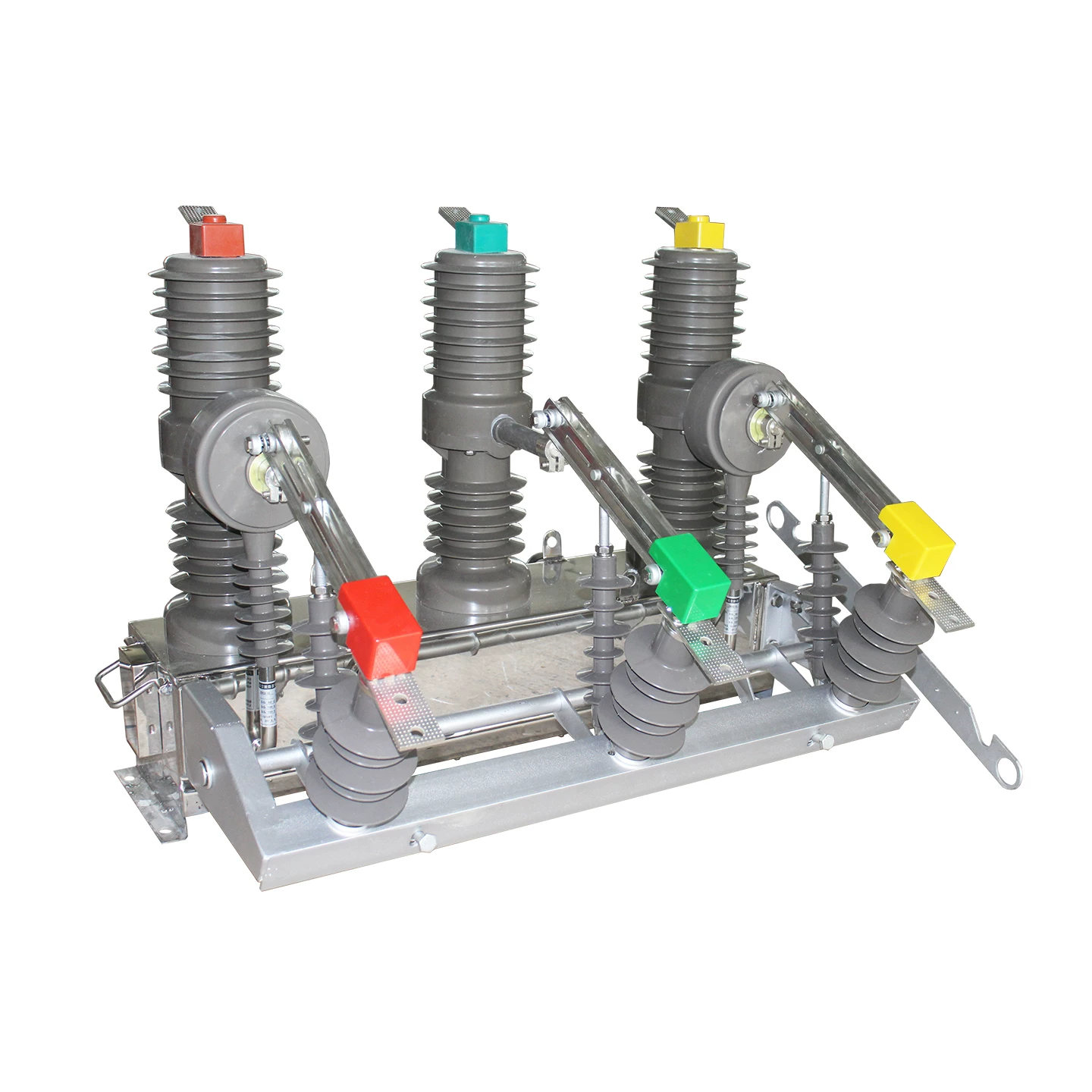
Today, we will focus specifically on the recloser. We will dive into how this important device serves as the "smart guardian" for our power networks.
What is a recloser?
A recloser isn't just a simple switch; it's an intelligent protective device. It combines fault detection, automatic interruption, and power restoration attempts. Imagine a short circuit or overload fault on a power line. The recloser detects the issue and quickly disconnects the affected feeder. This happens in milliseconds, which stops the fault from spreading.
What's key is that it tries to reclose multiple times based on a preset program. For example, if a lightning strike causes a line flashover, it will try to restore power. This may involve one to three reclosing efforts. This fundamentally reduces "unnecessary outages."
This "disconnect first, then try to restore" logic is the recloser's core strength. In urban distribution grids, about 80% of faults are momentary. Smart recloser operations can reduce outage time for faults to just minutes. This greatly improves the power supply reliability of the distribution system.
Recloser Classifications: Precision Matching for Every Scenario
Recloser classifications are always tailored to fit different distribution scenarios. We can break them down into four main dimensions.
By Phase Type
Three-phase reclosers are great for places with three-phase power. You’ll find them in industrial parks and commercial centers. They protect A, B, and C phase lines all at once. Single-phase reclosers are common in places with a lot of single-phase use, like homes.
Then there are three-phase and single-phase hybrid models. These adapt well to complex networks. You often find "three-phase main lines + single-phase branches" in urban and rural fringes.
By Control Type
Electronic control reclosers use microprocessors for precise programming and allow remote parameter adjustments. This makes them perfectly suited for modern smart grids. Hydraulic control reclosers, however, boast stable mechanical structures.
They are helpful in tough places like mining areas or coastal regions. Here, high temperatures and humidity are common.
By Rated Voltage
The 15 kV class is the "workhorse" of urban distribution networks. It serves residential areas and small to medium commercial and industrial lines. The 16-27 kV class is standard for medium-voltage distribution lines in industrial parks.
The 28-38 kV class is usually seen in high-voltage distribution networks outside cities. These connect substations to regional distribution centers.
By Insulation Medium
Oil-insulated reclosers rely on their mature arc-extinguishing technology. They are still used in many traditional power lines. Air-insulated reclosers are easy to install and maintain. This makes them ideal for urban overhead lines.
Epoxy resin-insulated reclosers stand out for their aging resistance and compact size. They are the top choice for underground cable lines.
Core Functions of Reclosers: From Passive Protection to Proactive Operation and Maintenance
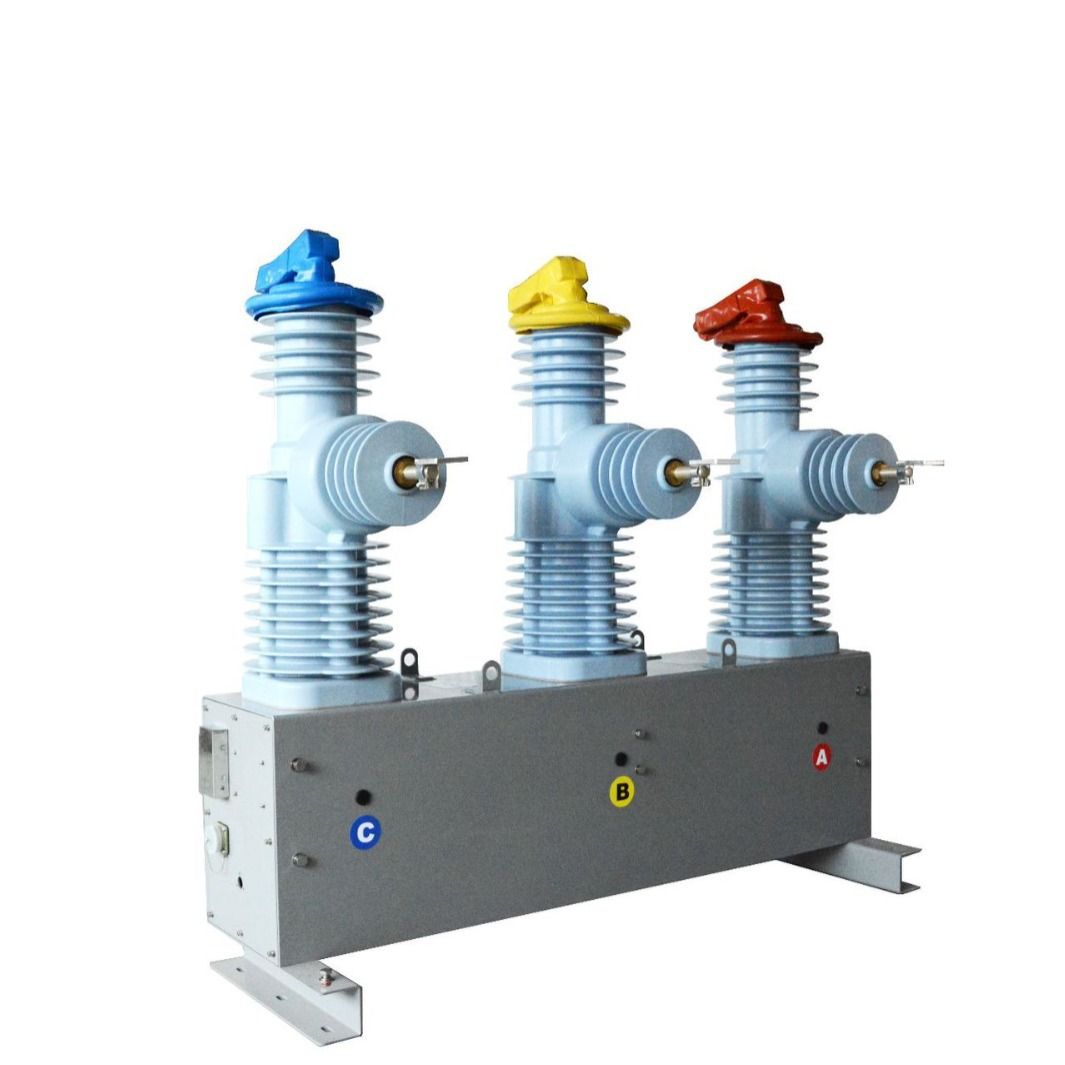
Modern reclosers have moved far beyond just opening and closing circuits. They are now intelligent terminals that combine protection, control, and monitoring. Their key strengths fall into three main categories.
Fault Handling Capability
Reclosers automatically disconnect damaged line segments and isolate fault areas. This stops faults from spreading to substations or other parts of the network. They use preset reclosing logic, such as "2 fast reclosures + 1 slow reclosure." This helps them tell the difference between momentary and permanent faults.
If power doesn’t come back after a few tries, there’s a permanent fault. The recloser then stays open. This prevents the line from being repeatedly stressed.
Power Restoration Capability
Reclosers can quickly switch to a different power source, like a tie line, when there's a fault in the distribution network. They do this by coordinating with nearby equipment. If construction cuts a feeder, a recloser can quickly link a backup line. This keeps power flowing for important users, like hospitals and schools.
They also support both local and remote network reconfiguration. Operations staff can change the line setup from a control system. They don’t have to visit the site.
Smart Operation and Maintenance Capability
Built-in sensors continuously measure network parameters like voltage, current, and temperature. This data helps with load forecasting. The recloser also has an integrated operation log. This tracks every fault-handling step. It helps to review past events.
A self-diagnosis module can warn you early about problems. These include aging parts or loose connections. This shifts from emergency repairs to proactive maintenance. These functions aren't fixed. Manufacturers can customize them to fit specific needs. They can add "anti-islanding protection" to reclosers in places with many new energy sources. This prevents distributed power sources from causing safety problems if someone unplugs them from the main grid.
Typical Applications of Reclosers: Covering All Distribution Network Scenarios
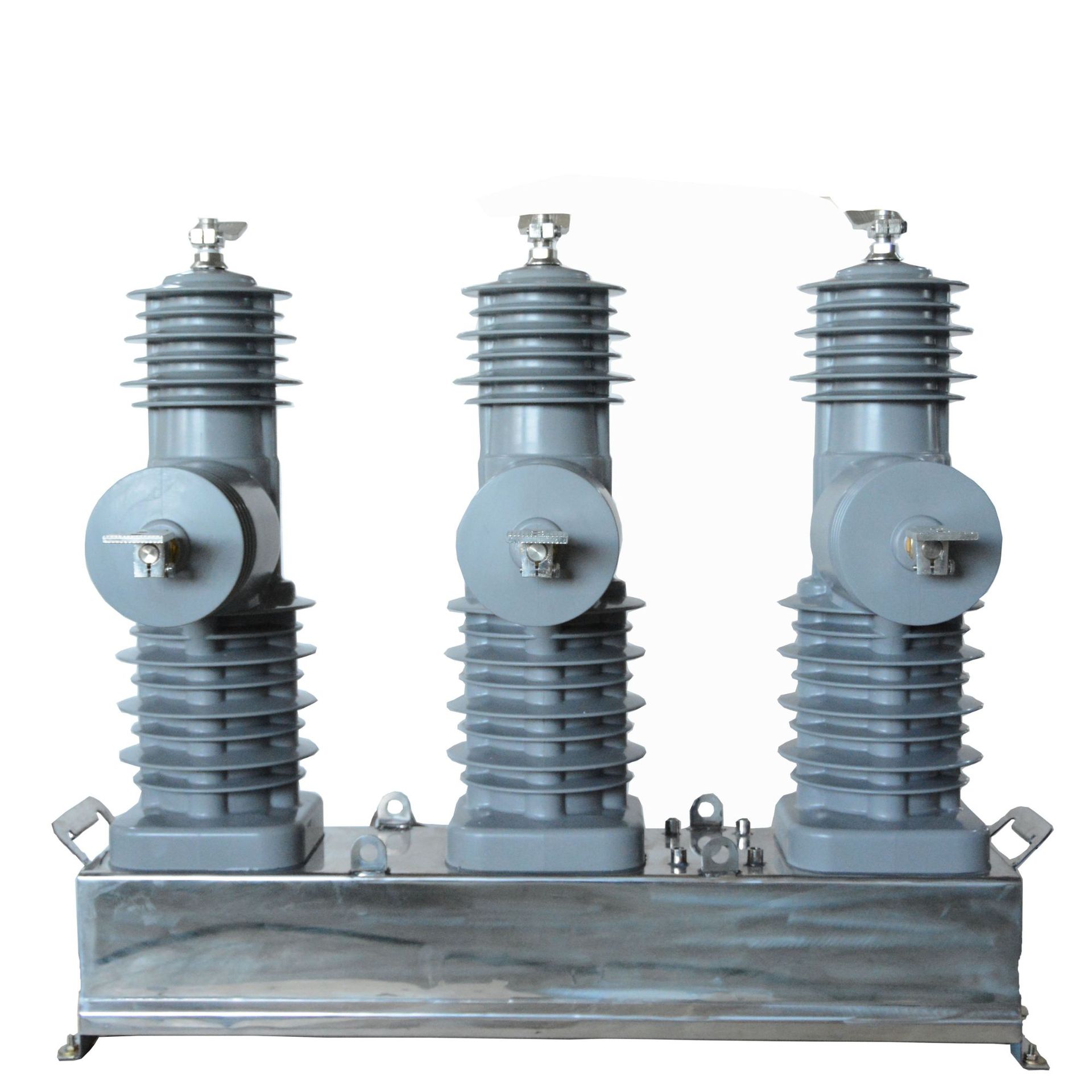
Recloser applications have expanded from traditional power lines to new areas. These include renewable energy grid integration and smart substations. Their adaptable nature is especially clear in four key scenarios.
Radial Feeders: The "Fault Isolators" of Urban Distribution Grids
Reclosers on radial feeders work like "segment sentinels." These feeders branch out like spokes on a wheel. They are common in residential communities and commercial streets. If a line segment has a short circuit, say from a tree branch, the closest recloser opens immediately. An upstream recloser then tries to restore power by reclosing.
If it works, the system clears the fault. If it fails, it stays open, only affecting users downstream from the fault. This "precise isolation" limits outages to one building or a small block. So, it keeps the whole line from failing.
Loop Feeders: The "Power Supply First Responders" for Industrial Parks
Industrial parks, like chemical plants or car factories, demand extremely high power continuity. Here, reclosers form a loop network through "multi-unit coordination." Three or more reclosers connect in a ring. If a line segment fails, nearby reclosers can switch to a backup loop. This happens in about 10 seconds. It achieves a "faultless transfer."
If there's a power line fault at an auto factory, reclosers can quickly switch the loop network. This reduces the outage time to only two seconds. This avoids millions in losses from production line shutdowns.
Substations: Efficient Builders for Unattended Operations
Building traditional substations used to require complex protection panels and control circuits. Reclosers have an all-in-one design. They can directly replace a circuit breaker, relay, and measurement/control device. This cuts the construction time for unattended outdoor substations by 40%.
In remote photovoltaic substations, reclosers do more than just protect lines. They let you integrate solar power smoothly with a remote control. This helps cut down on operational and maintenance costs.
Distributed Generation Interconnection: The "Economic Connectors" for New Energy Integration
In the past, connecting solar and wind power to the grid was costly. It required building expensive secondary substations. Costs often ran into the millions of dollars. Reclosers, however, have built-in grid-tie protection logic.
They can connect new energy sources to the grid. Plus, they do this at one-third the cost of traditional methods. Reclosers help protect small solar setups in rural solar poverty projects. They also save on costly substation investments. They are truly an "economical and reliable" choice.
Global Market for Reclosers: Growth Drivers and Future Trends
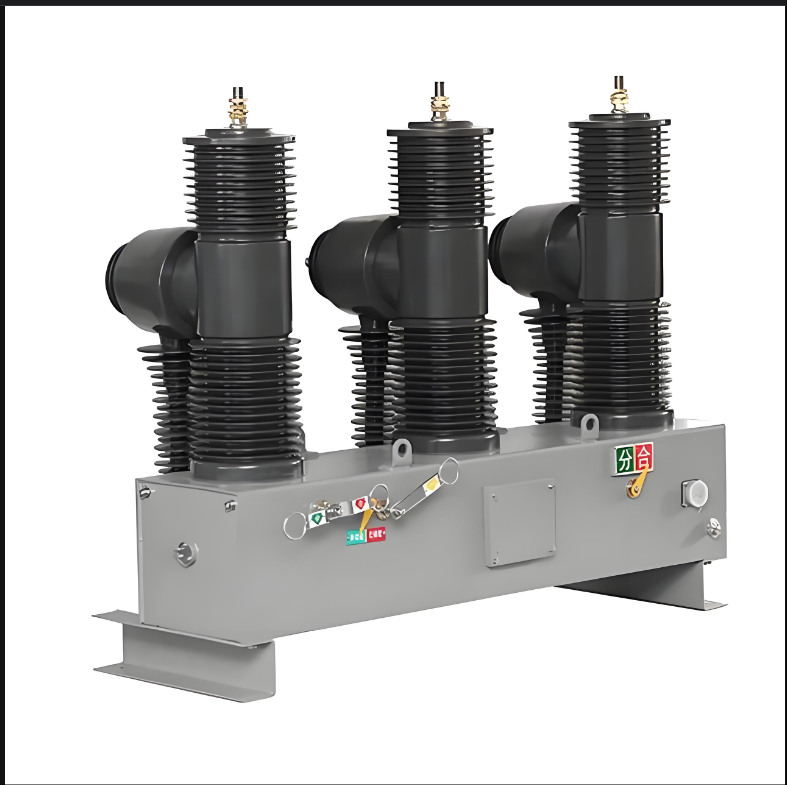
The recloser market is growing fast. This growth comes from upgrades to global grids and the rise of renewable energy. Delvens, a strategic consulting firm, says the global recloser market hit $1.4 billion in 2024. It’s projected to jump to $2.2 billion in 2025, an increase of over 50% in just one year.
This surge is largely driven by China and India. Both countries are focused on improving rural grids. They are building smart grids and using more solar and wind energy. This creates a huge demand for reclosers.
Looking at specific market segments, two trends are very clear.
Electronic control types dominate.
From 2023 to 2030, electronic control reclosers will hold the biggest market share. They can communicate remotely. Their programmable settings are ideal for grid automation needs. Electronic control reclosers can meet specific needs. They provide "self-healing" upgrades for city power grids. They also offer explosion-proof systems for oil platforms. Custom logic makes these solutions effective.
15 kV Class Leads in Growth
The 15 kV class reclosers will grow quickly. This is due to more urbanization and smart grid investments. These devices meet daily power needs for homes and businesses. They also support distributed power integration. This makes them a preferred "universal adapter."
Reclosers and circuit breakers may appear similar, but their functions differ fundamentally.
Within power distribution equipment, people often confuse reclosers with circuit breakers. But their design philosophies and how they're used are fundamentally different.
A Side-by-Side Look
Comparison Aspect
Recloser
Core Function: It interrupts faults. It recloses and isolates fault areas without any manual intervention. It works with other devices.
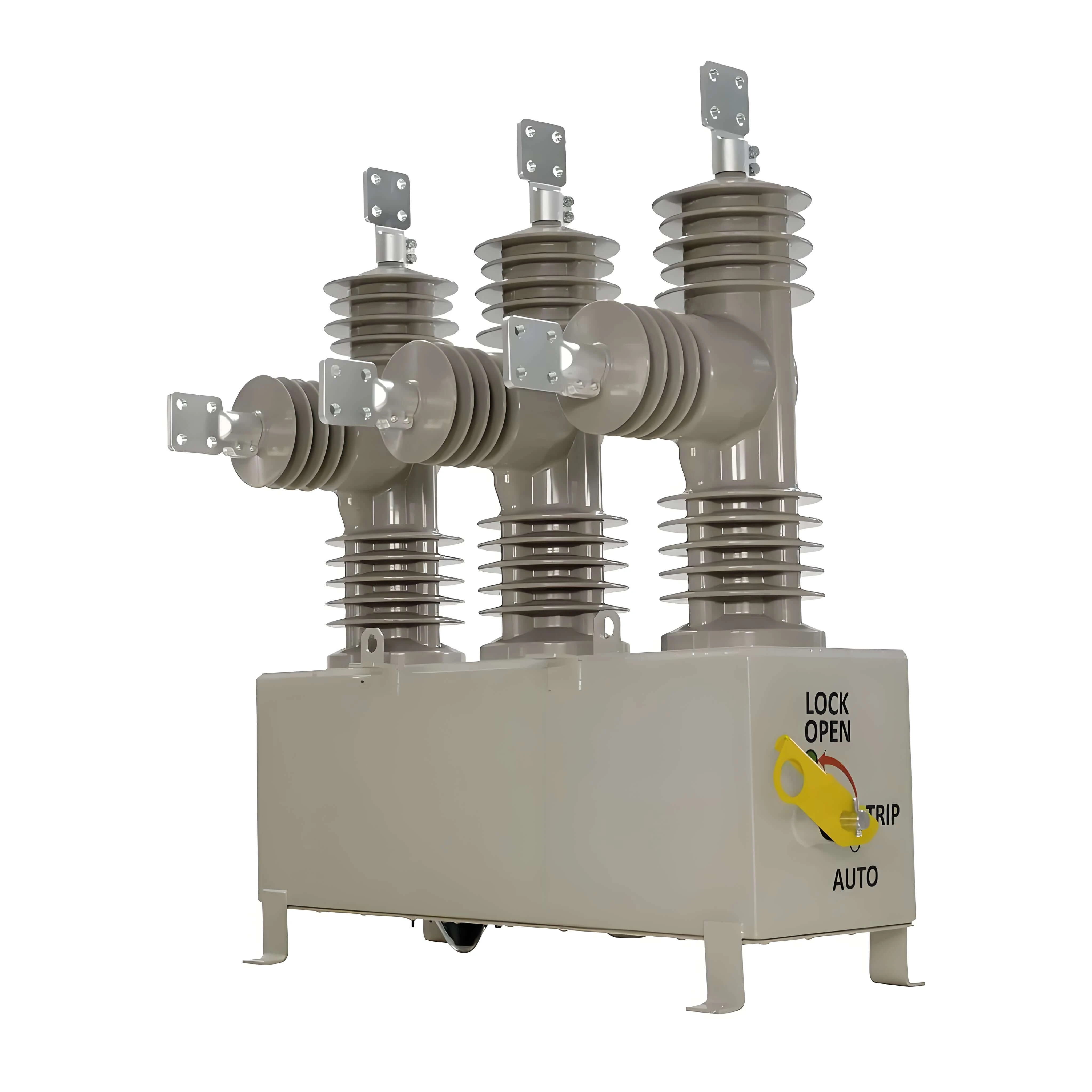
This unit has three main parts: an arc chute, a magnetic operating mechanism, and a control system. It's highly integrated.
Control Logic: Programmable. For example, a "1 fast, 2 slow" trip sequence. It can also tell the difference between momentary and permanent faults.
Maintenance: Sealed core components need specialized maintenance from the manufacturer.
Cost & Scene: Higher cost (about 2-3 times that of a similar circuit breaker). Used for outdoor distribution lines and complicated situations.
Core Function: Interrupts fault currents without automatically reclosing or isolating areas.
Structure: It has an arc chute and a spring mechanism. It requires external relays for control.
Control Logic: Fixed trip logic set by relays; not flexibly adjustable.
Maintenance: Operators can replace wear parts (e.g., contacts, springs) on-site.
Cost & Scene: Lower cost. Often located in substations, switchgear rooms and used for simpler protection.
Simply put, a circuit breaker is a "singular protector." A recloser is a complete "protection + restoration + monitoring" solution. The circuit breaker stops faults from spreading. The recloser does even more. It aims for fewer outages and faster recovery.
Conclusion
Reclosers are transforming power distribution systems. They help in residential areas by restoring power after storms. In rural areas, they connect solar farms safely. They do this with "intelligent decision-making" and "flexible operations." As the new power system grows, reclosers will do more than just handle faults." They will be key links that connect traditional grids with new energy. This will make distribution networks observable, measurable, and controllable.
Their progress shows the power system is becoming more reliable, efficient, and smarter. What new uses do you see for reclosers in the smart grid of the future? Feel free to share your thoughts in the comments below!
Get Smart Power Distribution Solutions today!
Weishoe Electric is a top global maker of electrical equipment. We focus on delivering high-quality reclosers and complete distribution automation products. We provide tailored solutions for project contractors, power utilities, and renewable energy developers. We'll help make your power system more reliable and efficient.
Explore Weishoe Electric's recloser products → [https://www.weishoelec.com/product/auto-recloser/]
Or contact our expert team for a free consultation:
Phone: +86-0577-62788197 | WhatsApp: +86 159 5777 0984 | Email: [email protected]
About the Author
Thor is an experienced electrical engineer. He has twelve years of experience in the power system field. He currently works at Weishoe Electric Co., Ltd., a leading Chinese export manufacturer. Weishoe serves clients in Europe, North America, the Middle East, Belt and Road countries, and globally.
Thor knows a lot about smart grids. He has hands-on experience in distribution automation and new energy grid integration. He has participated in many international smart power projects. He wants to explain complex power technologies to people everywhere. He highlights the innovation and strength of Chinese manufacturing in the electrical sector.
Frequently Asked Questions (FAQ)
What's the main difference between a recloser and a circuit breaker?
The main distinction is the automatic reclosing capability. A recloser detects a fault and tries to restore power by closing many times. This is especially useful for temporary problems. A circuit breaker usually trips once. It needs manual action or relay help to reset. A recloser aims for quick recovery after a fault. In contrast, a circuit breaker isolates and protects after a fault.
Why can reclosers significantly reduce outage times?
This is because about 80% of faults in distribution networks are temporary. Lightning strikes or quick touches with tree branches can cause these problems. Once the fault clears, the line can often go back to normal. Reclosers can automatically restore power in milliseconds. This quick action helps prevent long outages from brief issues. This can shrink outage times from hours down to just minutes or even seconds.
Which is better: electronic control or hydraulic control reclosers?
There isn't one "better" choice; it's about what's "more suitable." Electronic control reclosers are better for modern smart grids. They offer programmability, remote control, and communication capabilities. Hydraulic control reclosers are reliable and have a strong mechanical structure. They work well in tough conditions.
They work well in hot places, areas with high humidity, or places with a lot of pollution. The best choice always depends on the specific application and environment.
What's the important role of reclosers in new energy grid integration?
Reclosers act as an "economic connector" for new energy integration. Their built-in protection links power sources like solar and wind to the main grid. This saves the cost of building expensive secondary substations. They also provide features like anti-islanding protection. This keeps distributed power sources safe, even if there are problems with the main grid.
Can ordinary users feel the impact of reclosers?
While regular users don't usually operate reclosers directly, they feel their impact! If your power briefly flickers during a storm and then comes right back on, that's likely a recloser at work. It prevented a long power outage. In places where steady power is key, reclosers help keep outages brief. This makes our overall power experience smoother.