
Author Information:
Thor | Senior Electrical Engineer, Weishoe Electric Co., Ltd. Thor has 12 years of experience in the power industry. He focuses on designing, producing, and applying electrical equipment. Weishoe Electric Co., Ltd. is a top Chinese export manufacturer. It serves clients in Europe, the Americas, the Middle East, and Belt and Road nations. It also has a global reach.
Introduction
Electricity is fundamental to our modern lives, powering everything we do. Transmission and distribution depend on a precise electrical system. Substations are key to this process.
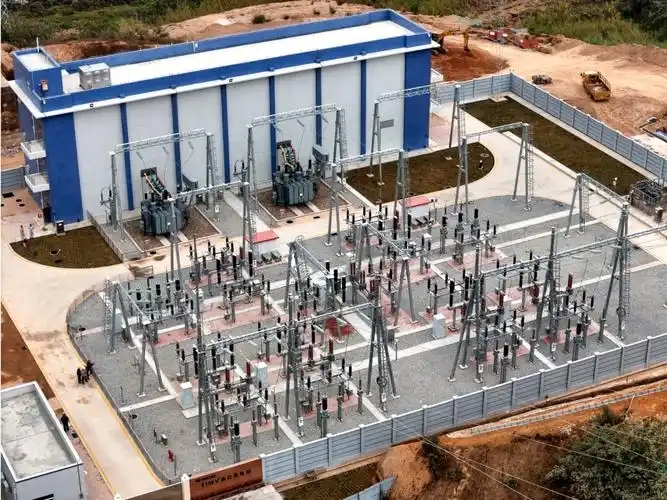
110 kV substations are key links between transmission and distribution networks. They serve end users without any intermediaries. They ensure a reliable power supply to various regions.
This article will delve into the foundational knowledge of 110 kV substations. We'll discuss their role in the grid. We'll look at how power supply setups have changed over time. We'll explore different wiring schemes, too. Finally, we’ll highlight the special features of station service transformers. Whether you are new to the power industry or a seasoned engineer, you'll find useful insights here. This will help you better understand this key part of our electrical system.
1. The Importance of 110 kV Substations in the Grid
The journey of electricity involves a continuous chain: "generation" → "transmission" → "transformation" → "distribution" → "consumption." We can't store electricity on a large scale yet. So, these five stages must happen at the same time and stay balanced.
Substations are essential in this chain. They act as the "heart" of the grid. This helps maintain a steady and smooth flow of power.
110 kV substations are medium-to-high voltage stations. They connect to the high-voltage transmission network. Then, they supply power to the downstream 10 kV distribution network. This means they serve end users without intermediaries.
They provide reliable local power and are vital for city and industrial growth. Malfunctions at a 110 kV substation can cause major outages. This can have serious social and economic effects. So, it’s important to maintain a strong focus on their design, construction, and operation.
2. Evolution of the 110 kV Substation Power Supply
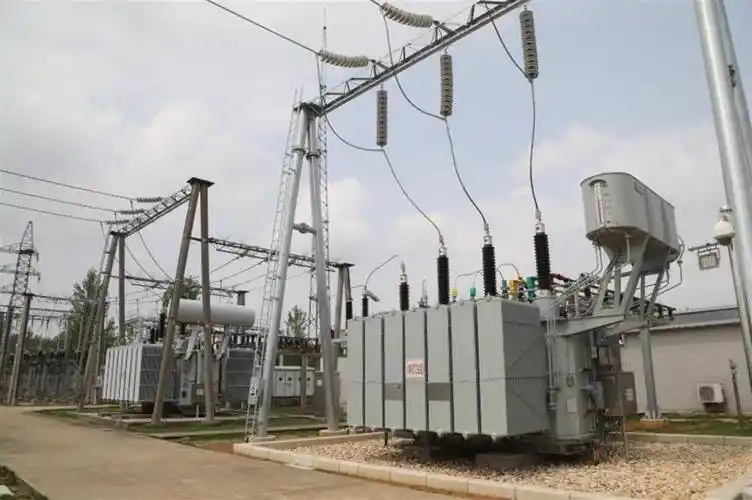
Power connections to 110 kV substations have changed to boost supply reliability. This evolution reflects a constant drive for increased grid resilience.
Early Power Supply: Same-Direction Dual Supply
Most early 110 kV substations received power from several 110 kV busbars. The team located these busbars at the same 220 kV substation. This created a "same-direction dual supply" configuration.
This setup was easy to wire. It allowed for simple automatic power transfer and had lower investment costs. Both power lines shared the "same tower and rack" or "same cable trench." So, if one line had a fault or faced a natural disaster, it could cause a full station outage. This led to lower supply reliability.
This method is now more common, involving a power input from three sources. Two 110 kV busbars at one 220 kV substation source a "same-direction dual supply." This supply feeds the two "outer busbars" in the 110 kV station.
A "different-direction single supply" connects to the middle busbar. It comes from the 110 kV busbar of another 220 kV substation. Bringing power from 220 kV substations in different directions boosts supply reliability. It also enhances resilience against potential risks. The substation can still receive electricity from one side if it loses power from the other. However, the wiring setup is complex. The automatic transfer switch (ATS) design is also intricate, and the costs are higher.
Currently Under Trial: Chained Connection Power Supply (Equal to Four Sources)
Some new 110 kV substations are trying a chained connection power supply. This setup allows them to have power from four sources. The core of this method involves linking two 110 kV substations via 110 kV tie lines.
"Two 220 kV substations connect to separate 110 kV busbars. They use the same-direction dual supplies. The two 110 kV busbars in each station connect with tie lines to the other station. This setup greatly improves the reliability of the supply. The two 110 kV substations connect and can support each other. If one station has problems, it can transfer power to keep things running."
It also offers reverse power capability. In emergencies, the two 110 kV substations can send "reverse power" to the 110 kV side of the upstream 220 kV substation. This feature boosts grid flexibility and resilience. This method works only for single or double-busbar substations. The tie lines need complex protection systems, which cost more. Also, the system complicates the automatic transfer and reclosing logic. It requires skilled personnel to operate with efficiency.
3. Evolution of 110 kV Substation Wiring Schemes
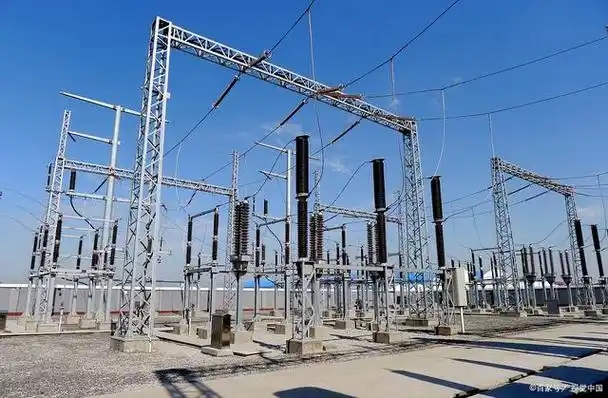
A substation's wiring scheme directly determines its operational flexibility, reliability, and economic viability. Understanding these schemes is crucial for power system engineers.
Early Stage: Inner Bridge Connection with Single Busbar Sectionalized
Early 110 kV substations often featured an "inner bridge connection" on the source side. They usually installed two main transformers. The 10 kV side had a single busbar wiring scheme. It often worked with the "same-direction dual power supply" from that time.
This setup was easy to wire. It made operations simple and required less equipment. Only 3 circuit breakers were needed for the source-side connection of both transformers. The source-side busbars didn’t need extra protection. This is because the transformer differential protection includes it. Each busbar can only support one transformer. This limits the possibility of expanding the 10 kV load. When one transformer needed maintenance, half of the station's equipment had to be turned off. If the other equipment failed, it could cause a full station outage. This situation leads to low reliability.
Mid-Stage: Extended Inner Bridge Connection with Single Busbar Sectionalized
To boost substation capacity and reliability, the mid-stage added the "extended inner bridge connection," also called the "extended bridge." This design supports three main transformers as a standard feature. The 10 kV side uses a single busbar sectionalized wiring scheme. The middle transformer's 10 kV side is often linked to both A and B busbar sections. This setup usually works with the "three-source" power supply.
This lets us connect more than 10 kV outgoing feeders. It significantly increases the load capacity. If you section off the 10 kV side of the middle transformer, any one transformer can go out of service. The other two transformers can then share their load. This setup improves supply resilience. The operational logic is complex. The automatic transfer scheme is more complex, which raises investment costs.
Current Stage: Single Busbar Sectionalized with 10 kV Ring Connection
Urban growth and rising electricity demand are complicating 110 kV substation wiring schemes. They also need to be more reliable. The 110 kV source side uses a single busbar wiring scheme. It has four main transformers. The two middle transformers connect to different upstream power sources.
The 10 kV side mainly uses A and B section connections. This creates an "eight-section busbar ring connection." It is supplied through four bus tie breakers. This boosts load capacity. The 10 kV side's A and B sections' "ring connection" permits more 10 kV outgoing feeders. This helps meet rising electricity demands. Connecting the two middle transformers on the 110 kV side to different source busbars is very helpful. If one 110 kV busbar loses power, the eight 10 kV busbar sections still get their load supply. This setup makes the system more flexible and reliable. The initial cost for equipment is high. The 110 kV busbars need special protection systems. Also, the complex wiring and automation require skilled operation and maintenance staff.
4. Characteristics of 110 kV Substation Service Transformer Connections
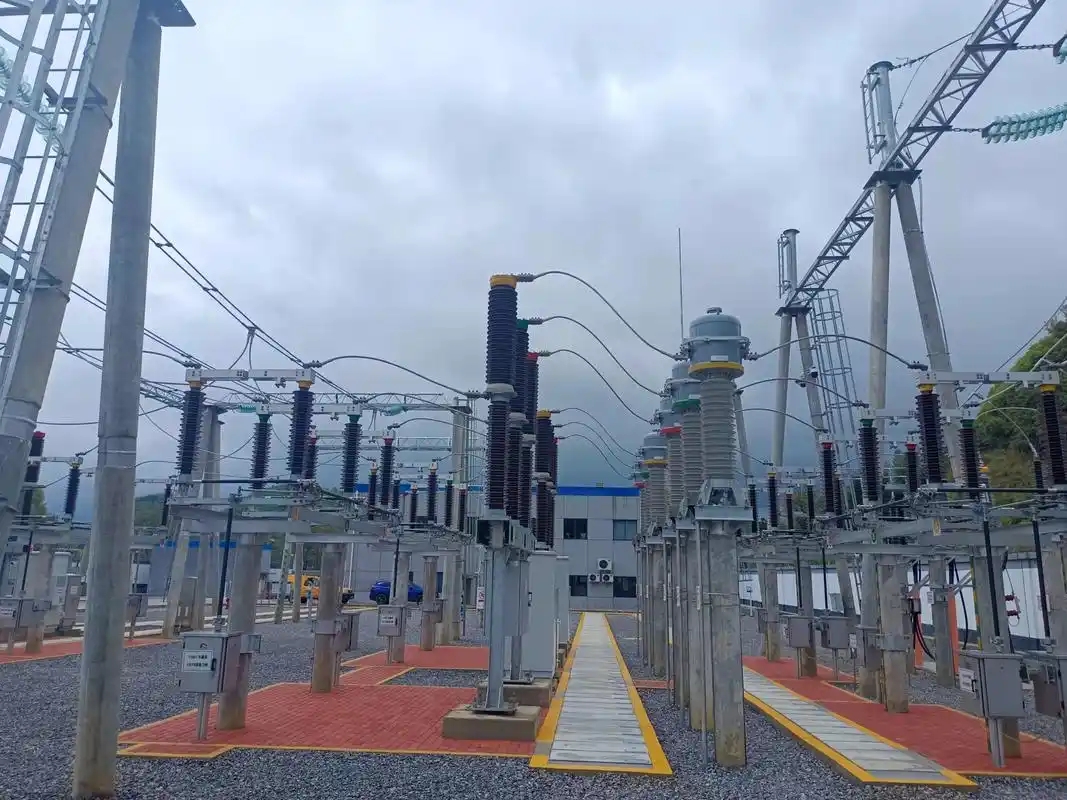
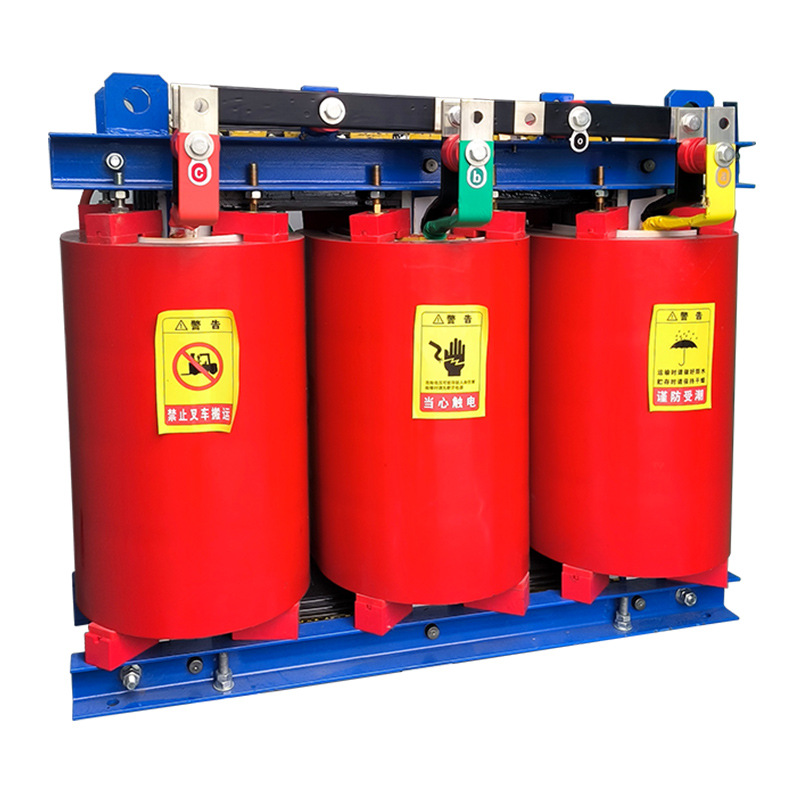
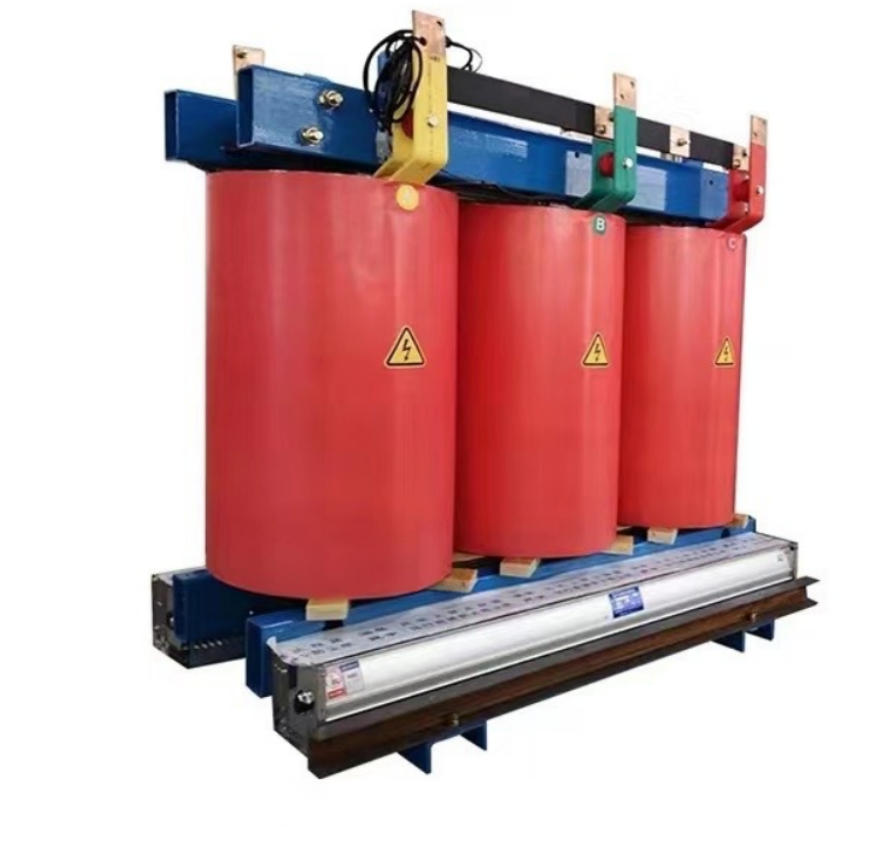
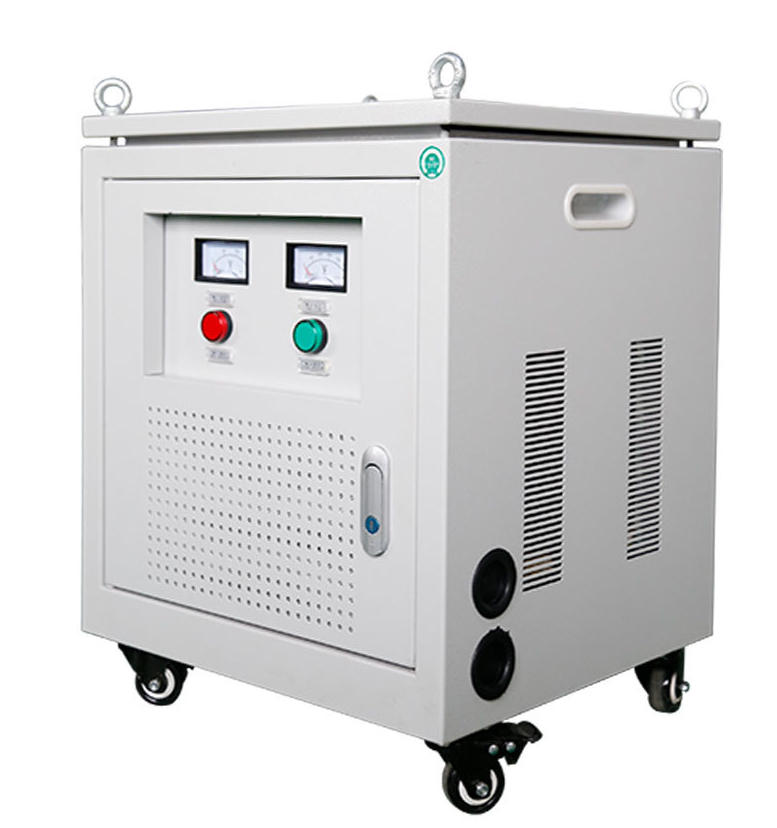
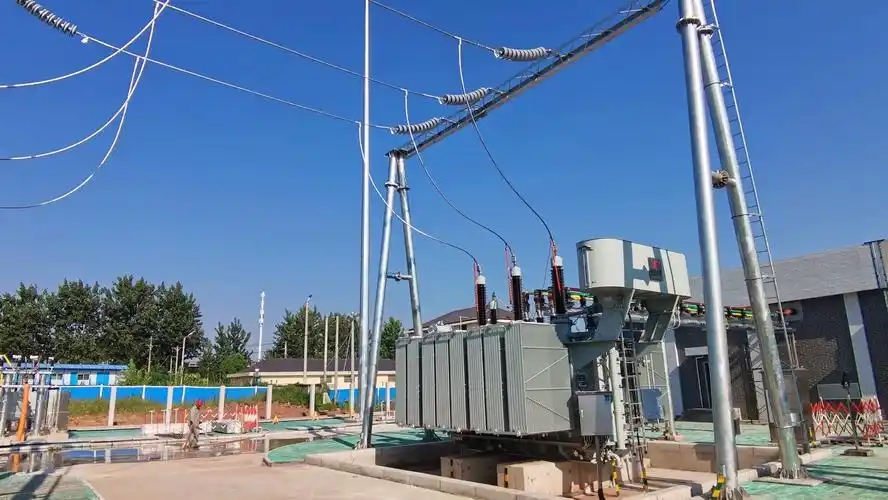
The station service transformer is crucial for how a substation works. It provides low-voltage AC power for control, lighting, communication, and other internal equipment. The wiring of 110 kV substation service transformers has unique historical and technical traits.
Early Stage: Combined Use of Station Service Transformer and Arc Suppression Coil ("Xiaosuo")
In early substations, the station service transformer often teamed up with an arc suppression coil to cut costs. In this setup, the station service transformer acted as the grounding transformer for the arc suppression coil. They added a fast knife switch at its neutral point. This switch allows for easy connection or disconnection of the arc suppression coil.
The station service transformer’s 0.4kV side powered the low-voltage AC auxiliary systems. They call this combined unit "Xiaosuo." It stands for "arc suppression coil associated transformer." For example, it is labeled as "#1 Xiaosuo." The transformer and arc suppression coil of a "Xiaosuo" are usually housed in separate enclosures. This smart design lets you maintain the arc suppression coil without shutting down Xiaosuo's 0.4kV side, and vice versa.
Station Service Power Transfer and Special Switches
Early 110kV substations had smaller 0.4kV service loads. So, they usually didn't include low-voltage circuit breakers. The 0.4kV side's Bus 4# and Bus 5# used "low-voltage main knife switches." These switches control the power flow between Transformer 1# and Transformer 2#. These "knife switches" are disconnecting switches. They have arc chutes (arc grids) that can safely break normal load currents, which eliminates any risk.
The "1# Low-Voltage Main Knife Switch" for 0.4 kV Bus 4# has three positions:
Upward for 1# Station Service Transformer
Downward for the 2# station service transformer
Middle to de-energize Bus 4.
The 0.4kV main circuits of the 1# Station Service Transformer and the 2# Station Service Transformer cannot operate together. The design stops their 0.4kV sides from operating together through AC loops of the 0.4kV load.
Protection Switches and Operational Safety
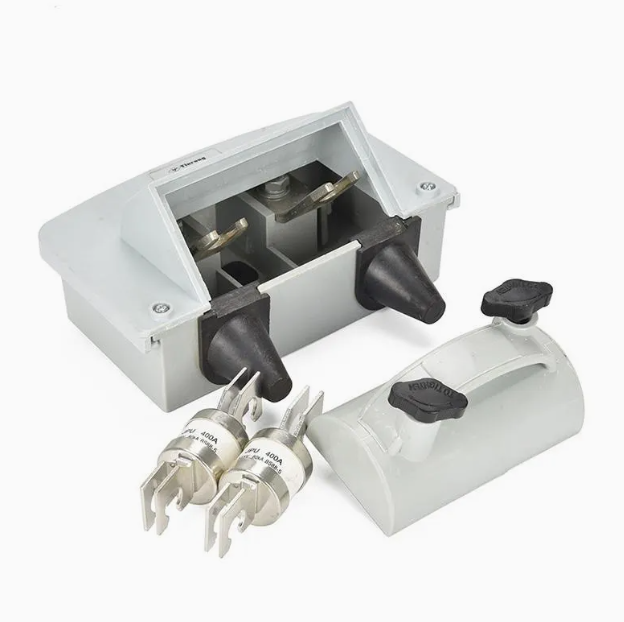
The 0.4kV side of the station service transformer connects to the 0.4kV busbar using low-voltage cables. The "low-voltage main knife switches" lack overcurrent protection. So, we add a "station service secondary switch" with overcurrent protection at the transformer's 0.4kV outlet. This switch protects the low-voltage cables at the 0.4kV outlet of the service transformer. It also safeguards the 0.4kV busbar. Plus, it serves as backup protection for the load switches on the 0.4kV busbar.
When the "station service secondary switch" puts out an arc, it can "flash out" from the top. So, to protect against this, you need to install an "arc barrier." Operating this switch live can be very risky. Some arc barriers may have damage or be missing. This increases the chance of "outlet short-circuit" faults on the 0.4 kV side of the station service transformer. Such faults can lead to serious personal injury. So, you should not use the "station service secondary switch" while live. If you must operate it, do so only when it's de-energized to keep everyone safe.
Conclusion & Outlook
The 110 kV substation is a critical hub within the electrical power system. Substation design has changed a lot over the years. Early systems used simple dual power supplies and inner bridge connections. Now, we have complex designs like three-source, chained, and ring busbar structures. These changes help meet rising power demands and ensure a reliable supply. The design and features of station service transformers show how much the power system values each part.
Smart grids and new energy tech are advancing. This means 110 kV substations will encounter new challenges and opportunities. More distributed energy sources, smart control tech, and digital operations will improve the efficiency and reliability of 110 kV substations. I hope this article has provided you with a valuable understanding of 110 kV substation fundamentals.
As an electrical engineer with 12 years of experience, I recognize the importance of every detail in power systems. Weishoe Electric Co., Ltd. is committed to providing high-quality electrical products and solutions to clients worldwide.
Frequently Asked Questions (FAQ)
Q1: What is the main purpose of a 110 kV substation, and how does it deliver power to my home?
A 110 kV substation mainly steps down high voltage from transmission lines, such as 220 kV. It then lowers the voltage to 10 kV or less. This power is then distributed to nearby factories, commercial areas, and residential neighborhoods. Think of it as a big voltage converter and distribution center. It makes sure electricity gets to your home safely and at the right voltage.
Q2: Do 110 kV substations emit radiation? Is it safe for residents living nearby?
A2: 110 kV substations do generate power-frequency electromagnetic fields during operation. Global studies show that the strength of these fields is much lower than harmful levels. This is true for people at safe distances. If the substation follows safety distances and environmental rules, it poses a low health risk to nearby residents.
Q3: How are safe distances for substations determined? Is it safe to live near one?
A3: Safe distances for substations depend on careful calculations. Factors include voltage levels, equipment types, and electromagnetic field strengths. We also follow national and industry standards. In China, the safe distance for 35-110 kV equipment is 8 meters. Living near a substation is safe if buildings follow these rules. The substation must also meet construction and operational guidelines.
Q4: Why do substations sometimes trip or cause power outages? How is supply reliability ensured?
A4: Substation tripping protects equipment from damage. This can happen because of faults like short circuits, overloads, or equipment aging. Natural disasters, such as lightning strikes or strong winds, can also cause tripping. To keep the power supply reliable, the system uses several measures. These include many power sources, like three-source and chained connections. It also uses a ring network supply and quick fault isolation. Additionally, there are automatic restoration features called self-healing capabilities. Regular maintenance and inspections support these features. These steps help restore power on time, even if some lines or equipment fail.
Q5: What are the future trends for 110 kV substations?
A5: 110 kV substations are evolving toward intelligence, miniaturization, and environmental friendliness.
Future trends include:
Wider use of smart sensors and IoT for real-time monitoring and fault diagnosis.
Adoption of compact GIS (Gas Insulated Switchgear) equipment to save land.
Integrating new energy sources, such as solar and wind, boosts grid flexibility. Energy storage plays a key role in enhancing resilience.
Use of remote automated control and unmanned operations to increase efficiency and safety.
Contact Us & Leave Your Comments
Do you have more questions about 110 kV substations? Or do you have unique insights from your power engineering practice? Feel free to leave a comment below, and let's discuss!
For questions about Weishoe Electric Co., Ltd.'s products or solutions, please reach out using the details below:
Phone: 86-0577-62788197 WhatsApp: +86 159 5777 0984 Email: [email protected]