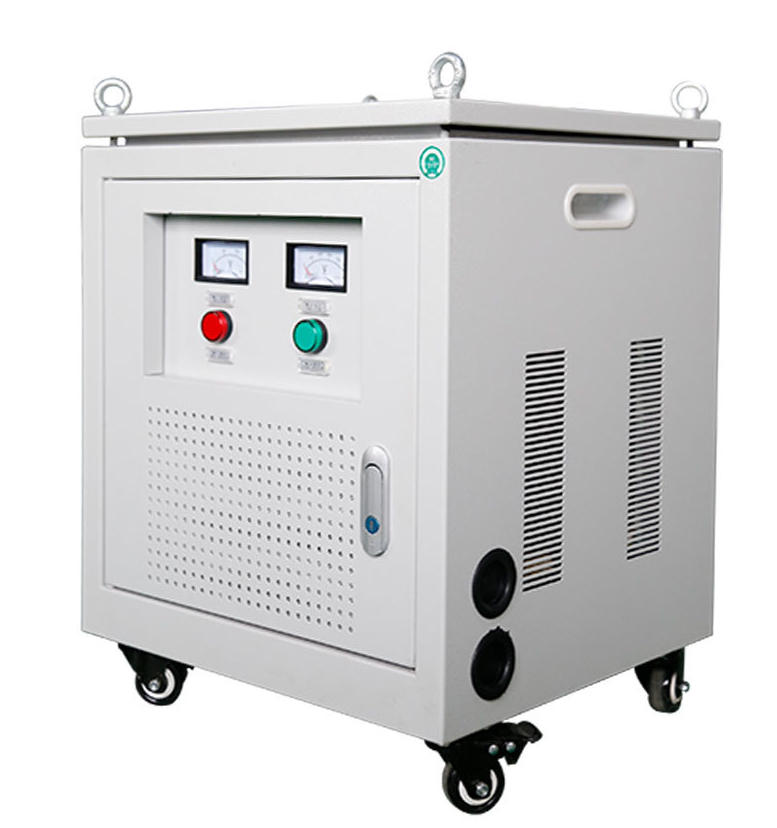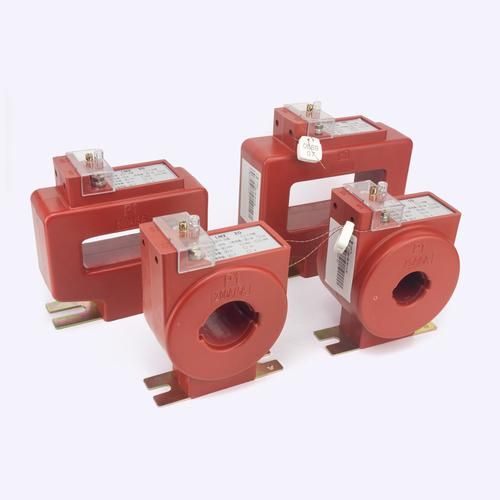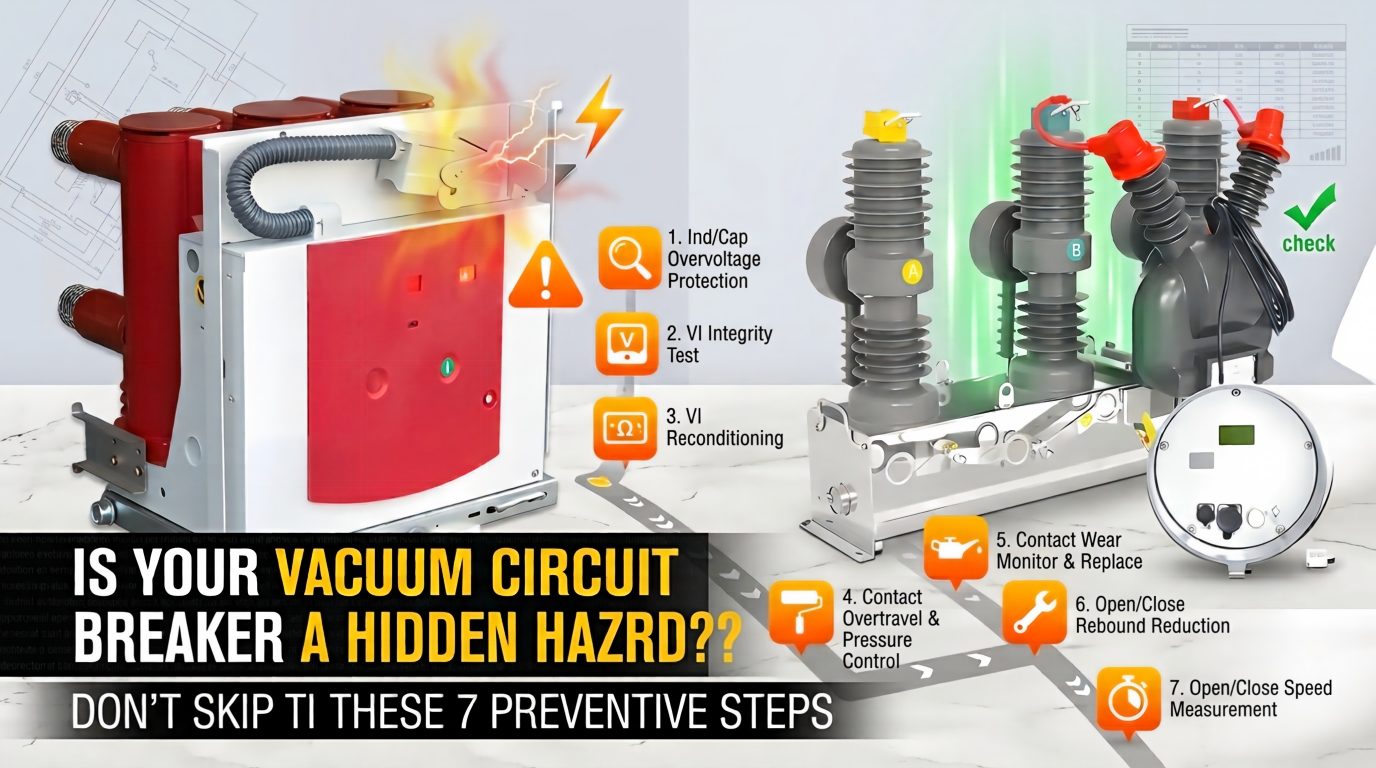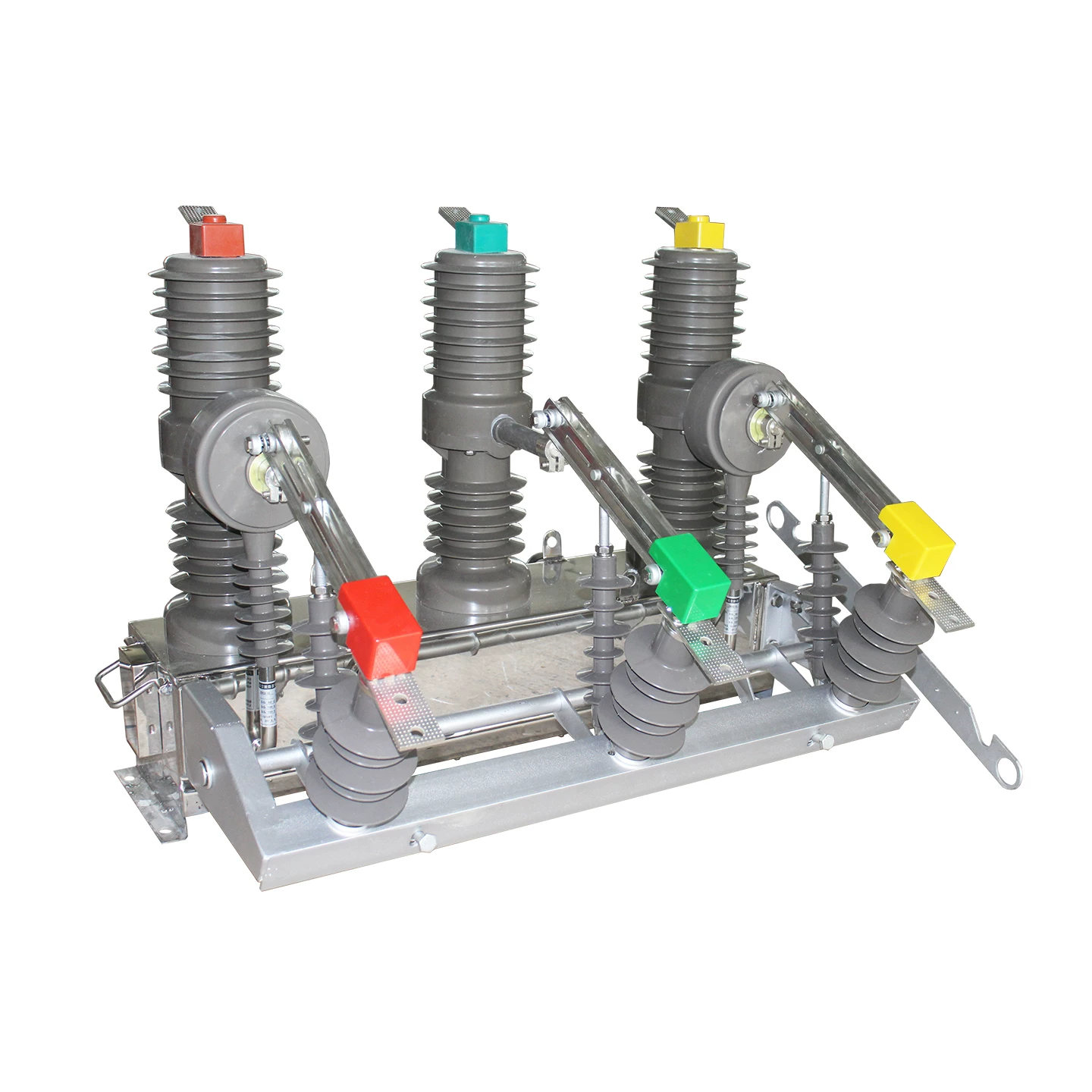

You have to make important choices with electrical systems. Load switches, isolators, and vacuum circuit breakers all have special jobs. Load switches help you control electricity during normal times. Isolators let you turn off parts of a circuit for repairs. A Vacuum Circuit Breaker keeps your system safe by stopping dangerous problems. Picking the right device is important for safety and for things to work well. For example:
Vacuum circuit breakers use new technology to stop currents in a vacuum. This puts out electrical arcs fast and stops problems.
Their design lowers fire risks and makes places safer.
Modern vacuum circuit breakers can monitor your system in real time. This helps your system work well and stay safe.
When you choose the right device, you keep people and equipment safe.
Key Takeaways
Load switches help control electricity safely. They work during normal use. These switches manage power without making sparks.
Isolators make a clear break in the circuit. This helps people do repairs safely. Always turn off the circuit before using an isolator.
Vacuum circuit breakers protect systems from problems. They stop the current very fast. These breakers work well for high voltage and big loads.
Picking the right device makes systems safer and better. Look at what your system needs before you choose.
All devices need regular care. Plan checks to make sure they work well. This helps stop failures.
Knowing the good and bad sides of each device helps you choose. Load switches are flexible. Isolators keep things safe. Vacuum circuit breakers give strong protection.
Always follow safety rules when using electrical devices. This keeps people and equipment safe.
Think about the total cost of devices, not just the first price. A device that costs more may save money later. It may need less care over time.
Load Switch
Definition
A load switch helps you control electricity in a circuit. You can use it to turn power on or off safely. Many electrical systems have load switches. They help you manage power without hurting people or equipment. When you use a load switch, you can disconnect a circuit part. This does not make dangerous sparks or arcs. It makes your work safer and more dependable. Load switches come in many shapes and sizes. They all help you control electrical power.
Main Function
A load switch does more than just turn things on or off. You use it for many important jobs in your system. The table below lists what a load switch can do and what each job means:
Function | Description |
|---|---|
Circuit Isolation | You can safely separate parts of a power system for repairs. This keeps workers safe from live wires. |
Load Transfer | You can change between power sources easily. This stops power loss and keeps equipment safe. |
Minor Overload Handling | You can handle small overloads. This stops your system from getting too stressed, but it does not stop big problems. |
System Control | You can turn circuits on or off when you need to. This helps you save energy or meet new needs. |
Using a load switch makes your system more flexible. You can act fast if something changes or goes wrong. You also keep workers and equipment safe.
Applications
You see load switches in lots of places. They are used in homes, offices, and factories. Here are some ways people use them:
In homes, load switches help control lights and appliances.
In office buildings, they help manage power for things like elevators and air conditioning.
In factories, load switches control big machines and keep workers safe during repairs.
In solar and wind power systems, they help manage power safely.
More people need load switches every year. The market for high electrical load switches may grow from $4.5 billion in 2024 to $7.8 billion by 2033. This shows that many people want safe ways to control electricity. You can count on load switches to help you manage power safely and well in many places.
Pros and Cons
When you choose a load switch, you get many benefits, but you also face some challenges. Knowing both sides helps you make smart decisions for your electrical system.
Here is a table that shows the main advantages and disadvantages of load switches:
👍 Advantages | 👎 Disadvantages |
|---|---|
Built-in features boost safety, reliability, and efficiency. | You might face excessive inrush current if you do not manage it properly. |
Compact and cost-effective integrated solutions save space and money. | You may need extra parts to limit inrush current with some setups. |
Features like thermal shutdown and short-circuit protection are included. | Discrete MOSFETs often lack built-in protections, which can cause system problems. |
Minimal external parts needed, saving space on your circuit board. | Designing with discrete parts can be complex and take a lot of time. |
Ultra-low on-resistance MOSFETs lower power loss and heat. |
Tip: Always check if your load switch has built-in protections. This can save you from system failures and keep your equipment safe.
Pros
You can count on load switches to make your system safer. Many models come with built-in safety features, such as thermal shutdown and short-circuit protection. These features help prevent accidents and equipment damage.
You save space and money with compact designs. Load switches often need only a few extra parts, so your circuit board stays neat and simple.
You get better efficiency. Ultra-low on-resistance MOSFETs in load switches help reduce power loss. Less power loss means less heat and lower energy bills.
You spend less time on design. Integrated load switches are easier to use than building a switch from many separate parts.
Cons
You need to watch out for inrush current. If you do not control it, your system could get damaged when you turn on the switch.
Sometimes, you need extra parts to limit inrush current. This can make your design a bit more complicated.
If you use discrete MOSFETs instead of integrated load switches, you might not get built-in protections. This can lead to system malfunctions or even failures.
Designing with many separate parts takes more time and skill. You might need to spend extra effort to make sure everything works well together.
When you weigh these pros and cons, you see that load switches offer many benefits for safety, space, and efficiency. However, you must pay attention to inrush current and make sure you choose the right type for your needs. If you pick a load switch with the right features, you can build a safer and more reliable electrical system.
Isolator
Definition
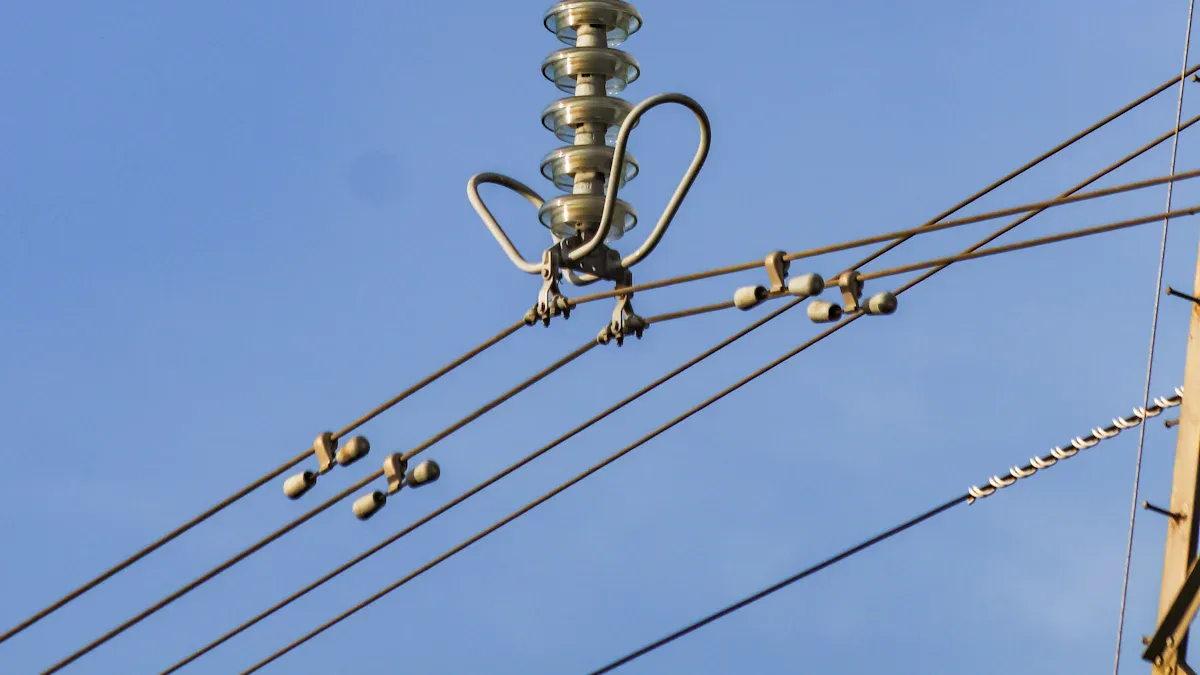
An isolator lets you turn off parts of a circuit. You use it to stay safe when fixing or checking equipment. There are strict rules for isolators from groups like the International Electrotechnical Commission (IEC). These rules talk about basic and strong isolation levels. You must follow these rules to use isolators in different places. If you follow them, your system stays safe and legal. Isolators do not stop big electrical loads or fix faults. You use them only when the circuit is already off or when you need a clear break for safety.
Main Function
The main job of an isolator is to keep you safe during repairs. Isolators make sure no electricity goes through the part you want to fix. Here are some important things isolators do in power systems:
You can safely turn off circuits for repairs.
You make a clear gap in the circuit, so no current flows.
You protect workers from electric shock.
You stop circuits from turning on by accident.
When you use an isolator, you see a clear space between contacts. This gap helps you know the circuit is really off. You can trust isolators to keep you safe when working with electricity.
Tip: Always look for a clear gap before you start work. This easy step can stop accidents and keep you safe.
Applications
Isolators are used in many places. They are important in homes, factories, and power plants. Here are some ways people use isolators:
High-Voltage Substations: You turn off parts of the grid for safe repairs.
Power Generation Plants: You disconnect equipment for checks and repairs.
Machinery and Equipment: You separate machines from power during fixes or emergencies.
Three-Phase Systems: You make sure all live wires are off in big setups.
Power Distribution: You turn off parts of networks to fix problems or upgrade.
Battery Bank Isolation: You disconnect batteries for repairs or changes.
Inverter Isolation: You stop energy flow by separating batteries from inverters during repairs.
Safety in Energy Storage: You work safely with high-voltage DC circuits.
You also use isolators in homes and businesses. For example:
1. You turn off power from certain circuits for repairs at home.
2. You control power in commercial buildings.
3. You disconnect high-voltage equipment in factories and power plants.
Isolators help you work safely and quickly. You can trust them to protect you and your equipment during repairs and upgrades.
Pros and Cons
When you use isolators, you get many good things. But there are also some problems. Knowing both sides helps you make smart choices for safety and how things work.
Here is a table that shows the main pros and cons of isolators:
👍 Pros of Isolators | 👎 Cons of Isolators |
|---|---|
Enhance safety | Complexity in installation |
Prevent electrical faults | Higher initial costs |
Stabilize systems | |
Extend equipment lifespan | |
Ensure compliance with safety standards |
Let’s look at these points more closely:
Enhance safety: Isolators help keep you safe. They make a clear gap in the circuit. This gap stops electricity from moving. You can work on the equipment without getting shocked. You always know when the power is off.
Prevent electrical faults: Isolators stop dangerous problems. They disconnect parts of the system. This keeps trouble from spreading. Your equipment and workers stay safe.
Stabilize systems: Isolators make your system steadier. You can fix or check equipment without stopping everything. This means fewer stops and smoother work.
Extend equipment lifespan: Isolators protect your machines. Safe repairs mean less damage. Your equipment lasts longer and works better.
Ensure compliance with safety standards: Isolators help you follow safety rules. Many laws say you must use them for repairs. Using isolators helps you avoid trouble with the rules.
Tip: Always check if your isolator is open before you start work. This easy step can keep you safe.
But you should also think about the bad sides:
Complexity in installation: Putting in isolators can be hard. You might need special tools or skills. Sometimes, you must change your system to fit the isolator.
Higher initial costs: Isolators can cost more at first. You pay for the device and for someone to put it in. But over time, they can save you money by keeping things safe.
Other good things about isolators are:
Easy maintenance: You can check and fix your system safely.
Improved safety: Full disconnection lowers shock risk.
Better reliability: Isolators help stop faults, so your system works better.
When you look at the pros and cons, you see isolators give you strong safety and dependability. You may spend more time and money at first, but you get peace of mind and protect your equipment for a long time.
Vacuum Circuit Breaker
Definition
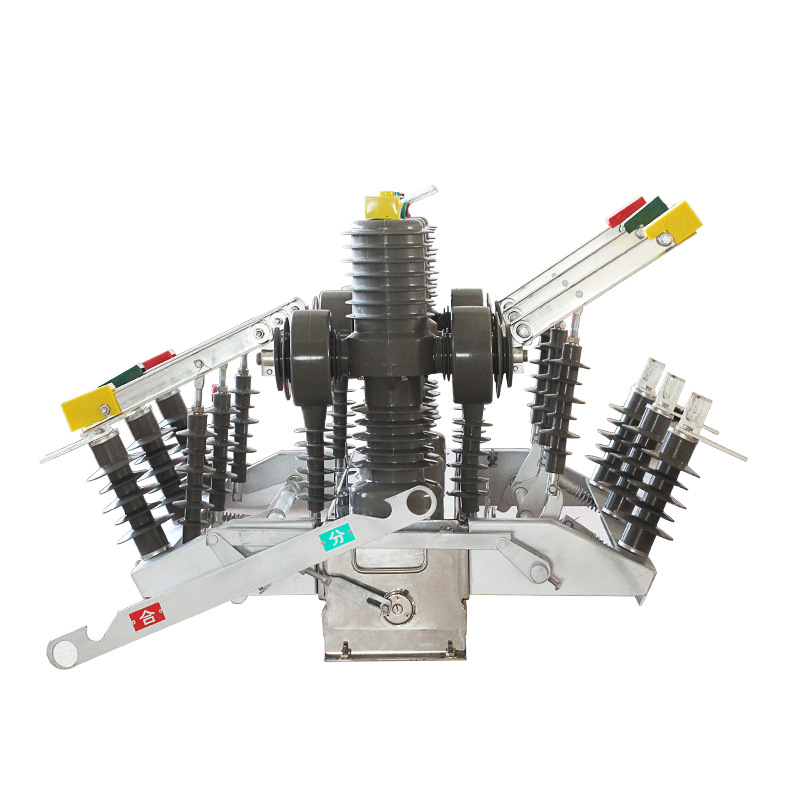
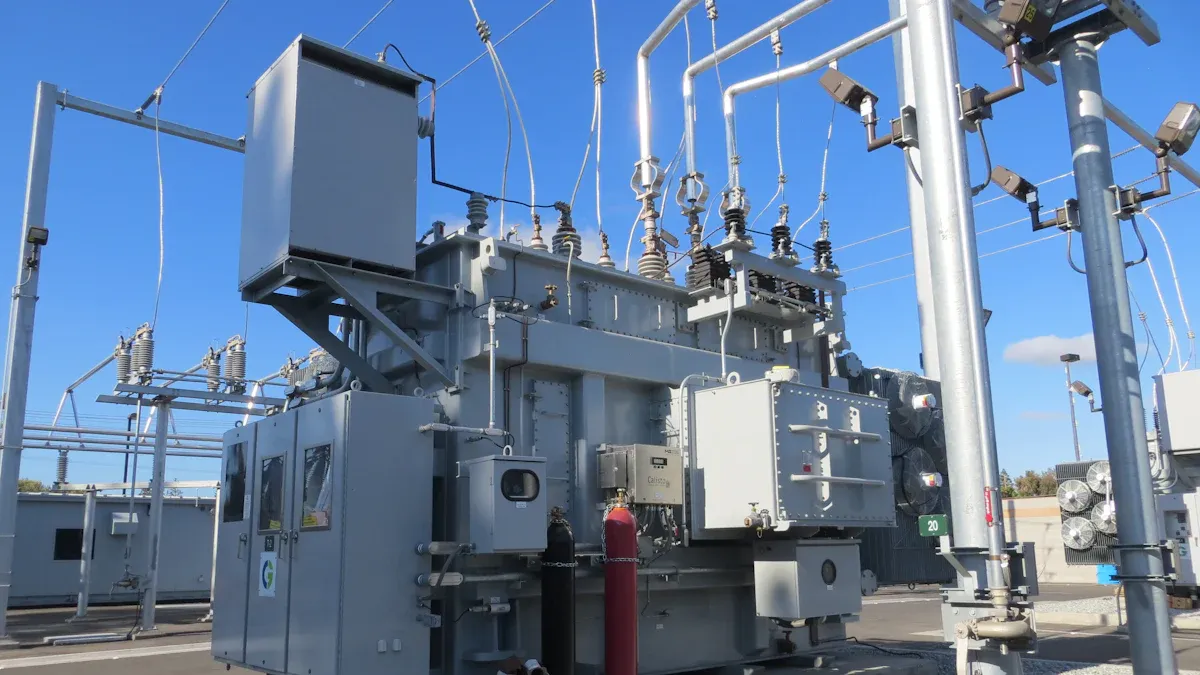
A Vacuum Circuit Breaker is a device that keeps your electrical system safe. It uses a high vacuum to stop electric arcs when breaking a circuit. This lets it quickly stop electricity if there is a problem. You do not need oil or gas to put out the arc. The arc goes out inside a sealed vacuum chamber. This makes the device safer and cleaner for many places.
The way it stops current helps keep your system safe.
You get a device that is safer and cleaner for big jobs like factories and power plants.
The arc goes out in a vacuum, so you do not worry about leaks or pollution.
You can trust a Vacuum Circuit Breaker to protect your equipment and keep your workplace safe.
Main Function
The main job of a Vacuum Circuit Breaker is to protect your electrical system from damage. When a short circuit or overload happens, the breaker opens its contacts inside the vacuum. This stops the flow of electricity right away. The vacuum makes sure the arc goes out fast, so no current keeps flowing.
You use a Vacuum Circuit Breaker to turn circuits on and off. It works during normal times and emergencies. When you open the contacts, the vacuum gap puts out the arc. This keeps your system working well and stops damage to your machines.
In high-voltage systems, this breaker acts like a guard. It interrupts the current instantly during faults. This protects your expensive equipment and helps keep the power grid stable.
Tip: Always use a Vacuum Circuit Breaker where you need fast and safe protection for your electrical equipment.
Applications
You find Vacuum Circuit Breakers in many important places. They help make power systems safer and more reliable. You often see them in:
Indoor power distribution systems that protect and control high-voltage equipment.
Factories and mines where you need strong protection and easy maintenance.
Power plants and substations keep the system running smoothly.
You also use them in wind and solar power plants. They protect equipment like turbines and inverters. This helps your renewable energy systems work better and last longer.
Here is a table that shows where you might use a Vacuum Circuit Breaker and what it does:
Application Area | Description |
|---|---|
Distribution Lines | Controls and protects lines, cutting off current during faults. |
Main Transformer Protection | Quickly disconnects power to protect transformers from abnormal currents. |
Busbar Protection | Isolates faulty sections so the rest of the system keeps working. |
Outgoing Line Protection | Controls and protects outgoing lines to ensure stable power output. |
You can count on a Vacuum Circuit Breaker to keep your power system safe, whether you work in a factory, a power plant, or a renewable energy site.
Pros and Cons
When you pick a Vacuum Circuit Breaker for your system, you get many good things. But you also need to think about some problems. Knowing both sides helps you make safe and smart choices.
Let’s look at the good things first. Vacuum Circuit Breakers are very reliable. Your system works well and does not break often. You do not have to fix things all the time. They also need little care. You do not have to check or repair them much. This saves you time and money. Safety is another big plus. The Vacuum Circuit Breaker stops electric arcs fast. This lowers fire risk and keeps your workplace safe. The device is small. It fits in tight spaces, so you can use it in many places.
Now, let’s talk about the problems. The first problem is cost. Vacuum Circuit Breakers cost more at the start than some other devices. You need to plan your money before you buy one. They work best with certain voltages. If your system needs a very high voltage, you may need something else. You also need special skills to fix or check them. Not everyone can do this job. You might need to hire trained workers. Over time, the contacts inside can wear out. This is called contact erosion. You need to check the device sometimes to make sure it still works well.
Here is a table that shows the main good and bad points:
Advantages | Disadvantages |
|---|---|
High reliability | Higher initial costs |
Low maintenance | Limited voltage range |
Excellent safety | Need for specialized maintenance skills |
Compact size | Potential contact erosion over time |
Tip: If you want a device that works well and keeps your system safe, a Vacuum Circuit Breaker is a great choice. Make sure you have the right skills or help for maintenance.
You see Vacuum Circuit Breakers in many places because they protect systems and are easy to use. You need to think about your money and your system’s voltage needs. If you plan well, you get a device that lasts a long time and keeps your equipment safe.
Key Differences
Operation
It is important to know how each device works. Load switches, isolators, and vacuum circuit breakers all work in different ways. A load switch lets you turn power on or off during normal times. You use it to start or stop load currents. You can use your hand or a control system to work it. It cannot handle faults or big overloads. An isolator gives you a clear break in the circuit. You only use it when the power is already off. It helps you disconnect parts for repairs or checks. Isolators are worked by hand. You should not use an isolator to break a live circuit. It does not have arc protection. A vacuum circuit breaker works in a special way. You use it to stop current during normal times and faults. It can work by itself or with your help. When a fault happens, it opens and stops the current. The vacuum inside puts out the arc fast. This keeps your system safe.
Here is a table that shows how each device works:
Feature | Load Switch | Isolator | Vacuum Circuit Breaker |
|---|---|---|---|
Function | Breaks and makes load currents | Provides mechanical disconnection | Interrupts the current under load and fault |
Operation Mode | Manual or automatic | Manual only | Automatic and manual |
Arc Protection | Basic | None | Strong arc-extinguishing system |
Fault Handling | No | No | Yes |
Maintenance | Low | Low | Needs regular checks |
Tip: Use a vacuum circuit breaker if you need fault protection. Only use isolators when the circuit is already off.
Safety
Safety is very important in any electrical system. Each device has its own safety features. Load switches help you control power in a safe way. They stop the dangers that come with tripping circuit breakers. You can use them with fuses for more protection. They are good for normal switching, but do not protect against big faults. Isolators keep you safe during repairs. They make a clear gap in the circuit. You know the power is off when you see the gap. Isolators do not protect against overloads or faults. You must use them only when the circuit is not live. Vacuum circuit breakers give you the most safety. They use a vacuum to put out arcs fast. This protects your system from too much current and short circuits. The breaker disconnects circuits quickly during faults. You get strong insulation and good protection for medium and high voltages.
Here is a table that compares safety features:
Feature | Load Switches | Isolators | Vacuum Circuit Breakers |
|---|---|---|---|
Main Safety Mechanism | Safe switching under load | Mechanical isolation for maintenance | Rapid arc extinguishing in a vacuum |
Fault Protection | Limited (with fuse) | None | Full protection against faults |
Arc Suppression | Basic | None | Strong vacuum arc suppression |
Overcurrent Protection | With fuse | None | Built-in |
System Stability | Good for normal operation | Good for maintenance | Excellent during faults |
Vacuum circuit breakers use strong insulation to stop arcs fast.
They protect your system from damage caused by too much current.
You get safe and steady operation, even in emergencies.
Note: Never use an isolator to switch under load. This can cause dangerous arcs and hurt your equipment.
Load Handling
You need to think about how much current each device can handle. Load switches, isolators, and vacuum circuit breakers all have different limits. Load switches handle normal load currents. You use them for everyday switching. They cannot stop short-circuit currents. If you need to switch high loads, check the rated current and voltage. Isolators do not handle load currents. You use them only when the circuit is off. They give you mechanical isolation. Makers list their rated voltage and current, but you should not use them to break a live circuit. Vacuum circuit breakers handle both load and fault currents. They stop high currents during faults. You use them in systems with high voltage and current. They pass hard tests for overload and fault conditions. The breaker’s low-voltage lockout stops it from opening if the control voltage is too low. This keeps it from working wrong. Mechanical tests check how fast and well the breaker works. If the contacts bounce too much, you can get damage or even welding. The breaker must pass insulation tests to work safely under normal conditions.
Here is a chart that shows the rated current and withstand currents for different switch models:
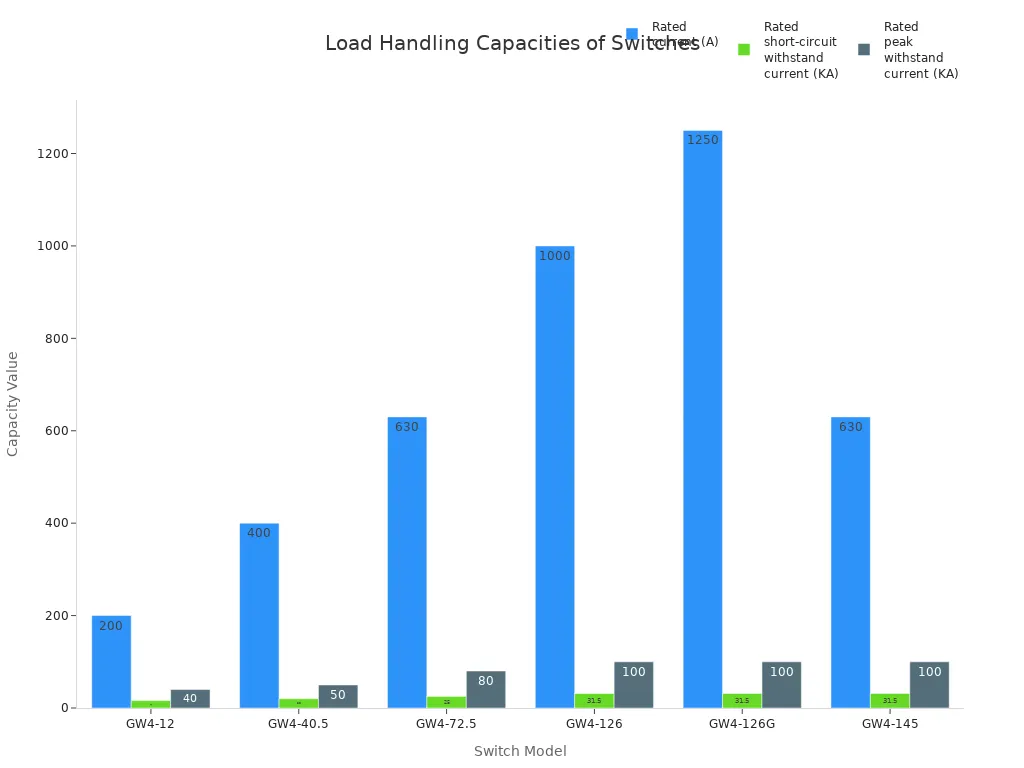
You can see that vacuum circuit breakers handle the highest currents and voltages. Load switches come next. Isolators have ratings, but you should use them only for isolation, not for switching loads.
Tip: Always check the rated current and voltage before you pick a device. Choose a vacuum circuit breaker for high loads and fault protection.
Applications
You can find load switches, isolators, and vacuum circuit breakers in many places. Each one has a special job in electrical systems. Picking the right device makes your system safer and more dependable.
Load switches are good for normal switching. You use them to turn circuits on or off during regular times. They help you control things like lights and machines. You see load switches in homes, offices, and factories. They do not protect against big problems, but they make daily switching safe and simple.
Isolators help keep you safe when you fix things. You use them to disconnect parts of a circuit before you start repairs. Isolators make a clear gap, so you know the power is off. You find isolators in substations, factories, and power plants. They do not stop load or fault currents. You use them only when the circuit is already off.
Vacuum circuit breakers (VCBs) protect your system from faults. You use them in places with high voltage and heavy loads. VCBs stop short circuits and overloads quickly. You see them in substations, renewable energy plants, and big factories. VCBs work well in wind and solar plants. They handle fast changes in power and keep equipment safe. Their sealed design means less work to keep them running, and they last longer.
Here is a table that shows where you use each device and what makes it special:
Device Type | Key Characteristics | Applications |
|---|---|---|
Vacuum Circuit Breaker (VCB) | Interrupts normal, overload, and fault currents. Sealed for reliability. Economic and space-saving. | Wind farms, solar plants, substations, heavy industry, transformer protection, busbar protection |
Load Switch | Switches normal load currents. Cannot break faults. Compact and easy to use. | Homes, offices, factories, solar and wind systems, and everyday switching |
Isolator | Provides visible isolation. Cannot interrupt load or fault currents. Ensures safety for workers. | Substations, power plants, factories, maintenance and repair, battery bank isolation |
Tip: Always pick the right device for your job. Use VCBs for fault protection, load switches for daily control, and isolators for safe repairs.
Each device has its own job. VCBs protect against faults and work well in places with lots of power. Load switches help you control power every day. Isolators keep you safe when you need to fix your system. When you know what each one does, you can choose the best device for your needs.
Choosing the Right Device
Assessing Needs
You should first know what your electrical system needs. Checking load and fault levels is very important. This helps you build a safe and strong system. If you skip this, you might pick the wrong device.
Here are some steps to help you figure out what you need:
1. Verify System Voltage and Insulation Levels (BIL): Check your system’s voltage. Make sure the device matches this voltage. Look at the insulation level, called Basic Insulation Level (BIL). This tells you if the breaker can handle your voltage.
2. Calculate Required Breaking and Making Capacity: Find out how much current your system must stop and start. This helps you pick a device that can handle short circuits.
3. Identify Load Type and Frequency of Operation: Decide if you will switch loads often or just for repairs. Load switches are good for switching many times. Isolators are best for safe repairs. Vacuum circuit breakers protect against faults and high currents.
4 . Plan for Future Expansion: Think about how your system might get bigger. Pick devices that can handle more loads or higher voltages later.
Tip: Always make sure the device’s ratings fit your system. This keeps your equipment safe and helps your system last longer.
Safety and Regulations
Safety should always come first. You must follow rules and standards to keep things safe. These rules help protect people and equipment. If you do not follow them, you could get in trouble.
Here are some important things to remember:
Equipment must meet IEC 62271 standards for safety. This rule is for high-voltage switchgear and controlgear.
Do not use equipment that does not meet these rules. Always check for certification before you install anything.
Switch fuse isolators help you disconnect circuits and protect against overloads. They make your system safer.
There are strict rules for using isolators. You must follow them in homes, factories, and power plants.
Note: Always check local codes and rules before you buy or install a device. This helps you avoid trouble and keeps your system safe.
Maintenance
You need to consider how much care each device requires. Maintenance keeps your system running smoothly and prevents major issues. Some devices need more care than others.
Here is a table that shows what to do and how often:
Operation Count | Maintenance Action | Frequency |
|---|---|---|
Less than 2,000 | Visual inspection | Every 6 months |
2,000–10,000 | Contact resistance test | Annually |
More than 10,000 | Full disassembly + vacuum test | Every 1–2 years |
Vacuum circuit breakers need less care than oil circuit breakers. You save time and money on upkeep. For example, yearly care for a vacuum circuit breaker is about $1,000. Oil circuit breakers can cost $3,000 to $5,000 each year.
Load switches and isolators need simple checks. Look for damage or wear. Test the contacts and make sure everything works right. If you keep up with maintenance, your system stays safe and works well.
Tip: Make a regular plan for checks and tests. This helps you find problems early and keeps your equipment working longer.
Cost Factors
When you pick between load switches, isolators, and vacuum circuit breakers, you need to think about how much they cost. Each one has its own price and other expenses. You want to spend your money wisely and keep your system safe.
Here are the main things that affect cost:
Initial Purchase Price: The price depends on the brand, size, and features. Vacuum circuit breakers usually cost more at first than load switches or isolators.
Installation Costs: You pay for moving and setting up the device. Some devices need special tools or extra work to install.
Maintenance Expenses: You spend money on regular checks and repairs. Vacuum circuit breakers often need less care, so you save money over time.
Operating Costs: These costs come from how much energy the device uses. Vacuum circuit breakers use less energy and work better, so you pay less to run them.
Lifecycle Costs: This is the total you spend from buying to using and fixing the device. You add up the purchase, installation, maintenance, and running costs. Sometimes, a device that costs more at first can save you money later because it lasts longer and needs fewer repairs.
Tip: Always look at the total cost over the device’s life, not just the price tag. A cheaper device may cost more later if it needs lots of repairs or uses more energy.
Mistakes to Avoid
You can make mistakes when you pick a device for your electrical system. These mistakes can waste money or even make things unsafe. Knowing what to avoid helps you make better choices.
Here is a table that shows common mistakes and what can happen if you make them:
Misconception | Consequence |
|---|---|
Believing 'the stronger the breaking capacity, the better' | Drives up costs and can backfire |
Higher electrical life is always better | Not always needed; 30 interruptions are usually enough |
Inadequate interrupting capacity | Can cause system failure during faults |
You should also watch out for these problems:
Picking a device with too much breaking power can waste money. You do not always need the strongest device.
Thinking you need the highest electrical life can lead to buying more than you need. Most systems only need about 30 interruptions.
Choosing a device that cannot handle the biggest fault current is dangerous. Always make sure the interrupting capacity is higher than the largest fault current in your system, with a safety margin.
Spending too much on features you do not need can make your system less efficient.
If you pick the wrong device, you can create safety risks for people and equipment.
Note: Always match the device to your real needs. Check the ratings, think about your budget, and focus on safety. If you are not sure, ask an expert before you decide.
You have learned about load switches, isolators, and vacuum circuit breakers. Each one does something special in electrical systems. Isolators make a safe space in the circuit when power is off. You use isolators to disconnect parts so repairs are safe. Circuit breakers keep your system safe from surges and faults. Circuit breakers can stop overloads or short circuits by themselves. Knowing these differences helps you pick the right device. Always think about what your system needs and ask an expert if you are not sure.
FAQ
What is the main job of a load switch?
A load switch lets you turn circuits on or off. You use it during normal times. It helps you control power in your system safely.
Can you use an isolator to break a live circuit?
No, you should not use an isolator on a live circuit. Isolators do not stop arcs. Always turn off the circuit before using an isolator.
When should you choose a vacuum circuit breaker?
Pick a vacuum circuit breaker if you need to stop faults. It is good for high voltage and big loads. Use it when your system needs strong protection.
How often should you check these devices?
Check load switches and isolators every six months. For vacuum circuit breakers, follow the maker’s plan. Regular checks help you find problems early.
What happens if you use the wrong device?
Using the wrong device can break your equipment. It can also make things unsafe. Always pick the right device for your system.
Do these devices need special training to operate?
You can use load switches and isolators with simple training. Vacuum circuit breakers may need more skill to fix. Always follow safety rules and learn what you need.
How do you know which device to pick?
Look at your system’s voltage, current, and safety needs. Use load switches for daily use, isolators for safe repairs, and vacuum circuit breakers for fault protection.