You might already know that reliable switchgear is the backbone of any safe power system.
But what is vacuum circuit breaker technology, and why is it dominating the medium-voltage market?
It is not just about breaking a circuit; it is about superior arc quenching and minimal maintenance.
In this guide, I’m going to break down exactly how this device works and why it is the smartest investment for your electrical infrastructure.
Let’s dive right in.
What is a Vacuum Circuit Breaker (VCB)?
Definition and Overview
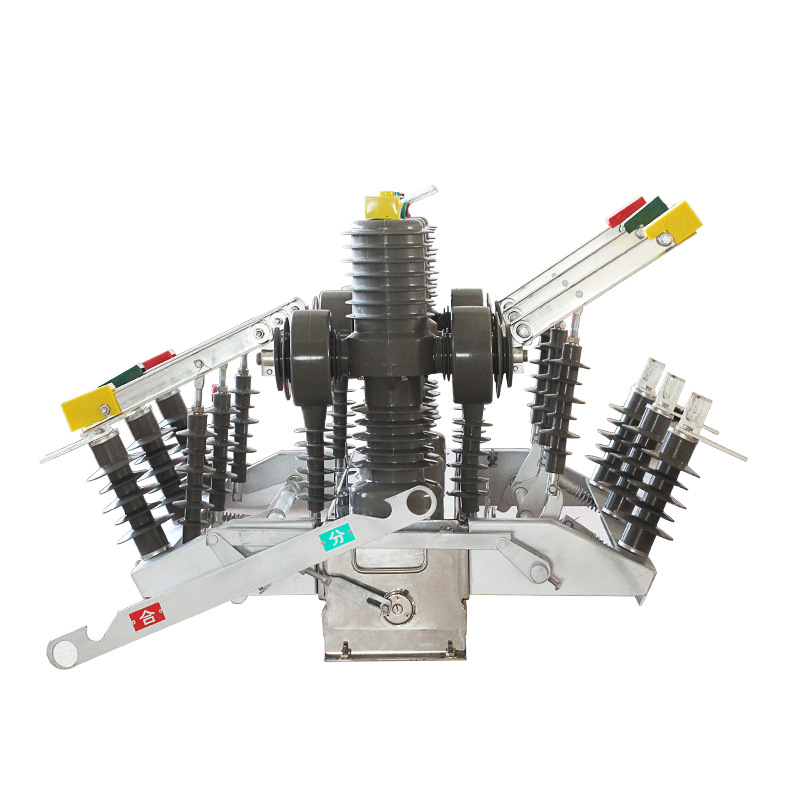
A Vacuum Circuit Breaker, commonly referred to by its abbreviation VCB, is a robust electrical protection device used primarily in medium-voltage networks. Unlike older technologies that rely on oil or air, this breaker utilizes a high-vacuum environment as the arc-extinguishing medium. Because vacuum offers superior dielectric strength—far higher than air or SF₆ gas—these breakers can effectively suppress electrical arcs within a remarkably small contact gap.
In the context of what is vacuum circuit breaker in electrical engineering, it represents the modern standard for safety and reliability. Designed for voltage ranges typically between 3kV and 40.5kV, our VCBs provide a maintenance-free solution that eliminates the risk of fire or explosion associated with oil breakers and the environmental hazards of gas leakage found in SF6 units.
Role in Electrical Distribution Systems
What is the function of vacuum circuit breaker in a power grid? Think of it as the ultimate “safety valve” for electrical infrastructure. Its primary responsibility is to instantly interrupt current flow when a fault occurs, such as a short circuit or severe overload.
By cutting off power in milliseconds (often less than half an AC cycle), the VCB protects critical downstream equipment like transformers, motors, and capacitor banks from catastrophic damage. This rapid response capability ensures the stability of the power supply and guarantees the safety of personnel in substations and industrial facilities.
Key Components and Construction
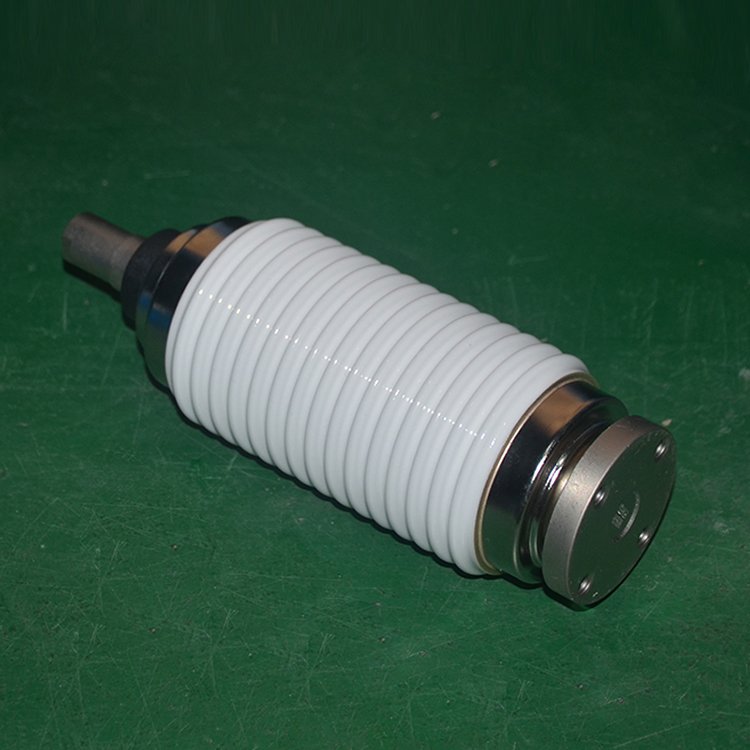
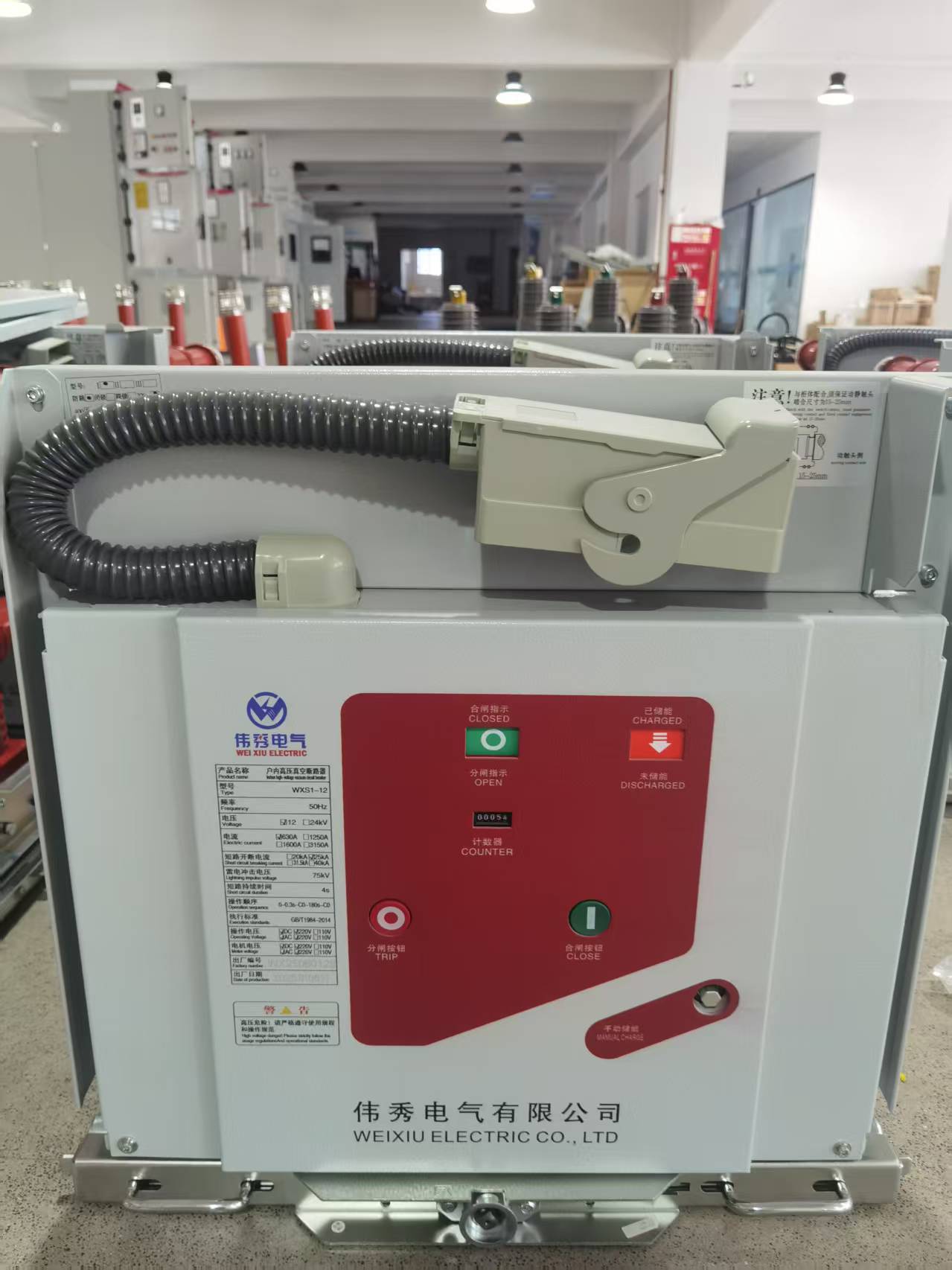
The reliability of a Weisho Electric VCB stems from its simplified yet precision-engineered construction. The device is built around a few critical subsystems:
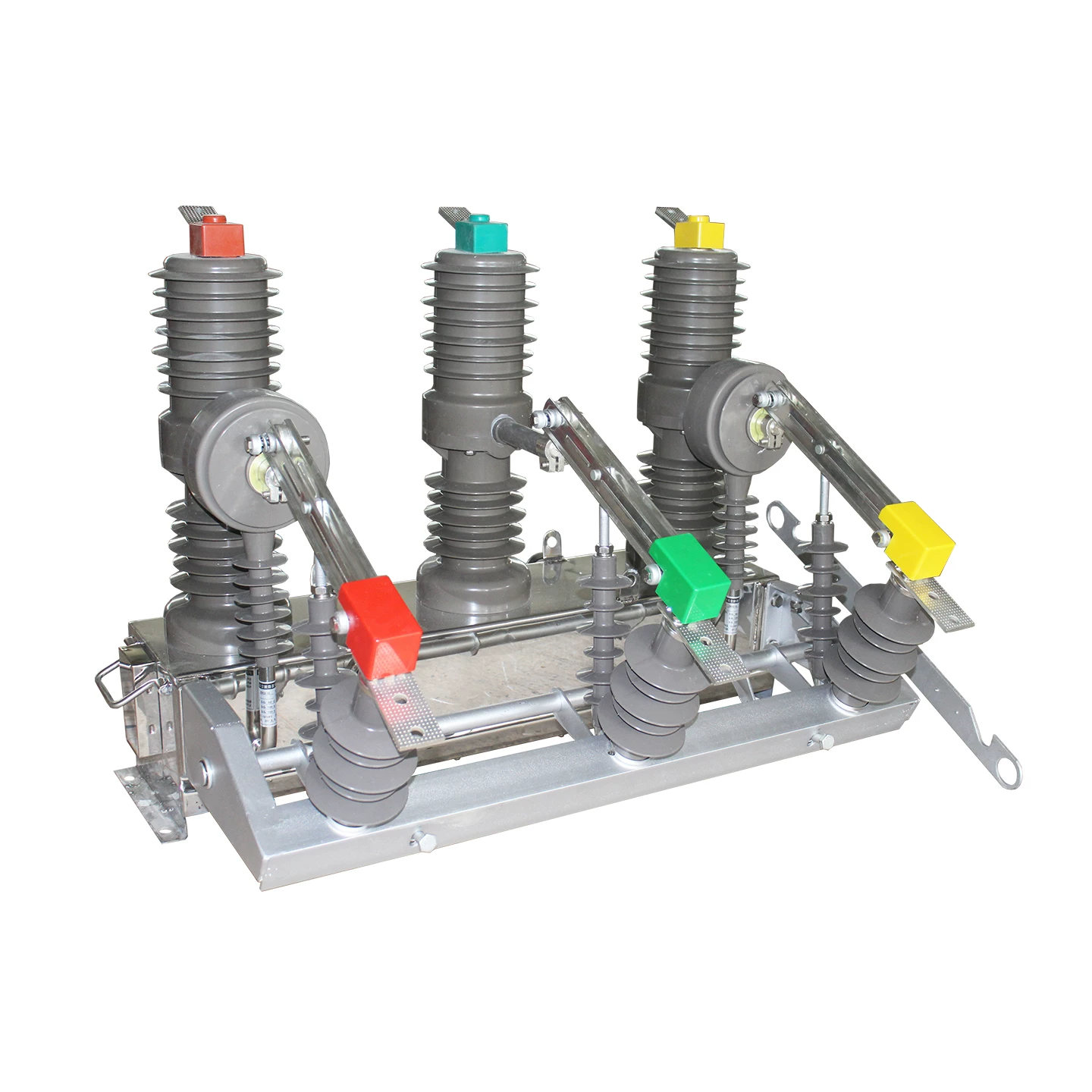
The Vacuum Interrupter (VI): Often called the “vacuum bottle,” this is the heart of the system. What is the purpose of the vacuum chamber in a vacuum circuit breaker? It houses the contacts in a permanently sealed, high-vacuum environment to ensure instant arc extinction and prevent contact oxidation.
Contact System: We utilize advanced Copper-Chromium (CuCr) or Copper-Tungsten (CuW) alloys. These materials are chosen for their low contact resistance and high resistance to welding during high-current faults.
Operating Mechanism: Most units feature a rugged spring-operated mechanism (motor-charged) for reliable opening and closing energy. Newer models may utilize permanent magnet actuators for even greater mechanical endurance.
Insulation and Enclosure: The vacuum bottle is typically encased in a ceramic or glass shield, while the external structure uses 304 stainless steel or epoxy resin to provide structural integrity and insulation against external environmental factors.
How Does a Vacuum Circuit Breaker Work?
The Operating Principle
At Weisho Electric, we design our vacuum circuit breakers (VCBs) to act as the primary defense mechanism for your electrical grid. The fundamental operating principle is distinct because the arc extinction takes place inside a sealed vacuum chamber rather than in oil or air. When the system detects a fault—like a short circuit or overload—the operating mechanism releases stored energy (usually from a spring) to pull the moving contact away from the fixed contact. Since a high vacuum has exceptional dielectric strength, it allows us to stop high currents with a very small contact gap, keeping the overall unit compact and efficient.
Arc Quenching and Interruption Process
The moment the contacts separate, an electrical arc is generated. In a VCB, this arc is formed strictly by the vaporization of the contact metal itself, as there is no gas inside the chamber to ionize. This is where the magic happens:
Arc Formation: The metal vapor sustains the arc briefly.
Current Zero: As the alternating current (AC) reaches its natural zero crossing, the energy drops.
Rapid Diffusion: The metal vapor condenses and diffuses into the surrounding shields within microseconds.
Extinction: The dielectric strength of the vacuum recovers almost instantly, preventing the arc from restriking.
This entire process occurs in less than half an AC cycle (milliseconds), minimizing damage to your equipment. Understanding the speed of this interruption is vital when comparing protection devices in our load break and vacuum breakers guide.
The Role of the Vacuum Interrupter
The vacuum interrupter, often called the “vacuum bottle,” is the heart of the VCB. It is a permanently sealed component that houses the contacts and maintains the high-vacuum environment required for operation.
Contact Materials: We use Copper-Chromium (CuCr) or Copper-Tungsten alloys to resist wear and prevent contact welding.
Bellows System: A stainless steel bellows allows the moving contact to travel mechanically without breaking the hermetic vacuum seal.
Shielding: Internal shields collect the metal vapor released during arcing, protecting the insulating ceramic casing.
Because the interrupter is sealed for life, it prevents external contaminants like dust and moisture from affecting the contacts, ensuring a service life that can span 20 to 30 years with virtually no maintenance.
Types of Vacuum Circuit Breakers
Vacuum circuit breakers (VCBs) are not a one-size-fits-all solution. We engineer them in various configurations to match specific grid requirements, installation environments, and performance demands. Understanding these distinctions is critical for selecting the right equipment for your facility.
Classification by Voltage Levels (MV and HV)
The primary way we classify these breakers is by their voltage rating. While vacuum technology is dominant in the Medium Voltage (MV) sector, it is also pushing boundaries into higher voltage applications.
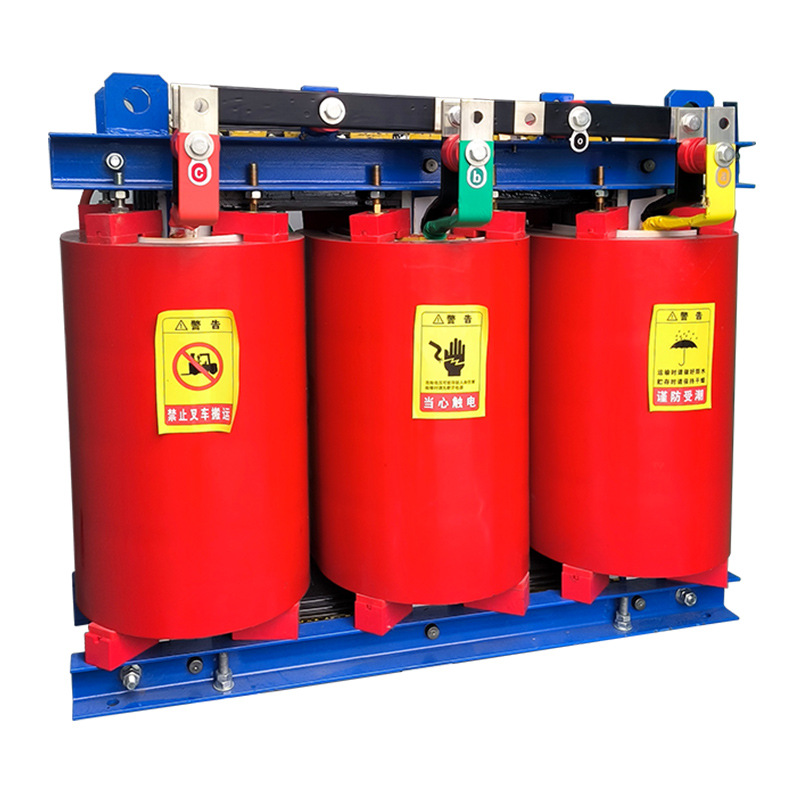
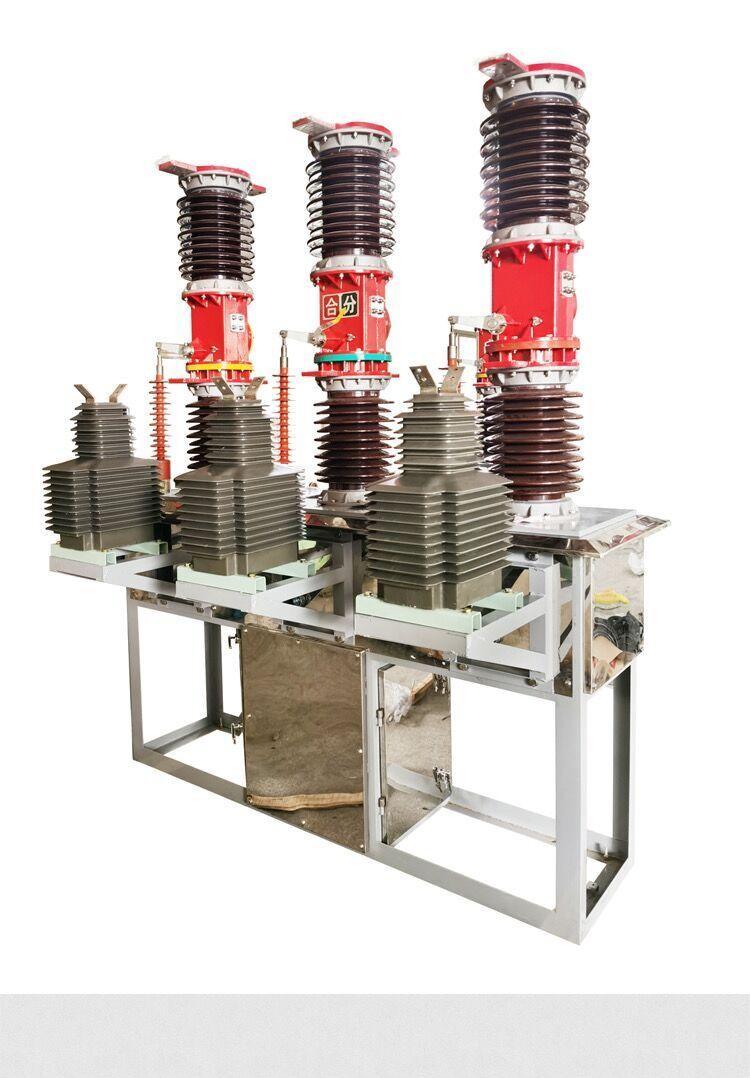
Medium Voltage (MV): This is the sweet spot for vacuum technology. Our standard units typically range from 3kV to 40.5kV. In the United States, the 12kV to 38kV range is the workhorse for industrial plants and urban distribution. These breakers are often integrated into switchgear or used in a custom 11kV compact substation to ensure reliable power delivery in tight spaces.
High Voltage (HV): When asking what is the maximum voltage rating of vacuum circuit breaker technology, it generally caps around 145kV for single-break units in the broader market, though Weisho specializes in the highly reliable 40.5kV class (often categorized as high voltage in specific IEC standards). For voltages higher than this, multiple interrupters are connected in series, though SF6 is still common in extra-high voltage transmission.
Types of Actuator Mechanisms
The operating mechanism is the muscle that opens and closes the contacts against the vacuum pressure and mechanical springs. We generally utilize two main types of mechanisms to ensure rapid response times:
Spring-Operated Mechanism: This is the most common and mature technology. It uses a motor to charge a closing spring, which mechanically latches. It is cost-effective and easy to maintain manually if needed.
Permanent Magnet Mechanism: This represents the modern evolution of VCBs. It uses a bistable magnetic actuator with significantly fewer moving parts than spring types. This design offers a longer mechanical life (up to 20,000 operations) and is virtually maintenance-free, making it ideal for smart grid applications where reliability is non-negotiable.
Electromagnetic Mechanism: An older technology that draws high current from the DC supply to close. We rarely recommend this today due to its bulk and high power consumption compared to modern spring or magnetic options.
Axial vs. Tangential Magnetic Field Breakers
Inside the vacuum interrupter, managing the electric arc during interruption is vital to prevent contact damage. The geometry of the contacts creates a magnetic field that controls the arc behavior.
Transverse (Tangential) Magnetic Field (TMF): The contact structure forces the arc to rotate rapidly around the contact surface. This rotation prevents the arc from staying in one spot and overheating the metal. TMF is excellent for lower to medium breaking currents.
Axial Magnetic Field (AMF): For high short-circuit currents (e.g., 31.5kA to 50kA), we use AMF contacts. This field runs parallel to the arc, keeping it in a “diffuse” mode. Instead of concentrating into a single hot column, the arc spreads out evenly over the contact surface. This results in low arc voltage and minimal contact erosion, significantly extending the service life of the breaker.
Key Advantages of Using Vacuum Circuit Breakers

When evaluating medium voltage switchgear options, the vacuum circuit breaker (VCB) stands out as the industry standard for a reason. It combines operational efficiency with a design that solves the biggest headaches associated with older technologies like oil or air blast breakers. Here is why switching to vacuum technology is a smart move for modern grid infrastructure.
Superior Safety and Environmental Benefits
Safety is the primary driver for VCB adoption. Unlike oil circuit breakers, which carry a significant risk of fire and explosion due to flammable oil, VCBs operate in a sealed vacuum environment. There is zero risk of combustion. From an environmental perspective, they are far superior to SF6 breakers. SF6 is a potent greenhouse gas, and managing leakage is a costly regulatory burden. VCBs use no harmful gases or oils, making them the clean, eco-friendly choice for sustainable power distribution.
High Reliability and Long Service Life
We build our breakers to last. A standard VCB offers a service life spanning **20 to 30 years** with consistent performance. The vacuum interrupter houses the contacts in a hermetically sealed chamber, protecting them from external contaminants like dust, moisture, and corrosive fumes. This isolation prevents contact oxidation, ensuring stable resistance values over decades.
Mechanically, these units are robust. While older technologies might struggle after a few thousand cycles, a high-quality unit like our ZN63 (VS1) indoor high voltage vacuum circuit breaker is rated for 10,000 to 20,000 mechanical operations. This durability makes them ideal for applications requiring frequent switching.
Compact Design and Space Efficiency
Space is often at a premium in urban substations and industrial plants. The vacuum medium has exceptionally **high dielectric strength**—far greater than air. This property allows for a very small gap between contacts to withstand high voltage. Consequently, the vacuum interrupter and the overall breaker assembly are significantly smaller and lighter than equivalent air or oil breakers. This compact footprint allows for smaller switchgear panels, saving valuable floor space and reducing construction costs for control rooms.
Low Maintenance Requirements
The “sealed-for-life” technology of the vacuum bottle drastically reduces maintenance overhead. Since the arc is contained and extinguished within a vacuum, there are no byproducts to clean up and no gas pressures to monitor.
Maintenance Comparison:
| Feature | Vacuum Circuit Breaker (VCB) | Oil/Air Circuit Breaker |
|---|---|---|
| Contact Maintenance | None required (Sealed unit) | Frequent cleaning/replacement |
| Medium Refill | Not applicable | Oil/Gas requires refilling |
| Downtime | Minimal (Inspection only) | High (Complex servicing) |
| Lifecycle Cost | Low | High |
For facility managers, this means a massive reduction in operational expenses (OPEX). You install it, verify the mechanism periodically, and let it do its job without constant intervention.
Common Applications of Vacuum Circuit Breakers
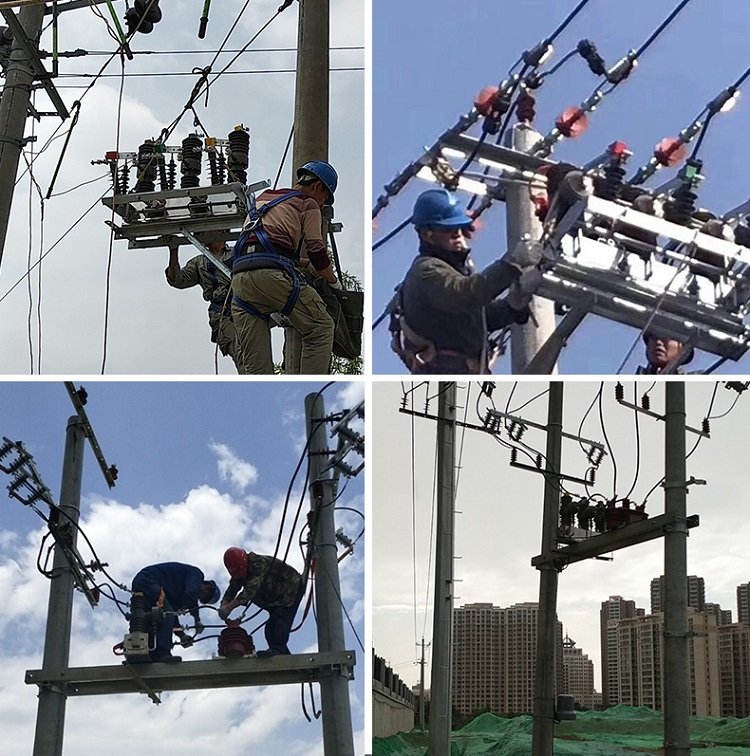
Understanding what is the use of vacuum circuit breaker technology in the real world helps explain why it has become the standard for medium voltage systems. At Weisho Electric, we see our VCBs deployed wherever reliability and safety are non-negotiable. Because they are maintenance-free and compact, they fit perfectly into modern infrastructure where downtime is simply not an option.
Industrial and Manufacturing Plants
In heavy industrial settings, equipment like electric arc furnaces and large motors require frequent switching operations. A standard breaker would wear out quickly, but a vacuum circuit breaker is designed to handle 10,000 to 20,000 mechanical operations with ease.
We recommend VCBs for manufacturing facilities because they are sealed units. The vacuum interrupter prevents dust, moisture, and corrosive gases—common in factories—from degrading the contacts. This makes them the ideal choice for:
Motor Switching: Protecting expensive industrial motors from short circuits.
Arc Furnace Control: Handling the high stress of frequent interruptions.
Capacitor Bank Switching: Managing reactive power compensation without restrikes.
Power Generation and Substation Use
The primary answer to what is the function of vacuum circuit breaker in a substation is grid stability. These breakers act as the main protection “valves” for distribution networks ranging from 3kV to 40.5kV. Their rapid response time (clearing faults in milliseconds) prevents damage to critical assets like transformers.
As the energy landscape shifts, VCBs are also playing a massive role in renewable energy. They are essential for integrating variable power sources, such as grid-connected solar systems, where load flows change rapidly. Their compact footprint allows utilities to build smaller, more efficient switchgear rooms in crowded urban areas.
Railway and Infrastructure Projects
Public infrastructure demands the highest level of safety. Since VCBs do not use oil or flammable gases, they eliminate the risk of fire and explosion. This safety profile makes them the preferred choice for:
Railway Traction Substations: Managing the high-voltage power lines that run trains.
Underground Tunnels: Where fire safety is critical and ventilation is limited.
Commercial Buildings: Providing safe power distribution for hospitals, data centers, and airports.
The high dielectric strength of the vacuum gap ensures that even with a small contact separation, the breaker can interrupt massive fault currents instantly, keeping public transit and infrastructure running smoothly.

Comparison: VCB vs. Other Circuit Breaker Types
When selecting protection for your electrical system, the primary difference comes down to the dielectric medium used to extinguish the arc. At Weisho Electric, we focus on vacuum technology because it offers the best balance of safety, size, and cost for medium voltage applications. Here is how our vacuum circuit breakers (VCBs) compare to other common technologies on the market.
Vacuum vs. Air Circuit Breakers (ACB)
The main distinction when asking what is the difference between an air circuit breaker and a vacuum circuit breaker lies in their voltage application and arc quenching method.
Voltage Range: ACBs are typically limited to low voltage applications (below 1kV), while VCBs are the standard for medium voltage (3kV to 40.5kV).
Arc Quenching: ACBs lengthen the arc in regular air using chutes, which requires a large physical space. VCBs extinguish the arc in a vacuum bottle, allowing for a much more compact footprint.
Maintenance: ACBs have exposed contacts that can degrade due to atmospheric conditions. Our VCBs feature sealed contacts, making them impervious to dust and moisture.
Vacuum vs. SF6 Circuit Breakers
Sulfur Hexafluoride (SF6) is a gas with excellent insulating properties, but it comes with significant environmental drawbacks.
Environmental Impact: SF6 is a potent greenhouse gas. If a leak occurs, it poses environmental compliance risks. VCBs are completely eco-friendly and leak-free.
Maintenance and Monitoring: SF6 breakers require constant gas pressure monitoring. If pressure drops, the breaker fails. VCBs do not require pressure monitoring systems.
Endurance: VCBs generally offer higher mechanical endurance (10,000 to 20,000 operations) compared to SF6 units. This durability is essential for modern grids implementing strategies like automatic power reduction with vacuum circuit breakers to manage load efficiently.
Cost: While SF6 is sometimes preferred for very high voltages (>72.5kV), for the 12kV-40.5kV range, VCBs offer a lower total lifecycle cost.
Vacuum vs. Oil Circuit Breakers
Oil circuit breakers (OCBs) are an older technology that relies on insulating oil to quench arcs.
Safety: The biggest disadvantage of OCBs is the risk of fire and explosion. The oil is flammable. VCBs eliminate this fire hazard.
Maintenance Intensity: Oil degrades after arcing and must be filtered or replaced regularly to remove carbon deposits. VCBs are “sealed-for-life” and require zero contact maintenance.
Operation Speed: VCBs provide faster arc extinction (often within half a cycle) compared to the slower operation of bulk oil breakers.
Quick Comparison: VCB vs. Alternatives
| Feature | Vacuum Circuit Breaker (VCB) | SF6 Circuit Breaker | Oil Circuit Breaker | Air Circuit Breaker (ACB) |
|---|---|---|---|---|
| Primary Voltage | Medium Voltage (3kV – 40.5kV) | High Voltage (>72.5kV) | Medium/High (Legacy) | Low Voltage (<1kV) |
| Arc Medium | Vacuum | SF6 Gas | Insulating Oil | Atmospheric Air |
| Fire Risk | None | None | High | Low |
| Maintenance | Maintenance-Free | Gas Pressure Checks | High (Oil changes) | Moderate (Contact cleaning) |
| Environmental | Eco-Friendly | Greenhouse Gas Risk | Oil Disposal Issues | Neutral |
| Size | Compact | Moderate | Bulky | Bulky |
Selecting and Maintaining a Vacuum Circuit Breaker
Selection Criteria and International Standards
Choosing the right vacuum circuit breaker (VCB) isn’t just about matching voltage ratings; it is about ensuring long-term grid stability and safety. When we engineer solutions at Weisho Electric, we focus on three critical parameters: rated voltage, rated current, and short-circuit breaking capacity. For most medium voltage applications, you will typically look at models rated for 12kV, 24kV, or 40.5kV.
It is vital to verify that the equipment complies with global safety benchmarks. Our VCBs are manufactured in strict accordance with IEC 62271-100 and GB1984 standards. This ensures that the device can handle the mechanical stress of up to 20,000 operations and withstand lightning impulses up to 75kV (or 185kV for 40.5kV units). For overhead distribution networks requiring automatic restoration, understanding what is an auto recloser is also essential, as these devices often utilize similar vacuum technology for fault interruption.
Key Selection Checklist:
Rated Voltage: Match the system voltage (e.g., 11kV/12kV, 33kV/35kV).
Rated Current: Ensure it covers the load (up to 6,300A).
Breaking Capacity: Must exceed the maximum potential fault current (20kA to 31.5kA).
Operating Mechanism: Choose between spring-operated (standard) or permanent magnet (high endurance).
Testing and Diagnostic Procedures
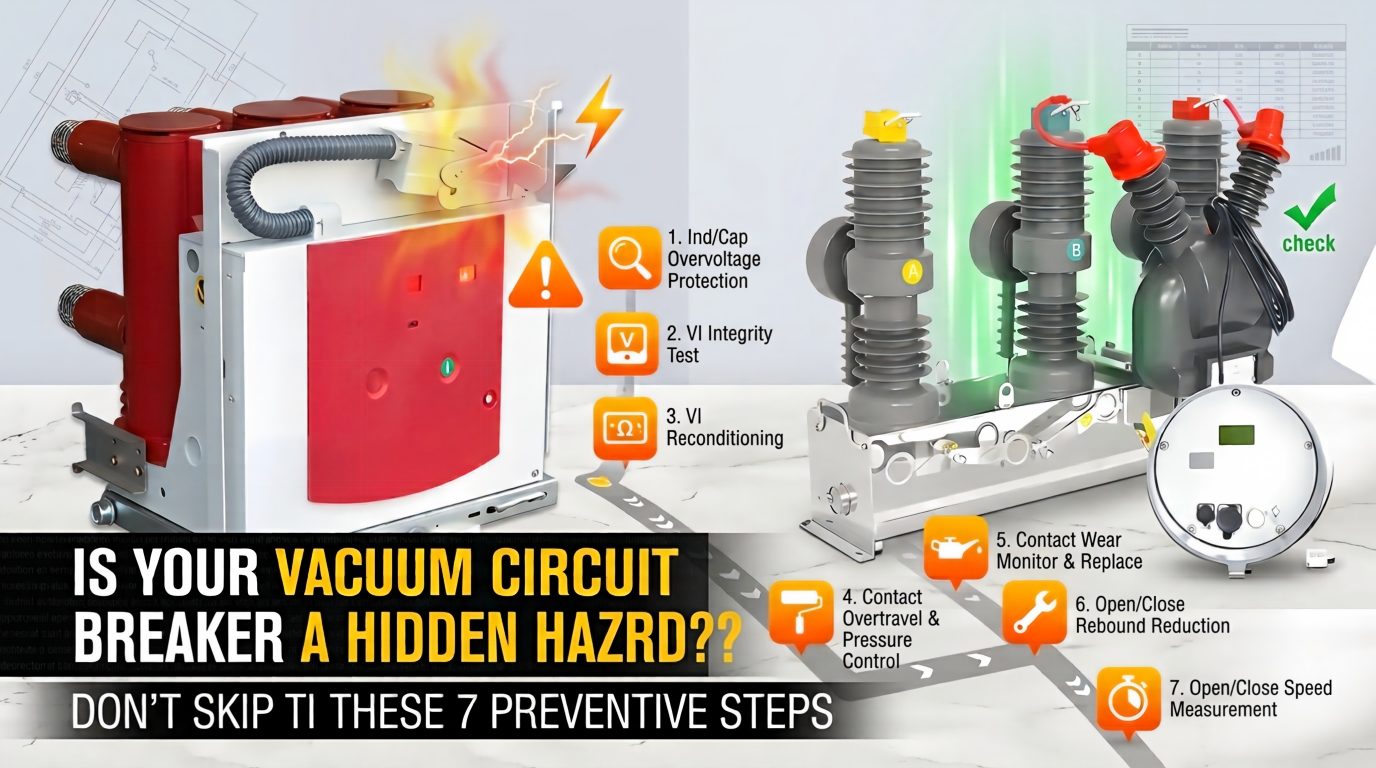
While the vacuum interrupter itself is sealed for life, commissioning tests are necessary to verify the integrity of the breaker before it goes live. The most critical diagnostic is the **Vacuum Integrity Test** (or High Potential Test). Since you cannot visually check the vacuum level inside the opaque ceramic or glass bottle, we apply a high voltage across the open contacts. If the vacuum is compromised, the dielectric strength drops, and the insulation fails.
We also recommend Contact Resistance Measurement. Over time, even high-quality copper-chromium contacts can develop resistance. Using a micro-ohmmeter ensures the resistance remains low to prevent overheating. Additionally, mechanical timing tests check the speed of the opening and closing operations, ensuring the arc is extinguished within the required milliseconds.
Maintenance Best Practices and Troubleshooting
One of the biggest selling points of our VCBs is their “maintenance-free” nature regarding the primary contacts. Because the arc is extinguished in a vacuum, the contacts do not oxidize or degrade like they do in air or oil breakers. However, the **operating mechanism**—the spring or magnetic actuator—does require periodic attention to ensure reliability over its 20 to 30-year service life.
Routine Maintenance Steps:
Visual Inspection: Check for dust accumulation on the insulating housing and clean with a dry cloth.
Lubrication: Apply grease to the moving parts of the spring mechanism every 3-5 years or after a specified number of operations.
Terminal Checks: Tighten busbar connections to prevent hotspots.
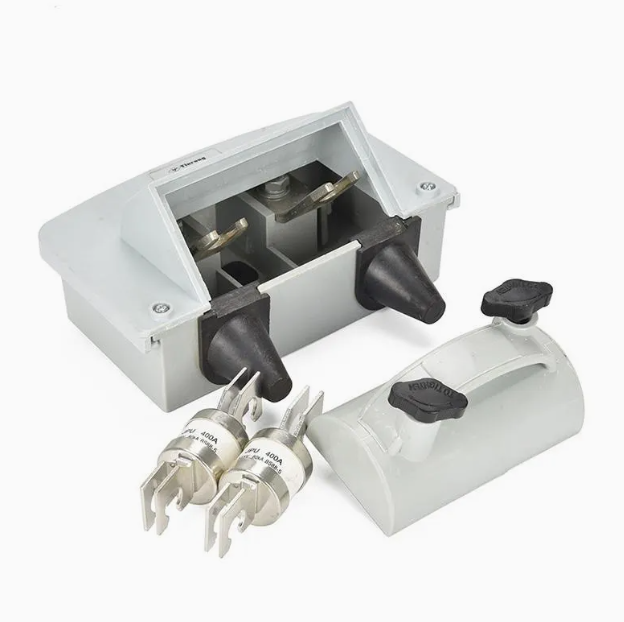
If a fault occurs that exceeds the breaker’s capacity, or if backup protection is needed, integrating a high voltage fuse can provide an additional layer of safety. Troubleshooting usually involves checking the control circuit voltage or the auxiliary switch status if the breaker fails to close. If the vacuum bottle itself fails (indicated by a loss of dielectric strength), it cannot be repaired and must be replaced as a complete unit.