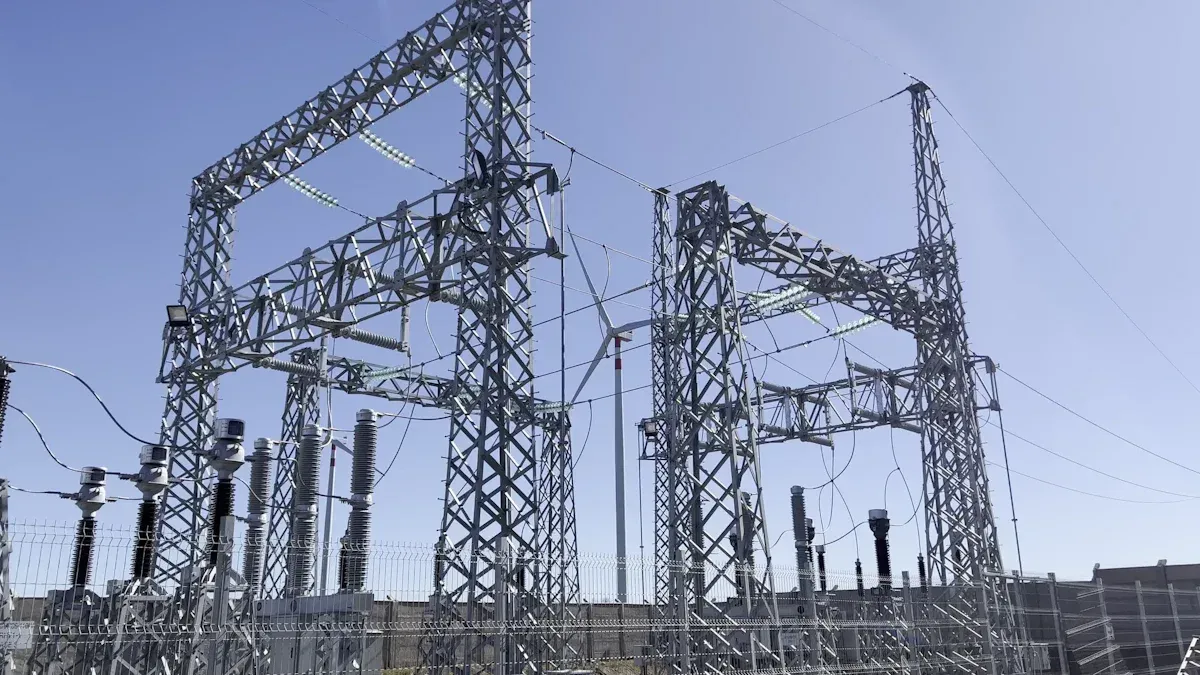
Why a Vacuum Circuit Breaker for High Voltage Distribution?
In high-voltage electrical systems, a circuit breaker is an absolutely critical piece of equipment. It acts like a valve for the grid, protecting expensive equipment and grid stability by instantly interrupting the flow of current during a short circuit or overload.
Choosing the right breaker for high voltage and high current environments is crucial. While air circuit breakers (ACBs) and SF6 breakers were once standard, vacuum circuit breakers (VCBs) have become the clear choice for medium-to-high voltage applications. This guide will take a deep dive into the technical and strategic reasons behind this shift.
We will answer the key question: Why choose Vacuum Circuit Breaker for High Voltage? It will also explore their vital role in modern vacuum breaker electrical systems.
Part 1: The VCB Working Principle & Core Advantages
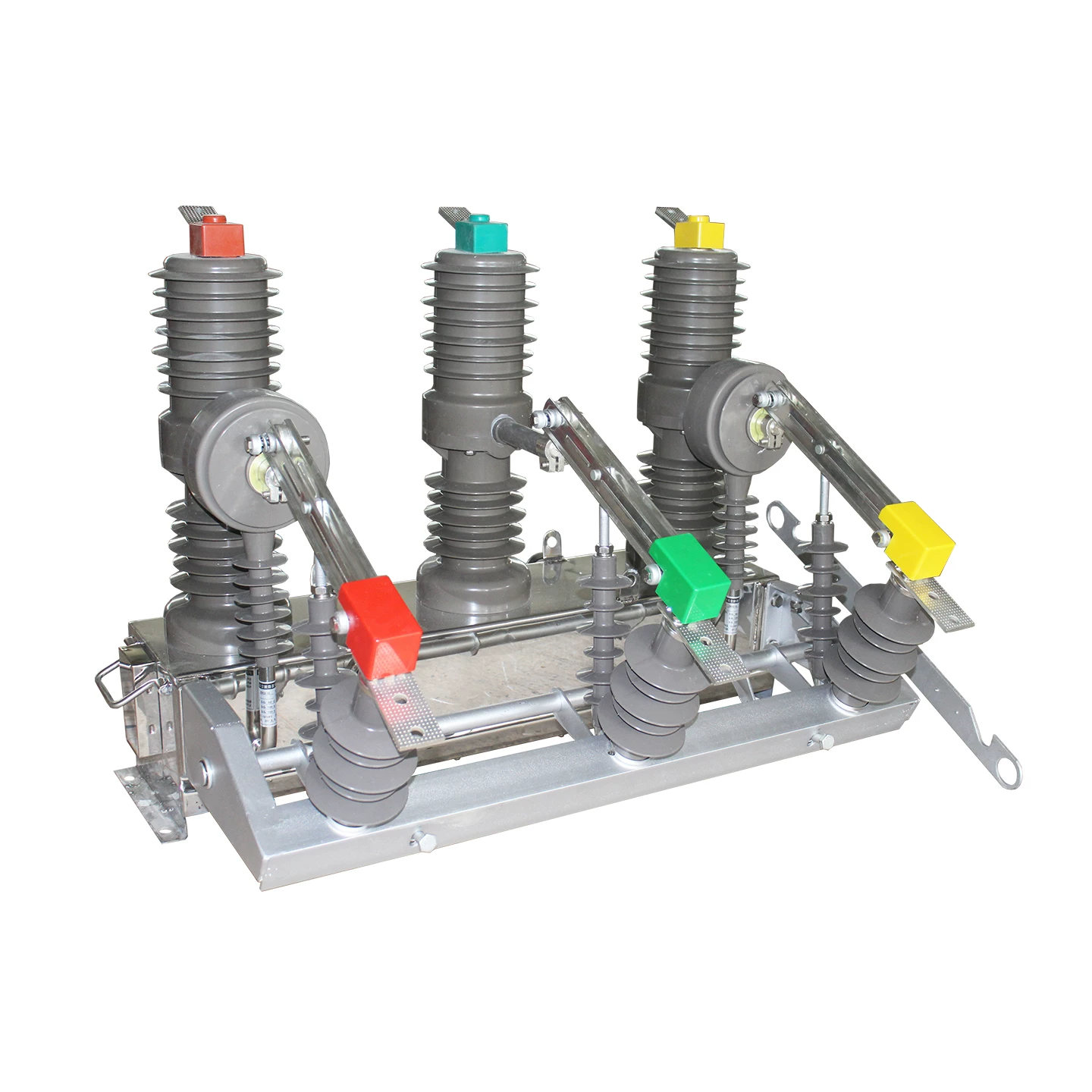
To understand why VCBs are so popular, we must first grasp their core working principle. A high-quality vacuum circuit breaker operating mechanism relies on a sealed vacuum interrupter.
When the electrical contacts separate, an arc begins to form. But the highly vacuumed environment inside the interrupter causes the arc particles to diffuse and recombine almost instantly. This highly efficient arc-quenching method ensures that the arc is extinguished in a fraction of a second, which is the very essence of how a vacuum circuit breaker works.
【Visual Content Module】
This video uses animation to visually demonstrate the internal structure of the vacuum interrupter and its arc-quenching principle, perfectly complementing the written description.
Superior Arc Quenching VCB’s vacuum interrupter provides the ideal medium for extinguishing an arc. When the contacts separate, the arc in the vacuum cools and dissipates rapidly.
This happens because the environment contains no free electrons to form a conductive path. This allows the VCB to safely interrupt high fault currents, significantly reducing contact wear and extending its operational lifespan.
Extremely High Dielectric Strength vacuum is an exceptional insulator. Its dielectric strength is far superior to air or other gases like SF6.
This means a VCB can be designed with a much smaller contact gap while still reliably withstanding extremely high voltages without experiencing electrical breakdown. This characteristic allows VCBs to be used across a broad vacuum circuit breaker voltage range, from 1kV to tens of kilovolts.
Low Maintenance & Long Lifespan VCB's interrupter is a completely sealed unit. It protects its internal vacuum and contacts from external elements like moisture, dust, or corrosive gases.
This sealed-for-life design translates to a maintenance-free operation. It drastically reduces both labor and long-term costs. The minimal contact wear during the arc-quenching process also ensures that the VCB’s mechanical and operational lifespans are much longer than those of other breakers.
Compact Physical SizeThanks to its highly efficient arc-quenching and insulation capabilities, the VCB's interrupter is incredibly small. This allows the entire breaker unit to be designed with a much smaller physical footprint.
This significantly reduces the space needed for installation. In our increasingly urbanized world, the compact nature of VCBs makes them a perfect fit for space-constrained environments like urban substations and industrial distribution rooms.
Part 2: Strategic Considerations for High Voltage Use
Beyond technical performance, there are broader strategic reasons for choosing VCBs. These factors are key to answering why they're used on the HT side and why they're chosen for hv transmission over ACBs.
Exceptional Reliability and The reliability of a high-voltage transmission and distribution system is paramount. Just one unplanned outage can result in massive financial losses.
VCBs, due to their simple, robust design and low maintenance needs, offer extremely high operational reliability. Their ability to quickly interrupt faults also prevents them from spreading throughout the grid.
Environmental Friendliness (sulfur hexafluoride) gas breakers, while excellent performers, use a potent greenhouse gas that is over 23,500 times more potent than carbon dioxide. As environmental regulations become stricter, choosing a VCB is a responsible and future-proof strategic decision.
It uses a naturally occurring vacuum as its medium. This aligns it with modern sustainability goals.
VS. Air Circuit Breakers (ACBs)When it comes to HV transmission and distribution, an ACB’s arc-quenching capability is severely limited by atmospheric pressure. It is simply not fast enough to clear a high-voltage arc.
ACBs also require extensive maintenance and can produce noise and air pollution. Therefore, VCBs have a distinct advantage over ACBs, making them the superior choice for high-voltage applications.
Part 3: The Pros, Cons, and Applications
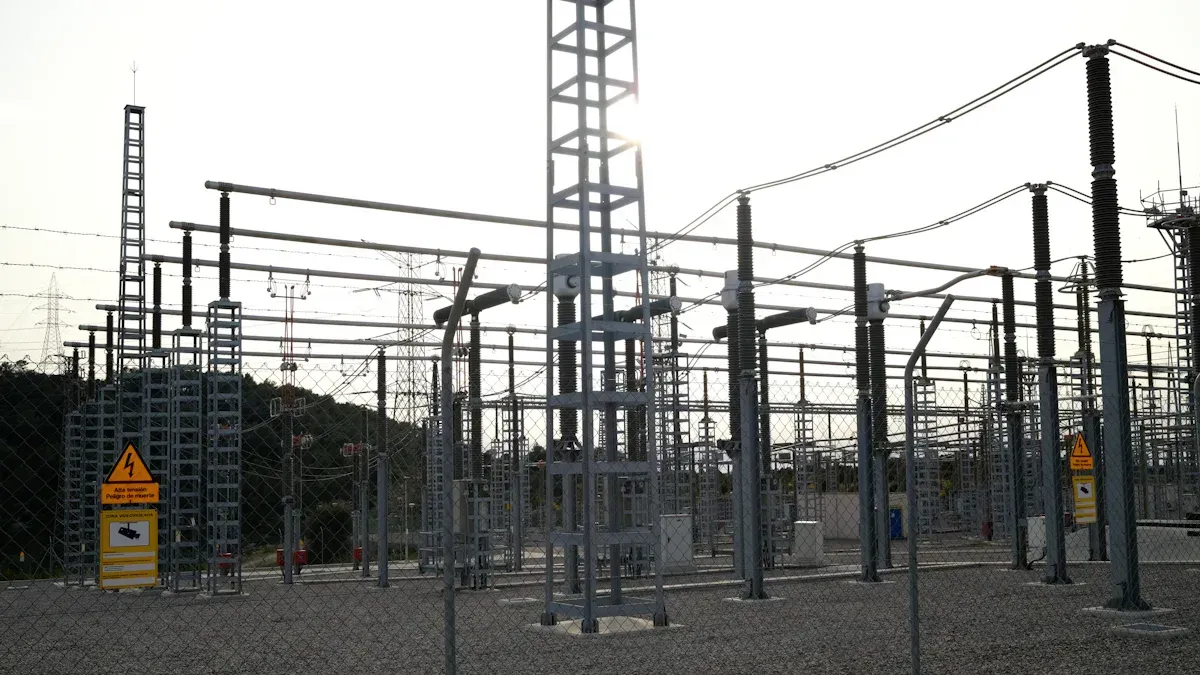
This section will provide a balanced look at the vacuum circuit breaker advantages and disadvantages, and explore the common vacuum circuit breaker application areas.
Advantages Summary recap: a VCB’s key advantages are its superior arc-quenching, high dielectric strength, low maintenance, compact size, high reliability, and environmental friendliness. These characteristics have made it the go-to solution for medium and high-voltage power distribution.
This includes areas like substations, power plants, railways, and industrial facilities.
Limitations AnalysisHowever, no technology is without its limitations. The main drawback of VCBs is their unsuitability for ultra-high voltage (UHV) applications.
This is because, as voltage levels climb, the size and complexity of the vacuum interrupter must increase exponentially. This makes VCBs prohibitively expensive and technically complex to manufacture. Another issue is the "current chopping" phenomenon, which can occur when a VCB interrupts a small inductive current. This requires additional protective measures to manage.
Part 4: VCB vs. Other Breakers: A Key Comparison
Engineers and decision-makers often need to compare VCBs with other technologies. This section directly addresses the vacuum circuit breaker vs gas circuit breaker debate and answers why we use VCBs instead of ACBs.
VCB vs. SF6 BreakersWhile SF6 breakers are still superior for UHV applications, they use a highly potent greenhouse gas. This gas is costly to handle and recycle.
In contrast, VCBs have no such environmental issues. This makes them the more sustainable and cost-effective choice for medium and high-voltage applications.
VCB vs. ACBVCBs are simply a better choice than ACBs across the board. They are superior in arc-quenching efficiency, physical size, reliability, and maintenance costs.
VCBs have effectively replaced ACBs in all but the lowest voltage distribution applications.
Part 5: Installation and Maintenance Guide
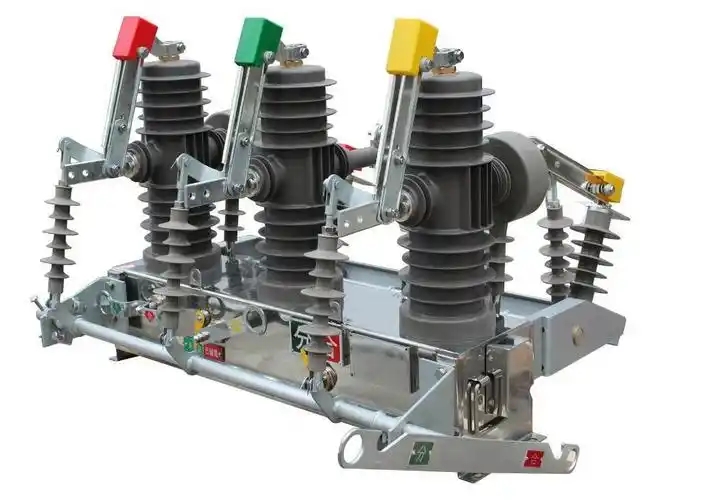
Proper installation and routine maintenance are crucial for ensuring the long-term reliability of a VCB.
Installation Essentials installing a VCB, you must strictly follow the manufacturer’s manual. Ensure that the breaker is installed in a clean and dry environment.
All electrical connections should be securely tightened to meet current ratings. It's also vital to calibrate the operating mechanism to ensure the correct stroke and timing.
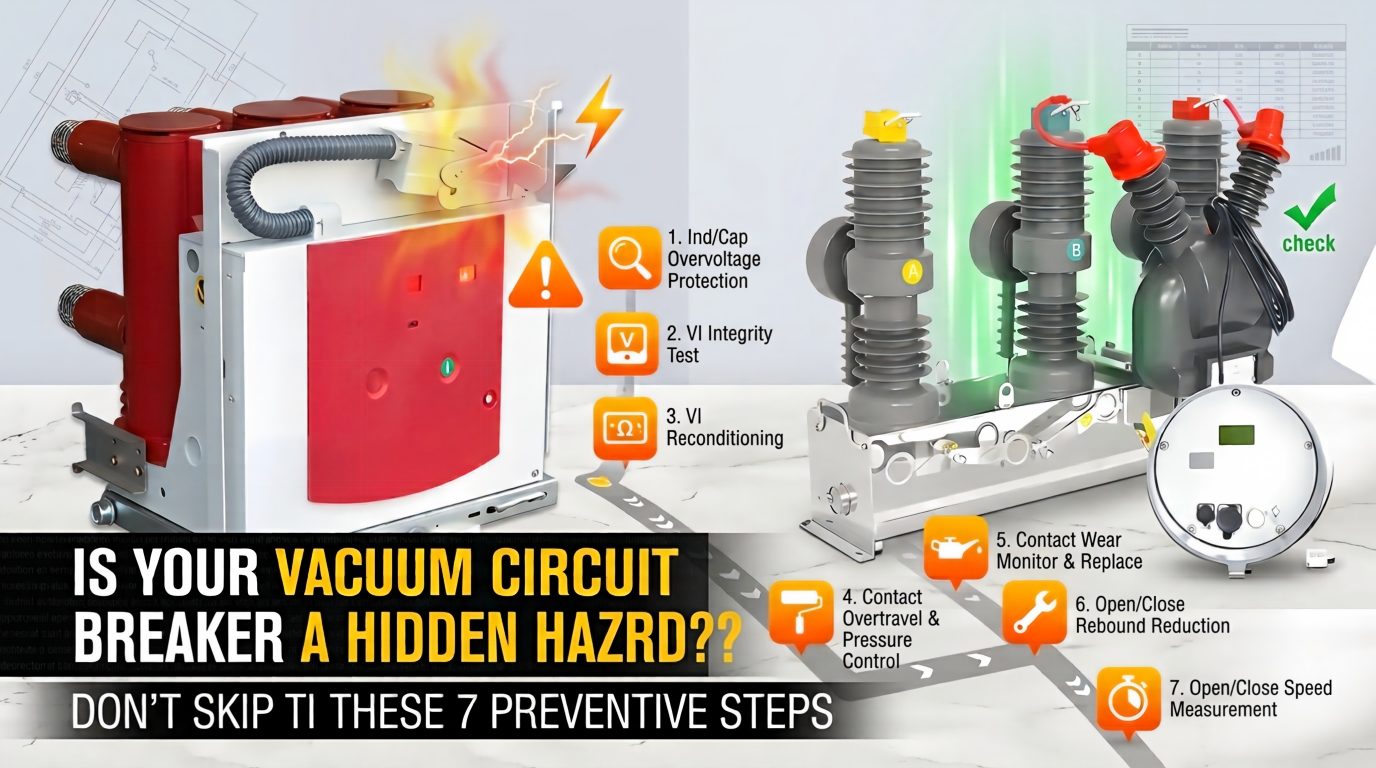
Routine Maintenance Routine maintenance for a VCB is relatively straightforward. It primarily includes regularly cleaning the exterior and checking that connection bolts are secure.
Another key task is to lubricate the mechanical parts of the operating mechanism. Most importantly, you need to periodically test the vacuum level of the interrupter; if it's compromised, the interrupter must be replaced.
Part 6: Future Development Trends
Vacuum circuit breaker technology is continuously evolving to meet the demands of the future grid.
DigitalizationFuture VCBs will be increasingly integrated into smart grids. They will include embedded sensors and communication modules.
This will enable remote monitoring, fault self-diagnosis, and predictive maintenance. This will drastically improve grid automation and efficiency.
Higher Voltage ApplicationsDespite current limitations, researchers are developing new interrupter structures and materials. The goal is to push vacuum technology into higher voltage classes.
This will expand the application of VCBs and further reduce the industry’s reliance on SF6.
Conclusion: The Rational Choice for High-Voltage
In summary, vacuum circuit breakers have become the undeniable choice for modern medium and high-voltage electrical systems. They offer a winning combination of superior arc-quenching, high reliability, low maintenance, and environmental friendliness.
While they have some limitations, their advantages in their primary application areas are unmatched. This chooses a VCB, not just a technical one, but a rational investment in system safety, economic efficiency, and a sustainable future.