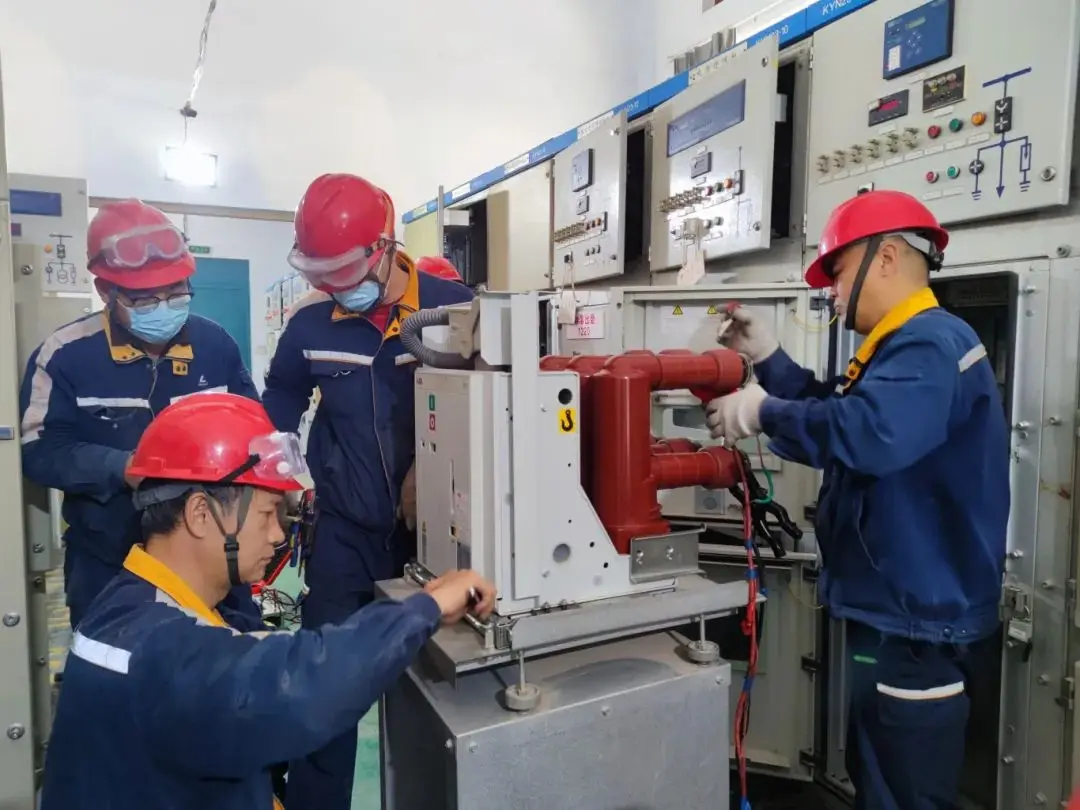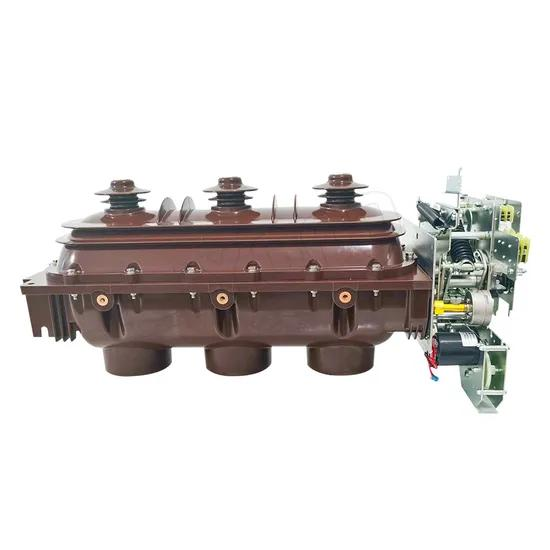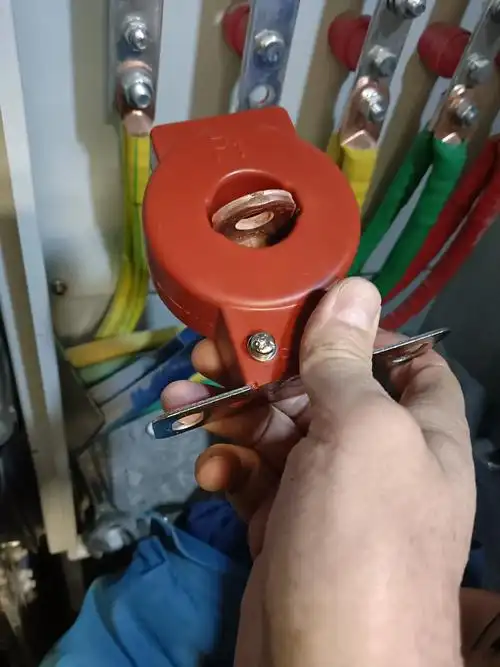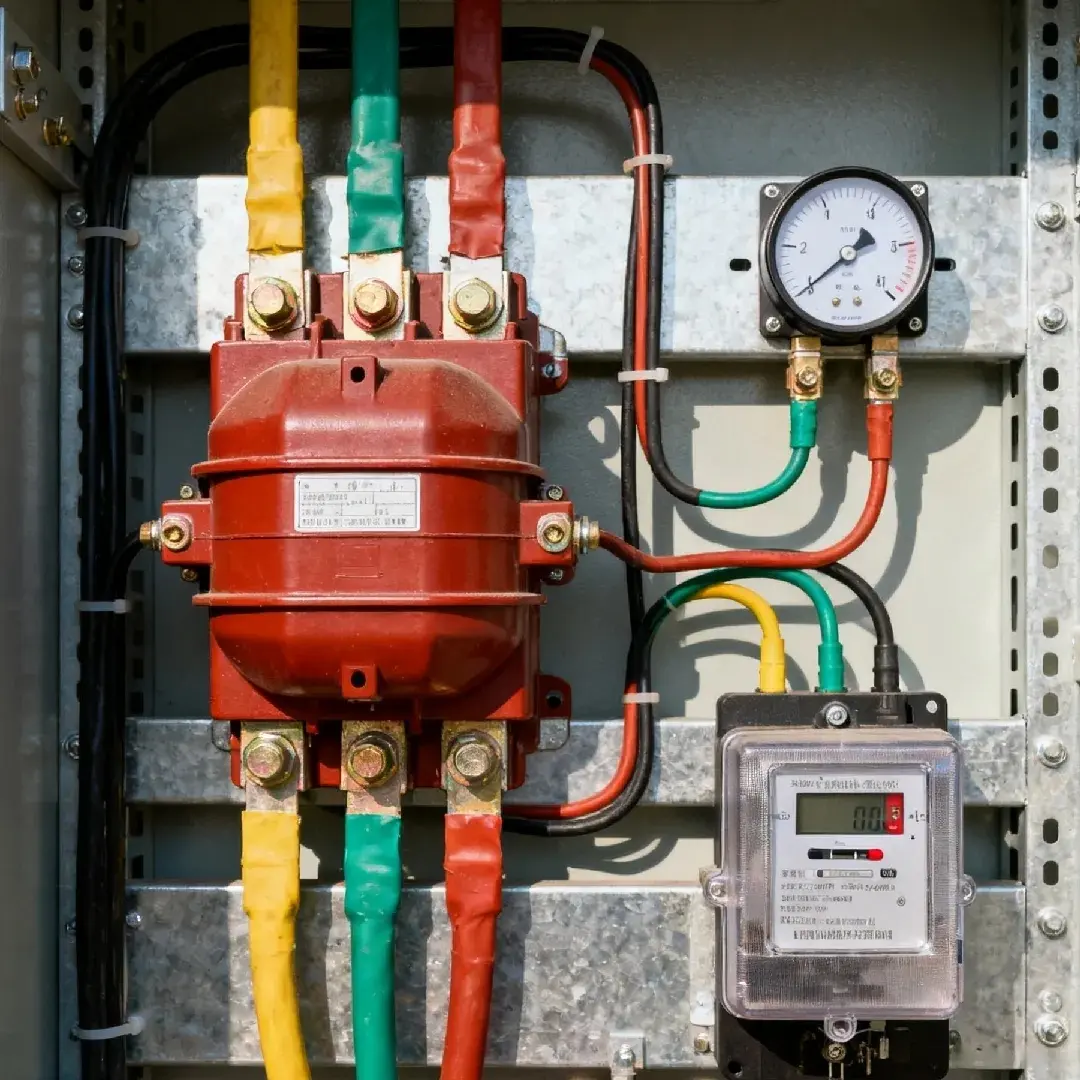
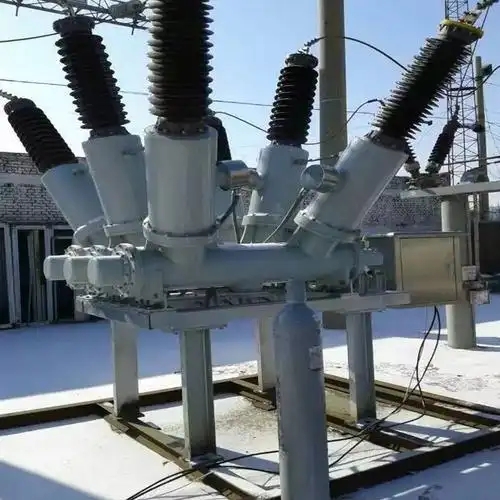
You should pick 3-pole circuit breakers for big jobs. These work well for high-load, three-phase, or industrial projects. Single-pole circuit breakers are good for smaller loads. They fit best with single circuits. Your choice should match your project’s needs. Think about load, voltage, safety, and cost. Look at these important things when you decide:
System voltage and phase needs are very important.
Three-phase systems use 3-pole circuit breakers in factories.
The equipment you use and the place also matter.
Key Takeaways
Pick 3-pole circuit breakers for big projects with heavy loads. They work best in three-phase systems and in factories.
Use single-pole circuit breakers for smaller loads and single-phase circuits. They save money and take up less space.
Always choose a circuit breaker that fits your project's voltage and load. This keeps things safe and reliable.
Think about how much it costs to install and maintain. Single-pole breakers cost less and are easier to put in. 3-pole breakers protect bigger systems better.
Plan for the future. Pick breakers that can handle more load or new circuits. This helps you avoid expensive changes later.
Follow safety rules and laws when picking circuit breakers. This stops accidents and keeps you following the rules.
Ask an expert if you are not sure what to pick. A professional can help you choose the right breaker for your needs.
Test and check your circuit breakers often. This keeps your electrical system safe and working well.
Quick Comparison: Circuit Breakers
Key Differences
You need to know how single-pole and 3-pole circuit breakers compare. The table below shows the main differences in voltage, load capacity, and space requirements. This helps you see which type fits your project.
Parameter | Single-Pole Circuit Breaker | 3-Pole Circuit Breaker |
|---|---|---|
Typical Voltage | 230V at 40A (9.2kW) | 400V at 100A per phase (69kW) |
Load Capacity | Up to 15kW with 63A | 50kW to 500kW+ with 250A+ |
Space Needed | 1 slot | 3 slots |
Cost | Lower | Higher |
Application | Single-phase circuits | Three-phase systems |
You see that single-pole circuit breakers work for smaller loads and take less space. You pay less for them. 3-pole circuit breakers handle much bigger loads and need more space in your panel. You use them for heavy-duty jobs.
Main Features
You should look at how each type works. Here are the main features:
Single-pole circuit breakers control one wire. You use them for single-phase loads.
3-pole circuit breakers manage three wires together. You use them for three-phase systems.
3-pole circuit breakers disconnect all phases at once. This keeps your equipment safe in factories.
Single-pole circuit breakers only manage one load at a time.
Tip: If you need to protect a big machine or a large system, choose 3-pole circuit breakers. If you want to protect a single outlet or light, use single-pole circuit breakers.
Typical Applications
You must match the breaker to your project. Here are common uses:
Single-pole circuit breakers fit homes, small offices, and single circuits like lights or outlets.
3-pole circuit breakers work best in factories, data centers, and places with large motors or HVAC systems.
You use 3-pole circuit breakers for three-phase power. You use single-pole circuit breakers for single-phase power.
If you plan a project with high voltage and big machines, you need 3-pole circuit breakers. For simple jobs with lower loads, single-pole circuit breakers are enough.
Single-Pole HV Circuit Breakers
What Is a Single-Pole Breaker
A single-pole breaker protects one path in a high-voltage system. It opens or closes just one circuit. If there is a fault or too much current, it stops the electricity. You see single-pole breakers in systems that do not need three-phase protection. These breakers work well for simple high-voltage circuits. They let you control only one line.
Single-pole HV circuit breakers are used to protect one piece of equipment. You find them in substations, industrial plants, and big commercial buildings. They help keep your system safe and reliable. They stop dangerous currents fast.
Features
Single-pole HV circuit breakers have important features. You should know these before you choose one:
High Voltage Ratings: These breakers handle very high voltages. Most single-pole HV breakers work from 362 kV to 420 kV.
Strong Breaking Capacity: They can stop large fault currents. The breaking current is usually from 40 kA to 63 kA.
High Rated Current: You can use them for circuits up to 5000 A.
Compact Design: Single-pole breakers use less space than multi-pole ones. This helps when you have little room in your panel.
Simple Operation: You control just one phase or line. This makes installation and fixing easier.
Here is a quick look at the main specifications:
Specification | Unit | Range |
|---|---|---|
Rated voltage | kV | 362-420 |
Short-circuit breaking current | kA | 40-63 |
Rated current | A | 5000 |
Note: Always check the ratings for your project. Not all single-pole breakers have the same limits.
Applications
You can use single-pole HV circuit breakers in many places. These breakers work best when you need to protect one high-voltage line. Here are some common uses:
Substations: You see single-pole breakers in transmission and distribution substations. They help you isolate lines for repairs or emergencies.
Industrial Plants: Big factories use these breakers to protect machines or parts of their power system.
Renewable Energy: Wind farms and solar plants use single-pole breakers to connect or disconnect parts of their grid.
Railways: High-voltage rail systems use these breakers to control power to different track sections.
Pick single-pole HV circuit breakers when you want simple and safe protection for one circuit. They give you safety and flexibility in high-voltage projects.
Pros
If you pick a single-pole HV circuit breaker, you get many good things. These breakers help you save money. They are easy to put in. They keep your system working well. The table below shows the main benefits:
Advantage | Description |
|---|---|
Low Maintenance | You only need to clean and check connections during routine maintenance. |
High Reliability | The simple design and low maintenance needs make these breakers very reliable. |
Cost-Effectiveness | You spend less over time because you do not need frequent repairs or expensive upkeep. |
Single-pole HV circuit breakers help you spend less money. You do not need to do much work to keep them running. You only need to clean and check connections sometimes. This makes your job easier. You do not have to stop work for a long time.
These breakers are very reliable. Their simple design means there are fewer parts to break. You do not need to fix hard problems. Your system stays safe and works well for years. You can trust these breakers to protect your equipment.
You save money over time. You do not need to buy extra parts. You do not need to pay special workers. You can use your money for other things in your project. This makes single-pole HV circuit breakers a smart choice for many jobs.
Here are some good things you should know:
Easy Installation: You can put in single-pole breakers fast. You do not need special tools or skills. This helps you finish your project quickly.
Space Saving: These breakers use less space in your panel. You can fit more things in a small space.
Simple Operation: You only control one line. You do not need to handle many phases. This makes your system easier to use and fix.
Flexible Use: You can use single-pole breakers in lots of places. They work well in substations, factories, and renewable energy projects.
Tip: If you want a breaker that is easy to put in and take care of, single-pole HV circuit breakers are a great choice. You can work on your project without worrying about hard repairs.
Single-pole HV circuit breakers give you a safe, cheap, and easy way to protect your project. These benefits help you keep your project running well.
3-Pole HV Circuit Breakers
What Is a 3-Pole Breaker
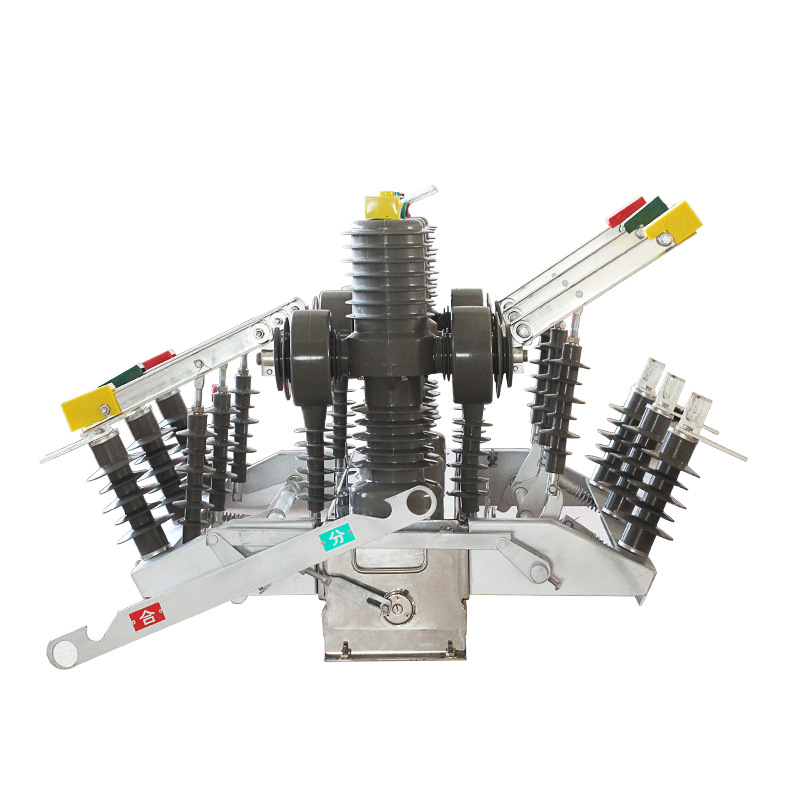
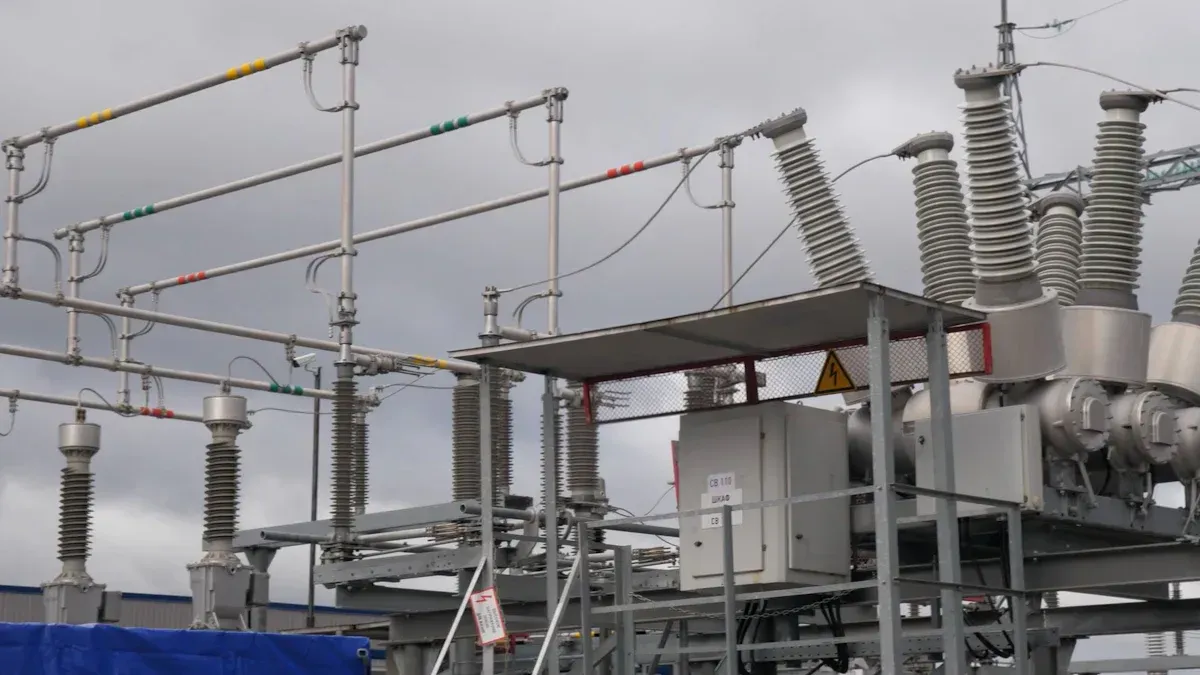
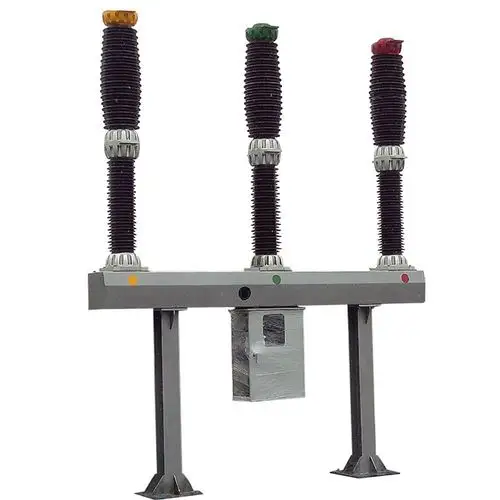
A 3-pole breaker protects three wires at once. It works best in three-phase systems. When you turn it off, all three lines stop together. This helps keep machines and people safe. You see 3-pole breakers in big factories and power plants. They are also in large buildings. These breakers handle high voltages and lots of electricity. If you need to control a big system, think about using 3-pole breakers.
Features
3-pole HV circuit breakers have many good features. These features help keep your system safe and working well. The table below shows the main features:
Feature | Description |
|---|---|
Reliability | Extremely high reliability |
Maintenance | Completely maintenance-free throughout its lifetime |
Mechanical and Electrical Life | High mechanical and electrical life |
Size | Small in size, light in weight, easy to install |
Insulation Performance | Good insulation and strong anti-pollution ability |
Breaking Performance | Excellent breaking performance, high breaking capacity |
Mechanical Life | Mechanical life up to 10,000 times |
Current Transformers | Can be installed with high accuracy as needed |
You get more good things with these breakers. They do not harm the environment. They do not use SF6 or F-gases. They do not make greenhouse gases. They do not use toxic insulation gases. You do not need special safety steps for maintenance.
You can use these breakers in many places. They work well in very cold weather, even down to -60°C. You do not need to do much maintenance. The interrupter unit lasts as long as the breaker. You can trust these breakers to work every time.
Tip: Pick a 3-pole breaker if you want a safe and strong solution for your high-voltage system.
Applications
You see 3-pole HV circuit breakers in big projects. They protect and control large systems. Here are some common uses:
High-voltage circuit breakers in power stations
Generators in large plants
Transmission lines for sending power far away
Distribution systems for factories and cities
Circuit switchers in substations
You use these breakers for high voltages and big machines. They help keep your system safe and working well. If you work on a big project, you will probably need 3-pole HV circuit breakers.
Pros
When you pick a 3-pole HV circuit breaker, you get many good things. These breakers help your project work well and stay safe. They are best for big systems and places that use a lot of power. Here are the main good points you should know:
1. Enhanced Safety
You protect all three phases at once. This stops problems if only one phase turns off. Your team and equipment stay safe. You lower the chance of electrical accidents.
2. Reliable Operation
You get steady performance every time. 3-pole breakers can handle high voltages and big currents. You can trust them to work when you need them. They rarely break, even in hard jobs.
3. Efficient System Protection
You control three-phase circuits with just one breaker. This makes your system easier to use. You save time when you fix or check things. You do not have to turn off each phase by itself.
4. Suitable for Heavy Loads
You use 3-pole breakers for big machines and motors. These breakers can handle lots of power and big loads. You do not worry about overloads or faults hurting your system.
5. Space and Panel Organization
You keep your panel neat. One 3-pole breaker does the job of three single-pole breakers. You use less space and make wiring simple. Your panel is easy to look after.
6. Compliance and Standards
You follow the rules for three-phase protection. Many rules say you must use 3-pole breakers in big buildings. You do not get fines and your project stays legal.
7. Long Service Life
You get a breaker that lasts a long time. These breakers work for many years. You do not need to buy new ones often. You save money because you do not replace them much.
Tip: If you want your three-phase system to be safe and strong, think about using a 3-pole HV circuit breaker.
Here is a quick table of the main good points:
Advantage | What You Gain |
|---|---|
Safety | Protects all phases together, reduces risks |
Reliability | Works well in harsh conditions, rarely fails |
Efficiency | Simplifies control and isolation |
Heavy Load Handling | Manages large machines and motors |
Space Saving | Keeps panels organized, reduces clutter |
Compliance | Meets regulations and standards |
Longevity | Lasts for years, lowers replacement costs |
You can see that 3-pole HV circuit breakers give you strong safety, easy use, and peace of mind. You make your project safer and better when you pick this kind of breaker.
Choosing the Right Circuit Breakers
Project Size & System
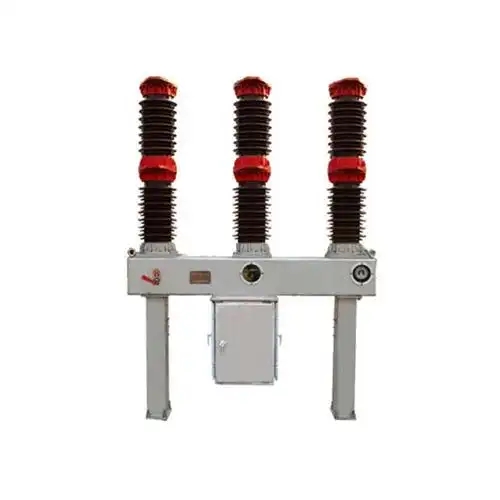
You need to look at the size of your project before you choose a circuit breaker. Small projects, like a single machine or a small building, often need less protection. You can use a single-pole breaker for these jobs. Large projects, such as factories or data centers, need more power and more protection. You should use a 3-pole breaker for these systems.
Think about the type of electrical system you have. If your system uses single-phase power, you only need to protect one wire. If your system uses three-phase power, you must protect all three wires at the same time. This keeps your equipment safe and helps your system work well.
Here is a simple way to match your project size and system to the right breaker:
Project Type | System Type | Recommended Breaker |
|---|---|---|
Small office | Single-phase | Single-pole |
Large factory | Three-phase | 3-pole |
Data center | Three-phase | 3-pole |
Home | Single-phase | Single-pole |
Tip: Always check your system type before you buy a breaker. This helps you avoid mistakes and keeps your project safe.
Voltage & Load
You must know the voltage and load of your system. Voltage tells you how strong the electricity is. Load tells you how much power your system uses. If you pick a breaker that cannot handle your voltage or load, your system may fail.
Single-pole breakers work for lower voltages and smaller loads. You use them for lights, outlets, and small machines. 3-pole breakers work for higher voltages and bigger loads. You use them for large motors, HVAC systems, and big machines.
Follow these steps to choose the right breaker for your voltage and load:
1. Find out the voltage of your system. Look at your equipment labels or ask your electrician.
2. Measure the total load. Add up the power used by all machines and devices.
3. Choose a breaker that matches or exceeds your voltage and load needs.
Breaker Type | Typical Voltage | Typical Load | Best For |
|---|---|---|---|
Single-pole | Up to 230V | Up to 15kW | Small circuits |
3-pole | Up to 400V+ | 50kW to 500kW+ | Large systems |
Note: Never use a breaker with a lower rating than your system needs. This can cause safety problems.
Cost Factors
You want to save money, but you also want your project to be safe. Cost is important when you choose circuit breakers. Single-pole breakers cost less. You spend less money on them. They work well for small jobs. 3-pole breakers cost more. You pay more for them, but they protect bigger systems.
Think about these cost factors:
Upfront Cost: Single-pole breakers have a lower price. 3-pole breakers cost more because they protect more wires.
Installation Cost: You pay less to install single-pole breakers. 3-pole breakers need more work and may cost more to install.
Maintenance Cost: Single-pole breakers are easy to check and fix. 3-pole breakers may need more care, but they last longer.
Long-Term Value: 3-pole breakers protect your system better. You may save money over time because your equipment stays safe.
Here is a table to help you compare costs:
Cost Factor | Single-Pole Breaker | 3-Pole Breaker |
|---|---|---|
Upfront Price | Low | High |
Installation | Easy, cheap | More work, higher |
Maintenance | Simple, low cost | May need more care |
Long-Term Value | Good for small jobs | Best for big jobs |
Tip: Do not pick a breaker just because it costs less. Make sure it fits your project and keeps your system safe.
Safety & Reliability
You want your electrical system to be safe and work well. When you pick a circuit breaker, you need to think about how it protects people and equipment. Safety means the breaker stops dangerous currents before they hurt anyone. Reliability means the breaker works every time you need it to.
A single-pole HV circuit breaker protects just one line. You use it for simple systems with small loads. It gives you basic safety. If something goes wrong, the breaker trips and stops the electricity. This keeps your equipment safe and helps prevent fires or shocks.
A 3-pole HV circuit breaker protects three lines at the same time. You use it for three-phase systems. It gives you better safety for big machines and large buildings. If there is a problem, the breaker shuts off all three phases together. This helps stop damage to motors and keeps workers safe.
Here are some ways to make your system safer and more reliable:
Pick a breaker with the right voltage and current.
Make sure the breaker fits your system type.
Test your breakers often to see if they work.
Teach your team how to find and fix problems fast.
Tip: Always use a breaker that meets safety rules for your project. This helps stop accidents and keeps your system working.
You should also look for features that make breakers more reliable. Some breakers last a long time and do not need much care. Others work well in bad weather or dirty places. If you want the best protection, pick a breaker with strong insulation and high breaking capacity.
Here is a quick table to help you compare safety and reliability:
Feature | Single-Pole Breaker | 3-Pole Breaker |
|---|---|---|
Protection Scope | One line | Three lines |
Fault Isolation | Simple faults | Complex faults |
Safety Level | Basic | Advanced |
Reliability | High for small loads | High for large loads |
Risk Reduction | Good for small circuits | Best for big systems |
You lower risks when you pick the right breaker. You keep your system safe and help your equipment last longer. Always think about safety and reliability before you buy a circuit breaker.
Common Mistakes
System Compatibility
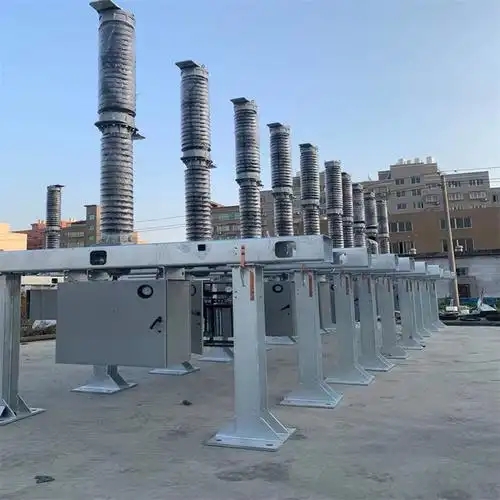
You need to match your circuit breaker to your system. Many people pick the wrong type or rating. If you use a breaker with the wrong current, you might blow a fuse during normal use. The breaker may not trip when there is a fault. This can hurt your equipment.
You should check fuse coordination, too. If you skip this, many devices might trip at the same time. This causes more downtime and can damage things. Picking a breaker with the wrong voltage rating is also a mistake. This can make insulation fail. Your breaker may not stop dangerous currents.
The table below lists common mistakes and why they matter:
Mistake | Why It Matters |
|---|---|
Using incorrectly rated current | It can make the fuse blow or not work during a fault. |
Ignoring fuse coordination | May cause many devices to trip and more downtime. |
Selecting a fuse with the wrong voltage rating | Risks include insulation problems and poor current interruption. |
Overlooking the operating environment | Temperature, altitude, and humidity change how the breaker works. |
You should always check the operating environment. High temperature, altitude, or humidity can change how your breaker works. Make sure your breaker fits your project’s needs.
Safety Oversights
You must follow safety steps every time you work with high-voltage equipment. Many people forget to check the voltage on both sides of the breaker. This can cause dangerous shocks. Always make sure the circuit is off before you touch anything.
You should connect the grounding wires to the ground terminal first. Then, connect them to the conductor. Skipping this step can be risky. Some people rush or skip grounding steps. This can be unsafe for everyone.
Here are some common safety mistakes:
Not checking the voltage on both sides of the breaker.
Connecting grounding wires in the wrong order.
The thinking equipment is off without checking.
Rushing or skipping grounding steps.
Tip: Go slow and follow every safety step. This keeps you and your team safe.
Ignoring Expansion
You may only think about what you need now. This is a mistake. Projects often get bigger over time. If you do not plan for future growth, you may need new breakers sooner.
You should pick breakers that can handle more load or extra circuits. This saves you time and money later. If you ignore expansion, you may have to pay for upgrades or deal with downtime.
Think about these questions:
Will your system need more power later?
Can your panel fit more breakers if needed?
Do your breakers allow extra circuits or higher loads?
Note: Planning for growth helps your project stay safe and reliable as it changes.
You avoid many problems when you pick the right Circuit Breakers and plan for the future.
Cost vs. Value
You might think saving money is the best choice when picking HV circuit breakers. Many people look at the price tag first. This can lead to mistakes that cost more in the long run. You need to understand the difference between cost and value.
Cost means the amount you pay upfront. Value means what you get for your money over time. A cheap breaker may seem like a good deal. If it fails or needs lots of repairs, you spend more later. You should look at the total value, not just the price.
Here are common mistakes you can make when you focus only on cost:
You buy the cheapest breaker without checking its ratings.
You ignore quality and reliability.
You skip features that improve safety.
You forget about future maintenance costs.
You do not think about how long the breaker will last.
Tip: Always ask yourself, "Will this breaker protect my system for years, or will I need to replace it soon?"
Let’s compare cost and value using a simple table:
Factor | Low-Cost Breaker | High-Value Breaker |
|---|---|---|
Upfront Price | Low | Higher |
Reliability | May fail often | Works well for years |
Safety Features | Basic | Advanced |
Maintenance Needs | Frequent repairs | Minimal upkeep |
Lifespan | Short | Long |
Total Cost Over Time | High (due to repairs) | Lower (less downtime) |
You see that a high-value breaker may cost more at first. You save money over time because it works better and lasts longer. You avoid expensive repairs and downtime.
You should also think about the risks. A cheap breaker can fail during a fault. This can damage your equipment or cause safety problems. You might pay more for repairs or even face fines if you do not meet safety rules.
Here are the steps you can follow to get the best value:
1. Check the ratings and certifications.
2. Look for strong safety features.
3. Ask about the expected lifespan.
4. Find out how much maintenance is needed.
5. Compare the total cost over five or ten years.
Note: Investing in quality now helps you avoid problems later. You protect your project and save money in the long run.
You make a smart choice when you balance cost and value. You keep your system safe and reliable. You spend less time and money fixing problems. Always look beyond the price tag and choose the breaker that gives you the best value.
Case Studies
Industrial Facility
You manage a large industrial plant. The machines run on three-phase power. You need strong protection for motors, conveyors, and control panels. You choose 3-pole circuit breakers for your main switchboards. These breakers protect all three wires at once. If a fault happens, you shut down the whole system quickly. This keeps your workers safe and prevents damage to expensive equipment.
You also use single-pole circuit breakers for smaller tasks. These breakers protect lighting circuits and office outlets. You save space in your panel and keep costs low for simple jobs. When you plan your system, you match each breaker to the load and voltage. This helps you avoid downtime and keeps your plant running smoothly.
Tip: Always check the load and voltage before you pick a breaker for each part of your facility.
Utility Substation
You work at a utility substation. Your job is to keep the power grid stable. You use single-pole circuit breakers to isolate transmission lines. These breakers let you disconnect one line for repairs or emergencies. You keep the rest of the system running while you fix problems.
For the main busbars and transformers, you install 3-pole circuit breakers. These breakers protect the entire three-phase system. If a fault occurs, you disconnect all phases at once. This stops the spread of damage and keeps the grid safe. You follow strict safety rules and test your breakers often.
Here is a table to show how you use each type of breaker:
Area | Breaker Type | Purpose |
|---|---|---|
Transmission lines | Single-pole | Isolate one line |
Busbars/Transformers | 3-pole | Protect three-phase |
Note: Utility substations need reliable breakers to prevent blackouts and protect the grid.
Renewable Energy
You design a wind farm. Each turbine connects to the grid with high-voltage lines. You use single-pole circuit breakers to protect each turbine. If one turbine has a fault, you disconnect it without affecting the others. This keeps most of your wind farm working.
For the main connection to the grid, you install 3-pole circuit breakers. These breakers handle the total output from all turbines. If there is a problem with the main line, you disconnect all phases at once. This protects your equipment and helps you meet safety standards.
You also use circuit breakers in solar power plants. You protect each solar array with single-pole breakers. For the main inverter station, you use 3-pole breakers. This setup gives you flexibility and strong protection.
Tip: In renewable energy projects, plan for future expansion. Choose breakers that can handle more load if you add new turbines or solar panels.
Recommendations
Decision Checklist
You want to make the right choice for your project. Use this checklist to help you decide which type of breaker fits your needs. Go through each point and check if it matches your situation.
1. Project Type
Identify if your project is small, medium, or large. Small projects often need single-pole breakers. Large projects usually need 3-pole breakers.
2. System Voltage
Check the voltage of your system. Single-pole breakers work for lower voltages. 3-pole breakers handle higher voltages.
3. Load Requirements
Calculate the total load. If your system uses heavy machines or motors, you need a breaker that can handle high loads.
4. Phase Type
Find out if your system is single-phase or three-phase. Three-phase systems require 3-pole breakers.
5. Panel Space
Look at your panel. Make sure you have enough space for the breaker you choose.
6. Budget
Decide how much you can spend. Single-pole breakers cost less. 3-pole breakers cost more but offer better protection for big systems.
7. Safety Standards
Make sure your choice meets safety rules and local codes.
8. Future Expansion
Think about future needs. Choose a breaker that allows for growth if you plan to add more equipment.
Here is a simple table to help you review your decision:
Checklist Item | Single-Pole Breaker | 3-Pole Breaker |
|---|---|---|
Small Project | ✔️ | |
Large Project | ✔️ | |
Low Voltage | ✔️ | |
High Voltage | ✔️ | |
Single-Phase | ✔️ | |
Three-Phase | ✔️ | |
Limited Space | ✔️ | |
High Load | ✔️ | |
Low Budget | ✔️ | |
Future Expansion | ✔️ | ✔️ |
Tip: Go through each item before you buy. This helps you avoid mistakes and keeps your project safe.
Getting Expert Advice
You may feel unsure about which breaker to choose. Getting advice from an expert can help you avoid costly errors. An electrical engineer or a licensed electrician knows how to match the right breaker to your system.
You should ask questions about your project’s size, voltage, and load. Share your plans for future expansion. Experts can review your panel and suggest the best options. They also know the latest safety codes and standards.
You can contact local professionals or reach out to manufacturers. Many companies offer free consultations. You can send them your project details and get recommendations.
Note: Experts help you save time and money. They make sure your system works well and meets all safety rules.
You make better choices when you use a checklist and get expert advice. You keep your project safe and reliable. Circuit Breakers protect your equipment and help your system run smoothly.
You should choose single-pole Circuit Breakers for small projects with low voltage. You need 3-pole breakers for large systems and heavy loads. Always check your project’s size, voltage, and safety needs before you decide. If your project is complex or high-risk, ask an expert for advice. Review your equipment specs and local codes. This helps you keep your system safe and reliable.
Tip: Careful planning makes your electrical system work better and last longer.
FAQ
What is the main difference between a single-pole and a 3-pole HV circuit breaker?
You use a single-pole breaker for one circuit or phase. You use a 3-pole breaker for three-phase systems. A 3-pole breaker disconnects all three wires at once for better protection.
Can I use a single-pole breaker in a three-phase system?
You should not use single-pole breakers for three-phase systems. You need a 3-pole breaker to protect all wires together. This keeps your equipment and team safe.
How do I know which breaker fits my project?
You check your system type, voltage, and load. If you have a small, single-phase project, pick a single-pole breaker. For large, three-phase jobs, choose a 3-pole breaker.
Are 3-pole breakers more expensive than single-pole breakers?
Yes, you pay more for 3-pole breakers. They protect bigger systems and handle higher loads. You spend less on single-pole breakers for small jobs.
Do I need special tools to install HV circuit breakers?
You use basic electrical tools for most installations. For high-voltage systems, you may need safety gear and testing equipment. Always follow safety rules and ask an expert if you feel unsure.
Can I upgrade from single-pole to 3-pole breakers later?
You can upgrade if your panel supports it and your system needs change. Plan for future expansion when you design your project. This saves you time and money.
What safety checks should I do before installing a breaker?
You turn off all power. You test both sides of the circuit for voltage. You connect grounding wires first. You follow all safety steps to protect yourself and your team.