In modern industry and daily life, electricity is indispensable.
However, its immense power also brings inherent dangers. Faults like short circuits and overloads can strike anytime, causing devastating damage and even catastrophic events.
To address these challenges, a crucial electrical protection device has emerged: the high-voltage circuit breaker. This is our focus today.
I'm Thor, an Electrical Engineer at Weishoelec, a leading Chinese manufacturer for global markets. I aim to provide you with expert insights into high-voltage circuit breakers, ensuring you make well-informed decisions.
1. High-Voltage Circuit Breaker Fundamentals: How These Core "Guardians" Operate
1.1 What is a High-Voltage Circuit Breaker? Clear Definition and Key Role
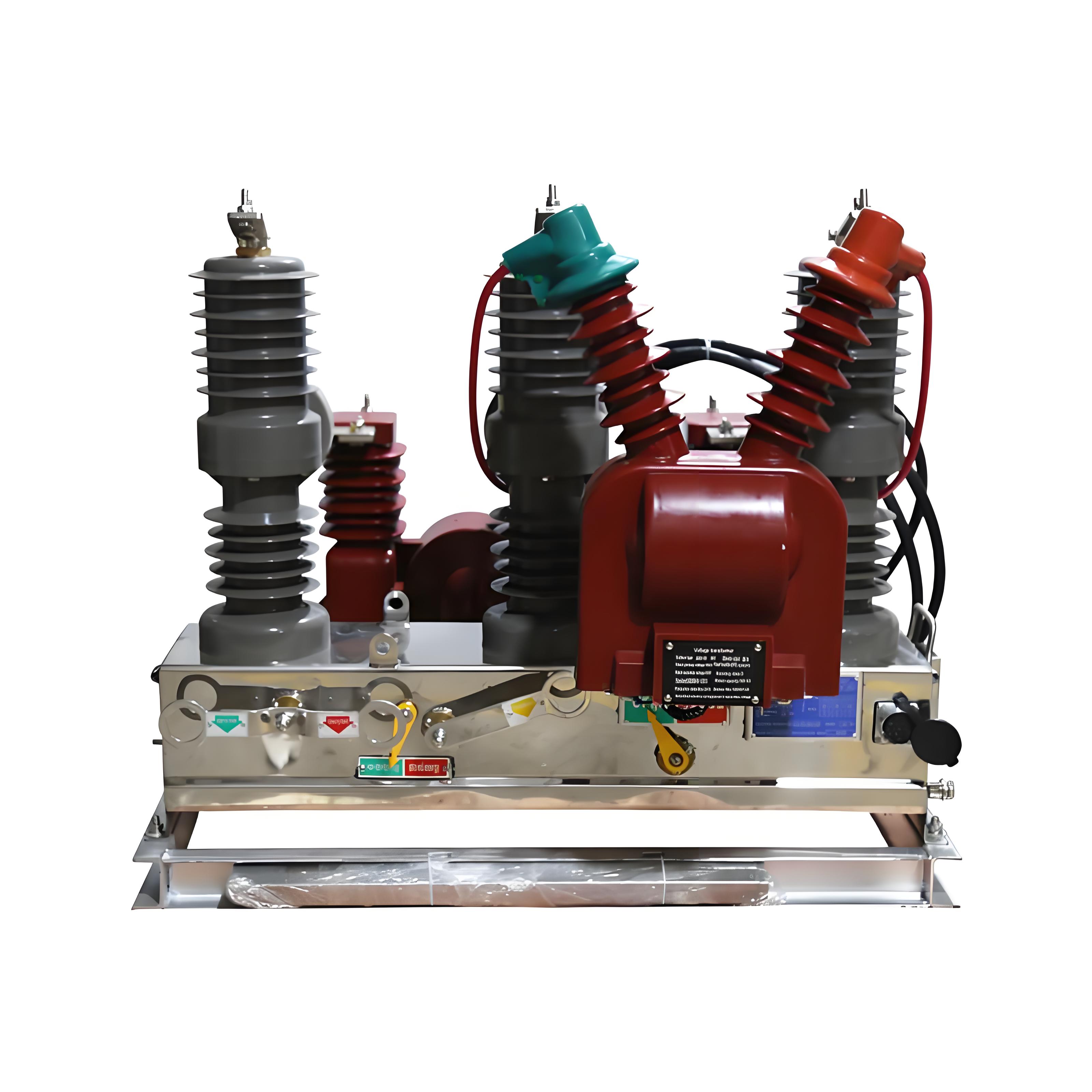
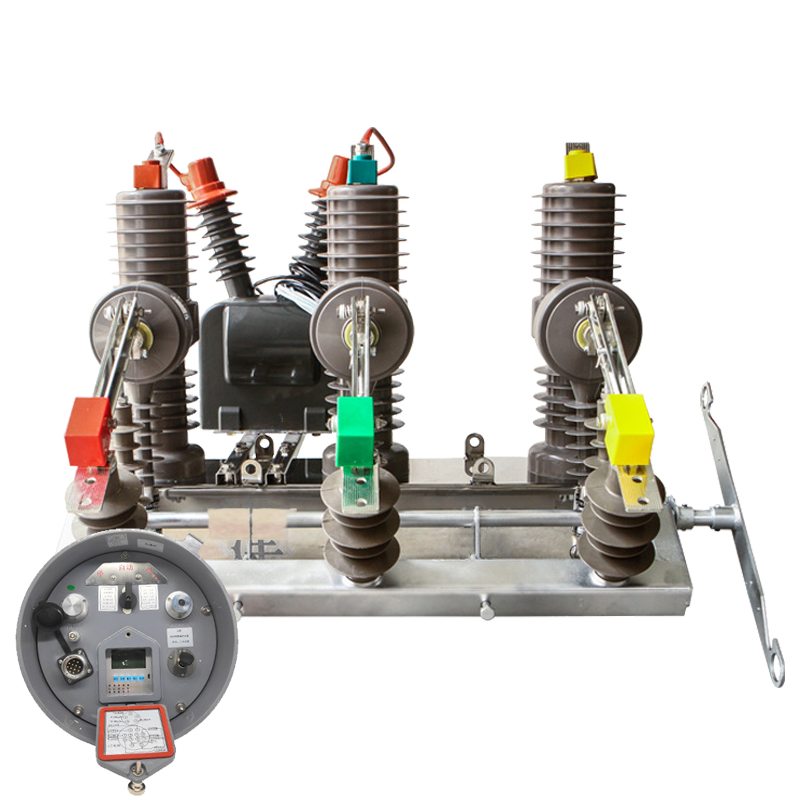
A high-voltage circuit breaker is an electrical device designed to interrupt fault currents in high-voltage circuits. It typically applies to power systems at 36 kV and above.
Imagine it as the "intelligent goalkeeper" of a power system.
Its core role is to quickly and safely cut off current during short circuits, overloads, or ground faults. This isolates the faulty area, protects expensive electrical equipment, and ensures grid stability.
1.2 The "Heart" of a High-Voltage Circuit Breaker: Unveiling the Working Principle and Core Components
When a power system fault occurs, current surges are generated, generating enormous energy.
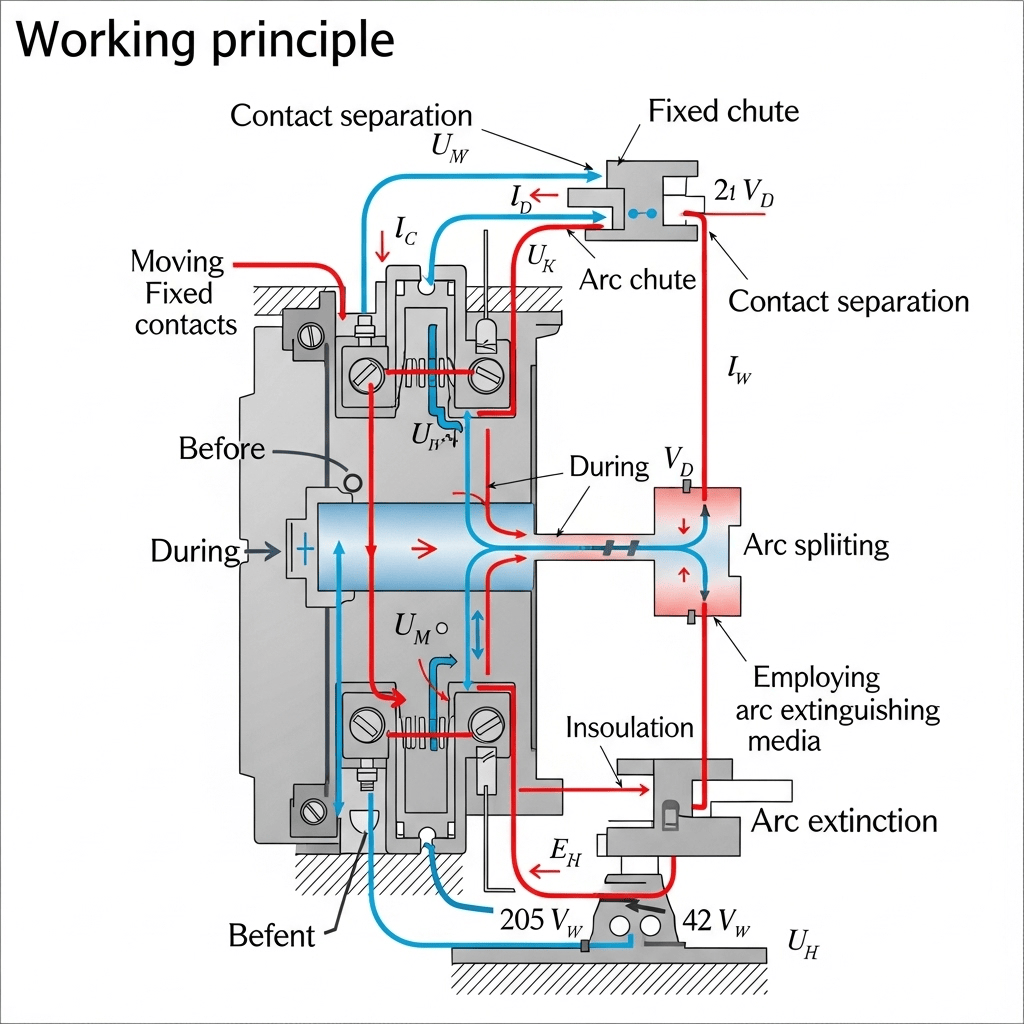
The high-voltage circuit breaker's task is to "extinguish" the electric arc formed by this energy release rapidly. Working Principle:
Fault Detection: Monitoring systems detect abnormal current and send a trip signal.
Contact Separation: Moving and fixed contacts rapidly separate, instantly creating a powerful electric arc.
Arc Formation: High voltage breaks down the air between contacts, forming a bright, hot arc.
Arc Quenching: The breaker uses specific media (SF6 gas, vacuum, or insulating oil) to cool and elongate the arc, extinguishing it.
Fault Isolation: Current is cut, the fault is isolated, and other parts of the system operate normally.
Core Components Analysis:
Arc Quenching Chamber: The sealed core, filled with arc-extinguishing medium, quenches the arc upon contact separation.
Operating Mechanism: A mechanical system (spring or hydraulic) drives contact separation and closure in milliseconds.
Contact System: Conductive parts that transmit current normally and separate during faults.
Insulation Structure: Ensures safe isolation, preventing arc leakage and electric shock risks.
1.3 Choosing Weishoelec: How We Ensure Reliability
At Weishoelec, we design high-voltage circuit breakers strictly following international standards like IEC.
Every detail is crucial for power system safety and reliability.
With years of experience and craftsmanship, we provide eco-friendly, high-performance, high-voltage circuit breaker solutions for global markets.
2. High-Voltage Circuit Breaker Types Explained: Selecting the Right "Protective Shield"
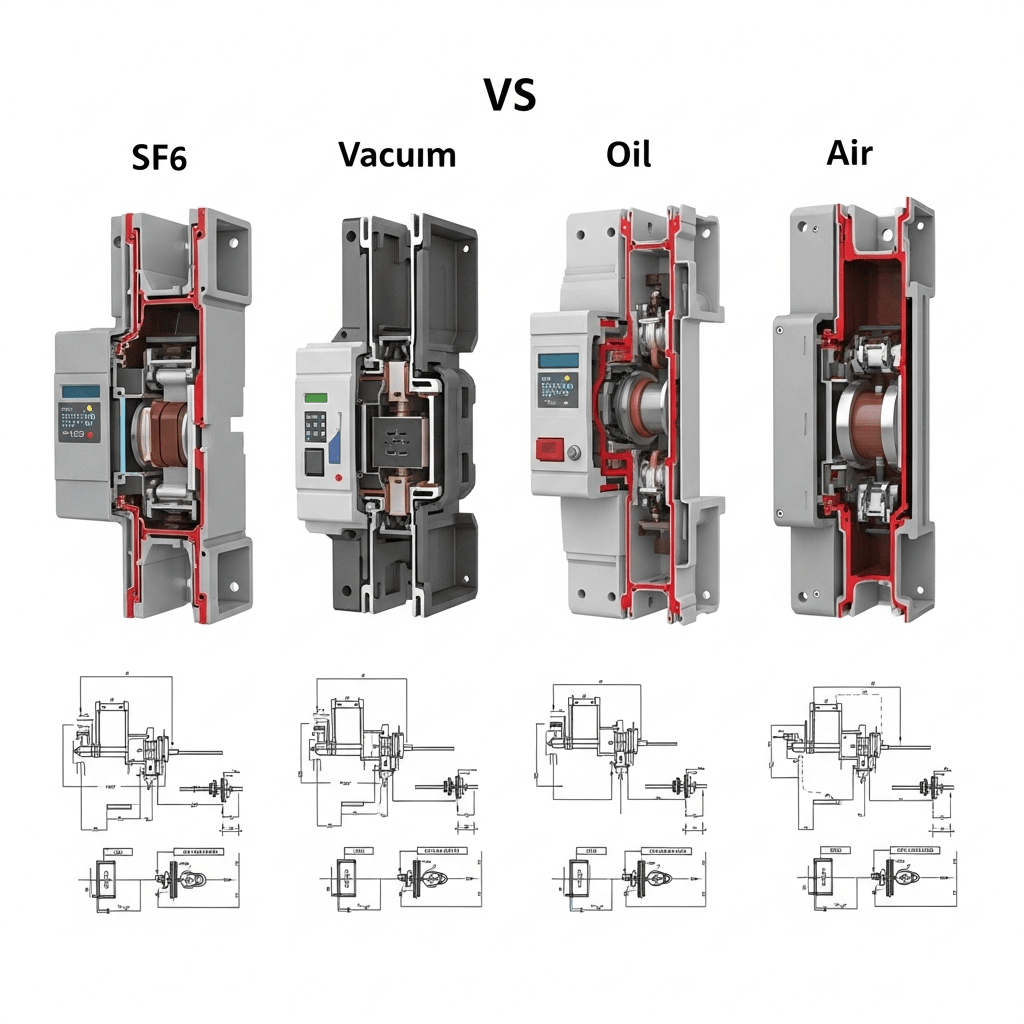
High-voltage circuit breakers differ by their arc-extinguishing media, each suited for various voltage levels and environments.
Understanding these differences helps you select the best "protective shield" for your power system.
2.1 SF6 Gas Circuit Breakers: The "Star Performer" for High-Voltage Grids
Description: SF6 circuit breakers use sulfur hexafluoride (SF6) gas for arc-extinguishing and insulation.
SF6 gas's excellent properties make it ideal for high-voltage systems (36 kV to 550 kV).
Advantages:
High Dielectric Strength: Ensures reliability under high voltage.
Rapid Arc Quenching: Quickly interrupts large fault currents, reducing contact wear.
Compact Size: Often more compact, saving space.
Disadvantages and Environmental Challenges:
SF6 is a potent greenhouse gas.
Strict control of leakage is crucial to meet environmental regulations.
Weishoelec Solutions and Expertise:
Weishoelec deeply understands environmental responsibilities.
Our SF6 circuit breakers feature innovative sealing technology to minimize gas leakage, complying with EU environmental standards.
We deliver exceptional products while contributing to a sustainable planet.
Applications: Large hub substations, ultra-high-voltage transmission networks, and grid tie-lines.
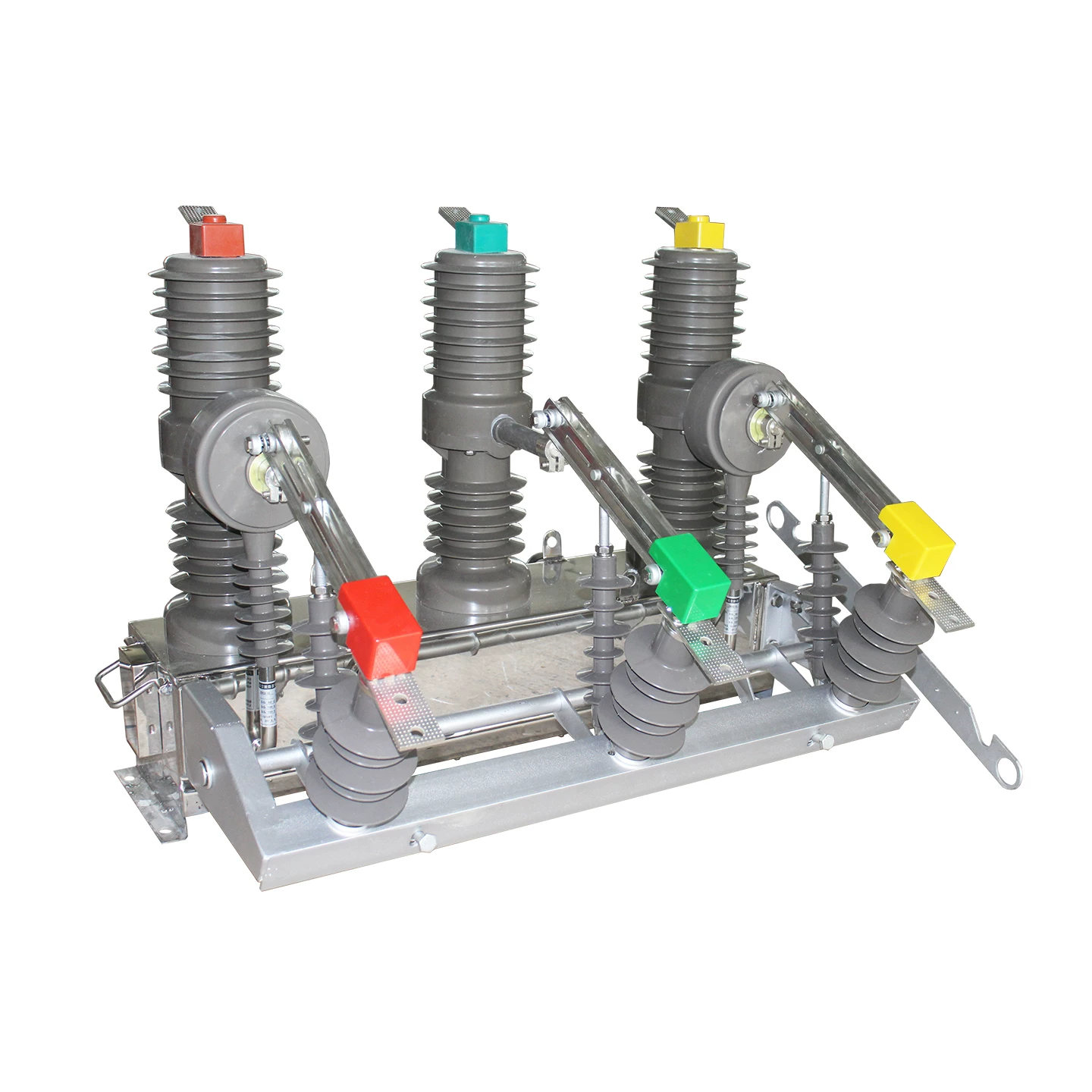
2.2 Vacuum Circuit Breakers: The "New Favorite" for Eco-Friendliness and Low Maintenance
Description: Vacuum circuit breakers interrupt current in a highly evacuated chamber.
In a vacuum, arcs are difficult to form and extinguish rapidly. They are ideal for medium- to high-voltage systems (1 kV to 72.5 kV).
Advantages:
Low Maintenance Cost: Vacuum interrupters are maintenance-free.
Zero Greenhouse Gas Emissions: Truly environmentally friendly.
Compact Size: Small design for limited space.
Weishoelec Innovation and Thor's Insights:
Weishoelec has heavily invested in vacuum circuit breakers.
I personally participated in developing our enhanced vacuum interrupters, achieving faster response and longer electrical life, leading the industry.
Our innovations provide reliable, economical power protection.
Applications: Industrial distribution, urban grids, renewable energy (wind, solar) grid connections, and special environmental industries.
2.3 Oil Circuit Breakers: The Traditional but Economical "Veteran"
Description: Oil circuit breakers use insulating oil for arc quenching.
When contacts separate, the arc vaporizes the oil, generating pressure to extinguish the arc. They are suitable for traditional high-voltage systems (36 kV to 245 kV).
Advantages and Disadvantages:
Cost-Effective: Lower initial investment.
Maintenance Challenges: Requires regular oil checks, risk of leakage, and extensive maintenance.
Applications: Rural power grids, older substation retrofits, and cost-sensitive applications.
2.4 Air Circuit Breakers: A "Custom Solution" for Specific Environments
Description: Air circuit breakers use compressed air to extinguish the arc.
Powerful airflow elongates and cools the arc until it's gone.
Advantages and Disadvantages:
Environmentally Safe: No harmful gases or oil.
Size and Efficiency: Usually larger, relatively lower arc-quenching efficiency, can be noisy.
Applications: Special industrial environments with strict gas/oil restrictions, and specific high-voltage uses.
2.5 Quick Comparison: High-Voltage Circuit Breaker Types at a Glance
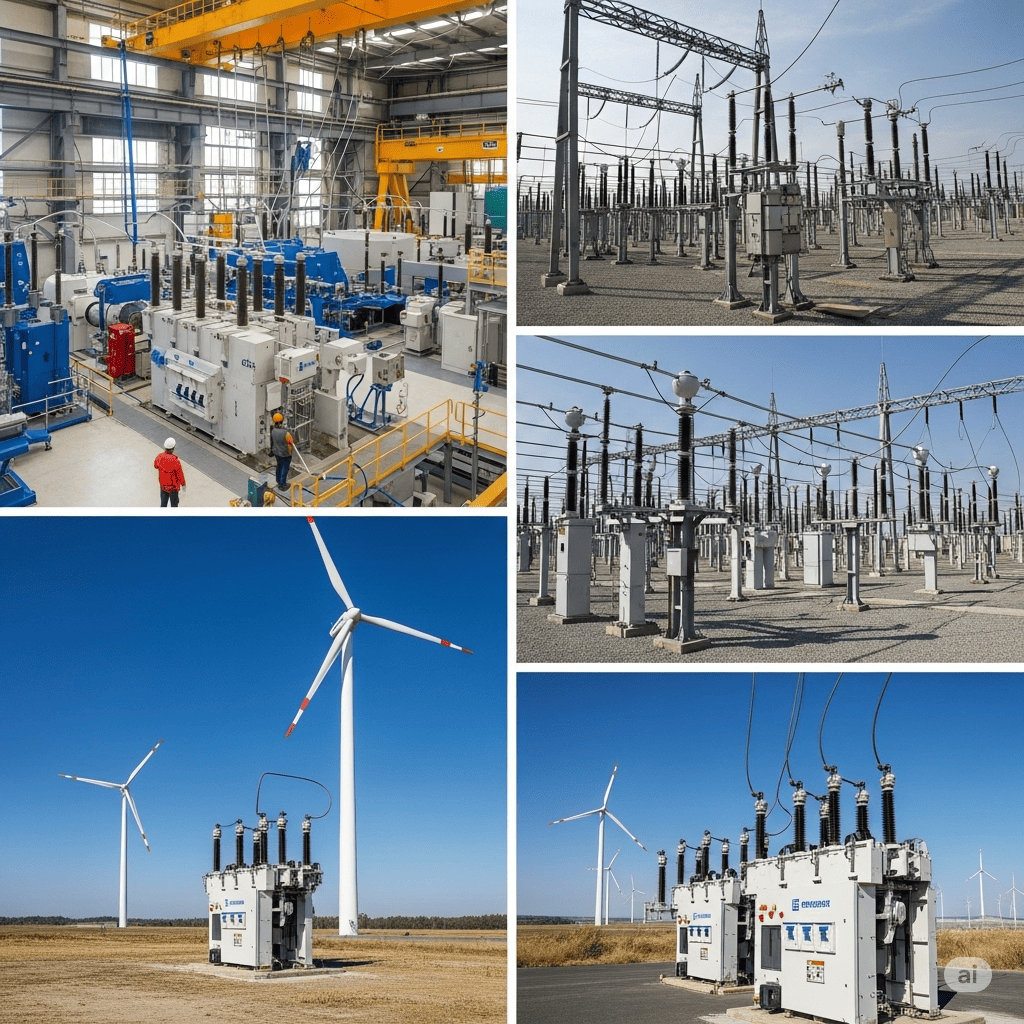
High-voltage circuit breakers are widely used across power systems.
They are critical for a reliable power supply and equipment safety.
They act like the "arteries" of a power system, ready for unforeseen circumstances.
3.1 Industrial Facilities: Guarding Production Lines with "Millisecond-Level" Safety
Purpose: In large industrial facilities, high-voltage circuit breakers are the last line of defense.
They protect expensive heavy equipment from faults like short circuits and overloads.
Their rapid action minimizes equipment damage and downtime.
Real-World Case Study:
A renowned German automotive parts manufacturer used Weishoech vacuum high-voltage circuit breakers.
Their production lines demand extremely high power continuity.
According to their 2024 report, unscheduled downtime due to power faults decreased by 18%, boosting efficiency. This shows our equipment's performance in high-load, continuous industrial environments.
Weishoelec Advantage:
Our vacuum circuit breakers are designed for high-load industrial environments.
They use wear-resistant contacts and optimized arc-extinguishing structures for long life and reliability under frequent operation.
3.2 Commercial and Public Facilities: Providing Uninterrupted Power for Urban "Lifelines"
Purpose: In critical locations like data centers, hospitals, and airports, high-voltage circuit breakers ensure continuous power.
They prevent huge losses and safety hazards from service interruptions.
Real-World Case Study:
In a large cloud computing data center in California, USA, Weishoelec's SF6 high-voltage circuit breakers protected the core power network.
Our quarterly monitoring reports showed our equipment maintained 99.999% (five nines) power availability even with extreme load fluctuations.
This means virtually no unplanned downtime, vital for core servers.
Weishoelec Advantage:
Our SF6 circuit breakers integrate smart monitoring modules.
They track key parameters in real-time for remote diagnosis and predictive maintenance, reducing on-site maintenance and enhancing reliability.
3.3 Renewable Energy Integration: Ensuring Seamless "Grid Connection" for Green Energy
Purpose: High-voltage circuit breakers are key in wind and solar power projects.
They manage fluctuating output, ensuring green energy is stably and efficiently transmitted to the grid.
Real-World Case Study:
In a 50-megawatt offshore wind farm in the North Sea, UK, Weishoelec's vacuum circuit breakers were deployed.
They withstood harsh marine environments (sea wind, salt spray).
The wind farm's 2023 data showed excellent performance during high-frequency grid connections and grid fluctuations. Their fast response and short-circuit capacity ensured continuous green energy output.
Weishoelec Advantage:
Our vacuum circuit breakers are optimized for renewable energy generation.
They offer faster response and higher endurance for load changes and short-circuit impacts, ideal for green energy grid connection.
4. High-Voltage Circuit Breaker Selection Guide: Thor, Your Engineer, Shows You How to Make the "Optimal Choice"
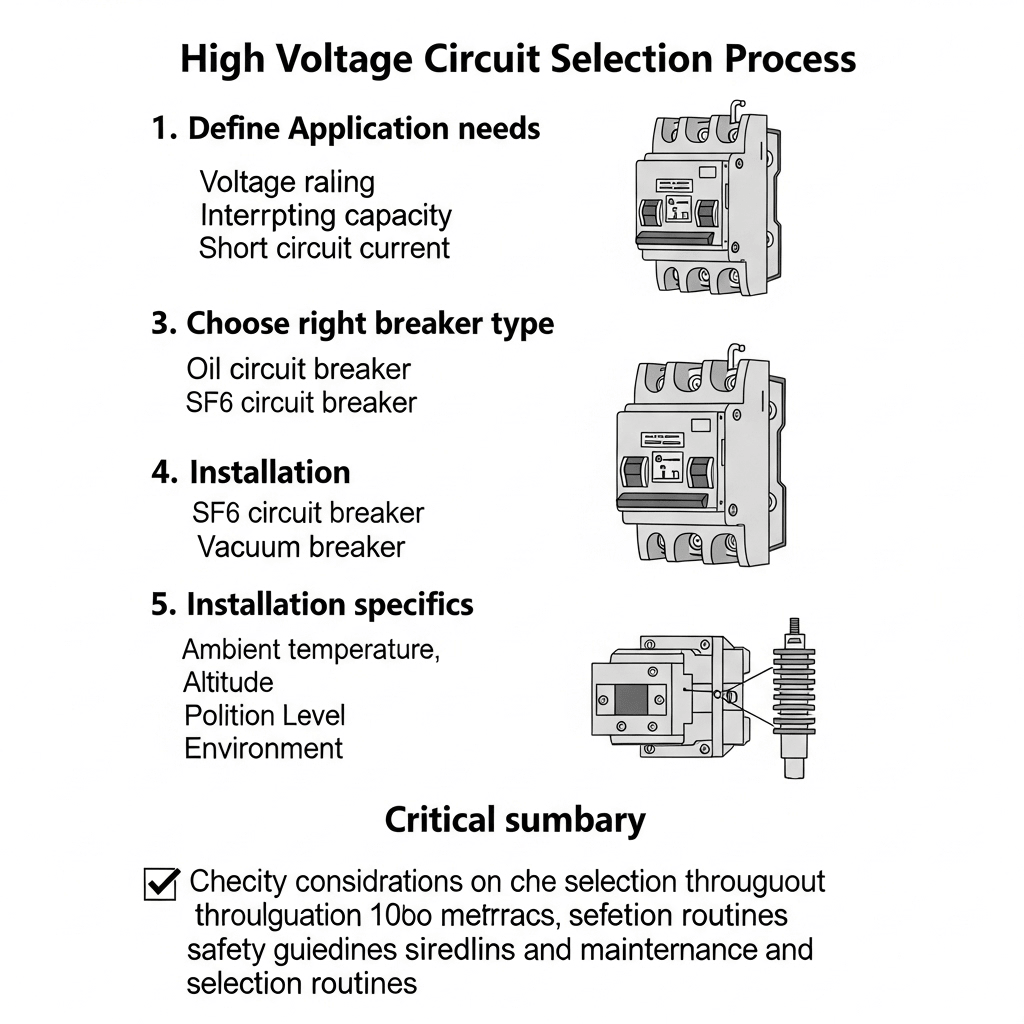
Choosing the right high-voltage circuit breaker is complex.
It requires considering many factors for safe, efficient, and economic power system operation.
As an Electrical Engineer at Weishoelec, I offer key selection recommendations.
4.1 Voltage and Current Ratings: Precisely Matching Your Power System's "Lifeline"
Ensure the breaker's rated voltage and rated current match your system's voltage and maximum operating current.
This is the most fundamental consideration.
4.2 Short-Circuit Breaking Capacity: The Key to Resisting "Instantaneous Floods"
The breaker must safely interrupt the maximum short-circuit current.
's rated short-circuit breaking current should exceed the system's calculated maximum.
This is non-negotiable for safety.
4.3 Environmental Conditions: Design Considerations for Extreme Challenges
Temperature and Humidity: Consider the operating environment's temperature/humidity range.
Altitude: High altitudes require special insulation performance.
Pollution Level: Industrial pollution, salt spray, or dust impact insulation; choose anti-pollution models.
Seismic Capability: Earthquake-prone areas need high seismic ratings.
4.4 Installation Space: The "Art of Space" in Prime Locations
Evaluate available installation space.
GIS is more compact than AIS, suitable for constrained urban or indoor substations.
4.5 Maintenance Requirements and Maintainability: Lowering Long-Term Operating Costs
Consider maintenance frequency, complexity, spare part availability, and required skill level.
Vacuum circuit breakers generally require the least maintenance.
4.6 Total Cost Consideration: A Full Life-Cycle Economic Assessment
Look beyond the initial purchase price.
Assess total life cycle cost (LCC), including procurement, installation, operation (energy), maintenance, and decommissioning.
4.7 Safety Features and Standard Compliance: The Non-Negotiable Baseline
Ensure full compliance with international and national electrical safety standards (e.g., IEC 62271, ANSI).
It must have reliable interlocking and protection for operator safety.
4.8 Future Scalability: Providing Room for Long-Term Growth
Consider future expansion needs.
Modular designs or reserved expansion interfaces can reduce future upgrade costs.
Thor's Selection Advice:
I understand the complexity of selection.
Weishoelec offers highly customized high-voltage circuit breaker specifications to precisely match your needs.
We are eager to communicate, using our expertise and experience to find your optimal, cost-effective solution.
5. High-Voltage Circuit Breaker Maintenance and Troubleshooting: Secrets to Extending Equipment "Lifespan"
Even top-quality high-voltage circuit breakers need regular maintenance for reliable, long-term operation.
Proper maintenance extends equipment life and prevents sudden failures, saving significant repair and downtime costs.

5.1 Routine Inspections: "Observing, Listening, Asking, and Feeling" Like a Doctor
Content: Regular visual inspections of the breaker.
Check for dust, corrosion, paint peeling, insulator cracks, or abnormal discharge.
Frequency: Monthly or quarterly.
5.2 Electrical Testing: The "Annual Physical Exam" for Core Performance
Content: Electrical performance tests, including contact resistance and operating response time.
Ensures quick, accurate operation during faults.
Frequency: Annually.
5.3 Gas/Oil Management: Guardians of Medium "Health"
Content: For SF6 breakers, monitor gas pressure and purity. For oil breakers, check the oil level and quality.
Frequency: Every 6 months.
5.4 Cleaning: Maintaining a "Pure" Insulation Environment
Content: Use non-conductive cleaners to remove dust, dirt, and contaminants from exterior and insulating parts.
Prevents creepage and insulation failures.
Frequency: Every six months.
5.5 Common Faults and Troubleshooting: Quick "Diagnosis" and "Treatment"
Common Issues: Severe contact wear, low SF6 gas pressure, sticky operating mechanisms, and insulator flashovers.
Solutions: Replace worn parts, replenish SF6 gas, lubricate/adjust mechanical parts, or clean damaged insulators.
5.6 Record Keeping: Providing Basis for Future "Treatment"
Importance: Detailed, accurate records of all maintenance and test data are crucial.
They track equipment health, predict problems, and provide insights for troubleshooting, compliance, and asset life assessment.
Weishoelec Thor's Maintenance Support:
Weishoelec provides high-quality products and comprehensive technical support.
You'll receive detailed product manuals.
My professional team and I offer remote technical guidance, ensuring efficient, compliant maintenance to maximize equipment life.
6. High-Voltage Circuit Breaker Future Trends: Moving Towards "Smart Interconnection" and "Green Environmental Protection"
High-voltage circuit breaker technology is evolving rapidly.
It meets growing global demands for efficiency, reliability, and sustainability in power.
As an industry observer and participant, I (Thor) will share key future trends.
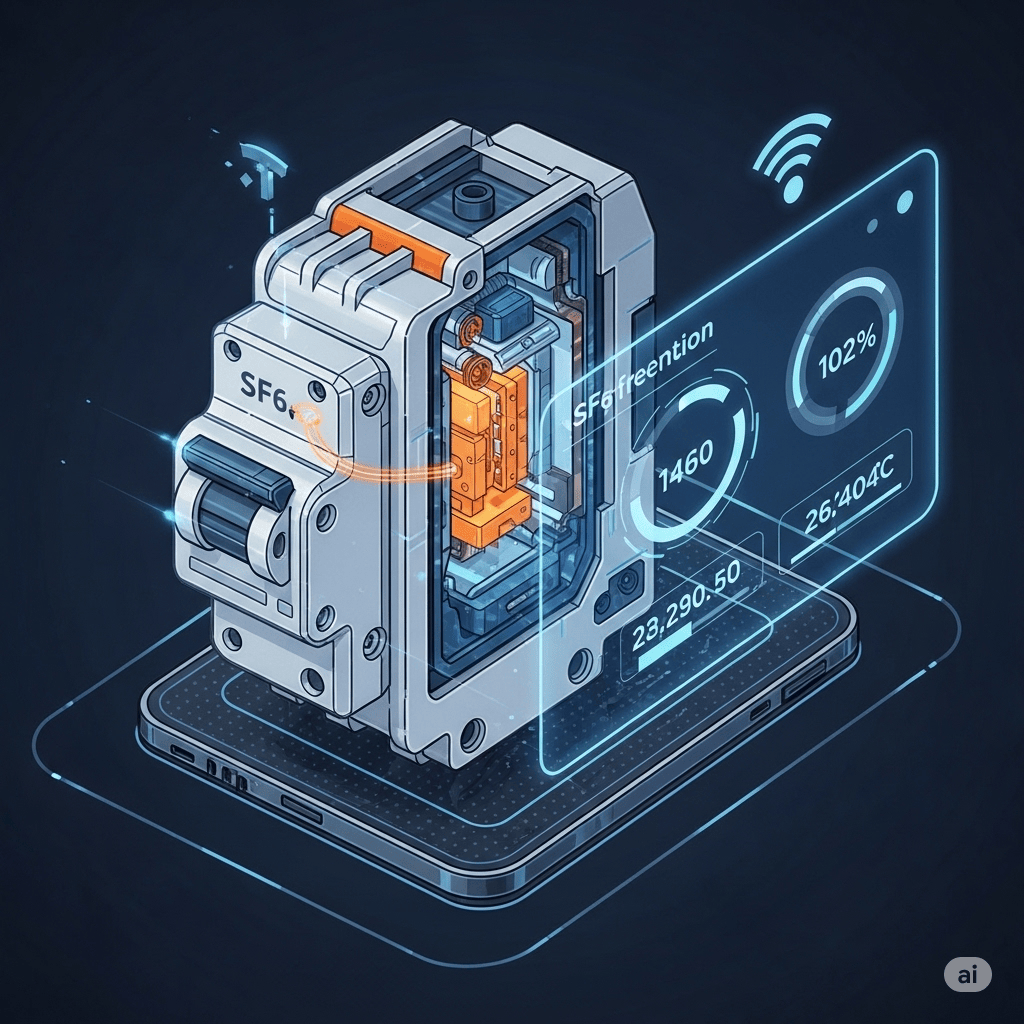
6.1 Smart Circuit Breakers: Predictive Maintenance and Digital Management
Description: Future high-voltage breakers will integrate more IoT technology.
They'll have more sensors for real-time data collection and advanced analytics for status monitoring and diagnosis.
This shifts from "periodic" to "predictive maintenance," boosting grid reliability and efficiency.
6.2 Eco-Friendly Design: Bidding Farewell to SF6, Embracing a "Green" Future
Description: Due to SF6's environmental impact, the industry actively researches alternatives.
We're promoting SF6-free vacuum and new air circuit breakers.
This makes breakers more eco-friendly, complying with strict global regulations (like the EU's SF6 ban), driving a sustainable power future.
6.3 Compact Technology: The "Magician" of Space Optimization
Description: Urbanization increases demand for smaller electrical equipment.
Future high-voltage breakers will continue to advance to more compact, modular designs.
This accommodates space-constrained applications like urban or underground substations.
Weishoelec Thor's Future Vision:
As part of Weishoelec, I (Thor) am actively involved in SF6-free high-voltage circuit breaker R&D. This is a crucial future strategy.
Our goal is to launch the first SF6-Free series in 2026.
We combine Thor's expertise with global sustainable development standards, leading the industry to a greener, smarter future.
We are committed to providing customers with forward-looking and reliable solutions.
FAQ: Your Most Pressing High-Voltage Circuit Breaker Questions, Answered by Thor, the Engineer!
We've compiled common questions about high-voltage circuit breakers for quick, clear answers.
Q1: What is the core function of a high-voltage circuit breaker?
A1: A critical protective device, it quickly and safely cuts current during faults (short circuits, overloads) to isolate faults and protect equipment and grid stability.
Q2: What are the fundamental application differences between SF6 and vacuum circuit breakers?
A2: SF6 breakers handle higher voltages (up to 550kV) with stronger arc-quenching, but SF6 is a greenhouse gas needing strict management. Vacuum breakers are eco-friendly, low-maintenance, and for medium- to high-voltage (1-72.5kV) systems.
Q3: How do I choose the right high-voltage circuit breaker for my industrial facility?
A3: Consider voltage, short-circuit capacity, environmental conditions, installation space, and maintenance needs. Weishoelec offers customized selection consultation.
Q4: What are the key steps in routine high-voltage circuit breaker maintenance?
A4: Visual inspections, electrical performance tests, arc-extinguishing medium (SF6/oil) management, cleaning, and detailed record-keeping for long-term stability.
Q5: What are Weishoelec's unique innovations and advantages in high-voltage circuit breaker technology?
A5: Deep expertise in SF6 gas sealing, enhanced vacuum interrupter R&D, and active pursuit of SF6-Free technology. We provide high-quality, IEC-compliant products and solutions, with expert support from engineers like Thor.
Conclusion: Choose Weishoelec, Empower Your Power System's Secure Future
High-voltage circuit breakers are an indispensable cornerstone of modern power systems.
This discussion explored their functions, types, applications, selection, and maintenance.
Mastering this knowledge helps you confidently optimize power system performance and mitigate risks.
As Thor, an Electrical Engineer at Weishoelec, I hope this article provides valuable insights for your circuit breaker decisions.
Weishoelec is dedicated to innovative, eco-friendly, and reliable high-voltage circuit breaker solutions globally.
We look forward to partnering with you to empower your power system's secure future.
Take Action Now: Want to learn more about Weishoelec's high-voltage circuit breakers or get a customized technical solution?
Please contact Weishoelec! Thor will personally answer your questions and work with you to empower your power system!
Phone:
+86-0577-62788197WhatsApp:
+86 159 5777 0984Email:
[email protected]
If helpful, please save and share this article. Ensure proper attribution when reprinting.