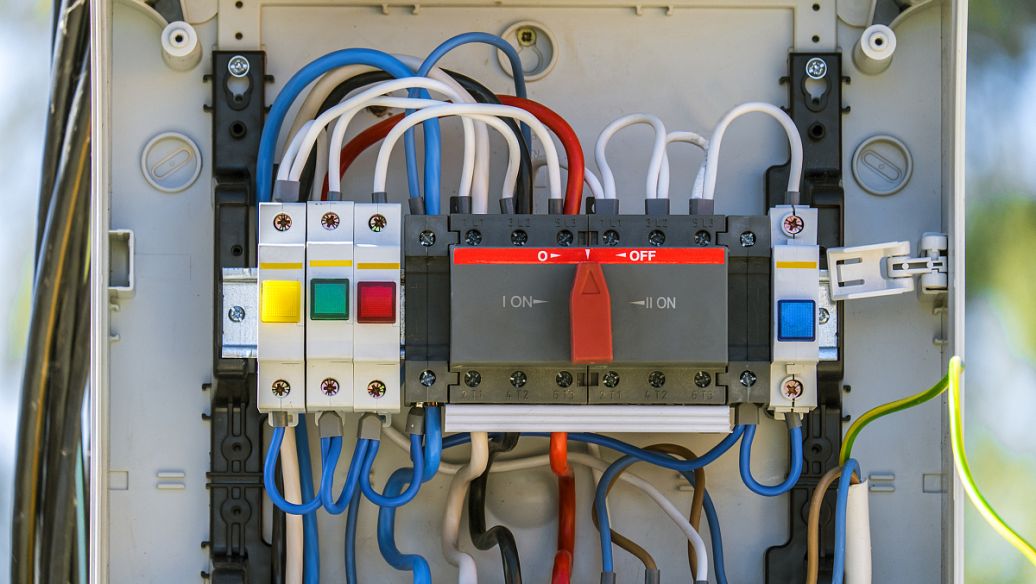
Picking a circuit breaker isn't just a simple task. It's fundamental to your electrical system's safety, stability, and efficiency.
Get it right, and your power flows smoothly. Get it wrong, and you risk serious issues.
So, how do you choose the right one? You'll need to consider specific operating conditions, like the rated operating voltage, current, and trip unit settings.
Always refer to product data for protection curves. Also, verify crucial short-circuit characteristics and sensitivity coefficients.
Understanding Circuit Breaker Types
Circuit breakers are typically categorized by their rated voltage: low, medium, and high. Each type plays a unique role in the power system.
Knowing these distinctions is the first step to smart selection.
Low-Voltage Circuit Breakers (≤ 1kV): Powering Your Everyday
What are low-voltage circuit breakers?
These are designed for the end of power distribution systems. They protect circuits in homes, offices, and industrial equipment.
They usually handle voltages up to 660V and currents under 6300A. They're all about safety, convenience, and cost-effectiveness for everyday use.
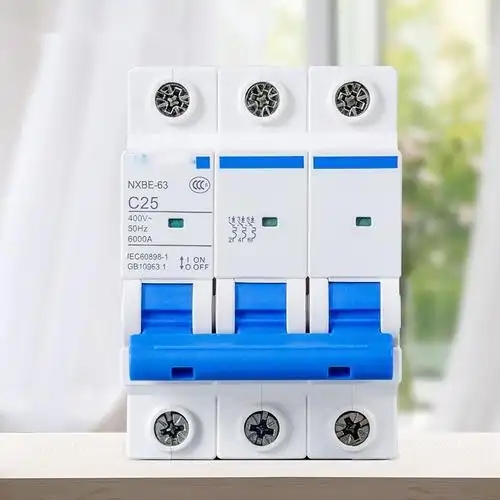
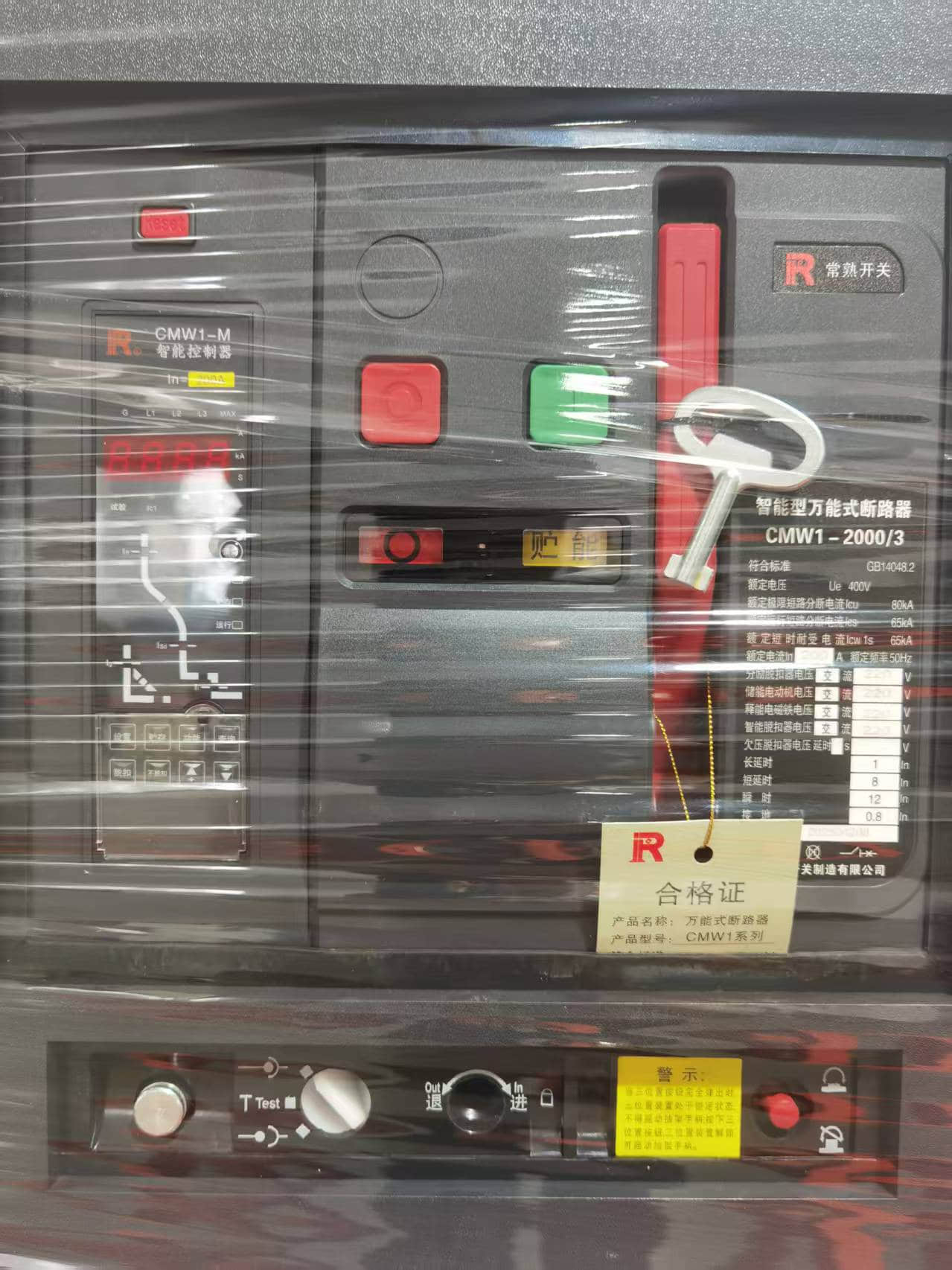
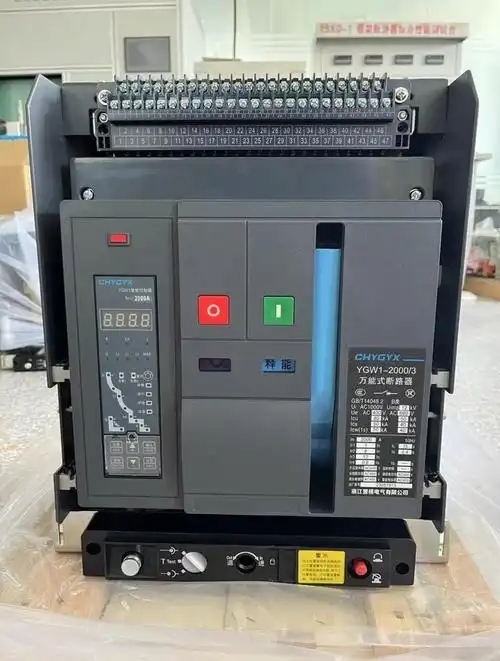
Air Circuit Breakers (ACBs): The Main Power Hub
What makes ACBs stand out?All their parts are housed in a sturdy insulated frame, often open for easy access and accessory installation. They come with advanced electronic or smart trip units.
These units offer four-stage protection for various faults.
Where are ACBs used?They're perfect as main switches for large low-voltage systems. Think main distribution rooms in commercial buildings or substation incoming lines.
ACBs handle high short-circuit currents and are great for infrequent line switching. Some even protect motors up to 1250A.
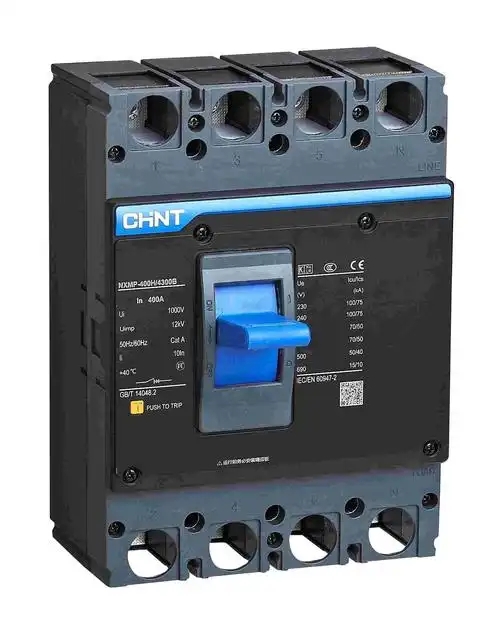
Molded Case Circuit Breakers (MCCBs): Your Versatile Branch Protector
What are MCCBs?These compact units pack all essential components into a durable plastic shell. This makes them generally maintenance-free.
Many include thermal-magnetic trip units, while larger ones use solid-state sensors for precise protection. Some newer models even offer advanced zone-selective interlocking functions.
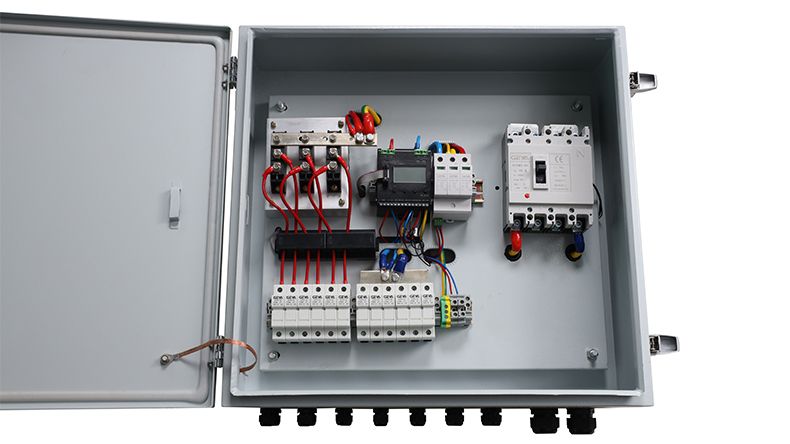
Where do MCCBs fit best? They're common for branch circuit protection in homes (as main switches) and factories (in power distribution boxes). MCCBs provide essential overload and short-circuit protection.
For example, a textile factory used MCCBs to precisely protect individual weaving machines during an upgrade, ensuring continuous production.
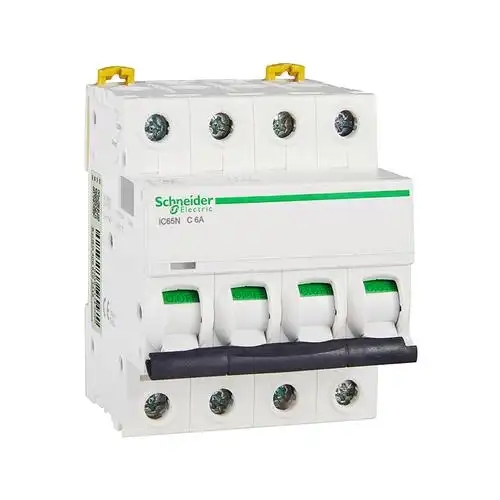
Miniature Circuit Breakers (MCBs): Your Everyday Essential
What are MCBs?These are the most common protective devices in buildings. They safeguard single-phase and three-phase circuits up to 125A.
They protect against short circuits, overloads, and overvoltage. You'll find them in various pole configurations, like 1P, 2P, 3P, and 4P.
Why are MCBs so widely used? They're core to residential and office power, ideal for lighting and receptacle circuits. MCBs offer moderate breaking capacity, easy installation, and are cost-effective.
They also protect against under-/overvoltage, ground faults, and facilitate automatic transfer switching for motors.
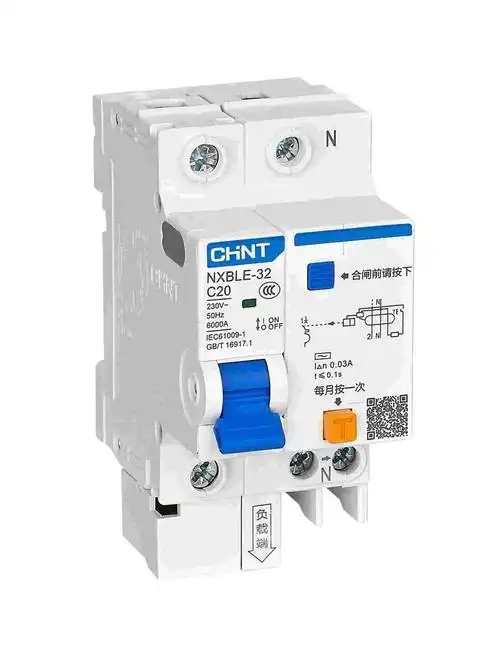
Residual Current Operated Circuit Breakers (RCBOs): Your Safety Guardian
What are RCBOs, and why are they vital? Also known as RCCBs or GFCIs in North America, they constantly monitor for leakage currents. If a leak exceeds a set limit (e.g., 30mA), they trip instantly.
This provides crucial protection against electric shock. They combine leakage, overload, and short-circuit protection.
Where should you use RCBOs?They are critical for human safety, especially in damp environments like bathrooms, and for ground fault prevention. Always consider an RCBO for circuits where human contact is possible.
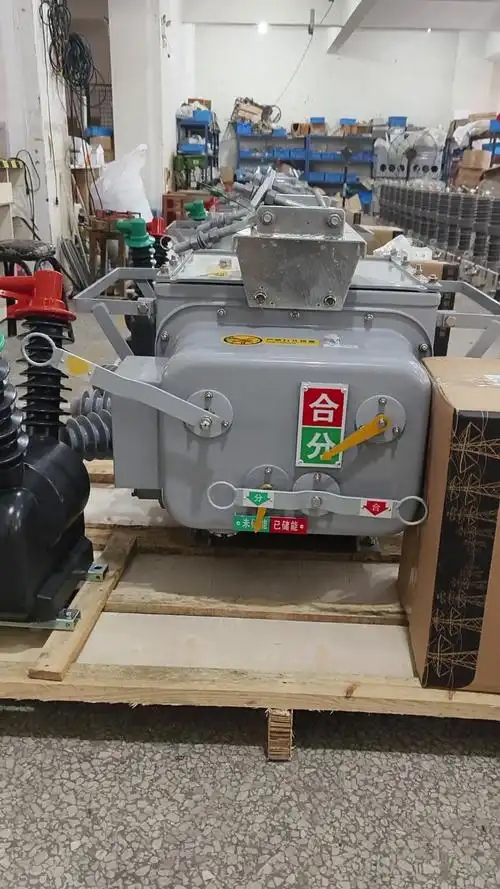
Medium-Voltage Circuit Breakers (>1kV to 35kV): The Grid's Connectors
What's the role of medium-voltage breakers?These connect high-voltage transmission with low-voltage distribution. They operate across voltages like 10kV, 20kV, and 35kV.
They manage regional power distribution and line protection. Reliability and breaking capacity are key here.
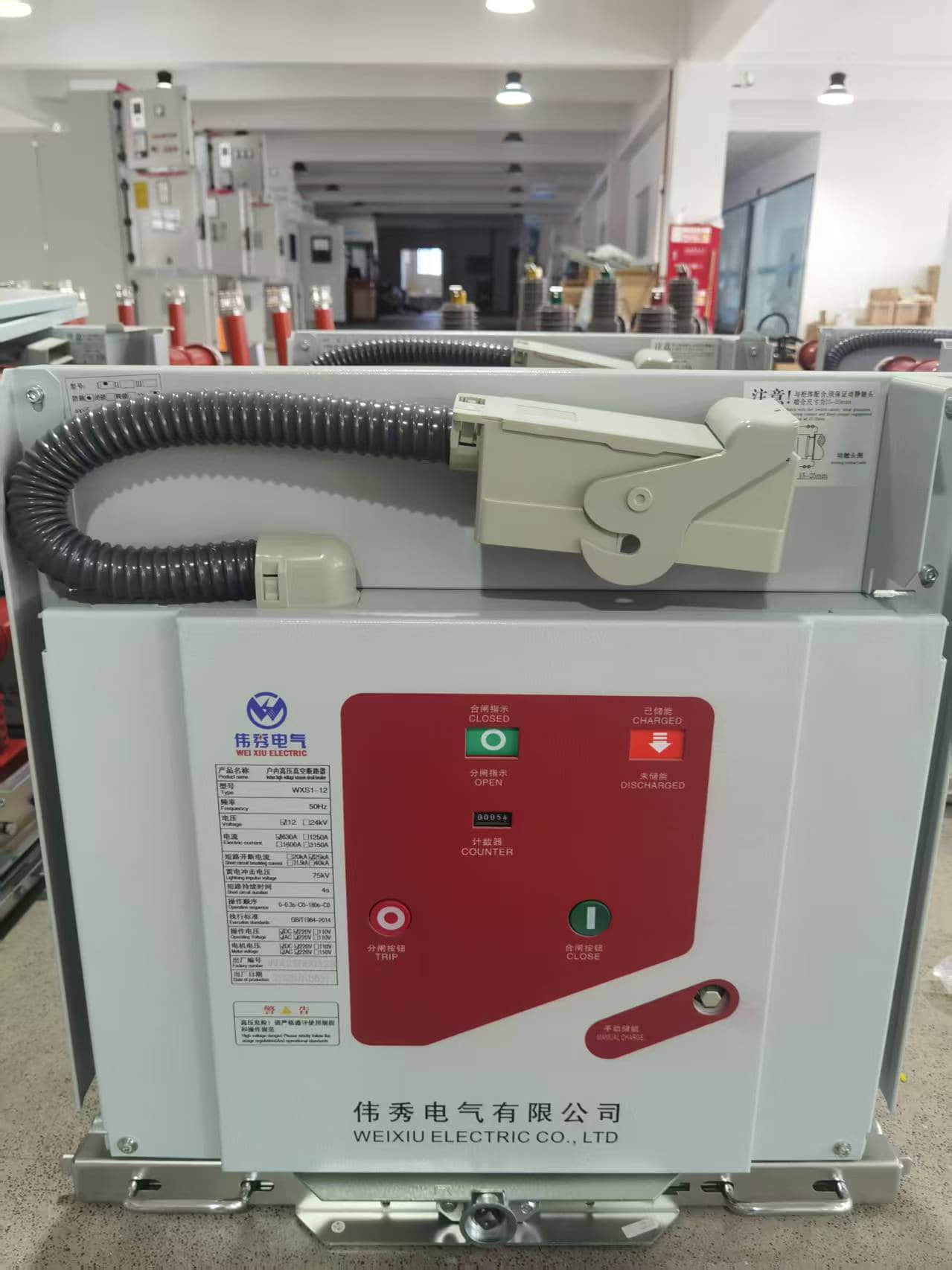
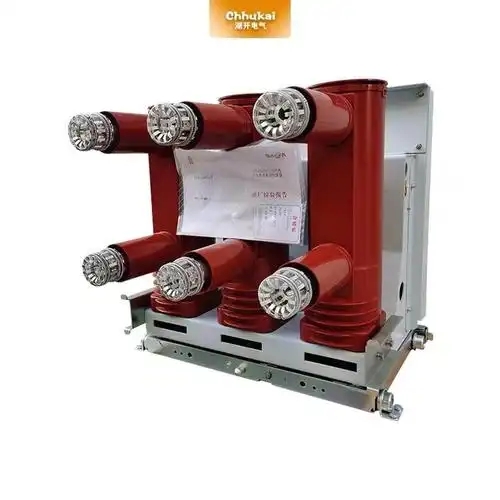
Vacuum Circuit Breakers (VCBs): The MV Workhorse
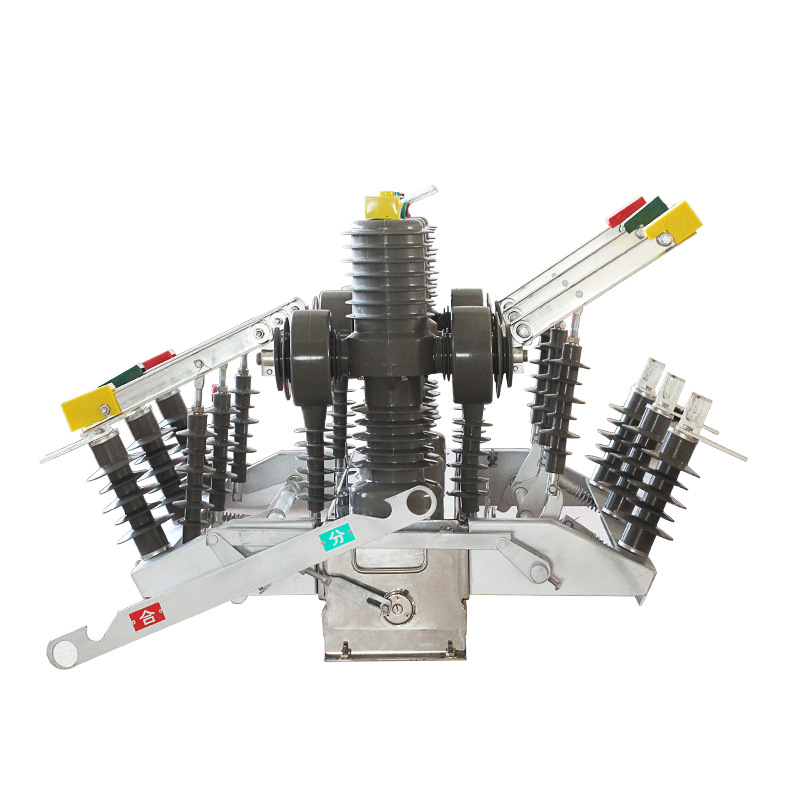
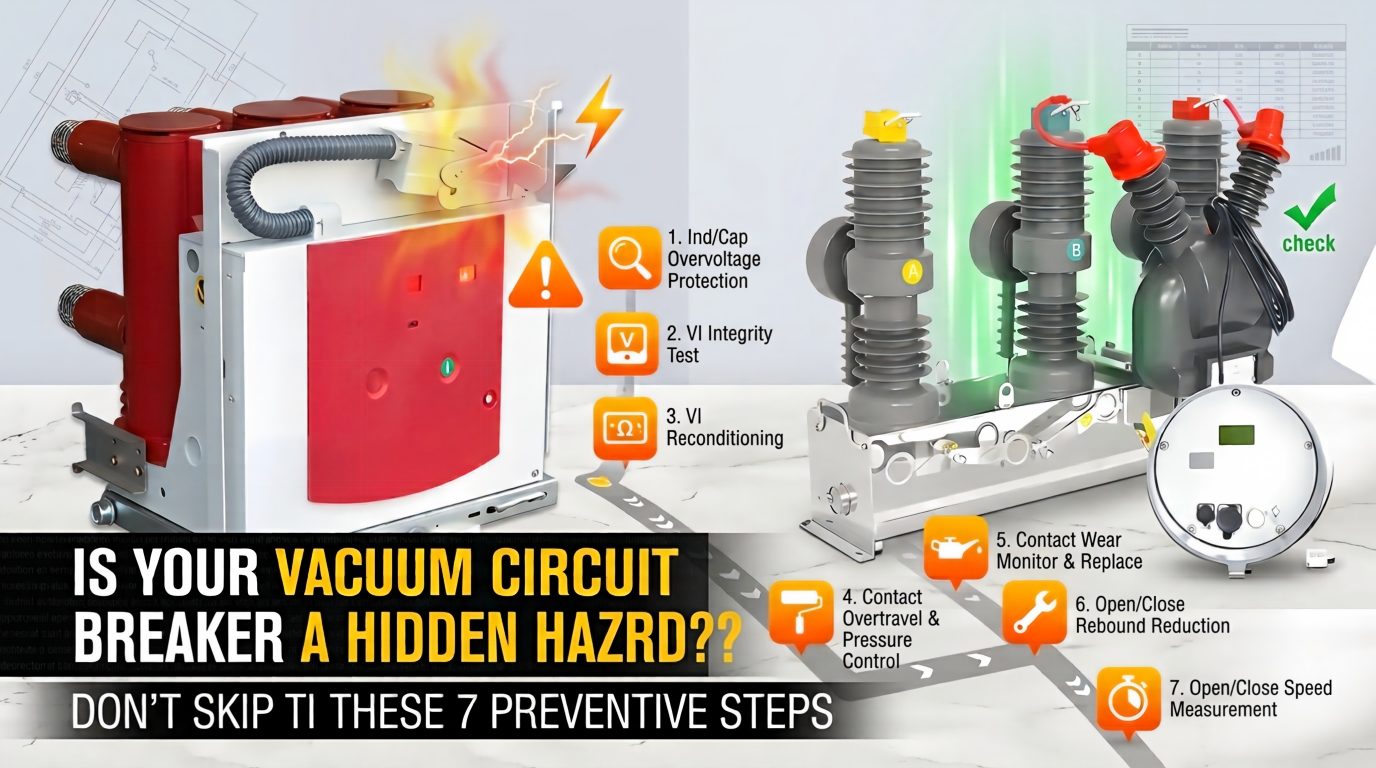
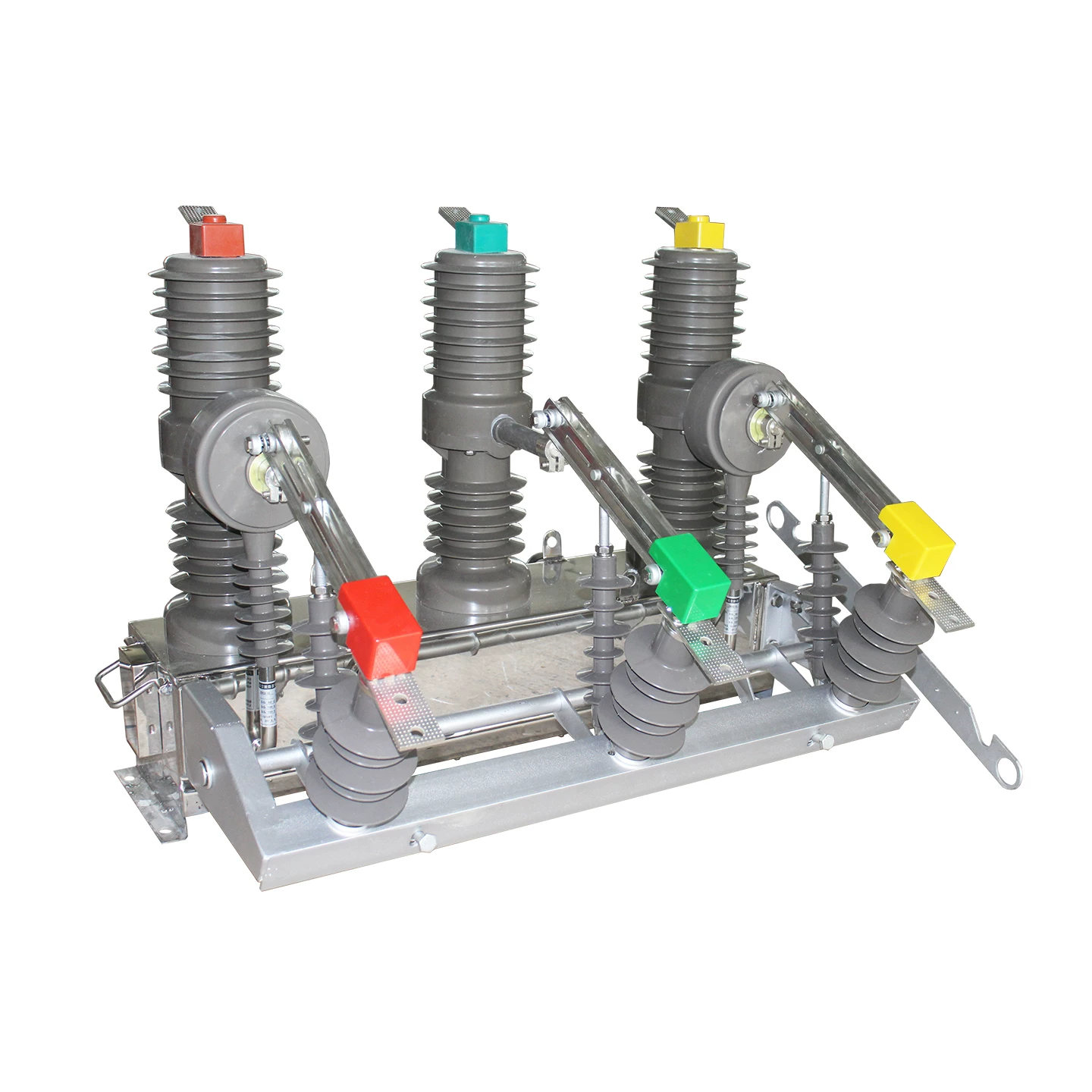
What makes VCBs popular?They use a vacuum for arc extinction, offering rapid arc clearing and extremely long operational lifespans (over 100,000 operations). VCBs are compact, maintenance-free, and incredibly fast.
Where are VCBs typically found?They are the go-to choice for medium-voltage applications. Think substation outgoing lines, industrial park high-voltage distribution, and arc furnace control. For example, many new industrial substations rely on VCBs for their reliability.
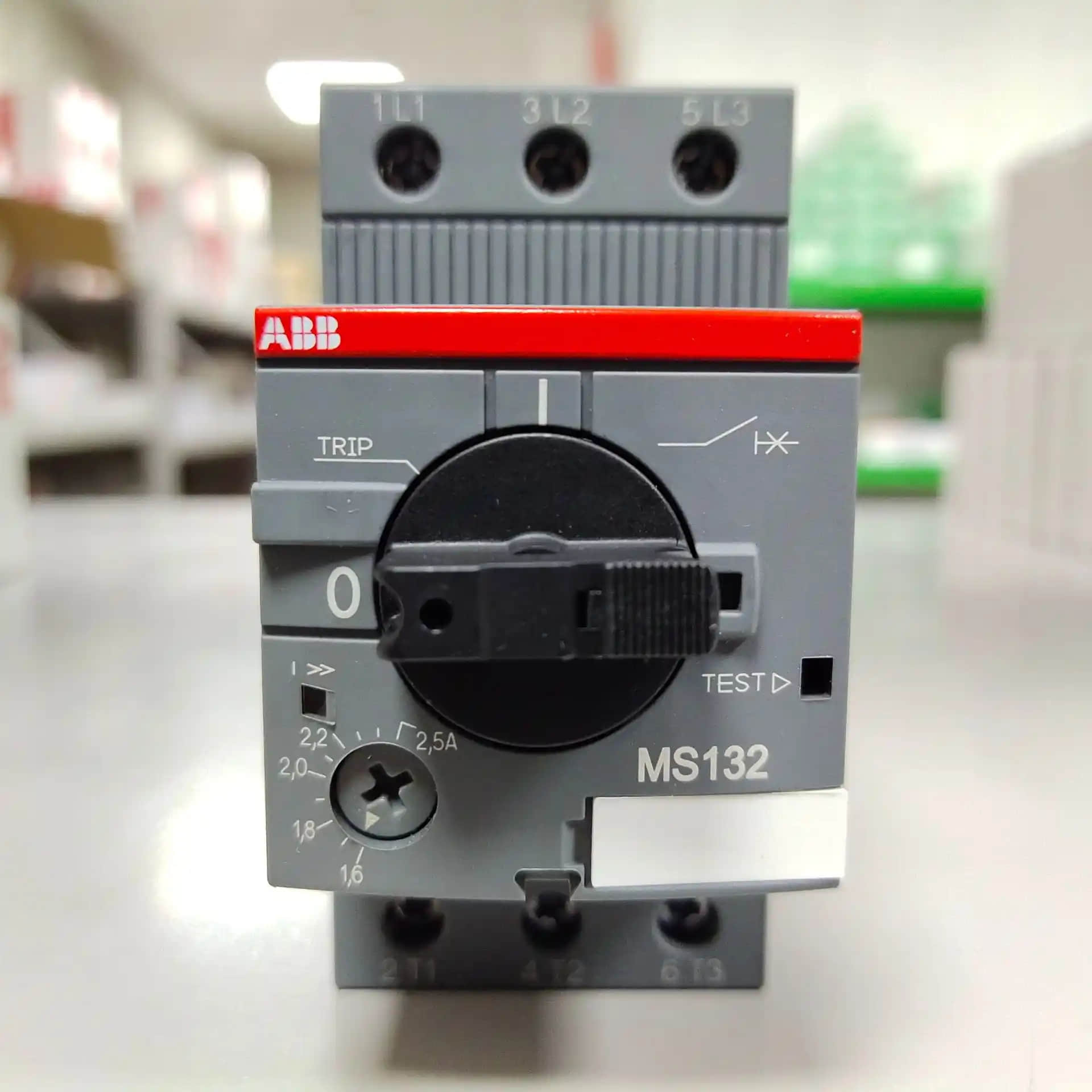
Specialty MCCBs: A Niche MV Option
Are some MCCBs medium-voltage?A few larger MCCB models can indeed be used for 1kV-10kV medium-voltage branch protection. They're compact and modular, sometimes featuring electronic trip units for precise control.
What are their limitations?Their application is quite narrow. It's usually limited to smaller medium-voltage equipment, like outgoing line protection for small transformers.
High-Voltage Circuit Breakers (>35kV): Backbone of the Power Grid
What's the primary function of high-voltage breakers?These are essential for the core transmission networks. They handle voltages from 110kV up to 1000kV and beyond.
They control and clear faults on high-voltage lines, ensuring grid stability. Their arc extinction performance and insulation strength are paramount.
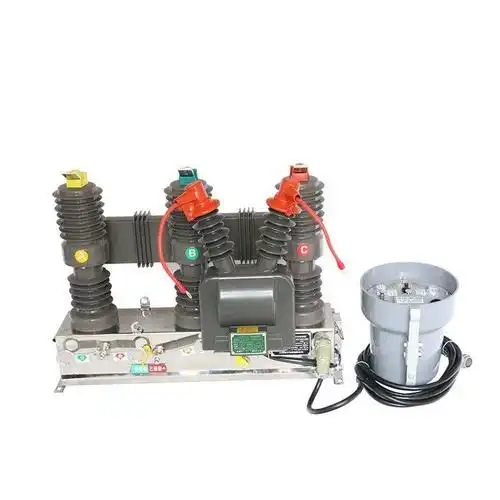
SF₆ Circuit Breakers: The Ultra-High Voltage Champion
How do SF₆ breakers work?They use sulfur hexafluoride gas for both arc extinction and insulation. They boast exceptional breaking capacities over 80kA.
They are the backbone of ultra-high voltage systems.
Where are SF₆ breakers deployed?You'll find them at major power plants, in ultra-high voltage transmission lines, and at regional grid hubs. They excel in high-voltage, large-capacity power transmission.
However, remember SF₆ is a potent greenhouse gas. So, preventing leaks and monitoring humidity are crucial environmental considerations.
Smart Circuit Breakers (High-Voltage): The Future of the Grid
What makes these "smart"?They integrate IoT, sensors, and microprocessors for real-time monitoring and remote control. These intelligent devices automatically adjust protection strategies based on actual power usage.
This prevents waste and proactively identifies potential issues. Imagine them communicating with factory production lines to optimize power delivery and minimize downtime.
Where are smart HV breakers used?They're found in smart grid ultra-high voltage distribution, like for connecting solar/wind farms or in ultra-high voltage substations. They enable real-time grid monitoring, remote fault diagnosis, and support the integration of renewable energy.
The trend is towards deeper edge computing and self-healing capabilities.
Decoding Key Parameters: Your Breaker's ID Card
Before selecting, you need to understand your circuit breaker's "ID card" — its core parameters. Each value tells you something vital about its performance.
Rated Operating Voltage (Ue): What voltage can it handle?
This is the nominal voltage under which the breaker operates continuously and safely. In the U.S., common voltages include 120V, 208V, 240V, and higher.
The breaker must maintain insulation and operate correctly at the system's maximum operating voltage.
Rated Current (In): How much current can it carry continuously?
This is the maximum current the trip unit can carry long-term, typically at 40°C. For adjustable trip units, it's the highest continuous current they can pass.
If temperatures exceed 40°C, you might need to slightly reduce the continuous load.
Overload Trip Unit Current Setting (Ir): When does it trip on overload?
If the current exceeds Ir, the breaker will trip after a time delay. Ir represents the maximum current it can carry without tripping.
Crucially, Ir must be greater than your maximum load current (Ib) but less than your line's maximum allowable current (Iz). Thermal trips are typically adjustable from 0.7 to 1.0In; electronic trips offer a wider range, usually 0.4 to 1.0In.
Short-Circuit Trip Unit Current Setting (Im): How quickly does it react to a short?
This setting triggers a fast trip (instantaneous or short-time delay) when high fault currents occur. Im defines the tripping threshold for these rapid responses.
Rated Short-Time Withstand Current (Icw): How much current can it briefly endure?
This is the current value the breaker can carry for a specified short period without overheating or damage. It's about the breaker's resilience to momentary current surges.
Breaking Capacity: Can it safely interrupt a fault?
This critical parameter indicates the breaker's ability to safely cut off a fault current. It's not directly tied to the rated current, and common specs include 36kA or 50kA.
It's divided into Ultimate Short-Circuit Breaking Capacity (Icu) (may not be reusable after tripping) and Service Short-Circuit Breaking Capacity (Ics) (remains operational after tripping).
Pro Tip: Don't confuse Icu and Ics! For most applications, Ics is what truly matters, as it signifies the breaker's ability to continue protecting your system even after clearing a fault.
Selecting Your Breaker: Six Key Principles
Now that you know the types and parameters, let's get to the nitty-gritty of selection. Start with the application. Then, match current ratings. Finally, pick your trip unit and accessories.
Voltage MatchYour circuit breaker's rated operating voltage (Ue) must be equal to or greater than your line's rated voltage.
Currently,ly the breaker's rated current (In) should be equal to or greater than your line's calculated load current.
Breaking Capacity The breaker's short-circuit breaking capacity (especially Ics) must be equal to or greater than the maximum possible short-circuit current on your line.
End-of-Line SensitivityFor reliable tripping, the single-phase to ground short-circuit current at the end of your line should be at least 1.25 times your breaker's instantaneous (or short-time delay) trip setting.
Auxiliary FunctionsEnsure the rated voltages of your undervoltage trip units, shunt trip units, and motorized operating mechanisms match your control power supply.
Special Loads
Lighting: For lighting circuits, the instantaneous trip setting is usually 6 times the load current.
Single Motors: For a single motor, set the instantaneous trip to 1.35 times (for DW series) or 1.7 times (for DZ series) the motor's starting current.
Multiple Motors: For several motors, set the instantaneous trip to 1.3 times the largest motor's starting current plus the operating currents of the others.
Transformer Main Switch (Low-Voltage Side): The breaking capacity must exceed the transformer's low-voltage side short-circuit current. The trip unit's rated current shouldn't be less than the transformer's rated current, with short-circuit protection typically 6-10 times the transformer's rated current and overload protection equal to it.
Crucially, after initial selection, always coordinate your breaker's protection characteristics with upstream and downstream devices. This prevents unwanted trips that could affect larger parts of your system.
Selectivity & Cascading: Enhancing System Reliability
In any power distribution system, selective coordination and cascading protection of circuit breakers are key strategies. They help ensure your system runs smoothly, even when faults occur.
What is Circuit Breaker Selectivity?
Circuit breakers offer different protection performances: selective or non-selective. Selective low-voltage breakers can have two or three stages of protection.
These stages handle both short circuits and overloads. Non-selective breakers usually provide instantaneous short-circuit protection or long-delay overload protection.
How does selectivity work in a system?If an upstream breaker is selective and downstream ones are either selective or non-selective, selectivity is achieved through time-delayed tripping. This relies on careful setting of the short-time delay trip units.
Short-Circuit Current Matching: The instantaneous overcurrent trip setting of the upstream breaker should be at least 1.1 times the maximum three-phase short-circuit current at the downstream breaker's output. This applies whether the downstream breaker is selective or not.
Non-Selective Downstream: If the downstream breaker is non-selective, the upstream short-time delay overcurrent trip setting should be at least 1.2 times the downstream instantaneous overcurrent trip setting. This prevents the upstream breaker from tripping prematurely.
Selective Downstream: If both are selective, the upstream short-time delay action time must be at least 0.1s longer than the downstream one. Generally, the upstream operating current (Iop.1) should be at least 1.2 times the downstream operating current (Iop 2).
What is Cascading Protection?
This concept leverages the current-limiting effect of an upstream breaker. It allows you to use a downstream breaker with a lower breaking capacity, saving costs.
The upstream breaker limits the short-circuit current, effectively enhancing the downstream breaker's breaking capability beyond its rated capacity.
Are there limitations? Yes, this approach has conditions. You shouldn't have critical loads in nearby circuits, as an upstream trip could shut them down.
Also, the instantaneous trip settings of both breakers must be precisely matched. Remember, cascading data is determined experimentally by manufacturers; always consult their specific coordination tables. Never rely solely on theoretical calculations for cascading design.
Circuit Breaker Sensitivity: Ensuring Reliable Tripping
Why is sensitivity important? It ensures your circuit breaker reliably trips even for minor short-circuit faults within its protection zone, especially under minimum system operating conditions. The "Low Voltage Power Distribution Design Code" (CB50054-95) mandates a sensitivity of at least 1.3.
This means the ratio of the minimum short-circuit current (Ik.min) at the end of the line to the trip unit's operating current (Iop) must be . When choosing, you primarily need to verify the sensitivity of the short-time delay overcurrent trip unit if both types are present.
Trip Unit Selection & Setting: The Art of Precision
Accurately choosing and setting your trip units is core to your circuit breaker's protective function. It's where the nuances of electrical protection come into play.
Instantaneous Overcurrent Trip Unit (Iop(o)): How to handle current spikes?
Many devices, especially motors, generate brief, high peak currents (Ipk) during startup. Your instantaneous trip unit's operating current (Iop(o)) must be set to bypass these spikes.
This means that Krel is a reliability factor. This prevents nuisance tripping from normal operational surges.
Short-Time Delay Overcurrent Trip Unit (Iop(s)): Balancing speed and coordination?
Like instantaneous trips, the short-time delay trip unit's operating current (Iop(s)) must also bypass peak currents. These units offer typical operating times of 0.2s, 0.4s, and 0.6s.
You coordinate this with upstream and downstream protection. The upstream breaker's action time should be longer by at least one time step to ensure proper selectivity.
Long-Time Delay Overcurrent Trip Unit (Iop(l)): Protecting against sustained overloads?
This unit is your primary defense against overloads. Its operating current (Iop(l)) simply needs to bypass the maximum normal load current (I30):.
The trip unit's action time should be set to bypass any permissible short-term overload durations. This prevents the breaker from tripping unnecessarily during temporary load fluctuations.
Trip Unit Coordination with Line Capacity: What's the bottom line for safety?
To prevent your cables from overheating, damaging insulation, or even catching fire due to overload or short circuit, your breaker's trip unit operating current (Iop) must comply with a critical formula: .
Here, Ial is the cable's allowable current capacity, and Kol is the short-time overload coefficient. Line safety is non-negotiable; never compromise it to fit a breaker.
The Future of Circuit Breakers: Smart, Green, and Connected
The evolution of circuit breaker technology is deeply tied to the broader power industry. As we move forward, expect breakers to become smarter, more eco-friendly, and highly integrated into future grids.
What does a "smart" breaker look like? They'll leverage IoT, sensors, and microprocessors to monitor data in real-time. These intelligent devices will automatically adjust protection strategies based on actual power usage.
This prevents waste and proactively identifies potential issues. Imagine them communicating with factory production lines to optimize power delivery and minimize downtime.
Are they becoming greener? Yes, environmental concerns are shaping innovation. The prevalent SF₆ breakers, with their potent greenhouse gas, are gradually being phased out.
They're being replaced by vacuum circuit breakers or those using dry air as insulation. New substations are already prioritizing these greener alternatives.
How will they handle new energy sources? The boom in renewable energy, like solar and wind, is demanding more from breakers. These fluctuating power sources require rapid response times to stabilize the grid.
And with the rise of electric vehicles and energy storage, solid-state circuit breakers are poised for wider adoption in DC distribution systems due to their speed and longevity.
In essence, circuit breakers will continue to advance. They won't just protect our electrical systems; they'll play an increasingly vital role in making electricity use more efficient, environmentally sustainable, and truly intelligent.
Your Circuit Breaker Journey: A Final Word from Thor at Wei Shoe Elec
Choosing the right circuit breaker is a nuanced task, directly impacting your electrical system's safety, stability, and efficiency. From understanding the types and parameters to applying precise selection principles, coordinating protection, and fine-tuning trip units, every detail matters.
The future, too, holds exciting developments with smart and green technologies.
As Thor, an electrical engineer at Wei Shoe Elec, I truly hope this comprehensive guide has provided you with invaluable insights. Whether you're just starting in electrical engineering or you're a seasoned expert, our goal is to deliver clear, practical knowledge. We want to empower you to make informed decisions, ensuring every choice is accurate and helps safeguard your electrical systems.
Need More Expert Guidance? Let's Connect!
The world of electrical engineering is complex. Sometimes, those critical technical details can make all the difference.
If you've read this article and still have specific selection questions, or if you need tailored electrical solutions and detailed product quotations, Wei Shoe Elec is here to help.
Give us a call: +86-0577-62788197
Reach out on WhatsApp: +86 159 5777 0984
Email me directly for a technical proposal: [email protected]
Feel free to save this article for future reference! We also encourage you to share it with others; just remember to cite the source. We look forward to partnering with you to advance the electrical industry!