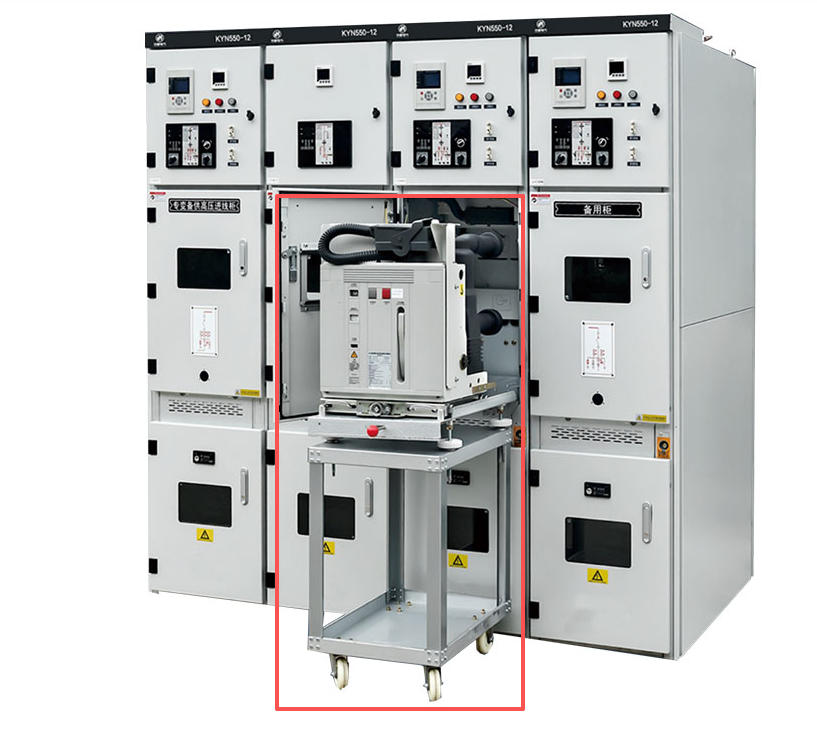
What is a Withdrawable Circuit Breaker?
Definition and Basic Function
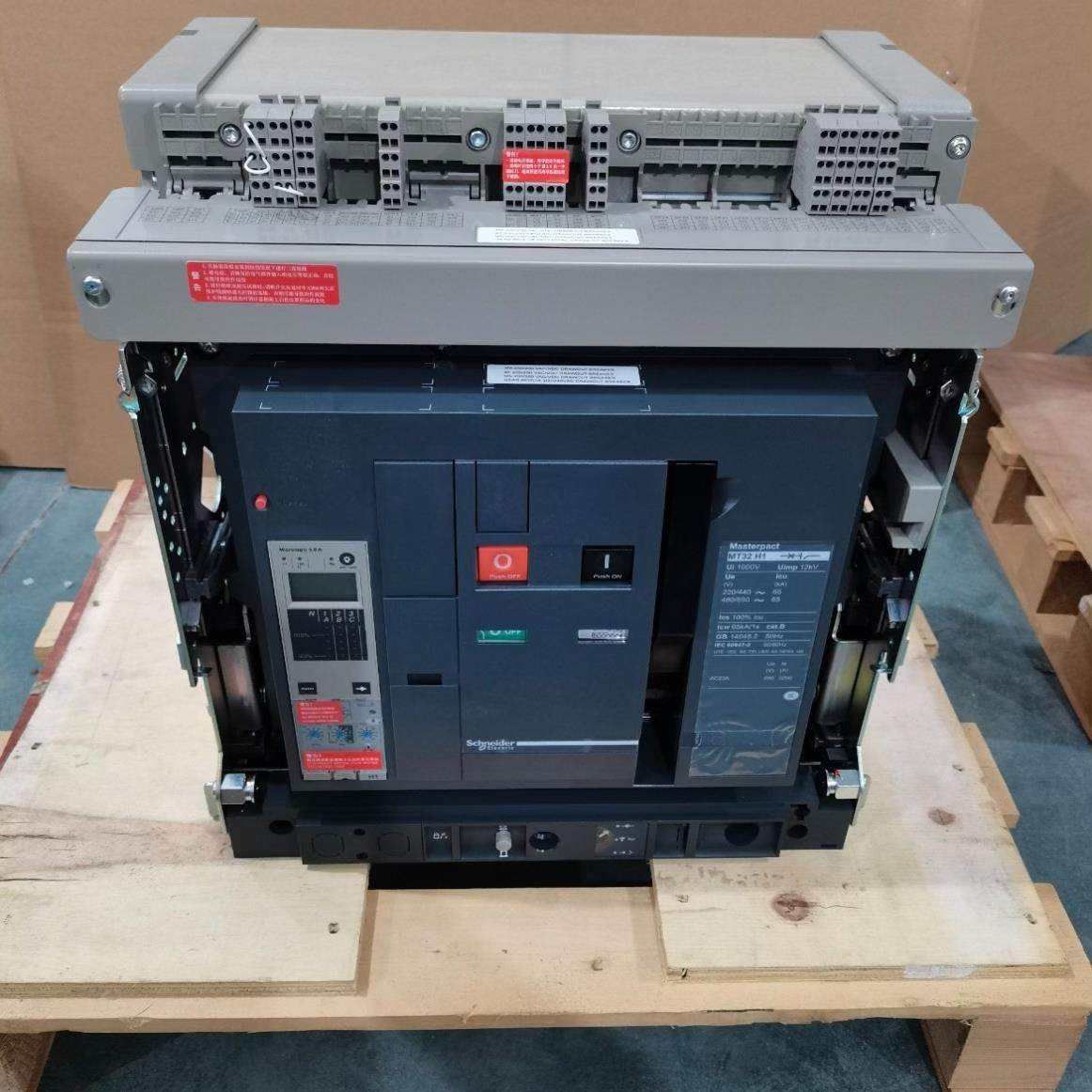
A withdrawable circuit breaker, such as our VS1 series Universal Vacuum Circuit Breakers (VCB), is a sophisticated protection device designed with a two-part construction: a fixed chassis (or cassette) and a mobile breaker unit. Unlike standard installations, this design utilizes sliding rails and a racking drive mechanism to allow the breaker to be physically moved in and out of the electrical panel.
The primary function goes beyond simple over-current and short-circuit protection. It provides a mechanical means to physically separate the breaker from the main busbar system without unbolting cables. This drawer-type design ensures that the power contacts can be engaged or disengaged safely, facilitating rapid replacement and inspection.
The Role in Modern Electrical Distribution Systems
In critical industrial environments and commercial power networks, maintaining a continuous power supply is paramount. Withdrawable VCBs serve as the central hub for Medium-Voltage Power Distribution, handling rated currents from 200A up to 6300A.
Their role is defined by three core contributions:
Operational Continuity: Allows for quick swap-outs of the breaker unit, significantly reducing downtime compared to fixed units.
Enhanced Safety: Provides visible isolation gaps, ensuring personnel safety during maintenance.
System Integrity: Protects lines and power equipment (like motors and generators) from overload, under-voltage, and ground faults using intelligent trip units.
Key Differences Between Fixed and Withdrawable Designs
The choice between a fixed circuit breaker and a withdrawable version depends on the specific requirements for maintenance frequency and budget. While fixed breakers are bolted directly to the switchgear frame, withdrawable units offer a mechanical unlocking system that supports three positions: Connected, Test, and Disconnected.
Comparison: Fixed vs. Withdrawable Construction
| Feature | Fixed Circuit Breaker | Withdrawable Circuit Breaker |
|---|---|---|
| Mounting | Bolted directly to the backplate/frame. | Mounted on a chassis with sliding rails. |
| Maintenance | Requires unbolting busbars; longer downtime. | Rapid removal via racking drive mechanism. |
| Isolation | No visible isolation gap without disassembly. | distinct disconnected position for visible isolation. |
| Safety | Standard protection. | Enhanced with interlocking device to prevent misoperation. |
| Cost | Lower initial investment. | Higher initial cost due to complex cassette mechanism. |
Our VS1 series offers both configurations, but the withdrawable design is the standard recommendation for critical main distribution boards where electrical safety and serviceability are non-negotiable.
Key Components and Construction
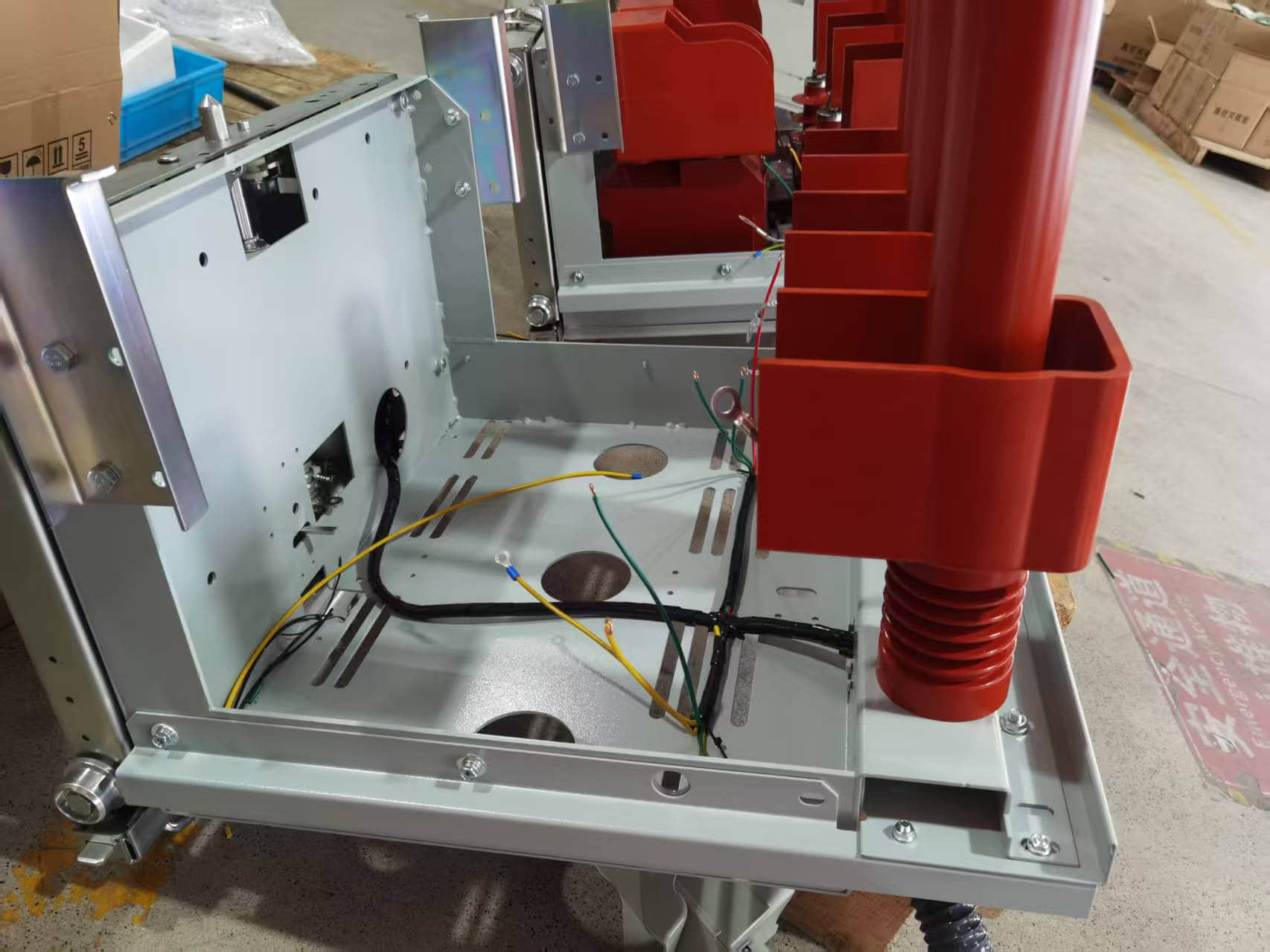
Circuit Breaker Unit and Chassis/Cradle
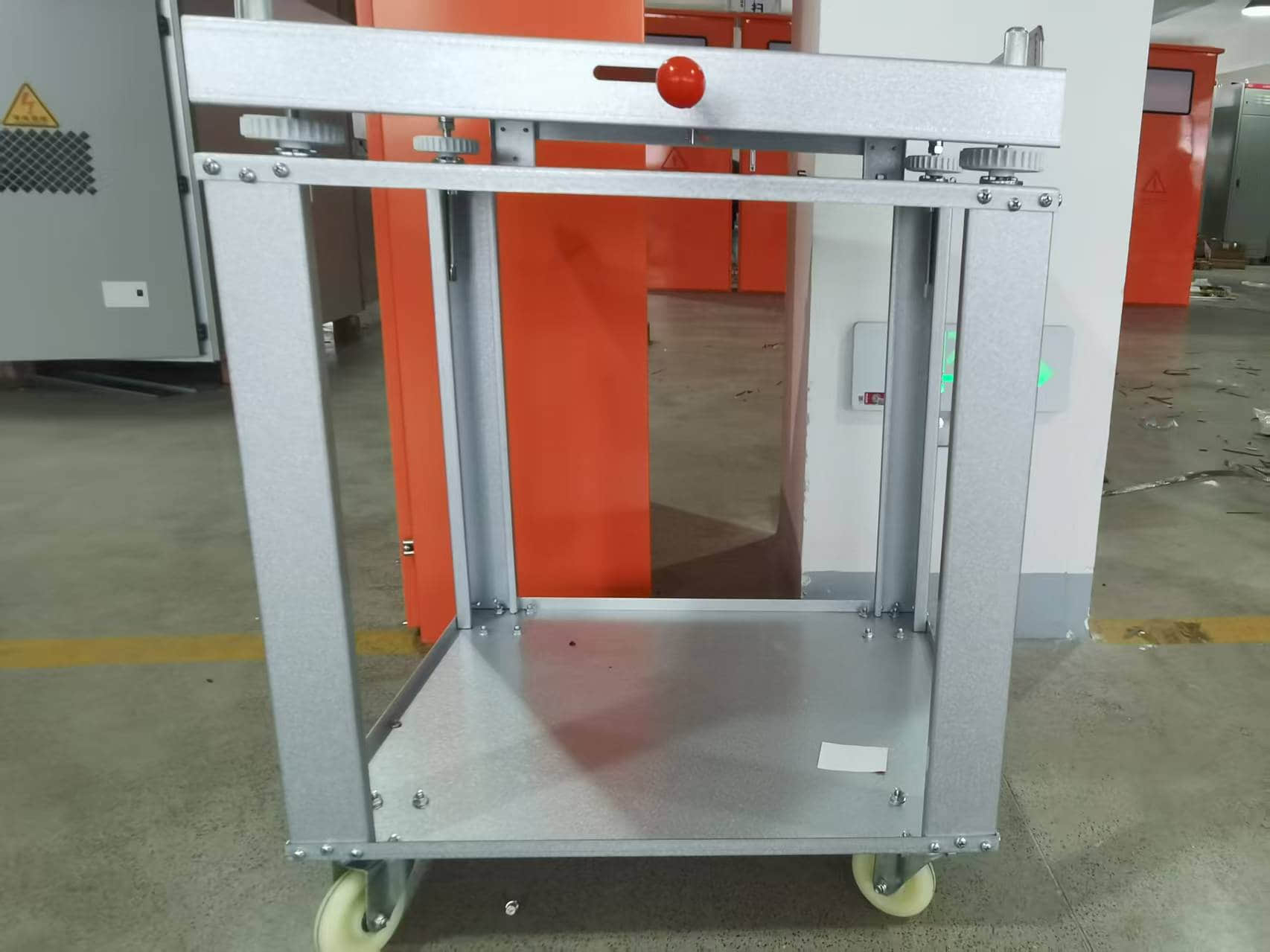
A withdrawable circuit breaker system consists of two main distinct parts: the moving breaker unit and the fixed stationary part, often called the chassis or cassette. The chassis is bolted securely into the switchgear component frame, acting as the housing. The breaker unit itself sits on sliding rails or a carriage system, allowing it to move in and out of the enclosure.
To facilitate this movement, we use a racking drive mechanism. This is usually a screw-drive system operated by a racking handle or an electric motor. This mechanism ensures the heavy breaker moves smoothly and aligns perfectly with the fixed contacts, eliminating the physical strain of manual lifting found in older designs.
Primary and Secondary Disconnects
The magic of a withdrawable design lies in how it connects to the power. We don’t bolt cables directly to the breaker terminals. Instead, we use primary disconnects. These are robust, spring-loaded copper clusters or fingers on the rear of the breaker that engage with the busbar system in the cradle when racked into the connected position.
For control signals, protection relays, and motor operators, we rely on secondary disconnects. These are multi-pin plugs that connect the auxiliary circuits. In many VCB (Vacuum Circuit Breaker) and ACB designs, these secondary contacts can remain connected even when the main power is disconnected (the Test Position), allowing for safe operational checks.
Safety Interlocking Mechanisms
Safety is non-negotiable in industrial environments. The construction includes a complex interlocking device system designed to prevent operator error. These mechanical and electrical interlocks ensure that:
The breaker cannot be racked in or out while the contacts are closed (on).
The breaker cannot be closed unless it is fully in the connected, test, or disconnected position.
The mechanical unlocking of the door is often restricted until the breaker is isolated.
These features drastically reduce the risk of arc flash. When planning your infrastructure, understanding the nuances of high and low voltage switchgear installation ensures that these safety interlocks function correctly within the wider assembly, protecting both the equipment and the personnel operating it.
Understanding the Three Operating Positions
Connected (Service) Position
In the Connected position, the withdrawable circuit breaker is fully engaged and operational. The primary contacts lock firmly into the busbar system, allowing current to flow from the source to the load. At the same time, the secondary disconnects engage to power the electronic trip units and control accessories. This is the standard “Service” mode where the breaker actively protects your electrical panel. Our DW45 series features a robust interlocking device that secures the breaker in this position, preventing any accidental movement while the system is energized.
Test Position for Control Circuit Verification
The Test position is a critical feature for maintaining electrical safety without disrupting the entire facility. Here, the main power contacts are physically separated from the busbar, but the secondary control circuits remain connected. This allows your team to verify the functionality of the trip unit, alarms, and remote controls without energizing the main load. It is the ideal setting for simulating fault conditions or checking system logic. Using the racking drive mechanism, you can shift the breaker to this mode to ensure all safety protocols are functioning correctly before going live.
Disconnected (Isolated) Position for Maintenance
When you need to ensure total isolation, the Disconnected position provides a visible gap between the breaker and the power source. Both the primary and secondary contacts are disengaged, yet the unit remains safely housed within the chassis cassette. This position is essential for safe lockout/tagout procedures during routine checks. The breaker is mechanically isolated, meaning it cannot be operated electrically or mechanically to close the circuit. From here, if extensive repair is needed, you can use the racking handle to fully withdraw the unit from the sliding rails for bench maintenance.
Major Advantages of Withdrawable Circuit Breakers
When designing a robust power distribution system, choosing between fixed and withdrawable designs is a critical decision. At WEISHO, we engineer our withdrawable circuit breakers, particularly the DW45 series, to solve specific operational challenges. While fixed breakers have their place, the withdrawable format offers superior value in critical infrastructure where safety and uptime are non-negotiable.
Enhanced Personnel Safety and Visible Isolation
Safety is the primary driver for adopting withdrawable technology. The design inherently reduces arc flash exposure during maintenance because the breaker can be racked out to a disconnected position while the enclosure door remains closed. Our units feature a robust interlocking device that prevents the breaker from being withdrawn or inserted while the contacts are closed, eliminating the risk of drawing an arc under load.
Furthermore, the physical separation provides visible isolation. When the unit is fully withdrawn from the chassis, there is a clear air gap between the busbar system and the breaker contacts. This visual confirmation is vital for electrical safety, functioning similarly to a dedicated indoor disconnect switch by ensuring the circuit is completely de-energized before any technician touches the equipment.
Simplified Maintenance and Rapid Replacement
Maintenance on a fixed circuit breaker often requires unbolting line and load connections, which is labor-intensive and risky. In contrast, our withdrawable Air Circuit Breaker (ACB) and Molded Case Circuit Breaker (MCCB) units sit inside a cassette or cradle.
No Cable Disconnection: You do not need to touch the main power cables or busbars.
Easy Access: Using a racking handle, the breaker slides out on sliding rails for inspection.
Bench Testing: The unit can be completely removed for secondary injection testing on a workbench rather than in a cramped electrical panel.
Minimizing System Downtime in Industrial Environments
In high-stakes industrial environments like manufacturing plants or data centers, every minute of power loss translates to financial loss. If a fixed breaker fails, replacing it involves significant downtime for disassembly and re-termination.
With a withdrawable circuit breaker, we focus on rapid recovery. If a fault damages the breaker module, a spare unit can be inserted into the existing housing and racked into the connected position within minutes. This “plug-and-play” capability ensures that critical machinery and infrastructure remain operational with minimal interruption.
Operational Flexibility and Future Scalability
The modular nature of the switchgear component allows for greater flexibility over the lifespan of the installation. Since the chassis is standardized for specific frame sizes (e.g., up to 6300A for our DW45), upgrading or changing the protection unit does not require rebuilding the entire switchboard. This makes the system adaptable to changing load requirements without significant capital expenditure on new cabinet disassembly or infrastructure.
Common Types of Withdrawable Circuit Breakers
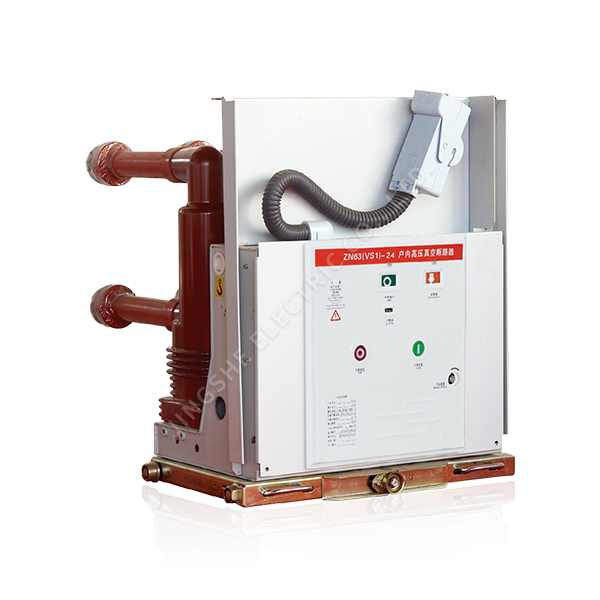
Selecting the right protection device depends heavily on the voltage level and current rating of your facility. While the withdrawable mechanism—featuring a chassis and racking system—remains a consistent convenience feature, the underlying technology for arc quenching varies. Understanding the different types of circuit breakers available in a withdrawable format is essential for designing a reliable electrical panel.
Withdrawable Vacuum Circuit Breakers (VCB)
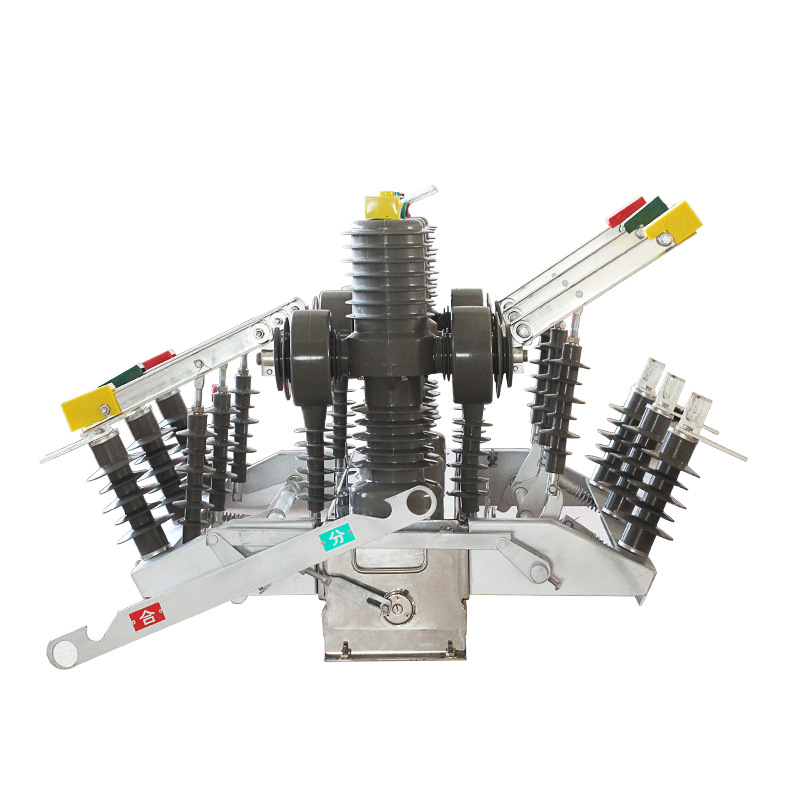
In medium-voltage (MV) applications, the Vacuum Circuit Breaker is the industry standard. These units utilize a vacuum interrupter bottle to extinguish the arc when the contacts separate.
Application: Primarily used in MV switchgear for high-voltage protection.
Mechanism: The VCB is mounted on a truck or cassette that rolls into the switchgear cabinet.
Benefit: The vacuum environment prevents oxidation of contacts and ensures a high dielectric strength, making them durable for frequent switching operations.
Withdrawable Molded Case Circuit Breakers (MCCB)
For lower current applications where space is at a premium, the Molded Case Circuit Breaker is the go-to solution. Our series, such as the WSM1 and WSM8, offers robust protection in a compact footprint.
Design: Unlike the larger air breakers, a withdrawable MCCB typically uses a plug-in base or a simplified sliding rails system.
Flexibility: This design allows for rapid replacement of the breaker unit without disturbing the hard-wired base connections.
Usage: Ideal for sub-distribution boards and motor control centers where minimizing the equipment footprint is critical.
Withdrawable Air Circuit Breakers (ACB)
The Air Circuit Breaker is the heavy lifter of low-voltage distribution, designed for high-amperage circuits. Our DW45 series specifically caters to this need, handling rated currents from 200A up to 6300A.
Construction: These units are housed in a sturdy chassis (or cradle) that supports the heavy breaker. A racking handle is used to move the breaker between the connected position, test position, and disconnected position.
Safety: The design includes mechanical interlocking device features to prevent the breaker from being withdrawn while closed, ensuring maximum operator safety.
Performance: With breaking capacities up to 120kA, these are built to protect main busbar systems in large industrial plants and commercial buildings. The drawer-type design acts as a physical isolator, providing a visible gap during maintenance.
Withdrawable vs. Fixed Circuit Breakers: Selection Guide
Choosing between a withdrawable circuit breaker and a fixed circuit breaker often comes down to balancing initial budget against long-term operational needs. While our DW45 series offers high breaking capacity in both configurations, the physical implementation differs significantly in how it interacts with the electrical panel.
Comparison of Installation and Maintenance Costs
The fixed circuit breaker is generally the cost-effective choice for initial installation. It bolts directly to the busbar system, eliminating the need for a complex chassis or cassette. However, this upfront saving can turn into a long-term expense during maintenance. Servicing a fixed unit often requires a complete shutdown of the switchboard and manual cabinet disassembly to access the terminals safely.
In contrast, the withdrawable circuit breaker commands a higher purchase price due to the inclusion of the racking drive mechanism and sliding rails. The return on investment becomes clear during operation: maintenance is rapid and does not require touching the main busbars.
| Feature | Fixed Design | Withdrawable Design |
|---|---|---|
| Initial Cost | Low (Simple mounting) | Higher (Includes cradle/chassis) |
| Maintenance Speed | Slow (Requires unbolting) | Fast (Rack-out/Rack-in) |
| Downtime | Extended (System shutdown) | Minimal (Quick replacement) |
| Complexity | Low | High (Moving parts involved) |
Space Requirements and Equipment Footprint
Space constraints in the electrical panel are a major deciding factor. Fixed breakers are compact and ideal for applications where depth is limited. They do not require the extra housing needed for the interlocking device or the travel distance for the disconnected position.
The withdrawable design requires a deeper enclosure to accommodate the chassis and the movement of the breaker along the sliding rails. Engineers must account for the clearance needed to insert the racking handle and fully withdraw the unit for inspection. If your facility has ample room and prioritizes electrical safety, the withdrawable format is superior; if every inch of the switchgear component counts, the fixed type is the logical solution.
Reliability and Performance Factors
From a pure performance standpoint, both versions of our DW45 series provide identical protection against overloads and short circuits, capable of handling up to 120kA. The difference lies in system availability and isolation.
For critical infrastructure protecting valuable assets like a large electrical transformer, the withdrawable option offers superior reliability. Its ability to move into a test position allows operators to verify secondary control circuits without energizing the main contacts. This capability, combined with mechanical unlocking features, ensures that industrial environments maintain peak uptime even during routine checks. The fixed breaker is reliable but lacks this flexibility, making it better suited for circuits that rarely require isolation or testing.
Primary Applications and Use Cases

Withdrawable circuit breakers are the standard choice where reliability and maintenance speed are non-negotiable. We see these units deployed across sectors where power interruption results in significant financial loss or safety risks.
High-Voltage Substations and Power Plants
In utility-scale operations, the ability to physically isolate a breaker is a critical safety requirement. Power plants and substations utilize withdrawable designs to ensure that maintenance personnel can visually confirm that the equipment is disconnected from the live **busbar system**. This design allows for safe servicing of the breaker without de-energizing the entire switchgear lineup, maintaining grid stability. For a deeper understanding of isolation in these high-power settings, our guide on [HV breakers and disconnects](https://www.weishoelec.com/Blog/hv-breakers-disconnects-guide/) details the specific roles these components play in grid safety.
Industrial Manufacturing and Heavy Machinery
**Industrial environments** operate on tight schedules where downtime directly impacts profitability. We recommend withdrawable breakers, particularly Air Circuit Breakers (ACB) like our DW45 series, for main distribution boards feeding heavy machinery.
* **Rapid Replacement:** If a fault occurs, a spare chassis can be racked in within minutes.
* **Motor Protection:** High breaking capacity handles the surge currents typical of large motors.
* **Scheduled Maintenance:** Crews can rack out breakers for inspection during short shift changes without a full plant shutdown.
Data Centers and Critical Infrastructure
Facilities that demand 100% uptime, such as data centers and hospitals, rely heavily on the “Test” position feature of withdrawable breakers. This allows operators to verify the functionality of the **electrical systems** and secondary control circuits without connecting the main load. By testing the logic and interlocks safely, facility managers ensure that backup generators and transfer switches will perform correctly during a real outage, protecting **critical infrastructure** from data loss or operational failure.
Best Practices for Operation and Maintenance
Ensuring the longevity of your power distribution system relies on strict adherence to operation protocols. The withdrawable circuit breaker design simplifies this by allowing easy access to the unit without dismantling the entire electrical panel.
Safe Procedures for Insertion and Withdrawal
Moving the breaker between positions requires precision. We utilize a racking drive mechanism to ensure smooth transition and operator safety.
1. Preparation: Ensure the breaker is in the OPEN position. The mechanical unlocking system usually prevents racking if the contacts are closed.
2. Insertion: Insert the racking handle into the chassis port. Rotate clockwise to move from the disconnected position to the test position.
3. Verification: In the test position, verify control accessories. Continue racking to the connected position until the indicator confirms engagement with the busbar system.
4. Withdrawal: Reverse the process. Always confirm the breaker is isolated before opening the switchgear component cabinet.
Routine Inspection and Testing Requirements
Regular maintenance prevents unexpected downtime. While withdrawable ACBs are robust, environmental factors matter. For instance, comparing maintenance needs for 11kV circuit breakers in outdoor vs. indoor scenarios reveals that dust and humidity significantly impact inspection frequency.
Visual Check: Inspect the chassis cassette and sliding rails for debris or old grease.
Contact Inspection: Check primary and secondary disconnects for signs of overheating or pitting.
Lubrication: Apply conductive grease to the main stabs and standard lubricant to the racking drive mechanism.
Interlocks: Test the interlocking device to ensure the breaker cannot be withdrawn while closed.
Common Troubleshooting and Mechanical Adjustments
If a withdrawable circuit breaker fails to operate, it is often a mechanical alignment or interlock issue rather than an electrical fault.
| Issue | Possible Cause | Corrective Action |
|---|---|---|
| Cannot Rack In | Breaker is CLOSED or interlocking device is active. | Trip the breaker to OPEN. Check for padlock or key interlocks. |
| High Resistance | Dirty or misaligned primary disconnects. | Clean contacts and check alignment within the housing. |
| Stuck Mechanism | Dried grease on sliding rails. | Clean old grease and relubricate the chassis rails. |
| Control Failure | Secondary disconnects not engaging. | Verify the unit is fully in the test position or connected position. |
Note: Always refer to the specific technical datasheet for torque settings and lubrication types.