Ever wondered why some high-voltage circuit breakers endure the elements outdoors while others work comfortably inside? You've seen them on power poles in the countryside, those sturdy metal boxes, or hidden away in the electrical rooms of city high-rises—these are 11kV high-voltage circuit breakers.
Today, let's play electrical detectives and uncover the key differences between outdoor and indoor high-voltage circuit breakers. We'll reveal how they secretly safeguard our power supply!
By: Thor (Senior Electrical Engineer, Wei Shoe Electric. With over 12 years of specialized experience in power equipment R&D and application, Thor has contributed to numerous critical national and international power transmission and distribution projects.)
1. The "Workplace": Extreme Outdoors vs. Controlled Indoors
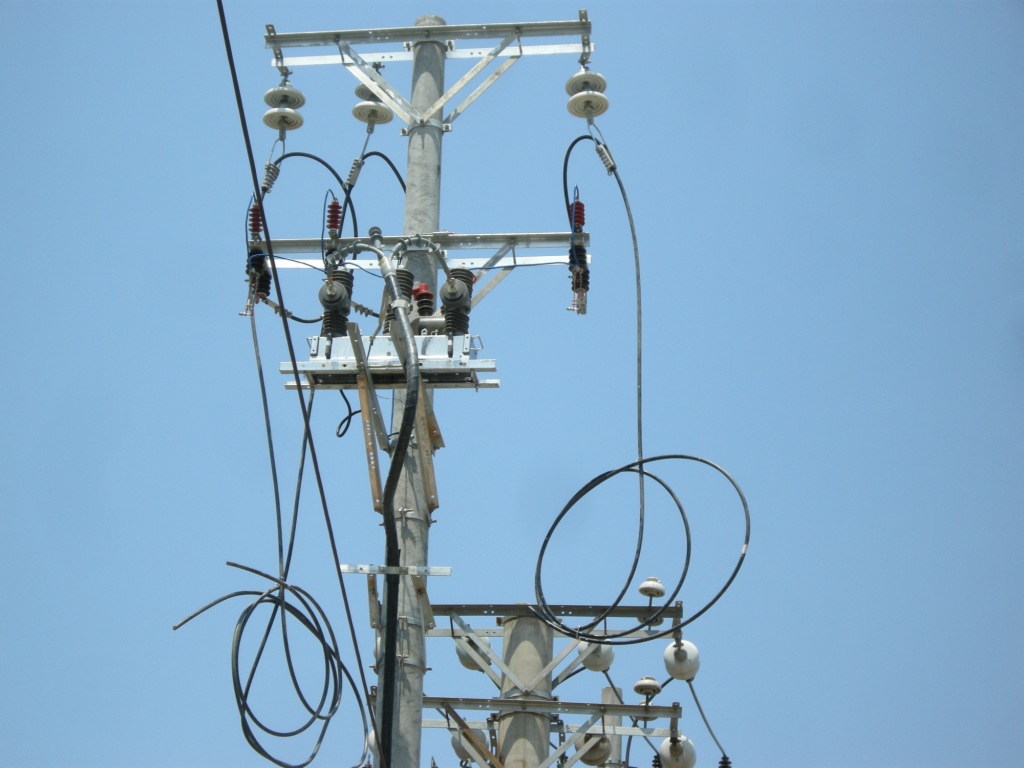
Outdoor Circuit Breakers: The Grid's "Tough Guys"
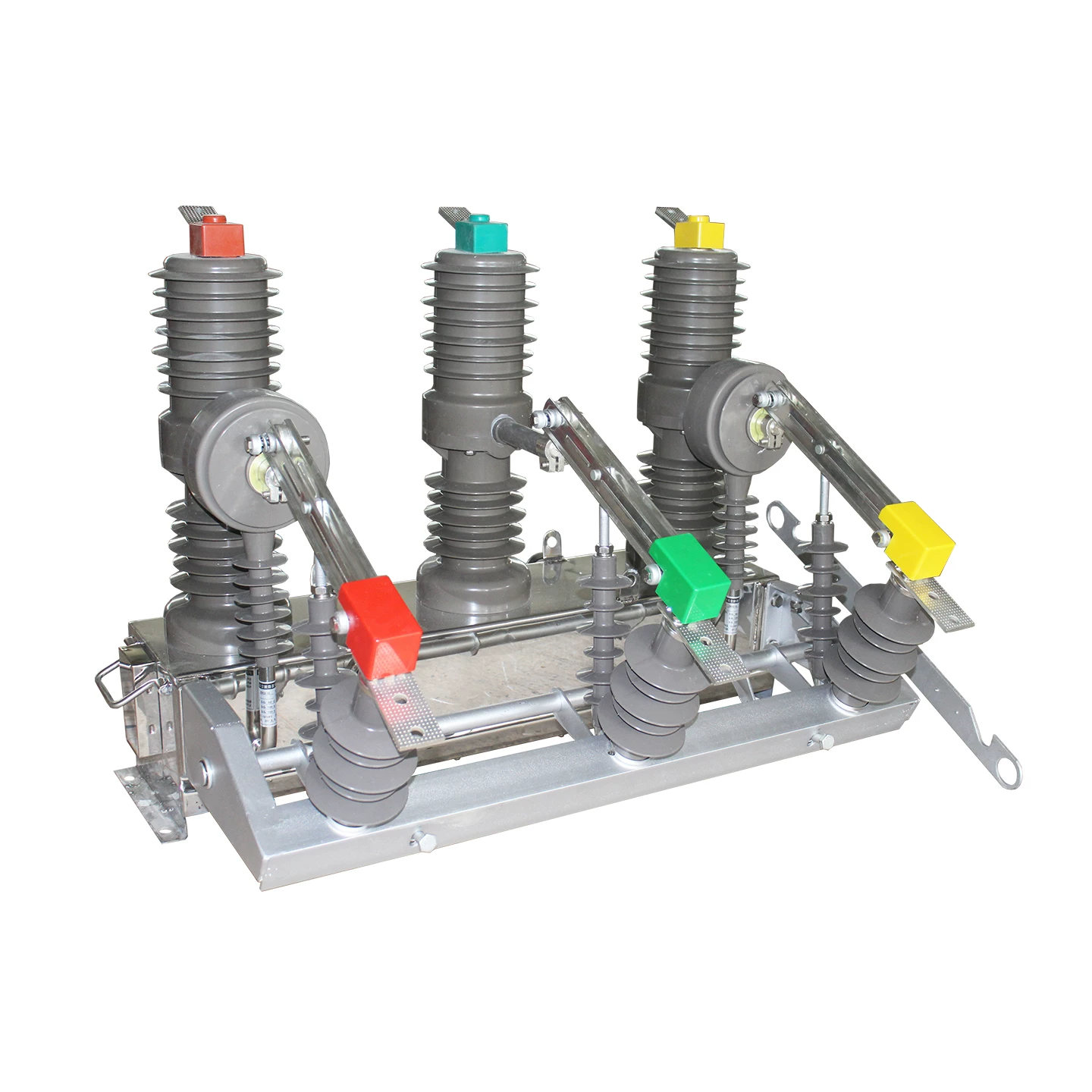
Outdoor high-voltage circuit breakers are the true "tough guys" of the electrical grid. They're built to withstand it all: scorching 100°F (40°C) summer heat, icy winter winds, and even dust storms. They stand guard on power poles or in outdoor substations, directly facing Mother Nature's fury.
Real-World Scenario: Imagine a remote area where strong winds snap a tree branch onto power lines, causing a short. An outdoor circuit breaker instantly "trips" to cut power, preventing a wider outage. Once the issue is clear, it quickly restores electricity, keeping homes powered up. Their toughness and quick response are essential for outdoor environments.
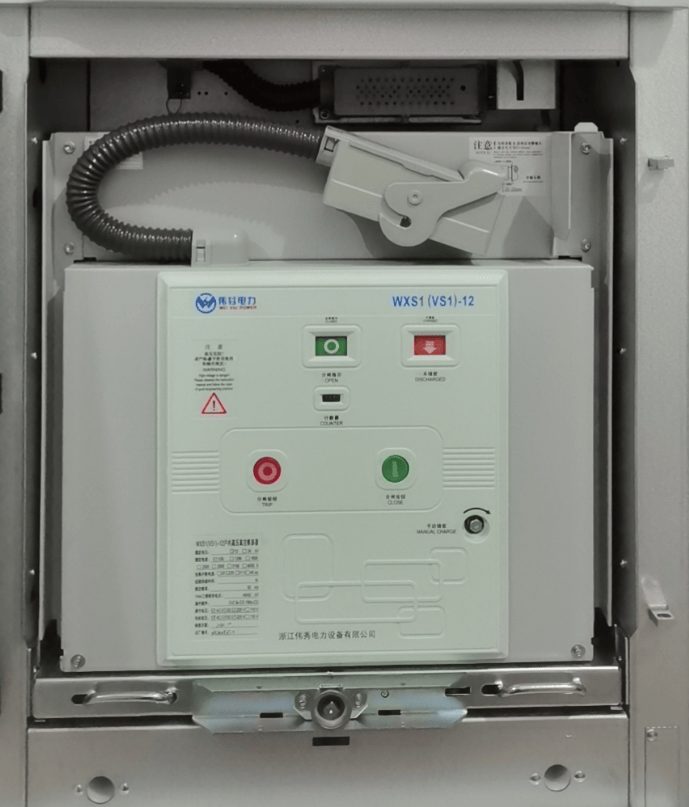
Indoor Circuit Breakers: The "Precision Operators"
Indoor high-voltage circuit breakers are more like the "precision operators." They work in a much gentler environment, typically installed in dedicated electrical rooms or switchgear stations. They're safe from wind, rain, dust, and humidity, which dramatically extends their lifespan and cuts down on maintenance.
Real-World Scenario: In a bustling city commercial complex, thousands of devices are running, making power demands complex and unpredictable. Indoor circuit breakers are tucked away inside high-voltage switchgear cabinets, constantly monitoring current. If a line overloads, they act precisely, isolating the faulty circuit in milliseconds without affecting other areas. They're like an "on-call expert" for the power system.
2. "Looks & Build": Rugged Exterior vs. Compact Interior
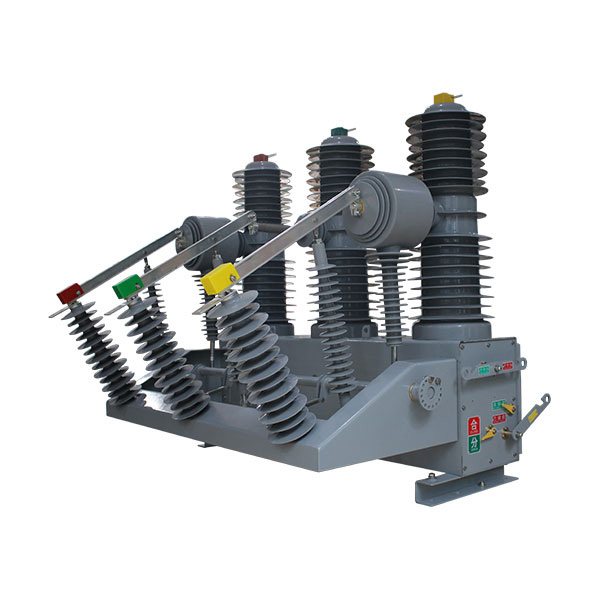
Outdoor Circuit Breakers: The "Built-for-Battle" Design
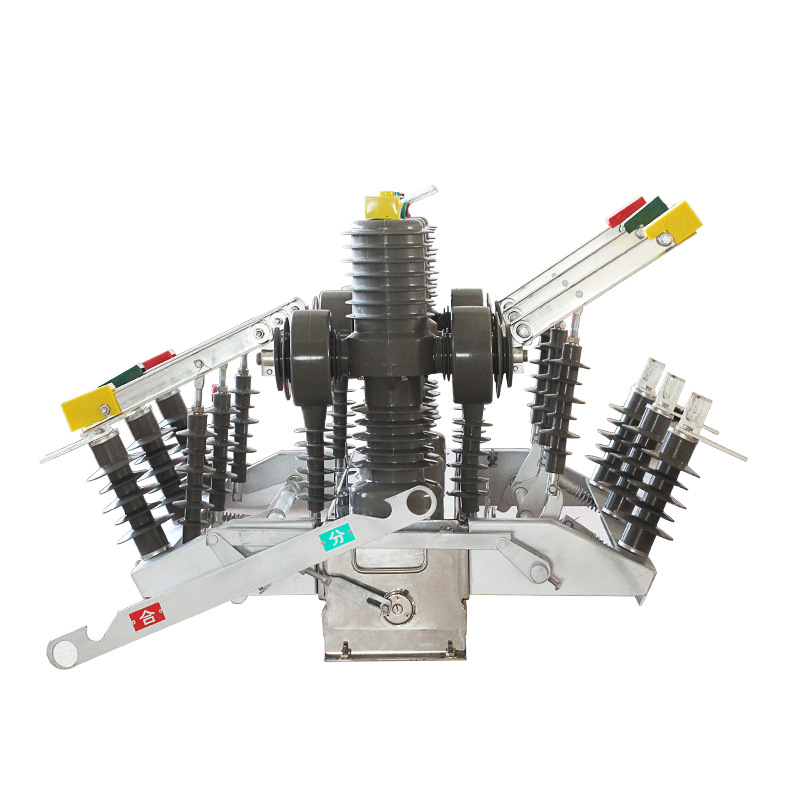
Visually, outdoor circuit breakers have a "built-for-battle" look. They're usually larger and incredibly sturdy, designed to take on external impacts.
Heavy-Duty Protection: To handle harsh outdoor conditions, their enclosures use special anti-corrosion, waterproof, and dustproof materials. Their external insulators also have a much longer creepage distance compared to indoor units. This helps prevent electrical leakage and flashovers in wet or polluted environments, strictly following international standards
like IEC 60071 Cold Climate Ready: In colder regions, some outdoor circuit breakers even include heaters to stop internal parts from freezing. These features ensure they stay reliable for years, no matter the weather.
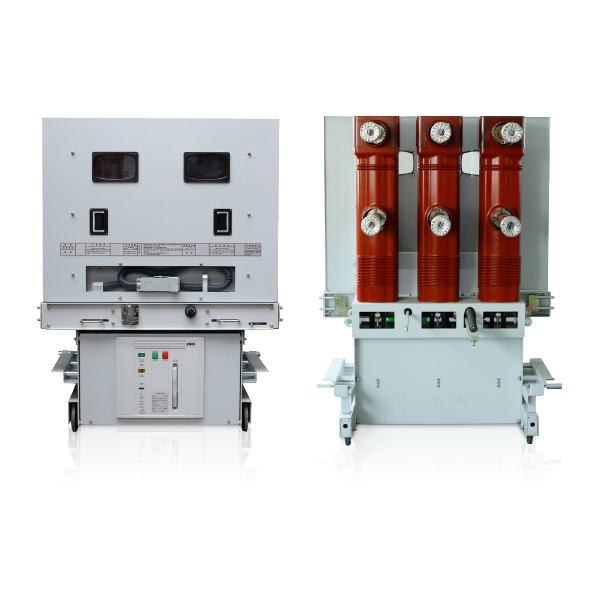
Indoor Circuit Breakers: The "Sleek Integrators"
Indoor circuit breakers look more refined and compact. Since they don't face extreme weather, their enclosures are lighter, and their design focuses on fitting neatly into tight spaces.
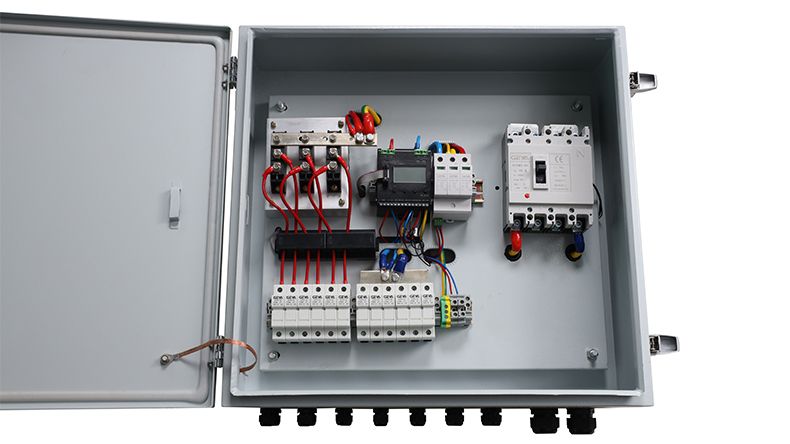
Seamless Integration: They typically feature a vertical design, installed within high-voltage switchgear cabinets. Here, they work seamlessly with other electrical gear like disconnectors and transformers, forming an efficient, integrated system. They're like a crucial part in a complex machine—small but vital.
Easy Access: Indoor circuit breakers are also simpler for technicians to check and maintain. Just open the cabinet door for a quick, close-up look at how everything's running, ensuring long-term stable operation.
3. "Performance Metrics": Outdoor "High-Capacity" vs. Indoor "Precise Control"
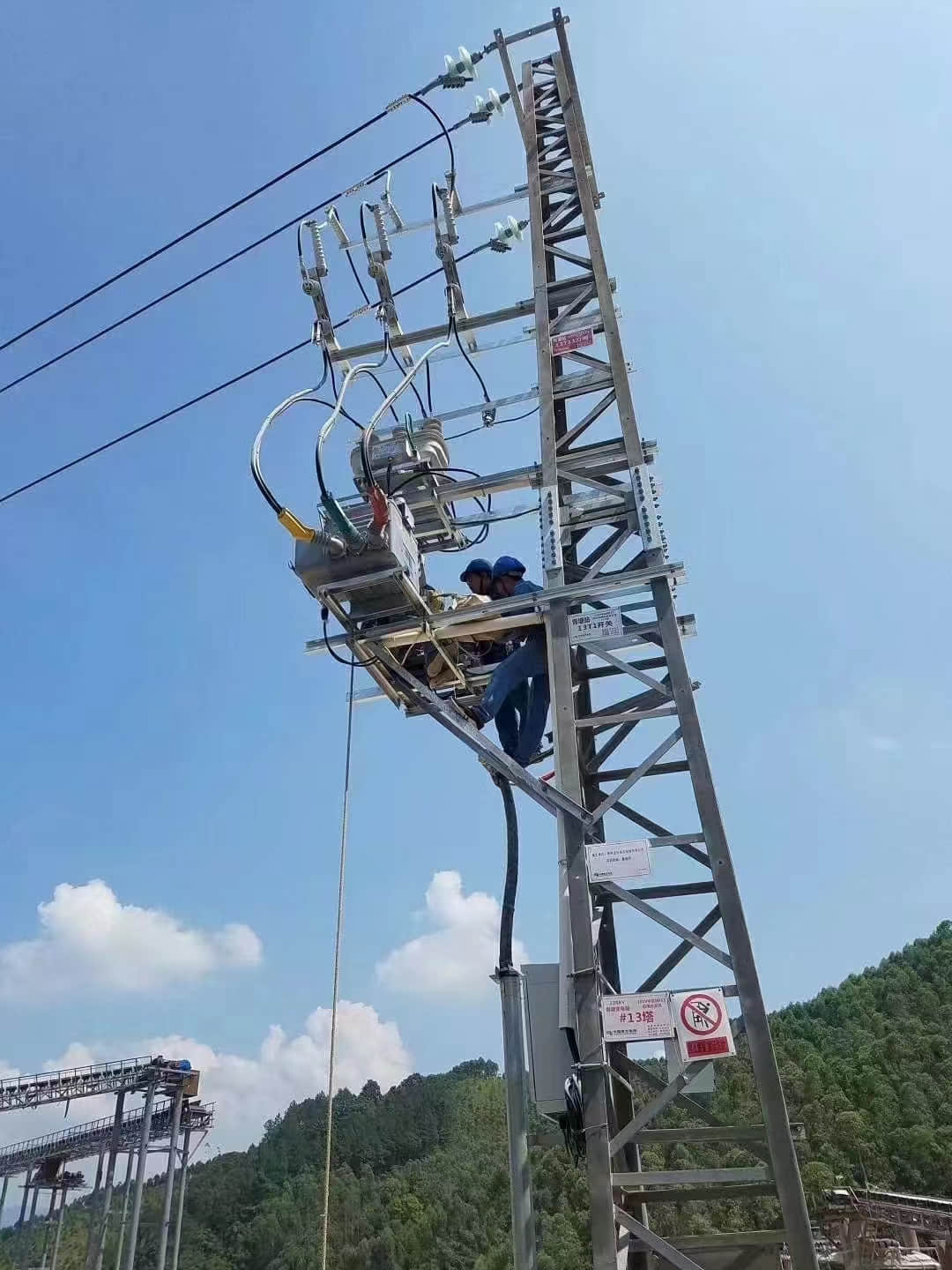
Outdoor Circuit Breakers: The "Bulk Power Handlers"
When it comes to performance, outdoor circuit breakers are the "bulk power handlers." Their rated current and short-circuit breaking current are typically much higher, with more options for various ratings.
Massive Load Management: In large industrial zones or along transmission lines, countless factories operate at once, creating huge power demands and potential sudden surges. Outdoor circuit breakers, with their immense capacity, easily handle vast amounts of power. If a short circuit hits, they swiftly interrupt the high currents, protecting the entire area's electrical equipment.
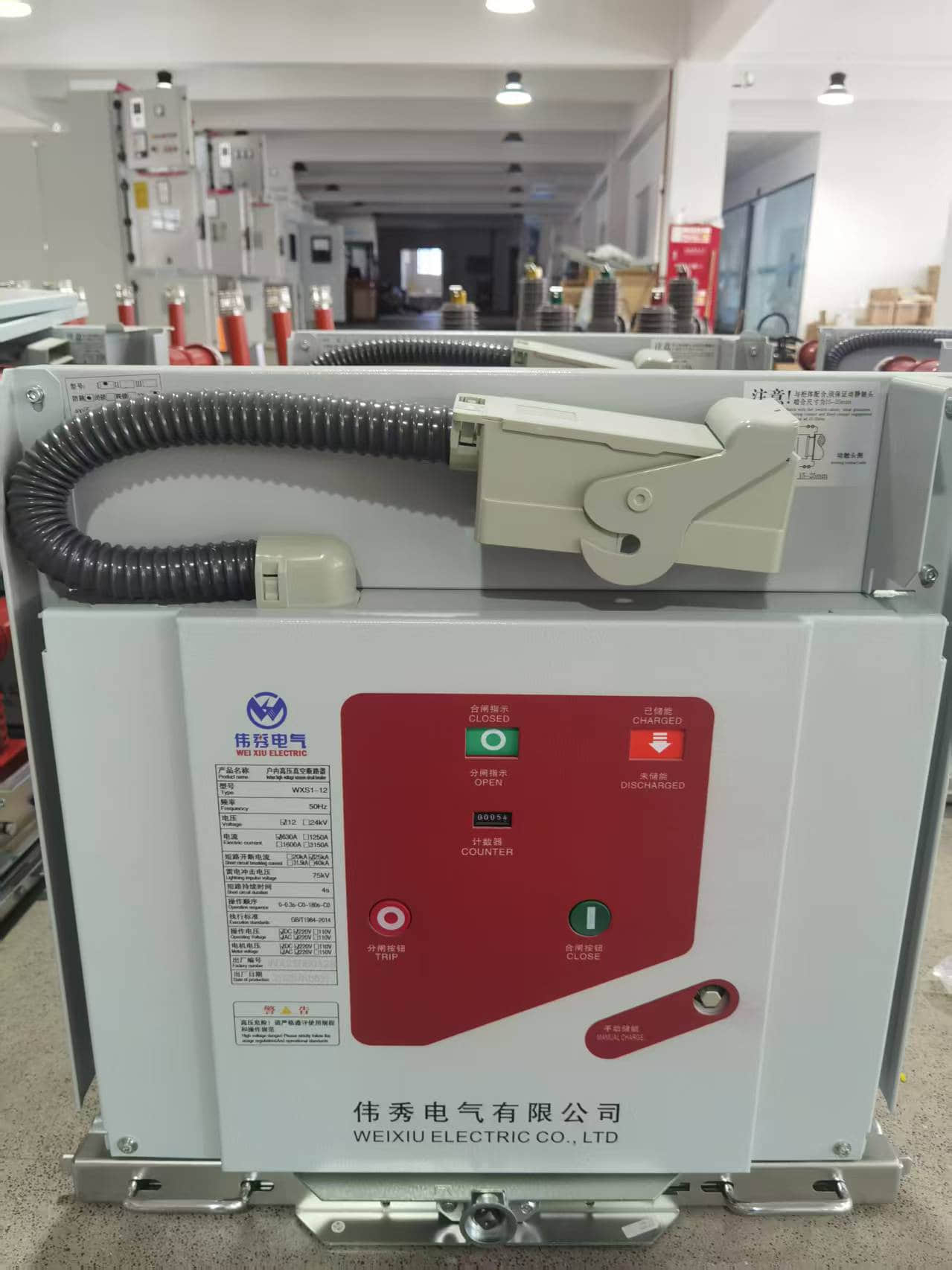
Indoor Circuit Breakers: The "Fast & Accurate Responders"
Indoor circuit breakers are the "fast and accurate responders." Their rated current and short-circuit breaking current are usually smaller, but they excel in precision and quick reaction time.
Critical Facilities: In places like hospitals, data centers, or financial institutions where power stability is critical, even tiny current fluctuations can cause major problems. Indoor circuit breakers can sense current changes instantly. If something goes wrong, they react swiftly and precisely, cutting off the faulty circuit in milliseconds, ensuring vital equipment keeps running. This precise control means continuous operations for critical services.
4. "Control Method": Remote "Strategists" vs. Local "Operators"
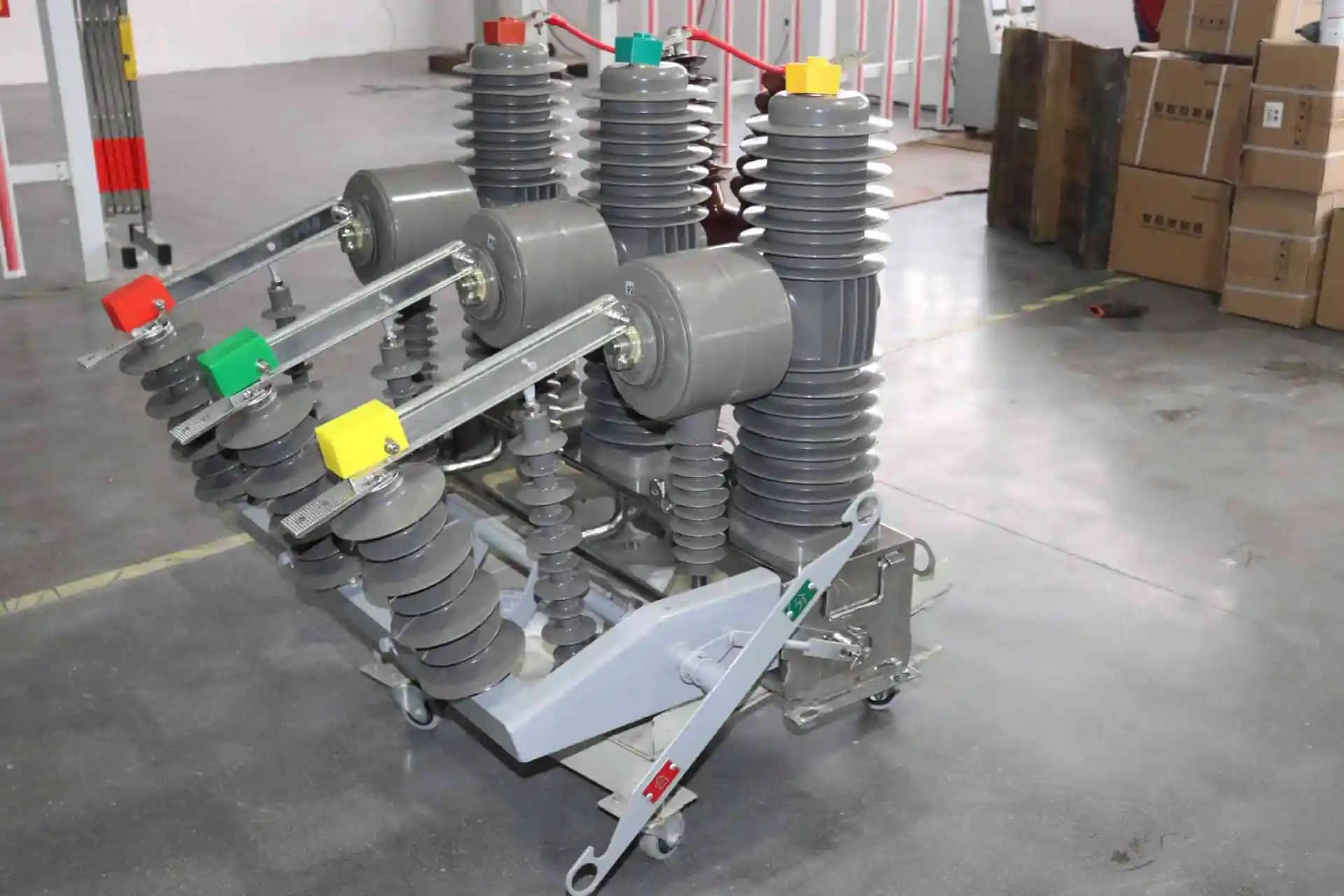
Outdoor Circuit Breakers: The "Remote Commanders"
Outdoor circuit breakers often use remote control, acting like "commanders managing from afar." In vast rural grids or remote transmission lines, power teams don't need to physically visit each breaker to operate it.
Automation & Efficiency: Through SCADA systems and other control platforms, maintenance teams monitor breaker status in real-time and perform remote open/close operations. When a line fault occurs, smart controllers quickly identify the problem, automatically isolate the faulty line, and alert the team. This significantly improves how fast issues are resolved and how reliable the power supply is.
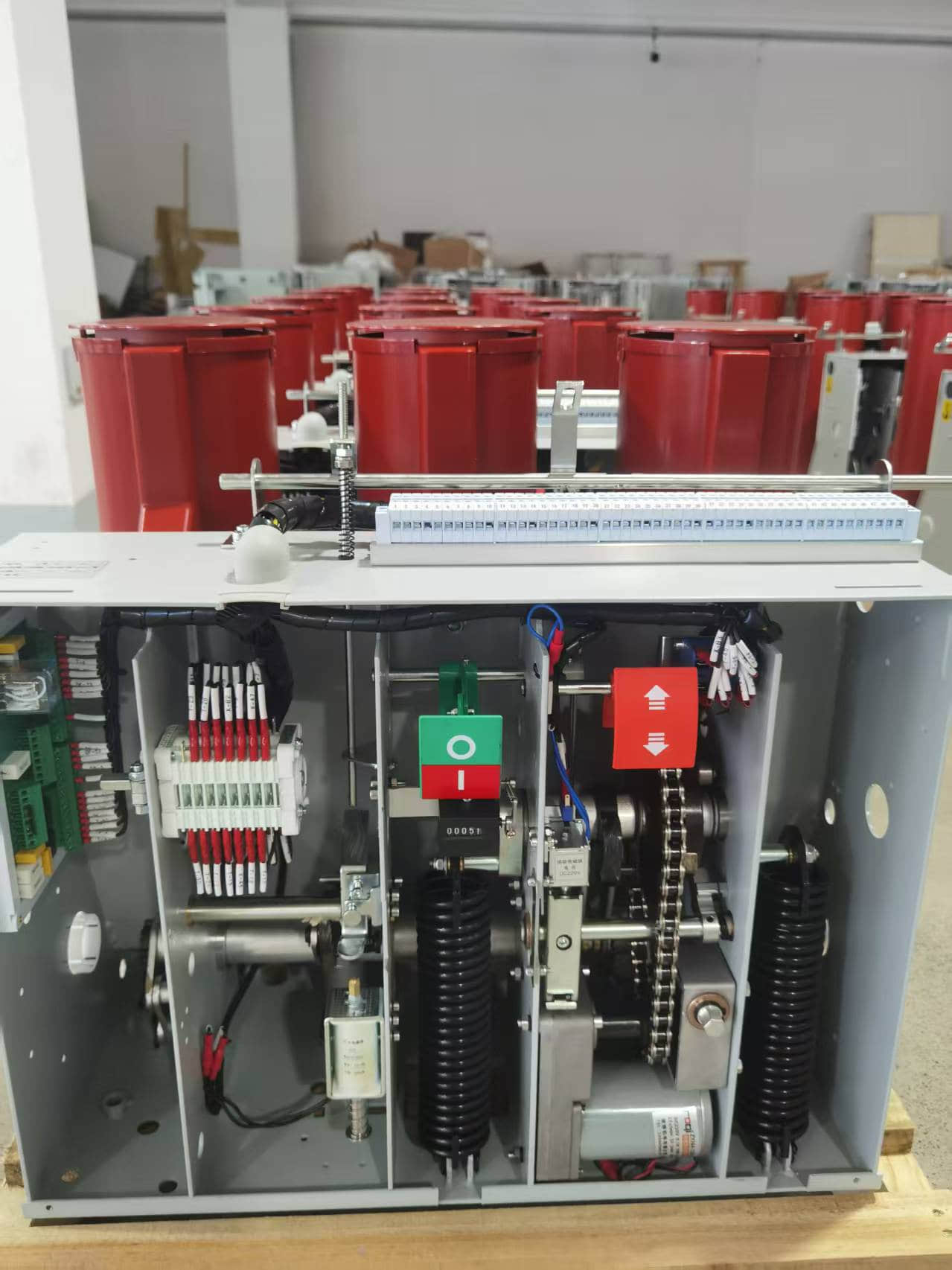
Indoor Circuit Breakers: The "On-Site Managers"
Indoor circuit breakers typically rely on local automated control, like "on-site managers." They work closely with other devices within the high-voltage switchgear cabinet (like protective relays and control units) for precise power control and protection.
Direct Access & Adjustments: Technicians can directly control and inspect indoor circuit breakers from the electrical room. They can adjust settings based on real-time power needs, ensuring a stable power supply. This hands-on control allows for detailed management and quick troubleshooting.
Whether outdoor or indoor, 11kV high-voltage circuit breakers play a crucial role in their specific environments. Next time you spot a metal box on a power pole or pass by a mysterious electrical room, you'll know these unassuming devices are using their unique strengths to keep our daily lives safely powered!
Contact Us
Have more questions about 11kV high-voltage circuit breakers or need custom solutions for your power system? Don't hesitate to reach out to the experts at Wei Shoe Electric.
📞 Phone: +86-0577-62788197
📱 WhatsApp: +86 159 5777 0984
✉ Email: [email protected]
🌐 Resources:
weishoelec.com
Engage with Us!
Do you have specific challenges related to high-voltage equipment in your facility? Share your thoughts or questions in the comments below!
Found this guide helpful? Don't forget to share it with your professional network!
Frequently Asked Questions (FAQ)
Q1: Can an indoor 11kV circuit breaker be installed outdoors?
A1: No. Indoor circuit breakers aren't built for harsh outdoor conditions like rain, snow, dust, extreme temperatures, or UV radiation. Putting an indoor unit outside would cause it to degrade quickly, fail prematurely, and create serious safety hazards. Always use equipment specifically designed and rated for outdoor use in outdoor environments.
Q2: What is "creepage distance," and why is it important for outdoor circuit breakers?
A2: Creepage distance is the shortest path along the surface of an insulator between two conductive parts. For outdoor circuit breakers, a longer creepage distance is critical. It helps prevent "flashovers" or "tracking" (electrical leaks) from forming on the insulator's surface, especially in dirty or humid conditions. This ensures insulation remains effective and prevents power outages or equipment damage.
Q3: How often do 11kV high-voltage circuit breakers typically need maintenance?
A3: Maintenance frequency for 11kV high-voltage circuit breakers varies based on their type (e.g., vacuum, SF6), operating environment, and manufacturer's recommendations. Generally, simple visual checks might be done monthly or quarterly. More in-depth preventive maintenance (like testing contacts, insulation, and mechanisms) is usually performed every 1-5 years. Always check the specific manufacturer's manual and relevant industry standards (like IEEE C37.010 for AC high-voltage circuit breakers) for exact guidelines.
Q4: Can these circuit breakers operate remotely without a SCADA system?
A4: While SCADA systems offer the most complete remote control and monitoring, some modern outdoor circuit breakers can provide basic remote operation (like open/close) via simpler communication modules (e.g., cellular or radio) if a full SCADA setup isn't feasible. However, for complex automation, pinpointing faults, and managing large networks, a SCADA system is usually necessary.