
. This vital voltage conversion is paramount for ensuring both the stability of the entire grid and the operational safety and longevity of connected electrical devices.
Key Takeaways
Inductive Principle:
The transformer's operation relies entirely on mutual induction between the primary and secondary windings, facilitating power transfer with inherent galvanic isolation between the circuits.Transmission Strategy:
Step-up transformers are utilized at power plants to drastically reduce current () and minimize transmission losses over long distances, whereas step-down transformers make electricity safe for consumers.Grid Stability:
As non-rotating machines, transformers are crucial for maintaining the consistency and reliability of the utility grid. Condition-based monitoring is essential to prevent system failures and costly outages.Energy Efficiency:
Modern units often incorporate specialized materials, like amorphous metal alloys in the core, to significantly reduce no-load losses (core losses), making them highly efficient and reducing the environmental footprint.Integrated Protection:
Protection schemes, which may include Buchholz relays and pressure release diaphragms, provide instantaneous detection of internal faults (e.g., winding shorts) and safeguard against catastrophic failure.Enabling Renewables:
Transformers are pivotal in the ongoing energy transition, adjusting and conditioning the power generated by distributed sources, such as solar farms and wind turbines, to ensure seamless synchronization with the existing grid infrastructure.
Electrical Transformer Basics
What Is an Electrical Transformer
An electrical transformer helps change how strong the electricity is. You can use it to make the voltage go up or down. Experts say a transformer is a device that changes the input voltage to a different output voltage. This new voltage can be higher or lower. You can find transformers in many places. They are in power plants and also in homes.
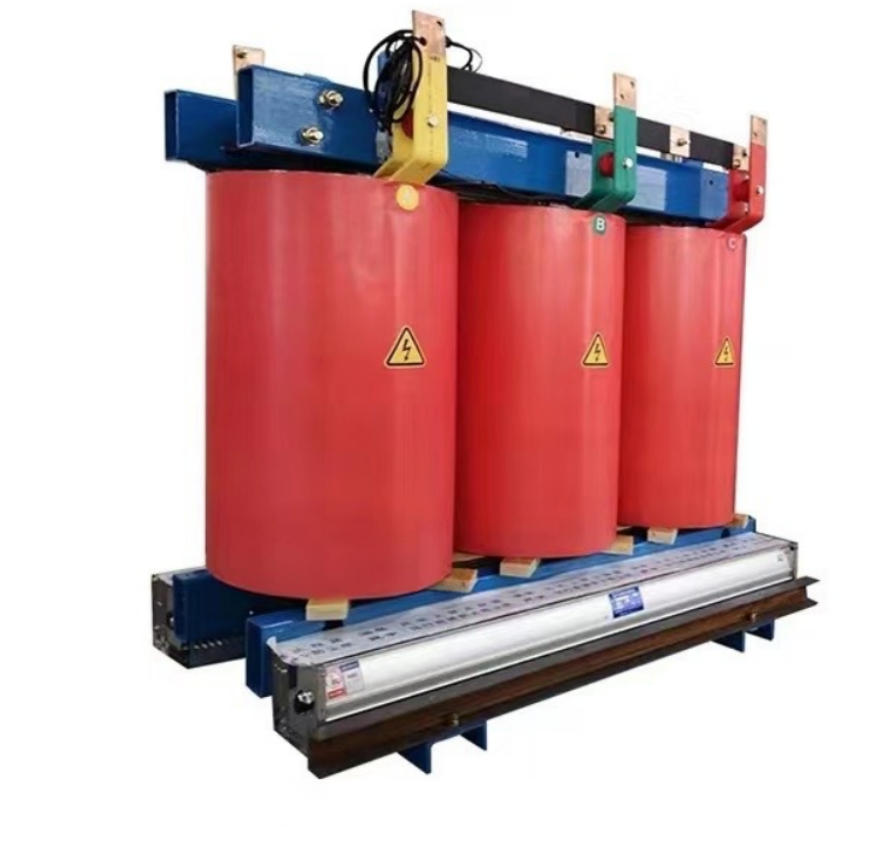
A transformer has two coils of wire. These are called the primary and secondary windings. The coils do not touch each other. The transformer uses electromagnetic induction to move energy from one coil to the other. It acts like a bridge. It moves electricity from one circuit to another and changes the voltage.
Here is a table that shows what an electrical transformer does in a power system:
Function | Description |
|---|---|
Voltage Transformation | Changes high voltage to low voltage or the other way using the turns ratio in the windings. |
Power Generation Plants | Step-up transformers increase the voltage higher for send electricity further. |
Substations | Step-down transformers make high voltage lower for local use. |
Industrial Equipment | Make sure machines get the right voltage to work well. |
How Transformers Transfer Energy
A transformer is a passive part that moves electrical energy from one circuit to another. When the current changes in any coil, it makes a changing magnetic field in the core. This changing field creates a new electromotive force (EMF) in the other coils on the same core. This lets energy move between coils without them touching.
You see this every time you plug in something at home. The transformer takes electricity from the power lines and makes it safe for your devices. Transformers work because of Faraday's law of electromagnetic induction. When AC flows in the primary winding, it makes a magnetic field in the core. This field makes a voltage in the secondary winding. This creates a current. The transformer changes the voltage but keeps the frequency the same.
Mutual induction happens when the magnetic field from the primary winding makes a voltage in the secondary winding.
This lets the transformer move energy from one circuit to another.
The transformer changes the voltage to fit what the power system needs.
Transformers work very well. Most modern transformers are more than 90% efficient. Many work at 95% to 99%. Transformers have no moving parts, so they do not waste much energy. Gasoline engines only use about 20% to 40% of their fuel energy. Transformers use almost all the energy they get.
Why Transformers Matter
Voltage and Current
You need the right voltage and current to use electricity safely. An Electrical Transformer helps make power safe and useful for you. If the voltage is too high or too low, your devices can break. Transformers keep the voltage at the right level so your lights and computers work.
Here is a table that shows how transformers change voltage and current:
Evidence Description | Explanation |
|---|---|
The transformer uses mutual inductance to change how power moves from the primary circuit, depending on the load in the secondary. | If the load resistance in the secondary goes down, the primary circuit needs more current to give more power. |
Transformers work best with load resistances between 15 and 20 ohms. | If the load is too heavy, the primary coil can get too hot and the transformer can get noisy. |
The secondary load resistor changes the impedance in the primary circuit. | A smaller load resistance means lower impedance, so the primary source gives more current. |
Wrong voltage or current can be dangerous. Here are some effects:
10 mA can make your muscles spasm, and you may not be able to let go.
About 30 mA can make your heart beat in a dangerous way, which can be deadly if not treated fast.
100 mA or more can cause serious injuries, like stopping your heart.
High voltage, over 1000 volts, can hurt or kill you. Household voltage, like 120 volts, is less deadly but still risky, especially if your skin is wet or hurt. High voltage can go through your skin and let more current flow.
Tip: Always use devices with the right voltage and current. Transformers help keep you safe by controlling these levels.
Power System Reliability
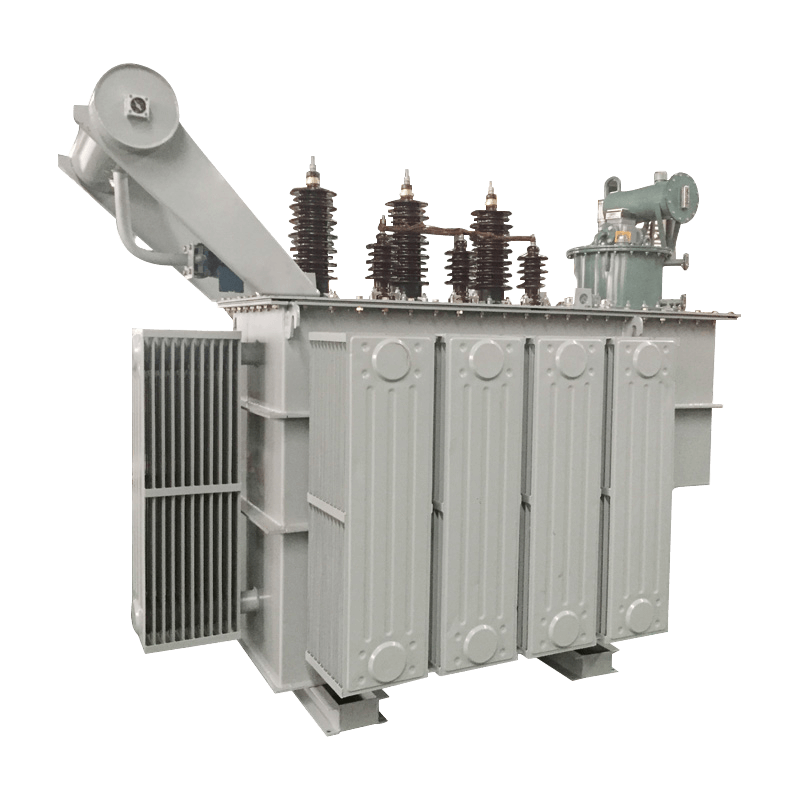
You need a reliable power system for home, school, and work. Transformers help make sure you get steady electricity. They keep voltage safe, balance loads, and help with faults.
Here is a table that shows how transformers help reliability:
Mechanism | Contribution to Reliability |
|---|---|
Keeps voltage safe so equipment works and blackouts do not happen. | |
Load Balancing | Shares load evenly to stop overheating and problems. |
Fault Management | Separates problem areas during faults and keeps the power system stable. |
Impedance Design | Controls voltage changes and limits fault currents to make the system stronger. |
If transformers fail, many people can lose power. Studies show transformer outages can affect thousands. For example, experts in Egypt studied 1922 transformers over years. They looked at outage rates, repair times, and how long people lost power. These facts help experts make transformers better and keep your power on.
Note: Good transformers mean fewer outages and less time without electricity for you and your community.
How Transformers Work
Electromagnetic Induction
Every Electrical Transformer uses electromagnetic induction. This idea is what makes transformers work. When electricity goes through a coil, it makes a magnetic field that changes. The magnetic field moves through the core and gets to another coil. The second coil feels this changing field and makes a new voltage. Faraday’s law explains how this happens. The voltage in the second coil depends on how many turns it has and how fast the magnetic field changes.
When a magnetic field changes near a coil, it makes an electromotive force (emf) in another coil.
The voltage in the secondary coil depends on the number of turns and how quickly the magnetic field changes.
Electromagnetic induction lets energy move without wires touching. This keeps each circuit safe and separate.
Coils and Core
Transformers have two main coils and a core. You can find these parts inside every transformer.
Primary Coil
The primary coil is where electricity enters first. When you connect it to power, it makes a magnetic field in the core. This field starts the energy transfer.
The primary coil takes in electricity and makes a magnetic field in the core.
Secondary Coil
The secondary coil is close to the primary coil but does not touch it. The magnetic field from the primary coil reaches the secondary coil. This field makes the secondary coil create a new voltage. You get the output voltage from this coil.
The secondary coil gets the magnetic field and gives you the voltage you need.
Core Function
The core connects the two coils. It helps the magnetic field move from the primary to the secondary coil. The core keeps the field strong and focused so energy moves well.
The core lets the coils work together and helps the transformer change voltage easily.
Step-Up and Step-Down
Transformers help change voltage levels. There are two main types: step-up and step-down.
Step-up transformers increase the voltage higher. You use them to send electricity far away. The primary coil has fewer turns than the secondary coil. This setup gives you more voltage at the output.
Step-down transformers lower the voltage. You use them to make electricity safe for homes and devices. The primary coil has more turns than the secondary coil. This setup gives you less voltage at the output.
You see step-down transformers in phone chargers and power adapters. These devices need a lower voltage to work safely. Substations use step-down transformers to give safe electricity to homes. Step-up transformers are used in power plants and renewable energy systems. They raise the voltage so electricity can travel far without losing much energy.
Step-up and step-down transformers keep your devices safe and help electricity get to you.
Transformer Components
Core
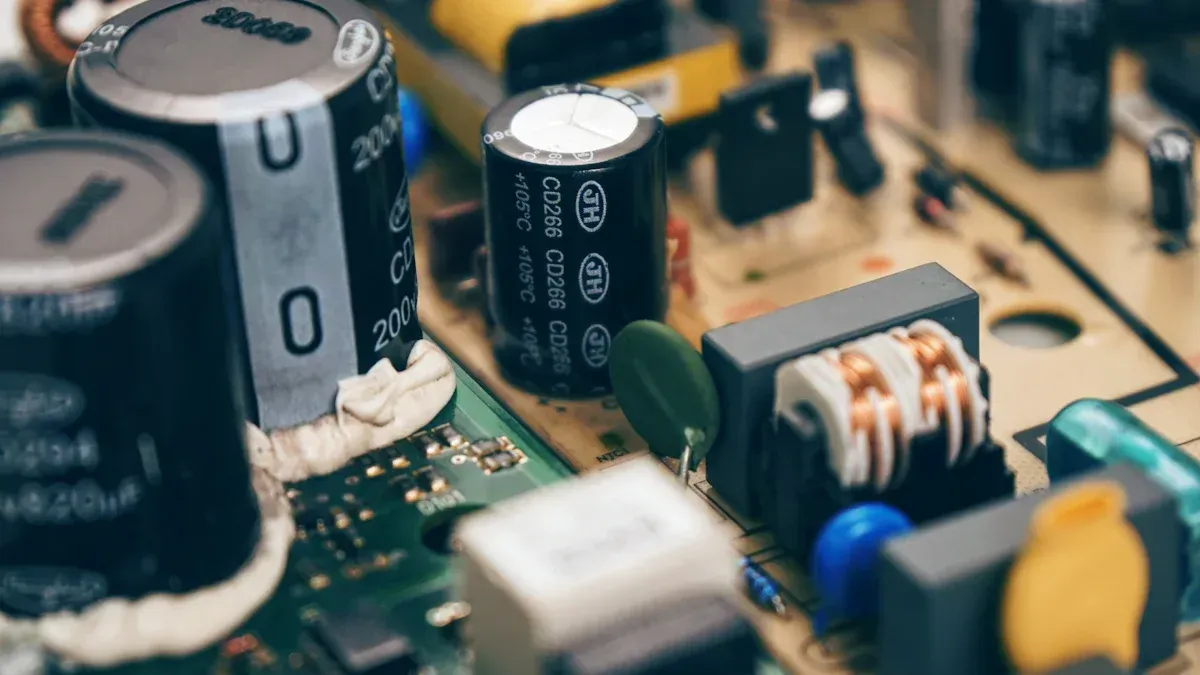
The core is in the middle of every transformer. It helps guide the magnetic field between the windings. This part makes the transformer work well and keeps it safe. Different core materials have special features.
Material | Key Characteristics | Applications |
|---|---|---|
Cold Rolled Grain-Oriented Steel | Strong magnetic properties, less energy loss, good energy transfer | Used for sending power over long distances |
Amorphous Steel | Low energy loss when not working, easy for magnetic fields to pass | Used in energy-saving transformers and solar systems |
Nanocrystalline Materials | Very easy for magnetism to pass, stays stable when hot, and less energy is lost | Used in high-efficiency transformers and data centers |
Old transformers used solid iron cores. Later, engineers used silicon steel to make magnetism better. Laminated sheets help stop overheating and save energy. These changes make transformers safer and more dependable for you.
Windings
Windings are wire coils wrapped around the core. Every transformer has two main windings: primary and secondary. The way windings are made affects how well the transformer works.
Using more copper and less air makes windings work better. This helps save energy and makes the transformer more efficient. Good insulation between windings stops short circuits. Transformers that work at high frequencies get hot fast, so cooling is important. How engineers arrange the windings, called winding topology, changes how quickly the transformer works and how much energy it can handle.
Primary
The primary winding gets electricity first. When you connect power, the primary winding makes a magnetic field in the core. The number of turns in this coil sets the input voltage. More turns in the primary means you get less output voltage.
Secondary
The secondary winding is close to the primary but does not touch it. This coil gets the magnetic field from the core and makes the output voltage. The number of turns in the secondary winding decides if you get more or less voltage. You use the secondary winding to power your devices.
Insulation
Insulation keeps electricity from leaking between parts. You find insulation between windings, around the core, and outside the transformer. Good insulation stops short circuits and protects against water and dirt.
Insulation Type | Properties |
|---|---|
Full Insulation | Same insulation everywhere, good for small transformers and low power use. |
Graded Insulation | Less insulation near the center, used in high-power systems, saves space and money. |
Oil-immersed | Great for cooling, keeps out water, stops sparks. |
Dry-type | Does not get wet or burn easily, not good for high voltage. |
Gas Insulation | Low resistance to electricity, stops sparks, but costs more to keep working. |
Solid Materials | Includes special papers like Nomex, good for heat and water protection. |
Liquid Materials | Special oils need regular checks to keep working well. |
Heat Resistance Classes | Named A, E, B, F, and H, each has a temperature limit for safety. |
The main insulation is between windings and the ground. Long insulation runs along the windings. Outside insulation protects the transformer from rain, dust, and other dangers. Regular checks and care keep insulation strong and transformers safe.

Cooling
Cooling keeps your transformer safe and working well. When electricity flows through the windings, heat builds up inside. If you do not cool the transformer, it can get too hot and stop working. You need cooling to protect the parts and make the transformer last longer.
You find several cooling methods in transformers. Each method uses a different medium to remove heat. Some use air, some use oil, and some use water or special gases. The right cooling method depends on the size of the transformer and how much power it handles.
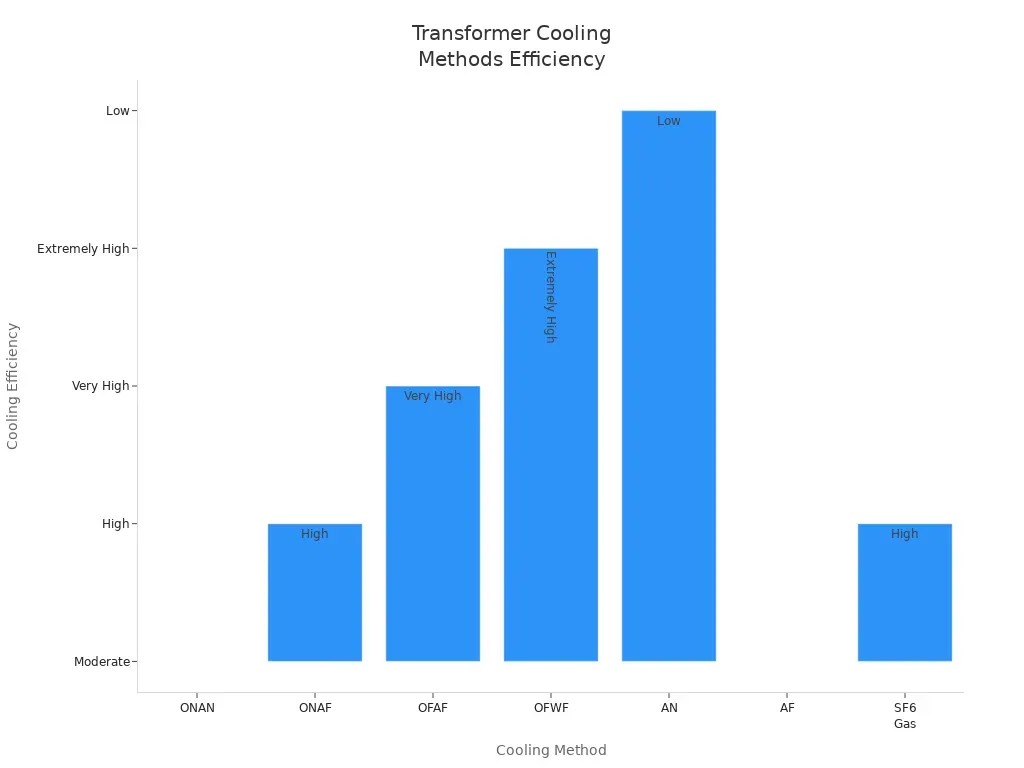
Here is a table that shows common cooling methods, what they use, how well they work, and where you find them:
Cooling Method | Medium | Cooling Efficiency | Maintenance Needs | Application |
|---|---|---|---|---|
ONAN | Oil + Air | Moderate | Low | Small/Medium Transformers |
ONAF | Oil + Forced Air | High | Medium | Medium/Large Transformers |
OFAF | Oil + Forced Air | Very High | High | Large Transformers |
OFWF | Oil + Water | Extremely High | High | Extra-Large Transformers |
AN | Air | Low | Low | Small Dry-Type Transformers |
AF | Forced Air | Moderate | Medium | Medium Dry-Type Transformers |
SF6 Gas | Gas | High | Medium | High-Voltage Applications |
You see ONAN cooling in many small transformers. Oil moves heat away from the windings, and air cools the oil. This method works well for homes and small businesses. ONAF uses fans to blow air over the oil, which cools the transformer faster. Large transformers need even more cooling. OFAF and OFWF use pumps and fans or water to remove heat quickly. These methods keep big transformers safe in power plants and factories.
Dry-type transformers use air or forced air. You find these in places where oil is not safe. Air cooling works for small loads. Forced air helps with bigger loads. Some high-voltage transformers use SF6 gas. This gas cools well and stops sparks.
Tip: Good cooling means your transformer works longer and does not break down. You save money and avoid power outages.
Cooling efficiency changes with each method. You can see how they compare in the chart below:
You need to check and maintain cooling systems. Oil and water methods need more care. You must look for leaks and keep the system clean. Air cooling needs less work but does not cool as well. If you choose the right cooling method, your transformer stays safe and works well for years.
Cooling is not just about keeping things cold. It protects your transformer from damage. It helps you get reliable electricity every day.
Types of Transformers
Power Transformers
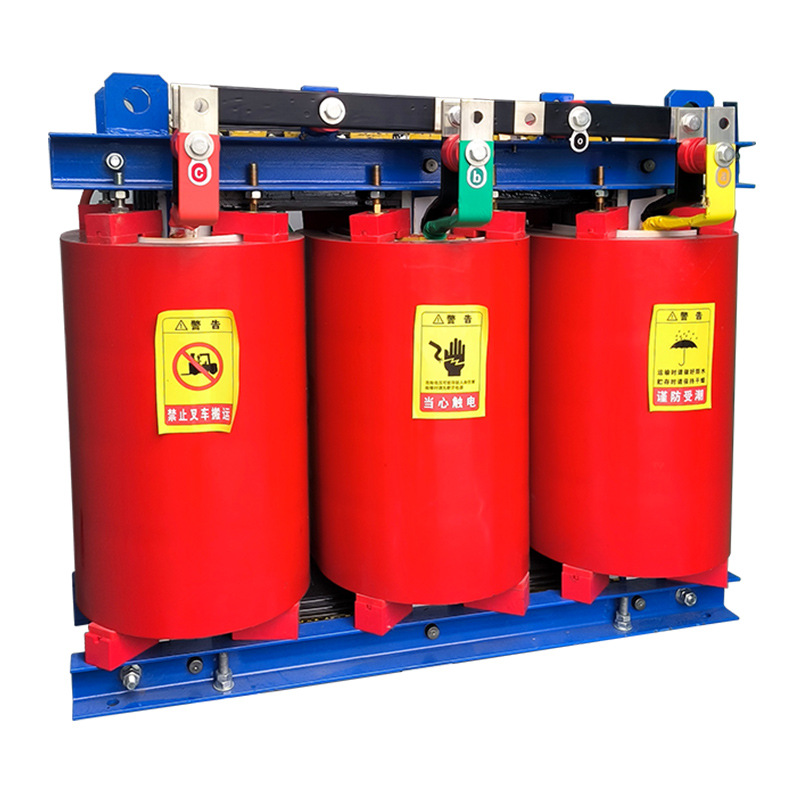
Power transformers are used when electricity must travel far. They handle very high voltages and lots of power. You see them at power stations and substations. These transformers help move electricity from where it is made to where people use it.
Power transformers work best with high voltage. They raise the voltage so electricity can go long distances. This helps stop energy loss. You do not use power transformers in homes or small shops. They are too big and powerful for daily use.
Here is a table that shows the differences between power transformers and distribution transformers:
Feature | Power Transformers | Distribution Transformers |
|---|---|---|
Voltage Ratings | 33kV to 700kV | 230V to 33kV |
Size | Much larger | Smaller |
Application | Used in high-voltage transmission networks | Used in low-voltage distribution networks |
Primary Use | Power-generating stations and substations | Domestic and industrial consumption |
Power transformers help send electricity from power plants to cities. They keep the system strong and steady.
Distribution Transformers
Distribution transformers help you use electricity safely at home or school. You see them on poles or in boxes near buildings. They lower the high voltage from power lines to a level you can use.
Distribution transformers do important jobs:
They change high voltages to lower, safer levels.
They make sure homes get a steady supply of electricity.
A distribution transformer has two windings. The primary winding gets high-voltage electricity and makes a magnetic field. The secondary winding takes this energy and gives you lower voltage. This uses electromagnetic induction.
You use distribution transformers every day. They make sure your lights and devices get the right power.
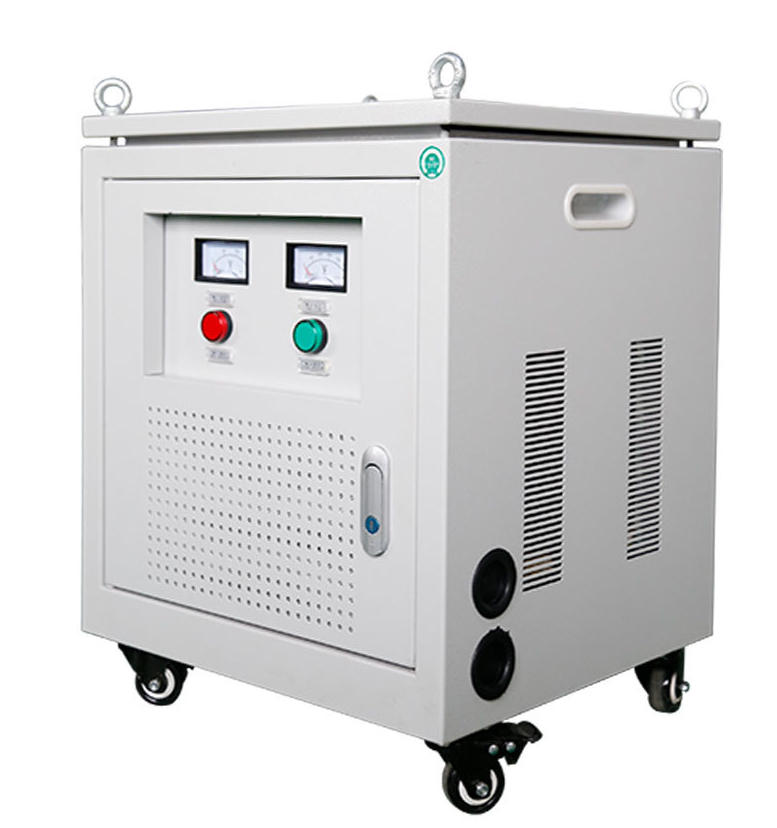
Isolation Transformers
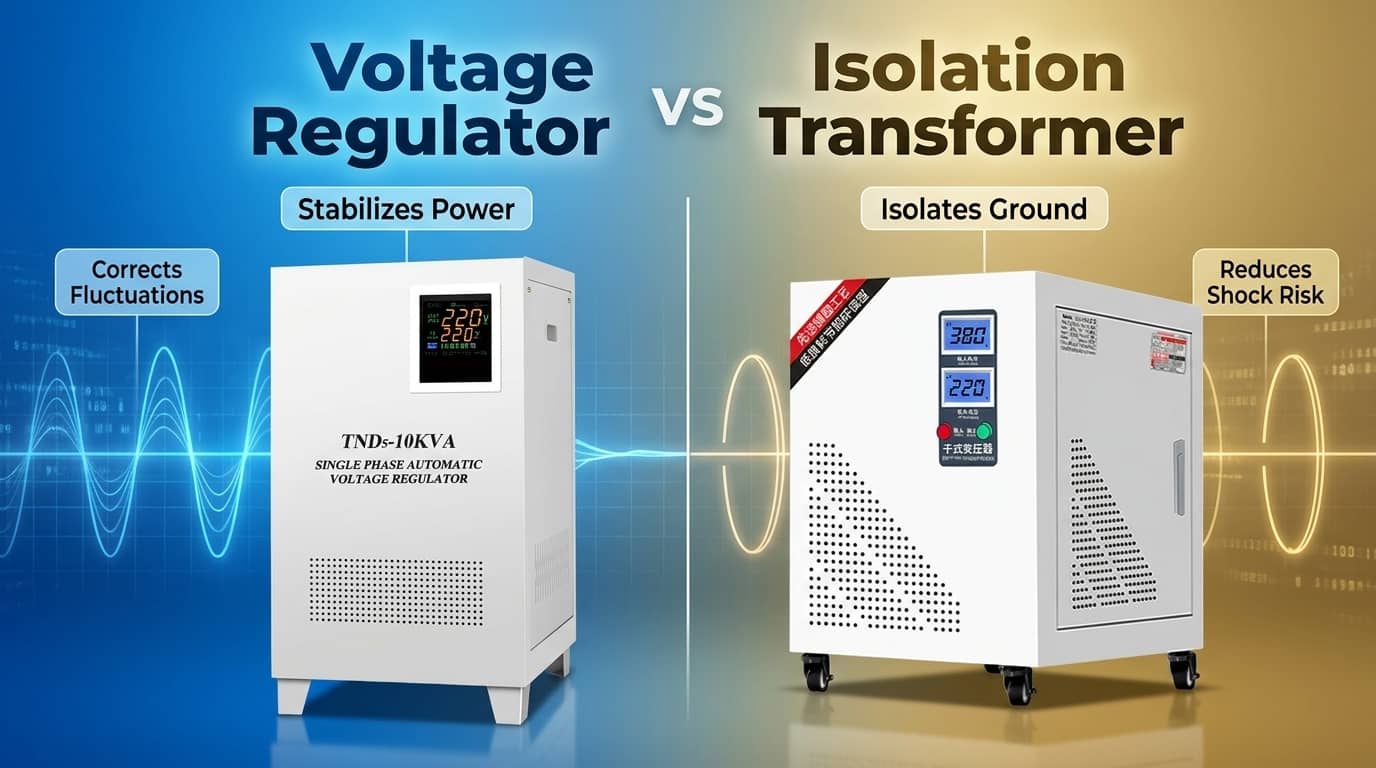
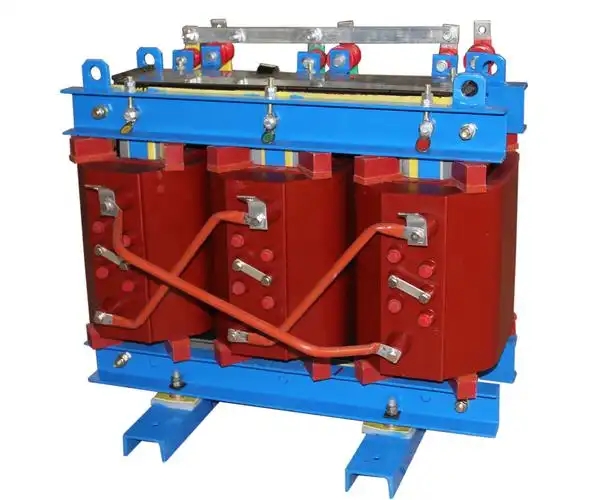
Isolation transformers keep you and your devices safe. You use them when you need extra protection. These transformers separate the input and output sides. The wires do not touch each other. This helps stop electric shocks and keeps equipment safe.
Isolation transformers have many good points:
They lower the chance of electric shock by breaking the direct path.
They protect sensitive devices from ground faults, so your equipment lasts longer.
They cut down on electromagnetic interference (EMI), so your devices work better.
They keep the voltage steady, giving safe power to sensitive equipment.
They block voltage spikes and sudden changes, protecting your devices.
You see isolation transformers in hospitals, labs, and places with special electronics. They help meet safety rules and keep equipment working well. You can count on isolation transformers to keep you and your devices safe.
Instrument Transformers
You need to measure or control electricity in power systems. Instrument transformers help you do this safely. They let you work with high voltages and currents. You do not risk yourself or your equipment.
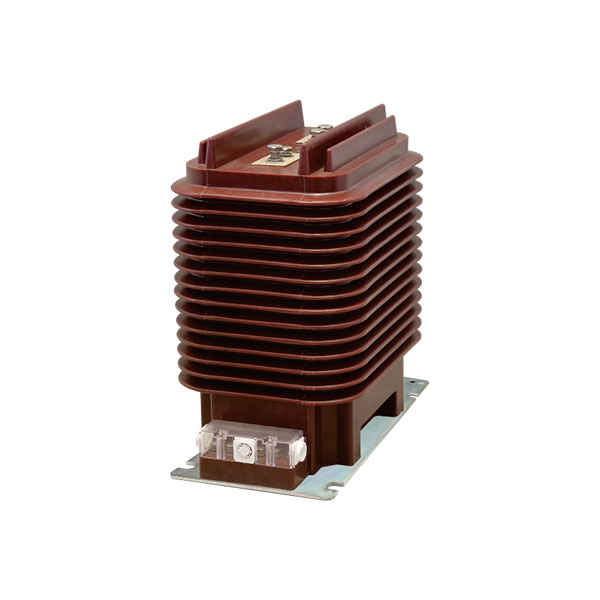
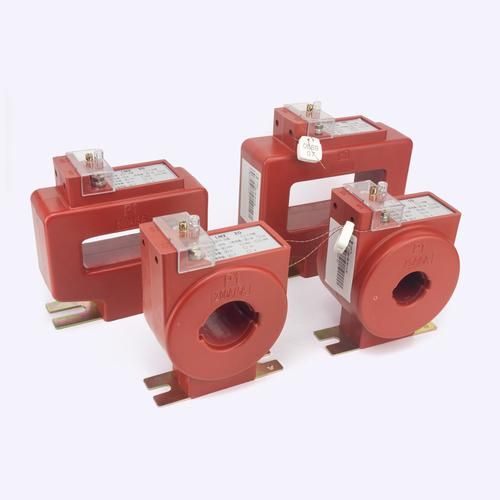
Instrument transformers have two main types. These are current transformers (CTs) and voltage transformers (VTs). VTs are also called potential transformers (PTs). CTs measure large currents. VTs measure high voltages. Both types lower the values. Your meters and relays can handle these smaller values.
A current transformer wraps around a wire with big current. The CT makes the current smaller. Your meter reads the smaller current. You stay safe because you do not touch the high current. Voltage transformers work in a similar way. They lower high voltages for your measuring devices.
Instrument transformers have important jobs. They help with measurement and protection. Here is a table that shows their main roles:
Role | Description |
|---|---|
Measurement | Instrument transformers lower high voltages and currents for accurate measurement. |
Protection | They trigger relays and circuit breakers during faults to stop damage. |
Current Measurement | Current transformers measure high currents safely. |
Voltage Measurement | Voltage transformers lower high voltages for meters and control systems. |
Data Feeding | They send data to relays and control systems for grid automation. |
You use instrument transformers in many places. Power plants, substations, and factories need them. If you want to check the electricity flow, you use a CT. If you want to know the voltage, you use a VT. These transformers keep your tools safe and accurate.
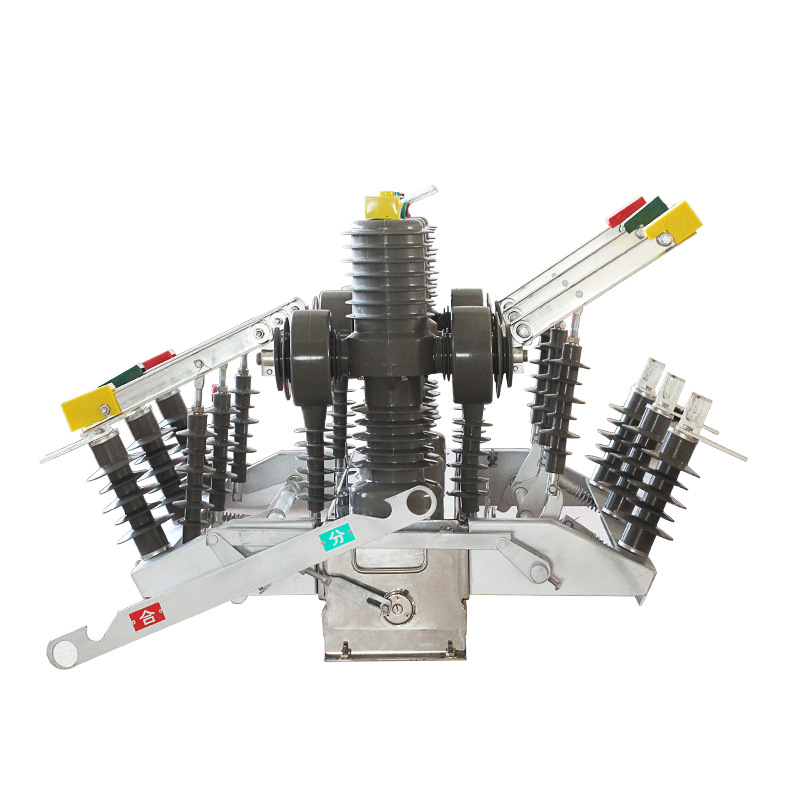
Instrument transformers also protect your power system. If a fault happens, the transformer sends a signal to a relay. The relay tells a circuit breaker to open. This stops the electricity flow fast. Quick action prevents fires, damage, and outages.
Tip: Trust instrument transformers to keep you safe with high-voltage systems. They give you the right information without danger.
You also find instrument transformers in grid automation. They send real-time data to control systems. This data helps you watch the grid, balance loads, and fix problems fast. With instrument transformers, your power system stays reliable and efficient.
Everyday Uses
Homes
Transformers help you use electricity safely at home. They lower the high voltage from power lines. This makes power safe for your lights and devices. Your family stays safe because transformers protect your electronics.
They power low-voltage lights for safer lighting.
They charge phones and laptops by lowering the voltage.
They give power to doorbells and security systems.
They control the voltage for HVAC and smart thermostats.
They make charging electric vehicles safe.
They help audio and home theater systems work well.
They support kitchen appliances and power tools that need voltage changes.
Transformers also keep the voltage steady for each device. This stops damage and helps save energy. You get less wasted power and more comfort at home. Special transformers help with doorbells and HVAC units. They make your home safer and more comfortable.
Transformers at home help your devices work well and save energy every day.
Industry
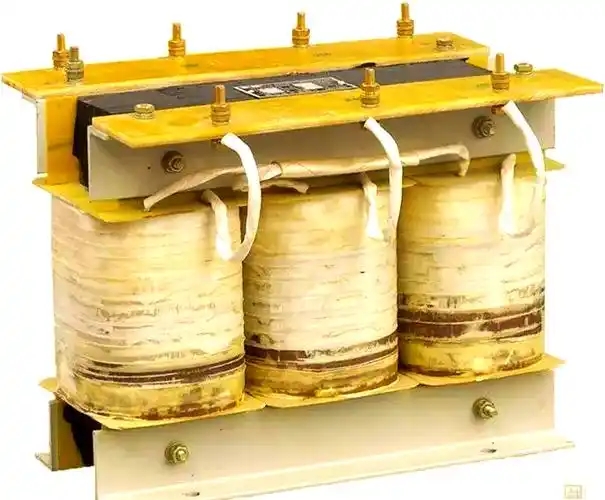
Factories and big buildings need transformers to work safely. Transformers help machines run and keep workers safe. You find them in almost every factory or large building. They handle lots of electricity and keep the power steady.
Transformers save energy by cutting power loss.
They keep power flow safe and lower electrical risks.
Transformers give steady power and stop downtime.
They help machines last longer and lower repair costs.
You see transformers in heavy machines and control rooms. They balance loads and stop sudden power surges. This means machines last longer and break less often. Good transformers keep production moving and stop costly shutdowns.
In factories, transformers are key for safe and smooth work.
Electronics
Transformers are important in the electronics you use daily. They come in many shapes and sizes for different jobs. You find them inside computers, TVs, radios, and more.
Common transformer types in electronics are:
Power transformers
Laminated core type transformers
Toroidal core transformers
Auto transformers
RF transformers
Audio transformers
Each type helps your devices get the right voltage. Power transformers give a safe voltage to gadgets. Toroidal core transformers are small and quiet for audio gear. RF transformers help radios and TVs get signals. Audio transformers make speakers and amplifiers sound better.
Without transformers, your electronics would not work safely or as well.
Importance Today
Power Transmission
You use transformers every time you turn on a light. They help electricity travel far from power plants to your home. Transformers change voltage levels so energy does not get lost. Here is how transformers help with power transmission:
Voltage Transformation: Transformers make the voltage higher so electricity can go farther.
Efficiency: High voltage means less current, so less energy gets lost in wires.
Isolation: Transformers keep parts of the power system apart to protect people and equipment.
Grid Stability: They help keep voltage and power steady across the grid.
Integration of Renewable Energy: Transformers connect solar and wind power to the grid so you can use clean energy.
Smart Grids: New transformers help control electricity flow and support smart grid technology.
Without transformers, you would not have steady electricity at home, school, or work. They help power move safely and easily through cities and towns.
Safety
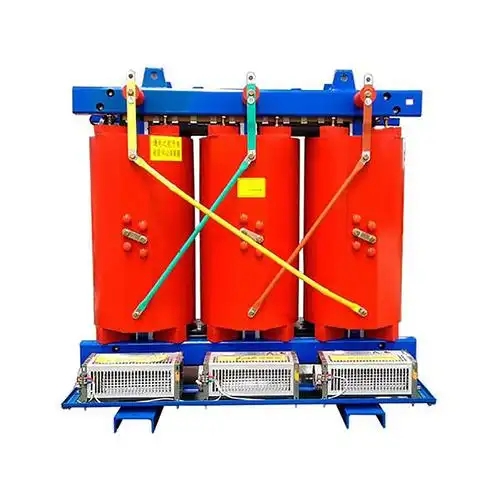
Transformers help keep you safe when you use electricity. Modern transformers have many safety features to protect you and your devices. Here is a table with some important safety features:
Safety Feature | Description |
|---|---|
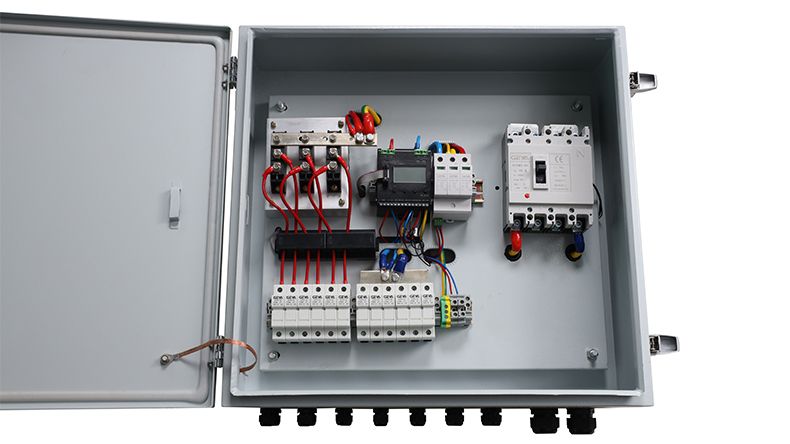
Surge Protection Devices | Move extra voltage away from lightning or switch to keep transformers safe. |
Digital Monitoring Systems | Show real-time updates about transformer health so problems get fixed fast. |
Buchholz Relay | Finds gas or oil movement in oil-filled transformers and sets off alarms or isolation. |
Overcurrent Protection Systems | Turns off transformers when the current is too high to prevent damage. |
Thermal Protection Devices | Checks the temperature and turns on cooling or alarms if it gets too hot. |
Tip: Trust transformers to keep your home and devices safe. These features help stop fires, shocks, and broken equipment.
Technology Impact
Transformers have changed a lot because of new technology. You get benefits from these changes every day. Modern transformers use better materials and smarter designs to save energy and help the environment.
Improvements in Core Materials: New metals like amorphous steel lower magnetic losses and make transformers work better.
Enhanced Coil Design and Materials: Better coil shapes and wires help save energy.
Efficient Cooling Systems: New cooling keeps transformers from getting too hot so they last longer.
Grid Integration and Smart Transformers: Smart transformers watch voltage and energy flow to help the grid work well.
High-efficiency transformers help stop energy loss when electricity moves. This means less wasted power and fewer greenhouse gases. You also see good results in places where people use more electricity. These transformers keep power networks strong and steady.
Modern transformers help clean energy and smart grids. They let you use electricity in ways that are safe, efficient, and good for the planet.
You use electrical transformers every day, even if you do not see them. These devices make electricity safe for your home, school, and work. Transformers help charge batteries and run air conditioners. They also help audio systems and send power where it is needed.
They control alternating current.
They help keep voltage at the right level.
They cool things like refrigerators.
They help control electrical circuits.
They are used in making steel.
Transformers keep the voltage steady and work very well. They do not need much care. When you learn how transformers work, you see how electricity gets to you safely and helps with modern life.
FAQ
What does a transformer do in your home?
A transformer makes high voltage from the power lines lower. This gives safe electricity for lights and devices. It helps keep your home safe and lets electronics work well.
Can a transformer work with direct current (DC)?
No, a transformer only works with alternating current (AC). AC is needed because it changes and makes a magnetic field. This field moves energy between the coils.
Why do transformers use iron cores?
Iron cores help the magnetic field move between coils. This lets energy transfer better and saves energy. Transformers work more efficiently with iron cores.
How do you know if a transformer is not working?
You might see lights flicker or devices not turn on. You could hear strange sounds near the transformer. If you see smoke or smell burning, turn off power and call an electrician.
Are transformers safe to touch?
Never touch a transformer, especially outside or in a power box. High voltage can hurt or kill you. Always stay away and let experts fix problems.
What is the difference between a step-up and a step-down transformer?
A step-up transformer makes the voltage higher. It is used to send electricity far away. A step-down transformer makes voltage lower. It is used to make electricity safe for homes and devices.
How long does a transformer last?
Most transformers last between 20 and 40 years. Good care and regular checks help them last longer. Bad weather or heavy use can make them wear out faster.
Can you use one transformer for many devices?
Yes, you can use one transformer for several devices if it has enough power. Always check the transformer's rating before plugging in many devices.