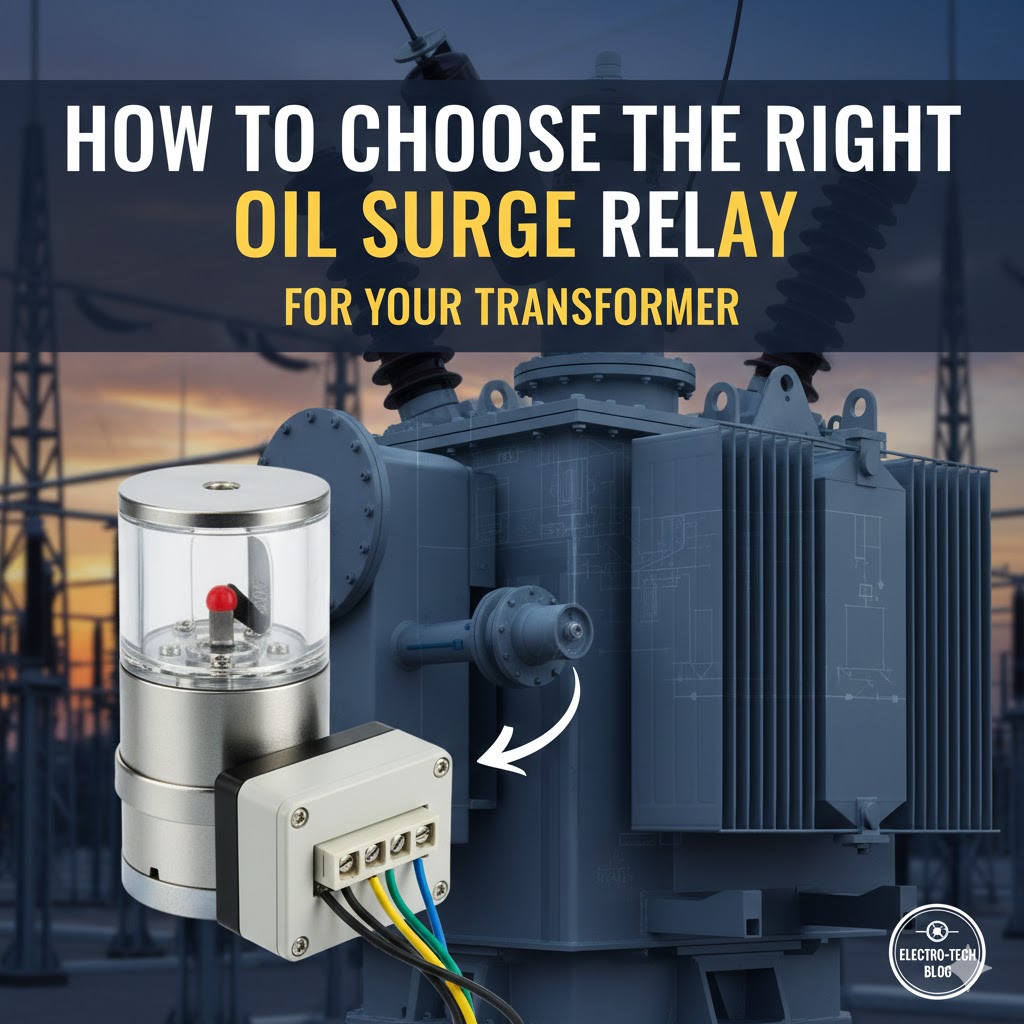
Choosing the wrong oil surge relay for your transformer is an expensive mistake. It either trips on every minor disturbance or stays silent during a real OLTC fault—both can cost you a transformer, a shutdown, and your weekend.
If you’re running a 33–400 kV transformer with an OLTC, you don’t need theory right now—you need a clear, fast, and reliable way to choose the right OSR today.
In this guide, you’ll get a practical oil surge relay selection guide:
Exactly how to size an oil surge relay for your MVA, OLTC type, and pipe diameter,
What oil surge relay tripping time and flow rate setting must you specify for 33 kV, 66 kV, 132 kV, and 220 kV?
and a step‑by‑step WEISHO oil surge relay model selector so you can say: “Order this OSR model, with these contacts and this mounting position,” without guessing.
If you’re comparing MR vs WEISHO oil surge relay, worried about false trips, and want the best OSR for your 132 kV transformer (or any up to 400 kV), keep reading—this is the 5‑minute checklist procurement and maintenance teams are printing out and using to place orders.
What Is an Oil Surge Relay and Why Does It Matter
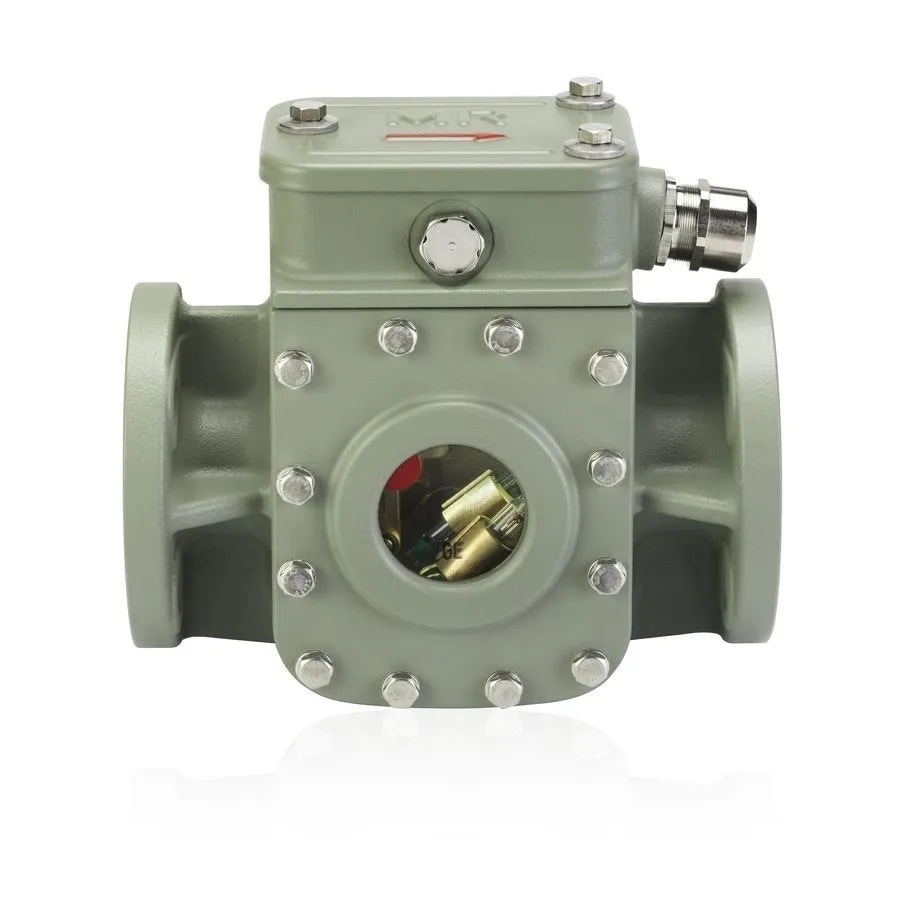
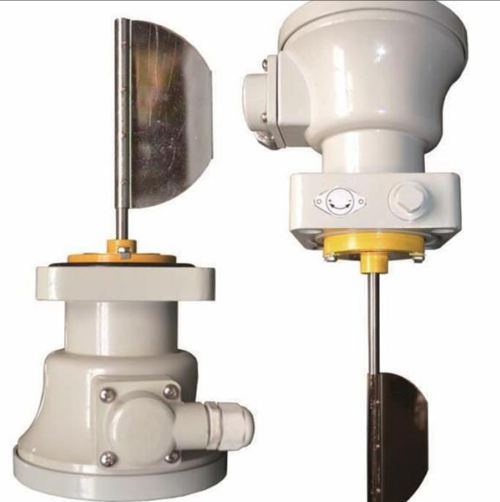
An oil surge relay (OSR) is a fast-acting protective relay installed in the oil pipe between the OLTC (on‑load tap changer) compartment and its conservator. Its only job is to detect a sudden surge of oil flow caused by an internal fault and send a trip signal before that fault escalates into a tank explosion, fire, or major transformer outage.
In normal OLTC operation, contact movement creates only slow, predictable oil flow. During a severe OLTC fault—like a contact flashover, mechanical jamming, or insulation failure—the fault energy rapidly heats the oil, generating high‑velocity oil movement toward the conservator. The OSR senses this rapid flow and instantly operates its internal flap and magnet mechanism, changing contact status and tripping the transformer, or at least blocking further tap changing.
Practical Role of OSR in OLTC Protection
In real substation practice, I treat the OSR as the primary mechanical protection for the OLTC compartment:
It isolates the transformer from a developing OLTC fault faster than gas protection alone.
It limits pressure rise in the OLTC tank, reducing the chance of tank rupture and hot oil spray.
It complements electrical protections (differential, REF, overcurrent) by reacting to the hydraulic effect of the fault, not just current.
Without a properly selected OSR, an OLTC fault can evolve from a localized issue into a full transformer incident affecting the main tank and nearby equipment.
How OSR Prevents Small Faults from Becoming Major Failures
When an internal OLTC fault occurs, three things happen almost at once:
1. Arc energy rapidly heats the oil in the OLTC compartment.
2. Hot oil and gas rush toward the conservator, creating a sharp oil surge in the pipe.
3. The OSR detects this surge, operates its contacts, and:
Trips the transformer / OLTC controls as per your scheme.
Blocks further tap operations to avoid repeated arcing.
Sends an alarm so operators can investigate before re‑energizing.
By reacting within a fraction of a second, the OSR cuts fault duration, lowers thermal and mechanical stress on the OLTC tank, and often turns what could have been a catastrophic failure into a repairable OLTC outage.
Real‑World Downtime Example
On a 132 kV, ~60 MVA transformer with an in‑tank OLTC, an internal OLTC contact flashover occurred during a tap change:
The unit had no OSR on the OLTC pipe—only a Buchholz relay on the main tank.
The OLTC fault energy had more time to build pressure because nothing reacted to the initial oil surge in the OLTC compartment.
Result: OLTC tank deformation, oil spillage, extended clean‑up, and a three‑week outage while sourcing replacement OLTC parts and performing tank repairs.
On a sister transformer in the same yard, fitted with a correctly sized oil surge relay, a similar OLTC issue later produced an OSR trip, no tank damage, and the unit was back in service after targeted OLTC repair within a few days. The difference in downtime and repair cost came down largely to the presence and proper selection of the oil surge relay.
Oil Surge Relay vs Buchholz Relay – Fast Comparison
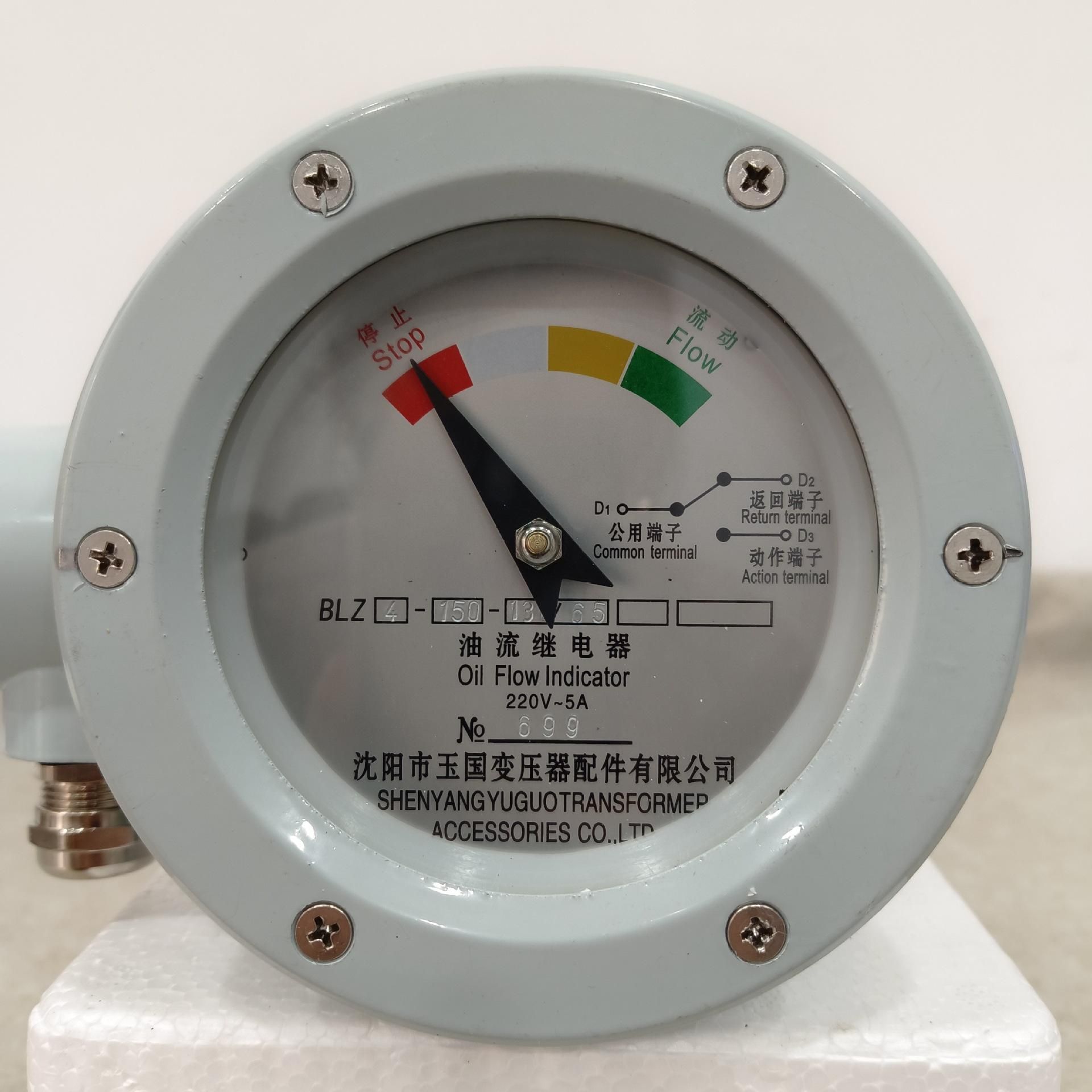
If you’re protecting a transformer with an OLTC, you cannot treat an oil surge relay (OSR) and a Buchholz relay as the same thing. They solve different problems and trigger on different fault signatures.
Protection Focus: OLTC Compartment vs Main Tank
Oil Surge Relay (OSR)
Mounted in the OLTC oil pipe (OLTC compartment ↔ OLTC conservator)
Focus: on-load tap changer faults – arcing, contact failure, mechanical jamming
Target: fast, violent OLTC failures before they blow the OLTC tank
Buchholz Relay
Mounted between the main transformer tank and the main conservator
Focus: main winding/core faults, slow-developing internal issues
Target: gas generation and slow oil movement from internal transformer damage
Operating Principle: Oil Surge vs Gas Accumulation
| Feature | Oil Surge Relay (OSR) | Buchholz Relay |
|---|---|---|
| What it senses | Rapid oil surge velocity in the OLTC pipe | Gas accumulation + slow oil flow |
| Typical response time | Very fast (tens to hundreds of ms) | Slower (seconds to minutes) |
| Trigger condition | Instant surge from OLTC fault | Gradual gas build-up, sustained oil flow |
| Main purpose | Trip OLTC/transformer fast to prevent a blast | Detect internal tank faults early |
OSR works like a flow trip; Buchholz works like a gas and a slow-flow detector.
Installation Points and Piping Arrangement
OSR typical mounting
In the oil pipe between the OLTC compartment and its conservator
Pipe slightly inclined (about 2°–5°) toward conservator
Short, direct run with no high pockets where air can get trapped
Buchholz's typical mounting
In the pipe between the main tank and the main conservator
Always at the highest point on the main oil circuit
Horizontal or gently sloped to allow gas to collect in the relay body
Correct piping and slope matter as much here as with outdoor gear like a vacuum circuit breaker with overhead connections: bad geometry equals bad protection.
When You Must Use Both OSR and Buchholz
You should plan both OSR and Buchholz relays on the same transformer when:
The transformer has an on-load tap changer with its own oil system
Voltage level is 33 kV and above, especially 66/132/220/400 kV
The OLTC is separate from the main tank (most medium-to-large power transformers in US utilities)
Utility or IEC/IEEE specs demand dedicated OLTC protection plus main tank protection
In these cases, Buchholz alone is not enough; it won’t see a fast OLTC blast early enough.
Misconceptions That Lead to Wrong Relay Selection
You want to avoid these common mistakes:
“Buchholz will also protect the OLTC.”
Wrong. If the OLTC has a separate oil circuit, Buchholz doesn’t see its oil surge.“One relay on one pipe is cheaper and good enough.”
Saving one device can cost a full OLTC replacement + downtime after a violent failure.“OSR is optional on smaller MVA units.”
Even a “small” OLTC failure can rupture the tank, spray hot oil, and trip the whole substation.“All OSRs are interchangeable with Buchholz.”
They’re designed for different flow ranges, fault types, and mounting locations. Treating them as drop‑in equivalents is a quick way to get nuisance trips or, worse, no trip when you actually need it.
In short:
Use OSR = OLTC compartment fast surge protection
Use Buchholz = main tank gas/slow fault protection
On modern OLTC transformers, you engineer both into the protection scheme.
How an Oil Surge Relay Works in an OLTC System
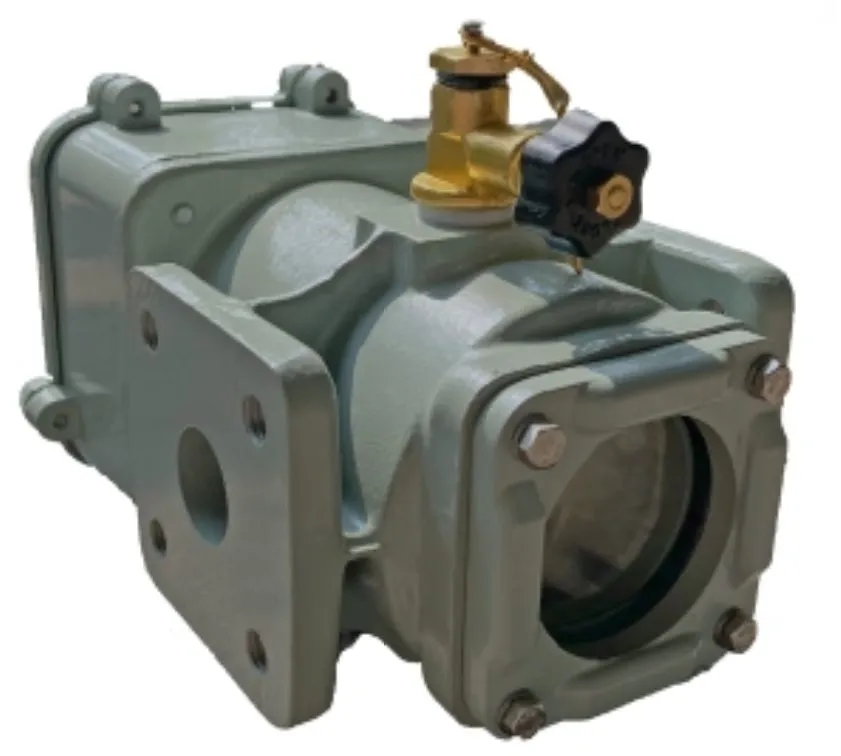
If you’re protecting an on-load tap changer (OLTC), you need to understand how an oil surge relay (OSR) actually works, not just what it’s called on the drawing.
Normal oil flow during OLTC operation
During normal tap changing:
The OLTC diverter switch moves and creates short, controlled oil movements in the OLTC pipe.
Oil flow is slow and stable, well below the OSR flow rate setting.
The flap/deflector inside the OSR stays in its rest position, so no alarm and no trip.
Even during frequent tap changes on a loaded transformer, the OSR should remain idle if it’s sized and mounted correctly.
This is why choosing the right oil surge relay flow rate setting and pipe diameter is so important—wrong values can cause nuisance trips during normal OLTC operations.
Fault conditions that create a sudden oil surge
When something goes wrong inside the OLTC:
Arcing, insulation breakdown, contact welding, or mechanical failure can cause a rapid release of energy.
This creates gas and a high-speed oil surge from the OLTC diverter chamber toward the conservator.
That surge pushes oil through the OSR piping at a much higher velocity than during normal tap changing.
The OSR detects this rapid oil surge, not just any small flow.
This “velocity-based” behavior is what separates OSR protection from a Buchholz relay, which focuses more on gas accumulation and slow oil flow in the main tank.
Key internal parts of an oil surge relay
Inside a typical OSR for OLTC transformers, you’ll find:
Flap or deflector: Mounted in the oil path; moves when surge flow exceeds the set limit.
Magnet and mechanical latch: Holds the flap in the normal position; releases when the flap moves fast enough.
Micro switch/limit switch: Changes contact state when the latch is released.
Alarm contacts: Often used for early warning or logging OLTC disturbances.
Trip contacts: Hardwired into the protection/control circuit for breaker tripping and OLTC isolation.
These are usually dry contacts (volt-free), so you can wire them freely into your substation control and SCADA logic.
Sequence of OSR operation: from surge to isolation
When a serious OLTC fault happens, the OSR sequence looks like this:
1. Fault occurs inside the OLTC diverter or selector.
2. Gas and high-speed oil surge move toward the conservator through the OSR pipe.
3. Oil surge hits the flap/deflector, forcing it quickly out of its normal position.
4. The magnet releases, operating the internal switch.
5. Trip contact closes or opens (depending on scheme), sending a signal to:
Trip the associated HV breaker.
Block further tap change commands.
Trigger alarm and event recording.
6. The transformer is isolated from the system before the fault escalates to tank rupture, fire, or major OLTC damage.
You wire this OSR logic alongside your other transformer protection relays, similar to how you’d coordinate with a Buchholz relay or differential protection.
Typical oil surge relay tripping time and coordination
Modern OSRs designed to IEC 60214 are built for very fast response:
Typical OSR tripping time is in the range of 10–30 ms from surge movement to contact change.
The breaker total clearing time will then depend on your protection and breaker type, but the OSR contact itself is extremely fast.
In practice, you coordinate:
OSR trip with transformer differential / REF protection.
OSR alarm with OLTC supervision, tap change blocking, and SCADA.
If you’re planning a full protection package around your transformer, it often makes sense to think about OSR, Buchholz, lightning protection, and control power needs together. For example, when we help customers size a transformer for a project, we pair OSR selection with core gear like the right control power transformer so the protection system is reliable end-to-end.
Core Protection Functions and Benefits of an Oil Surge Relay (OSR)
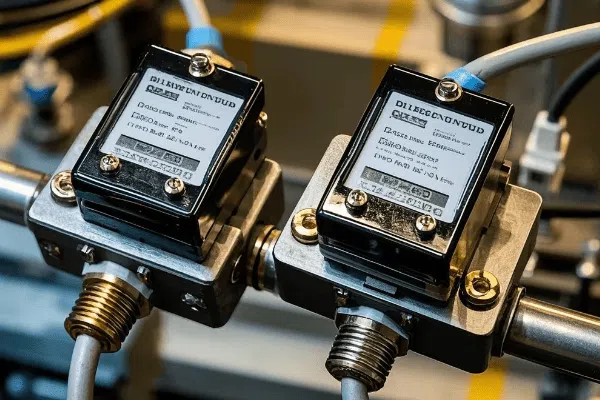
Primary OSR Function: Fast OLTC Fault Detection
An oil surge relay for OLTC transformers is built to do one main job: sense a sudden, abnormal oil flow in the OLTC oil pipe and trip fast. That gives you:
Rapid detection of arc, short-circuit, or mechanical failure inside the OLTC compartment
Independent backup to electronic OLTC supervision
A simple, hardwired mechanical device that still works if control electronics fail
In short: OSR = fast, no-nonsense mechanical protection for the OLTC compartment.
Risk Reduction: Explosion, Fire, Tank Rupture, Oil Spillage
When an internal OLTC fault hits, oil can flash, expand, and surge. A properly sized OSR helps cut that risk by:
Tripping the OLTC and transformer breaker before pressure builds up
Lowering the chance of tank rupture, bushing damage, or conservator failure
Minimizing oil spillage and fire spread across the yard
Reducing collateral damage to nearby switchgear and outdoor breakers (especially in compact layouts similar to outdoor floor-standing circuit breakers)
For US utilities, this directly supports NFPA 850, OSHA safety, and insurance requirements.
Impact on Transformer Life and Maintenance
A good OSR doesn’t just react to disasters; it quietly improves lifecycle economics:
Limits thermal and mechanical stress during internal faults
Keeps more failures at the “repairable” level instead of total transformer write-off
Supports condition-based maintenance: every OSR alarm/trip is a clear event you can log and analyze
Cuts unplanned outages, which protects winding insulation life by preventing repeated emergency switching and overloads
Result: longer transformer life and more predictable maintenance budgets.
How the Right OSR Boosts Substation Reliability
Engineered correctly, an oil surge relay becomes a key piece of your substation reliability strategy:
Key benefits for US utilities, co-ops, and industrial plants:
Less forced outage time on critical feeders and tie transformers
Faster fault isolation and restoration after OLTC issues
Better SAIDI/SAIFI numbers and fewer customer complaints
Straightforward integration with SCADA and protection panels using clean alarm/trip contacts
Paired with solid switchgear and protection practices (see our overview on switchgear safety in power networks), OSR gives you one more strong layer in your defense-in-depth design.
Real Case Snapshots (33 kV–400 kV)
| Voltage Level | Scenario | With Proper OSR | Without / Wrong OSR |
|---|---|---|---|
| 33 kV industrial substation | OLTC drive jam leading to internal arcing | OSR tripped in <100 ms, transformer back in service after OLTC repair within 48 hours | OLTC tank damage, oil cleanup, 5–7 days outage for a mid-size plant line |
| 132 kV utility grid transformer | Fault in the separate OLTC compartment | OSR operated, limited damage to the selector, core/windings unaffected | Fault energy spread, conservator damage, transformer out for months |
| 220–400 kV transmission transformer | Rare but severe OLTC fault during peak load | High-flow OSR triggered an instant trip, no external fire, just an internal OLTC rebuild | High-pressure event, tank bulging, environmental spill, major outage, and regulatory reporting |
Bottom line: choosing and sizing the OSR correctly is a small cost that often prevents multi-million-dollar failures and long outages.
7 Critical Selection Factors Before You Choose Any Oil Surge Relay (OSR)
When I choose an oil surge relay for an OLTC transformer, I always check these seven points first. If you get these right, you avoid 90% of OSR problems in the field.
1. Match OSR to Transformer Voltage Class & MVA
Voltage class and MVA directly drive OSR size and flow range.
Typical OSR needs by voltage level (OLTC transformers):
| Voltage Class | Typical MVA Range (US utility) | OSR Flow Range (Indicative) | Notes |
|---|---|---|---|
| 33 kV | 10–40 MVA | ~1–3 m³/min | Small OLTC, short pipe runs |
| 66 kV | 25–80 MVA | ~2–4 m³/min | Medium stations & industrial |
| 132 kV | 40–200 MVA | ~3–6 m³/min | Bulk power/transmission |
| 220 kV | 150–300+ MVA | ~4–8 m³/min | Large OLTC, long piping |
| 400 kV | 300–600+ MVA | Project-specific | Always size via OEM data |
What to do in practice:
Always check: voltage class + MVA + OLTC rating before touching OSR sizing.
Higher MVA = larger oil volume + higher surge energy = wider OSR flow range.
For high-MVA OLTC transformers (≥132 kV/200 MVA), treat OSR as a critical protection device, not an accessory:
Confirm flow data from the transformer OEM.
Use a relay with type-tested high short-circuit withstand and proper insulation level.
2. OLTC Type & Application Details
The OLTC design has a big impact on OSR sensitivity and mounting.
Key differences:
| OLTC Type / Layout | Impact on OSR Selection |
|---|---|
| Reactor type OLTC | Smoother current, but fault energy still high → normal sensitive OSR |
| Resistor type OLTC | Higher switching stress → OSR must be robust, with a reliable fast trip |
| In-tank OLTC (inside main tank) | Short piping, smaller surge distance → more sensitive setting |
| Separate OLTC compartment | Longer pipe, more oil volume → pick OSR with higher flow range and proper pipe slope |
When you need an OSR marked “for OLTC transformer”:
When OLTC is external or separate from the main tank.
When local code or utility specs demand OLTC-focused protection.
When you need fast, directional surge detection, not just gas detection.
Always confirm in the spec sheet that the device is specifically designed for OLTC oil surge protection, not a generic flow switch.
3. How to Size the Oil Surge Relay by Flow Rate
“Oil surge relay flow rate setting” = the minimum surge velocity that flips the OSR.
You’re not setting normal circulation flow – you’re setting the fault surge threshold.
Indicative flow ranges (OLTC transformers):
| Voltage Level | Typical Flow Setting Range* |
|---|---|
| 33 kV | 0.7–1.5 m/s |
| 66 kV | 1.0–2.0 m/s |
| 132 kV | 1.5–2.5 m/s |
| 220 kV | 2.0–3.0 m/s |
*Exact numbers depend on pipe diameter & OLTC design.
Pipe effects you must consider:
Pipe diameter
Larger diameter = lower velocity for the same volume → may need a more sensitive setting.
Pipe length
Long pipes dampen surge → OSR must be properly positioned and sized to still react fast.
Always use manufacturer tables and OLTC OEM data instead of guessing. The same way you’d follow detailed specs for devices like a high-voltage pin-type insulator, you should treat OSR data as non-negotiable.
4. Tripping Time, Alarm Time & Contact Logic
OSR must trip fast and clean, and coordinate with your protection scheme.
IEC 60214 guideline
OSR tripping time for OLTC faults: typically <50–100 ms from surge to contact change.
Contact functions:
Alarm contact: for early warning (abnormal movement / small surge).
Trip contact: to trip the OLTC motor drive and transformer breaker.
Common configurations:
| Option | Use When… |
|---|---|
| 1 alarm + 1 trip | Standard substation practice, remote SCADA needed |
| 2 trip contacts | Redundant trip paths: breaker + OLTC drive, or protection + interlock schemes |
Coordinate OSR contacts with:
Main transformer differential, overcurrent, and Buchholz logic (where used).
Lockout relays and breaker failure schemes so OSR doesn’t fight other protections.
5. Contact Configuration & Interface With Control Circuits
OSR is a mechanical device, but it has to talk cleanly to modern control systems.
Key points:
Dry contacts (potential-free) with:
Adequate contact rating (commonly 5–10 A at 250 VAC/30 VDC).
Insulation level matches transformer system voltage.
Decide how many NO/NC contacts you truly need:
Local panel indication.
Remote SCADA.
Interlocks and protection relays.
Common mistakes that cause nuisance alarms/trips:
Sharing OSR contacts across too many devices without interposing relays.
Wrongly wired NC vs NO contact in trip circuits.
No surge suppression across DC coils, causing contact chatter.
Interface OSR like you would any critical yard device (e.g., combined instrument transformers or outdoor high-voltage components): with proper drawings, labels, and isolation.
6. Mounting Position, Pipe Angle & Piping Details
If the mechanical layout is wrong, even the best OSR won’t trip on time.
Good practice:
Mounting position:
On the pipe between the OLTC compartment and the OLTC conservator, as close to the OLTC as practical.
Pipe angle (critical):
Stable oil column.
No air pockets.
Reliable surge transfer.
Maintain a 2°–5° upward slope from OLTC to the conservator through the OSR.
This ensures:
Pipe limits (typical guidance):
| Parameter | Recommendation |
|---|---|
| Pipe slope | 2°–5° upward |
| Pipe length | Follow OEM max length (do not exceed without recalculation) |
| Pipe diameter | Match OEM and OSR rating; don’t neck down suddenly |
Wrong mounting examples:
Downward or reverse slope → air pockets and delayed trip.
OSR at the highest point with trapped gas → false alarms/trips.
Excess tight bends close to OSR → surge damping and unreliable operation.
7. Operating Temperature, IP Rating & Environment
In US outdoor yards, OSRs live in real weather—heat, cold, dust, coastal salt, you name it. You need an OSR built for it.
Temperature range (select based on site):
For most US regions: –30°C to +55°C is safe.
For extreme cold (northern states): consider –40°C class.
For hot, desert-like sites (e.g., Southwest): ensure +70°C top oil/enclosure rating is acceptable.
IP rating & environment:
| Environment | Recommended IP Rating | Material Notes |
|---|---|---|
| Normal outdoor yard | IP54–IP55 | UV-stable coating |
| Coastal/high salt | IP55–IP65 | Corrosion-resistant body, stainless hardware |
| Industrial/polluted | IP55–IP65 | Strong paint system, sealed cable entries |
Materials to look for:
Corrosion-resistant housing and fasteners.
UV-resistant paint or coating for long life in open switchyards.
If you lock these seven factors before you buy, your oil surge relay will actually protect your OLTC transformer instead of just sitting on the pipe as a formality.
WEISHO Oil Surge Relay Model Selector – Step-by-Step Checklist
When you pick an oil surge relay for an OLTC transformer, guessing is what causes trips, outages, and warranty drama. Here’s the exact, short checklist I use to lock in the right WEISHO OSR model every time.
Step 1: Record Transformer Voltage Class, MVA, and OLTC Details
Grab the data first so selection is fast and clean.
What to capture from nameplates and drawings:
Transformer data
Voltage class: 33 / 66 / 132 / 220 / 400 kV
MVA rating (base + any ONAN/ONAF steps)
Vector group (optional but good for records)
OLTC details
OLTC type: resistor or reactor
Location: in-tank OLTC or separate OLTC compartment
Oil system: separate OLTC conservator or shared with main tank
Piping route from OLTC tank to conservator (basic sketch helps)
Quick tip: Take clear photos of the transformer and OLTC nameplates and the OLTC piping run. That alone usually gives 80–90% of what’s needed for OSR sizing.
Step 2: Match Flow Rate and Pipe Size to the WEISHO OSR Model
The right WEISHO oil surge relay model is mainly driven by pipe diameter and expected surge flow during an internal OLTC fault.
Key checks:
Measure or confirm:
Pipe inner diameter (DN size)
Pipe length between OLTC tank and conservator
Pipe slope (planned 2°–5° upward toward conservator)
Use WEISHO’s flow tables (from our OSR catalog) to map:
Voltage level + MVA + pipe DN → OSR model + flow rate setting range
Typical mapping guide (illustrative only):
| OLTC Voltage Class | Typical MVA Range | Common Pipe DN | Typical WEISHO OSR Family* |
|---|---|---|---|
| 33 kV | 10–25 MVA | DN 40–50 | OSR-33 series |
| 66 kV | 20–50 MVA | DN 50–65 | OSR-66 series |
| 132 kV | 40–160 MVA | DN 65–80 | OSR-132 series |
| 220 kV | 100–315 MVA+ | DN 80–100 | OSR-220 series |
*Exact model code depends on contacts, mounting, and approvals.
Never guess the oil surge relay flow rate setting. Use the WEISHO tables or send us pipe + OLTC data and we’ll size it.
Step 3: Choose Alarm and Trip Contact Configuration
Next, decide how you want the OSR to talk to your protection and control system.
Common contact options:
1 alarm + 1 trip contact (standard)
Alarm for early indication / SCADA
Trip for OLTC/transformer isolation
2 trip contacts
One to breaker trip
One to OLTC drive/interlocks/backup scheme
How to choose:
If you’re using OSR mostly as a fast OLTC fault trip with SCADA indication:
Go with 1 alarm + 1 trip
If your utility or plant has dual protection paths or strict interlock needs:
Select dual trip contacts
Make sure the contact choice matches your protection philosophy and the logic in your control panel and SCADA.
Step 4: Confirm Mounting Orientation and Mechanical Interface
The best relay on paper fails if the mounting is wrong. Lock in the mechanical fit upfront.
Check these points:
Flange type and size
Standard DN flange size (e.g., DN 50, DN 65, DN 80)
Bolt circle diameter and number of bolts
Pipe and relay orientation
OSR must be installed in-line with the pipe
The arrow on the OSR body must match the actual oil flow direction
Pipe slope: 2°–5° upward toward the conservator
Clearances
Operate the test lever or test knob
Remove the OSR for servicing
Visually inspect the relay body and cable glands
Enough space to:
Confirming these upfront avoids rework in the yard and keeps your OSR installation simple and clean.
Step 5: Verify Standards, Environment Rating, and Approvals
Finally, confirm the WEISHO oil surge relay is built for your standards and your site conditions.
Standards and approvals:
Compliance with IEC 60214 (OLTC-related requirements)
Any additional utility or EPC specifications in the U.S.
Required test and certification documents:
Routine test reports
Type test/design test summaries (where specified)
Environment and enclosure:
Temperature class:
For most U.S. and global sites, at least -25°C to +55°C, and wider for harsh climates
IP rating:
Outdoor substation: typically IP54 or higher
Polluted or industrial areas: consider higher ingress protection and better sealing
Materials:
UV-resistant paints and gaskets
Corrosion-resistant hardware for coastal or industrial atmospheres
For broader substation equipment, I apply the same mindset when selecting gear like a 15 kV–36 kV load break switch: match the rating, environment, and interface before price.
Result: Lock In the Exact WEISHO OSR Model
Once you’ve checked all five steps, you can lock down the exact WEISHO oil surge relay code and freeze it in your documentation.
Example mapping:
OSR-132-3A
132 kV OLTC transformer
DN 65 pipe, medium MVA
Standard flow range
3 contacts with 1 alarm + 1 trip primary scheme
OSR-220-5T
220 kV, high-MVA OLTC transformer
DN 80/100 pipe
Higher flow range
5 contacts, dual trip outputs + extra contact for SCADA
How to document the final choice:
Record in:
Single-line diagram notes
Protection and control philosophy
Transformer / OLTC data sheet
Purchase spec and BOM
Include:
Full WEISHO OSR model code
Contact configuration
Flange size and pipe DN
Applicable standards, IP rating, and temperature class
If you follow this checklist, you’ll end up with a correctly sized, correctly mounted, and fully coordinated WEISHO oil surge relay—and you’ll avoid the usual mis-trips, late design changes, and site modifications that cost time and money.
Top Procurement and Engineering Mistakes with Oil Surge Relays (OSR)
When you’re choosing an oil surge relay for an OLTC transformer, a few common mistakes can cost real money, uptime, and safety margin. Here’s what I see most often and how I’d avoid it.
1. Buying on Price Only (Ignoring Flow & Pipe Data)
If you choose an OSR only by price and voltage class, you’re gambling with protection.
Typical mistakes:
Selecting “any 132 kV OSR” without:
Pipe diameter
Pipe length
Expected oil surge flow range
Mixing mismatched relays and piping (wrong flow range, wrong velocity)
Risks:
Relay doesn’t trip during a real OLTC fault
Nuisance trips from normal tap operations
Voided warranty claims from improper selection
Always lock in:
OLTC rating (kV / MVA)
Pipe size (DN, diameter, length, slope)
Manufacturer flow range for that configuration
2. Copy-Pasting Old OSR Specs from Another Project
Reusing a 10‑year‑old spec is one of the fastest ways to get into trouble.
Why it fails today:
New transformer design (different OLTC type or oil volume)
New control scheme (different logic, interlocks, SCADA)
Updated standards and utility specs (IEC 60214 revisions, utility addenda)
Do instead:
Start from the current transformer GA drawing and the OLTC datasheet
Confirm OSR model vs latest WEISHO catalog
Recheck tempo/logic with your latest protection philosophy
3. Ordering the Wrong Contact Configuration
The wrong alarm/trip contacts can break your scheme or force site rewiring.
Typical mix-ups:
Specifying 1 alarm + 1 trip, but the scheme needs 2 trip contacts
Forgetting spare contacts for SCADA or future bay integration
NO/NC logic not matching control panel design
Quick table – what most utilities actually need:
| Application | Minimum Contacts |
|---|---|
| Simple OLTC protection | 1 Alarm (NO) + 1 Trip (NO) |
| Redundant trip / two breakers | 2 Trip (independent NO) |
| SCADA + local annunciation | 1 Alarm + 1 Trip + 1 spare (NO/NC) |
Lock this in before ordering; changing contacts later usually means replacement, not modification.
4. Ignoring Environmental & IP Class Requirements
For outdoor yards in the U.S. (especially coastal, desert, industrial), environment is not a “nice to have” – it’s critical.
Common gaps:
Ordering IP54 for harsh outdoor yards that really need IP65 or better
Not checking:
Temperature range (−40 °C to +55 °C typical for US utilities)
UV and corrosion-resistant materials
Suitable gaskets and cable glands
Result:
Condensation, stuck mechanisms, and corroded terminals
Random alarms or relay failure just when you need it
If you’re specifying outdoor protection like a zinc-oxide lightning arrester, treat the OSR the same way: outdoor-rated, sealed, and built for the yard.
5. Skipping OSR Testing & Inspection Before Energization
Putting a new OSR into service without testing is asking for hidden defects.
Typical oversights:
No mechanical test of the flap/deflector and reset mechanism
No continuity check on alarm and trip contacts
No insulation check after wiring (megger)
Orientation arrow not verified against oil flow direction
Minimum checks before first energization:
Visual inspection for transport damage
Manual trip test (lever/test knob) with relay observed at the panel
Contact operation verified on SCADA / annunciator
Gasket and flange leak check after oil filling
6. How WEISHO Design & Support Helps You Avoid These Errors
I’ve built the WEISHO OSR offering around real project pain points, not brochure talk.
What we do differently:
Application-based model selection
You share:Voltage class, MVA
OLTC type (resistor/reactor, in-tank / separate)
Pipe diameter and length
We map that to a specific WEISHO OSR model with proper flow range instead of a “generic” relay.Clear contact configuration options
We offer:Standard 1 alarm + 1 trip
Dual trip variants
Extra contacts for SCADA
and help you pick what fits your scheme.Environment-ready designs
Outdoor IP rating matched to your site
Materials and sealing suitable for US climates (cold states, Gulf coast, desert Southwest)
Pre‑purchase and pre‑Energization checklists
Short selection sheets to avoid spec copy‑paste
Simple OSR installation and testing guides aligned with utility practice
Done right, your OSR becomes a fast, reliable last line of defense for the OLTC, not a source of nuisance trips. That’s exactly what we engineer WEISHO relays to do.
Oil Surge Relay Price and Sourcing in 2026
Typical Oil Surge Relay Price Range in India (2026)
For 2026, here’s the practical oil surge relay price range in India for standard OSR models used on OLTC transformers:
| Voltage Class | Typical Use | Approx. Price Band (INR, ex-works)* |
|---|---|---|
| 33 kV | Smaller power / industrial transformers | ₹18,000 – ₹28,000 |
| 66 kV | Utility & medium industrial feeders | ₹22,000 – ₹35,000 |
| 132 kV | Transmission & large substations | ₹32,000 – ₹55,000 |
| 220 kV | Major grid transformers | ₹45,000 – ₹80,000 |
*Price bands are indicative and will vary by flow range, IP rating, contact configuration, and approvals.
What drives OSR cost the most:
Contact configuration
1 alarm + 1 trip (most common, cheaper)
2 trip contacts (slightly higher price, more flexibility)
Extra auxiliary contacts for SCADA = more cost
IP rating
IP54–IP55: standard outdoor yards, lower cost
IP65–IP66: heavy rain, dust, coastal pollution – expect a 10–20% premium
Special requirements
Extended -40 °C to +55 °C temperature class
Utility-approved designs / type-test documentation
Custom flanges or non-standard piping interfaces
If you’re already budgeting for primary gear like an outdoor vacuum circuit breaker, the OSR is a low-cost item relative to the risk it removes.
Regional Price and Availability – India, Middle East and Africa
Oil Surge Relay Price in India 2026 and Lead Times
Standard WEISHO OSR models (33–132 kV):
Typically stocked or 3–5 weeks lead time for standard pipe sizes and contact logic
Higher rating / 220 kV units:
Plan for 6–8 weeks if you need special IP rating, utility-specific specs, or documentation sets
Bulk orders for multi-bay substations usually get better per-unit pricing and aligned delivery lots.
Indicative Pricing and Logistics – UAE, Nigeria, Kenya
UAE (Dubai / Abu Dhabi)
FOB China price is similar to India; landed cost increases with freight + customs, + local handling
OSR cost is usually 5–15% higher than the Indian ex-works, depending on shipment size
Nigeria / Kenya
Pricing is impacted more by freight, duties, and inland transport
For single-project quantities, expect 15–25% above Indian ex-works after logistics and import costs
Consolidated shipments with other substation items (CTs, fuses, etc.) help reduce unit logistics costs
Lead time to the UAE is usually shorter than to West/East Africa because of more frequent sailings and better logistics chains.
Working with Authorized WEISHO Distributors and Partners
To avoid fake parts, mismatched specs, and documentation headaches:
Always buy from authorized WEISHO partners in your region:
They can match the correct OSR model to your OLTC, pipe size, and contact logic.
You get original test reports, IEC 60214 compliance documents, and warranty support.
Ask for:
Official quotation on distributor / WEISHO letterhead
Model code breakdown (voltage class, flow range, contact type, IP rating)
Country-specific paperwork (Form/COO, calibration/test certificates where needed)
If you’re specifying a full substation package (transformer, OSR, fuses, RMU, etc.), it’s usually best to source the OSR with other high-voltage components such as a gas-insulated ring main unit to keep logistics and approvals under one umbrella.
Quick Installation Checklist for OSR on OLTC Transformers
When you install an oil surge relay (OSR) on an OLTC transformer, small mistakes can show up later as nuisance trips, missed trips, or oil leaks. Here’s a tight, field-ready checklist you can actually use.
Pre‑installation checks: pipes, flanges, and gaskets
Before you bolt anything up, lock down the basics:
Check pipe and flange faces
Pipe bore must match the OSR connection size.
Flange faces should be flat, clean, rust‑free, and free of paint on the sealing surface.
Confirm bolt circle, number of holes, and thread size match the OSR.
Verify gaskets
Use oil‑compatible gaskets (typically nitrile or equivalent transformer‑oil–rated).
No cuts, folds, or compressed spots from previous use.
Match gasket ID/OD to flange and pipe size to avoid internal restriction.
Handle and store the OSR properly
Keep the relay in its original packing until just before installation.
Store upright in a dry place; don’t stack heavy items on top.
Never lift by the terminal box or test lever—use lifting lugs or body as specified.
Visual inspection of the OSR
Check sight glass (if provided), body, and flanges for cracks or dents.
Confirm all plugs and covers are tight and sealed.
Verify rating plate: voltage class, flow range, contact configuration, and IP rating.
Confirm the orientation arrow and oil flow direction
Find the flow direction arrow on the OSR body and make sure it points from the OLTC tank toward the conservator.
Ensure the OSR is installed in the correct horizontal or angled orientation per the manufacturer—not upside‑down or twisted.
Mark the pipe with flow direction paint or tags for future maintenance clarity.
Mounting and piping best practices
How you mount the oil surge relay directly affects its sensitivity and reliability:
Set the pipe slope between 2° and 5°
Maintain a slight, continuous upward slope from the OLTC tank to the conservator through the OSR.
Avoid dips or “U‑bends” that trap air or slow down oil surge.
Use a level or digital inclinometer; don’t eyeball the angle on critical OLTC protection.
Correct tightening torque and gasket compression
Tighten flange bolts in a cross pattern to get even gasket compression.
Follow torque recommendations from the OSR and transformer OEM.
Re‑check torque after initial filling and hot oil circulation.
Leak checks after mounting
Do a cold oil leak test at the conservator level before full energization.
Inspect all flange joints and threaded plugs on the relay body.
If you see sweating or seepage, depressurize, retighten, or replace the gasket—never ignore small leaks.
Avoid air pockets and mechanical stress
No high spots or trapped air above the OSR; vents should be at the top.
Bleed air from vent plugs after oil filling until solid oil flows.
Support the pipe close to the OSR so the relay body is not carrying pipe weight or transformer movement.
Avoid forcing alignment with bolts—misalignment stresses can crack the housing over time.
For outdoor yards with harsh environments, good mechanical installation goes hand‑in‑hand with choosing the right enclosure and IP level for associated junction boxes, similar to how we approach selecting enclosures for high voltage equipment.
Electrical wiring and contact verification
Once the mechanical side is solid, close the loop on the control and protection:
Wire alarm and trip contacts correctly
Follow the OSR terminal diagram for alarm and trip contact numbering.
Use separate, shielded control cables for OSR circuits where possible.
Land the alarm contact into the OLTC/transformer control panel for indication and SCADA.
Land the trip contact into the transformer trip scheme (breaker, OLTC motor blocking, or both), per your protection design.
Polarity, labeling, and insulation
Clearly label each wire at both ends (OSR and control panel) with the terminal and function.
Maintain proper segregation between low‑voltage control wiring and any higher‑voltage circuits.
Perform an insulation resistance (megger) test on OSR wiring to confirm no shorts to ground or between cores.
Simulate alarm and trip before energization
Confirm “normally closed” and “normally open” states match the design under healthy and operated positions.
First to alarm position and verify:
Then to trip position and verify:
Local alarm lamp/buzzer
SCADA indication
Correct relay operation
Breaker trip / OLTC motor block signal as per scheme
Use the manual test lever or test knob on the OSR to operate:
Check contact logic:
Record test results and keep them with the transformer commissioning documents.
If you apply this checklist consistently across your yards—whether it’s a 33 kV distribution sub or a 220 kV transmission transformer—you drastically cut down on false OSR trips, missed operations, and painful rework right before energization.
Oil Surge Relay Testing and Commissioning Procedure
If you want your oil surge relay (OSR) to actually protect your OLTC transformer when things go wrong, you can’t skip testing and commissioning. Here’s exactly what I specify and verify on every project in the U.S. before I sign off.
Factory Routine Tests to Ask From the Supplier
Before the OSR ever ships, I always demand a complete routine test report from the manufacturer. At minimum, make sure they’ve done:
Dielectric tests
Power-frequency withstand test on terminals to body.
Insulation level in line with the transformer class and IEC 60214.
Clear pass/fail values documented (kV, duration, leakage current).
Contact resistance checks
Measured resistance for each alarm and trip contact.
Stable, low values (in the milliohm range) with no erratic readings.
Test results are listed per contact so you can track aging later.
Mechanical operation checks
Multiple open/close cycles of the OSR mechanism.
Verification that the flap/deflector moves freely with no sticking.
Correct operation of the test lever and reset mechanism.
Always ask for the factory routine test certificate as part of your quality file. This is your proof the OSR was built and tested properly before it left the plant.
Site Commissioning Tests Before Energization
Once the OSR is installed on the OLTC piping and wired, I always run a short but strict commissioning procedure:
Manual trip test with lever or test knob
Trip contact operates and opens/closes as per your scheme.
Alarm contact (if provided) changes state.
Events are correctly displayed on the control panel/SCADA.
Manually operate the OSR test lever/knob.
Confirm:
Simulating an oil flow surge (where practical)
Use a portable pump or controlled oil transfer to verify flap movement.
Check that the OSR triggers at realistic oil surge conditions.
On some installations, you can:
If not practical, rely on the manual test, but still log the limitation in your commissioning report.
Megger tests and insulation verification
OSR contacts and ground.
Control circuits and other auxiliary wiring.
Insulation resistance checks between:
Use an appropriate test voltage (typically 500 V or 1 kV DC for LV control).
Confirm values meet your utility or plant minimum IR requirement.
Document every reading. If you later have a nuisance trip, this baseline data will save you a lot of headache.
Periodic Maintenance and Troubleshooting
OSRs are simple, but they sit in a tough outdoor environment. A small preventive routine goes a long way for long-life OLTC protection.
Recommended inspection intervals
Visual and functional check:
At least once a year in mild climates.
Every 6 months in harsh conditions (desert, coastal, heavy industrial).
What to check:
Corrosion, paint damage, and broken glands.
Tightness of terminal screws and cable entries.
Condition of nameplate and direction arrows.
Handling spurious trips and false alarms
When you see unexpected OSR alarms or trips:
Verify no real OLTC fault occurred (oil sampling, DGA for OLTC oil if used, visual check).
Check:
Loose wiring, moisture in junction boxes, or wrong terminal mapping.
Improper pipe slope, air pockets, or partially closed valves that cause abnormal flow.
Vibration or mechanical shock from adjacent equipment.
If false trips repeat, consider:
Reviewing the oil surge relay flow rate setting versus the actual piping layout.
Reconfirming mounting angle and pipe length limits from the OSR datasheet.
Signs your OSR needs repair or replacement
I don’t hesitate to repair/replace the OSR if I notice:
Sticking or delayed action during the manual test.
Visible oil leakage around the body or flanges.
Cracked housing, corroded hardware, or broken test lever.
Contacts showing:
High contact resistance.
Pitting or failure to change state during testing.
Recurrent false alarms or trips that are clearly internal to the device.
When you plan OSR maintenance, it’s smart to coordinate with other yard work like checking outdoor load-break switches or surge arresters to minimize outages and crew mobilization.
Run these checks with discipline, and your OSR will be a reliable front-line device, not a mystery box that only gets attention after a failure.
Frequently Asked Questions on Oil Surge Relay (OSR) Selection and Use
Can I use an oil surge relay on a transformer without OLTC?
In general, no. An oil surge relay is designed specifically for on-load tap changer (OLTC) oil piping to detect rapid oil movement caused by OLTC compartment faults.
For a transformer without OLTC, you typically use Buchholz relays or other protection relays, not OSR.
How does OSR tripping time affect protection coordination?
OSR tripping time is usually very fast (tens to a few hundred milliseconds) so it can:
Trip the transformer / OLTC before pressure builds to dangerous levels
Coordinate with the main differential, REF, and Buchholz so that OLTC internal faults are cleared first
When you select an OSR, make sure its operating time and contact logic match your relay settings and breaker clearing times.
What is the difference between the OSR and Buchholz relay in daily operation?
Oil Surge Relay (OSR):
Mounted in the OLTC oil pipe
Detects rapid oil surge velocity due to OLTC faults
Used for a fast trip of OLTC / transformer
Buchholz Relay:
Mounted between the main tank and the conservator
Detects gas accumulation and slow oil flow from winding and tank faults
Gives alarm (gas) + trip (severe fault) for the main transformer
In daily operation, the OSR mostly “sleeps” until there’s an OLTC fault, while the Buchholz may occasionally give gas alarms for slow-developing internal issues.
How long does a WEISHO oil surge relay typically last in service?
With proper installation and normal service conditions, a WEISHO OSR is engineered for 15–25+ years of service life, matching the typical lifecycle of medium and high voltage OLTC transformers.
Periodic inspection and testing are key to keeping that lifespan realistic.
How often should I test my oil surge relay in a 132 kV yard?
A practical test interval many U.S. utilities use for critical yards is:
Functional test (manual trip/contact check): every 1–2 years
Detailed inspection during OLTC maintenance or major outage: typically every 4–6 years
Always align with your utility standards, NERC reliability practices, and transformer OEM recommendations.
Can I replace an MR or Atvus OSR directly with a WEISHO model?
Yes, in most cases you can, but treat it as an engineering replacement, not a blind swap. You must match:
Flow rate / operating range
Flange size, bolt circle, and pipe diameter
Contact configuration (NO/NC, alarm/trip)
Insulation level and IP rating
We design WEISHO OSRs to be mechanically and electrically compatible with major brands like MR and Atvus, but you should still check the datasheet and nameplate before approving a like‑for‑like replacement.
What checks should I do after an OSR trip event?
After any OSR trip, treat it as a real internal OLTC fault until you prove otherwise:
1. Lockout and isolate the transformer / OLTC.
2. Verify OSR contacts (did it operate mechanically, or is there a wiring issue?).
3. Inspect the OLTC compartment for carbonization, burnt contacts, sludge, or mechanical damage.
4. Check oil level, oil color, and DGA (if OLTC oil is sampled separately).
5. Inspect piping and relay body for leaks, deformation, or blockages.
Only return to service after you’ve identified and cleared the cause.
Is there any digital or remote monitoring option for WEISHO OSR?
Yes. WeISHO OSRs can be supplied with dry contacts ready to interface with:
SCADA RTUs
Digital control and protection of IEDs
Remote alarm and event logging systems
By tying OSR signals into your substation automation (similar to how you’d integrate combined instrument transformers in digital yards), you can get remote status, trip/alarm indications, and SOE records without changing the core mechanical design of the relay.
How do I read and use the WEISHO oil surge relay catalogue for sizing?
When you open the WEISHO oil surge relay catalogue for transformer OLTC applications, focus on four core items:
1. Voltage class & MVA range – pick the OSR family that matches your system level.
2. Flow rate / operating range – match to pipe size, OLTC type, and oil volume.
3. Contact configuration – choose 1 alarm + 1 trip or dual trip based on your scheme.
4. Mechanical interface – confirm flange type, bolt pattern, and mounting angle.
Once you line up those four, the model code (for example, OSR‑132‑3A, OSR‑220‑5T) will point you to the exact relay you need, with minimal guesswork.