I. Introduction
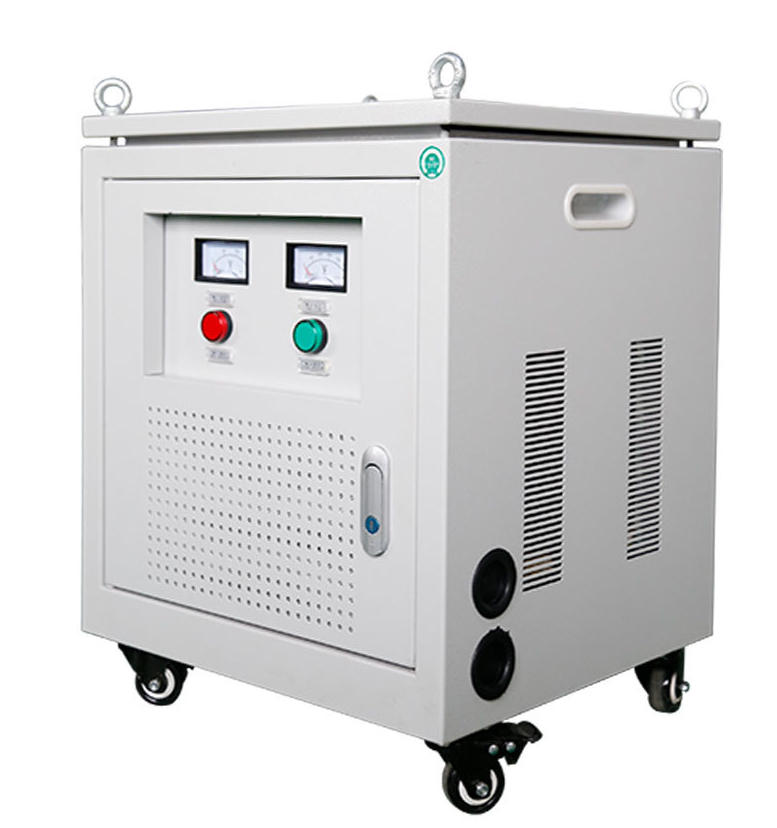
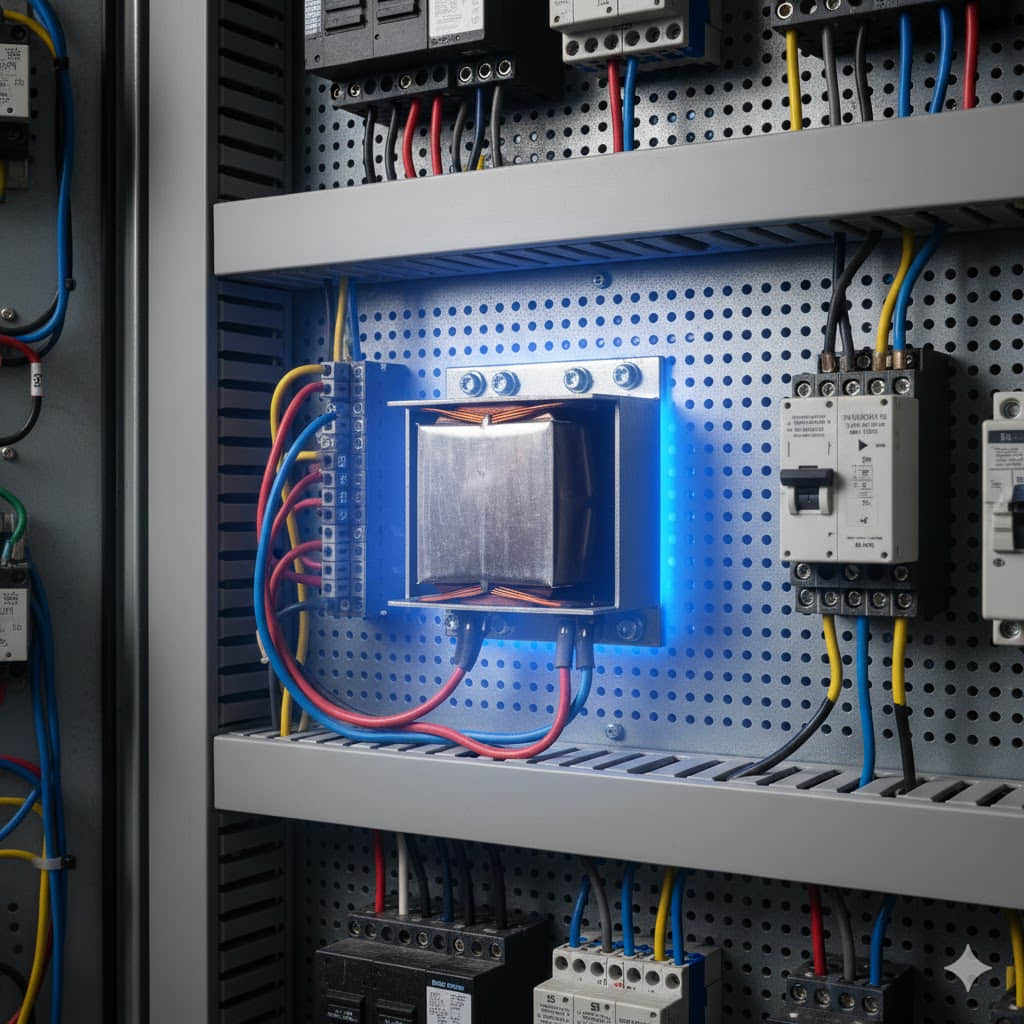
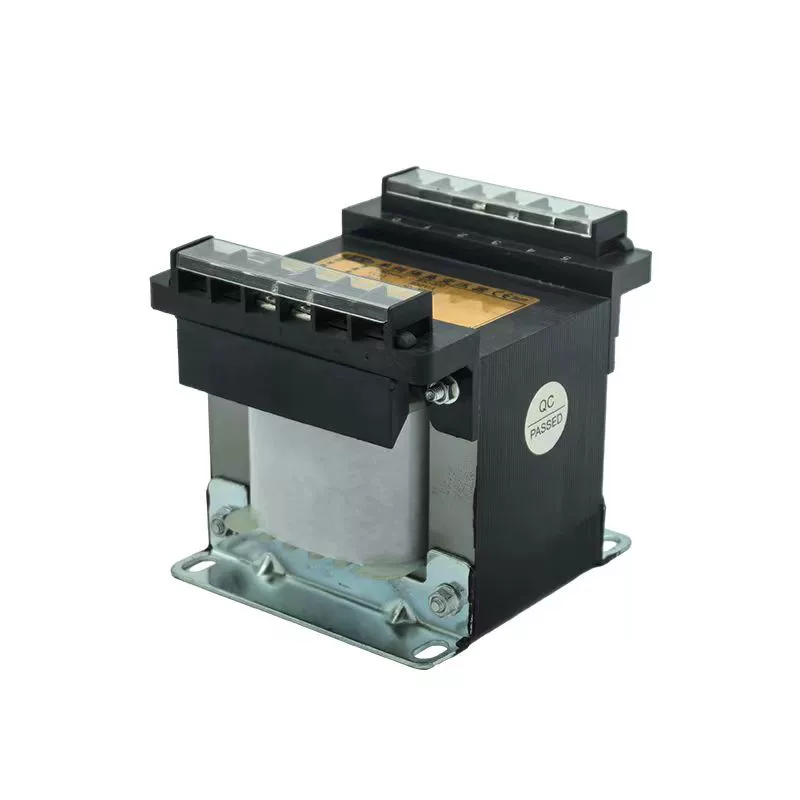
A Control Power Transformer (CPT) is an essential step-down transformer specifically designed for rugged industrial applications. Its primary function is to convert the higher voltage of the main power circuit into the lower, highly stable voltage required by the control circuitry. This specialized design ensures a reliable voltage output while effectively managing the massive inrush currents generated by inductive loads like contactors and relays during startup.
The CPT is a non-negotiable component in industrial control cabinets and Motor Control Centers (MCCs), acting as the crucial "gatekeeper" that shields the delicate control system from main power line disturbances and surge impacts.
The Indispensable Role of CPTs in Modern Industrial Automation
Every modern industrial facility operates on two distinct electrical pathways. There is the high-voltage, high-current Primary Circuit, which is responsible for driving major loads like motors and heaters. Conversely, the low-voltage, low-current Control Circuit handles all logic, signal processing, and human-machine interface functions.
The voltage levels and reliability demands of these two circuits are fundamentally different. The CPT is strategically positioned to create a robust electrical bridge and isolation barrier between them. Beyond simple voltage matching, its most critical role is isolating the sensitive control system components—such as PLCs and microcontrollers—from the volatile and erratic main power supply. This isolation guarantees that the control logic operates within a clean and stable power envelope, which is paramount for the overall safety, precision, and reliability of the entire production process.
Key Takeaways (The Essentials at a Glance)
Core Function: The CPT's main job is stepping down high primary circuit voltages (e.g., 480V/380V) to low, safe control voltages (e.g., 120V/24V).
Design Specialty: CPTs feature low-impedance windings specifically engineered to absorb and withstand the massive, instantaneous inrush currents generated by inductive loads like contactors and solenoid valves.
Safety Isolation: They provide vital electrical isolation, securely separating the low-voltage control circuits (accessible to operators) from the hazardous, high-voltage primary supply.
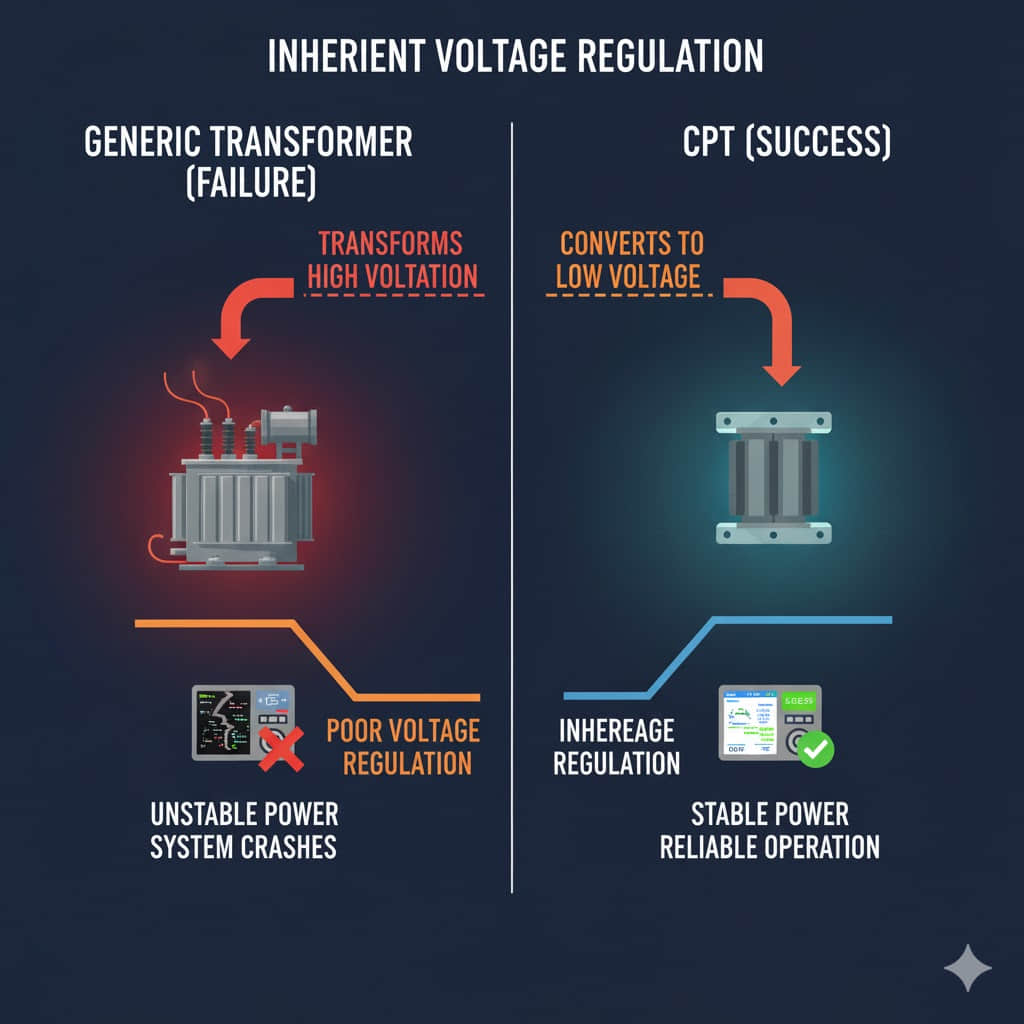
Competitive Edge: A CPT’s inherent voltage regulation is superior to general-purpose isolation transformers, making it highly effective at mitigating voltage sags and preventing control systems from resetting during transient voltage drops.
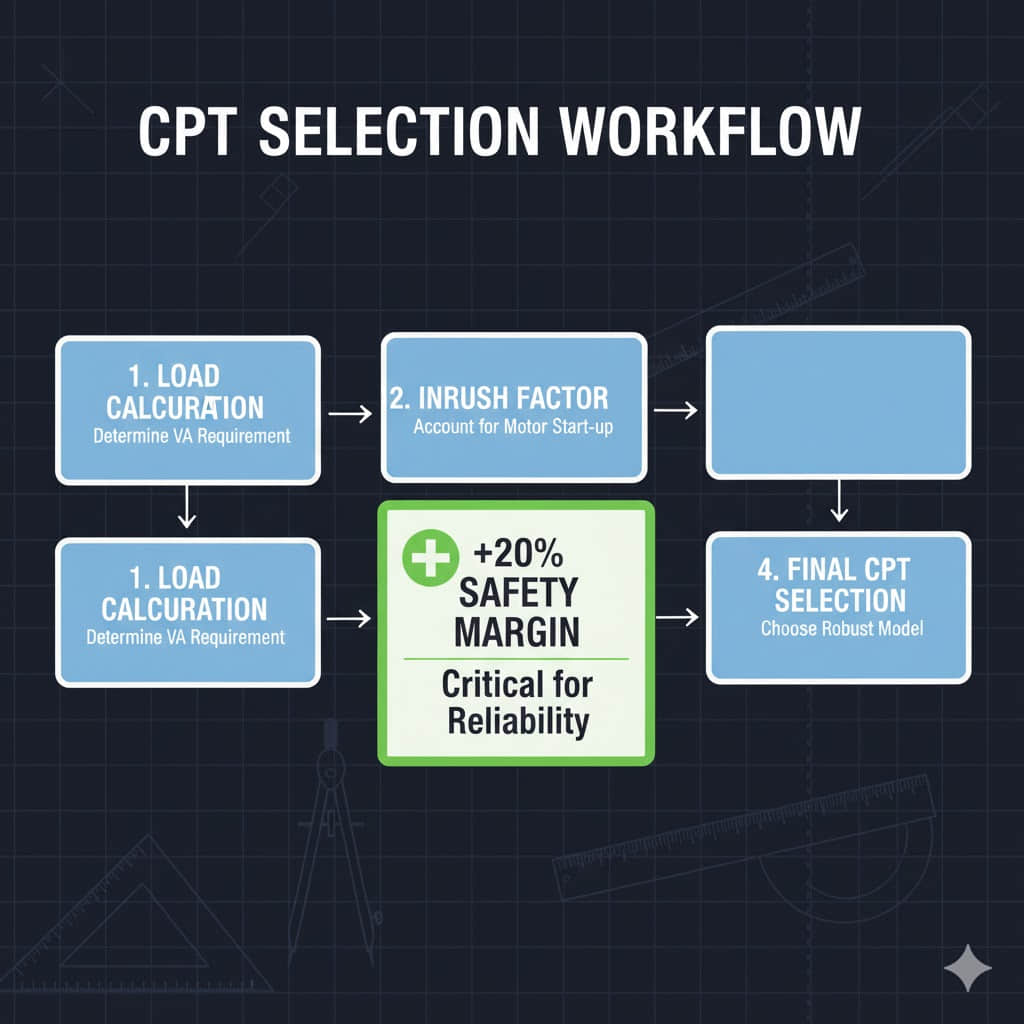
Engineering Sizing: When calculating the required VA rating, engineers must factor in both the continuous load and the transient inrush load, always adding a 15% to 20% safety margin for reliability.
II. Core Functions and Design Characteristics of the CPT
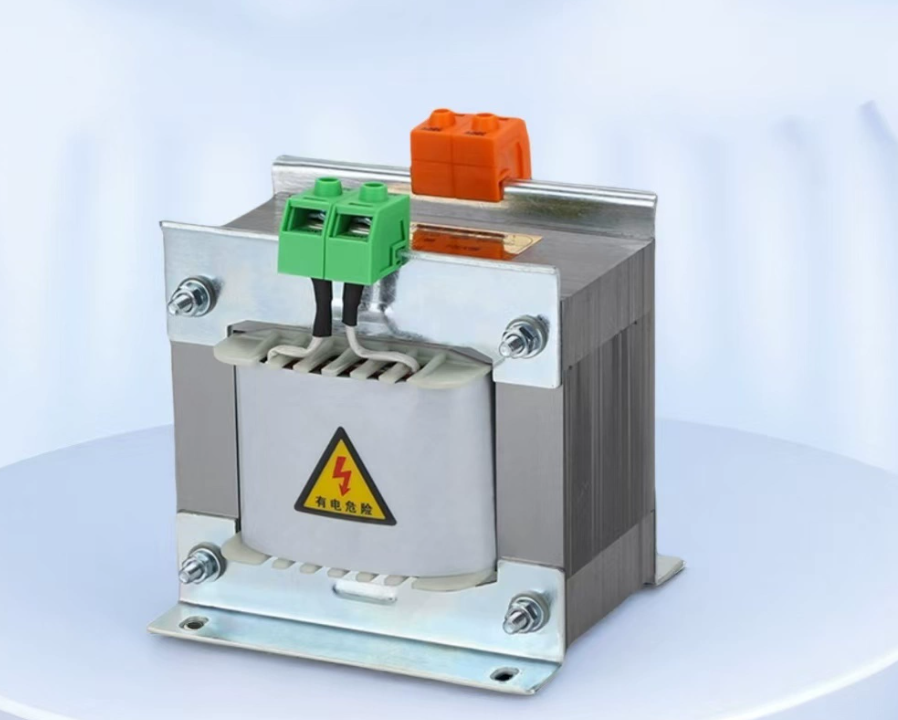
The CPT’s role in a control system is multifaceted, with its value proposition rooted in maintaining power quality and maximizing system reliability.
2.1. Delivering Rock-Solid Control Voltage
Control circuit components, especially sensitive devices like Programmable Logic Controllers (PLCs), electronic timers, solid-state relays, and sensors, demand a high degree of supply voltage accuracy. If the supply voltage deviates outside the permissible range—typically ±10%—these sensitive components can suffer from logic errors, calculation inaccuracies, or even catastrophic failure. The CPT acts as the dedicated power source for the control loop, meticulously designed to deliver a highly stable secondary voltage.
The internal structure of the CPT is optimized to minimize the effect of primary voltage fluctuations on the secondary output. This ensures that the control logic remains accurate and dependable, even when the main bus voltage exhibits moderate instability.
2.2. Superior Inrush Current Handling
This is the most critical differentiator between a CPT and a standard general-purpose transformer. Industrial automation relies heavily on inductive loads, such as relays, contactors, and solenoids. When these devices are energized, the coil’s magnetic field needs time to establish itself, which generates a brief but extremely intense inrush current.
This peak current can easily reach 10 to 20 times the steady-state current. If a standard isolation transformer is used to supply power, this instantaneous surge will cause a dramatic spike in the voltage drop across the transformer’s windings. This results in the secondary control voltage momentarily collapsing—an event known as a “brownout.”
A voltage collapse is sufficient to drop the PLC or microcontroller voltage below its minimum operational threshold. This triggers an immediate system reset or program interruption, which can lead to serious production failures and safety hazards.
The CPT Design Solution:
The CPT effectively counters this by utilizing low-impedance windings and a specialized core structure, which collectively reduce its inherent internal impedance. A lower internal resistance means that the voltage drop inside the transformer is significantly smaller, even under high inrush current conditions. This allows the CPT’s secondary output voltage to successfully "ride through" the inrush event, maintaining voltage within the acceptable limits.
Note: The CPT's low-impedance design is central to its ability to manage inrush current. It guarantees that the control voltage remains above the minimum operational voltage of the PLC and control devices during the moment the contactor pulls in, ensuring the control sequence remains uninterrupted.

2.3. Electrical Isolation and Essential Safety
The CPT provides robust electromagnetic isolation between its primary (high-voltage) and secondary (low-voltage) windings. This isolation is crucial for safety and system integrity.
Personnel Protection: The isolation ensures that personnel interacting with the low-voltage components on the control panel (such as pushbuttons and indicator lights) are not exposed to the inherent dangers of the high-voltage main circuit. This compliance is fundamental to industrial electrical safety codes.
Noise Suppression: Furthermore, the isolation effectively prevents high-frequency electromagnetic noise and transient voltage spikes—often generated by motor starts and VFD operations in the main circuit—from coupling into the sensitive control circuit. This effectively provides a "clean" operating environment for the critical control system logic.
2.4. Mitigating Voltage Sags and Dips
From an engineering perspective, the CPT serves as a critical buffer against external power grid disturbances. When the external utility grid experiences a voltage sag or dip—often caused by upstream fault conditions or the startup of large equipment—the primary circuit voltage momentarily drops.
The CPT's Buffering Effect:
Unlike power transformers, which prioritize efficiency, the CPT's design emphasizes voltage regulation. Its unique winding configuration and magnetic circuit give it a degree of transient energy storage capability. When the upstream voltage sag occurs, the CPT’s low internal resistance helps minimize the impact on the duration and severity of the secondary voltage drop. While it is not designed to eliminate sags, it buys the system crucial milliseconds, preventing immediate control system collapse and significantly enhancing the control system's immunity to disturbance.
III. Technical Structure and Specifications of the CPT
3.1. Basic Structure and Wiring Methods
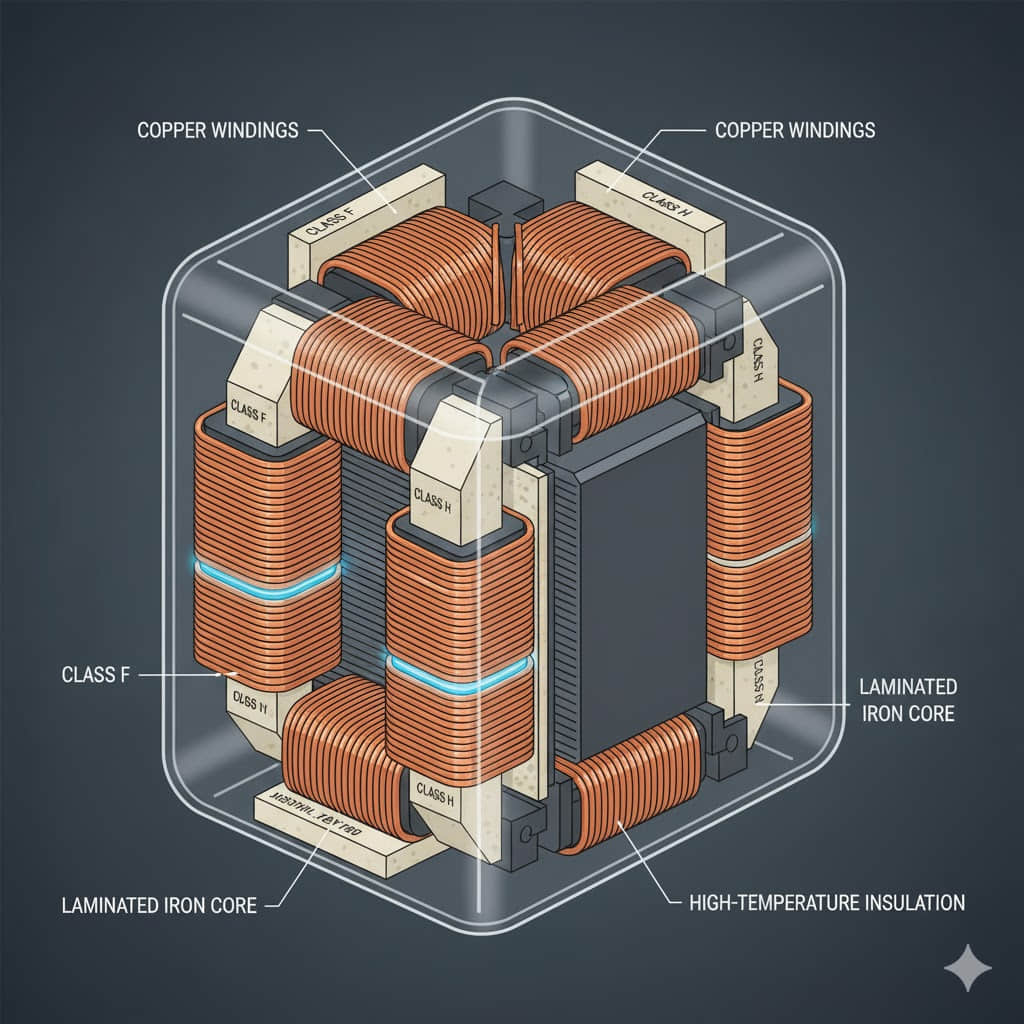
A CPT shares the basic components of a typical transformer, consisting primarily of primary windings, secondary windings, and a magnetic core. However, its detailed internal construction is optimized specifically for control applications. For instance, the windings typically use a heavier gauge of copper wire to reduce the inherent resistance.
Primary Winding: Connects directly to the main power circuit voltage (e.g., 480V/600V/380V). Some CPTs feature multiple primary taps, allowing them to adapt to different international or regional voltage standards.
Secondary Winding: Provides the required control voltage (e.g., 120V/24V AC). The secondary winding may also include one or more taps, enabling fine-tuning of the output voltage to compensate for voltage drop under load conditions.
Wiring/Mounting: CPTs are typically single-phase transformers and are designed for mounting on a DIN rail or panel inside the control cabinet.
3.2. Critical Specifications and Selection Criteria
Proper specification involves understanding three primary parameters that dictate the CPT's suitability for an application.
VA Rating: The CPT's power rating is measured in Volt-Amperes (VA), representing the maximum apparent power it can continuously deliver under rated conditions. Compared to multi-MVA power transformers, CPT VA ratings are quite modest, usually ranging from 50 VA up to about 5000 VA.
Voltage Class: The specific combination of Primary and Secondary voltages must be clearly defined, such as "480V to 120V."
Frequency: The operating frequency is almost universally specified as either 50 Hz or 60 Hz.
3.3. Insulation and Temperature Class: Ensuring Industrial Durability
For industrial equipment, reliability and endurance often take precedence over pure efficiency. CPTs are expected to operate reliably over long periods in harsh environments characterized by high temperatures, dust, and vibration. Therefore, their insulation and temperature ratings are extremely important.
Insulation Class: This rating defines the maximum temperature the insulating materials used in the windings can safely withstand. Standard industrial insulation classes include Class B (130°C), Class F (155°C), and Class H (180°C). Choosing a higher insulation class ensures the transformer can operate stably and last longer, even in higher ambient temperatures or under heavier loads.
Temperature Rise: This refers to the temperature increase of the windings relative to the ambient temperature at rated load. CPTs are often engineered for a low temperature rise to prevent premature aging. This is especially important inside control cabinets where heat dissipation may be restricted.
Selecting a CPT that complies with certifications like UL or CE guarantees that its insulation and temperature specifications meet accepted engineering standards.
Tip: When dealing with high loads or poor thermal dissipation within a control cabinet, selecting a CPT with a higher insulation class (such as Class F or H) significantly increases the transformer's lifespan and overall system reliability.
IV. CPT Differentiation from Other Transformer Types
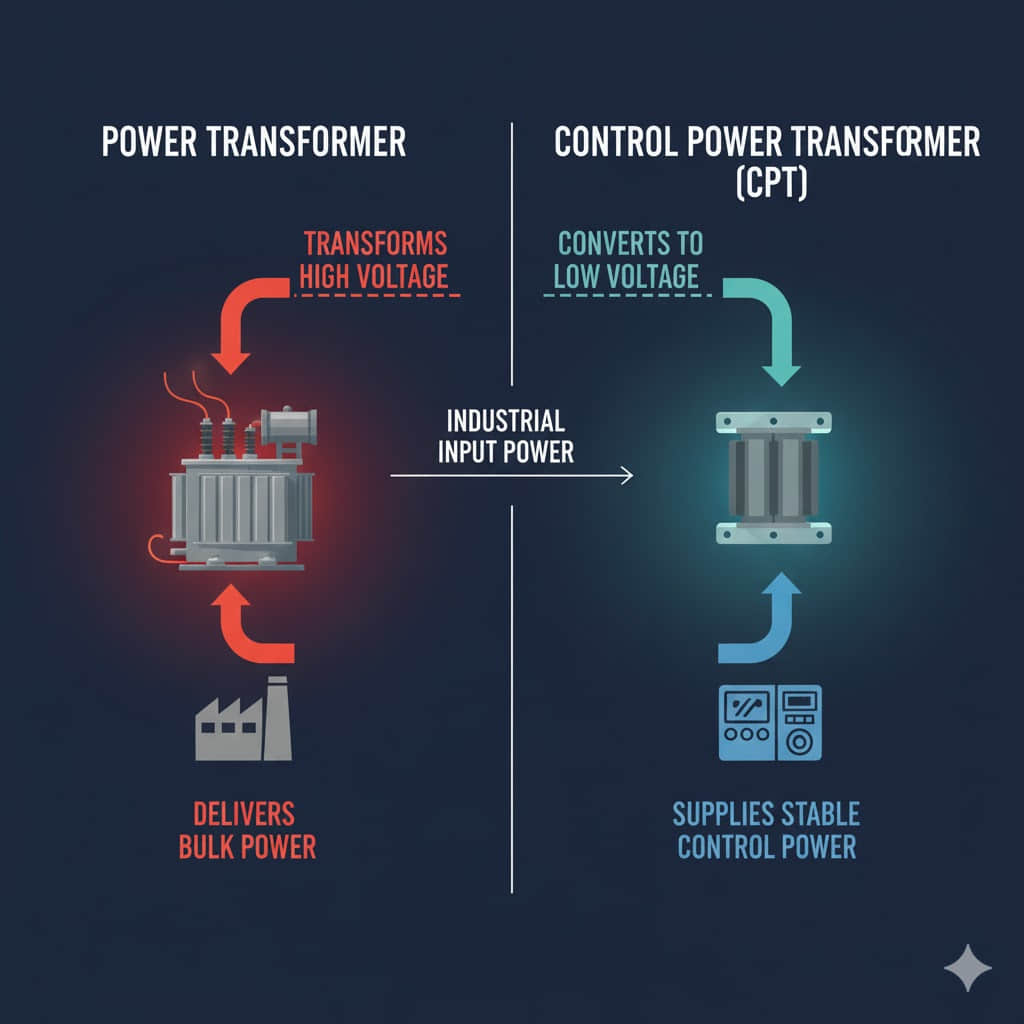
To fully appreciate the CPT’s unique standing, it is essential to compare it against common alternatives, namely Power Transformers and General-Purpose Isolation Transformers.
4.1. CPT vs. Power Transformer — Key Differences
| Characteristic | Control Power Transformer (CPT) | Power Transformer |
|---|---|---|
| Primary Goal | Supply stable, low voltage to the control circuit. | Efficiently transfer and distribute bulk electrical power. |
| VA Rating | Typically low (e.g., 50 VA up to ~5 kVA). | Typically high (tens of kVA to hundreds of MVA). |
| Voltage Class | Low industrial/commercial voltage step-down (e.g., down to 120V/24V). | High-voltage to extra-high-voltage transmission and distribution. |
| Core Design Focus | Stable voltage regulation and inrush current handling capability. | High efficiency and high capacity. |
| Performance Metric | Requires secondary voltage to maintain high stability under inrush current. | Requires the highest possible efficiency (low loss) at rated load. |
4.2. CPT vs. Potential Transformer (PT/VT)
It is easy to confuse CPTs with Potential Transformers due to their similar size and voltage levels.
Potential Transformer (PT, also called Voltage Transformer or VT): This device is used exclusively for Metering and Protection. It precisely and proportionally steps down high voltages to a standard, low reference voltage (typically 120 V or 100 V) that instruments and protective relays can safely measure. The PT’s critical performance characteristics are accuracy and linearity.
CPT: This device is used exclusively for powering control loads. Its critical performance characteristics are inrush resistance and voltage stability under load transients.
In simple terms, the PT is the "precise observer," while the CPT is the "reliable power source."
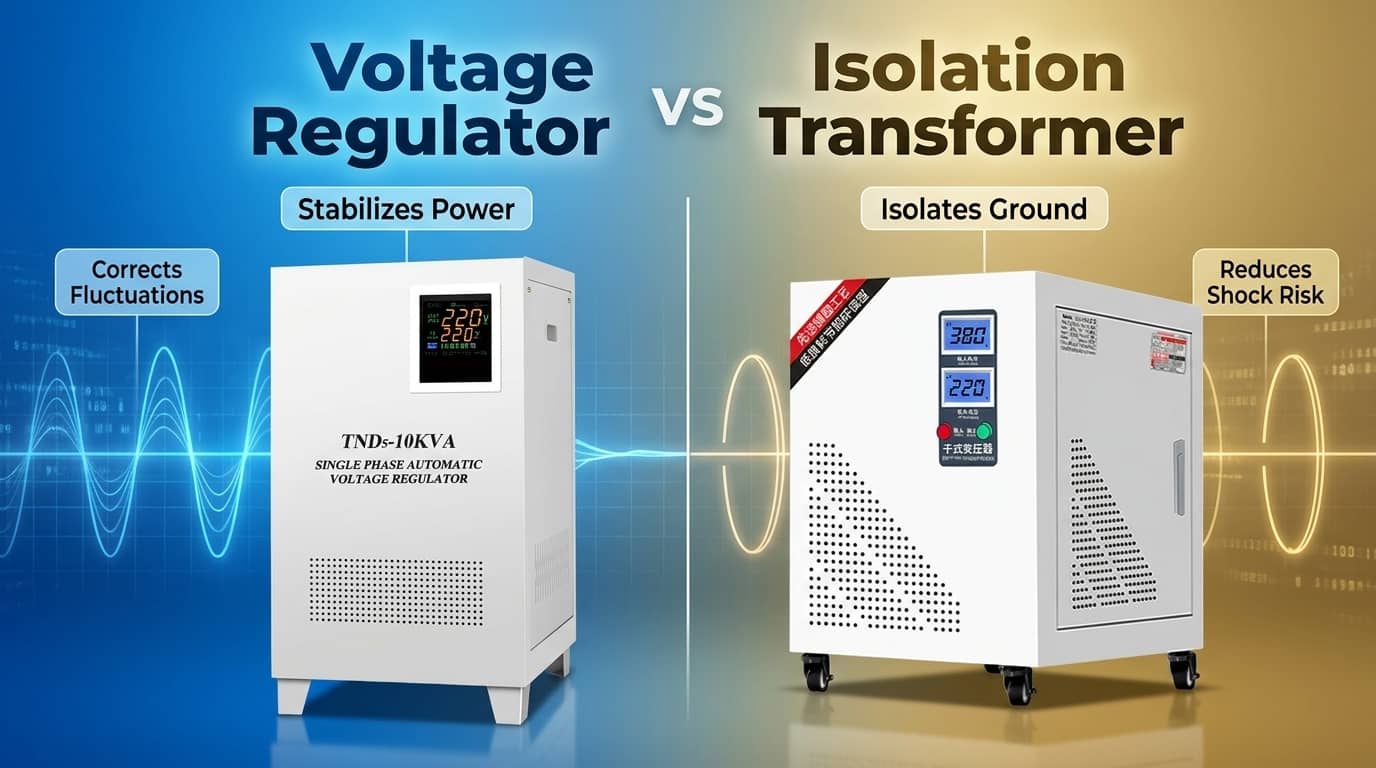
4.3. Why a General Isolation Transformer Cannot Replace a CPT
In engineering design, a common mistake is proposing a General-Purpose (GP) Isolation Transformer as a substitute for a CPT, arguing that both provide voltage step-down and isolation. This is fundamentally poor engineering practice and highlights the CPT’s unique value.
The Weakness of General Isolation Transformers:
GP transformers are designed to maximize efficiency and minimize losses. This design focus often results in them having a relatively higher internal impedance. When the control loop contactors pull in and generate a high inrush current, this higher internal impedance leads to a severe voltage drop (Voltage Sag/Drop).
The Consequence:
If the minimum operational voltage for the control system is 90 V, a GP isolation transformer might momentarily drop the voltage to 70 V during the inrush event. This collapse causes the entire control system (PLC, HMI) to crash or cycle power.
The CPT Advantage:
Because of its low-impedance design, a CPT subjected to the same inrush current might only experience a voltage drop to 105 V, which is safely above the system's minimum operating voltage. The CPT is the only transformer specifically engineered to prevent system collapse during load transients. Therefore, the CPT is a specialized device "built for inrush" and cannot be reliably substituted by a general-purpose unit.
Note: Substituting a CPT with a standard isolation transformer is a frequent and costly error in industrial control design. It inevitably leads to intermittent, difficult-to-diagnose failures (such as unexplained PLC restarts) whenever contactors are frequently activated.
V. CPT Sizing and Best Engineering Practices
Correct CPT sizing is the foundation for ensuring long-term stable operation, demanding a rigorous engineering approach to calculation and design.
5.1. The Conservative Design Principle in CPT Sizing
The VA rating calculation is the core of CPT selection, and it must meticulously account for both continuous loads and transient inrush loads.
Phase One: Calculate Continuous Load VA
Sum the VA ratings of all components that consume power continuously during normal operation. This includes the PLC, HMI, indicator lights, cooling fans, and solenoids in their steady-state energized condition.
The continuous Volt-Amperes () are equal to the sum of all continuous currents () multiplied by the secondary voltage ().
Phase Two: Calculate Transient Inrush Load VA
Determine the maximum single-instance inrush VA that occurs during system startup or the worst-case operation (e.g., the simultaneous pull-in of multiple contactors). Typically, only the single device with the highest inrush current needs to be considered. This is because the inrush event is instantaneous, and the CPT is designed to withstand a single high-impact transient, not multiple simultaneous steady-state demands.
The inrush Volt-Amperes () is equal to the product of the maximum inrush current () and the secondary voltage ().
Phase Three: Determine Total Required VA
The CPT’s VA rating must satisfy both the continuous load and the inrush load requirements. Manufacturers usually provide specific tables or formulas to accurately factor the inrush VA into the total required VA.
Phase Four: Apply the Essential Safety Margin
This step is the cornerstone of the "conservative design" principle, paramount for professional reliability. Once the theoretical VA requirement is calculated, a significant margin must be added to account for several real-world factors. This allowance covers future expansion needs, such as reserving capacity for future auxiliary relays or indicator lights. It also compensates for system aging, as the performance of transformers, cables, and contactors naturally degrades over time. Finally, the margin helps ensure the CPT can drive the full load even if the input voltage falls slightly below its nominal rating due to grid fluctuations.
Best Engineering Practice:
It is strongly recommended to add 15% to 20% VA safety margin above the calculated theoretical VA requirement. This range serves as the absolute minimum design value.
The selected VA value () should be greater than or equal to the required VA () multiplied by 1.20 (representing the 20% safety margin).
If the calculated requirement falls between two standard CPT ratings, the engineer should always select the larger standard rating. For example, if the calculation requires 165 VA, the selection should be 175 VA or 200 VA, not 150 VA.
Tip: In CPT selection, worry less about marginal cost savings and more about long-term system reliability. Applying a 20% VA safety margin is a standard industrial practice that drastically improves system longevity under adverse conditions.
5.2. Protection and Installation Guidelines
The correct installation and protection of the CPT are equally critical engineering steps that must not be overlooked.
Primary Side Protection:
The protective device on the primary winding (typically a fuse or circuit breaker) must be rated high enough to withstand the transformer's own initial magnetizing inrush current. If the fuse rating is too low, it may nuisance trip the moment the transformer is initially energized. Therefore, the primary protection current rating should be calculated based on the CPT’s VA value, and crucially, a time-delay or slow-blow fuse or circuit breaker must be used to tolerate the momentary surge.
Secondary Side Protection:
Secondary side protection (fuses or circuit breakers) is designed to protect the control circuit wiring and the loads themselves from short circuits and overloads. The secondary protection rating must be selected based on the calculated secondary rated current, which is equal to the CPT's VA divided by the secondary voltage.
Grounding Requirements:
The CPT's core and enclosure must be reliably connected to earth ground (usually linked to the control cabinet's protective earth busbar). One side of the secondary winding (typically the neutral or common leg) may also need to be bonded to ground, depending on local electrical codes and system grounding schemes. This ensures a complete fault path and prevents accidental voltage elevation on the secondary side.
VI. Conclusion
6.1. The CPT: The Unsung Hero of Industrial Reliability
The Control Power Transformer (CPT) plays the role of an "unsung hero" in motor control and automation applications. Although not a high-power device that draws attention, it is the single most critical element ensuring system reliability, stability, and operational safety. Its low-impedance winding architecture gives it the unique ability to resist both inrush currents and voltage sags, making it the ideal choice for environments dominated by highly inductive industrial loads. Any attempt to substitute a CPT with a general-purpose transformer is an unacceptable risk to the entire automation system's reliability.
6.2. Industry Outlook and Maintenance Advice
As industrial automation intensifies with the rise of smart manufacturing and the Industrial Internet of Things (IIoT), control systems are becoming exponentially more complex and sensitive to power quality. The CPT’s position remains fundamentally secure. For electrical maintenance engineers, routine checks are essential: ensure terminal connections are tight, visually inspect the unit for any signs of overheating (such as discolored insulation), and listen for any abnormal humming noise. A correctly sized, properly installed, and well-maintained CPT guarantees a solid foundation for the continuous, stable operation of your automation system.
Frequently Asked Questions (FAQ)
Q1: What is the main difference between a CPT and a General Isolation Transformer?
A1: The major difference lies in impedance. The CPT uses a special low-impedance design, which results in minimal output voltage drop when it absorbs the huge inrush current from contactors. A standard isolation transformer has higher impedance, leading to a severe voltage "collapse" during inrush, which can cause the control system to crash or restart. The CPT is engineered for high stability and inrush resistance.
Q2: How do I quickly estimate the required VA for my control loop?
A2: The estimation requires calculating two components:
Continuous VA: Sum the VA of all constantly-on loads (PLC, HMI, lights, fans).
Inrush VA: Determine the maximum inrush VA from the single largest inductive load (contactor or solenoid).
Combine the continuous and inrush VA requirements, then consult the manufacturer's table for the minimum required rating. Standard engineering practice recommends adding a 15% to 20% safety margin to this minimum value to cover future expansion and aging.
Q3: If my PLC and control components operate on 24 V DC, do I still need a CPT?
A3: Yes, absolutely. The CPT’s job is to safely step down the high voltage (e.g., 480 V) to an intermediate AC voltage (e.g., 120 V AC or 24 V AC), which is then fed to an AC/DC power supply for conversion to 24 V DC. The CPT provides crucial isolation and surge buffering before the expensive DC power supply module. This protects the DC power supply itself from high-voltage transients and inrush impacts, ensuring its longevity.
Q4: How does a CPT's Insulation Class (e.g., Class B vs. Class F) affect my application?
A4: The insulation class directly impacts the CPT's lifespan and reliability. Class F (155 °C) can tolerate a higher operating temperature than Class B (130 °C). If your control cabinet has poor ventilation, high ambient temperatures, or if the CPT operates at high capacity for extended periods, selecting a higher insulation class prevents the winding insulation from thermal degradation. This significantly extends the service life and reduces downtime due to heat-related failures.
Q5: What is the critical consideration when selecting a protective fuse for the primary side of a CPT?
A5: You must use a Time-Delay or Slow-Blow fuse or circuit breaker. This is necessary because the CPT generates a large, momentary magnetizing inrush current when it is first energized. If a standard (fast-acting) fuse is used, it will nuisance trip when the CPT powers up. The time-delay device is designed to withstand this brief transient while still reliably disconnecting the circuit in the event of a sustained short circuit or overload.
Q6: How can I tell if my CPT is reaching the end of its service life?
A6: Signs that a CPT is nearing the end of its life typically include:
1. Excessive heat (significantly hotter than normal operation) indicates possible insulation breakdown.
2. Abnormally low secondary voltage at no-load or light-load conditions, suggesting poor voltage regulation.
3. Emitting unusual odors or visual evidence of insulation discoloration.
4. A louder-than-normal buzzing sound during operation signals potential core or winding issues.
Q7: Are there efficiency requirements for CPTs?
A7: CPTs generally do not have the strict energy efficiency mandates applied to large Power Transformers. For a CPT, reliability (voltage regulation and surge resilience) is far more important than efficiency. To achieve the low impedance required to fight inrush, the CPT's design might sacrifice a slight degree of efficiency. However, because the total VA rating of a CPT is very low, the resulting energy loss is negligible compared to the total energy consumption of the facility.