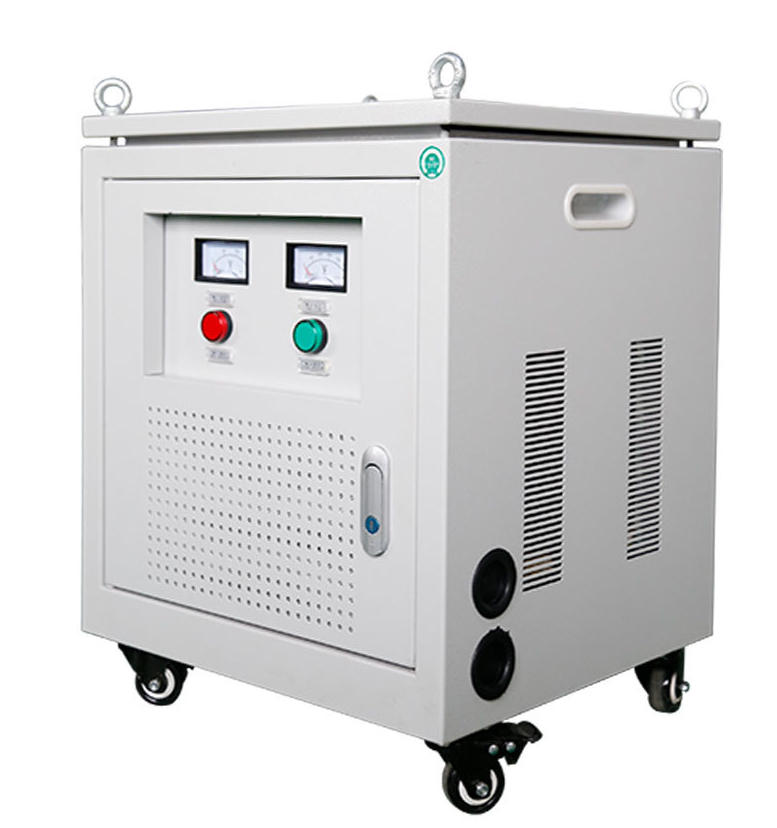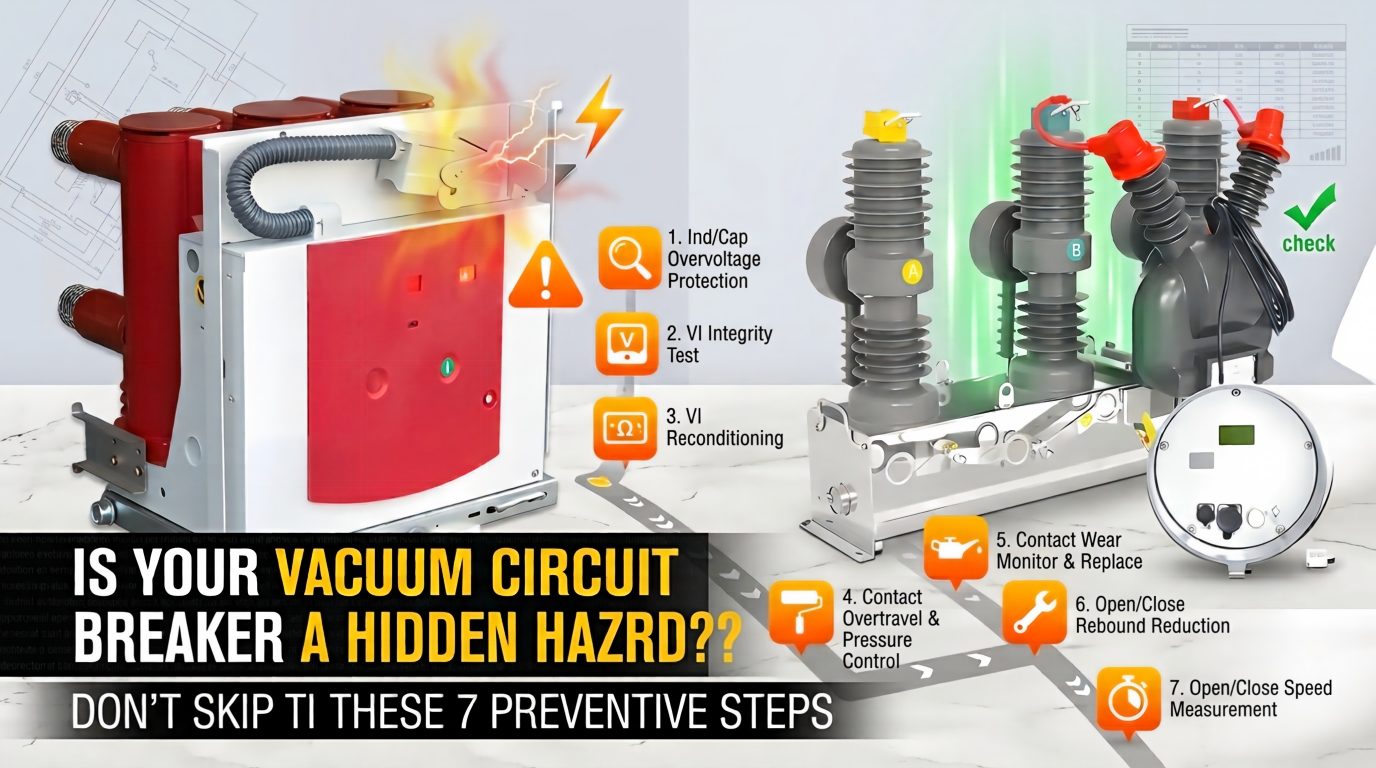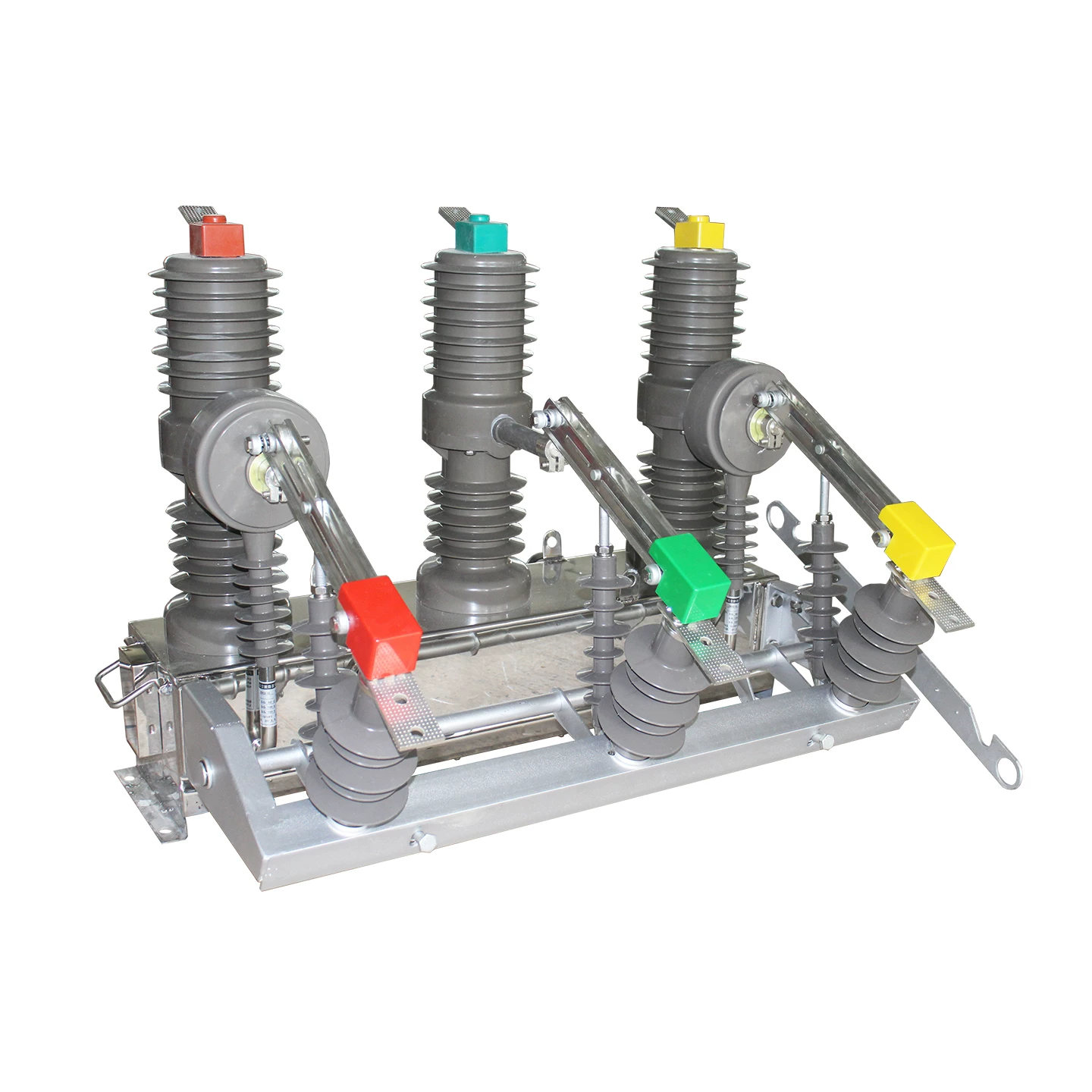
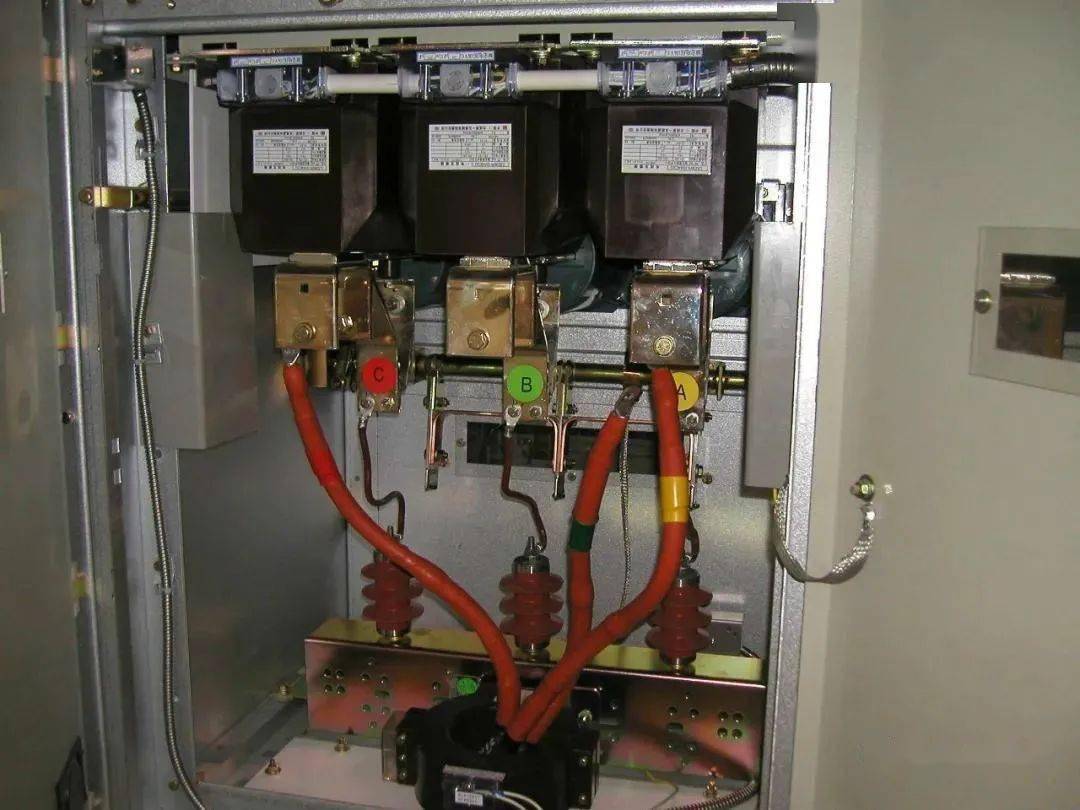
Medium Voltage (MV) switchgear and Ring Main Units (RMU) serve as the critical control centers of modern Power Distribution Systems. These assemblies are responsible for the switching, protection, and metering of electrical circuits, ensuring grid stability and safety.
Switchgear: Typically refers to a combination of electrical disconnect switches, fuses, or circuit breakers used to control, protect, and isolate electrical equipment. In 10kV and 35kV networks, Metal-Clad and Metal-Enclosed designs are standard for housing primary components.
Ring Main Unit (RMU): A compact, sealed variant of switchgear used primarily in secondary distribution networks. It enables a flexible ring network supply, ensuring power can be supplied from alternative sources if a fault occurs.
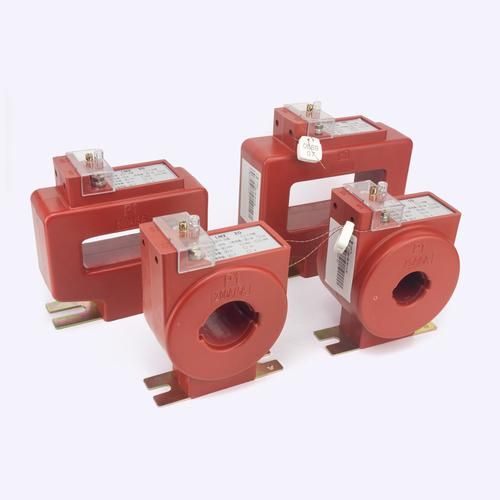
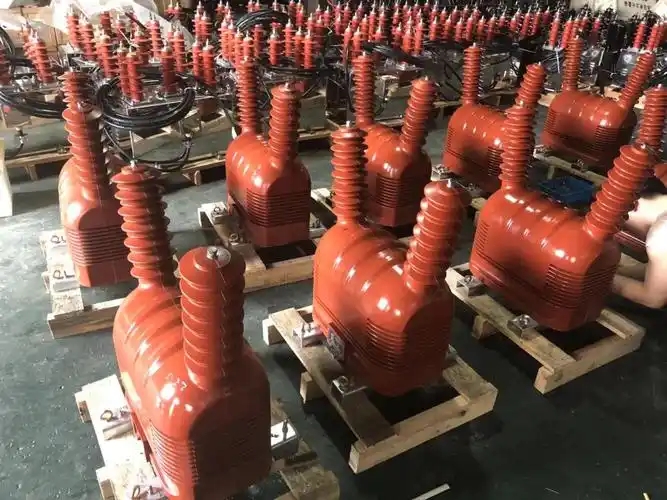
At the core of these systems lies the precision of Current Transformers (CT) and Potential Transformers (PT). These instrument transformers step down high voltages and currents to safe levels for metering and relay protection, acting as the interface between the high-power primary circuit and the low-voltage control room.
Key Differences Between 10kV and 35kV Equipment
While both voltage classes fall under the medium-voltage category, the engineering requirements for 10kV (12kV-rated) and 35kV (40.5kV-rated) equipment differ significantly in insulation levels and physical dimensions.
| Feature | 10kV / 12kV System | 35kV / 40.5kV System |
|---|---|---|
| Primary Application | Urban distribution, industrial plants, commercial buildings. | Sub-transmission, heavy industry, wind farms, large substations. |
| Insulation Distance | Requires standard air clearance and creepage distances. | Demands significantly larger clearance and enhanced Insulation properties. |
| Component Size | Compact designs suitable for space-constrained RMUs. | Larger footprint; components like Epoxy Resin Bushings are bulkier to handle higher stress. |
| Dielectric Strength | Standard MV insulation levels. | High-stress dielectric requirements; often utilizes advanced APG (Automatic Pressure Gelation) casting. |
Operating Conditions and Working Environments
The reliability of switchgear and RMUs depends heavily on the environmental resilience of their internal components. Manufacturers like Weisho Electric utilize specialized epoxy resin formulations to ensure performance across diverse conditions.
Indoor Installations: Equipment is typically housed in climate-controlled substations. Components must resist dust and humidity but are protected from direct weather. Indoor Current Transformers (e.g., LZZBJ9 series) are optimized for these stable environments.
Outdoor Installations: Exposed to UV radiation, rain, and extreme temperature fluctuations. Components require Cycloaliphatic Epoxy Resin or silicone rubber insulation to prevent tracking and erosion.
Harsh Industrial Environments: Areas with high pollution or salinity require components with extended creepage distances and superior Anti-Pollution properties to prevent flashovers.
Key Environmental Factors:
Ambient Temperature: -25°C to +40°C (Standard).
Humidity: Daily average ≤ 95%.
Altitude: Standard designs up to 1000m; high-altitude versions available for 3000m+.
Common Types of MV Switchgear and RMU Configurations
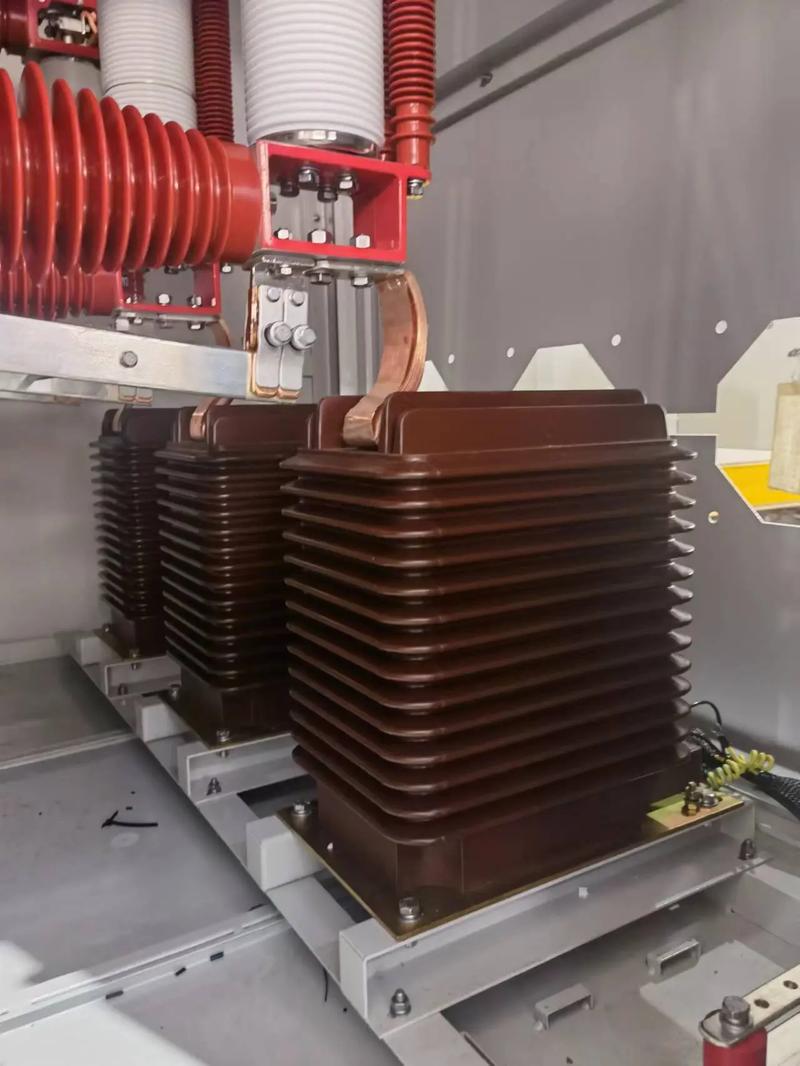
Metal-Clad and Metal-Enclosed Switchgear
When we look at 10kV/35kV Medium Voltage Switchgear, the distinction between metal-clad and metal-enclosed designs is critical for safety and application. Metal-Clad Switchgear is the premium choice for high-reliability requirements. In this configuration, every compartment—busbar, cable, and circuit breaker—is physically separated by grounded metal barriers. This segregation ensures that an arc fault in one compartment doesn’t easily spread to others, maximizing operator safety.
Metal-Enclosed Switchgear, while similar in appearance, is generally less compartmentalized. It offers a more cost-effective solution where strict segregation isn’t mandated. We often deploy these in industrial settings where space and budget need to be balanced against protection levels. Both types serve as the backbone for Power Distribution Systems, housing critical Relay Protection and Metering Solutions.
Gas-Insulated Switchgear (GIS) vs. Air-Insulated Switchgear (AIS)
The choice between Gas Insulated Switchgear (GIS) and Air Insulated Switchgear (AIS) usually comes down to environment and space.
Air Insulated Switchgear (AIS): This is the traditional route. It uses ambient air as the primary dielectric. It’s bulky and requires more floor space, but the components are accessible. Maintenance teams appreciate AIS because it is easier to visually inspect and replace parts like the LZZBJ9-12 current transformer without de-gassing the entire system.
Gas Insulated Switchgear (GIS): Here, we use SF6 gas (sulfur hexafluoride) inside a sealed tank. The dielectric strength of SF6 is much higher than air, allowing us to shrink the footprint significantly. GIS is ideal for urban substations or harsh environments (humidity, dust) since the active parts are shielded. However, it requires specialized handling for the gas and is generally a “sealed-for-life” system.
Compact Ring Main Units for Secondary Distribution
For secondary distribution networks, especially in city grids and wind farms, the Ring Main Unit (RMU) is the standard. These units are designed to be compact and often come as Expandable RMU blocks, allowing us to add more functions as the network grows.
Key features include:
Load Break Switch: Handles normal load switching.
Circuit Breaker: Provides protection against short circuits.
Safety Interlocks: A robust grounding switch is integrated to earth the system before any operator access, ensuring total safety during maintenance.
Whether using Solid Insulation or gas, these Compact Switchgear units are vital for managing 12kV, 24kV, and 40.5kV loops efficiently. They minimize downtime and provide a flexible interface for Secondary Equipment integration.
The Role of CTs and PTs in 10kV/35kV Systems
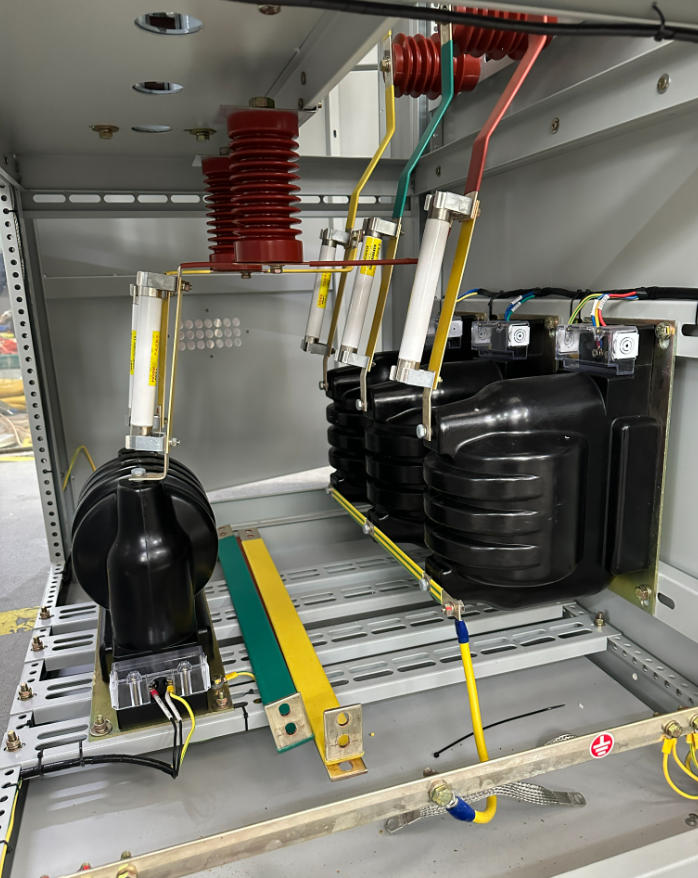
Current Transformers (CT) for Protection and Measurement
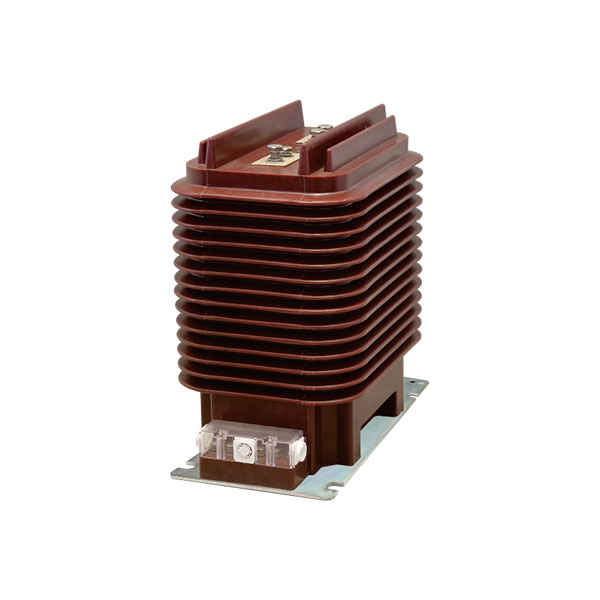
In any robust Power Distribution System, we cannot feed high primary currents directly into sensitive meters or control devices. This is where the Current Transformer (CT) becomes essential. Its primary job is to step down the high current from the 10kV or 35kV lines to a standard secondary value, typically 5A or 1A.
For most Medium Voltage Switchgear, we utilize dual-core or multi-core CTs to handle two distinct tasks simultaneously:
Precision Metering: One core is dedicated to Electrical Energy Measurement, ensuring high accuracy (Class 0.2S or 0.5S) for billing purposes.
Relay Protection: The second core drives the protection relays. Unlike metering cores, these are designed to not saturate during high fault currents, ensuring the circuit breaker trips correctly during a short circuit.
Potential Transformers (PT) for Voltage Monitoring and Control
The Potential Transformer (PT), also known as a Voltage Transformer, performs a similar function but for voltage. It steps down the line voltage to a safe, standardized level (usually 100V or 110V) for the secondary circuit. This voltage reference is critical for Power Control Systems and monitoring equipment.
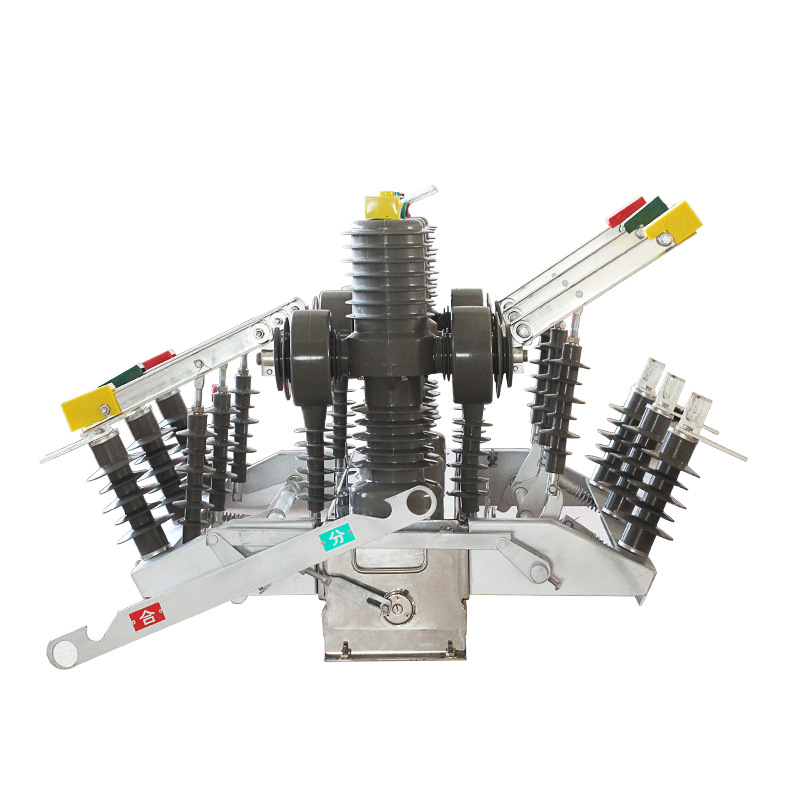
Beyond simple indication, the PT provides the necessary voltage inputs for directional overcurrent protection and distance relaying. Reliable voltage data is the backbone of grid automation; without it, advanced protection schemes, such as those involving automatic reclosers that guard power distribution networks, cannot effectively isolate faults or restore power. We must ensure the PT has sufficient burden capacity to drive all connected meters and relays without voltage drop errors.
Component Integration within Switchgear Compartments
Integrating these transformers into Metal-Clad switchgear or a compact Ring Main Unit (RMU) requires careful spatial planning. In modern 12kV and 24kV designs, space is at a premium. We often rely on Casting Insulation (epoxy resin) technology, which allows for smaller, more durable components that resist moisture and pollution.
AIS (Air Insulated Switchgear): CTs and PTs are typically mounted in the cable compartment or busbar compartment, relying on air clearances.
GIS (Gas Insulated Switchgear): The components are often external or specially designed to fit within gas-filled tanks, sometimes using shielded sensors instead of traditional iron-core transformers.
When planning a layout or buying high voltage enclosures, it is vital to verify that the compartment dimensions can accommodate the specific dimensions of the CTs and PTs, especially if high-accuracy or high-burden ratings are required. Proper integration ensures that Secondary Equipment remains isolated from high-voltage stresses, enhancing both safety and system longevity.
Selection Guide for Current Transformers (CT)
Determining Rated Ratios and Accuracy Classes
When I select a Current Transformer for a 10kV or 35kV system, the first step is nailing the transformation ratio. You want the primary rated current to be just above the maximum load current—usually about 1.2 to 1.5 times the normal operating current. If you oversize the ratio too much, your Precision Metering at low loads takes a significant hit, leading to revenue loss. For the secondary side, we typically see 5A or 1A standards depending on the distance to the meters.
Accuracy class is equally critical and depends on the function:
Metering Cores: I always stick to 0.2S or 0.5S classes for billing purposes to ensure accurate Electrical Energy Measurement across a wide range of currents.
Protection Cores: For Relay Protection, we look for classes like 5P10 or 10P10. This ensures the CT maintains accuracy during high-current fault conditions without saturating, allowing the breaker to trip correctly.
Calculating Burden and Thermal Current Limits
The burden, measured in Volt-Amperes (VA), is the total load connected to the secondary terminals. I calculate this by adding up the resistance of the connecting wires and the impedance of the connected relays or meters. If the actual burden exceeds the rated burden, the CT accuracy drops. Conversely, operating a CT with a burden significantly lower than its rating can also introduce errors, though modern electronic meters have very low burdens.
We also need to verify the short-time thermal current ($I{th}$) and dynamic current ($I{dyn}$). This defines how much fault current the CT can handle for one second without thermal damage. In robust Power Distribution Systems, matching this to the switchgear’s short-circuit rating is non-negotiable to prevent catastrophic failure during a fault.
Selection of Indoor Epoxy Resin vs. Outdoor Casting Types
For 10kV/35kV Medium Voltage Switchgear & Ring Main Unit CT/PT Selection and Replacement, the installation environment dictates the insulation material. Inside a metal-clad switchgear or when utilizing a measuring handcart for high-voltage applications, we almost exclusively use Epoxy Resin casting. It offers excellent dielectric strength, is compact, and is fire-retardant.
However, standard epoxy fails under UV radiation and moisture. For outdoor applications, I opt for:
Cycloaliphatic Epoxy: Resistant to UV and tracking.
Silicone Rubber: Flexible and hydrophobic, ideal for pollution-heavy areas.
Choosing the right Casting Insulation ensures the equipment survives the lifespan of the substation, whether it is a 12kV indoor unit or a 33kV outdoor installation.
Selection Guide for Potential Transformers (PT)
Selecting the right Potential Transformer (PT), also known as a Voltage Transformer, is critical for the safe operation of 10kV/35kV Medium Voltage Switchgear. These components step down high voltages to safe levels for metering and protection devices. At Weisho Electric, we focus on durability and precision, ensuring our PTs meet the rigorous demands of modern distribution networks.
Voltage Ratios and Connection Configurations
The primary voltage rating must match your system voltage (e.g., 10kV, 12kV, 24kV, or 35kV).
Critical Factors for RMU Component Selection
When handling 10kV/35kV Medium Voltage Switchgear & Ring Main Unit CT/PT Selection and Replacement, the physical and environmental constraints are just as critical as the electrical specifications. Unlike spacious air-insulated substations, Ring Main Units (RMUs) are engineered for density. Selecting the wrong form factor or insulation type can lead to installation failures or compromised safety distances.
Space Constraints and Compact Transformer Designs
The defining feature of an Expandable RMU or Compact Switchgear is its small footprint. There is zero room for error regarding physical dimensions. Standard block-type instrument transformers often simply will not fit into the cable compartments of modern RMUs.
Profile Matters: We prioritize low-profile or ring-core Current Transformers that slip directly over the bushings or cables.
3D Fit Check: For Potential Transformers, especially in retrofits, verifying the mounting depth and terminal clearance is mandatory.
Thermal Dissipation: Tighter spaces mean heat builds up faster. We select components with higher thermal classes to withstand the enclosed environment of a box-type substation without degrading accuracy.
Compatibility with SF6, Solid, or Shielded Insulation
The insulation medium of your switchgear dictates the type of sensor you must use. You cannot mix and match insulation technologies without risking partial discharge or flashovers.
Gas Insulated Switchgear (GIS): In systems using an SF6 Load Switch, the primary conductors are often sealed inside a gas tank. Here, we typically use externally mounted toroidal CTs that sit outside the gas chamber but around the bushing.
Solid Insulation: For Shielded Solid Insulation units, the equipment surface is earth potential. The CT/PT must be screened to maintain this safety feature.
Air Insulated Switchgear (AIS): These allow for more traditional casting insulation types, but humidity and pollution levels in the installation environment must be considered.
Understanding the interaction between these sensors and the load break switch is vital for accurate fault isolation and ensuring the protection relay trips correctly during a fault.
Secondary Interface and Wiring Standards
The interface between the high-voltage sensor and the low-voltage Relay Protection or metering compartment is the final piece of the puzzle. In 10kV/35kV systems, we are moving away from complex wiring harnesses toward standardized plug-in interfaces.
Wiring Safety: Ensure secondary terminals are finger-safe and accessible for testing without de-energizing the main busbar if possible.
Burden Matching: The wiring length in a compact lineup is short, but the connection resistance must still be calculated to ensure Precision Metering accuracy.
Standardization: We check that the terminal markings align with international Electrical Symbols to prevent phasing errors during commissioning.
Replacement Procedures for CT/PT in Existing Switchgear
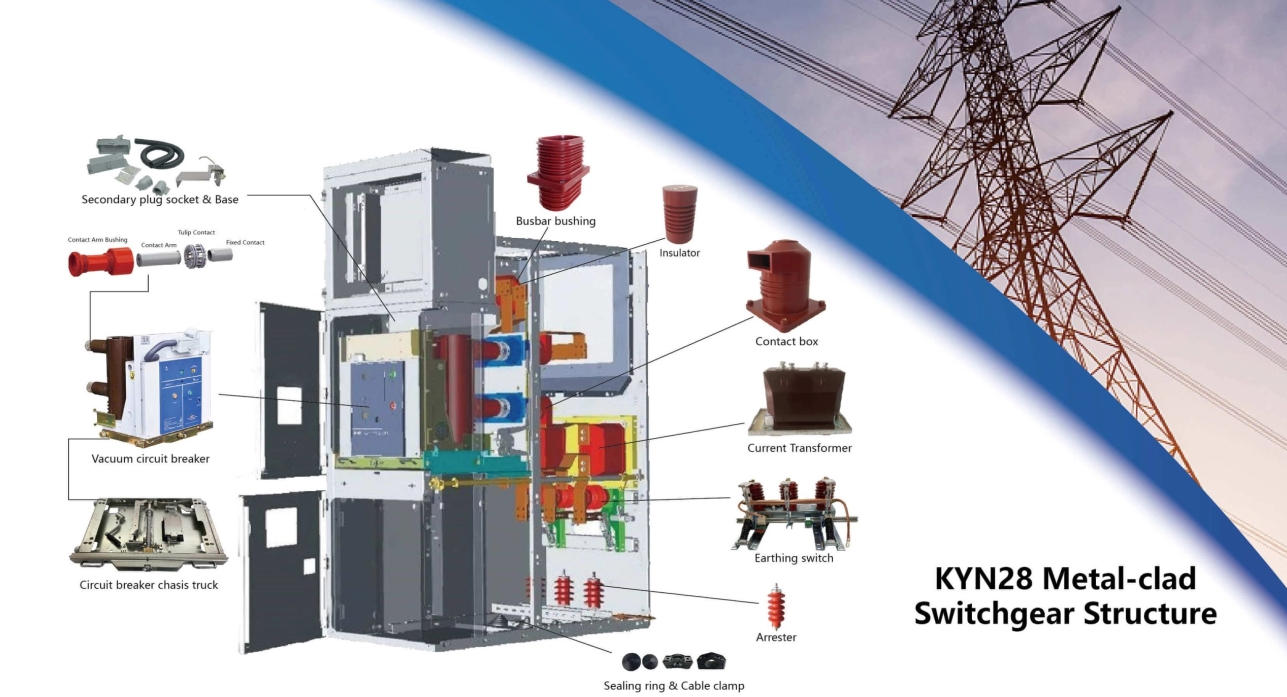
Replacing instrument transformers in 10kV/35kV Medium Voltage Switchgear & Ring Main Unit CT/PT Selection and Replacement scenarios isn’t just about swapping parts; it is about restoring the integrity of your Power Control Systems. Whether we are dealing with Metal-Clad units or compact Gas Insulated Switchgear, the process demands precision to ensure safety and continuity.
Identifying Signs for Replacement and Failure Analysis
Knowing when to pull a unit is half the battle. We don’t wait for a catastrophic explosion; we look for the subtle warnings that a Current Transformer or Potential Transformer is nearing the end of its life. In my experience, failure usually stems from insulation breakdown or thermal stress.
Here are the critical red flags we look for:
Drifting Accuracy: If your Metering Solutions start showing erratic data or discrepancies compared to master meters, the core saturation or winding integrity is likely compromised.
Physical Deterioration: In Air Insulated Switchgear, look for cracks in the epoxy Casting Insulation, oil leaks (in older oil-filled types), or signs of tracking on the surface.
Abnormal Noise or Heat: A buzzing sound often indicates loose laminations, while excessive heat suggests internal shorts or loose connections.
Relay Malfunctions: If Relay Protection trips without a genuine fault, the secondary output of the CT might be distorted.
Ferroresonance Damage: For Voltage Transformers (PTs), particularly in isolated neutral systems, blown fuses or burnt windings often point to ferroresonance issues.
Step-by-Step Component Replacement and Safety Protocols
Safety is non-negotiable. Working on 12kV, 24kV, or 40.5kV systems carries lethal risks. The replacement process differs slightly between Metal-Enclosed switchgear and SF6 insulated units, but the core safety principles remain the same.
The Replacement Workflow:
1. Isolation and Grounding: De-energize the specific cubicle. We must ensure complete isolation, often utilizing a reliable GN30-12 indoor high voltage disconnect switch to guarantee a visible break in the circuit before grounding the busbars.
2. Secondary Circuit Safety: For CTs, ensure secondary circuits are not open-circuited if there’s any chance of induced current (though the system should be dead). For PTs, remove secondary fuses.
3. Physical Removal: Unbolt the primary busbar connections. In compact Ring Main Units, space is tight, so we often use specialized tools to reach the mounting bolts without damaging adjacent Insulation.
4. Installation: Position the new transformer. Ensure the nameplate data (Ratio, Burden, Class) matches the design requirements exactly.
5. Torque and Connection: Tighten all primary and secondary connections to the manufacturer’s specified torque settings. Loose connections are a leading cause of hotspots.
Field Testing and Commissioning Post-Replacement
You never energize a replaced component without validating it first. Post-replacement testing confirms that the new Current Transformer or Voltage Transformer is correctly integrated into the Power Distribution Systems.
Essential Commissioning Tests:
Insulation Resistance (IR) Test: Use a Megger to check the insulation between primary/ground and secondary/ground. This ensures no damage occurred during installation.
Polarity Check: Crucial for Relay Protection. If the polarity is reversed, directional relays will fail to operate correctly during a fault.
Ratio Test: Apply a voltage or current to the primary and measure the secondary to verify the transformation ratio matches the Electrical Energy Measurement requirements.
Loop Resistance: Check the DC resistance of the primary connection points to ensure the Circuit Breaker and busbar connections are solid.
Once these tests pass, we remove the grounds, close the disconnects, and re-energize the switchgear, monitoring closely for immediate stability.
Maintenance and Troubleshooting for MV Components
Keeping your 10kV/35kV Medium Voltage Switchgear & Ring Main Unit CT/PT Selection and Replacement strategy effective requires more than just installation; it demands rigorous ongoing care. In my experience, proactive maintenance is the only way to avoid costly downtime in Power Distribution Systems. We need to move beyond reacting to failures and start preventing them through scheduled analysis of our Secondary Equipment.
Routine Inspection of Insulation and Contact Points
The integrity of the insulation is the backbone of any Medium Voltage system. For air-insulated switchgear, dust and humidity are the primary enemies. I always recommend a strict cleaning schedule for Epoxy Resin and Casting Insulation surfaces to prevent tracking and flashovers.
For Gas Insulated Switchgear, while the internal components are sealed, the external termination points need attention. We use thermal imaging cameras to inspect contact points under load. A “hot spot” usually indicates a loose connection or oxidation at the Load Break Switch or busbar joints. Catching this early prevents the heat from damaging the Solid Insulation or melting the Shielded cable heads.
Key Inspection Checklist:
Visual Check: Look for cracks or carbon tracks on Insulation Pillar Type components.
Thermal Scan: Identify overheating in Metal-Clad compartments.
Gas Pressure: Verify SF6 levels in gas-insulated units.
Tightness: Torque check secondary wiring on Current Transformers and Potential Transformers.
Addressing Common Faults in 10kV/35kV Transformers
Faults in instrument transformers often manifest as measurement errors or nuisance tripping in Relay Protection. A common issue with Potential Transformers (PT) in 35kV systems is ferroresonance, which can destroy the PT and blow fuses. This is often caused by system capacitance interacting with the PT inductance during switching.
For Current Transformers (CT), the most dangerous fault is an open secondary circuit. This generates dangerously high voltages, posing a risk to personnel and destroying the unit. If you are noticing inconsistent readings or saturation issues, it is crucial to verify that the connected burden doesn’t exceed the rated capacity. You may need to revisit how you calculate transformer power to ensure your metering and protection devices are perfectly matched to the transformer’s capabilities.
Strategies for Extending Equipment Lifespan
To get the maximum life out of Industrial Power Equipment, environmental control is non-negotiable. Compact Switchgear and Expandable RMU designs have limited airflow, so maintaining the correct ambient temperature and humidity in the substation room is vital.
Environment Control: Install heaters or dehumidifiers to prevent condensation on Electrical Symbols and wiring terminals.
Modernization: Replace aging oil-filled instrument transformers with modern Casting Insulation dry-types for better reliability and safety.
Regular Testing: Perform insulation resistance and ratio tests annually to track degradation trends before a failure occurs.
By focusing on these areas, we ensure that our Power Control Systems remain reliable and that our Precision Metering stays accurate for the long haul.
Compliance with International Standards (IEC/IEEE)
Ensuring reliability in 10kV/35kV Medium Voltage Switchgear and Ring Main Unit (RMU) installations requires strict adherence to global standards. At Weisho Electric, we manufacture our components to meet rigorous international benchmarks, ensuring seamless integration and safety for global power distribution networks.
IEC 62271 Standards for High-Voltage Switchgear
The IEC 62271 series is the primary standard governing high-voltage switchgear and controlgear. For any 10kV or 35kV system, compliance with this standard ensures that the equipment can withstand specified dielectric stresses, short-circuit currents, and temperature rises.
Our insulation components, such as contact boxes and bushings, are designed to support the overall compliance of the switchgear assembly. When integrating parts into a complete system, such as a 35kV prefabricated substation cabin, every insulator and transformer must contribute to the system’s ability to pass type tests regarding arc fault containment and mechanical endurance.
Key Aspects of IEC 62271 We Address:
Dielectric Strength: Ensuring insulation levels withstand impulse voltages.
Thermal Stability: Managing heat rise within compact RMU compartments.
Mechanical Operation: Durability of earthing switches and interlocking devices.
IEC 61869 Requirements for Instrument Transformers
For Current Transformers (CT) and Potential Transformers (PT), we strictly follow the IEC 61869 standards (which replaced the older IEC 60044 series). This standard dictates the accuracy, construction, and testing requirements for instrument transformers used in protection and metering.
We focus on delivering high-precision accuracy classes and robust protection factors. Whether you need a 0.2S class for revenue metering or a 10P10 class for relay protection, our manufacturing process ensures the magnetic cores and windings perform linearly within the defined limits.
| Component Type | Relevant Standard | Key Performance Metric |
|---|---|---|
| Current Transformers | IEC 61869-2 | Accuracy Class (e.g., 0.5, 5P20) & Short-time Current Rating |
| Voltage Transformers | IEC 61869-3 | Voltage Factor & Thermal Burden |
| Combined Transformers | IEC 61869-4 | Interaction between CT and PT cores |
Safety and Environmental Sustainability Compliance
Safety in medium voltage systems extends beyond electrical performance to material stability and environmental impact. We utilize Automatic Pressure Gelation (APG) technology for our epoxy resin casting. This method produces solid insulation components that are flame-retardant and eliminate the risk of oil leakage, a common environmental hazard in older liquid-filled transformers.
Our production facilities operate under ISO9001:2008 quality management systems. This certification guarantees that every CT/PT selection and replacement part we ship has undergone consistent quality checks, ensuring long-term reliability and reduced maintenance waste in your power network.