
Why Are Vacuum Circuit Breakers Used in Solar and Wind Power Projects?
As the global energy landscape shifts toward sustainable sources, the infrastructure supporting solar farms and wind farms must evolve to handle new challenges. Vacuum Circuit Breakers (VCBs) have emerged as the preferred choice for medium-voltage switchgear in these sectors due to their superior performance characteristics. Unlike traditional oil or air-blast breakers, VCBs utilize a vacuum interrupter to extinguish electrical arcs efficiently within a sealed environment. This technology ensures maximum uptime and safety for critical renewable assets, aligning perfectly with the operational demands of modern green energy projects where reliability is non-negotiable.
The Role of VCBs in Modern Power Systems
In modern power grids, the VCB acts as the central guardian against electrical anomalies. Whether installed in a substation or integrated into a wind turbine tower, these devices are engineered to manage normal load currents and interrupt short circuit faults instantly.
Fault Interruption: Rapidly isolates damaged circuits to prevent systemic failure and fire hazards.
Grid Connection: Facilitates the safe synchronization of renewable generation units with the main utility grid.
System Stability: Maintains voltage levels and protects expensive equipment, such as transformers and inverters, from damage.
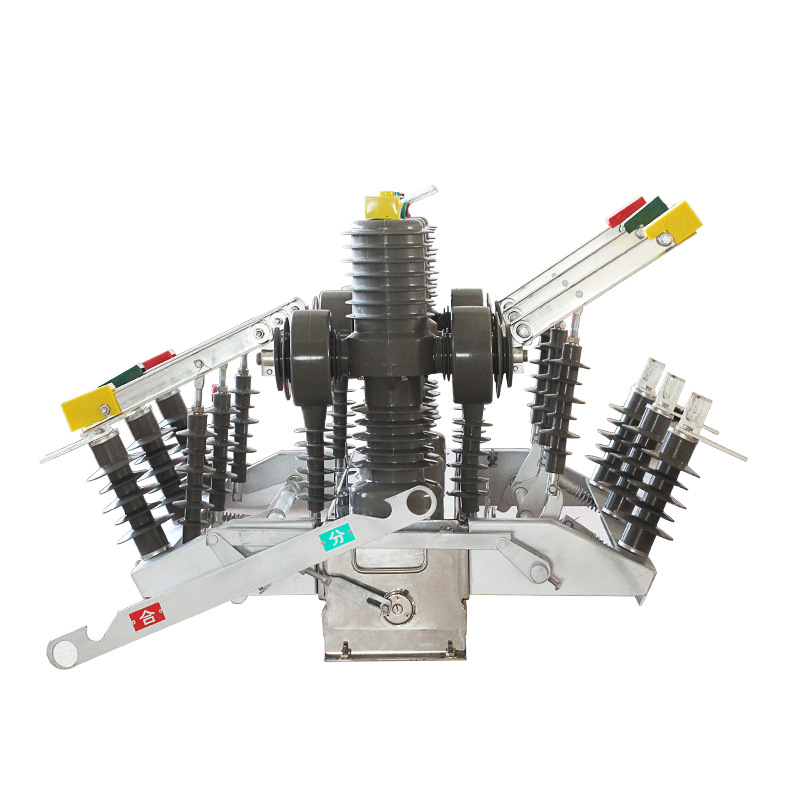
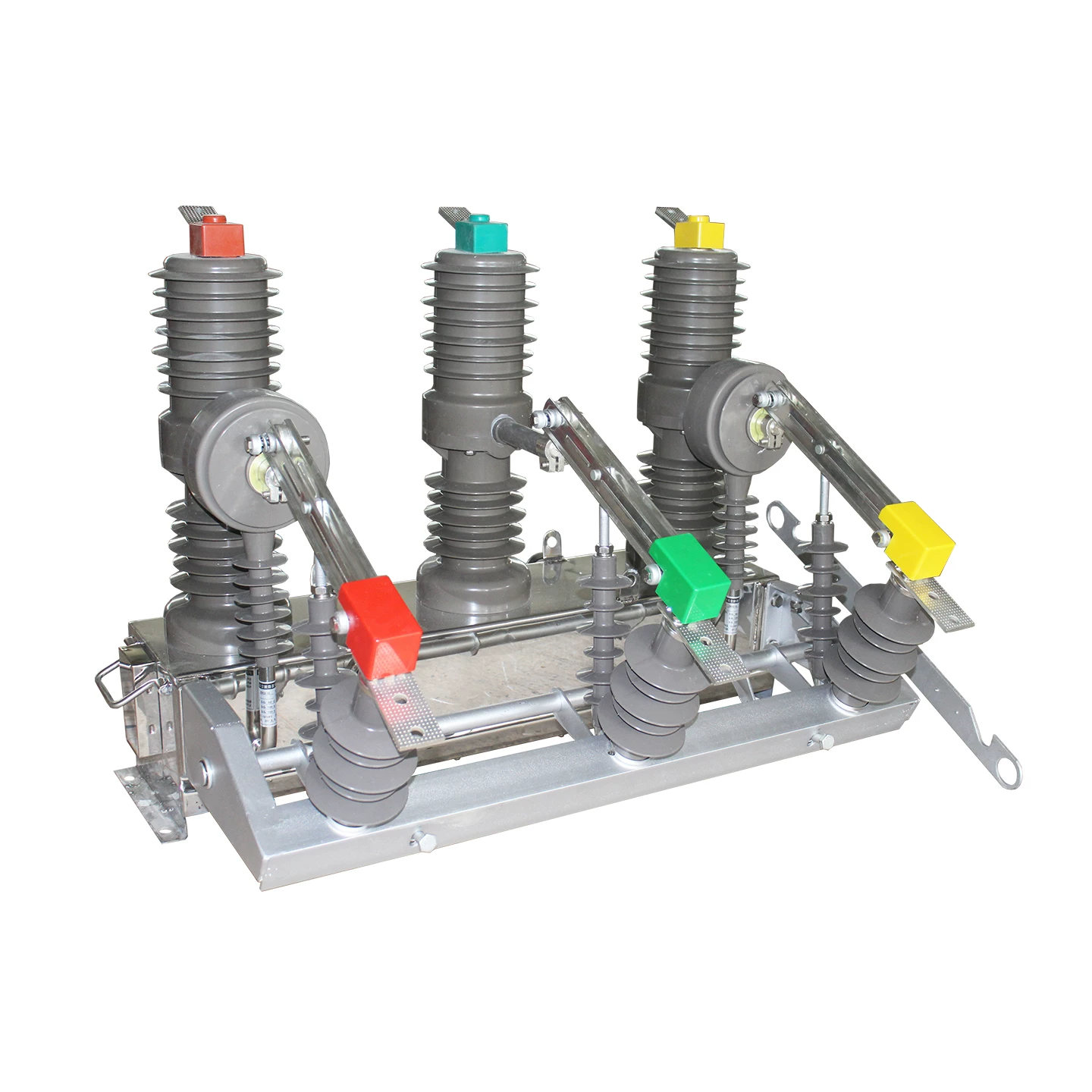
Weisho’s range of indoor (VS1) and outdoor (ZW32) breakers provides the high-speed response necessary to maintain system stability across complex distribution networks, ensuring that power flows consistently from generation to the consumer.
Why Solar and Wind Projects Require Specialized Protection
Renewable energy installations face unique challenges that standard commercial switchgear cannot always handle. Solar arrays and wind turbines generate variable power output dependent on weather conditions, leading to voltage fluctuations that place significant stress on electrical components.
To ensure long-term operational success, these projects require specialized protection:
Frequent Switching: Fluctuating energy inputs require switchgear capable of high mechanical endurance (often up to 30,000 operations) to handle repeated connection and disconnection cycles.
Harsh Environments: Outdoor projects are often located in deserts, mountains, or coastal areas. Equipment like the ZW32 series is designed with high IP ratings to withstand dust, moisture, and extreme temperatures.
Remote Maintenance: Sites are often unmanned and located in remote areas. Therefore, low-maintenance equipment is essential to reduce operational costs and minimize site visits.
Specialized VCBs ensure that overload protection and current management remain effective despite these rigorous conditions, safeguarding the investment and ensuring continuous energy production.
Core Reasons Why VCBs are Used in Solar and Wind Projects
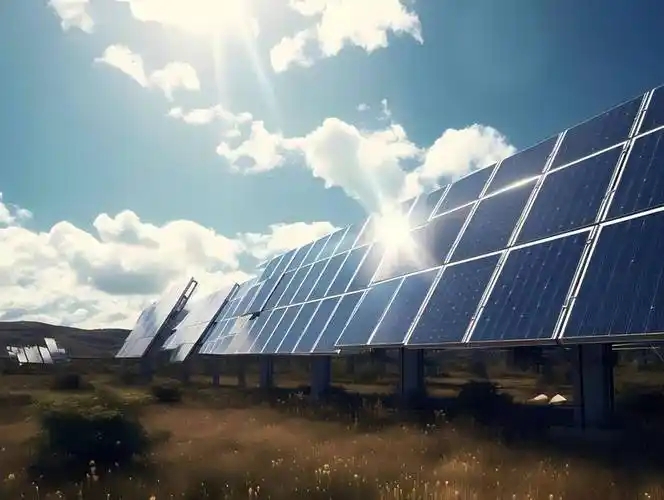
Renewable energy systems operate differently than traditional fossil fuel plants, creating unique demands on electrical infrastructure. We rely on Vacuum Circuit Breakers (VCBs) in these projects because they offer the specific mechanical and electrical characteristics needed to handle the dynamic nature of green energy generation.
Handling High-Frequency Switching Operations
Solar and wind power are intermittent energy sources; the sun doesn’t always shine, and the wind doesn’t always blow at a constant speed. This fluctuation requires switchgear that can handle frequent switching operations without failure.
* **Mechanical Endurance:** Our VCBs, such as the VS1 and ZW32 models, are engineered for high mechanical life, capable of performing between 10,000 to 30,000 operations.
* **Reduced Wear:** Unlike oil or air-blast breakers, the vacuum interrupter has minimal moving parts and contact wear, making it ideal for the repetitive cycling seen in renewable sectors.
This durability ensures that the application of vacuum circuit breakers remains reliable even under the stress of daily connection and disconnection cycles.
Managing Intermittency and Grid Synchronization
Connecting variable power output to the main grid requires precise control to maintain system stability. VCBs play a critical role in managing these load currents.
* **Grid Integration:** They effectively isolate or connect generation units (like wind turbines or solar strings) to synchronize with grid requirements.
* **Current Chopping:** Modern vacuum interrupters are designed with low surge materials to minimize current chopping, preventing voltage spikes that could damage sensitive inverters or transformers.
* **Smart Control:** These breakers integrate well with modern control systems, allowing for automated management of power flows. In many setups, they work in tandem with an automatic recloser to automatically restore connections after transient faults, ensuring maximum uptime for the power plant.
Rapid Arc Quenching for Enhanced Safety
Safety is the priority when dealing with high voltage equipment protection in remote environments like offshore wind farms or desert solar parks.
* **Dielectric Recovery:** In a vacuum, the dielectric strength recovers almost instantly after the arc is extinguished. This ensures that short circuit faults are cleared within milliseconds.
* **Fire Safety:** Since there is no oil or gas to leak or burn, VCBs significantly reduce fire hazards.
* **Compact Protection:** The high efficiency of vacuum arc quenching allows us to build compact switchgear that fits easily into wind turbine towers or crowded solar substations.
Key Advantages of VCB Technology for Green Energy
Long Operational Life and High Reliability
In the renewable energy sector, equipment failure is not an option. We design our vacuum circuit breakers to match the long lifespan of solar panels and wind turbines. The core advantage lies in the vacuum interrupter technology, which ensures minimal contact erosion even during fault clearing.
Our models, such as the VS1 and ZW32 series, are engineered to withstand frequent switching operations—a common requirement when managing variable power output. With a mechanical life ranging from 10,000 to 30,000 operations, these units provide the stability needed for continuous power generation. This durability directly translates to better system uptime and consistent revenue generation for project owners.
Low Maintenance Requirements for Remote Sites
Solar farms and wind parks are often situated in isolated locations, from desert plains to offshore platforms. Sending maintenance crews to these sites is costly and logistically difficult. Vacuum circuit breakers are the ideal solution because they are virtually maintenance-free.
Unlike oil or gas-insulated breakers, the arc quenching process occurs inside a permanently sealed vacuum bottle. There is no oil to replace, and no gas pressure to monitor constantly. While we always recommend following standard switchgear cleaning and maintenance protocols to ensure safety, the internal components of our VCBs do not require the frequent servicing that older technologies demand. This reduces total cost of ownership significantly.
Environmental Sustainability and SF6-Free Operation
The goal of renewable energy projects is to reduce the carbon footprint, so the infrastructure supporting them should be equally eco-friendly. Many traditional medium-voltage switchgear units rely on SF6 (Sulfur Hexafluoride) gas for insulation, which is a potent greenhouse gas.
We prioritize vacuum technology because it eliminates the need for SF6. By using a vacuum as the arc-extinguishing medium, we ensure that our equipment poses no risk of toxic gas leaks. This makes our VCBs the preferred choice for developers aiming for strictly green, ISO-compliant, and sustainable energy projects.
Comparison of Switchgear Technologies for Renewables:
| Feature | Vacuum Circuit Breaker (VCB) | SF6 Circuit Breaker | Oil Circuit Breaker |
|---|---|---|---|
| Dielectric Medium | Vacuum (Eco-friendly) | SF6 Gas (Greenhouse Gas) | Oil (Flammable) |
| Maintenance | Low / Maintenance-Free | Medium (Gas Monitoring) | High (Oil Changes) |
| Fire Hazard | None | Low | High |
| Life Cycle | High (10k-30k operations) | Medium | Low |
VCB Applications in Solar Power Installations
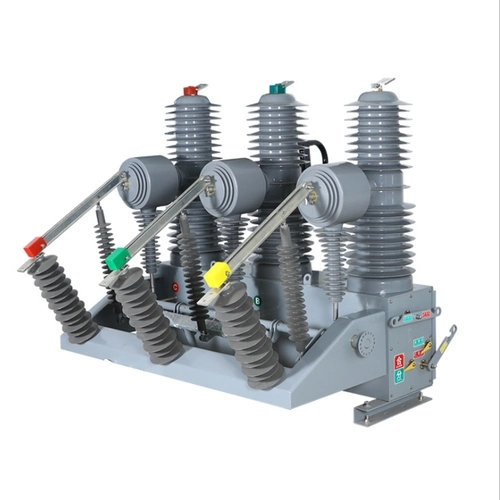
Protecting Central Inverters and Transformers
In large-scale solar projects, the central inverters and step-up transformers are the most critical and expensive assets. We deploy Vacuum Circuit Breakers (VCBs) as the primary line of defense on the medium-voltage side of these components. When a solar array generates power, it passes through the inverter and then to the transformer to step up the voltage for transmission.
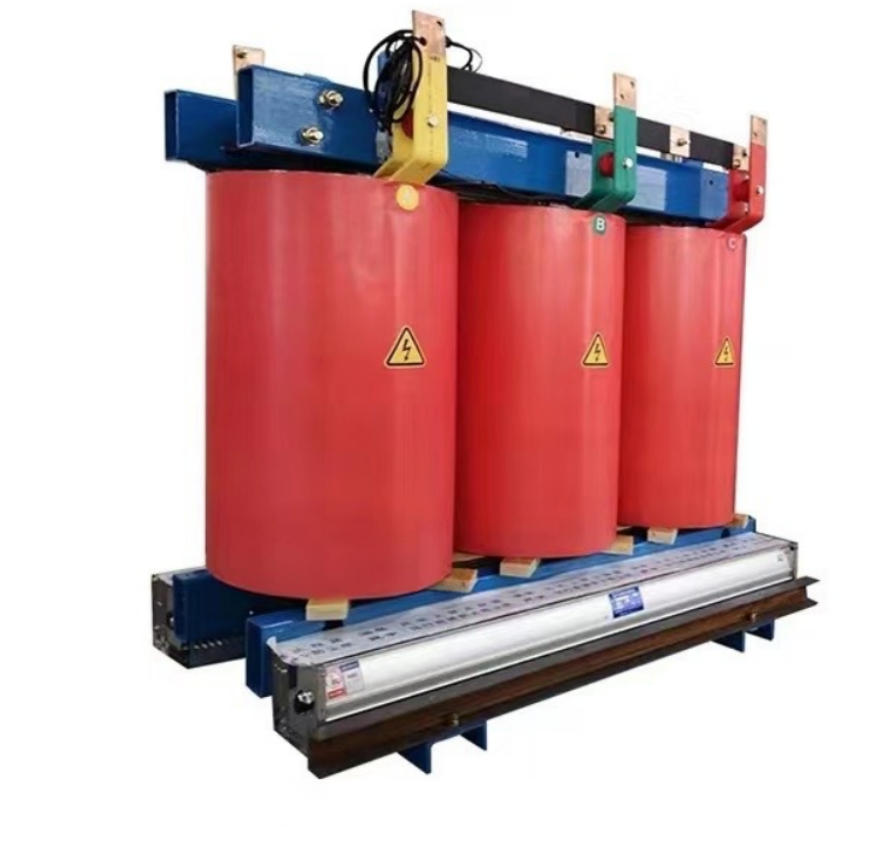
If a short circuit or overload occurs, the VCB must trip instantly to prevent catastrophic failure. This rapid response is essential for preserving the lifespan of your 6kV-22kV oil-immersed transformer, ensuring that a temporary electrical fault does not turn into a permanent equipment replacement scenario. Our VCBs are designed to handle these high-stress switching events without degrading, maintaining the integrity of the substation.
DC and AC Circuit Protection Strategies
Solar power systems require a split approach to protection. While the DC side (from panels to combiner boxes) often relies on fuses or specialized DC breakers, the AC side requires robust medium-voltage switchgear. Once the current is converted to AC, the power levels are significant, and the risk of arc faults increases.
We utilize VCBs for the AC circuit protection strategy because they offer:
Resettability: Unlike fuses that must be replaced, VCBs can be reset immediately after a fault is cleared, reducing downtime.
Arc Quenching: The vacuum interrupter extinguishes arcs within milliseconds, which is vital when managing the variable power output typical of solar arrays.
Isolation: They provide a safe physical break in the circuit for maintenance crews working on downstream equipment.
Utility-Scale Solar Farm Grid Connection
Connecting a utility-scale solar farm to the public power grid involves strict compliance with grid codes. The interconnection point is where stability matters most. We install outdoor vacuum circuit breakers, such as the ZW32 series, at the point of common coupling (PCC).
These breakers serve two main functions:
1. Grid Synchronization: They manage the connection of the solar farm to the grid, ensuring smooth integration when the voltage and frequency align.
2. Fault Current Interruption: If the main grid experiences a disturbance or the solar farm generates a fault current, the VCB isolates the facility to prevent cascading failures.
This setup ensures that the renewable energy integration remains stable and does not compromise the reliability of the wider electrical network.
VCB Applications in Wind Power Projects
Wind Turbine Collector System Protection
In wind farms, the collector system acts as the critical link gathering energy from individual turbines and routing it to the substation. We rely on Vacuum Circuit Breakers (VCBs) here because they effectively handle the variable power output and frequent load changes typical of wind energy. If a short circuit or overload occurs in one section of the array, our VCBs instantly isolate the fault. This prevents the issue from cascading through the entire collector network, ensuring the rest of the farm continues generating revenue. Connecting these systems efficiently requires a deep understanding of how power grids operate to maintain stability across the transmission lines.
Nacelle and Tower Switching Solutions
Space inside a wind turbine—whether in the nacelle high above the ground or at the tower base—is at a premium. Bulky, oil-filled switchgear simply isn’t an option. We utilize compact design VCBs, such as our VS1 series, which fit easily into these confined spaces without compromising performance. These units are engineered to withstand the constant mechanical vibrations generated by the turbine operation. By installing VCBs directly at the source, we provide immediate circuit protection for the generator and converter systems, safeguarding expensive high voltage equipment from electrical faults.
Managing Harsh Environments in Offshore Wind Farms
Wind projects, especially offshore or in coastal areas, face aggressive environmental factors like salt spray, high humidity, and extreme winds. Standard equipment can corrode and fail rapidly in these conditions. Our outdoor vacuum circuit breakers, including the ZW32 and ZW20 models, feature high IP ratings (up to IP67) and durable external insulation to resist moisture and dust. Since vacuum interrupters are virtually maintenance-free, they are ideal for these remote locations where sending maintenance crews is difficult and costly. This durability ensures long-term reliability and reduces the total cost of ownership for renewable energy installations.
Technical Specifications and Selection Criteria
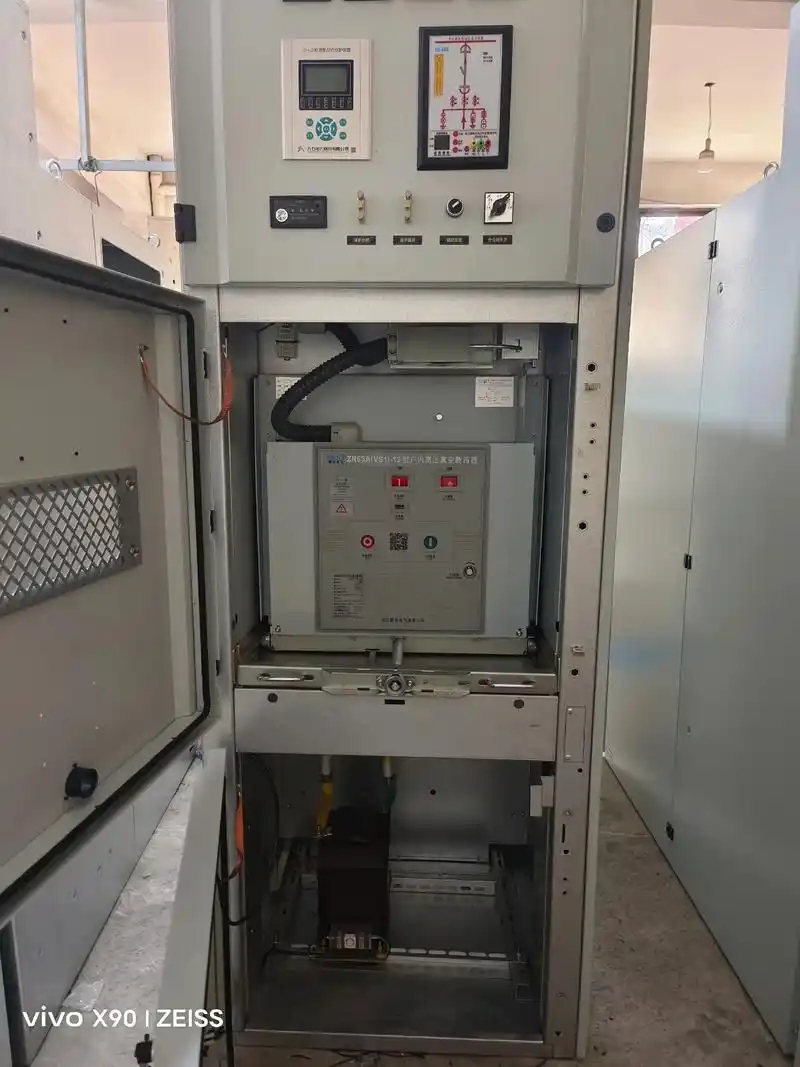
Selecting the right Vacuum Circuit Breaker (VCB) is critical for ensuring the safety and efficiency of renewable energy assets. We focus on matching technical specifications to the unique demands of variable power generation sources like solar arrays and wind turbines.
Determining Voltage Ratings and Breaking Capacity
The voltage rating of the VCB must align with the collection grid voltage of the renewable project. In solar and wind applications, we typically deploy medium-voltage switchgear ranging from 12kV to 40.5kV. The breaking capacity is equally important; it defines the maximum fault current the breaker can interrupt without sustaining damage.
For utility-scale projects connected to high-capacity grids, selecting a VCB with a high short-circuit breaking capacity—such as 31.5kA or 40kA—is essential to prevent catastrophic equipment failure during electrical faults.
| Parameter | Specification Range | Application Note |
|---|---|---|
| Rated Voltage | 12kV, 24kV, 36kV, 40.5kV | Matches standard distribution grid levels. |
| Rated Current | 630A – 3150A | Selected based on total power output. |
| Breaking Capacity | 20kA – 40kA | Critical for handling grid fault levels. |
| Mechanical Life | 10,000 – 30,000 Operations | Required for frequent switching duties. |
Indoor vs. Outdoor Installation Requirements
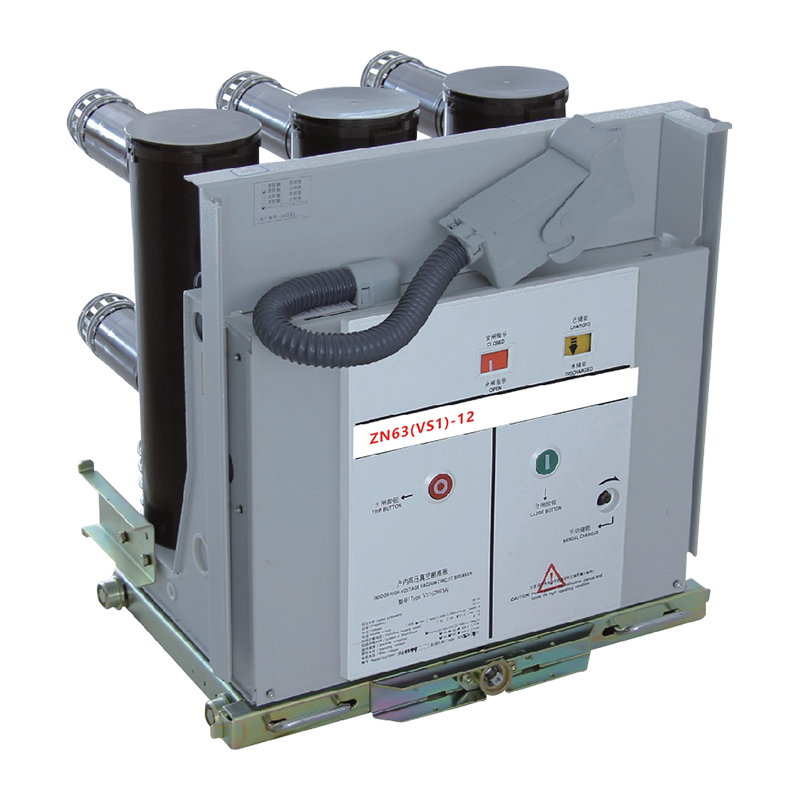
The physical environment of the installation site dictates the type of VCB enclosure required. For centralized substations where equipment is housed inside controlled buildings, indoor VCBs (like our VS1 series) offer a compact design that saves valuable floor space.
Conversely, wind farms and distributed solar plants often require equipment installed directly at the collection point, exposed to the elements. Here, we utilize outdoor vacuum circuit breakers (such as the ZW32 model). These units feature high IP ratings (e.g., IP65) to resist dust, moisture, and UV radiation. When evaluating options, understanding the difference between vacuum technology and gas-insulated alternatives is vital; you can read more about what is an SF6 circuit breaker to compare insulation methods for specific environmental conditions.
Integration with Smart Grid and IoT Monitoring
Modern renewable energy projects operate as part of intelligent networks. It is no longer enough for a breaker to simply open and close; it must communicate. We prioritize VCBs equipped with motorized operating mechanisms and auxiliary contacts compatible with SCADA systems.
This integration allows for:
Remote Operation: Switching circuits on or off from a central control room without sending technicians to remote sites.
Real-Time Monitoring: Tracking breaker status, trip history, and wear levels to predict maintenance needs.
Grid Synchronization: Facilitating smooth connection and disconnection of intermittent power sources to the main grid.
Comparing VCBs with Alternative Protection Methods
Vacuum Circuit Breakers vs. SF6 Breakers
When selecting medium-voltage switchgear for renewable energy integration, the choice often comes down to vacuum technology versus gas insulation. While SF6 (Sulfur Hexafluoride) breakers have been used historically, they pose significant environmental challenges. SF6 is a potent greenhouse gas, and any leakage undermines the “green” credentials of a solar or wind project.
In contrast, our Vacuum Circuit Breakers (VCBs) use a vacuum interrupter as the arc-extinguishing medium. This eliminates the risk of gas leaks and removes the need for complex gas pressure monitoring systems. From an operational standpoint, VCBs offer a long lifespan and superior endurance during frequent switching, whereas SF6 contacts can degrade faster under similar conditions. For those interested in the legacy technology we are replacing, understanding the two types of SF6 gas circuit breaker highlights why the industry is rapidly shifting toward vacuum solutions for cleaner, safer power management.
VCBs vs. Traditional Fuses in Renewable Systems
Traditional fuses are often seen as a low-cost option for circuit protection, but they lack the functionality required for modern solar farms and wind turbines. The primary drawback of a fuse is that it is a “one-and-done” device. When an electrical fault occurs, the fuse blows and must be physically replaced. In remote renewable installations, this results in extended downtime and lost revenue while waiting for maintenance crews.
VCBs provide a distinct advantage through resettability and automation:
Remote Operation: VCBs can be reset remotely via SCADA systems, restoring power immediately after a transient fault clears.
Precision: Unlike fuses with fixed melting points, VCB protection relays can be adjusted to handle specific overload protection and short circuit protection scenarios.
Three-Phase Consistency: VCBs interrupt all three phases simultaneously, preventing single-phasing issues that can damage motors and inverters.
Total Cost of Ownership and ROI Analysis
Developing renewable energy installations requires a focus on long-term profitability, not just upfront component costs. While the initial investment for a high-quality VCB might be higher than simple load break switches or fuses, the Total Cost of Ownership (TCO) is significantly lower over the project’s 20-25 year life.
We design our breakers, such as the ZW32 and VS1 series, to minimize Operational Expenditure (OPEX) through:
Low Maintenance: The sealed vacuum interrupters require zero maintenance regarding the arc-quenching medium.
High Mechanical Life: Rated for 10,000 to 30,000 operations, reducing the need for unit replacement.
Maximized Uptime: Rapid fault clearance and current management capabilities ensure the grid connection remains stable, maximizing energy sales.
By reducing downtime and maintenance trips to remote sites, VCBs deliver a superior Return on Investment (ROI) for utility-scale energy developers.
Frequently Asked Questions
Why are VCBs preferred for high-altitude solar plants?
Solar farms are frequently located in high-altitude regions to maximize irradiance, but the thin air in these locations compromises the insulation properties of traditional switchgear. We prefer Vacuum Circuit Breakers (VCBs) in these environments because the critical arc-extinguishing process occurs within a hermetically sealed vacuum interrupter. Since the vacuum is isolated from the external environment, the breaking performance is unaffected by changes in air density or atmospheric pressure. This inherent design makes VCBs the safest choice for maintaining dielectric strength in mountain-based renewable projects.
How do VCBs contribute to grid stability in wind farms?
Wind energy is inherently intermittent, leading to fluctuations that can strain the power grid. VCBs play a pivotal role in stabilizing these systems by providing rapid fault clearance and precise control during frequent switching operations. When a fault occurs in the collector system, the fast response time of the VCB isolates the issue instantly, preventing voltage dips from cascading into a wider blackout. For operators, knowing how to analyze and resolve circuit breaker faults is essential to leveraging this speed for continuous grid synchronization and reliability.
What is the typical lifespan of a VCB in a renewable energy project?
Renewable energy assets are built for the long haul, and the protection equipment must match that longevity. A standard Weisho VCB is engineered for high endurance, typically offering a mechanical life of 10,000 to 30,000 operations. Because the vacuum interrupter contacts experience minimal wear and require no gas refilling or oil changes, these breakers can reliably operate for 20 to 30 years. This extended lifespan aligns perfectly with the operational cycle of solar panels and wind turbines, ensuring a low total cost of ownership over the project’s life.