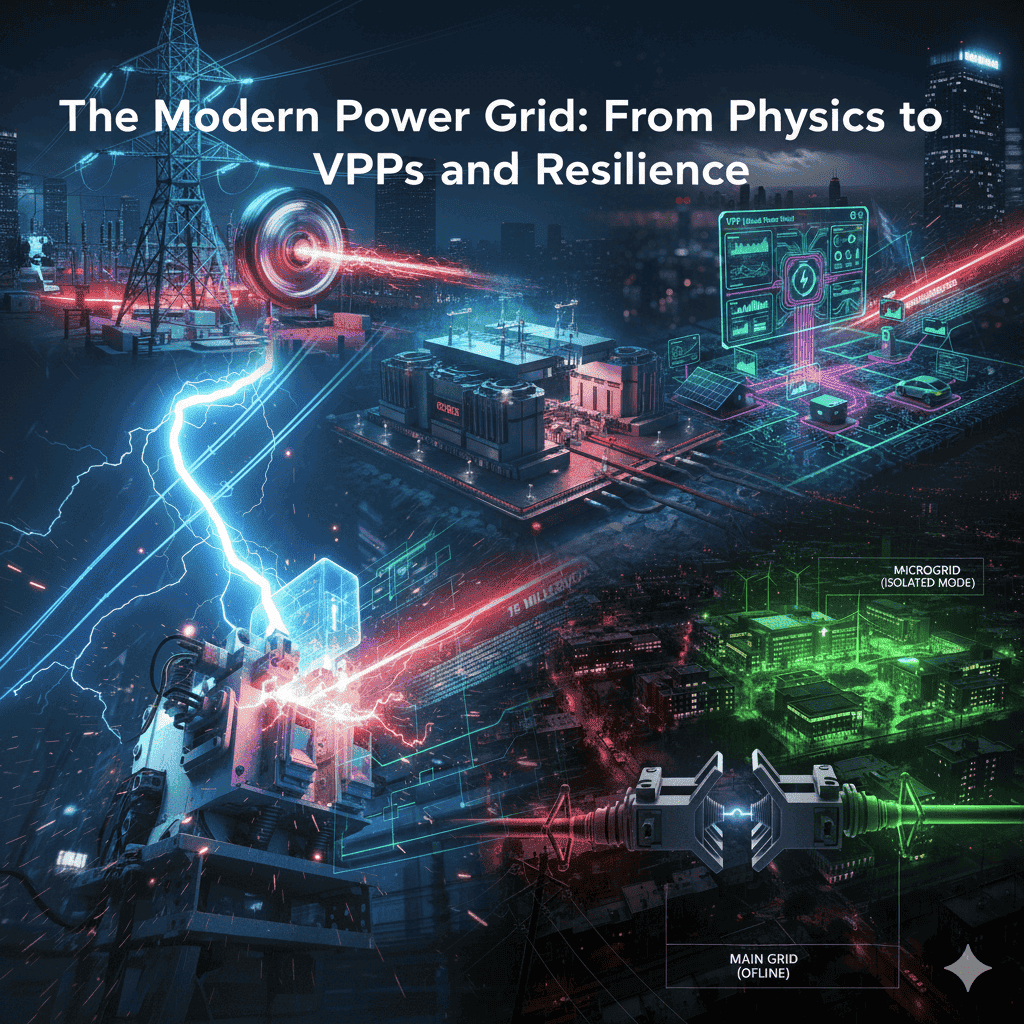
The quest to fully comprehend the Power Grid starts with recognizing it as an interconnected network of immense scale and complexity. This vast system’s operation is logically divided into three crucial, sequential phases: generation, transmission, and distribution.
These phases are all aimed at delivering energy safely, efficiently, and stably from the source to the final consumer.
The Real-Time Balancing Act
Understanding the grid's true genius lies in appreciating its capability for real-time balancing, which must occur between electricity production and consumption in the span of milliseconds. This infrastructural marvel relies on complex, multi-stage step-up and step-down facilities.
These facilities enable long-distance, high-power transfer while ensuring the power delivered to the end-user is safe.
1.1 Defining the Power Grid
The Power Grid is far more than just a collection of utility poles and wires strung across the landscape. It represents instead a sophisticated infrastructure network that synchronizes and connects power plants, substations, transmission lines, and distribution networks.
Functioning simultaneously as the energy sector's "superhighway" and the world's most intricate "synchronous mechanical system," every connected machine, particularly the massive generators, must operate at precisely the same synchronized speed.
1.2 The Value of Understanding
It is critical for both industry professionals and the general public to gain a deep understanding of how the electric grid functions in the modern era. The operational health of the grid directly influences our choices in energy sources, the ultimate cost of our utility bills, and, most fundamentally, the reliability of our daily power supply.
The increasing penetration of electric vehicles, the shift toward clean energy, and even national security are all intrinsically linked to maintaining a robust, healthy electric infrastructure.
1.3 Article Overview
This article will guide you through the three stages of the electrical journey, unveiling the core concepts that underpin grid stability. We will meticulously analyze the protection and reliability mechanisms that serve as the grid’s lifeline.
We will then conclude with a forward-looking perspective on cutting-edge developments like Microgrids and Virtual Power Plants (VPPs).
Video Guide: A Quick Primer on Grid Operations
Before diving into the complex structural details, protective mechanisms, and advanced technologies covered in the main article, we recommend you watch this concise video produced by Practical Engineering. It offers an excellent visual framework for understanding the essential operational flow and the inherent challenges faced by the modern electric grid.
This video will help you quickly grasp several fundamental concepts:
The Three Main Processes of the electrical journey: Generation, Transmission, and Distribution.
The Advantage of Alternating Current (AC): Why it is so crucial for efficient voltage step-up and step-down.
Goals of Grid Stability: The principles of supply-demand balance, frequency control, and reliability.
Please click to watch:
II. The Power Play: Structure and Operational Flow
The architecture of the modern electric grid can be logically broken down into a "three-act play," a sequence of interconnected stages that meticulously guide electricity from its raw energy form to the outlets in our homes. This structured approach helps ensure efficiency and safety throughout the entire delivery chain.
2.1 Act One: Generation
The electrical journey begins at the power plants, where the primary task is converting raw primary energy sources into usable electrical energy. This conversion process is the necessary starting point for electrifying the rest of our world.
The Diverse Sources of Energy
Traditional power sources, such as coal, natural gas, and hydroelectric plants, are essential providers of system inertia (see Section 3.2) and the baseload demand. These conventional sources are characterized by their high degree of controllability and their ability to maintain a consistent output level, making them excellent primary resources.
Conversely, renewable sources, including wind and solar, are inherently intermittent and volatile. Their output is dictated by unpredictable weather conditions, and the integration of these fluctuating sources poses significant and continuous challenges to the grid's critical task of real-time balancing.
The Necessity of Alternating Current (AC)
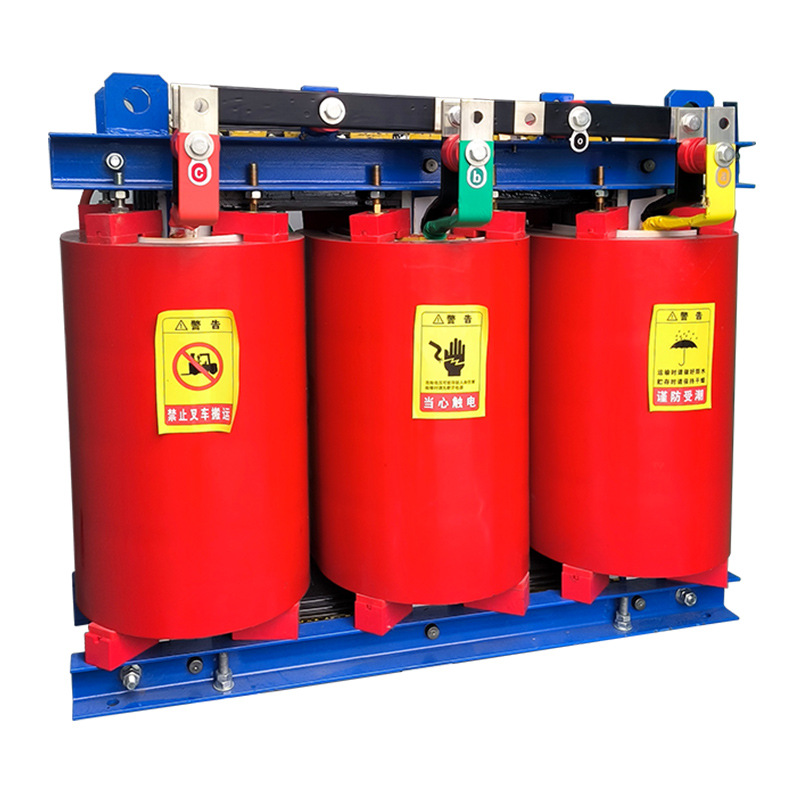
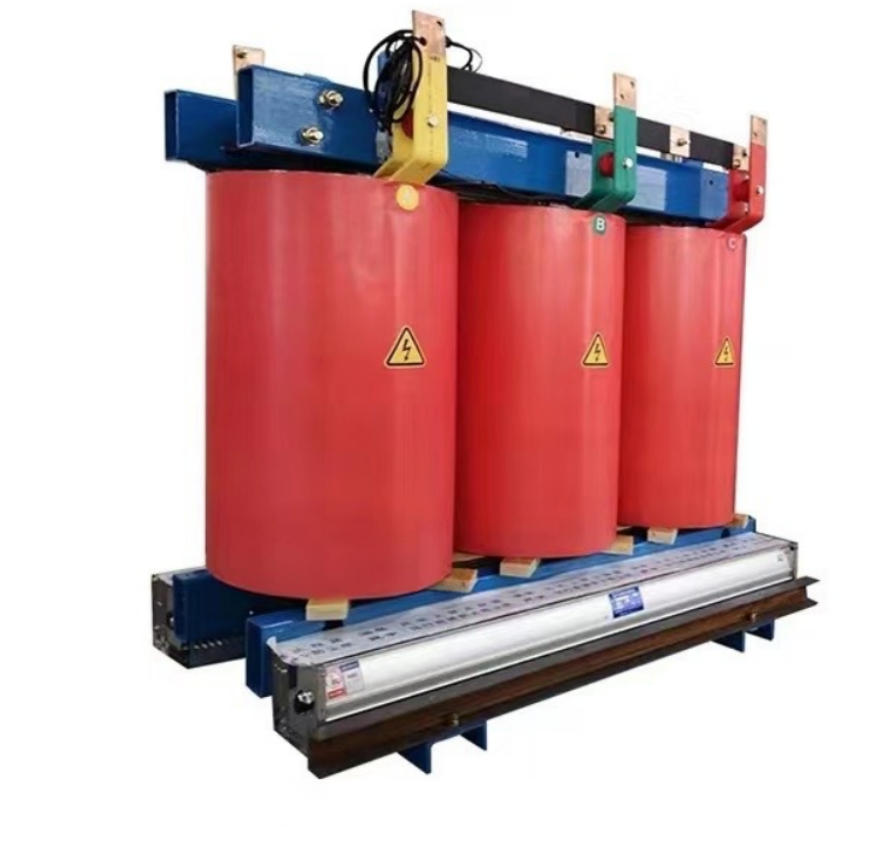
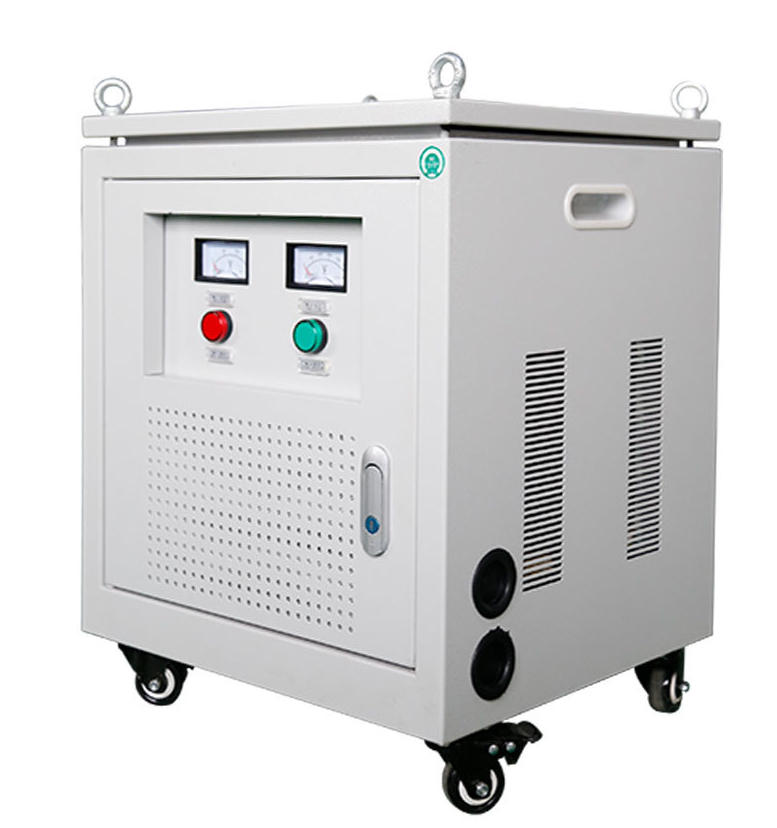
The vast majority of electrical power produced globally takes the form of Alternating Current (AC), and this choice is fundamentally driven by engineering practicality. The key advantage of AC power is that its voltage can be easily and highly efficiently raised or lowered using simple, passive devices called transformers.
Without transformers and the inherent properties of AC, large-scale, long-distance power transmission would be prohibitively expensive and incredibly inefficient. This underscores why AC technology remains the indisputable cornerstone of the modern grid infrastructure.
2.2 Act Two: Transmission
Once electricity is generated, the transmission system assumes the vital responsibility of transporting this power over potentially hundreds or even thousands of kilometers to major load centers where it is needed most. This large-scale, long-haul movement is the backbone of the entire electrical system.
Stepping Up for High-Voltage Efficiency
Near the power plant, the step-up substation employs massive transformers to elevate the voltage to extremely high levels, often ranging from 100 kV (kilovolts) to well over 800 kV. This practice is rooted in a critical physical principle.
When transmitting a given amount of power, increasing the voltage simultaneously results in a lower current.
The principle dictates that the lower the current is, the lower the energy loss across the line resistance will be, as defined by the formula. High-voltage transmission is thus the primary engineering strategy for achieving low-loss, economical, and large-scale power transfer over long distances.
The High-Voltage Network
These high-voltage transmission lines are the familiar, towering structures and massive conductor networks seen across rural and mountainous terrain. They form the electrical equivalent of an interstate highway system and bear the crucial responsibility for massive inter-regional power transfers and coordination.
The transmission substations are strategically distributed throughout the network, acting as essential "traffic hubs" that manage the switching and transfer between different high-voltage levels. They prepare the power for the subsequent distribution phase.

Note: The core physical reason transmission systems utilize high voltages is that the increased voltage leads to a low current. This in turn drastically reduces the heat loss (defined as I2R) along the transmission lines, ensuring the efficiency and economic viability of long-distance power transfer.
2.3 Act Three: Distribution
The final stage of the electrical journey is the distribution system. This stage undertakes the critical task of transforming the high-voltage "electrical energy" that arrives via the transmission network into a safe, usable "power service" for the end-user.
This is the last leg of the journey, ensuring the power is precisely tailored for consumption.
Stepping Down and End-User Safety
As the high-voltage power approaches the periphery of urban centers or industrial complexes, the distribution substations initiate the multi-stage process of reducing the voltage. This is a crucial safety measure to make the power manageable.
The ultra-high voltages are first lowered to medium-high voltages, such as 35 kV or 10 kV. They are then further divided and delivered through the network of distribution lines found throughout neighborhoods and streetscapes.
The Final Transformer
Near homes, commercial buildings, or factories, a smaller, local transformer is always installed. This is often mounted on a utility pole or housed in a roadside pad-mount box.
This device represents the true final stop of the power’s journey, dropping the voltage down to the low, safe levels required for residential use (e.g., 220 V in China or 120 V in the United States). It is then passed through the meter and enters the final consumer’s wall outlets.
2.4 The Dual Technologies of Transmission: AC vs. DC
While Alternating Current (AC) remains the dominant technology for generation and distribution, High-Voltage Direct Current (HVDC) transmission holds an increasingly indispensable, strategic role in the modern grid infrastructure. The need for specialized applications has pushed DC technology to the forefront for certain projects.
HVDC’s Unique Niche
HVDC is fundamentally different from the standard AC transmission. It requires complex and expensive converter stations at both the sending and receiving ends.
These stations change AC power to DC power for transmission, and then back to AC for integration into the standard grid. Despite the high initial cost of these specialized terminals, HVDC provides unique advantages in specific, large-scale applications.
Its primary benefits include much lower losses over extremely long distances and the capability to link asynchronous grids (grids that are not operating at the same frequency or phase) without the need for strict synchronization protocols.
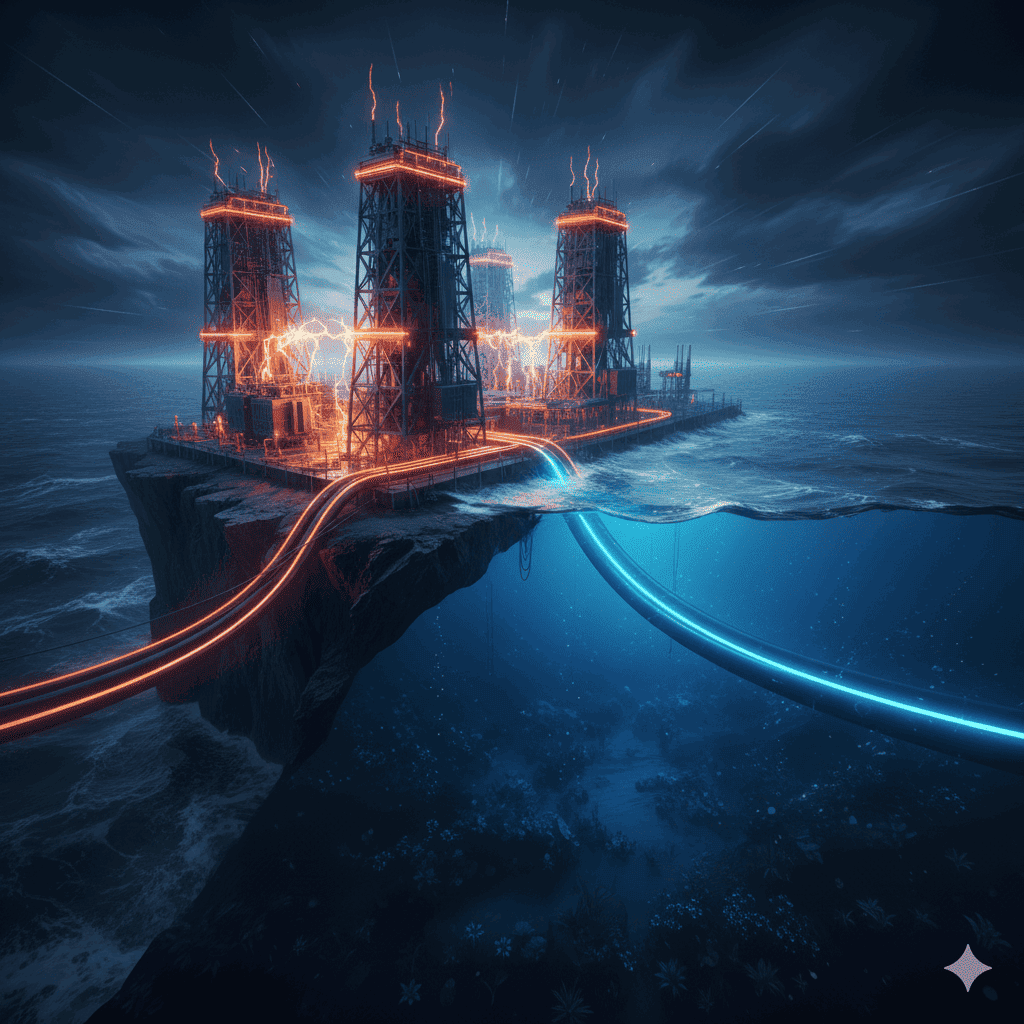
Note: Although the construction costs for HVDC are notably higher, it emerges as the only efficient and viable solution for both ultra-long distances and connecting asynchronous/subsea grids. This is due to its inherently minimal losses and its unique ability to operate without synchronized frequencies, solidifying its role as the "super-artery" for inter-regional energy networks.
III. Key Concepts: The Secrets to Grid Stability
The truly captivating aspect of the power grid is not just its physical hardware but its underlying control philosophy and operational logic, which demands near-real-time precision. This intricate system must be constantly managed by operators to prevent catastrophic failures and maintain continuous service.
3.1 Real-Time Supply-Demand Balance
The most challenging characteristic of electricity is its "zero-inventory" nature. It cannot be easily or economically stored on a large scale like water, gas, or oil, at least not yet at the required system volumes.
This fundamental constraint dictates that power generation must, at every single instant, precisely equal the instantaneous power consumption (load), making this precarious balance the grid's first and foremost operational principle.
Load Following and Volatility
Grid operators are continuously tasked with forecasting demand and adjusting generator outputs in a process known as load following, carefully responding to the predictable fluctuations in daily consumption. These fluctuations include the morning peak and the late-night trough.
This challenge becomes significantly more acute with the integration of intermittent renewable sources, like solar and wind, whose unpredictable output requires the dispatch system to activate flexible peaking generators (such as fast-ramping natural gas or hydro plants) for immediate response.
3.2 The Pillars of Stability: Inertia and Interconnection
The integrity of the grid is built on two foundational engineering concepts that ensure stability when sudden, unexpected events occur. These factors are inertia, which provides physical stability, and interconnection, which provides reliability through redundancy.
System Inertia
When a sudden disturbance occurs on the grid—for instance, a large power plant unexpectedly trips offline—the system experiences an immediate energy imbalance. At this critical moment, the physical inertia of the massive spinning rotors (turbines) connected to the grid acts as the system's vital "stabilizer."
The stored kinetic energy released by this inertia counteracts any rapid frequency drop in the crucial milliseconds after the event. This buys the protective and dispatch systems the precious time they need to react and implement corrective measures.
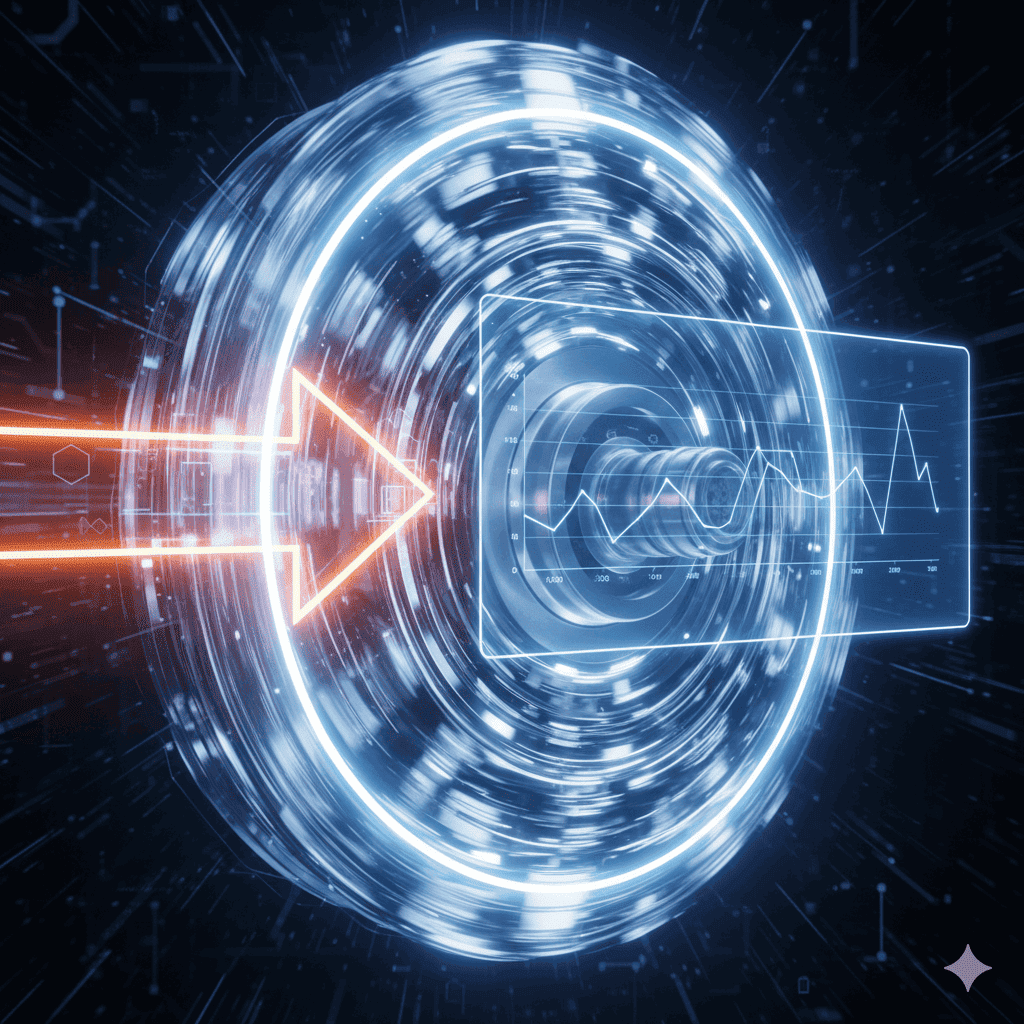
Note: System inertia is the physical kinetic energy provided by the spinning rotors of large synchronous generators, essentially acting as the grid’s "stabilizer." This energy immediately resists sudden disturbances, thereby providing the protection and control systems with invaluable milliseconds to execute their responses.
Regional Interconnections
Power grids are often structured as massive interconnected regional networks (like the Eastern Interconnection, Western Interconnection, and Texas Interconnection in North America), which is a key design choice for enhancing system reliability. The advantages of operating a vast interconnected system are twofold.
First, they enhance reliability by allowing neighboring regions to provide immediate, emergency power assistance when one area suffers a major contingency. Second, they allow for economic dispatch, permitting power to flow efficiently from low-cost generation areas to high-cost regions, thus optimizing resource allocation over a much larger geographical scale.
3.3 Core Grid Metrics: Frequency and Voltage
The moment-to-moment health of the electric grid is primarily gauged by the continuous monitoring of two critical and highly sensitive metrics. Any deviation in these metrics signals an immediate threat to the entire system.
Frequency Stability
Grid frequency—which must be maintained at 50 Hz in most of the world or 60 Hz in North America—is the most direct measurable indicator of the supply-demand balance. A drop in frequency is the immediate signal that supply is less than demand, indicating the system is losing energy, whereas a frequency rise means that generation is currently exceeding the load.
Dispatch operators must diligently control the frequency, keeping it within an extremely tight tolerance range (e.g., ±0.2 Hz). Exceeding these deviations can trigger automatic protection schemes that might cascade into widespread power failures.
Voltage Control
The maintenance of a stable voltage is equally vital for both protecting sensitive equipment and ensuring transmission efficiency throughout the network. Voltage is primarily managed by controlling the Reactive Power within the system, a quantity that does no real work but is essential for creating the magnetic fields required by many electrical devices.
Equipment like capacitors and reactors, installed in power plants and substations, work to regulate the voltage by absorbing or injecting reactive power. This guarantees that the voltage remains within acceptable operational limits at every single node in the transmission and distribution phases.
IV. The Grid’s Lifeline: Reliability, Protection, and Dispatch
From the perspective of an electrical engineer, system reliability always outweighs efficiency. A system that is 100% efficient but prone to collapse is fundamentally a failed design.
For this reason, protection and control systems represent the absolute lifeline of the modern electric grid.
4.1 Faults and Clearance: Relays and Circuit Breakers
The power grid is an inherently risky environment where equipment faults, such as short circuits on transmission lines or insulation breakdowns, are an inevitable reality that must be managed. The most common type of incident is a short-circuit fault, which can instantly produce massive currents, generating extreme heat and immense mechanical forces.
If such a fault is not cleared immediately and decisively, it can quickly incinerate equipment and trigger a cascade of events leading to a massive blackout.
The Role of Relay Protection
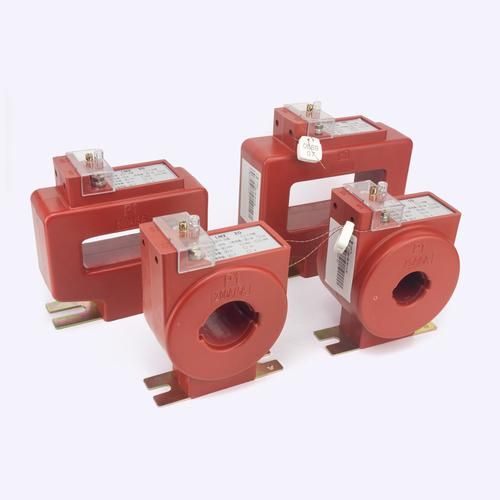
The Relay Protection devices serve as the grid’s "nervous system," continuously monitoring electrical parameters like voltage and current across the network. The instant these devices detect the characteristic signature of a fault (for example, an immediate surge in current), they must calculate the precise location of the disturbance and issue a trip command within a matter of milliseconds.
In the context of the smart grid, relay protection is rapidly evolving toward fully digital and intelligent systems. These new systems are capable of leveraging big data and AI for highly precise, adaptive, and predictive fault diagnosis.
The Role of the Circuit Breaker
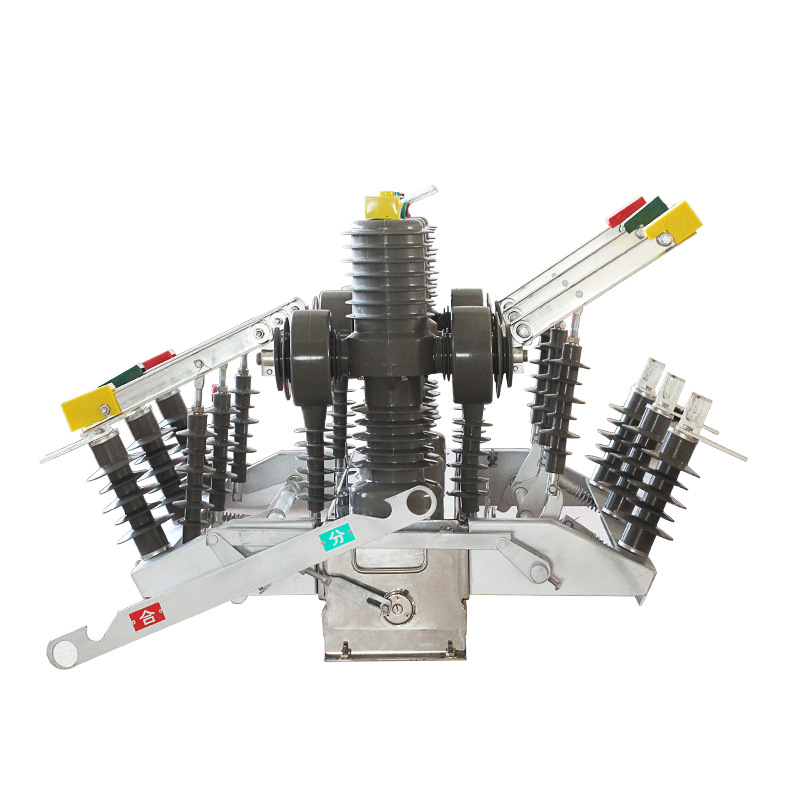
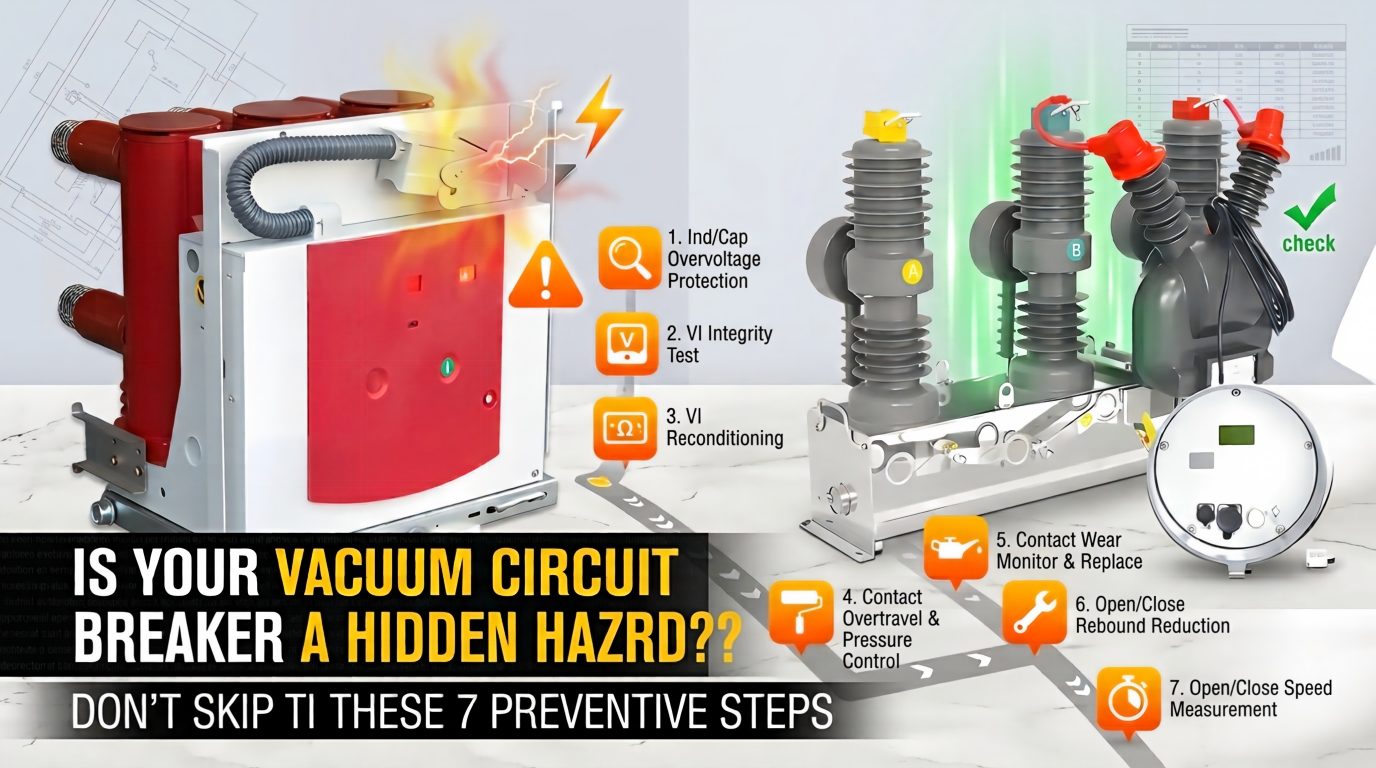
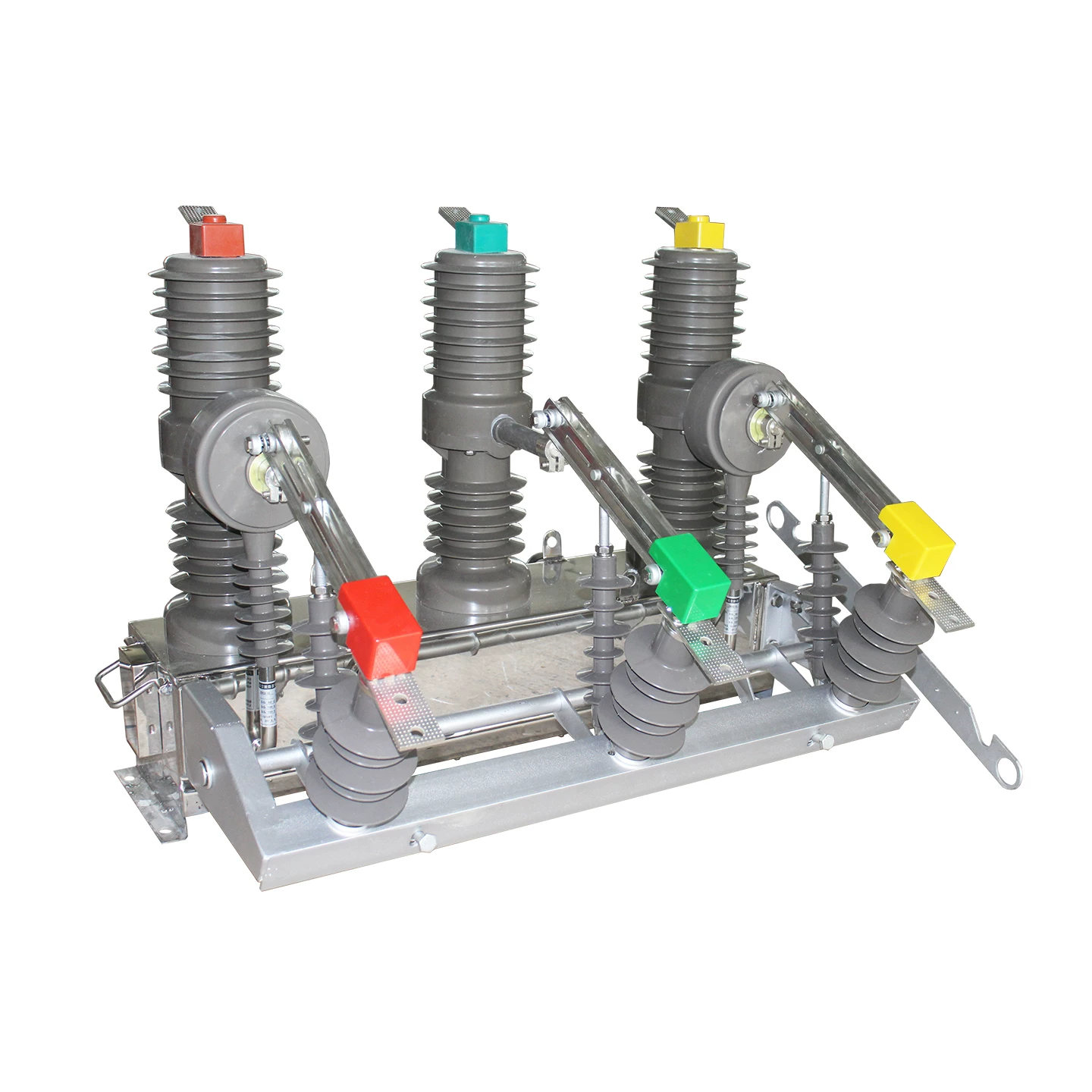
The high-voltage Circuit Breaker acts as the grid’s "effector," the muscle that executes the command issued by the protective relay. Upon receiving the trip command, the breaker rapidly separates its contacts, physically isolating the faulty section of the network from the healthy, operational grid.
The speed, reliability, and precision of the breaker's action are the decisive factors in determining the system's ability to swiftly "self-heal" and prevent a system-wide collapse.
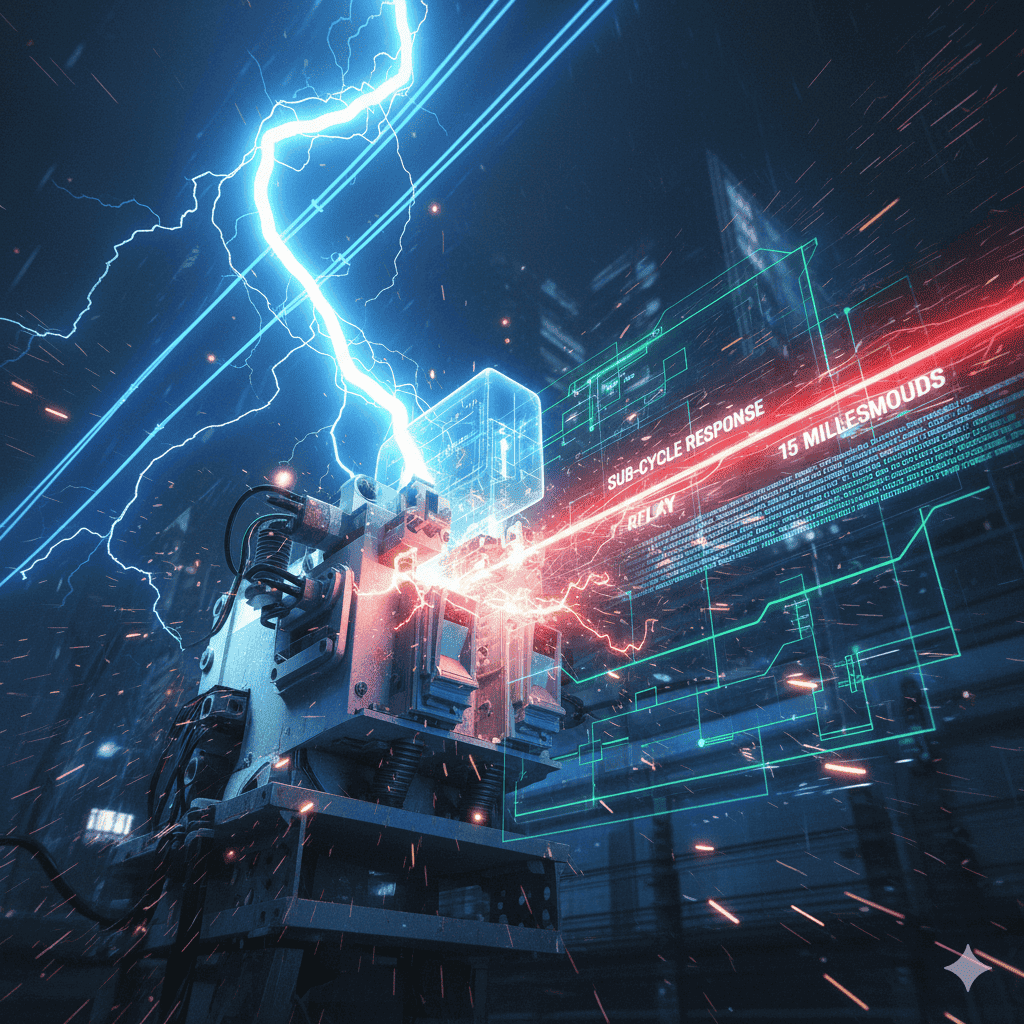
Tip: The protective relay device (the nerve) detects the fault within milliseconds and immediately commands the circuit breaker (the actuator) to isolate the damaged section. This swift action is the absolute lifeline that prevents fault escalation and safeguards the grid from catastrophic, widespread failures.
4.2 System Redundancy and the "N-1" Criterion
Grid planning and design are governed by rigorous reliability standards and operational philosophies to guarantee that the power supply remains uninterrupted even when component failures occur. This strict adherence to redundancy is non-negotiable for critical infrastructure.
The N-1 Standard
The "N-1" Criterion is the foundational safety standard in power system planning, which dictates that the grid must be capable of operating stably in the "N-1" state. This means that if any single major component—such as one transmission line, one transformer bank, or one generating unit—fails unexpectedly and drops out of service, the remaining system must be able to continue operating without cascading failures or equipment overload.
In core areas that demand the highest levels of reliability, like dense city centers, an even stricter "N-2" criterion may be enforced.
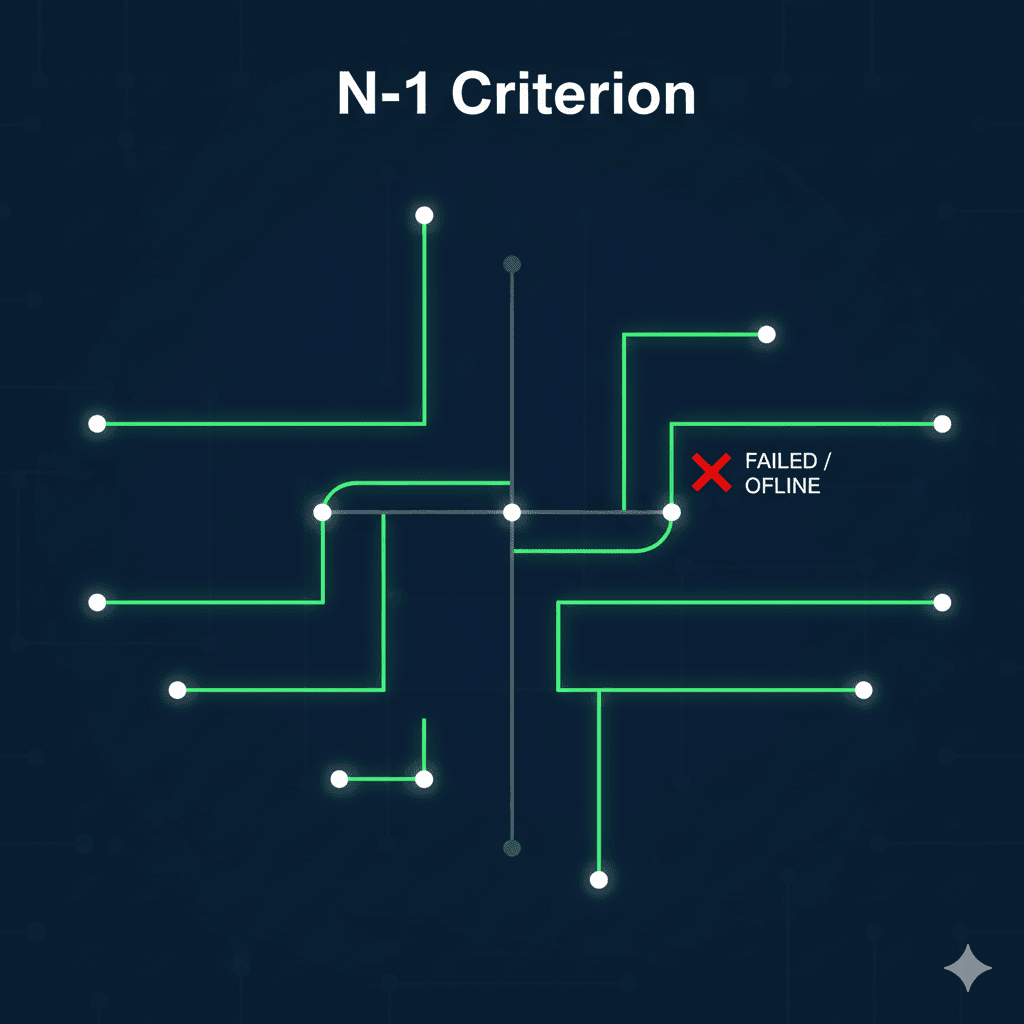
Note: The "N-1" standard represents the minimum acceptable safety threshold for grid planning. It explicitly ensures that the system can maintain stable operation after the loss of any single, critical component, making this principle the bedrock engineering philosophy for guaranteeing continuous power supply reliability.
Redundant Design and Looping
Transmission lines are routinely designed using looped or multiple-circuit structures rather than simple, linear radial configurations, which inherently increases redundancy. If one circuit line requires maintenance or suffers a fault, the electrical power can be automatically and instantly rerouted through the alternative, parallel path.
This design ensures a "seamless" supply continuity for the end-users.
4.3 The Dispatch Center: The Brain for Real/Reactive Power Control
The vast and complex operation of the electric grid is managed and orchestrated centrally by the Dispatch and Control Center. This centralized management ensures coordinated actions across the entire network, functioning as the system's true operational "brain."
Active and Reactive Power Control
The dispatch system continuously performs optimized control over both Active Power (which is essential for controlling frequency) and Reactive Power (which is critical for controlling voltage). This relies on real-time data and sophisticated load forecasting models.
This dual control is necessary because the two power types are closely linked but serve different stabilization functions.
The grid operators use the Automatic Generation Control (AGC) system to automatically issue commands to designated generating units, requiring them to adjust their power output precisely. This ensures that the generated power accurately tracks the moment-to-moment load changes, representing the core technology for achieving instantaneous, millisecond-level balance.
V. Table Module: A Snapshot of Core Grid Components
VI. Beyond Smart: The Future Grid’s Resilience and Decentralization
The traditional electric grid has historically been centralized and characterized by unidirectional power flow, moving strictly from large power plants to consumers. However, the grid of the future is rapidly evolving toward a decentralized, two-way interactive model.
This transformation is driving the system to require an unprecedented level of "Resilience," a shift necessitated by technological advances and changing energy mandates.
6.1 The Distributed Energy Revolution and the "Prosumer"
The proliferation of small-scale generating and storage technologies is fundamentally reshaping the grid’s edge. As the cost of components like solar photovoltaic arrays and battery energy storage systems continues to fall, an increasing amount of power is now being generated closer to the actual point of consumption.
These smaller, widely dispersed sources are collectively referred to as Distributed Energy Resources (DERs).
The Rise of the Prosumer
A household or business that installs rooftop solar and a battery storage system is no longer simply a power "Consumer." They also actively feed power back into the grid, effectively becoming a "Prosumer" (Producer + Consumer).
This revolutionary model is fundamentally changing the unidirectional flow characteristic of the traditional grid, placing tremendous operational demands on the system for extensive digitization and enhanced operational flexibility.
6.2 Microgrids and System Resilience
Microgrids represent an essential next step in enhancing localized energy security and operational autonomy. They offer a solution to the growing threat of large-scale system outages.
Defining the Microgrid
A microgrid is defined as a localized electric system that possesses the capability for self-control. It can operate either in parallel with the main utility grid (in a grid-connected mode) or, crucially, it can switch to "Islanded Mode" to operate completely independently.
These systems typically integrate local generation (like diesel generators or solar), battery energy storage systems, and the specific critical loads they serve.
The Value of Disaster Resilience
During a catastrophic natural disaster or a widespread grid failure, the main utility grid may completely collapse. The microgrid is specifically designed to quickly disconnect, or "island," itself from the primary grid.
By utilizing its internal resources, it continues to supply power to critical loads such as hospitals, data centers, and emergency shelters. This dramatically boosts the disaster resilience and continuous supply capability of those specific, vital facilities.
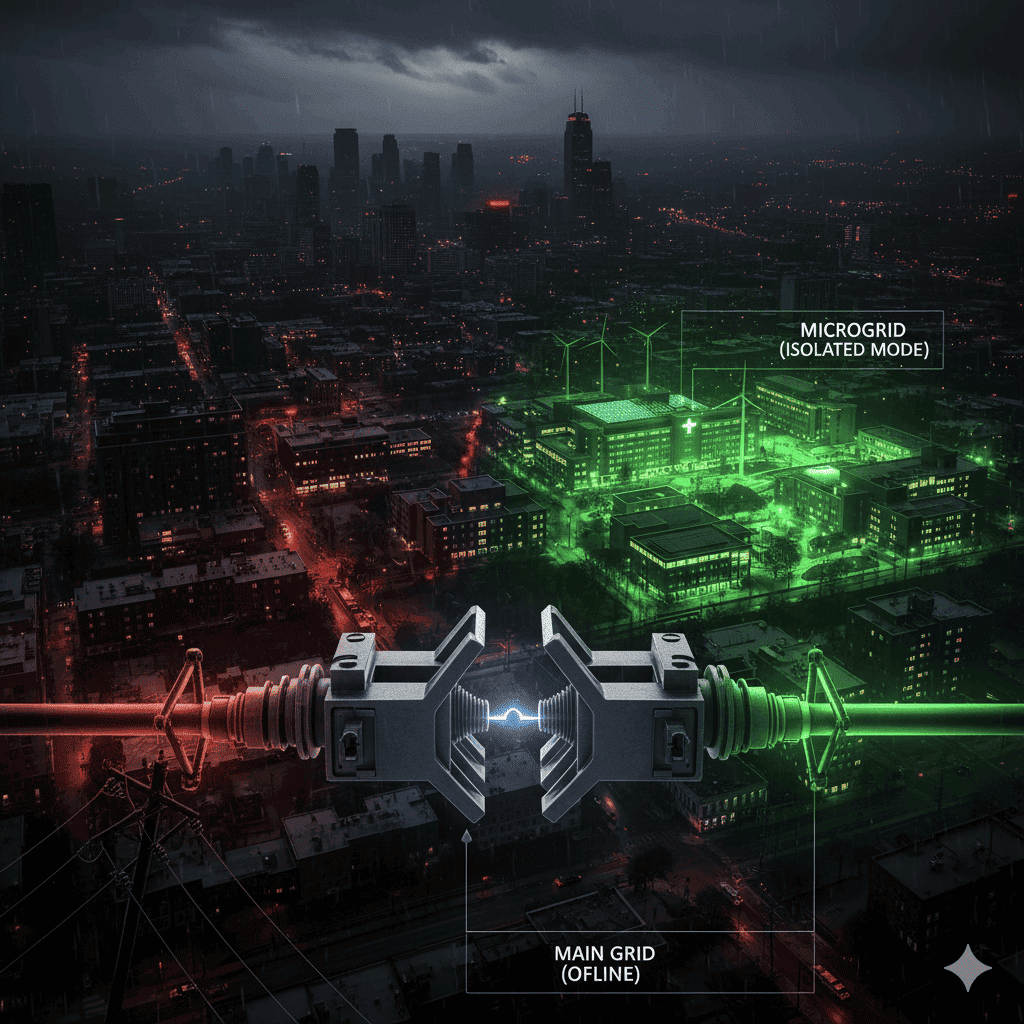
Tip: The primary advantage of the Microgrid lies in its capacity for "Islanded Mode" operation. This enables specific sites to maintain independent power supply even when the main grid has failed, making it a critical technology for drastically improving the disaster resilience of essential infrastructure in the future.
6.3 Digitalization and Interaction: VPPs and Demand Response
The intelligent upgrade of the power grid involves much more than simply installing new sensors and smart meters across the system. It centers on utilizing advanced software, communication technologies, and data analytics to achieve highly efficient resource aggregation and interaction.
Virtual Power Plants (VPPs)
A Virtual Power Plant (VPP) is not a physical power generation facility; instead, it is a highly intelligent software system that operates in the cloud. It leverages advanced algorithms and high-speed communication to aggregate and optimize thousands of scattered DERs, electric vehicle charging stations, small-scale storage devices, and controllable loads.
The VPP effectively bundles these disparate resources to act as a single, unified "virtual power plant" entity that can participate in electricity markets and grid dispatch operations. This technological innovation enables the VPP to efficiently coordinate these diverse assets, providing essential ancillary services like load following and frequency regulation to the grid, making it an indispensable component for achieving true grid flexibility.
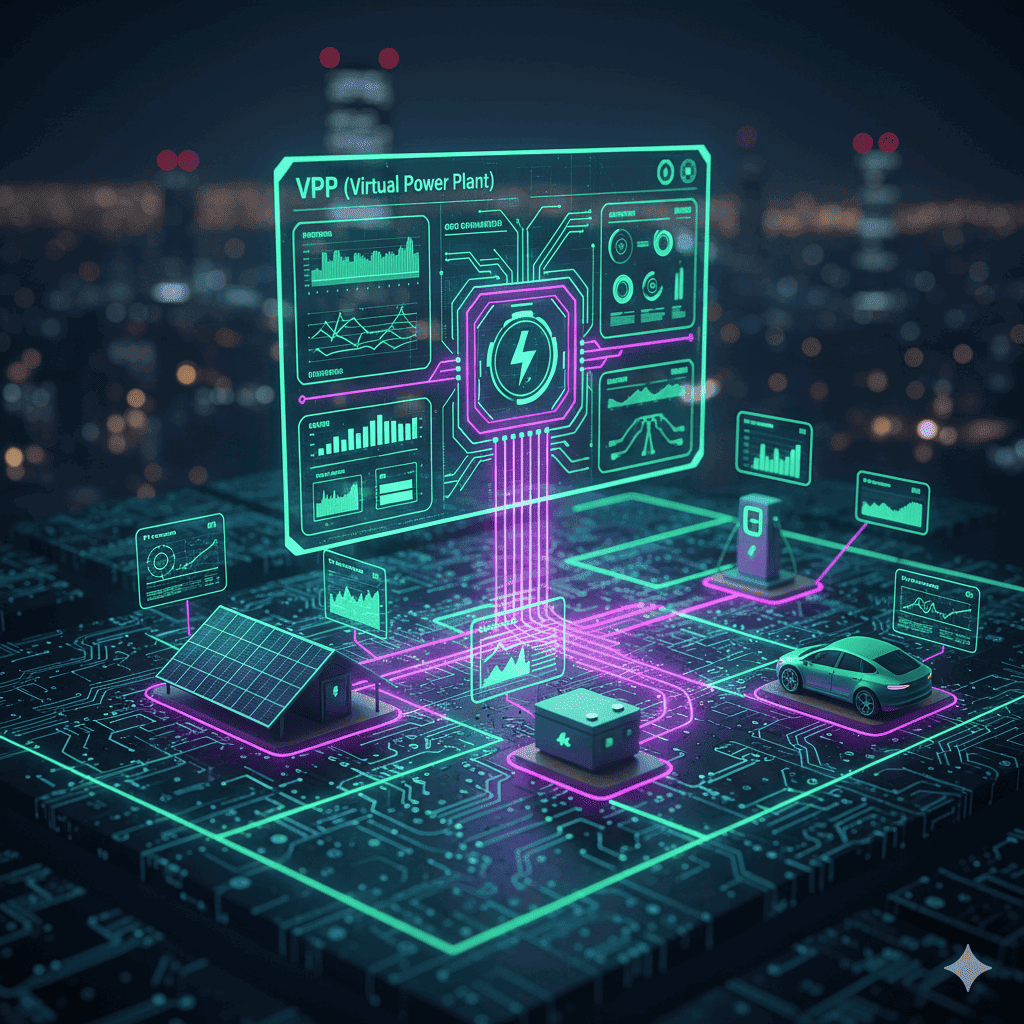
Note: A VPP is essentially a software system designed to aggregate dispersed energy resources, such as residential storage and solar, and optimize their use as a unified entity for dispatch purposes. This crucial development marks a significant transformation of the grid, shifting from centralized, top-down control toward a model of flexible, bi-directional interaction.
Demand Response (DR)
Demand Response (DR) is an incentive-based economic mechanism designed to motivate end-users—ranging from industrial facilities to residential homes—to voluntarily and actively reduce their electricity consumption during periods of high grid stress or peak pricing. This strategy has proven to be a more efficient and economical method of balancing the grid than solely relying on the generation side to adjust its output.
The strategic combination of DR and VPPs enables the power grid to move beyond the traditional concept of "generation must follow the load." It transitions toward a new paradigm where "the load can proactively assist generation," representing the final technological step toward achieving true, comprehensive bi-directional grid interaction.
VII. Conclusion: The Ever-Evolving Critical Infrastructure
The electric grid stands as one of humanity’s most monumental engineering achievements, serving as the essential lifeblood that sustains modern industrial society and technological life. Understanding the grid requires moving far beyond the simple perception of utility poles and transformers.
It is a meticulously managed, complex system that demands millisecond-level precision, specialized protection, and continuous operational optimization.
A System Built on Rigor
The reliable and seamless operation of the grid is founded upon the integrated network of generation, transmission, and distribution. Its core philosophies are centered on real-time balance and the rigorous "N-1" protection standard.
It is only through the sophisticated technical disciplines of relay protection, system redundancy, and precise dispatch control that we can continue to rely on a stable, continuous supply of electrical power.
The Way Forward
As the global energy structure inevitably transitions toward clean, low-carbon sources, the massive integration of large-scale renewable energy, the accelerating adoption of electric vehicles, and the unpredictable challenges posed by extreme weather events are collectively pushing the grid to evolve. This evolution is driving the system toward becoming significantly more resilient, decentralized, and digital.
HVDC continues to build the long-distance transmission arteries necessary for global energy exchange. Meanwhile, Microgrids, VPPs, and Demand Response are simultaneously building numerous flexible, intelligent nerve endings at the grid's periphery. The ongoing evolution and continuous strengthening of the electric grid are, without a doubt, the core foundation upon which the future of our sustainable energy system must be built.
Real and Helpful FAQ Answers (For the Motivated Reader)
Q1: Why is Grid Frequency Stability So Critically Important? What Happens If Frequency Deviates Significantly from 50Hz/60Hz?
The grid frequency is the most sensitive and immediate indicator of the system's supply-demand balance, functioning in a manner analogous to a human heart rate, where any significant change signals immediate distress. Most electrical equipment, particularly induction motors used in industrial pumps and compressors, are meticulously designed to operate at a precise frequency.
Generators themselves must remain synchronized with the grid frequency to stay online.
If the frequency drops significantly (meaning demand exceeds supply), the system will first initiate Underfrequency Load Shedding, where the dispatch system automatically disconnects non-critical loads to stabilize the frequency and prevent a deeper collapse. If the frequency continues to drop unchecked, generators risk losing their synchronization with the grid due to low rotor speed.
This ultimately leads to severe cascading failures that can result in a widespread blackout.
Q2: Given that Alternating Current (AC) has inherent losses, why do cities not just use High-Voltage Direct Current (HVDC) to replace the existing distribution network?
HVDC is an economically viable and highly effective solution primarily for ultra-long-distance, point-to-point bulk power transfers. It is neither cost-effective nor flexible enough for the intricate web of an urban distribution network.
The most substantial cost associated with HVDC is the requirement for the complex and specialized converter stations at both ends of the line. While DC transmission minimizes line losses, the massive cost of these terminals far outweighs any loss savings over short, urban distances.
Furthermore, urban grids require extensive branching and multi-stage transformers to serve thousands of diverse loads. The necessary switching and protection technologies for multi-tapped DC systems are far more complex and costly than those for the mature AC system, limiting DC's use mostly to specific applications like microgrids or data centers.
Q3: How exactly does the "Relay Protection" system decide in milliseconds? How has it changed in the Smart Grid era?
The relay protection system achieves its sub-cycle response by combining continuous, real-time measurements, precise digital algorithms, and high-speed physical execution in a single integrated process. The protection device constantly monitors electrical quantities like current and voltage.
Once it detects the distinct signature of a fault (e.g., an instantaneous current increase by five times or more), it immediately activates internal algorithms (such as distance protection or differential protection) to confirm the fault location and issue a trip command within a lightning-fast timeframe of 10 to 50 milliseconds.
In the Smart Grid era, traditional protection—which primarily relied on local measurements—is being augmented by Wide-Area Measurement Systems (WAMS), big data analytics, and Artificial Intelligence (AI). This advancement allows for coordinated protection schemes across a larger network, enabling adaptive protection that automatically adjusts its logic based on real-time grid conditions, which is essential for managing the complexities introduced by large-scale renewable energy integration.
Q4: What is the meaning of "Resilience" in the grid, and how does it differ from "Reliability"?
These are two distinct but equally critical concepts in power system engineering that address different operational challenges. Reliability emphasizes the grid's ability to maintain continuous service during routine operations and minor faults.
It focuses primarily on minimizing the frequency of outages and ensuring continuous service. It is a measure of the system's day-to-day preparedness and adherence to standards like the "N-1" criterion.
Resilience emphasizes the grid's ability to withstand, adapt to, and rapidly recover from low-probability, high-impact events—such as severe hurricanes, earthquakes, or coordinated cyberattacks. Resilience is not focused on preventing the fault itself, but rather on preventing a complete, widespread collapse, and ensuring the rapid restoration of core functions, which is the exact purpose served by a microgrid's "Islanded Mode" capability.
Q5: Why are Virtual Power Plants (VPPs) considered a major trend in future grid dispatch? How do they differ from a traditional power plant?
VPPs are an inevitable result of digitalization and decentralization. They provide an elegant solution to the inherent volatility and intermittency of modern renewable energy sources.
A traditional power plant is a physical entity that provides electricity through the centralized control of large generators.
The VPP is entirely different; it is a software platform that does not physically generate power. Instead, it uses advanced cloud-based algorithms to aggregate and optimize thousands of scattered resources—including residential solar, home storage batteries, EV chargers, and controllable industrial loads.
By bundling these dispersed assets, the VPP can offer services to the grid, such as frequency regulation and peak shaving, effectively participating in dispatch and energy markets as if it were a single large, flexible power plant. This capability significantly increases the grid's overall flexibility and its capacity to efficiently absorb and manage distributed energy resources.