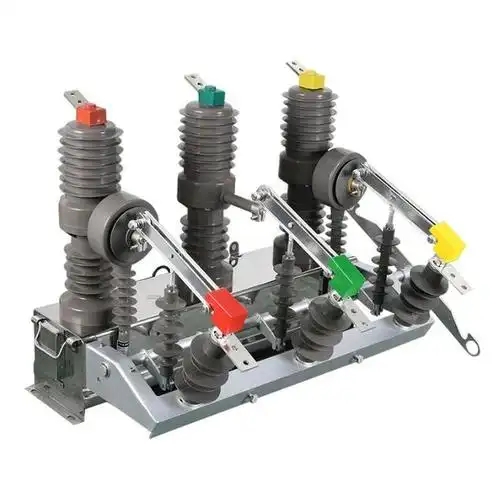
🔍 Introduction: How a Texas Utility Cut 60% in Maintenance Cost by Switching to VCB
In 2022, a 33kV coastal substation in Corpus Christi, Texas, faced recurring SF₆ circuit breaker issues due to the humid Gulf environment. The high moisture content corroded the sealing structure, causing three gas leaks within 12 months. Each repair took eight hours and cost over $20,000 in downtime and labor.
After an emergency retrofit with vacuum circuit breakers (VCBs), the utility reported zero leakage, reduced annual maintenance time from 40 to 12 hours, and cut operating costs by 60% (Utility Report, 2023).
I’m Thor, a Medium-Voltage Circuit Breaker Engineer at Wei Shoe Electric with hands-on experience in North America and Europe. My projects include Texas substation retrofits, wind farm integrations in Germany’s Ruhr region, and smart distribution upgrades in California data centers.
In this guide, I’ll share insights from 10+ real global projects to help you understand:
Why VCBs are outperforming legacy solutions like SF₆
Where VCBs shine in medium-voltage environments
How to avoid common selection pitfalls in 33kV and other MV systems
🧠 What Makes VCBs the New Standard in Medium Voltage?
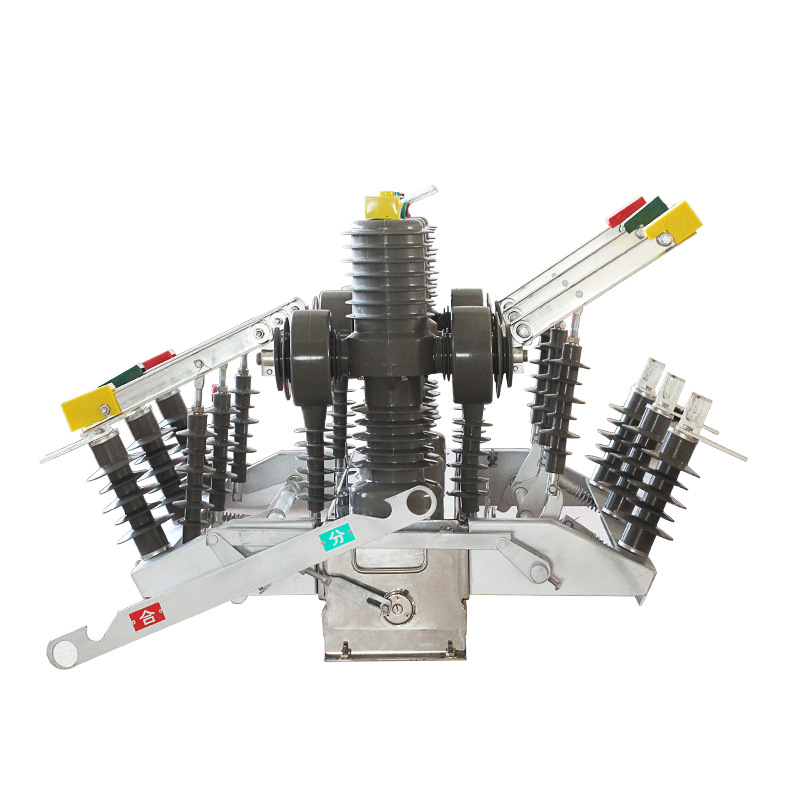
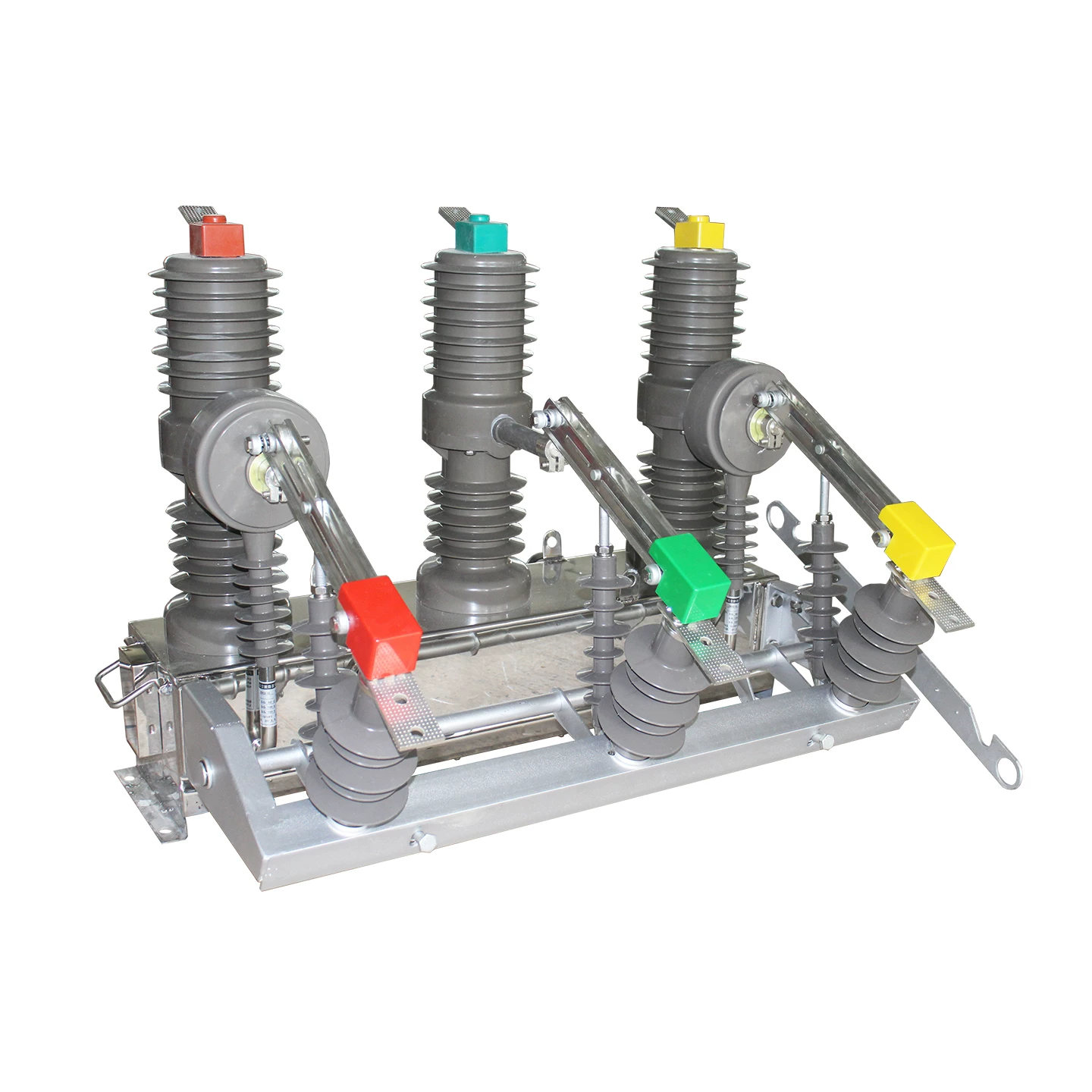
At the core of every vacuum circuit breaker is a sealed vacuum interrupter. When contacts separate, the arc forms — but in a vacuum, with virtually no free electrons, the arc collapses instantly due to rapid ion dispersion and metal vapor cooling.
Industry-standard arc extinction time is ≤50ms, minimizing fire risks, gas leaks, and operational hazards.
🟢 VCB vs Traditional Breakers — 3 Key Advantages:
Maintenance-Free: Unlike SF₆ breakers, VCBs don’t require periodic gas refilling or frequent contact replacement like air circuit breakers.
Long Lifespan: VCBs offer 20,000+ mechanical operations, with high-end units exceeding 30,000, far beyond the ~10,000 of SF₆ types.
Eco-Friendly: No greenhouse gas emissions. SF₆ is a potent climate gas, while VCBs support the EU & U.S. net-zero goals.
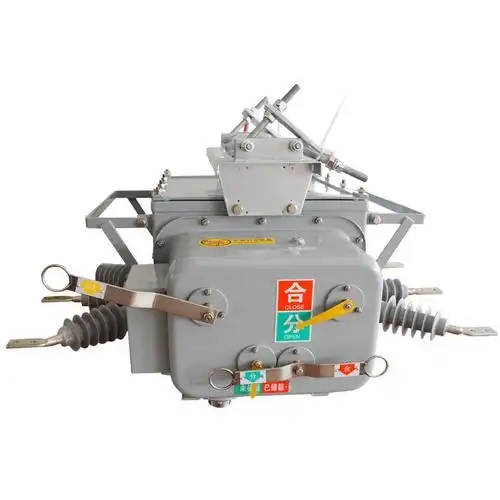
🌍 5 Global Use Cases Where VCBs Proved Irreplaceable
🇺🇸 Case 1: Texas Coastal Substation (High-Humidity Environment)
Challenge: SF₆ seals degraded due to Gulf moisture, causing 2+ leaks/year
VCB Advantage: 100% sealed vacuum, >90% insulation strength in humid air
Impact: Leak incidents dropped from 3/year to 0, O&M costs cut by 45%
🇩🇪 Case 2: Ruhr Wind Farm (Dust-Heavy Industrial Zone)
Challenge: Dust reduced SF₆ arc chamber lifespan by 50%
VCB Advantage: Sealed vacuum chamber, stable performance in sand-prone zones
Impact: VCB retrofit in 2023 cut fault count from 5/year to 0, reducing per-unit maintenance from €15,000 to €7,000
🏭 Case 3: NRW Steel Plant (Frequent Switching Operations)
Challenge: Air circuit breaker contacts wore out quickly; SF₆ raised emissions compliance issues
VCB Advantage: 30,000+ mechanical operations with minimal wear
Impact: After the 2022 VCB install, fault-free for 2 years; maintenance frequency dropped from monthly to biannual
🇫🇷 Case 4: Paris Metro Traction Substation (Tight Space, Low O&M)
Challenge: SF₆ gear required specialized servicing and occupied too much space
VCB Advantage: 30% smaller footprint, easily embedded into GIS layouts
Impact: Downtime cut by 40%; service frequency dropped from 4×/year to 1×
🇺🇸 Case 5: Silicon Valley Data Center (Smart Monitoring Required)
Challenge: Legacy breakers had no remote diagnostics; faults caused 2-hour outages
VCB Advantage: SCADA/IoT compatible — monitors vacuum pressure and contact temperature
Impact: In 2024, smart VCBs issued alerts 72 hours before failure; avoided full-building blackout
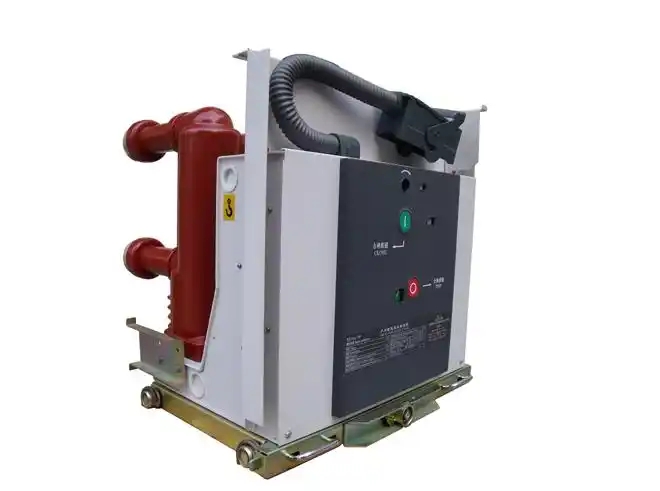
🧩 How to Choose the Right VCB: 3-Step Process Based on Field Experience
✅ Step 1: Match Key Technical Parameters
| Parameter | How to Select | Typical Range | Application Insight |
|---|---|---|---|
| Rated Voltage | Always ≥ max system voltage | 6–36kV | Use 36kV-rated VCBs for 33kV systems |
| Rated Current | Must match the continuous load | 630–3150A | Choose 2500A+ for heavy industries |
| Breaking Capacity | Must handle fault currents | 16–50kA | Go 40kA+ for substations & mining sites |
| Mechanical Life | High-frequency sites → 20,000+ operations | 10,000–30,000 | Mining & steel sites need 30,000+ units |
| Installation Env. | Outdoor → IP54+ / salt spray test ready | Indoor/Outdoor | Coastal/dusty areas require IP54+ units |
⚠️ Step 2: Avoid These 3 Common Mistakes
Mistake 1: Using premium VCBs for light 6kV loads
→ Fix: Use economical MCBs like Wei Shoe WS-MCB-06 to reduce costs by 30%Mistake 2: Low-duty VCBs in high-cycle sites
→ Fix: Use 20,000+ lifecycle models like Wei Shoe WS-VCB-33-HMistake 3: Ignoring protection ratings for outdoor installs
→ Fix: For dust/coastal use, select IP54+ models tested for salt fog
(e.g., Wei Shoe WS-VCB-33-O)
🔧 Step 3: 10-Second Self-Test — Text-Based Sizing Tool
Answer 3 quick questions to determine the right VCB type:
1. What’s your voltage range? □ 6–12kV □ 24–36kV
2. How many switching actions per year? □ <500 □ 500–2000 □ >2000
3. What’s your installation site? □ Indoor □ Coastal/Dusty Outdoor
→ Email your answers + company name to [email protected]
→ Receive your free VCB Selection Checklist within 48 hours
❓ Customer FAQ: 6 Most Asked Questions About VCBs
Q1: Should I use VCB or SF₆ for a 33kV system?
→ Use VCB in humid or dusty areas (zero leakage, low maintenance). SF₆ may suit remote unmanned stations but requires refills.
Q2: Can VCBs handle outdoor environments?
→ Yes. Select IP54+ VCBs (e.g., WS-VCB-33-O) and ensure they pass IEC 60068-2-11 salt spray testing for coastal areas.
Q3: Do VCBs need gas refilling like SF₆?
→ No. VCBs are sealed systems. Vacuum loss <5% over 10 years (IEC 60298 compliant).
Q4: Can VCBs connect to smart grid systems?
→ Absolutely. Modern VCBs support SCADA/Modbus, as proven in our Silicon Valley case with <1s diagnostic response time.
Q5: How much more expensive is a VCB compared to SF₆?
→ Around 15–20% more upfront, but O&M savings of 50 %+ over 5 years.
Total cost of ownership (TCO) is ~28% lower for VCBs.
Q6: Can I retrofit an old SF₆ breaker with a VCB?
→ Yes. Most brands offer VCB retrofit kits.
Example: Paris Metro replaced SF₆ with VCBs in one day, downtime <4 hours.
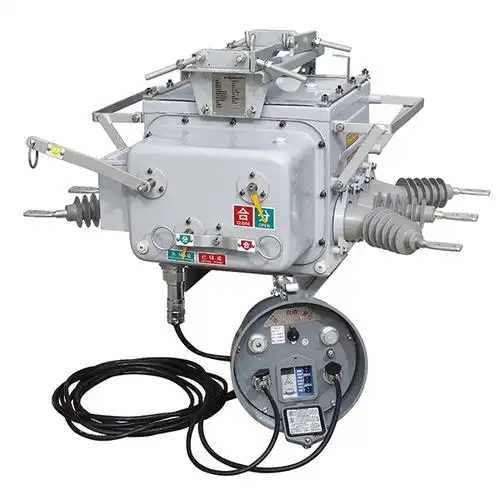
🔚 Final Thoughts: Choosing VCB Means Choosing Long-Term Confidence
As a medium-voltage engineer specializing in real-world substation upgrades, I believe this:
Switching to a VCB isn’t just a product change — it’s a system upgrade.
It reduces long-term costs, ensures regulatory compliance, and prepares your grid for smart integration and decarbonization.
I hope this guide helps you:
✔ Understand where VCBs are irreplaceable
✔ Apply our 3-step selection method
✔ Avoid procurement traps and hidden O&M costs
📬 Get Expert Support from Wei Shoe
Let us be your long-term partner in medium-voltage success.
📧 Email your system voltage + questions to [email protected]
📱 Or message “VCB + your company name” on WhatsApp: +86 159 5777 0984
→ We’ll send you a personalized selection checklist within 48 hours