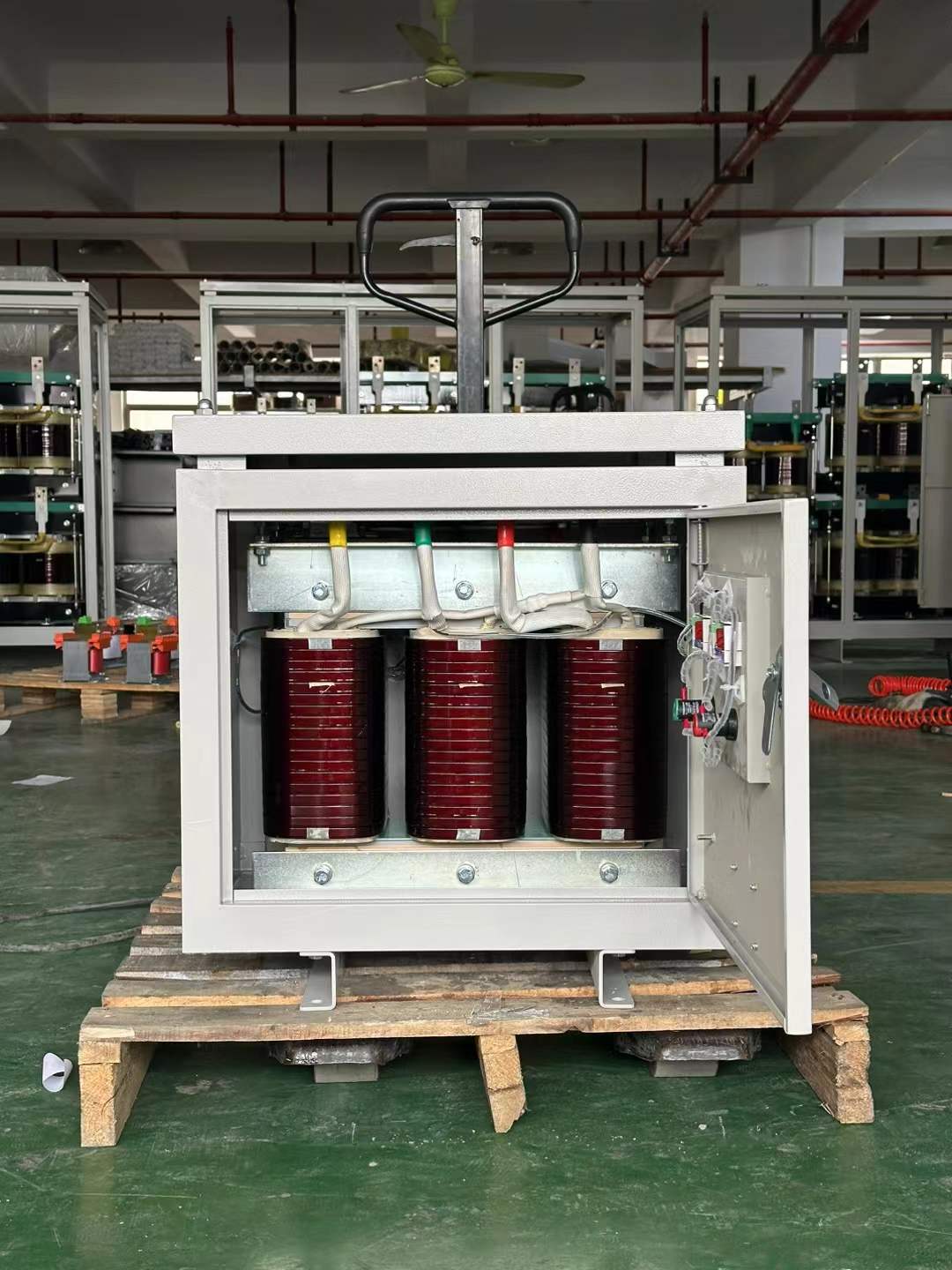
Are you dealing with “ghost” errors in your CNC machines, persistent hum in your audio systems, or unexpected equipment failure?
As an industry professional, I’ve seen how “dirty power” can compromise safety and ruin your bottom line. Choosing the right isolation transformer isn’t just a technical upgrade—it’s the ultimate insurance policy for your sensitive electronics.
In this guide, I’m going to break down exactly why an isolation transformer is the smartest investment for your facility. Drawing on WEISHO’s 30+ years of expertise in dry-type industrial solutions, we’ll explore how galvanic isolation and noise reduction can transform your power quality.
Let’s dive right in.
Understanding How Isolation Transformers Function
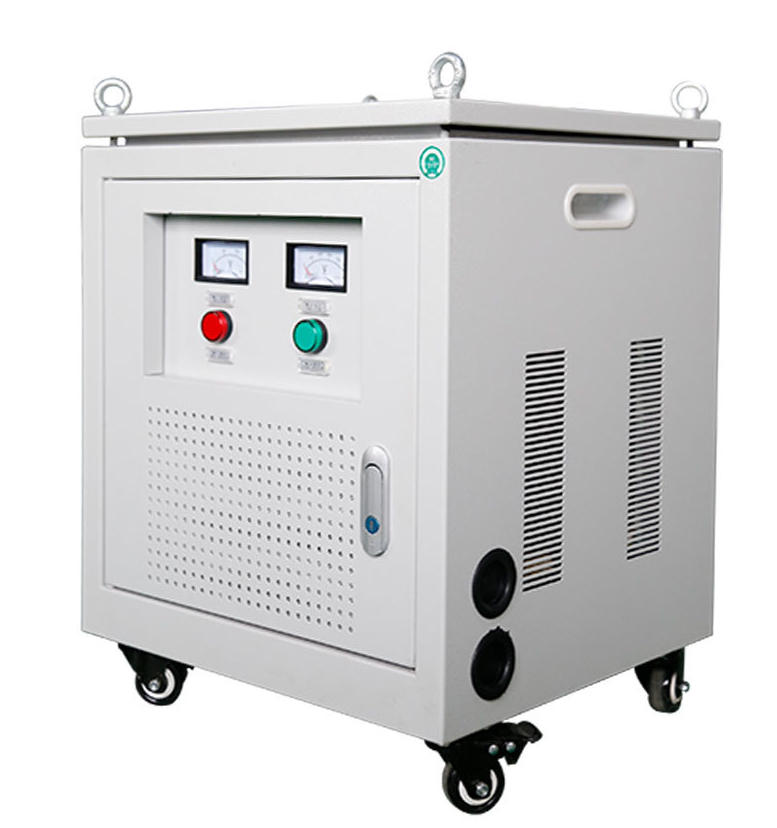
An isolation transformer is a specialized power device designed to transfer electrical energy while keeping the input and output circuits completely separated. Unlike standard power delivery, this device relies on galvanic isolation, meaning there is no direct metallic path for electricity to flow between the source and the load.
The Power of Galvanic Isolation
The core of our isolation transformers lies in the use of separate primary and secondary windings. Here is how the magic happens without a direct wire connection:
Magnetic Induction: Power is transferred across an air gap or through a high-grade silicon steel core via an electromagnetic field.
Physical Separation: Because the input and output wires never touch, the load is shielded from the “dirty” characteristics of the main power line.
Voltage Ratio Flexibility: While many use a 1:1 ratio to maintain the same voltage, these units can also step the voltage up or down based on your specific industrial needs.
Eliminating Noise with Faraday Shielding
To achieve superior power quality, we incorporate electrostatic shielding, often called a Faraday shield, between the windings. This grounded copper foil layer acts as a barrier that:
Kills common-mode noise before it reaches sensitive electronics.
Redirects high-frequency interference and EMI directly to the ground.
Ensures that precision machinery, like CNC or medical tools, receives a clean sine wave.
Isolation Transformer vs. Standard Autotransformer
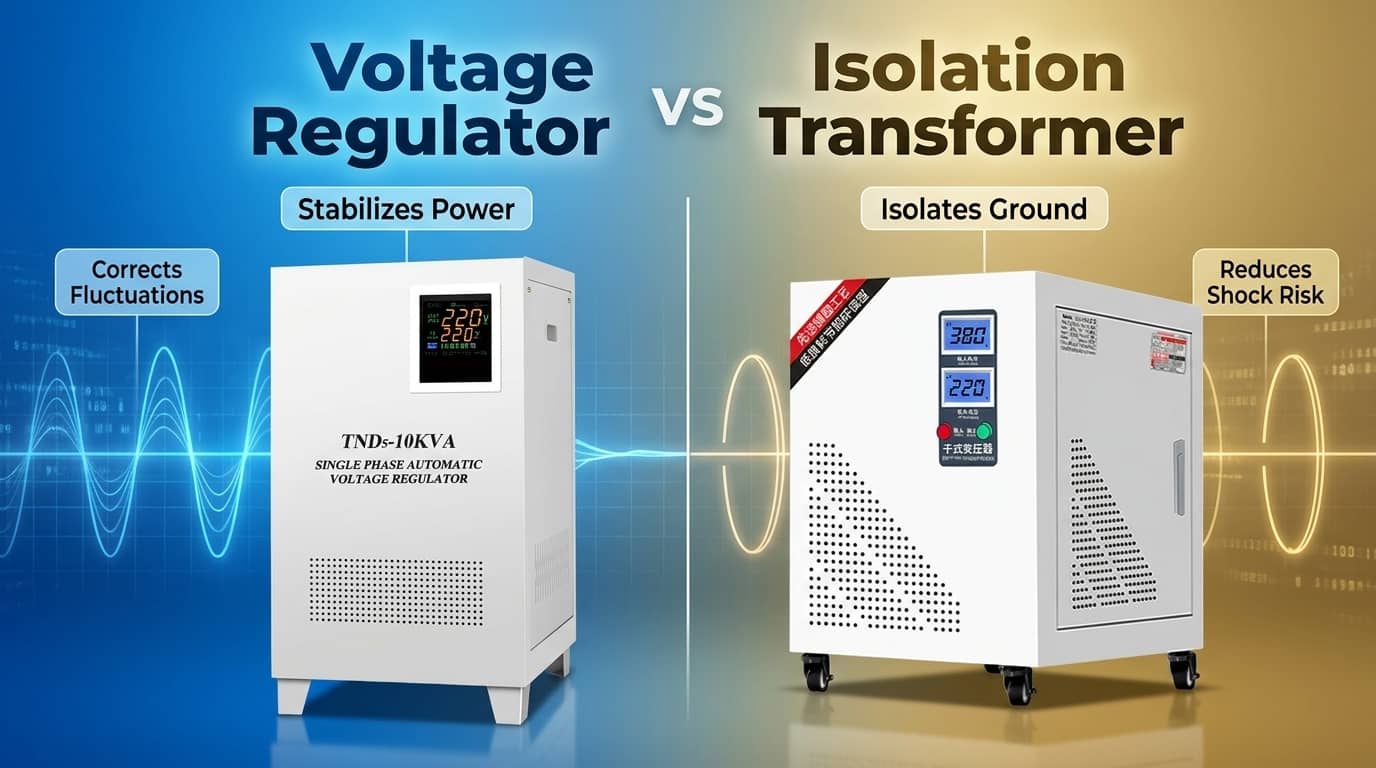
It is critical to understand that a standard autotransformer does not provide safety isolation. Because an autotransformer uses a single continuous winding for both input and output, a fault on the line can easily reach your equipment.
| Feature | Isolation Transformer | Standard Autotransformer |
|---|---|---|
| Electrical Separation | Complete (Galvanic Isolation) | None (Common Winding) |
| Shock Protection | High (Breaks Ground Loop) | Low (Direct Path to Source) |
| Noise Suppression | Excellent (Includes Faraday Shield) | Minimal |
| Best For | Sensitive Electronics & Safety | Basic Voltage Adjustment |
| Design Type | Dry-type (Single or Three-Phase) | Compact/Economy |
By choosing a dedicated dry-type isolation transformer, you are investing in a system that prioritizes both equipment longevity and operator safety through robust, physical separation.
Key Benefits of Choosing an Isolation Transformer
Choosing an isolation transformer is about more than just moving power; it’s about control and protection. We design these units to act as a physical barrier between your sensitive gear and the unpredictable utility grid. By utilizing galvanic isolation, we break the direct conduction path, which is the foundation for a safer and cleaner electrical environment.
Why Electrical Safety and Power Quality Matter
The primary reason I recommend these units is electrical safety. By breaking the direct path to ground, an electrical safety transformer prevents lethal shocks if a person touches an energized part of the circuit. Beyond safety, it drastically improves power quality by acting as a surge protection device against transients and voltage spikes.
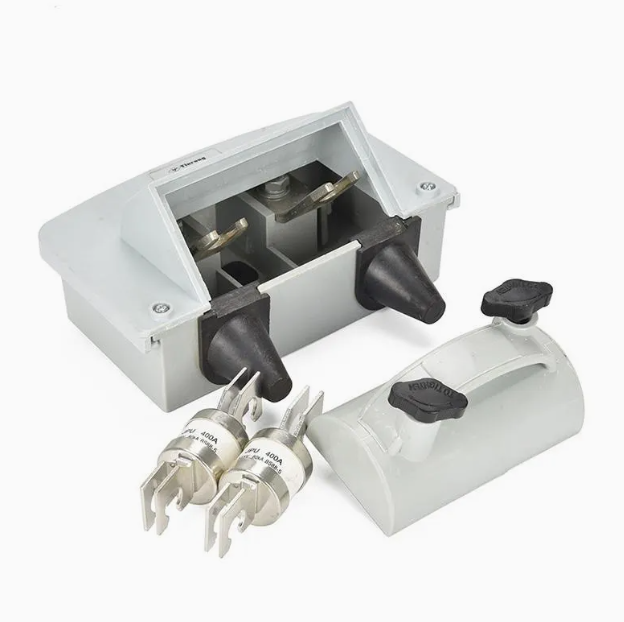
When you are setting up a safe workspace, choosing the right circuit breaker along with an isolation transformer provides the ultimate defense against electrical faults and overloads.
Core Advantages at a Glance
Noise reduction transformer capabilities: Integrated Faraday shields kill common-mode noise and EMI that cause digital errors.
Ground loop elimination: We stop the “hum” in audio systems and data corruption in networked machinery by separating ground references.
Harmonic mitigation: Our designs help filter out the “dirty” power caused by non-linear loads, ensuring equipment longevity.
Sensitive equipment protection: Ideal for a 1:1 ratio transformer setup where you need the same voltage but none of the line interference.
| Benefit | Impact on Your Operation |
|---|---|
| Galvanic Isolation | Eliminates shock hazards and ground-loop interference. |
| EMI Filtering | Provides clean power for high-precision electronics. |
| Voltage Smoothing | Protects against spikes, surges, and transients. |
| Separately Derived Source | Creates a new, clean neutral-to-ground bond. |
Whether you are running a high-end CNC shop or a medical lab, an industrial dry-type transformer provides the stability needed for consistent performance. By investing in quality isolation, you aren’t just buying a component; you’re buying insurance for your most expensive hardware.
Why Choose an Isolation Transformer for Your Industry?
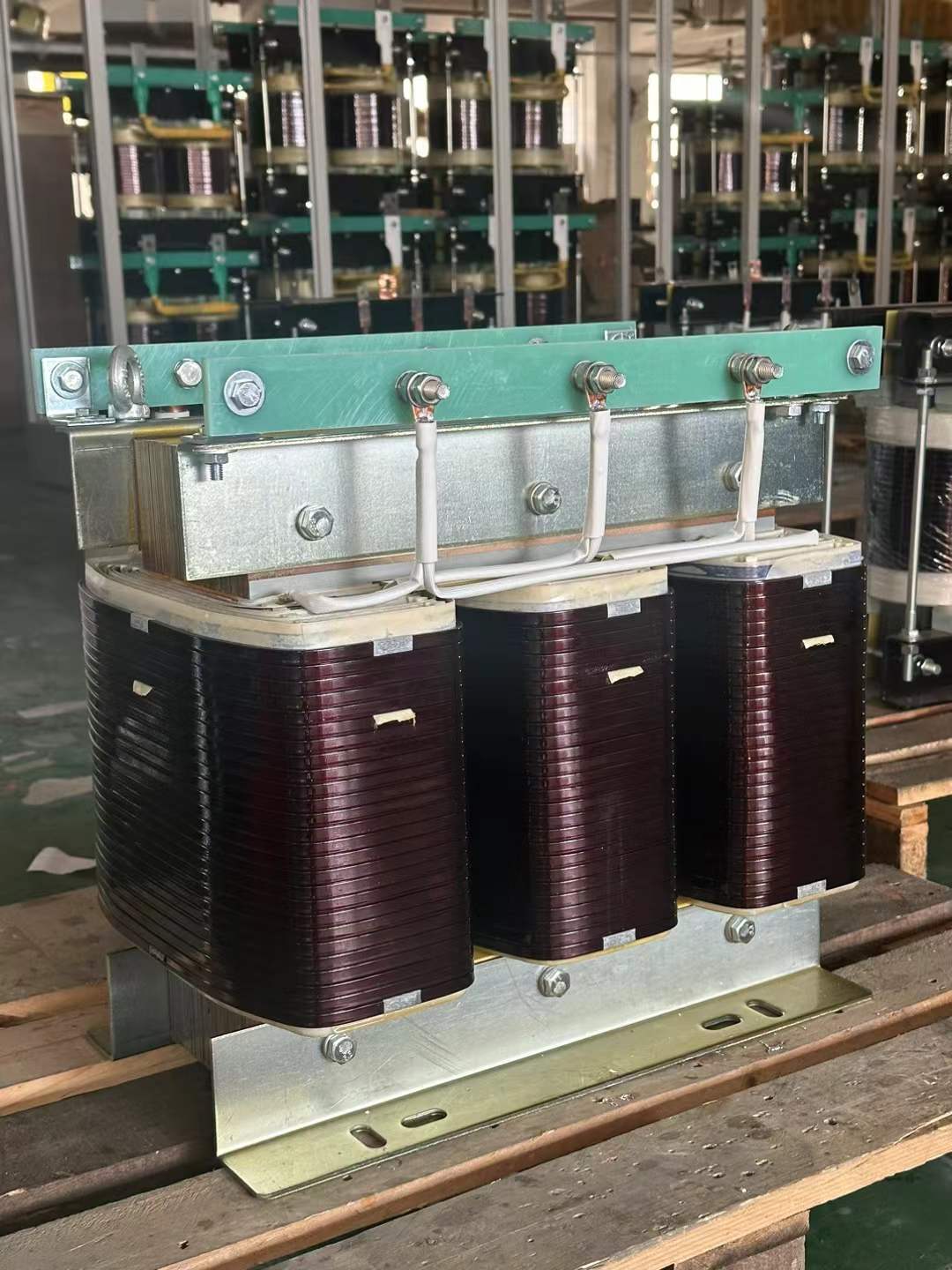
Different environments face different electrical challenges. From heavy manufacturing to surgical suites, we provide power solutions that prioritize sensitive equipment protection and operational continuity. In the U.S. market, where downtime costs are high, choosing the right industrial dry-type transformer is a smart investment in your infrastructure.
High-Stakes Applications
Industrial CNC Machinery: Factory floors are notorious for “dirty” power. We use isolation transformers to shield sensitive CNC controllers from electrical noise and voltage spikes, directly increasing equipment longevity.
Medical Facilities: Safety is the top priority. A medical-grade transformer is essential to meet strict standards for leakage current, ensuring that both patients and diagnostic electronics stay protected from stray electrical paths.
Data Centers: To maximize uptime, you need to isolate faults. Our transformers create a separately derived power source, preventing a single electrical issue from cascading through your entire server rack.
Audio and AV Systems: We eliminate the “ground hum” that ruins professional recordings. By facilitating ground loop elimination, our units ensure crystal-clear signal transmission for high-end broadcasting.
Laboratories and Testing: For engineers working on energized hardware, these transformers provide a critical safety barrier. They allow for safe bench work by removing the direct connection to the utility ground.
By isolating the load from the source, we help industries maintain a stable environment, regardless of the quality of the incoming power grid.
When to Choose an Isolation Transformer Over Alternatives
In the US market, businesses often weigh the cost of a standard surge protector or autotransformer against a dedicated isolation transformer. While autotransformers are smaller and cheaper, they lack the physical separation needed to protect against high-voltage faults. We recommend choosing an isolation transformer when galvanic isolation is a non-negotiable requirement for safety or signal integrity.
| Feature | Isolation Transformer | Standard Autotransformer |
|---|---|---|
| Physical Separation | Yes (Dual Winding) | No (Shared Winding) |
| Shock Protection | Maximum Safety | Minimal |
| Noise Filtering | Superior EMI filtering | Very Low |
| Ground Loop Fix | Complete Elimination | Not Possible |
Compliance and International Safety Standards
If your project must meet medical-grade transformer standards or international IEC guidelines, an isolation transformer is often the only way to comply. These regulations demand strict limits on leakage current to protect both operators and patients. For heavy-duty industrial setups, ensuring your power system is as robust as your hardware is key. Just as a manual transfer switch is vital for switching power sources safely, an isolation transformer is vital for the internal safety of your equipment.
Cost-Benefit Analysis: Upfront Investment vs. Repair Savings
We look at the isolation transformer as an insurance policy for your most expensive assets. The math is simple:
Upfront Cost: Higher than a basic filter.
Long-term Savings: Massive reduction in downtime and motherboard replacements.
Equipment Longevity: By providing a clean, separately derived power source, you extend the life of sensitive components.
Choosing this path means you are prioritizing sensitive equipment protection over a temporary fix. It’s the professional choice for those who can’t afford a system failure.
WEISHO Isolation Transformers: Built for Real-World Demands
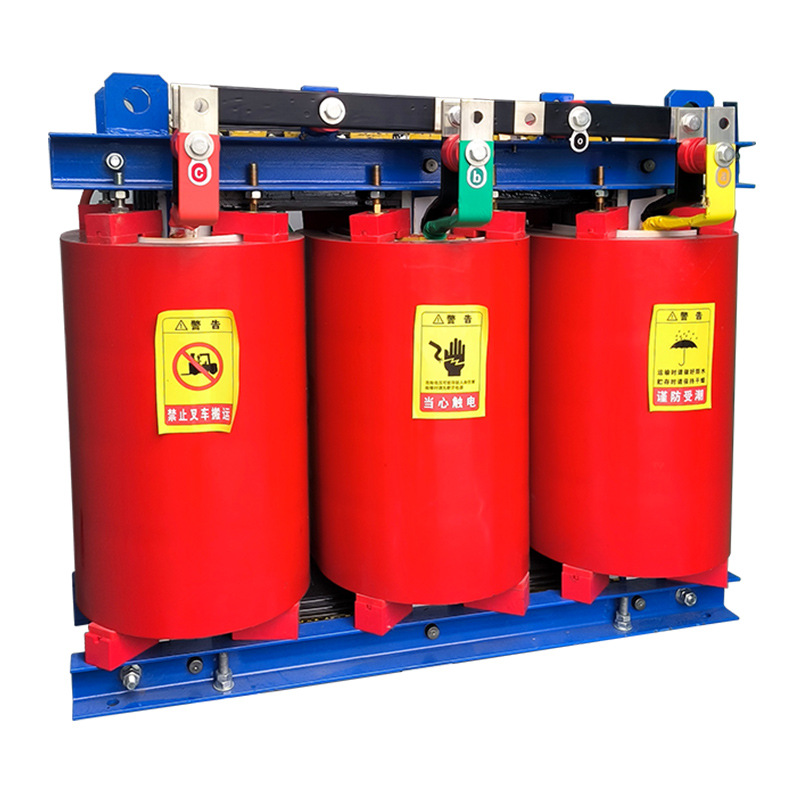
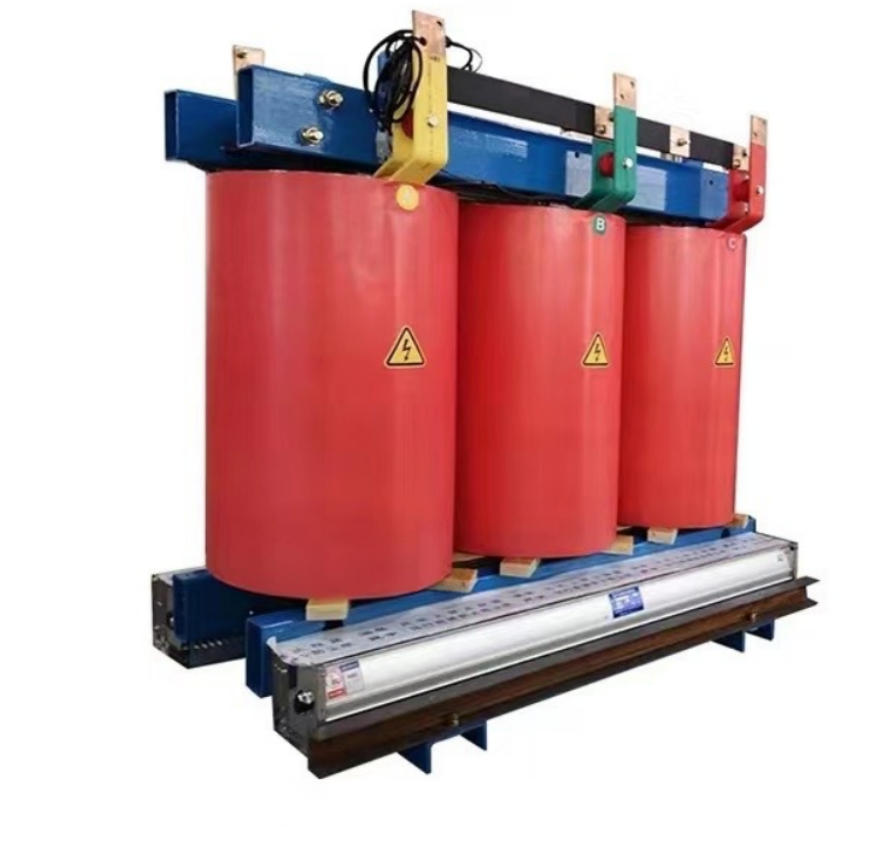
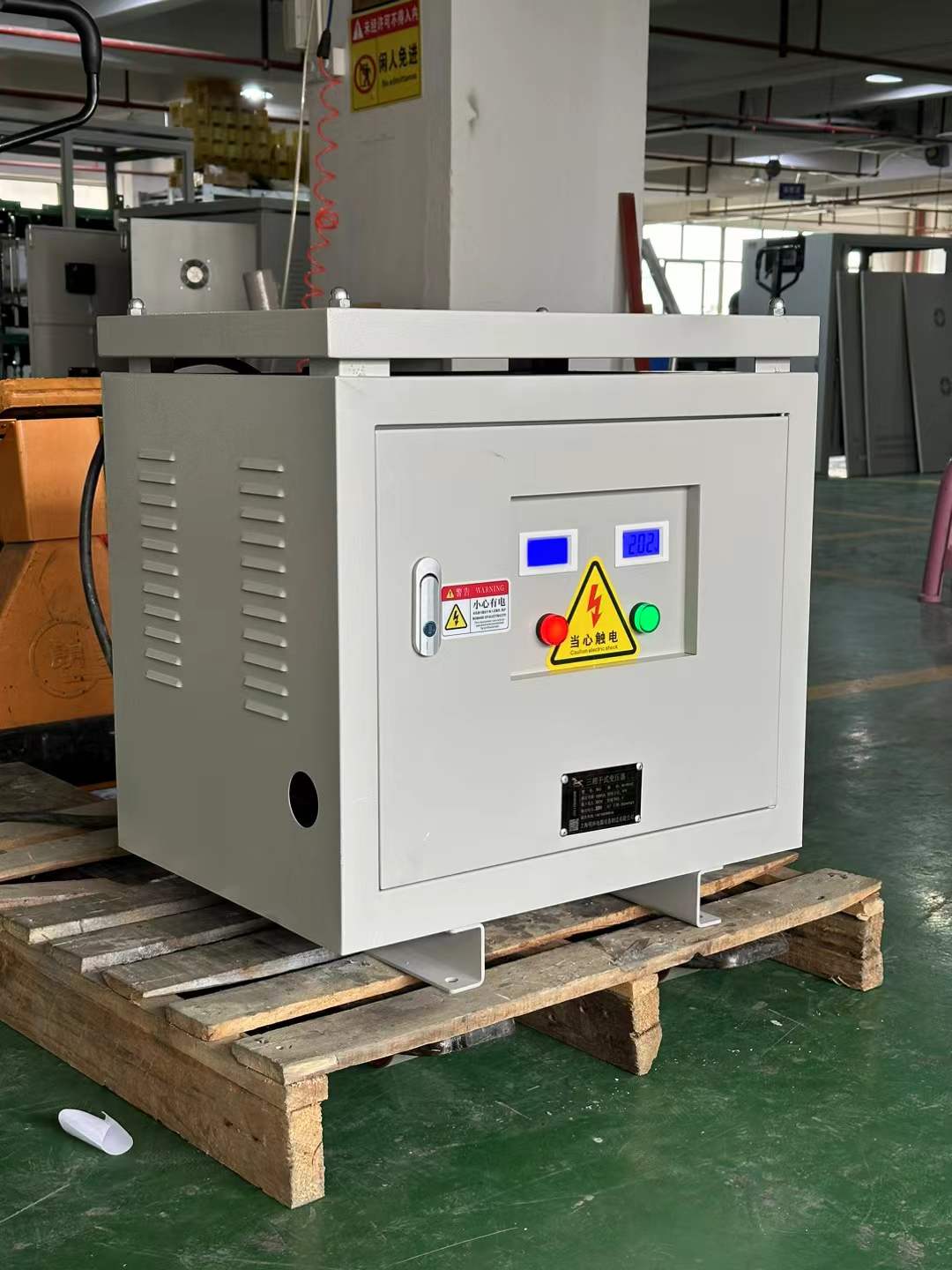
At WEISHO, we build hardware designed to handle the toughest electrical environments. When asking why choose an isolation transformer from our lineup, the answer lies in our 20+ years of manufacturing expertise and heavy-duty construction. We provide both single-phase and three-phase isolation transformer solutions using dry-type technology, ensuring maximum safety and efficiency without the maintenance or fire risks of oil-filled units.
Customization and Technical Precision
Every facility has unique power requirements, and we offer the flexibility to meet them through comprehensive OEM/ODM options.
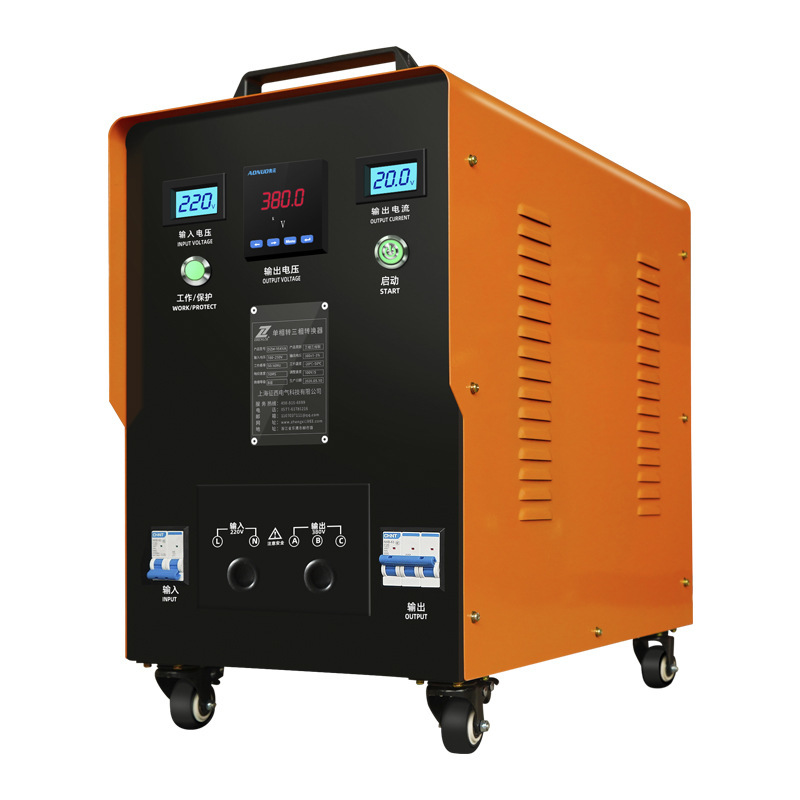
Voltage Versatility: Supports all major industrial voltages, including 480V, 440V, 415V, and 380V stepped down to 220V, 208V, or 110V.
High-Grade Insulation: Built with Class H (180°C) or Class F (155°C) materials to withstand rigorous industrial heat cycles.
Frequency Compatibility: Fully compatible with both 50Hz and 60Hz systems for seamless global integration.
Optimized Cooling: Designed for natural air cooling (dry-type) with options for forced air to maintain peak performance under load.
Uncompromising Quality and Reliability
Our commitment to power quality starts with the raw materials. We use high-grade silicon steel sheets and premium high-conductivity windings to achieve an efficiency rating of ≥98%. Every unit undergoes 100% full load capacity testing before it leaves our floor.
For facilities looking to optimize their entire power distribution setup, understanding how to select the right surge arrester can further enhance the voltage stabilization provided by our transformers. With CE and ISO 9001:2015 certifications, our dry-type transformer units deliver the galvanic isolation needed to protect sensitive equipment and ensure long-term operational uptime.
Choosing the Right Isolation Transformer
Selecting the correct unit depends on matching the transformer’s capacity to your equipment’s specific demands. Before purchasing, you must determine your total kVA requirement and whether you need a three-phase isolation transformer for industrial machinery or a single-phase model for smaller electronic loads.
Key Selection Factors
Determine Power Rating: Always size the transformer slightly higher than your peak load to handle inrush currents. Our units undergo 100% full load capacity testing to ensure they handle these surges without failing.
Identify Voltage Ratios: Confirm your source and load voltages. We support standard industrial ratios, such as converting 480V or 380V down to 220V, 208V, or 110V.
Evaluate Insulation Needs: For high-heat or heavy-duty environments, choose Class H (180°C) or Class F (155°C) insulation. This is critical for equipment longevity and maintaining an efficiency rating of ≥98%.
Environmental Cooling: As these are dry-type transformers, they rely on natural air cooling. Ensure your installation site has adequate ventilation to prevent heat buildup.
| Specification | Requirement for Optimal Performance |
|---|---|
| Safety Certification | Must be a CE-certified transformer for international compliance |
| Noise Filtering | Look for a built-in Faraday shield to block common-mode noise |
| Frequency | Must support both 50Hz and 60Hz for global compatibility |
To help you better understand the fundamentals of power conversion, you can review our technical breakdown of what a transformer is in electricity to see how these components function within a broader power grid. When integrating an electrical safety transformer into an existing system, prioritize short cable runs and secure grounding. This ensures maximum ground loop elimination and provides the cleanest possible power for your sensitive hardware. Avoid oversized units for tiny loads, as running a transformer at a tiny fraction of its capacity can lead to unnecessary idle losses. Focus on a “right-sized” approach to strike a balance between cost and performance.