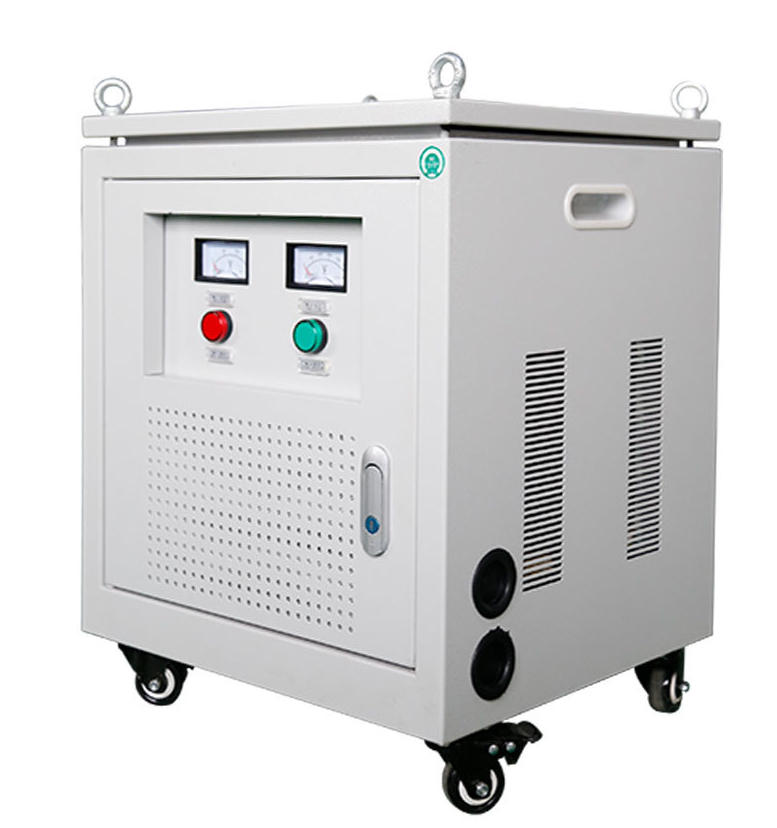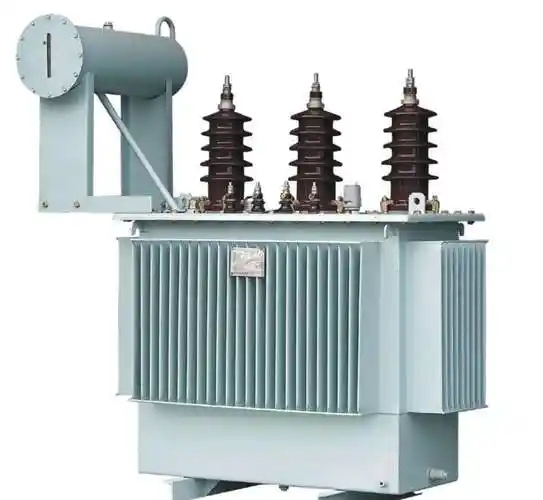
The Power Transformer is one of the most foundational, yet often misunderstood, components in any modern electrical power system. Its core function extends far beyond the common definition of simply changing voltage levels. While its principal mission is to precisely transform electrical energy parameters (either step-up or step-down), this action is fundamentally crucial for both the economic transmission and reliable distribution of electrical power. The transformer's operational ubiquity underscores its critical role: more than 90 percent of electricity in the United States goes through a transformer before it is consumed, and approximately 72 million distribution transformers are in use globally across homes, businesses, and factories.
The reliable transfer of energy hinges upon this device, which functions as the "Energy Parameter Converter," ensuring power arrives at its destination with maximum efficiency. For any engineer involved in system design, a comprehensive understanding of the transformer's full functionality—including its inherent role in fault current limitation (via impedance) and its design for minimizing energy losses—is absolutely paramount. This technical article will provide an expert breakdown of the transformer's essential functions across three crucial engineering dimensions: Voltage Transformation, Fault Management, and Efficiency Design.
Key Takeaways
Transformers change how strong the electricity is. This makes it safe for homes and devices.
They are very important in the power grid. More than 90% of U.S. electricity goes through them.
Transformers use electromagneti
c induction to move energy between coils. The coils do not touch each other.
Step-up transformers make the voltage higher for long trips. Step-down transformers make the voltage lower for safe use.
Insulation in transformers stops electrical accidents. It keeps devices safe from shocks.
Transformers are in many things we use every day. They are in kitchen appliances and electronics. They ensure devices receive the correct voltage.
Transformers require regular maintenance to remain safe and function properly. This helps stop problems and saves energy.
Knowing about transformers helps you use electricity safely. It protects your devices and saves energy.
What Is an Electrical Transformer
Basic Definition
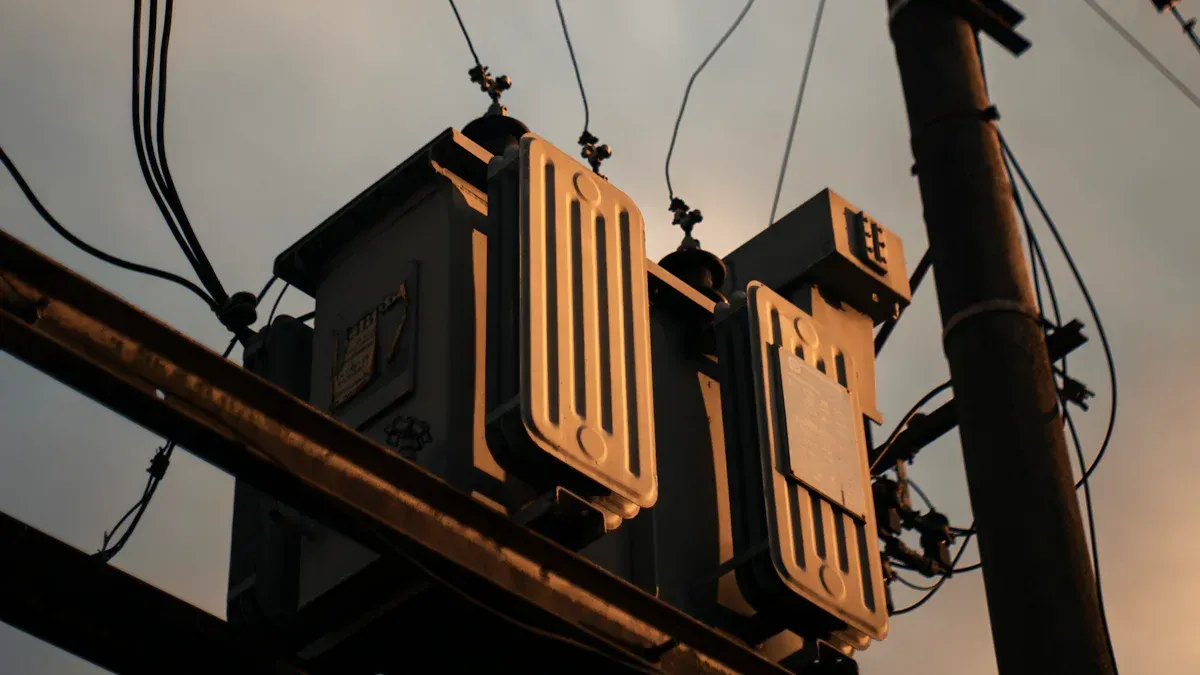
An Electrical Transformer is a device that moves electrical energy from one circuit to another. It uses two coils of wire and a magnetic field to do this. The two circuits do not have to touch each other. The transformer uses electromagnetic induction to move the energy. This lets it change the voltage without the wires touching. You can find transformers in many places. They are in power plants and even in your phone charger.
Tip: The main idea of an Electrical Transformer is easy to understand. It changes the voltage so you can use electricity safely and easily.
Main Purpose
The main job of an Electrical Transformer is to change voltage levels. Transformers make electricity stronger or weaker, depending on what is needed. Here are some important things transformers do:
Make the voltage higher to send electricity farther away.
Make the voltage lower so it is safe for homes and schools.
Help power companies move electricity to your neighborhood.
Make sure electricity moves safely and works well.
Let different machines and devices get the right power.
You can see Electrical Transformers in many places. Power stations use them to send electricity to cities and towns. Factories and hospitals use them for big machines. Even your favorite electronics need transformers to work right. By changing voltage, transformers help keep you safe and make sure your devices get the power they need.
How Does a Transformer Work
Electromagnetic Induction
You may wonder how an Electrical Transformer moves energy. It uses electromagnetic induction to do this. This means energy moves between two coils without them touching. When electricity goes through the first coil, it makes a changing magnetic field. The magnetic field travels through the core to the second coil. This changing field causes electricity to flow in the second coil.
A changing current in one coil makes a new magnetic field in the core. This new field creates a voltage in the other coil.
Energy moves between coils without them touching each other.
Electromagnetic induction happens when a changing magnetic field in one coil makes an electromotive force (EMF) in another coil.
Transformers use alternating current in the first coil. This makes a changing magnetic field, which then creates EMF in the second coil.
The first coil makes a changing current. This current causes a current in the second coil.
In a good transformer, the power in both coils stays almost the same. This shows how energy moves from one coil to the other.
Note: Mutual induction is the main idea that lets an Electrical Transformer work. It helps energy move safely and easily between two different circuits.
Voltage Conversion
An Electrical Transformer does more than move energy. It also changes the voltage to the right level for what you need. You can use transformers to make voltage higher or lower. This depends on how many wire turns are in each coil.
Primary Voltage (V_p) | Secondary Voltage (V_s) | Turns in Primary (N_p) | Turns in Secondary (N_s) |
|---|---|---|---|
V_p | V_s | N_p | N_s |
In a perfect transformer, the voltage ratio matches the number of turns in each coil. If the second coil has more turns, the voltage goes up. If it has fewer turns, the voltage goes down.
Step-Up Transformers
Step-up transformers increase the voltage. People use them to send electricity far away. Power plants use step-up transformers to raise voltage before sending it through wires. This helps stop energy loss when electricity travels.
Transformer Type | Efficiency Rate |
|---|---|
Step-Up | 98–99.5% |
Step-up transformers work very well. Most of the energy that goes in comes out as useful power.
Step-Down Transformers
Step-down transformers lower the voltage. You see these in your neighborhood or inside your home devices. They make high-voltage electricity safe for homes, schools, and businesses.
Transformer Type | Efficiency Rate |
|---|---|
Step-Down | 97–99% |
Step-down transformers also work with high efficiency. They help keep your lights, appliances, and electronics safe by giving them the right power.
Tip: You can find both step-up and step-down transformers in the power grid. They help electricity travel safely from power plants to your home.
Key Parts of a Transformer
Primary Coil
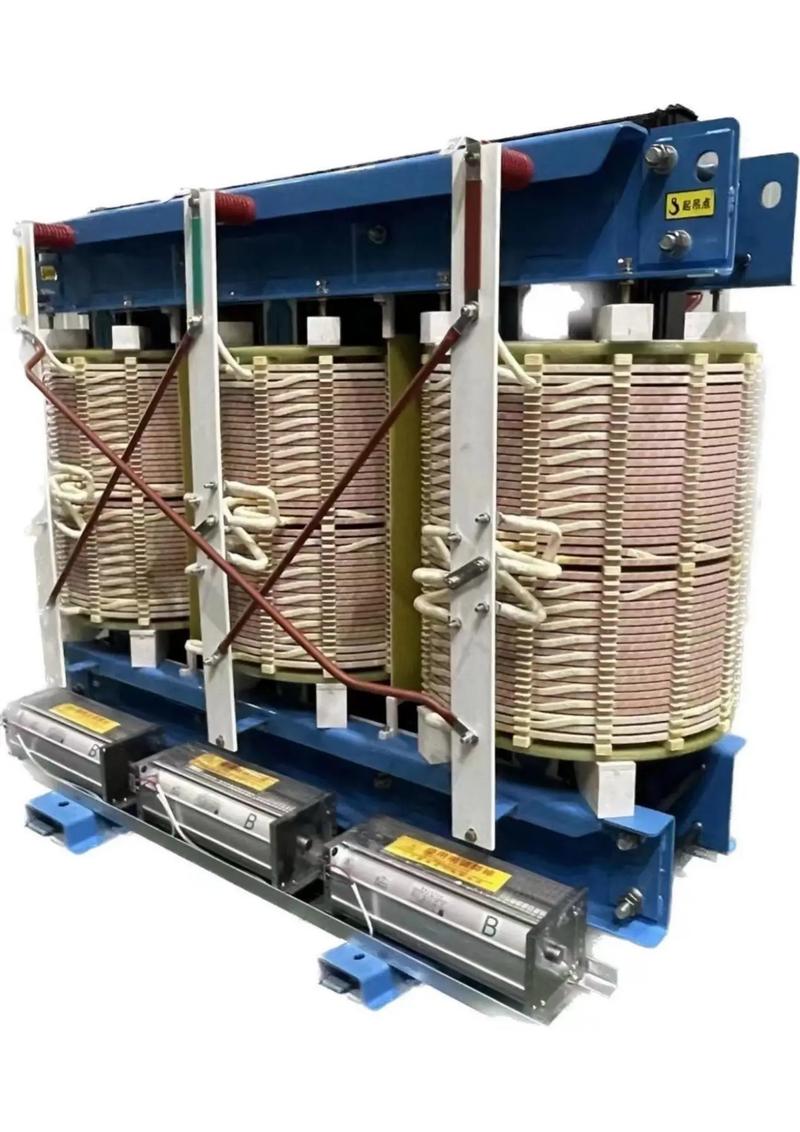
The primary coil is the first part in a transformer. It gets electricity from the power source. When you plug in something, the primary coil takes in voltage. This coil wraps around the core on the outside. Copper wire is used because it carries electricity well.
The number of turns in the primary coil is important. Changing the turns changes how much voltage the transformer can handle. The turns ratio between the coils controls the voltage change. You can control voltage by adjusting these turns. This keeps your devices safe and working right.
Here is a table that compares primary and secondary coils:
Feature | Primary Winding | Secondary Winding |
|---|---|---|
Function | Receives voltage from the utility | Step the voltage up or down for loads |
Location | Outer section of the coil | Closest to the core, requiring less insulation |
Voltage Adjustment | Has voltage adjustment taps | Provides lower voltage for distribution transformers |
Connection | Not electrically connected to the secondary winding | Connects to loads such as factories and homes |
Tip: The primary coil begins the process. You can change voltage by changing the number of turns.
Secondary Coil
The secondary coil works with the primary coil to finish the voltage change. It sits closer to the core. It does not touch the primary coil. The magnetic field from the primary coil helps make electricity in the secondary coil. The secondary coil sends new voltage to your devices or buildings.
You can change the number of turns in the secondary coil. More turns mean higher voltage. Fewer turns mean lower voltage. This lets you use the right voltage for each job.
The turns ratio decides how much the voltage changes.
More turns in the secondary coil mean higher voltage.
Fewer turns in the secondary coil mean lower voltage.
Careful winding keeps the voltage steady and stops power loss.
Note: The secondary coil gives safe and usable electricity to your devices.
Core
The core is in the center of the transformer. It is like the backbone that holds the coils. The core guides the magnetic field between the coils. This helps move energy well.
Different materials are used for transformer cores. Each material has special benefits. Here is a table showing common core materials and why they are used:
Material | Properties | Reason for Selection |
|---|---|---|
Silicon Steel | High permeability, low core losses | Preferred for its good magnetic characteristics |
Amorphous Steel | Low hysteresis and eddy current losses | Increasingly used for higher energy efficiency |
Ferrite | High resistivity, suitable for high-frequency | Ideal for applications requiring lightweight materials |
Powdered Iron | Adjustable permeability at a lower cost | Cost-effective option with customizable properties |
Nanocrystalline | Low core loss, high saturation flux density | Combines the benefits of both amorphous and crystalline materials |
Silicon steel gives strong magnetic performance and low energy loss.
Amorphous alloys help save energy with low losses.
Ferrite is good for high-frequency transformers.
Powdered iron lets you change properties for special needs.
Nanocrystalline alloys mix efficiency and strength.
Tip: The core material changes how well your transformer works. The right core gives better efficiency and less energy loss.
Insulation
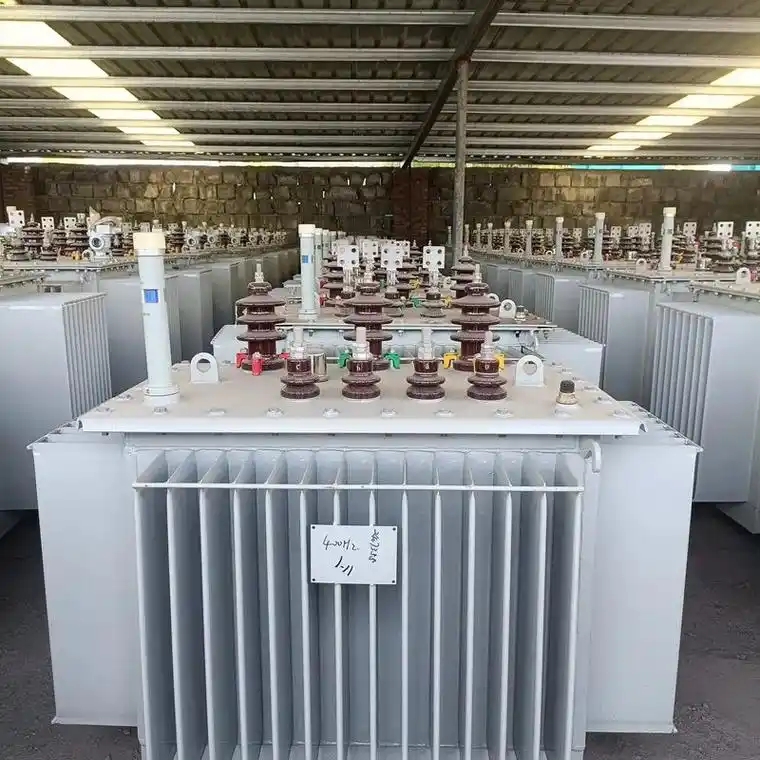
Insulation is very important in every transformer. It helps electricity move safely inside the device. Without good insulation, there could be problems like short circuits or fires. Insulation keeps the coils and the core apart. This stops electricity from going where it should not.
There are many types of insulation in a transformer. Companies use paper, oil, resin, and special plastics. Each one works best for different jobs. Paper and oil are used in big power transformers. Resin and plastics are better for smaller devices. These materials block electricity and keep the coils apart.
Insulation does more than just separate parts. It keeps you and your devices safe from shocks. When you use a transformer, insulation holds the high voltage inside. This keeps the electricity from getting out. You stay safe because insulation stops leaks.
Insulation helps in many ways:
Insulating materials stop short circuits inside the transformer.
Checking insulation resistance helps find problems early.
Partial discharge monitoring finds small insulation issues before they get worse.
Finding problems early can stop big failures and keep things working.
Insulation can get weaker over time. Heat, water, and age can hurt insulation. If insulation gets weak, electricity can escape. You need to check insulation often. Technicians use tools to test insulation resistance. If resistance is low, the insulation needs fixing.
Partial discharge monitoring adds more safety. This test finds tiny sparks inside the insulation. These sparks mean the insulation is starting to break down. If you find these problems early, you can fix them before they get worse.
Here is a table showing common insulation materials and their uses:
Material | Use in Transformers | Benefit |
|---|---|---|
Paper | Large power transformers | Good electrical properties |
Mineral Oil | Cooling and insulation | Absorbs heat, insulates well |
Resin | Small transformers | Strong and durable |
Plastic Film | Electronics and devices | Thin, flexible, high voltage |
Tip: Always make sure insulation is in good shape. Good insulation keeps your transformer safe and working well.
Insulation is one of the most important parts of a transformer. You need it to keep electricity in the right place. Using strong materials and checking often keeps you and your devices safe. Insulation makes sure your transformer works safely every day.
Types of Electrical Transformers
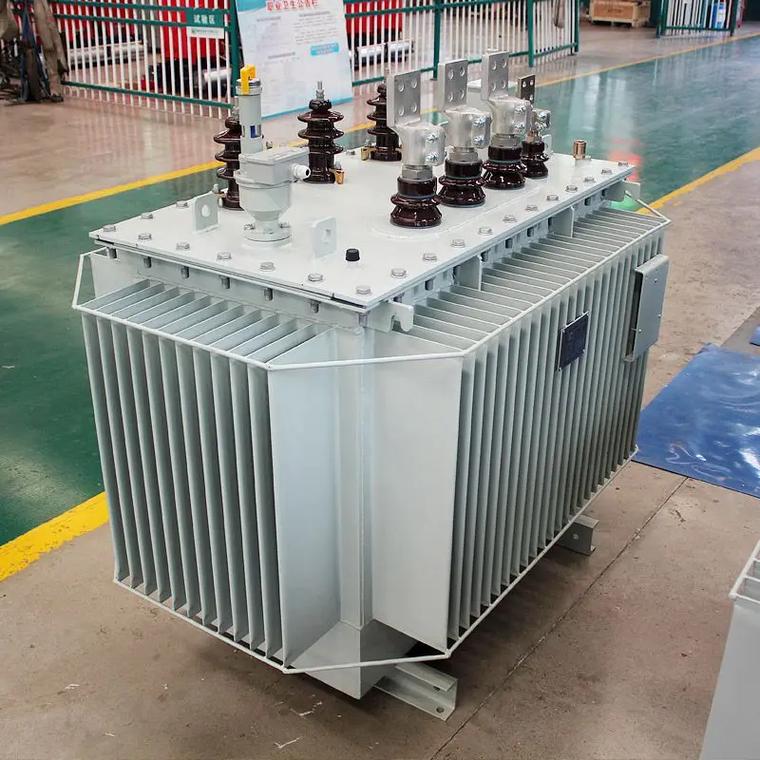
Power Transformers
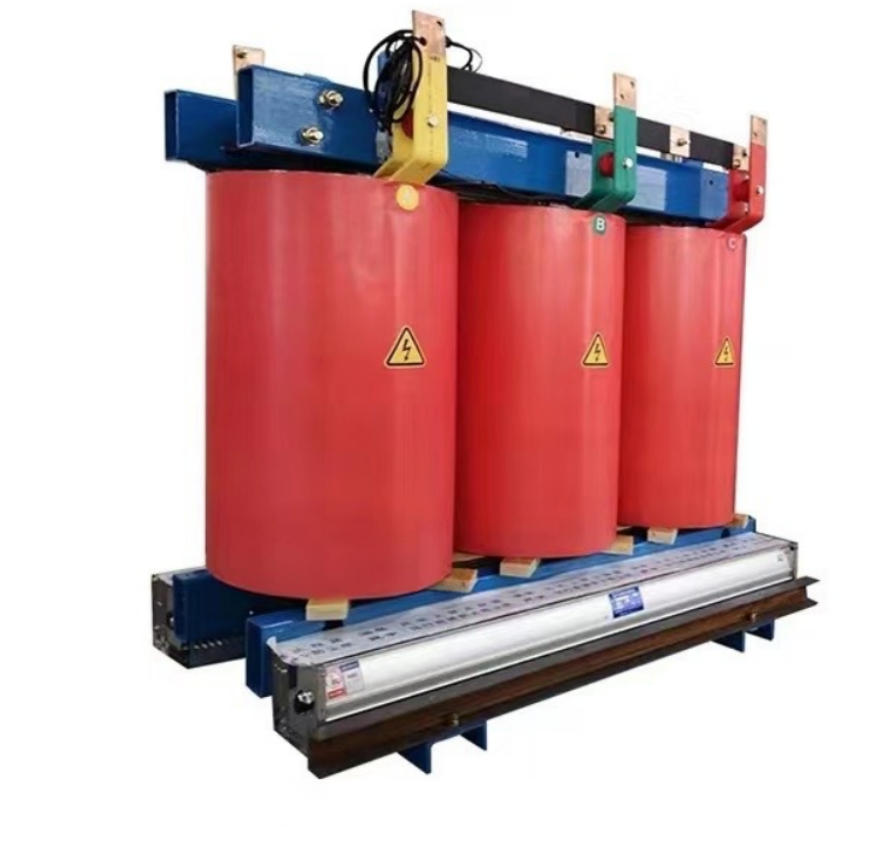
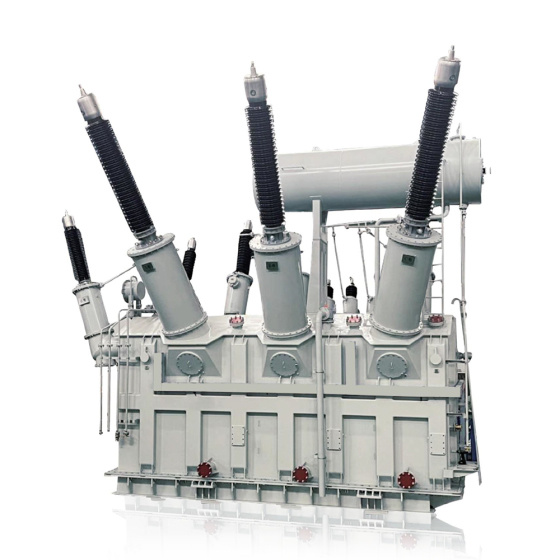
Power transformers help move electricity over long distances. You find them in power plants and substations. They work with very high voltages, above 33,000 volts. These transformers send electricity from where it is made to where it is needed. They work best when they carry as much electricity as they can. This is called running at full load.
Power transformers are big and heavy. They need special cooling, like oil or forced air, to stay safe. Only trained workers can take care of them because they are complicated. You do not see these transformers near homes or small stores. They are used in large networks that send electricity far away.
Here is a table that compares power transformers and distribution transformers:
Feature | Power Transformer | Distribution Transformer |
|---|---|---|
Primary Use | Transmission over long distances | Distribution to end-users |
Voltage Level | High (33kV and above) | Low to medium (up to 33kV) |
Location | Power plants, substations | Near homes, businesses, and factories |
Load Operation | Operates at full load | Operates at 60–70% load |
Efficiency Focus | Maximum efficiency at full load | All-day efficiency at varying loads |
Physical Size | Large and heavy | Compact and lightweight |
Cooling Method | Advanced (oil forced, air forced) | Simple (oil natural, air natural) |
Voltage Regulation | Excellent | Good for local needs |
Maintenance | Requires skilled maintenance | Easier, routine maintenance |
Installation | Needs a special foundation and equipment | Easy to install on poles or pads |
Typical Applications | Transmission networks, substations | Residential, commercial, and industrial areas |
Power transformers help electricity travel far without losing much energy.
Distribution Transformers
Distribution transformers bring electricity to your street or building. You see them on poles or in boxes near houses. They change high voltage from power lines to a lower voltage you can use. Most work with voltages from 11,000 to 33,000 volts. They lower the voltage to 240 or 120 volts for homes and offices.
Distribution transformers are smaller and lighter than power transformers. They do not need fancy cooling systems. You can put them on poles or pads easily. These transformers usually run at about 60–70% of their full load. They are made to work well all day, even if the amount of electricity changes.
Primary voltage: 11kV to 33kV
Secondary voltage: 240V or 120V
Power: 50 kVA to 2,500 kVA
Most distribution transformers have ratings below 200 kVA, but some go up to 5,000 kVA. You use these transformers every day to keep your lights and devices working.
Isolation Transformers
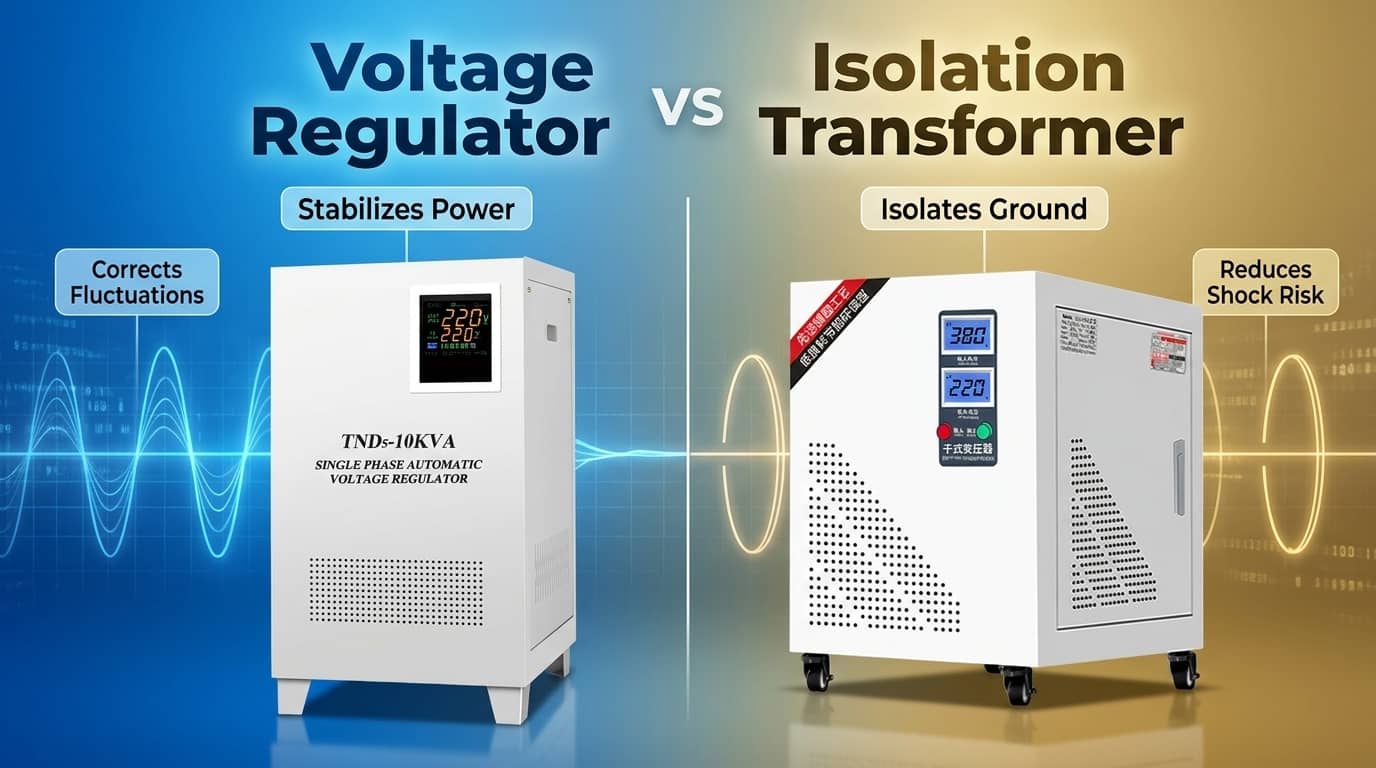
Isolation transformers keep you and your devices safe from electrical problems. They do not change voltage like other transformers. Instead, they separate the input and output sides. This stops electricity from moving straight between circuits. You use isolation transformers to protect sensitive equipment and reduce electrical noise.
Isolation transformers have a turns ratio of 1:1. This means the voltage is the same on both sides. Their main job is safety. These transformers stop electric shock and block interference from other devices.
Here is a table that shows how isolation transformers are different from regular transformers:
Feature | Isolation Transformers | Regular Transformers |
|---|---|---|
Primary Function | Electrical isolation | Voltage conversion |
Turns Ratio | Typically 1:1 | Varies (step-up or step-down) |
Safety | Prevents direct electrical contact | Focuses on voltage levels |
Common Applications | Protecting sensitive equipment, reducing noise | General power distribution |
The secondary winding is not connected to the ground to stop an electric shock.
There is an extra layer between the primary and secondary windings.
You use isolation transformers to keep power clean and protect equipment.
Isolation transformers work by keeping the windings apart. This design keeps you safe and helps your devices work well.
Specialty Transformers
Specialty transformers are used for special electrical needs. You use them when regular transformers do not work. These transformers have unique shapes for certain jobs. You can find them in audio gear, measuring tools, and new electronics.
Here is a table that lists some common specialty transformers and what they do:
Type of Transformer | Unique Uses |
|---|---|
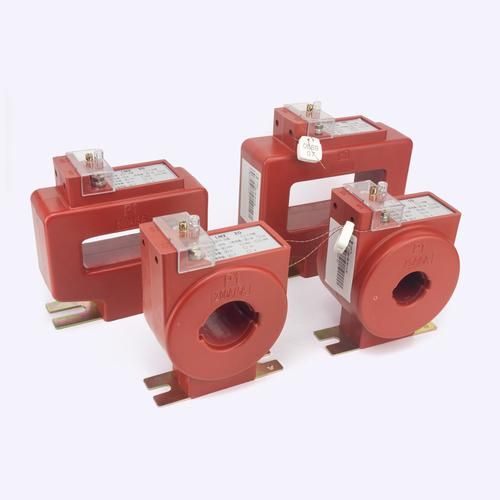
Current Sense Transformer | Designed for specific load resistance to obtain a fixed ratio of output voltage to primary current. |
Audio Transformer | Used for impedance transformation and isolation to eliminate noise from ground loops. |
Planar Transformer | Utilizes flat windings on a PCB, offering unique advantages in form factor and design. |
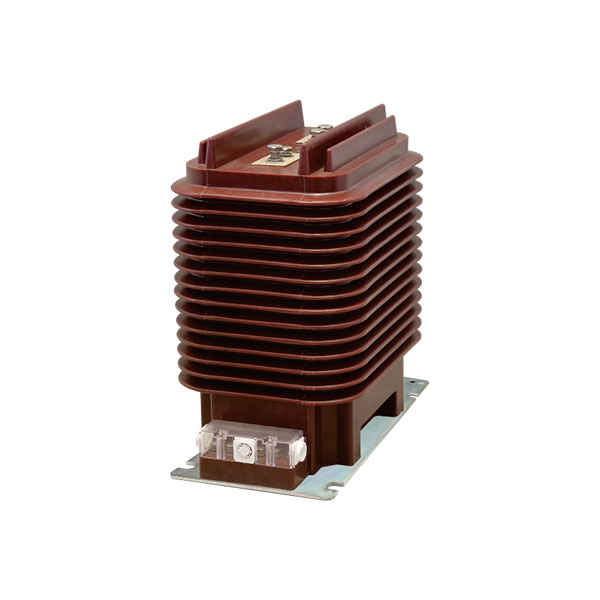
A current sense transformer is used to measure electric current safely. It helps you check how much current is in a circuit. You often see it in power meters and control panels. It gives you correct readings without stopping the main circuit.
An audio transformer helps you get clear sound in your devices. It matches the impedance between audio equipment. This transformer also blocks noise, so music or voices sound better. You find audio transformers in microphones, speakers, and studios.
A planar transformer has flat windings on a printed circuit board. This makes the transformer thin and small. You see planar transformers in laptop chargers and phone adapters. They work well at high frequencies and fit in small spaces.
Tip: Specialty transformers fix problems that regular transformers cannot. They give you better safety and performance in special cases.
You can use specialty transformers for many things: Impedance matching, balancing, and blocking noise for clean sound. They also help with high-frequency power in chargers and adapters.
You also use them to change balanced signals to unbalanced. They keep impedance matched to stop signal loss.
Specialty transformers help your devices work their best. They protect sensitive equipment and make signals better. You depend on them in many modern devices, even if you do not notice them.
Uses of Transformers
Home Applications
You use transformers at home almost every day. Most people do not notice them. Transformers help your devices get the right voltage. This keeps your devices safe. Some things need a voltage converter, especially if you travel. Some devices only work with one voltage. A transformer stops them from breaking.
Here are some household devices that use transformers or need a voltage converter:
Kitchen appliances like blenders, coffee makers, and electric kettles
Vacuum cleaners that are not dual voltage
CPAP machines for sleep therapy, especially when traveling
Game consoles, especially older models
Laptops, mostly older versions
Camera battery chargers, depending on their design
Power tool chargers that are not dual voltage
Refrigerators, washing machines, and air conditioners when relocating internationally
Audio and video equipment such as DVD players and stereos
Personal electronics like hair dryers with high power needs
Using the right transformer protects your devices from damage. It also keeps your family safe from electrical dangers. When you plug in a device, the transformer gives it the correct voltage. This helps your electronics last longer and work better.
Tip: Always check the voltage before plugging in a device. This is very important if you travel or buy electronics from another country.
Power Grids
Transformers are very important in the power grid. You need them to keep electricity steady and safe. They help move electricity from power plants to your home or school. Transformers change voltage so electricity can travel far without losing power.
You can see how transformers help the power grid in this table:
Mechanism | Contribution to Stability |
|---|---|
Voltage Regulation | Keeps voltage levels safe, preventing equipment problems |
Load Balancing | Spreads out the load, stopping overheating and failures |
Fault Management | Isolates trouble spots during faults, helping the system recover quickly |
Impedance Control | Limits fault currents and controls voltage changes, making the grid stronger |
Transformers also help stop problems by limiting current. This makes protective devices work better. It stops problems from spreading. This keeps the power system stable and helps you avoid blackouts.
Note: Transformers make sure you get safe and steady electricity every day.
Industrial Uses
You see transformers in factories and big plants. They help run heavy machines and robots. Transformers give each machine the right power. They change the output voltage to match what each machine needs. This keeps equipment safe from too much or too little voltage.
Transformers also protect against electrical problems. They stop too much voltage or current from hurting machines. You need transformers to keep production running well. If something goes wrong, transformers help stop the problem from spreading.
In factories, transformers make sure robots and control systems get the right power. This means better performance and fewer breakdowns. Transformers help keep workers safe and protect expensive machines.
Transformers are the backbone of modern industry. You need them for safety, efficiency, and smooth operation.
Electronics
You use transformers every time you turn on electronics. They help your gadgets work safely and last longer. You find transformers inside TVs, computers, and phone chargers. Gaming consoles also have them. These devices need the right voltage to work well. Transformers make sure each device gets the correct power.
When you plug in a device, the transformer changes the wall’s high voltage. It lowers the voltage to match what your device needs. If the voltage is too high, your device can break or get too hot. If the voltage is too low, your device might not work. Transformers protect your electronics from these problems.
Transformers help your electronics in many ways. They keep the voltage steady so your device does not get damaged. They stop overheating by giving just the right power. They help your device work better and last longer. They prevent sudden failures that can ruin your electronics.
Tip: Always use the right charger or adapter for your device. Using the wrong one can damage your electronics.
It is very important to have the right transformer size. The transformer must match your device’s power needs. If the transformer is too small, it can get too hot and break. If it is too big, it wastes energy and does not work well. The right size keeps your device safe and helps it last longer.
Here is a table that shows how transformer sizing affects your electronics:
Transformer Size | Safety Level | Efficiency | Device Lifespan |
|---|---|---|---|
Too Small | Low | Poor | Short |
Correct Size | High | Good | Long |
Too Large | Medium | Fair | Medium |
You find transformers in many types of electronics. Some devices use very small transformers. Others need bigger ones for more power. For example, a phone charger uses a tiny transformer. A desktop computer uses a larger one to power all its parts.
Transformers also help block unwanted signals. This keeps your device from acting strangely. You get clear sound from speakers and smooth pictures on screens. Transformers keep the power clean.
You depend on transformers to keep your electronics safe. They make sure your devices get the right voltage and stay cool. You enjoy better performance and longer life for your gadgets. Next time you use your phone or play a game, remember a transformer is working inside.
Importance of Transformers
Safety
You need transformers to keep electricity safe for everyone. They stop electric shock and fire by using strong insulation. Special designs help prevent accidents from happening. Many industries have safety rules for transformers. These rules make sure transformers are safe in homes, hospitals, and offices.
Here is a table with some important safety standards:
Standard | Description |
|---|---|
IEC 60601-1 | Governs medical electrical equipment, requiring two means of protection for safety. |
IEC 61558-2-16 | Focuses on safety for transformers and power supply units, specifying insulation and protection requirements. |
IEC 60950-1 | Applies to information technology equipment, aiming to reduce risks of fire and electric shock. |
UL 1310 | Pertains to Class 2 power supplies, ensuring maximum output voltage and safety for low-voltage devices. |
You see these rules in hospitals and computer labs. They help keep people and devices safe. Transformers use cooling systems and strong cases to stop overheating. You avoid danger because insulation and protection are used. Regular checks help stop problems like oil leaks or insulation breaking down. You stay safe when you use things powered by transformers.
Tip: Always use devices that meet safety standards. These rules keep you safe from electrical dangers.
Efficiency
Transformers help you save energy every day at home and work. They change the voltage so electricity moves with less waste. This means you pay less for power and use less energy. Transformers control how energy flows and keep heat low. Less heat means less energy is wasted.
Here is a table showing how transformers help with efficiency:
Key Factor | Description |
|---|---|
Voltage Adjustment | Adjusts high-voltage electricity to suitable levels for safe and efficient use in buildings. |
Energy Flow Control | Prevents energy waste by controlling the rate of energy flow, ensuring optimal distribution. |
Lower Heat Generation | Regulated voltage leads to less heat production, reducing overall energy consumption. |
You see these good effects in factories, offices, and data centers. Factories use transformers to keep voltage steady and save money. Offices get lower bills because transformers control voltage. Data centers use transformers to match energy needs and cut waste.
Transformers also help the environment. Less energy is lost and fewer bad materials are used when old transformers are recycled. Some transformers use special fluids that are better for the environment. You help the planet when you pick energy-saving devices.
Reliable Power
You count on transformers for steady and reliable power every day. Transformers can last a long time, often 20 to 30 years. You get many years of use if you take care of them. Dry-type transformers can last even longer with good care.
Transformers can have problems like getting too hot or insulation breaking down. You avoid these problems by checking cooling systems and looking at insulation. Technicians use special relays to stop faults before they cause trouble. Regular checks help you find problems early.
You also help nature by recycling old transformers. Companies use closed-loop systems to cut waste. Take-back programs keep transformers out of landfills. New transformers use safe fluids that do not hurt the earth.
You get safe, efficient, and steady electricity because transformers work hard in the background. You have power for your home, school, and devices every day.
Common Misconceptions
What Transformers Cannot Do
Some people think transformers can do anything with electricity. This is not right. Many believe transformers make electrical power. But transformers only change the voltage. They do not create new energy.
Transformers are not power generators. You cannot use a transformer to make electricity from nothing. They only adjust voltage so electricity moves safely.
Step-up transformers do not add more energy to a system. When the voltage goes up, the current goes down. The total power stays almost the same, except for a little heat loss. Transformers only change how electricity moves, not how much energy you have.
Note: If you want more electricity, you need a generator. A transformer helps you use the electricity you already have in a safer way.
Some people think step-up transformers make their devices stronger. This is not true. Transformers only change voltage. The amount of usable energy does not go up. Your device will not get more powerful just by using a transformer.
Here are some common myths and facts:
Myth: Transformers make power.
Fact: Transformers only change voltage levels. They do not make energy.
Myth: Step-up transformers give you more energy.
Fact: Step-up transformers raise voltage but lower current. The total power stays almost the same.
Myths About Size and Power
You may have heard that all strong transformers are big and expensive. This is not always true. Many step-up transformers for homes are small and not costly. You can find small transformers behind your TV or in a phone charger.
Transformer size depends on how much power it must handle. The rating, shown in kVA, tells you the maximum load the transformer can carry.
The power factor is important too. If your devices have a low power factor, you need a bigger transformer for the same real power. For example, a 100 kW load at a 0.8 power factor needs a 125 kVA transformer.
Here is a simple table to help you see:
Load (kW) | Power Factor | Needed Transformer Size (kVA) |
|---|---|---|
100 | 1.0 | 100 |
100 | 0.8 | 125 |
Tip: Always check both the power rating and power factor before picking a transformer. This helps stop overheating and keeps your devices safe.
Some people think bigger transformers always work better. This is not true. If you use a transformer that is too big, you waste energy and money. If you use one that is too small, it can get too hot and break.
Fact: Many step-up transformers for homes are small and not expensive.
You should choose the right size transformer for your needs. This keeps your devices safe and helps everything work well.
Transformers make electricity safer by changing voltage and moving energy. They help power your home and new technology.
Changing voltage keeps power steady and stops energy loss.
Transformers link solar and wind power to the grid.
New grids use smart transformers to save more energy.
You count on transformers for steady power. If you want to know more, find out how transformers help your world.
FAQ
What happens if you use the wrong transformer at home?
You risk damaging your devices. The wrong transformer can give too much or too little voltage. Always check your device’s voltage needs before plugging it in.
Can a transformer work with both AC and DC electricity?
You can only use a transformer with AC (alternating current). Transformers do not work with DC (direct current). The magnetic field must change for the transformer to work.
Why do transformers make a humming sound?
You may hear a hum because the core vibrates when electricity flows. This vibration creates sound. The hum is normal and usually not a sign of a problem.
How long does a transformer last?
Most transformers last 20 to 30 years. Good care and regular checks help them last longer. Heat, moisture, and overloads can shorten their life.
Do all electronic devices need transformers?
Not every device needs a transformer. Many small gadgets use adapters or batteries. Devices that plug into wall outlets often need transformers to get the right voltage.
Can you touch a transformer safely?
Never touch a transformer, especially if it is large or outside. High voltage can cause serious injury. Always let trained workers handle transformers.
What is the difference between a step-up and a step-down transformer?
A step-up transformer increases voltage. A step-down transformer lowers voltage. You use step-up transformers to send electricity far. You use step-down transformers to make electricity safe for homes.
How do you know if a transformer is failing?
You may notice flickering lights, strange noises, or a burning smell. If you see these signs, call an electrician. Do not try to fix a transformer yourself.