The 4 Main Types of Proximity Sensors Explained
When you talk about non-contact proximity detection, you’re usually talking about one of four core technologies. Each type of proximity sensor has a different working principle, ideal detection range, and target material it’s best suited for.
The four main types of proximity sensors are:
Inductive proximity sensors
Detect only metal objects (steel, stainless steel, aluminum, brass, etc.).
Work by generating an electromagnetic field; metal entering this field changes it and triggers a switch.
Ideal for industrial automation, machine tools, and metal part detection where durability and reliability matter.
Capacitive proximity sensors
Detect both metallic and non-metallic materials (plastics, liquids, wood, powders, glass).
Use changes in capacitance to sense objects, even through thin non-metallic walls.
Perfect for level detection, packaging lines, and applications where you need to sense different materials with one device.
Photoelectric proximity sensors
Use light (usually infrared) to detect objects without contact.
It offers the longest detection range of the four types and can handle very small or fast-moving targets.
Common in conveyors, counting systems, object positioning, and safety detection.
Ultrasonic proximity sensors
Measure distance using high-frequency sound waves and echo time.
Works well for transparent, shiny, or dark objects that can challenge optical sensors.
Widely used for tank level measurement, robotic distance control, and parking or collision-avoidance systems.
In practice, you’ll choose between these proximity switch types based on what you need to detect (metal vs. any material), the environment (dust, moisture, glare), and the required range and precision. Understanding these four core technologies is the first step to selecting a proximity sensor that performs reliably in your real-world application.
Inductive Proximity Sensors: How They Work and Common Uses
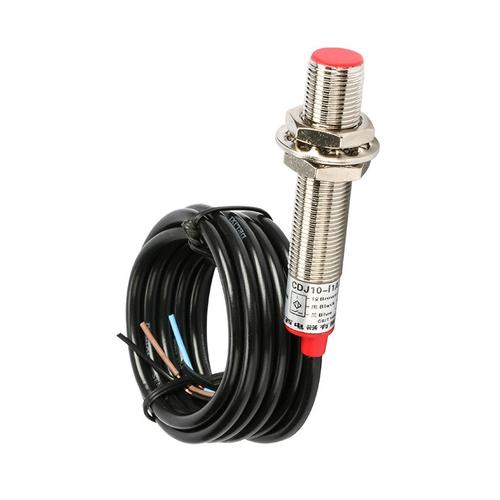
Inductive proximity sensors are the go-to choice when you need reliable metal detection without contact. They create an electromagnetic field at the sensing face. When a metal object (steel, aluminum, copper, etc.) enters that field, it changes the field’s strength. The sensor’s electronics detect this change and switch the output on or off—acting like a non-contact proximity switch.
How Inductive Proximity Sensors Work
Here’s the basic proximity sensor working principle for inductive types:
A coil in the sensor generates a high-frequency electromagnetic field.
A metal target entering this field causes eddy currents in the metal.
These eddy currents weaken the field, and the sensor’s circuit detects the change.
The sensor then switches its output (NPN or PNP) to signal object detection without contact.
You’ll often see NPN vs PNP proximity sensor options:
NPN (sinking): Common in legacy US industrial systems with PLC inputs tied to positive voltage.
PNP (sourcing): More common in modern control panels here in the States because wiring and troubleshooting are simpler.
Common Applications in the US Market
Inductive sensors are built for harsh industrial environments—dust, oil, vibration, and electrical noise. That’s why I prefer them where reliability matters more than long range. Typical proximity sensor applications include:
Factory automation: Position sensing on conveyors, part presence detection, and counting metal components.
Machine safety & interlocks: Detecting machine guards or doors closed using metal detection sensors instead of mechanical limit switches.
Motor and gearbox feedback: Speed sensing using metal targets on shafts or gears.
Power and utility equipment: Position feedback on metal mechanisms in switchgear, breakers, or even around high-voltage hardware like a rod-type composite suspension insulator where you want non-contact detection near live components.
Key Strengths and Limits
When I’m choosing between proximity switch types, I use inductive sensors when:
The target is metal (especially steel).
I only need a short detection range (typically 1–20 mm, depending on size).
The environment is dirty, oily, or wet, and I need something that just keeps working.
I want a fast response for counting or high-speed automation.
Main limitations you need to keep in mind:
They do not detect non-metal materials (plastic, wood, glass, liquid).
The proximity sensor detection range drops with non-ferrous metals (like aluminum or brass).
Detection distance is shorter than capacitive, photoelectric, or ultrasonic sensors.
If your application is metal-heavy and in a rough industrial setting—packaging lines, CNC cells, automotive assembly, or power equipment—an inductive proximity sensor is usually the most rugged, low-maintenance choice.
Capacitive Proximity Sensors: Operating Principle and Applications
A capacitive proximity sensor is what you use when you need non-contact proximity detection for more than just metal. Unlike an inductive proximity sensor that only “sees” metal, a capacitive sensor can detect metal, plastic, glass, wood, liquids, powders, and even some granular materials.
How a Capacitive Proximity Sensor Works
Here’s the basic proximity sensor working principle for capacitive types, without overcomplicating it:
Inside the sensor, there’s an oscillator and a sensing electrode that together form a tiny capacitor.
When an object enters the electric field in front of the sensor face, the capacitance changes.
Once that change crosses a set threshold, the sensor flips its output (NPN or PNP), acting like a proximity switch.
No physical contact, no mechanical wear — just stable, electronic switching.
You can usually tweak sensitivity with a built-in adjustment screw or teach button, which is handy when you’re trying to ignore background material and only detect a certain object or fill level.
Key Applications in Real-World Use
In the U.S. market, I see capacitive proximity sensors used anywhere you need object detection without contact across different materials:
Level detection
Detect liquid levels in plastic or glass tanks (water, oils, chemicals).
Bulk material monitoring: grain, plastic pellets, flour, cement, etc.
Packaging lines
Check for the presence of bottles, caps, labels, or blister packs.
Detect product through non-metallic containers or packaging films.
Food, beverage, and pharma
Monitor product levels through non-metallic walls to keep sensors out of direct contact with the product.
Plastics and woodworking
Detect plastic parts, pellets, or wood boards where inductive metal-only sensors are useless.
HVAC and building systems
Flow and presence detection through non-metal ducting or containers.
Anywhere you need a versatile industrial proximity sensor that isn’t limited to metal, a capacitive type is often the first option I reach for.
When to Pick Capacitive Over Inductive
If you’re stuck choosing between inductive vs capacitive sensors, use this quick logic:
You only need a metal detection sensor capability → go inductive (better immunity and often longer life in harsh metal-heavy environments).
You need to detect liquids, plastics, or powders through a non-metal wall → go capacitive.
You need adjustable sensitivity and multi-material detection → capacitive wins.
In more complex switchgear or power-distribution setups, I often pair capacitive or inductive proximity sensors with gear like a gas-insulated ring main unit to get reliable position and status feedback without adding fragile mechanical limit switches.
For wiring, you can get capacitive sensors in NPN or PNP output versions, so match that to your PLC or controller standard. Getting this right up front saves a lot of troubleshooting later.
Photoelectric Proximity Sensors: Understanding the Three Sub-Types
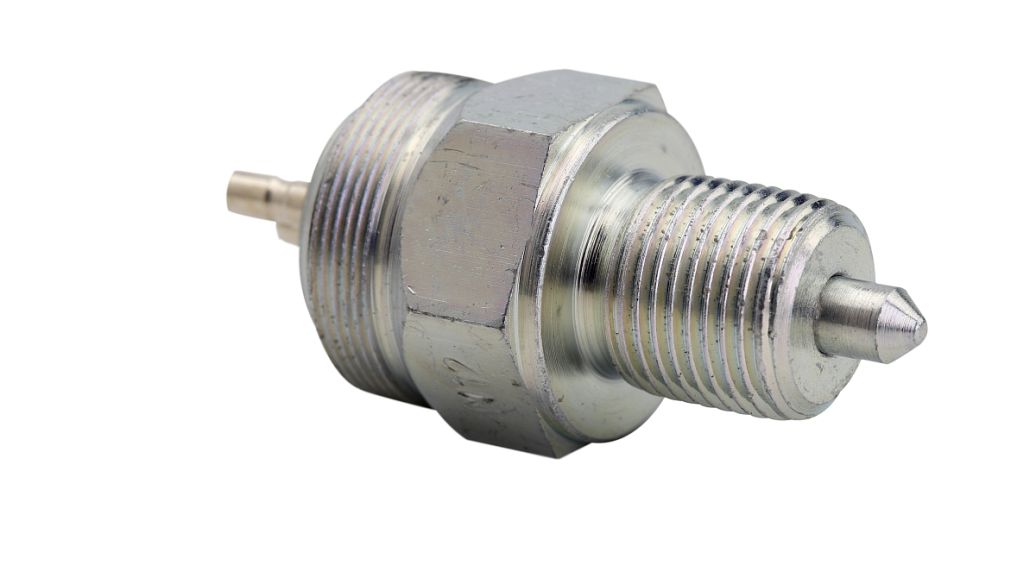
Photoelectric proximity sensors use light (usually infrared or visible) to detect objects without contact. They’re one of the most flexible proximity switch types because they can detect almost any material: metal, plastic, glass, wood, liquid, and even transparent objects if set up correctly.
In U.S. industrial automation, you’ll mainly see three sub-types:
1. Through-Beam (Opposed Type)
Through-beam photoelectric sensors have a separate emitter and receiver facing each other.
How it works (proximity sensor working principle):
The emitter sends a constant light beam to the receiver.
When any object blocks the beam, the sensor switches output (ON/OFF).
Key points:
Longest detection range (can reach several meters).
Best for dirty, dusty, outdoor, or high-vibration environments because it’s very reliable and resistant to false triggers.
Great for object detection without contact on conveyor lines, pallet detection, and safety zones.
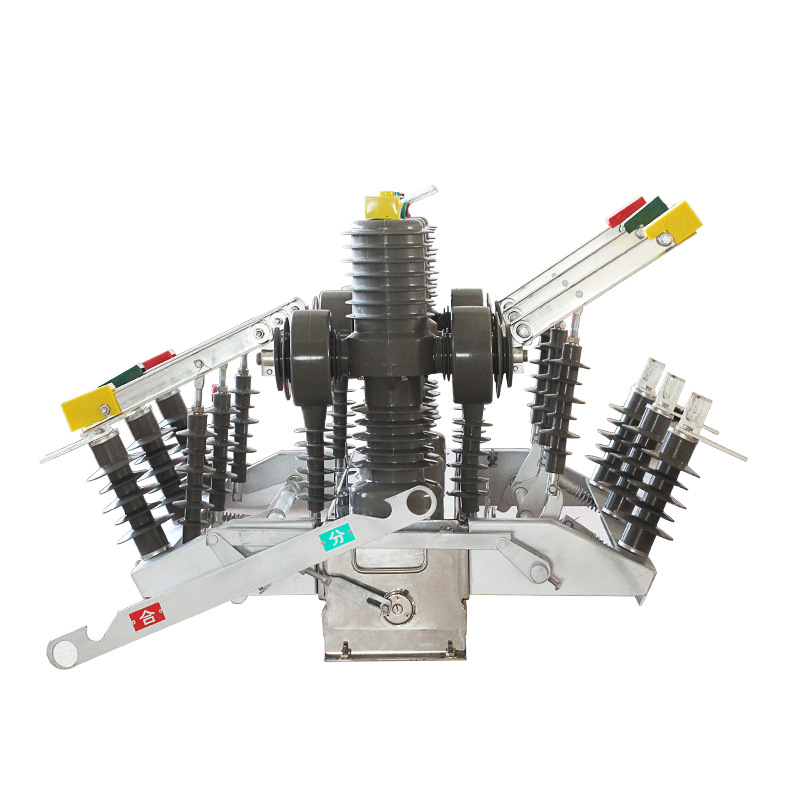
If you’re working around high-voltage distribution gear, you’ll often see through-beam sensors used near outdoor switching and protection equipment such as an outdoor high-voltage AC vacuum circuit breaker to monitor door positions, mechanism travel, or breaker truck position without mechanical wear.
2. Retro-Reflective
Retro-reflective sensors place the emitter and receiver in the same housing, aimed at a reflector across from them.
How it works:
The sensor sends light to a reflector.
The reflector bounces the light back to the receiver.
When an object passes between the sensor and reflector, the light is interrupted and the output changes.
Key points:
Easy installation: Only one powered device and a simple reflector.
Medium detection range (usually shorter than through-beam but longer than diffuse).
Works well for carton detection, packaging lines, and gate/door monitoring.
Needs care when detecting shiny or reflective surfaces (you may need polarization filters).
3. Diffuse (Proximity Style)
Diffuse photoelectric sensors are closest to what most people think of as a “standard proximity sensor.”
How it works:
The emitter and receiver are in the same body.
Light hits the target; the target reflects part of that light back to the sensor.
When enough reflected light is detected, the sensor output switches.
Key points:
Simplest wiring and mounting – just point it at the area you want to monitor.
Shorter proximity sensor detection range than the other types, but still very flexible.
Can be tuned to detect different colors, contrasts, or small parts.
Ideal for part presence checking, counting items on a belt, and detecting labels or packaging variations.
Quick Notes for U.S. Users
All three photoelectric types come in NPN and PNP output options, so match the sensor to your control system standard.
Compared with inductive proximity sensors (great as a metal detection sensor) and capacitive proximity sensors, photoelectric sensors stand out when you need longer range and non-contact detection of nearly any material.
They’re a top choice in industrial proximity sensors for logistics centers, warehouse automation, packaging equipment, and smart manufacturing systems across the U.S.
If you want stable, long-range non-contact proximity detection with flexible mounting and material-agnostic sensing, one of these three photoelectric sub-types will usually fit your project.
Ultrasonic Proximity Sensors: How Sound Waves Detect Materials
Ultrasonic proximity sensors use high-frequency sound waves (above human hearing) to detect objects without contact. They’re one of my go-to options when I need reliable non-contact proximity detection over a longer distance or with tough materials.
How Ultrasonic Proximity Sensors Work
Here’s the basic proximity sensor working principle for ultrasonic types:
The sensor’s transducer sends out a short burst of ultrasonic sound.
That sound wave hits an object and reflects to the sensor.
The sensor measures the “time of flight” (how long it took to return).
Using that time, it calculates the distance and decides if an object is within the set detection range.
Key points:
Works with almost any material: metal, plastic, glass, liquid, wood, even rough or dirty surfaces.
Not sensitive to color or transparency, unlike many photoelectric proximity sensors.
Typical proximity sensor detection range: from a few inches up to several feet, depending on the model.
Where Ultrasonic Sensors Are Used
In the U.S. market, I see ultrasonic proximity sensors used a lot in:
Level detection: Monitoring liquid levels in tanks and sumps without touching the fluid.
Packaging and logistics: Detecting boxes, bags, and irregular shapes on conveyors.
Parking and vehicle assistance: Distance sensing in parking systems and AGVs.
Robotics and automation: Obstacle detection for mobile robots and automated carts.
Any time you need object detection without contact and don’t want to worry about color, dust, or surface finish, ultrasonic is a strong candidate.
Pros and Cons vs Other Proximity Switch Types
Compared to other proximity switch types:
Advantages:
Detects almost any solid or liquid material.
Longer range than inductive or capacitive in many cases.
Works well in dusty, dirty, or foggy environments where light-based sensors struggle.
Limitations:
Performance can be affected by air turbulence, strong wind, or extreme temperature changes.
Soft, sound-absorbing materials (like foam or fabric) can reduce detection reliability.
Not as fast as some inductive proximity sensors for high-speed counting.
In industrial automation, I usually pair ultrasonic sensors with protective power components like a properly rated disconnect switch to make maintenance and lockout/tagout safer and cleaner in the control panel.
Quick Comparison Table – The 4 Types at a Glance
Here’s a quick comparison of the four main types of proximity sensors to help you understand their unique features and uses:
| Sensor Type | Detection Method | Typical Range | Common Applications |
|---|---|---|---|
| Inductive Proximity Sensor | Electromagnetic field | Short (1-10mm) | Metal detection in industrial settings |
| Capacitive Proximity Sensor | Changes in capacitance | Medium (1-50mm) | Detection of non-metallic objects |
| Photoelectric Proximity Sensor | Light beam interruption | Long (up to 10m) | Object detection in automated systems |
| Ultrasonic Proximity Sensor | Sound wave reflection | Long (up to 20m) | Distance measurement and object detection |
Each sensor type has its strengths, so the right choice depends on your specific application. For example, suppose you need to detect metals in a factory setting. In that case, an inductive proximity sensor is ideal, while a photoelectric sensor would work best for detecting objects at a distance in automated systems.
When selecting a proximity sensor, consider factors like detection range, material type, and environmental conditions. For a deeper dive into how these sensors work in various applications, check out the medium-voltage vacuum circuit breaker guide.
How to Choose the Right Proximity Sensor for Your Project
When I pick a proximity sensor for an industrial or automation job, I always narrow it down using a simple checklist: target material, distance, environment, and signal type. Here’s how to do the same for your project.
1. Start with the Target Material
This is the fastest way to rule sensors in or out:
| Target Type | Best Sensor Type | Notes |
|---|---|---|
| Ferrous/non-ferrous metal | Inductive proximity sensor | Rugged, fast, short-range |
| Any solid (metal, plastic, glass, wood) | Capacitive proximity sensor | Sensitive to moisture/dust |
| Small parts, labels, packaging, light objects | Photoelectric proximity sensor | Long range, very flexible |
| Any material needs a longer distance, not ultra-fast | Ultrasonic proximity sensor | Great for level and distance |
If you only need metal detection (for example, on a conveyor near switchgear or industrial disconnector equipment similar to what’s used in high-voltage isolation systems), go straight to inductive.
2. Check the Required Detection Range
0–10 mm: Inductive is usually best.
Up to ~40 mm: Capacitive or short-range photoelectric.
Up to several meters: Photoelectric or ultrasonic.
Need a tight, precise sensing point? Photoelectric with a focused beam is ideal.
3. Consider the Environment
Ask where the sensor will actually live:
Dirty/oily / metal chips/coolant
Favor inductive (for metal) or sealed ultrasonic.
Dust, paper, plastic pellets, powder
Capacitive or ultrasonic, depending on distance.
Outdoor / sunlight / reflective surfaces
Use a photoelectric sensor with proper filtering or an ultrasonic sensor to avoid reflections.
High vibration or harsh industrial zones
Rugged inductive proximity sensors with strong housings are usually the most reliable.
4. Pick NPN vs PNP Output
In the U.S., most modern PLC and automation panels favor PNP (sourcing), but always match your control system:
PNP (sourcing): Output provides +V when active
NPN (sinking): Output pulls to 0V when active
Check:
What is your PLC input type (sinking or sourcing)
Control voltage (often 24 VDC in U.S. industrial panels)
5. Define Mounting and Wiring Needs
Flush vs non-flush mounting (inductive sensors especially) affects detection range.
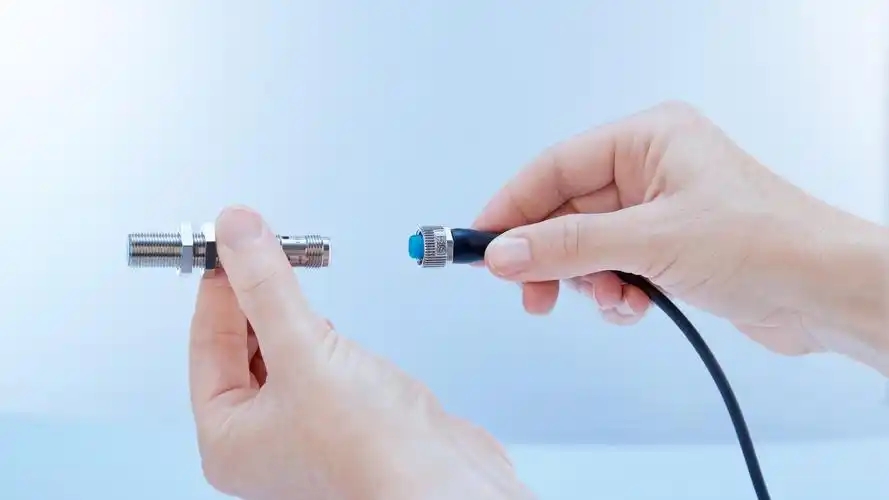
Choose M8/M12 connectors if you want a quick swap-out in maintenance-heavy plants.
Make sure the housing (stainless, brass, plastic) matches your environment and washdown needs.
6. Match Response Time and Application
High-speed counting on a production line → inductive or photoelectric
Level measurement in tanks, bins, silos → capacitive or ultrasonic
Presence check in packaging lines → photoelectric is usually the go-to
7. Quick Sensor Selection Map
| Your Priority | Likely Best Choice |
|---|---|
| Metal only, rugged, close range | Inductive proximity sensor |
| Any material, short–medium range | Capacitive proximity sensor |
| Fast, small parts, long range, flexible | Photoelectric proximity sensor |
| Level sensing, longer distance, any material | Ultrasonic proximity sensor |
When I spec sensors for U.S. customers, I always balance cost, replacement ease, and panel compatibility. If you line up those three with the table above, you’ll land on the right proximity sensor for your project almost every time.
Latest Trends in Proximity Sensor Technology (2025)
In 2025, proximity sensor technology is moving fast, and it directly impacts how we design industrial equipment, automation lines, and smart infrastructure in the U.S. Here are the key trends I’m seeing that actually matter in real projects:
1. Smarter, More Connected Proximity Sensors
Modern inductive, capacitive, photoelectric, and ultrasonic proximity sensors are no longer “dumb switches.” We’re seeing:
IO-Link and industrial Ethernet built in, so you can pull real-time diagnostics, temperature, signal strength, and operating hours.
Remote parameter setting, which lets maintenance teams tweak sensing range or response time from the PLC or SCADA instead of walking the line.
Better integration with advanced protection equipment like metal-clad switchgear systems in substations and critical power rooms.
2. Higher Reliability for Harsh Environments
U.S. factories, utilities, and outdoor installations are demanding tougher sensors:
Wide temperature ranges for outdoor power and utility work.
IP67/IP69K housings for washdown and food-grade environments.
Strong resistance to electrical noise and surges, which is crucial when sensors are installed near heavy gear such as circuit breakers and disconnect switches in high-fault-current systems (see this breakdown of circuit breakers, disconnect switches, and power safety).
3. Longer Detection Range and More Materials
Manufacturers are pushing the limits of non-contact detection:
Extended-range inductive proximity sensors for metal detection at greater distances.
More sensitive capacitive sensors that handle plastics, powders, grains, and liquids more accurately.
Advanced photoelectric and ultrasonic sensors that track clear objects, thin films, or soft materials without constant re-tuning.
4. Energy Efficiency and Miniaturization
Designers want smaller, more efficient hardware:
Low-power proximity sensors that fit into battery-powered or solar-powered devices.
Miniature housings for tight spaces in modern compact machinery and control panels.
LED indicator optimization and smart power management to cut energy waste without losing performance.
5. Built-In Safety and Predictive Maintenance
Proximity sensors are playing a bigger role in safety and uptime:
More sensors are certified or designed for safety-rated circuits (guard doors, emergency stops, presence detection).
Predictive maintenance capabilities: sensors can warn about misalignment, contamination, or signal degradation before a line goes down.
Better integration with auto-reclosers and modern grid equipment, supporting smarter fault detection and recovery in 11kV and medium-voltage systems, similar to what’s driving advances in auto recloser technology.
6. Customization for U.S. Market Needs
For U.S. OEMs and system integrators, the trend is clear:
Flexible wiring (NPN vs PNP, 2-wire vs 3-wire) to match existing control panels and UL-listed equipment.
Fast lead times and consistent specs, so replacement sensors drop into existing lines without re-certification.
Strong supplier support: clear data sheets, real test data, and reliable local technical support.
In 2025, choosing a proximity sensor is less about “can it detect an object” and more about “can it communicate, survive our environment, and help us run with less downtime.” That’s where I focus product development and selection because that’s what actually saves money and headaches in real U.S. installations.