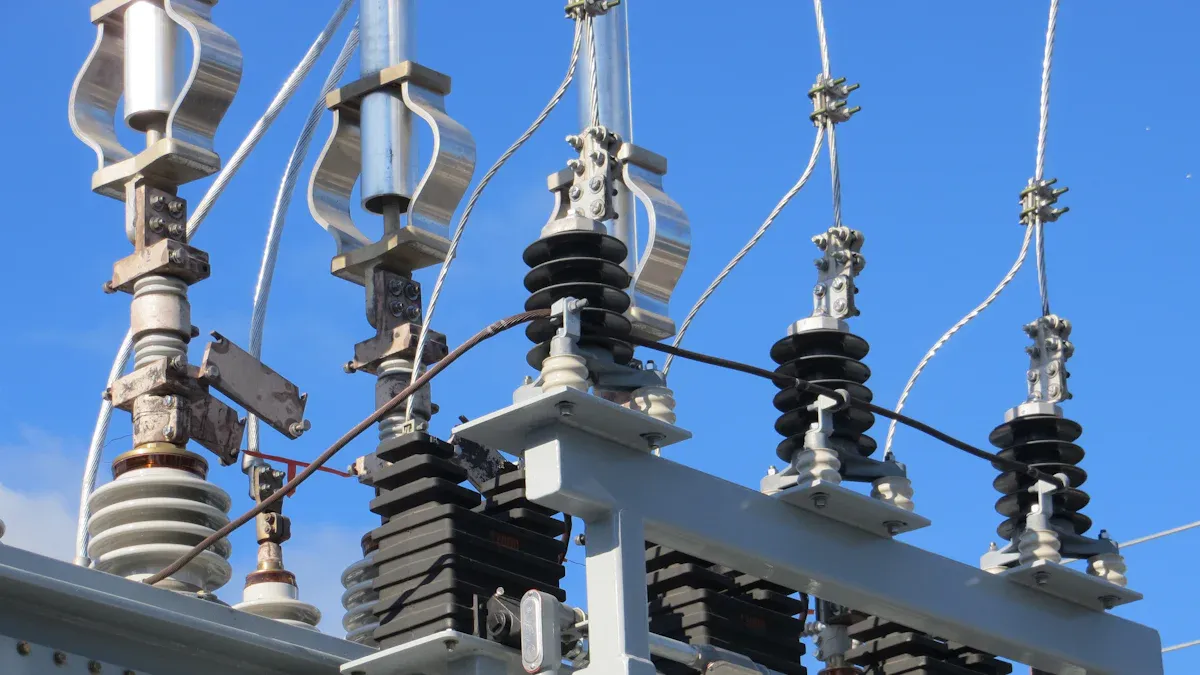
Why Do We Need a Disconnector?
Is shutting off the breaker enough during electrical maintenance? For professionals in the power industry, the answer is a clear no.
Even when a circuit breaker is tripped, dangerous induced voltages or unexpected backfeeds can remain in the system. That hidden energy can be lethal to anyone working on equipment.
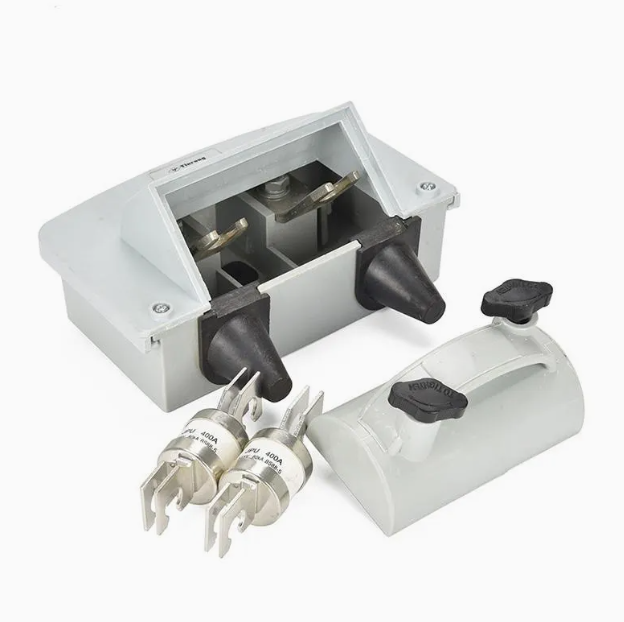
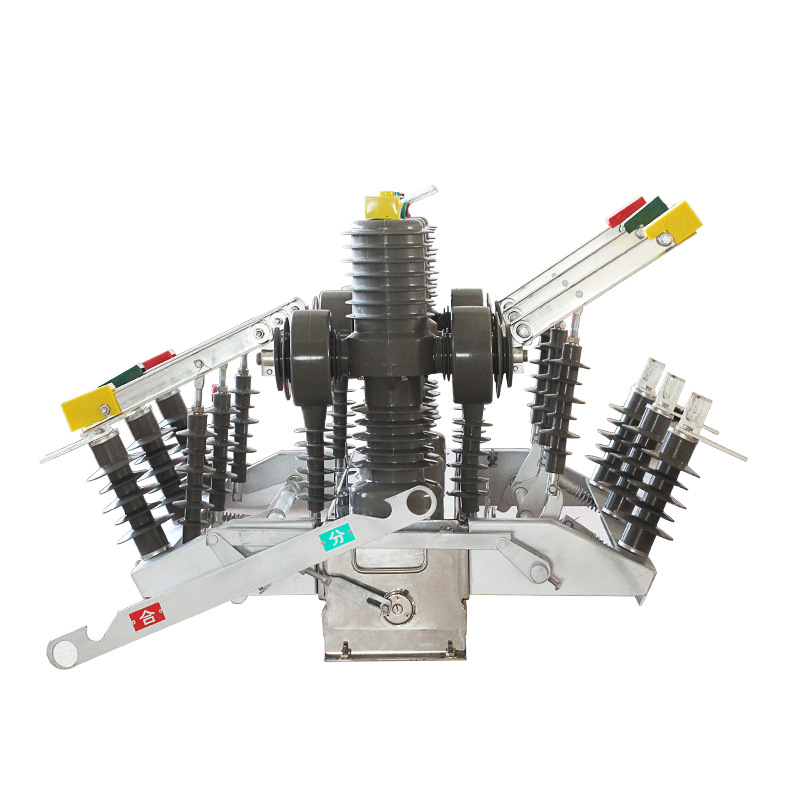
This is where the disconnector (also known as an isolator switch) plays its critical role. Its primary duty is to create a visible, physical gap that guarantees complete de-energization of the circuit.
Core Function: Safe Isolation
A disconnectors exists for one reason—safety isolation. It is a mechanical switch that lacks arc-quenching capability and is only operated when no load current is flowing.
Once opened, it creates a visible gap between conductors. That visual confirmation gives workers absolute assurance that the circuit is safe to touch.
Many people confuse it with a circuit breaker, but their purposes are very different. The disconnector provides isolation, while the breaker offers protection.
A disconnector cannot break load current without creating a dangerous arc. A circuit breaker, on the other hand, can safely interrupt fault or load current.
Visual Demonstration
▶ Video Example
This short clip clearly shows how a disconnector’s contacts separate to form that critical visible isolation gap.
Five Key Duties of a Disconnector
The purpose of a disconnector in the power system comes down to five critical duties:
Personnel Safety
Provides a physical break in the circuit, eliminating any chance of accidental energization during maintenance.Fault Isolation
Separates a faulted section or device from the grid, preventing the fault from spreading.Maintenance Convenience
Creates a completely safe working environment for transformers, breakers, and capacitor banks.Path Switching
Used in certain designs as a bypass or transfer switch, keeping the system running during partial shutdowns.Coordination with Ground Switches
Works together with grounding switches to discharge induced voltages, guaranteeing absolute safety.
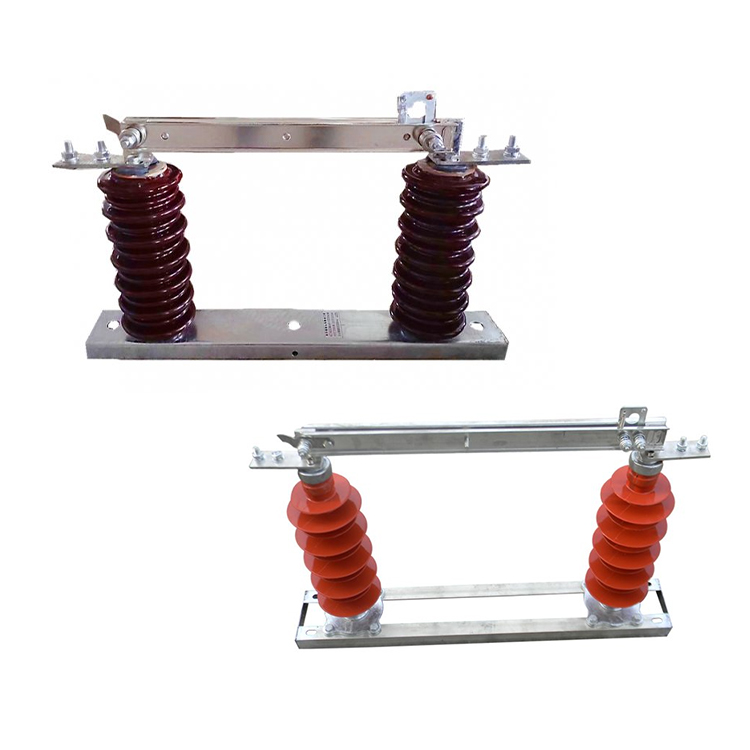
Application in Different Scenarios
In substations – At a 500kV substation, maintenance staff cannot enter the bus section until the isolator is fully opened and the gap is visible.
In industry, before replacing a CNC machine’s spindle motor, the disconnect switch must be pulled to prevent accidental shock.
In buildings, A residential AC disconnect box is often placed beside the outdoor compressor, giving technicians a safe and convenient way to cut power.
Why Operation Rules Matter
Why is it dangerous to operate a disconnector under load? Because it has no arc-quenching ability.
If done incorrectly, the result can be a violent arc flash, short circuit, or even an explosion.
That’s why electrical systems are built with strict interlocks and “Five Prevention” rules. These rules guarantee that the sequence of breaker, disconnector, and ground switch operations is always correct.
Step-by-Step Safe Operation
A proper disconnector operation should always follow this sequence:
Confirm that the circuit breaker has interrupted the load current.
Open the disconnector, creating a visible physical gap.
Test the line with a voltage detector to confirm zero potential.
Close the grounding switch to discharge residual or induced voltage.
Post warning signs and set up protective barriers around the work zone.
Conclusion: The Foundation of Electrical Safety
The disconnector is not just another switch—it is the foundation of safe electrical operations.
It provides visible, absolute isolation, allowing every repair, inspection, or upgrade to be carried out without risk.
Understanding its role and respecting its correct procedures is more than technical compliance. It is a direct commitment to protecting lives in the power industry.
Frequently Asked Questions
What is the difference between a disconnector and an isolator?
There is no functional difference; the two terms are often used interchangeably to refer to the same device. "Disconnector" is a more common term in American English, while "isolator" is more widely used in British English.
What types of disconnectors are there?
Disconnectors are primarily classified by their voltage level (high, medium, or low) and their physical structure (e.g., center-break, pantograph, or knee-type), which determines their use in different applications.
What is a switch-disconnector?
A switch-disconnector is a hybrid device that can both isolate a circuit (like a disconnector) and safely open or close it while carrying a current (like a switch). However, they are still not designed to interrupt large fault currents like a circuit breaker.