What is a Vacuum Circuit Breaker?
A Vacuum Circuit Breaker, commonly known as a VCB, is a robust and essential piece of electrical equipment designed to protect power networks. By utilizing a vacuum as the medium to interrupt electrical arcs, it safely stops current flow during system faults or standard operational switching. Known for their outstanding durability and compact footprint, VCBs are the preferred protective switchgear for medium-voltage systems across industrial and commercial facilities in the United States.
Components and Construction
The physical build of a VCB is engineered for maximum reliability and minimal maintenance. The architecture is centered around a highly secure, sealed environment.
Here are the primary components that make up the breaker:
Vacuum Interrupter: The hermetically sealed outer envelope, typically made of high-alumina ceramic or glass, which maintains the high-vacuum environment.
Fixed and Moving Contacts: Positioned directly inside the interrupter. The moving contact utilizes a stainless steel bellows to allow movement without compromising the vacuum seal.
Operating Mechanism: The external mechanical drive that physically executes contact separation and closure.
Sputter Shield: A metallic shield surrounding the contacts that prevents vaporized contact material from condensing on the insulating outer envelope.
Working Principles and Function
The fundamental function of a VCB leverages the extraordinary dielectric strength of a pure vacuum. Unlike air or gas breakers, a VCB requires very little space to extinguish an arc.
The operational sequence follows a precise, instantaneous process:
1. Fault Activation: Upon detecting a short-circuit or overload, the operating mechanism forces the moving contact away from the fixed contact.
2. Arc Formation: At the exact moment of contact separation, the microscopic contact points vaporize, creating a metal vapor arc that sustains the current temporarily.
3. Rapid Arc Extinction: Because the surrounding environment is a vacuum, the electrons and ions produced by the arc expand and dissipate outward toward the sputter shield at rapid speeds.
4. Dielectric Recovery: The moment the alternating current crosses its natural zero point, the arc extinguishes. The vacuum environment instantly recovers its superior dielectric strength, completely stopping the fault current and securing the system voltage.
Types of Vacuum Circuit Breakers
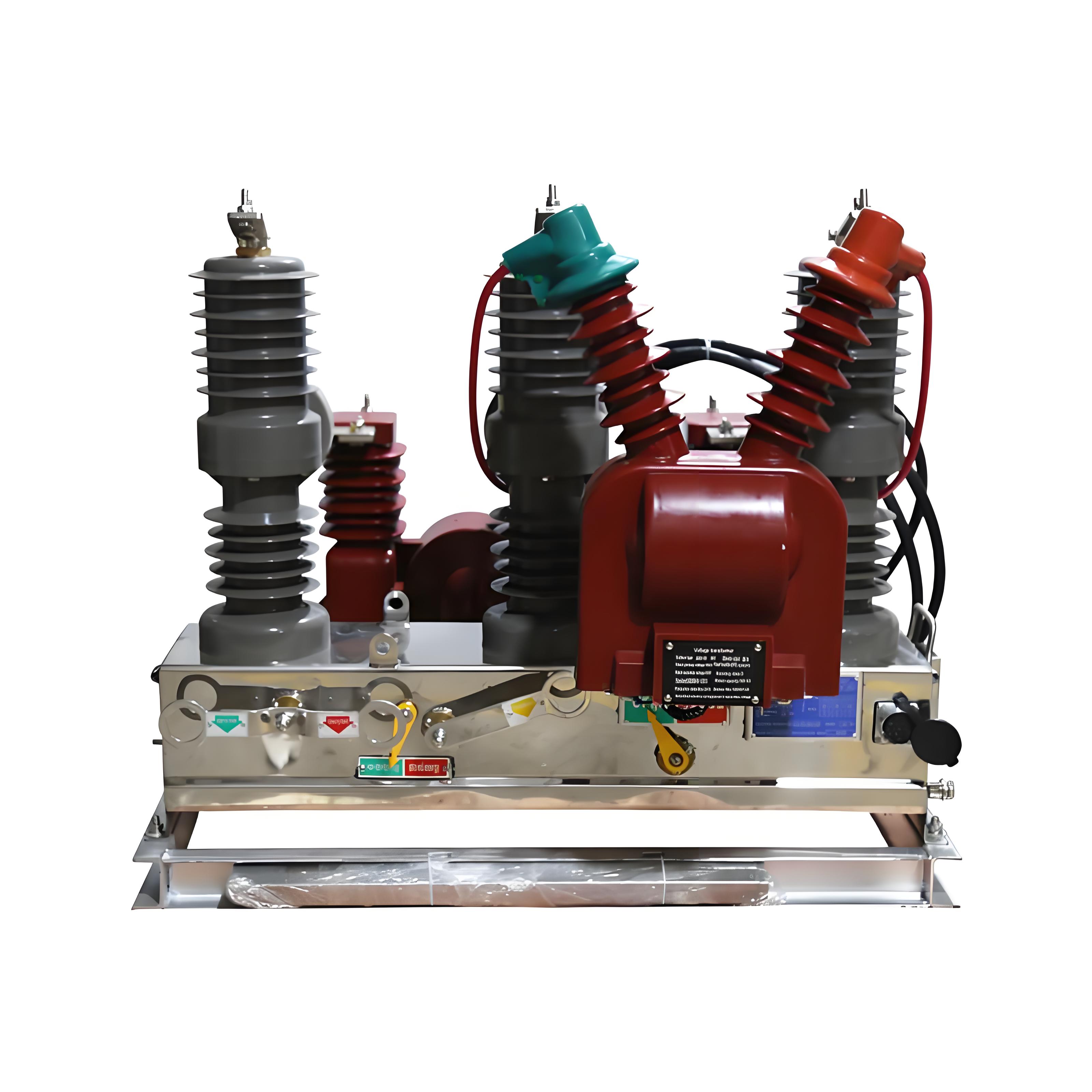
When I help facility managers figure out how to select a vacuum circuit breaker, the first step is always narrowing down the category. The core technology remains the same across the board—at the heart of every unit is a highly efficient vacuum interrupter that handles the crucial arc extinction process. However, the outer housing and insulation change drastically depending on where and how you plan to deploy this electrical equipment.
Here is a quick breakdown of the three main types you will encounter in the US market:
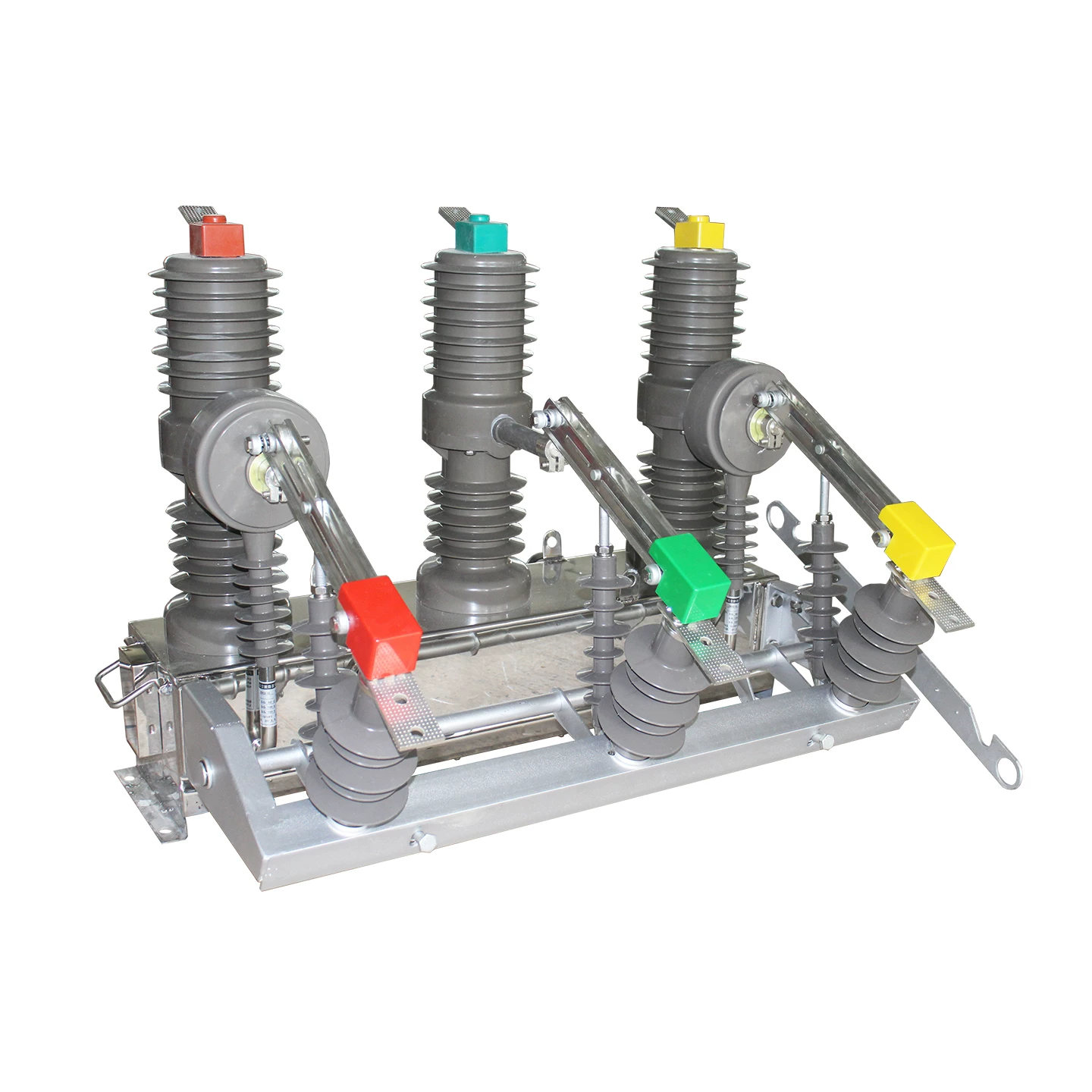
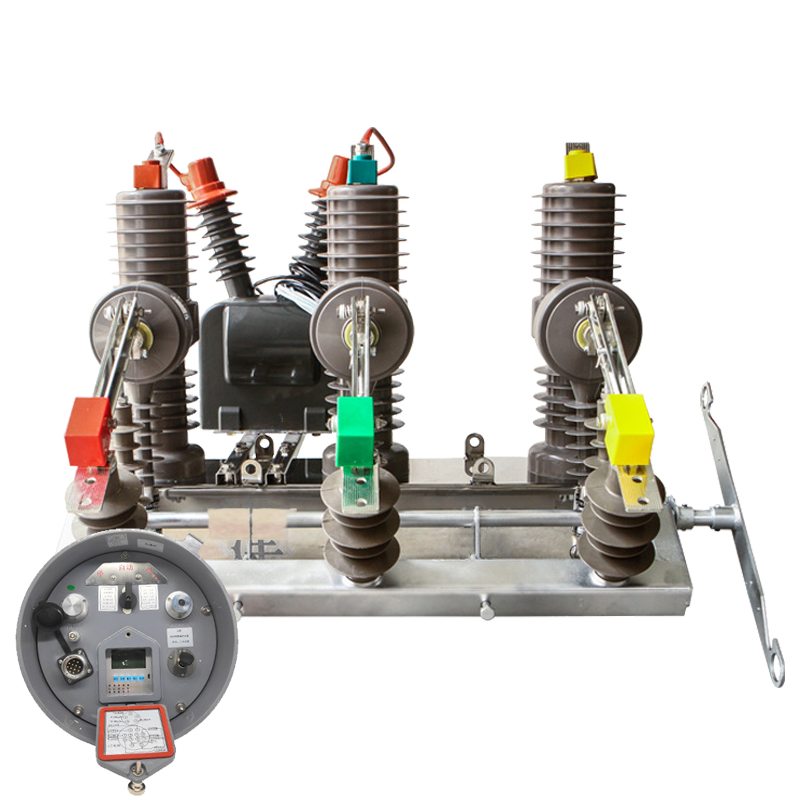
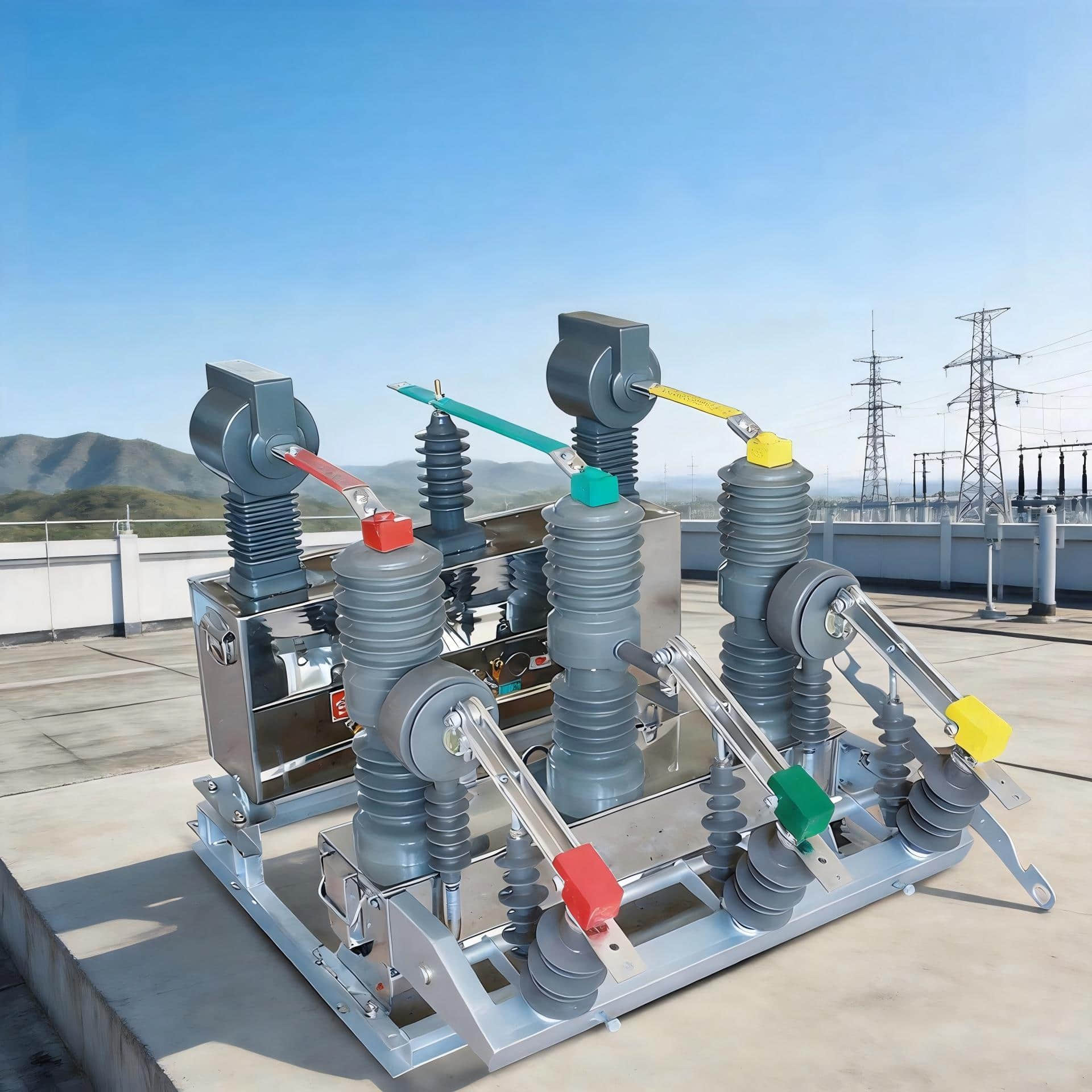
Outdoor Vacuum Circuit Breakers
If your system sits out in the open, exposed to unpredictable weather, this is your go-to option. Outdoor VCBs are built tough to handle extreme ambient conditions, from freezing winters in the Midwest to blistering summers in the Southwest.
Weatherproof Housing: Specially sealed to keep moisture, ice, and dust away from the sensitive internal components.
Grid Deployment: Perfect for pole-mounted utility setups and rural distribution networks.
Clearances: Features wider contact separation to prevent external electrical flashovers in wet conditions.
High Voltage Vacuum Circuit Breakers
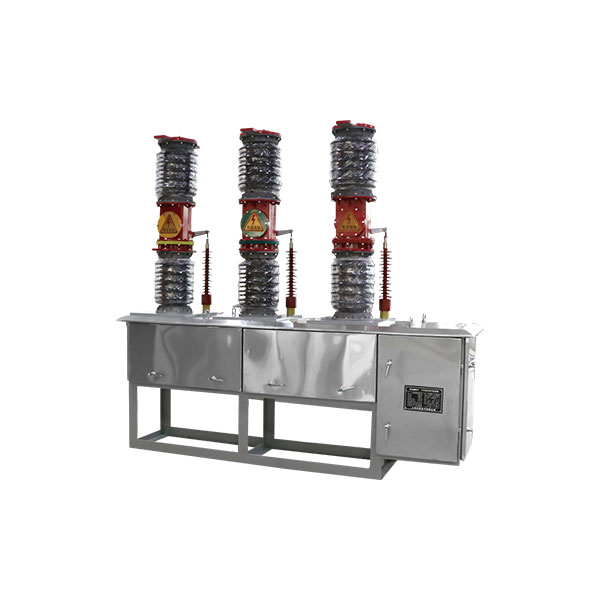
For heavy-duty industrial manufacturing or major transmission lines, standard units simply won’t cut it. You need equipment built to shoulder extreme power loads and massive fault currents.
Upgraded Capacity: Engineered specifically for a massive maximum current and high system voltage.
Robust Durability: Boasts a superior electrical endurance and mechanical endurance rating to handle frequent operational switching without degrading.
System Safety: Delivers excellent short-circuit ratings to instantly kill massive electrical faults before they can damage your expensive infrastructure.
Gas Insulated Vacuum Circuit Breakers
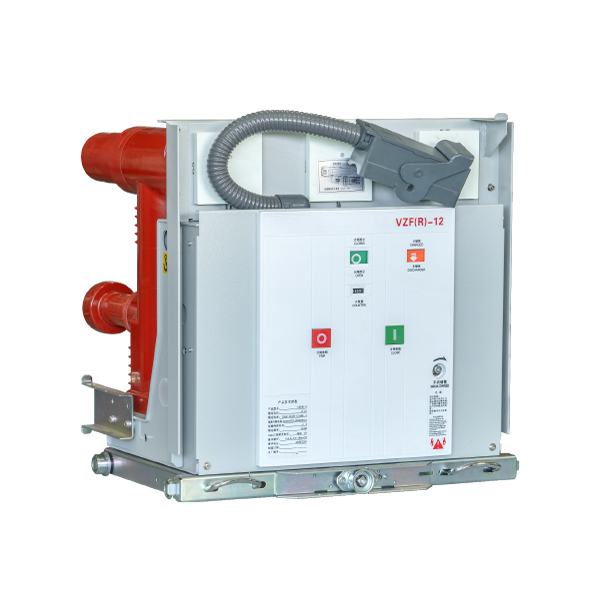
When floor space is incredibly tight—like in a crowded downtown commercial building or an indoor fixed type cabinet type switchgear room—these are the ultimate space-savers. They combine reliable vacuum switching with gas insulation to aggressively shrink the equipment footprint.
Compact Design: Perfect for an 11kV VCB or 10kV switchgear setup where square footage is highly limited.
Complete Protection: The surrounding gas acts as an extra layer of insulation, keeping the whole unit completely safe from high humidity, dust, and atmospheric pollution.
Industrial Reliability: Often utilized alongside or as an alternative to SF6 load break switches to guarantee reliable industrial power distribution in confined urban environments.
Pros and Cons of Vacuum Circuit Breakers

When I talk to facility managers about upgrading their power distribution setups, the conversation inevitably turns to the pros and cons of Vacuum Circuit Breakers (VCBs). Understanding these trade-offs is a crucial step in learning how to select a vacuum circuit breaker that fits your specific grid requirements.
Advantages for Electrical Systems
VCBs offer incredible reliability for modern electrical equipment. In our experience across US power networks, the benefits heavily outweigh the downsides, especially for medium-voltage infrastructure.
Superior Arc Extinction: The vacuum environment quenches arcs almost instantly during operational switching. This rapid response minimizes damage and wear.
High Endurance: VCBs boast an impressive mechanical endurance rating alongside high electrical endurance. They can easily handle tens of thousands of operations without breaking a sweat.
Compact Footprint: Because of the highly efficient vacuum bottle, the contact separation distance is exceptionally small. This makes VCBs perfect for tight spaces, such as an indoor fixed type or cabinet type switchgear installation.
Zero Fire Risk: Unlike older oil circuit breakers, VCBs present no fire or explosion hazards, making them the safest choice for indoor commercial and industrial facilities.
Low Maintenance: With sealed vacuum interrupters, there are no gases to monitor or oil to test.
Potential Limitations
While VCBs are a staple in the industry, they aren’t a magic bullet for every single application. Knowing their limits helps you avoid costly mistakes during breaker sizing and system planning.
Voltage Caps: VCBs shine in medium-voltage applications, such as a standard 11kV VCB setup. However, pushing them beyond their ideal rated voltage or system voltage into ultra-high transmission territories requires specialized, multi-break designs that drive up costs.
Vacuum Loss: If the vacuum seal breaks, the breaker completely loses its arc-quenching capability. While modern manufacturing makes this rare, it remains a critical failure point.
Sensitivity to Ambient Conditions: Certain ambient conditions and heavy lightning areas might require you to install surge arresters. VCBs can sometimes generate steep overvoltages when switching inductive or reactive loads.
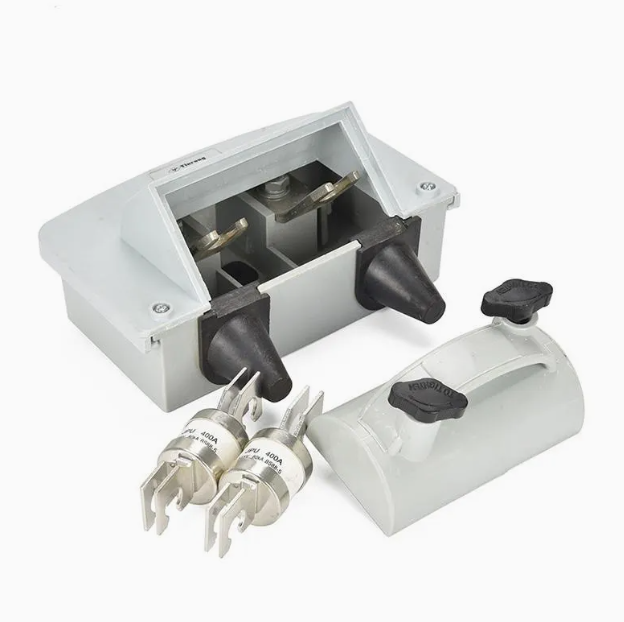
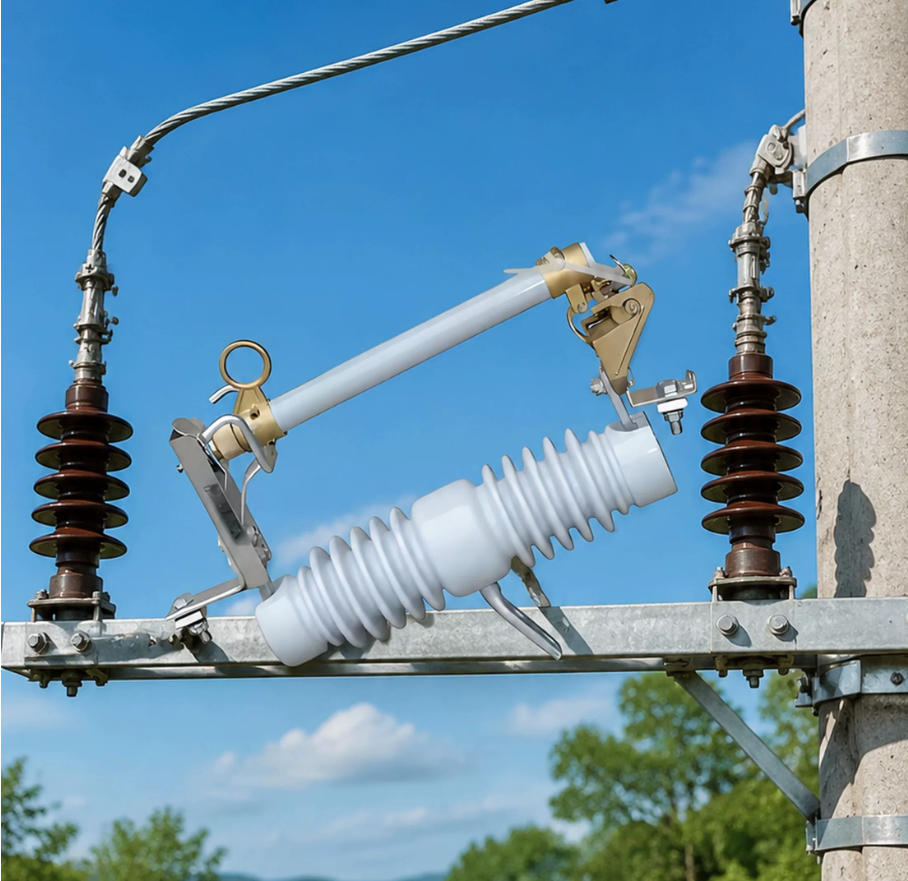
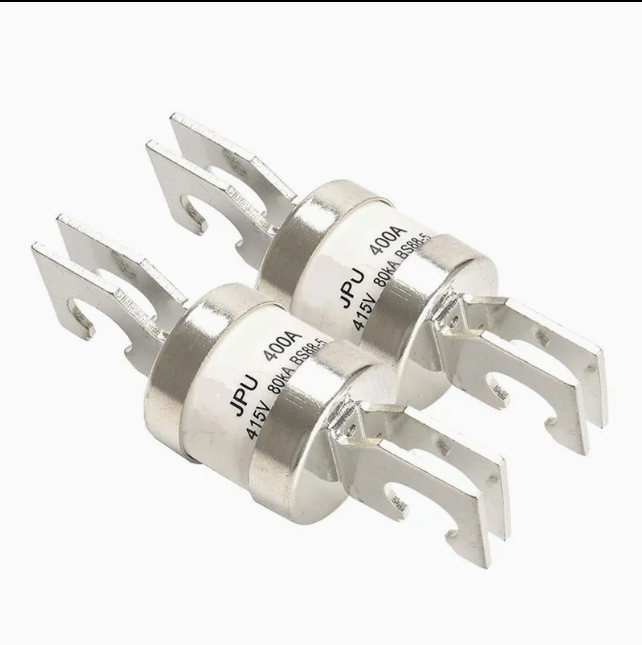
Overkill for Basic Needs: For simple, low-voltage, or low-current applications, a VCB might be too expensive. In some basic setups, understanding what is a fuse breaker and utilizing one instead can be a much more cost-effective choice if your maximum current demands remain low.
Vacuum Circuit Breakers vs. Air Circuit Breakers
When figuring out how to select a vacuum circuit breaker, you first need to understand why you would choose it over an older alternative like an air circuit breaker (ACB). Both protect your electrical equipment from faults, but they do it in completely different ways.
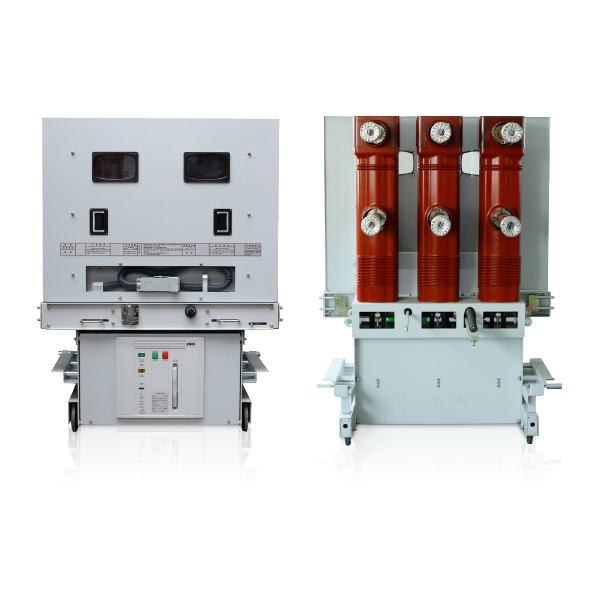
Key Differences in Performance
The core difference lies in the arc extinction medium. VCBs use a vacuum, which provides superior dielectric strength, while ACBs rely on standard air. This fundamental difference dictates their performance across various system voltages and ambient conditions.
Here is a quick breakdown of how they compare:
| Feature | Vacuum Circuit Breaker (VCB) | Air Circuit Breaker (ACB) |
|---|---|---|
| Arc Extinction Medium | High vacuum | Atmospheric air |
| Ideal System Voltage | Medium to High (e.g., standard 11kV VCB) | Low Voltage (typically under 1kV) |
| Size & Footprint | Compact, ideal for indoor fixed type cabinet type | Bulky and takes up significant space |
| Maintenance | Low maintenance, sealed contacts | High maintenance, sensitive to dust/humidity |
| Mechanical Endurance | Extremely high | Moderate |
| Short-Circuit Ratings | Excellent, clears faults rapidly | Good, but slower clearing times |
Which Breaker Should You Choose?
Your choice ultimately depends on your specific rated voltage and application needs.
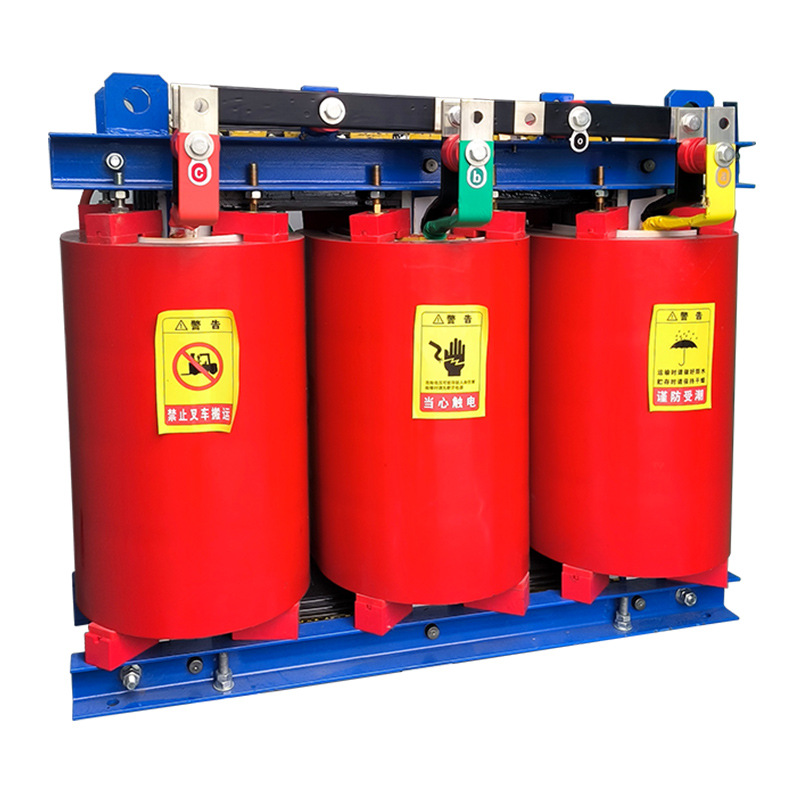
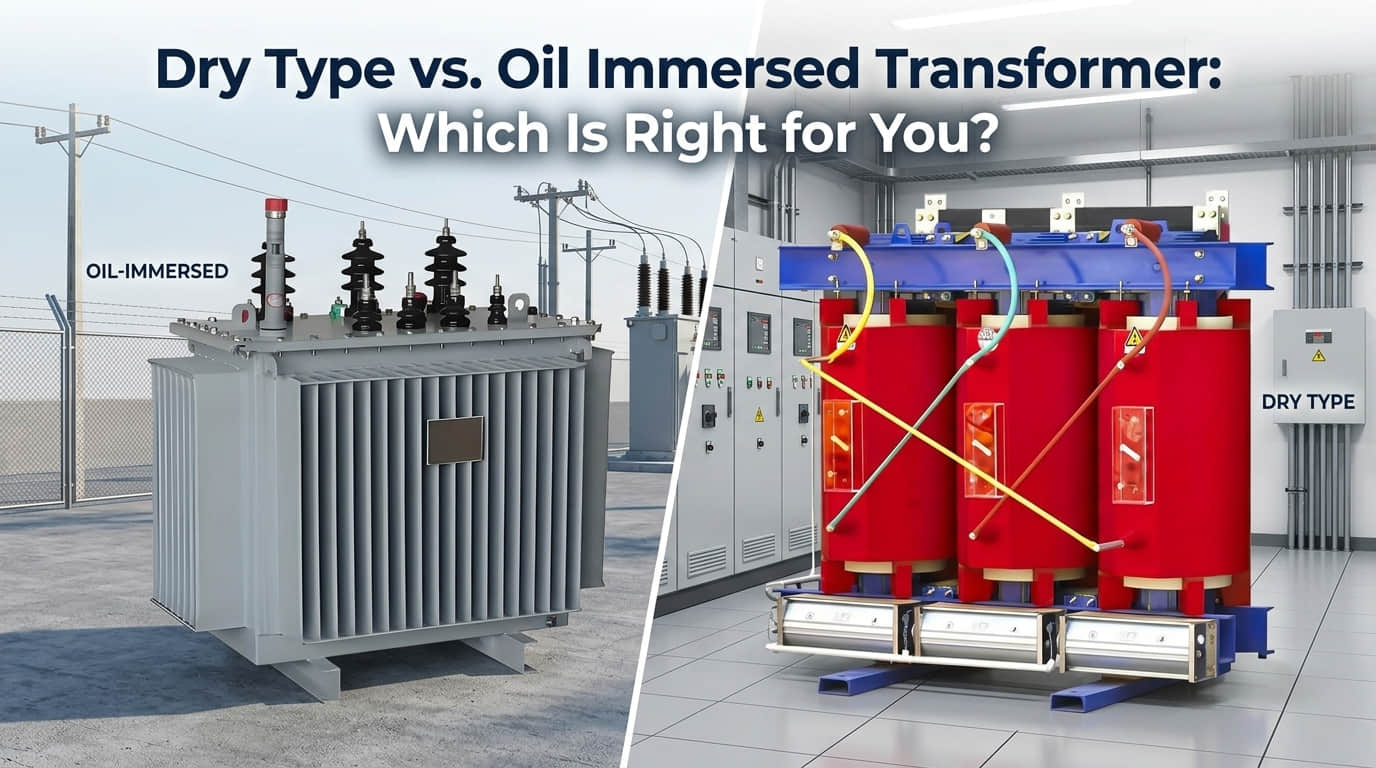
Choose a VCB if: You are working with medium-voltage networks (like 10kV switchgear), need high reliability, and have limited space. Their sealed design makes them immune to harsh ambient conditions, offering superior electrical endurance. Just like learning what is a grounding transformer helps you stabilize system faults, upgrading to a VCB ensures rapid, reliable fault clearing for your heavy-duty infrastructure.
Choose an ACB if: You are exclusively operating a low-voltage system with high continuous currents, and space is not a limiting factor.
For the vast majority of modern US industrial and utility applications above 1000V, the VCB is the undisputed standard. To fully protect this investment, it is also highly recommended to pair your breaker with the right surge arrester to block transient overvoltages before they ever reach your switchgear.
How to Select the Right Vacuum Circuit Breaker
Figuring out how to select a vacuum circuit breaker comes down to matching the breaker’s specifications with your grid’s exact demands. I always tell clients that picking the wrong VCB can lead to catastrophic system failures, so you need to nail the breaker sizing the first time around.
Key Selection Criteria and Specifications
Proper sizing is your first priority. You cannot guess these numbers; you must align the VCB specifications with your exact system voltage and load requirements.
Voltage Rating: The breaker’s rated voltage must be greater than or equal to your maximum system voltage.
Rated Current: Calculate the maximum current your system will carry under normal conditions. The breaker must handle this continuous load without overheating.
Short-Circuit Ratings: This defines the maximum fault current the breaker can safely interrupt during an emergency.
| Specification | What It Means for Your System |
|---|---|
| Rated Voltage | Ensures safe operation under standard and peak voltage levels. |
| Rated Current | Determines the continuous load the VCB can safely carry. |
| Short-Circuit Rating | Defines the breaker’s capacity to clear sudden, massive fault currents. |
Evaluating Your Application Scenarios
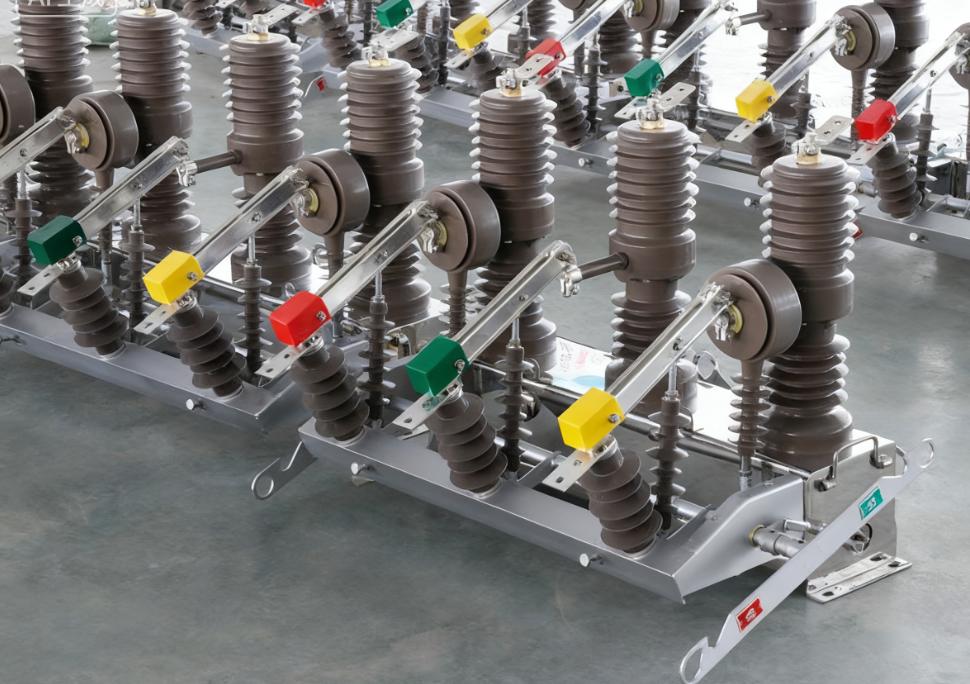
Where and how you install the breaker matters just as much as the electrical numbers. For standard utility and industrial setups, an 11kV VCB or a standard 10kV switchgear application is incredibly common in the US market. If you are setting up a controlled power room inside a commercial facility, an indoor fixed type cabinet type vacuum switch is usually the most efficient footprint.
You must factor in the ambient conditions of your site. Extreme temperatures, high humidity, and high altitudes will severely impact performance. If your facility requires heavy operational switching, you should look into specific high-cycle models like the ZN28 type. Additionally, to ensure your electrical equipment is fully protected, integrating your VCB with a properly sized core balance current transformer is essential for catching ground faults accurately and quickly.
Maintenance and Longevity Considerations
A solid VCB should outlast most moving parts in your network, but you need to verify its long-term endurance metrics before cutting a purchase order.
Mechanical Endurance Rating: Look at how many thousands of open/close cycles the mechanism can handle before requiring a major overhaul.
Electrical Endurance: This measures how many times the breaker can safely interrupt full short-circuit currents. Rapid arc extinction in the vacuum interrupter is the core feature here.
Contact Separation: Proper spacing ensures the arc is completely quenched and prevents restrikes, which directly extends the lifespan of the internal contacts.
Base your selection on the long-term operational lifecycle you expect for your facility, not just the upfront capital cost.