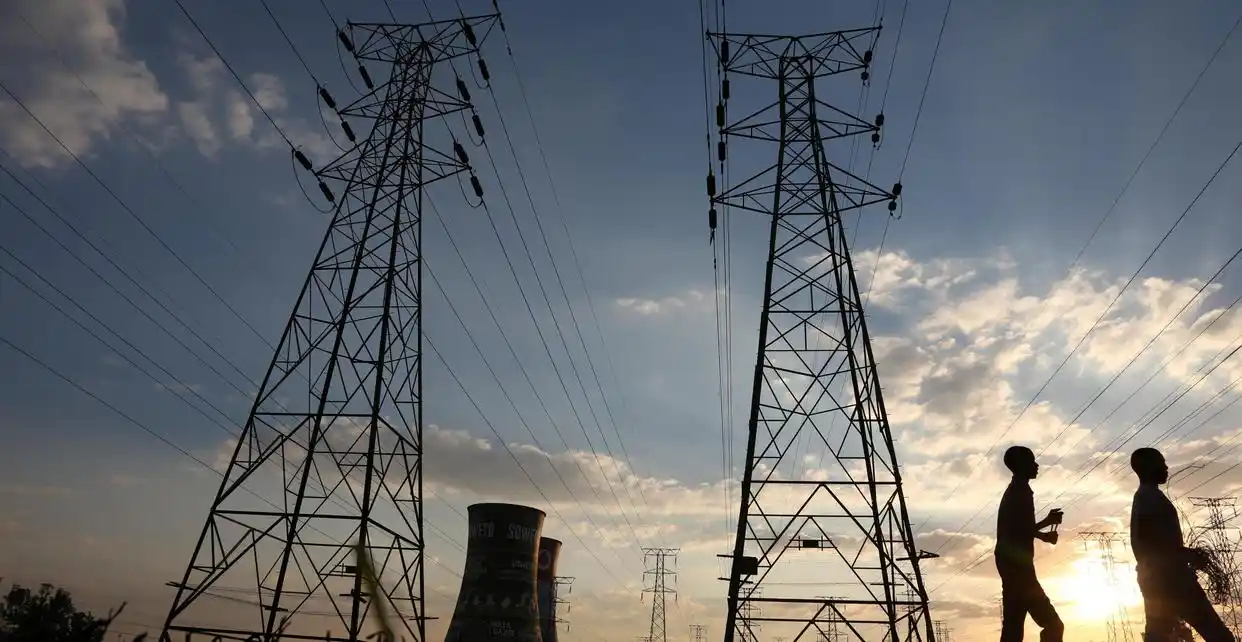
Are you struggling to maintain stability across vast medium voltage distribution lines?
Battling lightning strikes, aggressive vegetation, and long rural feeders makes achieving reliability targets in Africa incredibly tough.
In fact, I’ve seen how proper transient fault protection can transform a struggling network into a resilient one.
You don’t just need generic switchgear; you need automatic circuit reclosers engineered for harsh environments.
In this post, you’re going to learn exactly how to deploy these devices to achieve massive SAIDI improvement and SAIFI reduction.
If you are ready to modernize your grid and cut operational costs, this guide is for you.
Let’s dive in.
Understanding Transient vs. Permanent Faults in African Contexts
To boost African Grid Performance, we must first address the nature of the interruptions plaguing our medium-voltage networks. In my experience dealing with distribution challenges across the continent, the majority of outages on overhead lines are not caused by permanent equipment failure, but by temporary disturbances.
Common Causes of Grid Instability
The African operating environment presents specific hazards to overhead line reliability. Long rural feeders, often stretching 60–90km through difficult terrain, are constantly exposed to external elements.
Lightning Strikes: High isokeraunic levels in many regions cause frequent surges.
Vegetation Contact: Fast-growing flora in tropical zones often brushes against lines during windstorms.
Wildlife Interference: Birds and small animals bridging phases.
Environmental Factors: Dust buildup on insulators leading to flashovers, or conductor clashing during severe weather.
The 80% Rule: Transient Fault Statistics
Data consistently shows that 70–80% of these faults are transient. This means the issue—whether it’s a lightning arc or a tree branch—clears itself naturally within cycles. Only the remaining 20% are permanent faults requiring physical repair.
Why Traditional Protection Falls Short
The problem with legacy infrastructure is that standard circuit breakers and fuses cannot distinguish between a momentary glitch and a downed line.
The “One-Shot” Problem: A fuse blows or a standard breaker trips immediately upon detecting a fault current.
Operational Cost: Even if the fault clears in 0.5 seconds, the line remains dead. This forces utilities to dispatch crews for manual patrols to remote sites just to flip a switch.
Downtime: What should be a momentary blink becomes a multi-hour blackout.
For rural electrification in Africa, relying on non-intelligent switchgear is no longer sustainable. It drives up operational costs and degrades reliability metrics unnecessarily.
What Are Auto Reclosers and How Do They Work?
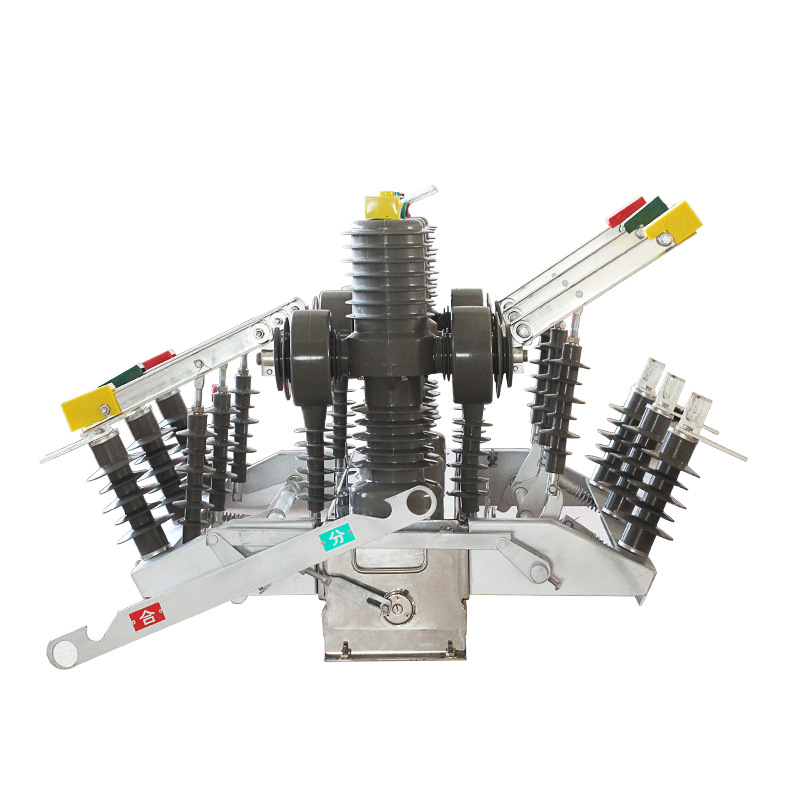
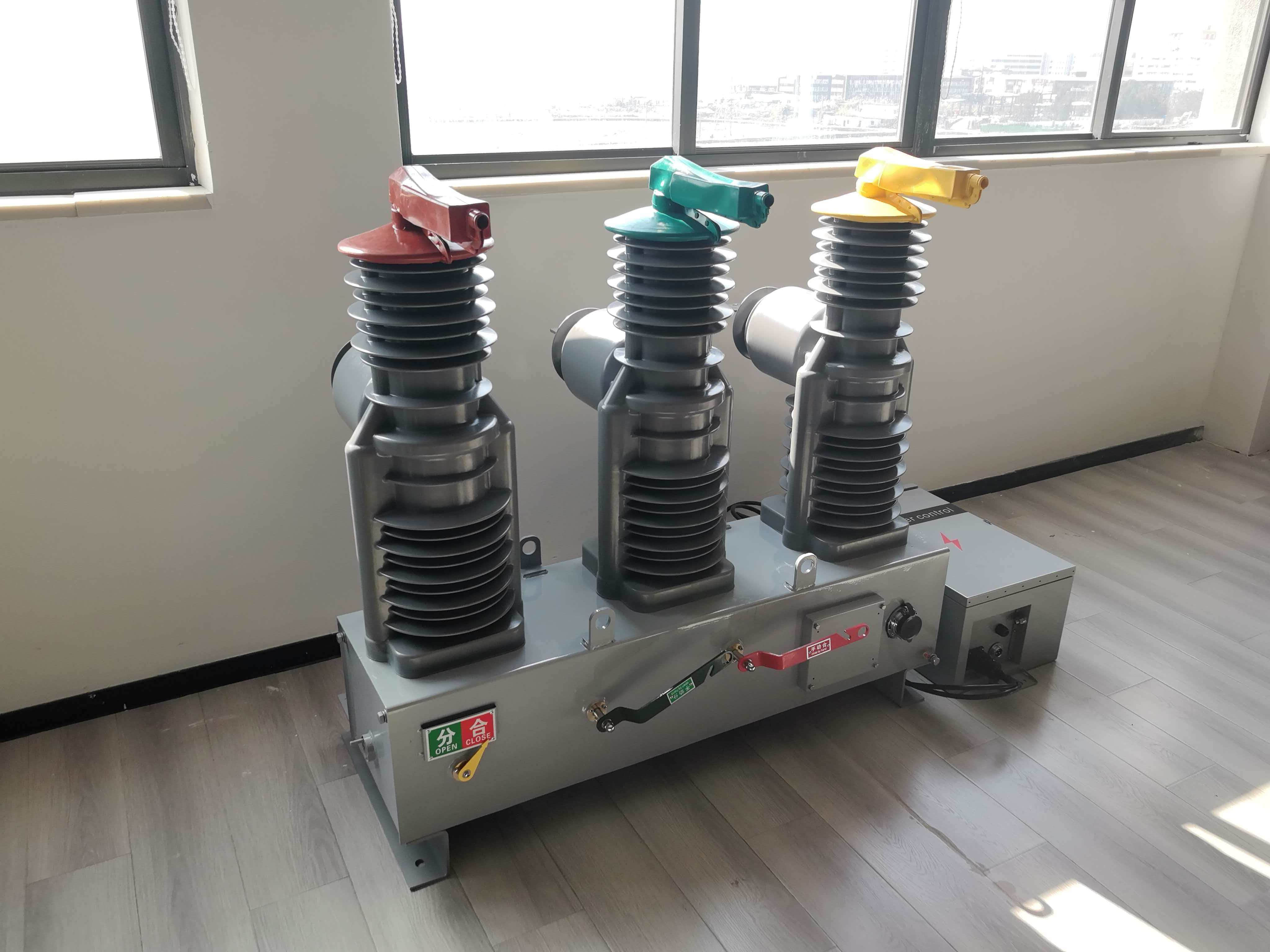
At its core, an automatic circuit recloser is a high-voltage switchgear equipped with its own intelligence. Unlike a standard fuse that blows permanently upon detecting a fault, a recloser is designed to test the line to see if the problem was just temporary. In medium voltage distribution networks, this ability to distinguish between a fleeting issue and a permanent breakdown is what keeps the lights on.
The operation follows a precise “Detect → Trip → Reclose” logic:
1. Detection: The unit’s sensors detect an overcurrent (fault).
2. Trip: The breaker opens immediately to interrupt the power flow.
3. Wait & Reclose: After a pre-programmed delay, it closes the circuit again to restore power.
Key Components Driving Performance
We build our pole-mounted recloser units to withstand harsh environments while delivering millisecond-level precision. The system relies on three critical elements:
Vacuum Interrupters: These are sealed inside solid dielectric insulation. They safely extinguish the electrical arc generated when the switch opens, similar to the technology found in a heavy-duty outdoor high-voltage vacuum circuit breaker.
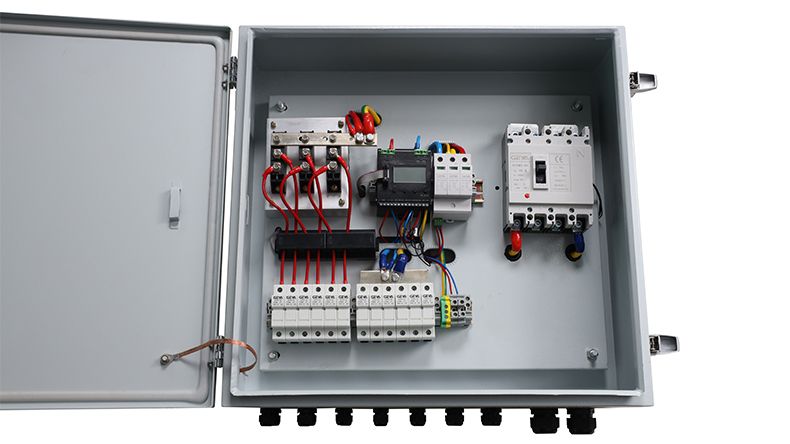
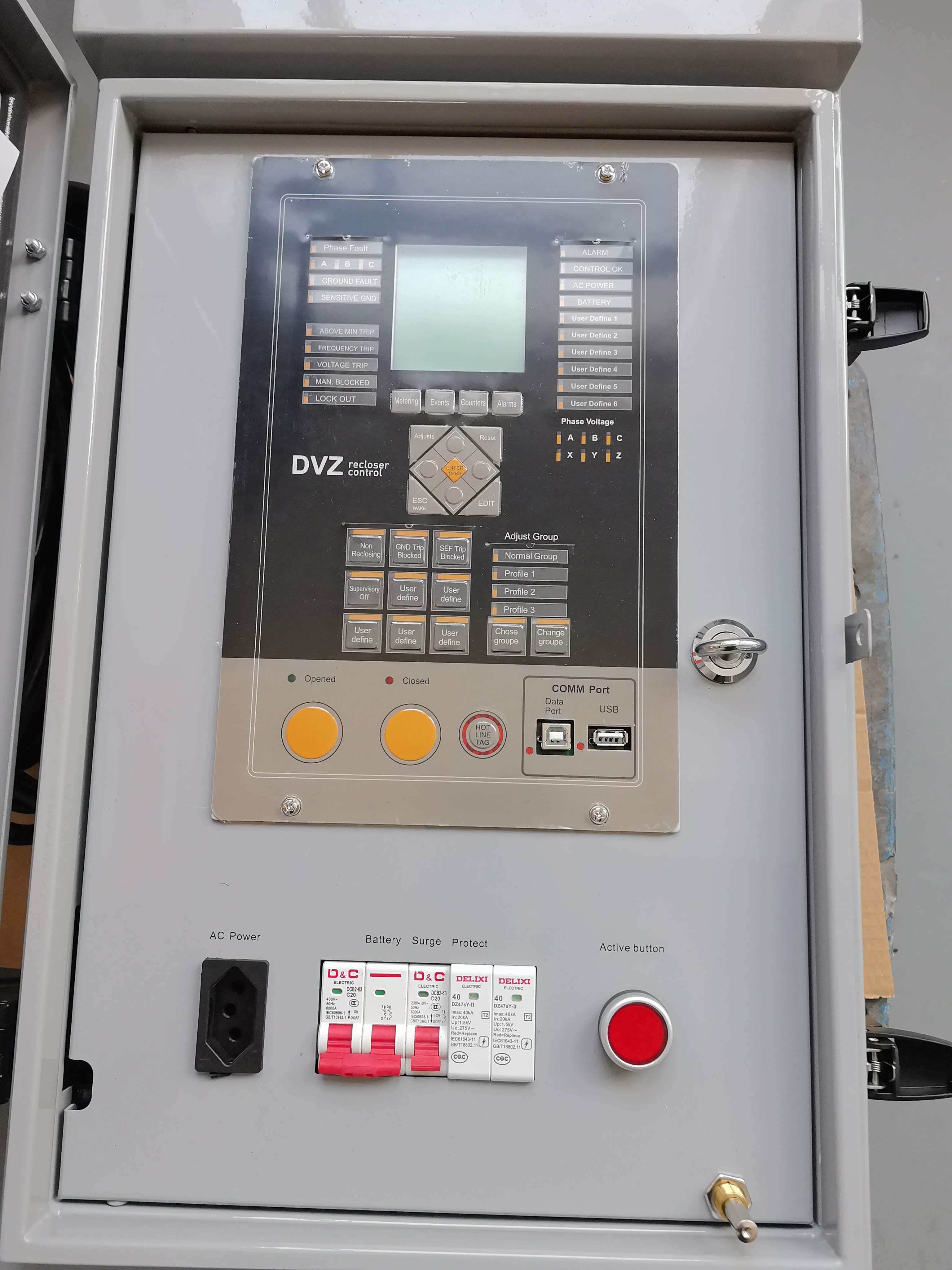
Intelligent Controller: The “brain” of the operation. It houses the protection relays and communication modules (SCADA) to make split-second decisions.
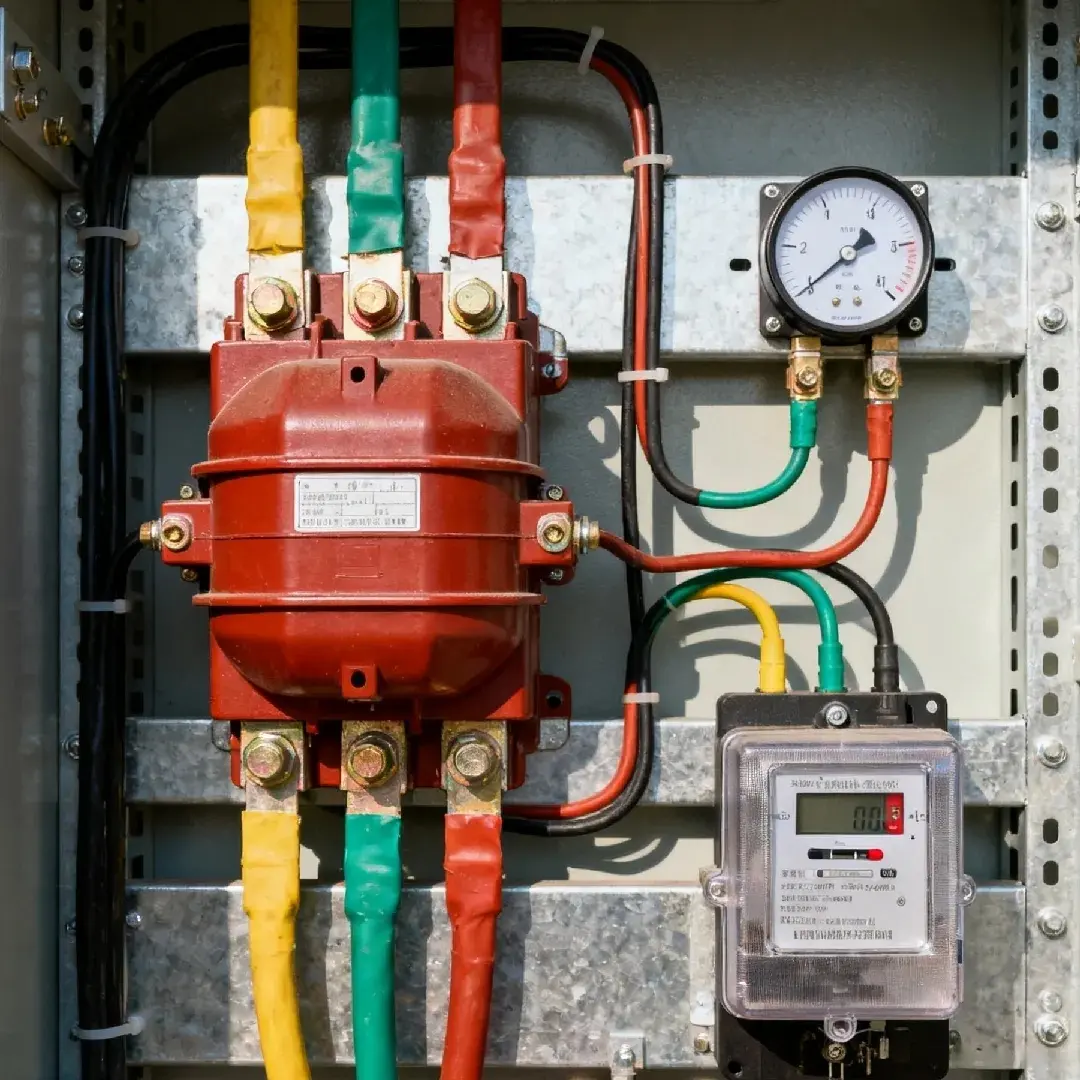
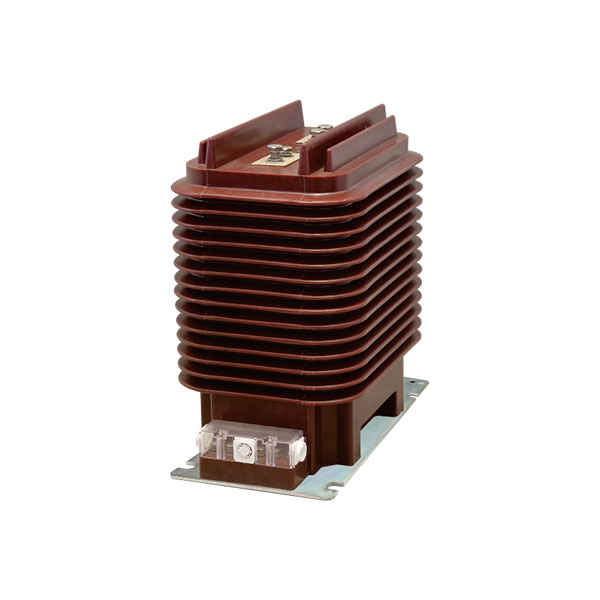
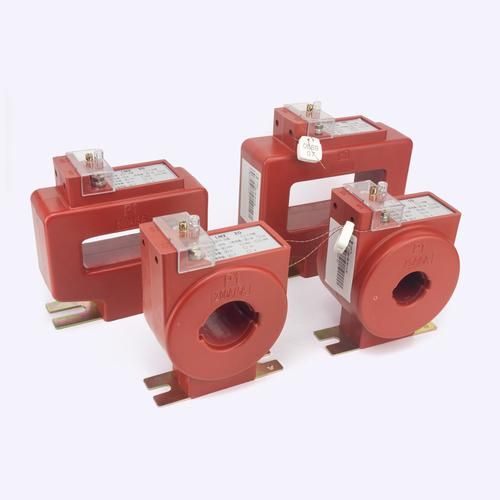
Sensors (CT/PT): Current Transformers and Potential Transformers constantly monitor line health, feeding real-time data to the controller.
Reclosing Cycles and Lockout Logic
To maximize reliability, we configure the recloser with a specific sequence of operations, known as “shots.” A typical setup allows for up to four attempts before giving up:
Fast Shots: The first operation is nearly instantaneous (often 0.5 seconds) to clear transient faults like lightning or bird contact.
Slow Shots: If the fault remains, subsequent attempts have longer delays (up to 15 seconds) to allow physical obstructions, like a tree branch, to burn off and fall clear.
Lockout: If the fault persists after the final programmed attempt, the device enters “lockout” mode, permanently opening the circuit to protect the infrastructure until a crew can fix the issue.

Technical Advantages of WEISHO Auto Reclosers for Medium-Voltage Applications
When we design our Auto Reclosers, we look straight at the realities of the grid. For medium voltage distribution across Africa, equipment needs to be tough, smart, and low maintenance. Our units are engineered specifically for the 11kV to 33kV voltage range, making them a perfect fit for the standard overhead lines found in both urban outskirts and rural electrification projects.
At the core, we utilize advanced vacuum auto recloser technology. This means the arc quenching happens inside a sealed vacuum bottle, ensuring a long service life with zero maintenance. You can understand why this technology is superior by looking at a vacuum circuit breakers comparison, which highlights the durability and safety benefits over oil or gas-insulated alternatives. We pair this with solid dielectric insulation (Hydrophobic Cycloaliphatic Epoxy), removing the risk of dangerous oil leaks or the need for complex SF6 gas management.
We know the environment is harsh. That is why our pole-mounted recloser units are built to IP65 standards. They handle the blistering heat, high humidity, and pervasive dust common in the region without faltering. We also integrate anti-condensation features to prevent internal moisture buildup during rapid temperature swings, ensuring overhead line reliability isn’t compromised by the weather.
Finally, intelligence is key. Our controllers aren’t just switches; they are grid managers. They come packed with adaptive protection settings like overcurrent and earth fault detection. Crucially, they feature cold load pickup logic, which prevents nuisance tripping when power is restored after a long outage—a common headache for utility operators dealing with high inrush currents.
Key Features Breakdown
| Feature | Benefit for African Grids |
|---|---|
| 11kV – 33kV Range | Fits standard distribution infrastructure perfectly without modification. |
| Vacuum Interrupters | Maintenance-free operation ideal for remote, hard-to-reach locations. |
| Solid Dielectric | No oil/gas leaks; environmentally safe, vandal-resistant, and fire-resistant. |
| IP65 Enclosure | Resists heavy rain, dust storms, and intense UV radiation. |
| Smart Protection | Adaptive logic for cold load pickup and precise fault isolation. |
Quantifiable Reliability Improvements: SAIDI, SAIFI, and Beyond
In the power distribution game, performance is measured by two critical metrics: SAIDI (System Average Interruption Duration Index) and SAIFI (System Average Interruption Frequency Index). Simply put, SAIDI tracks how long the lights stay out, while SAIFI tracks how often the power cuts. For African utilities managing extensive overhead networks, keeping these numbers low is a massive challenge, but it is exactly where our technology proves its worth.
Deploying automatic circuit reclosers directly targets these indices. Since roughly 80% of faults on overhead lines are transient—caused by things like lightning or vegetation—our units automatically clear the fault and restore power in seconds. This capability delivers immediate results:
SAIDI Improvement: Outage duration drops significantly because there is no wait time for a crew to arrive.
SAIFI Reduction: Customers often don’t even register a momentary blink as a full outage, keeping frequency stats healthy.
We see real-world data showing reductions of 60-80% in transient-related outages after installation. Beyond the metrics, the operational savings are tangible. Our system eliminates the need for unnecessary “truck rolls.” We stop sending maintenance crews on long, expensive drives to remote sites just to reset a breaker manually. By automating fault handling, we allow utility teams to focus only on permanent issues that actually require repair. Understanding the core VCB full form in electrical engineering helps explain why the vacuum interrupters inside our reclosers are so effective at clearing these faults repeatedly without maintenance.
Strategic Placement and Optimization for Maximum Impact
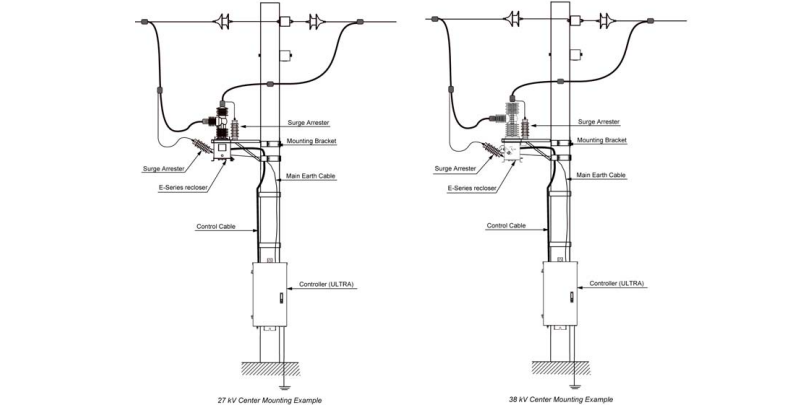
It is not enough to simply install hardware; where you position an auto recloser on the network defines its effectiveness. In our experience supplying medium voltage distribution equipment, strategic placement is the difference between a minor blink and a widespread blackout. We focus on optimizing locations to ensure fault isolation restoration happens instantly, keeping as many customers online as possible.
Best Locations for Recloser Deployment
To get the most out of your grid investment, we recommend targeting specific high-value points on overhead lines:
Mid-Feeder Installation: On long rural feeders common in African networks (often exceeding 50km), placing a recloser at the midpoint splits the line. If a fault occurs at the far end, the recloser isolates it, keeping the first half of the line powered.
Lateral Protection: Installing units at the start of long branch lines prevents faults on these spurs from knocking out the main backbone.
Sectionalizing Points: Using reclosers in series allows for precise segmentation. This ensures that only the smallest possible section of the grid is disconnected during a permanent fault.
Coordination and Protection
Proper recloser placement optimization requires tight coordination with upstream substation breakers and downstream fuses. Our microprocessor-based controllers allow for precise grading margins, ensuring the device closest to the fault trips first. Since these units are often deployed in exposed environments, we also strongly advise installing a line overvoltage arrester alongside the recloser. This protects the sensitive vacuum interrupters and electronics from the severe lightning surges frequently experienced across the continent.
Economic Impact and Payback
Data from our deployments indicates that strategic placement delivers rapid returns. By minimizing the “affected customer minutes,” utilities protect their revenue streams. Cost-benefit models show that the reduction in crew dispatch costs and the preservation of energy sales often result in a payback period of less than two years for a well-placed pole-mounted recloser.
Integration with Modern African Grid Evolution
To truly Boost African Grid Performance, we must move beyond simple mechanical switching and embrace intelligent network management. Modernizing the distribution network in Africa requires equipment that communicates effectively, turning isolated poles into active nodes within a smart grid ecosystem. Our auto reclosers are engineered to bridge the gap between legacy infrastructure and future-ready automation.
SCADA Integration and Remote Monitoring
For utilities managing vast rural networks, visibility is everything. We design our reclosers to be fully SCADA-ready, eliminating the “blind spots” that plague long distribution feeders. By integrating standard communication protocols—including DNP3, IEC 61850, and Modbus—our units seamlessly connect to central control rooms via GSM/GPRS or RS-485 interfaces.
This connectivity enables remote monitoring for rural and hard-to-reach areas, allowing operators to:
Check real-time load data and switch status without dispatching a crew.
Remotely modify protection settings to adapt to seasonal changes.
Retrieve fault logs instantly to analyze outage causes.
FDIR and Smart Grid Readiness
The core of Grid modernization in Africa lies in Fault Detection, Isolation, and Restoration (FDIR). Our microprocessor-based controllers act as the brain of the operation, executing logic that isolates permanent faults while keeping healthy sections of the line powered. This automation significantly reduces downtime compared to manual interventions.
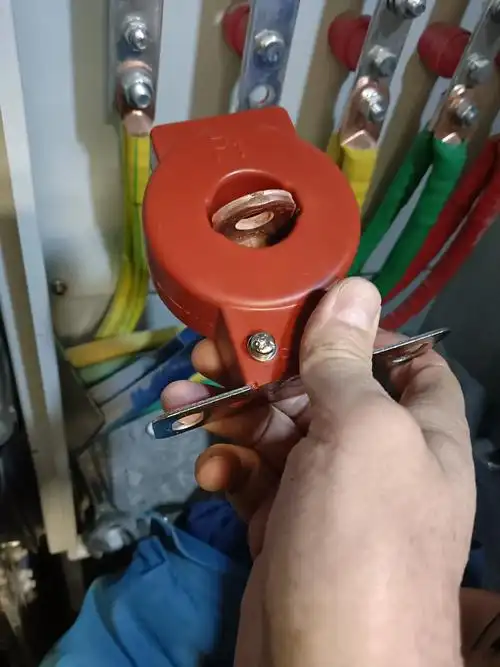
Reliable automation depends heavily on precise sensing. Understanding why we need current transformers within these units is crucial, as high-accuracy CTs provide the data necessary for the controller to distinguish between a temporary surge and a real fault. This precision supports the integration of renewable energy sources, ensuring that variable generation doesn’t trigger false trips.
Economic Case: ROI and Total Cost of Ownership
When we look at the initial price tag, a pole-mounted recloser naturally costs more than a standard load break switch or a fuse cutout. However, focusing solely on the upfront purchase price is a mistake that drains utility budgets over time. In the context of medium voltage distribution across Africa, the real financial battle is won or lost on Total Cost of Ownership (TCO).
We see this constantly with our partners: a cheap fuse blows during a lightning storm, requiring a crew to drive 80km over rough terrain just to replace a $10 part. That single “truck roll”—including fuel, vehicle wear, crew overtime, and lost revenue—often costs more than the hardware itself. By automating this process, utilities can radically slash lifetime operating costs with vacuum circuit breakers and reclosers that handle these faults intelligently.
Breaking Down the Cost-Benefit Analysis
For utilities managing tight CAPEX budgets, the justification for investing in automatic circuit reclosers lies in the rapid payback period, often realized within 12 to 24 months. Here is where the savings actually come from:
Eliminated Logistics Costs: Since 80% of overhead line faults are transient, an auto recloser solves the problem in seconds without sending a technician to the site.
Revenue Protection: Every minute a line is down, the utility is losing sales. By restoring power automatically, we keep the meters running and the revenue flowing.
Zero Maintenance Design: Our Weisho units use solid dielectric insulation instead of SF6 gas or oil. This means you don’t spend money on gas monitoring, refilling, or environmental compliance reporting.
Extended Asset Life: With a mechanical life exceeding 10,000 operations and IP65-rated enclosures, these units survive the harsh African climate longer than standard switchgear, delaying replacement costs.
Investing in smart fault isolation restoration isn’t just about technology; it’s a strategic financial decision. By shifting budget from reactive maintenance (O&M) to smart infrastructure, grid operators effectively stop burning cash on unnecessary site visits.
Real-World Impact: Rural Electrification in Africa
We have seen firsthand how intelligent automation transforms grid reliability in challenging environments. In our deployments across rural South Africa, specifically on long radial feeders in the KwaZulu-Natal region, the installation of our pole-mounted reclosers significantly reduced downtime. Previously, utility crews faced hours of travel to manually reset breakers at remote box-type substations after minor lightning strikes. By automating this process, we helped utilities boost African grid performance and drastically cut operational costs.
Built for Harsh Climates
Standard switchgear often fails under the intense UV radiation, dust, and humidity found across the continent. Our units are engineered with solid dielectric insulation rather than SF6 gas, eliminating leak risks and reducing maintenance needs. With IP65-rated enclosures and anti-condensation heaters, our equipment is proven to operate reliably in temperatures ranging from 5°C to 40°C, ensuring stability for rural electrification in Africa.
The Weisho Direct Advantage
As an original manufacturer, we bypass the “middleman markup” common in the industry. This allows us to provide competitive pricing ($5,000–$15,000 range) and faster lead times compared to global conglomerates. We offer custom configurations to match specific local requirements, ensuring you get exactly what your network needs without paying for unnecessary features.
| Key Advantage | Benefit for African Utilities |
|---|---|
| Automatic Restoration | Resolves 80% of transient faults without site visits |
| Direct Factory Supply | Lower CAPEX and rapid technical support |
| High Durability | Mechanical life ≥10,000 operations |
| Smart Integration | SCADA-ready for remote monitoring |
FAQs: Auto Reclosers in African Power Grids
How do auto reclosers handle severe lightning storms common in Africa?
Lightning strikes are the leading cause of transient faults on overhead lines. Our auto reclosers are specifically engineered with lightning surge protection in mind. When a storm causes a flashover, the device detects the surge, trips to extinguish the arc, and then automatically recloses once the air insulation recovers. This prevents a temporary surge from turning into a permanent blackout. We also ensure high Basic Insulation Level (BIL) ratings to withstand the voltage spikes typical of the African climate.
What is the maintenance schedule for vacuum pole-mounted reclosers?
One of the biggest advantages of switching to a vacuum pole-mounted recloser is the dramatic reduction in maintenance. Unlike older oil or gas-filled units, our solid dielectric insulation and vacuum interrupters are virtually maintenance-free.
Sealed Design: No gas refilling or oil sampling required.
Long Life: Rated for over 10,000 mechanical operations.
Durability: IP65 enclosures protect against dust and humidity.
For most utilities, this means you can install them in remote locations and simply monitor them remotely, rather than scheduling frequent physical inspections.
Can these reclosers integrate with existing legacy SCADA systems?
Yes, SCADA integration reclosers are designed to be flexible. We understand that many grids operate on a mix of old and new technology. Our intelligent controllers support standard open protocols including:
DNP3
IEC 61850
Modbus
This allows seamless communication over GSM, GPRS, or radio, enabling operators to monitor line health and control switches from a central dispatch center without replacing their entire backend system.
What is the difference between a load break switch and an auto recloser?
The main difference lies in intelligence and automation. A load break switch (LBS) is designed to manually or remotely break the current, but it does not automatically restore power after a fault. An auto recloser, however, has the intelligence to test the line and restore power if the fault is temporary. While a standard LBS isolates sections, advanced solutions like the FZW28-12F outdoor boundary vacuum circuit breaker provide critical boundary protection to isolate faults before they affect the wider grid. For critical feeders, the auto recloser is the superior choice for minimizing downtime.