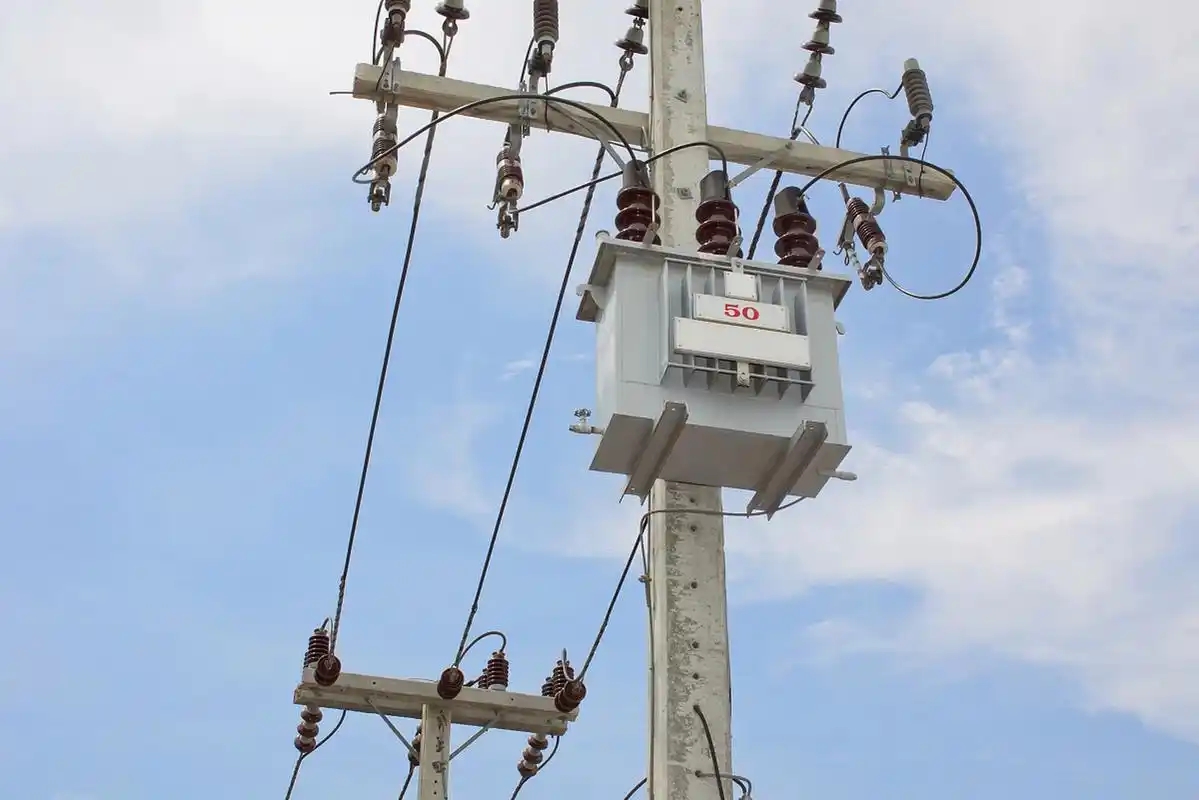
Introduction: More Than Just Three Letters—VCB is the Heart of the Modern Grid
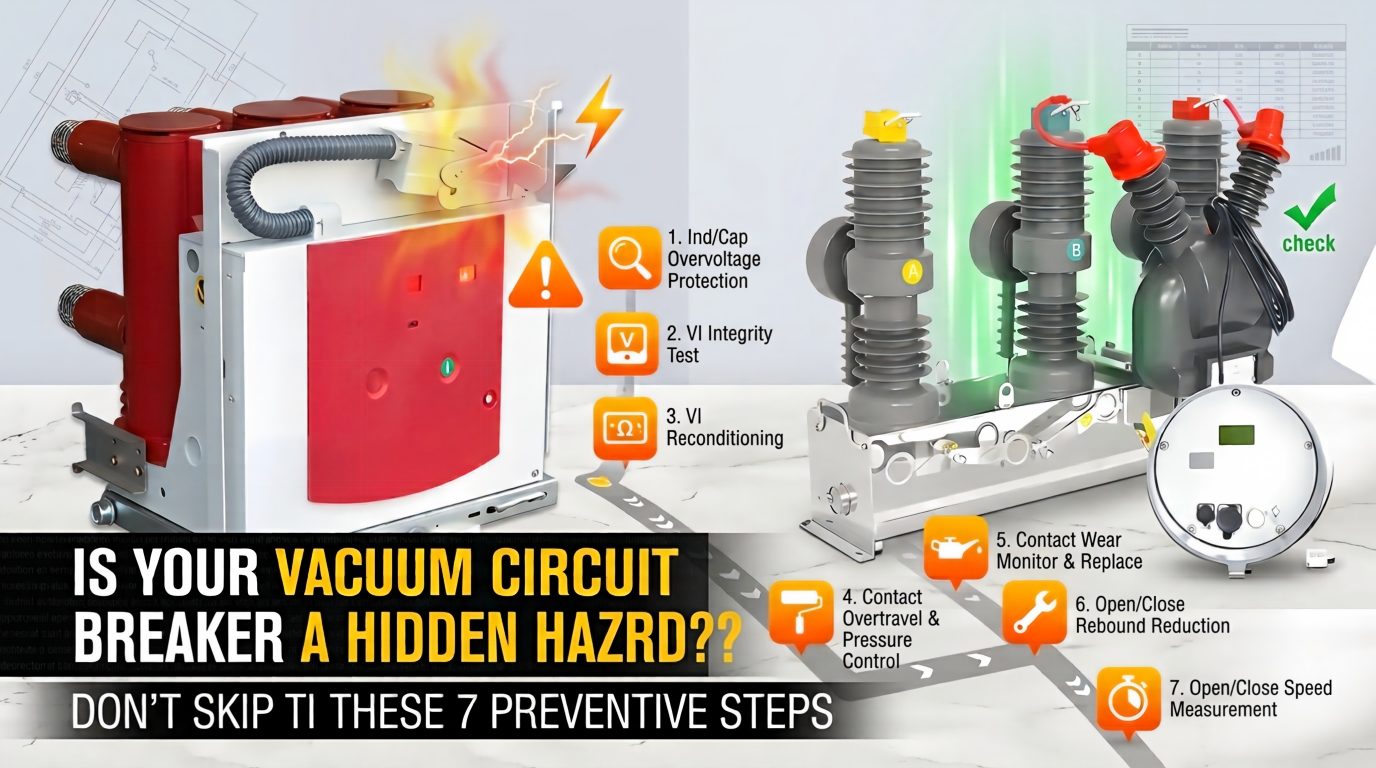
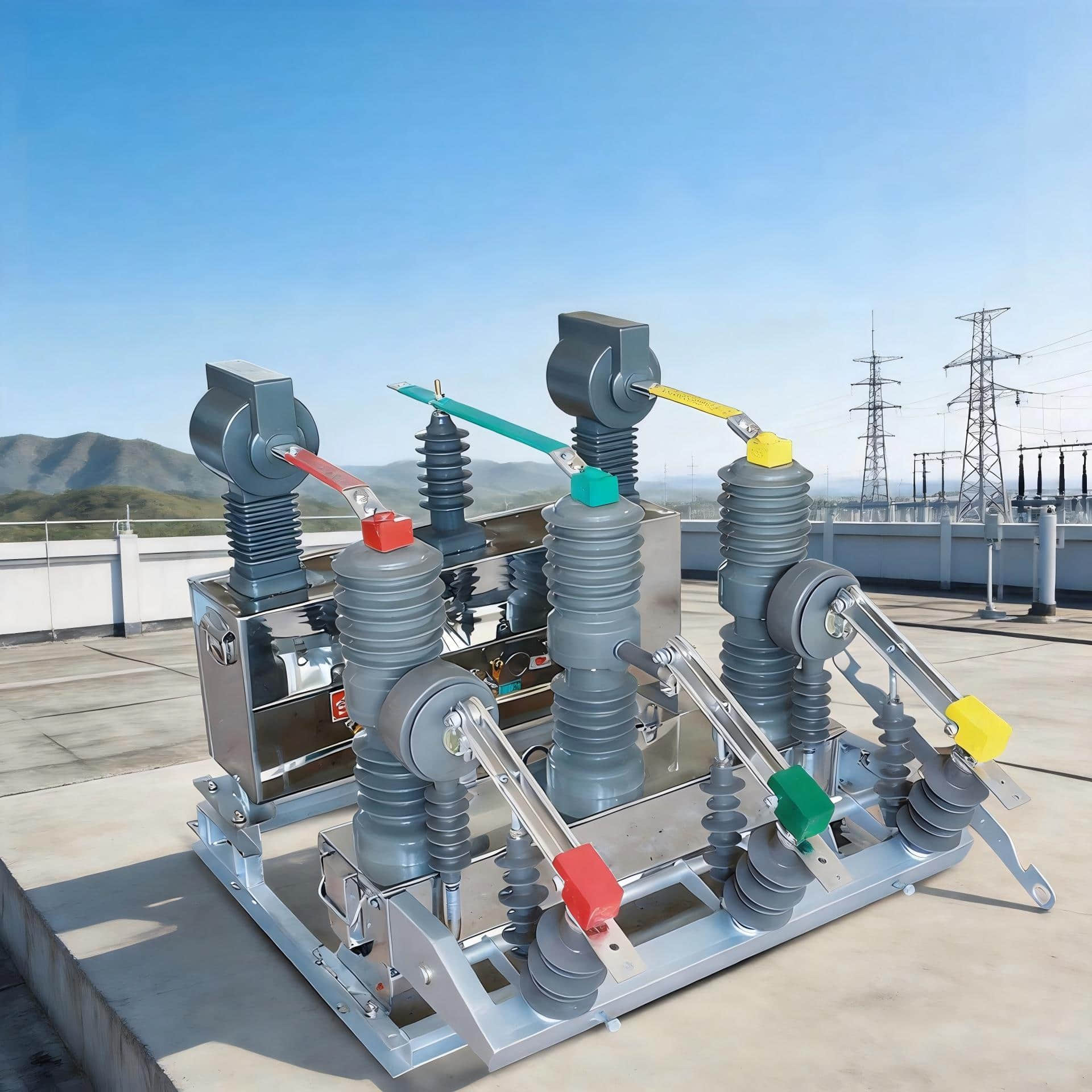
In the specialized field of electrical engineering, the acronym VCB stands for Vacuum Circuit Breaker. This essential device is the primary protective apparatus utilized in 11kV to 33kV medium-voltage power systems.
Its core function is the rapid, safe interruption of fault currents by leveraging high vacuum as the sole arc-quenching medium. This groundbreaking technology has completely revolutionized traditional switching methods, which historically relied on oil, air, or sulfur hexafluoride (SF6) gas.
As a seasoned electrical engineer, I believe the dominance of the vacuum circuit breaker in the market is not solely due to its speed of current interruption. It fundamentally addresses the critical pain points—specifically maintenance costs, environmental impact, and operational safety—that were inherent in older switching technologies.
This comprehensive guide will start with the fundamental science, delve deeply into the VCB's construction and operating mechanism, and highlight its unique advantages over conventional breakers. We will focus intensely on its vital applications within the 11kV to 33kV voltage class in the modern power infrastructure.
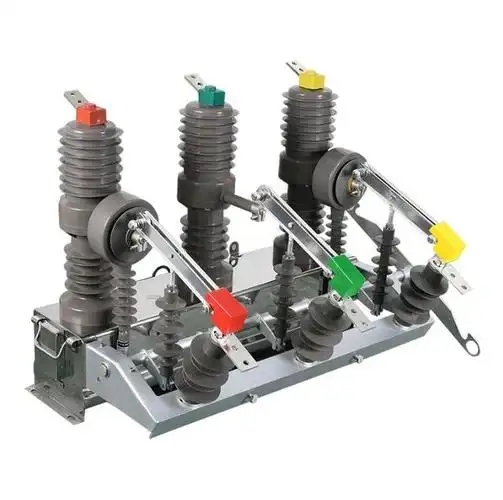
Key Takeaways for Electrical Professionals
a. The VCB Full Form is Vacuum Circuit Breaker, establishing it as the preferred protective device for Medium Voltage (MV) systems. It specifically operates from 11kV up to 33kV.
b. Its Core Principle (Principles) involves using an exceptionally high vacuum—with pressure typically below 10⁻⁴ Pa—to ensure the instantaneous extinction of the electric arc. This ultra-clean environment is the key to its superior performance.
c. The Arc Interruption Speed in a vacuum environment is unparalleled, boasting an extremely rapid recovery of dielectric strength. This capability can potentially reach 100 kV/μs, which guarantees the fastest possible clearing of a fault.
d. Key Advantages include a significantly long operational life (exceeding 30,000 cycles) and minimal maintenance requirements. Furthermore, it offers exceptionally high reliability and an outstanding eco-friendly profile (as no SF6 is required).
e. The 11-33kV Applications are dominant across medium-voltage distribution networks, power generation facilities, and railway supply systems. It is a critical component in large-scale industrial complexes.
f. The overwhelming Market Trend indicates the VCB is progressively and swiftly replacing older SF6 breakers. This secures its role as a foundational component in global green grid initiatives.
In-Depth Analysis: The Core Technology of VCB—Vacuum Interruption Principles
Video Supplement: VCB Working Principle Animation
Before diving deeper into the technical mechanics, watching this animation provides a quick and intuitive understanding of the Vacuum Interrupter's internal construction and interruption process:
(Source: TheElectricalGuy Channel)
To truly appreciate the robust capability of a VCB, one must first understand its central component: the Vacuum Interrupter (VI).
This hermetically sealed chamber, made from materials like ceramic or stainless steel, acts as the absolute heart of the entire circuit breaker, fundamentally differentiating it from all other breaker types. It is this precise, controlled environment that enables the VCB to reliably operate within the challenging 11kV to 33kV spectrum.
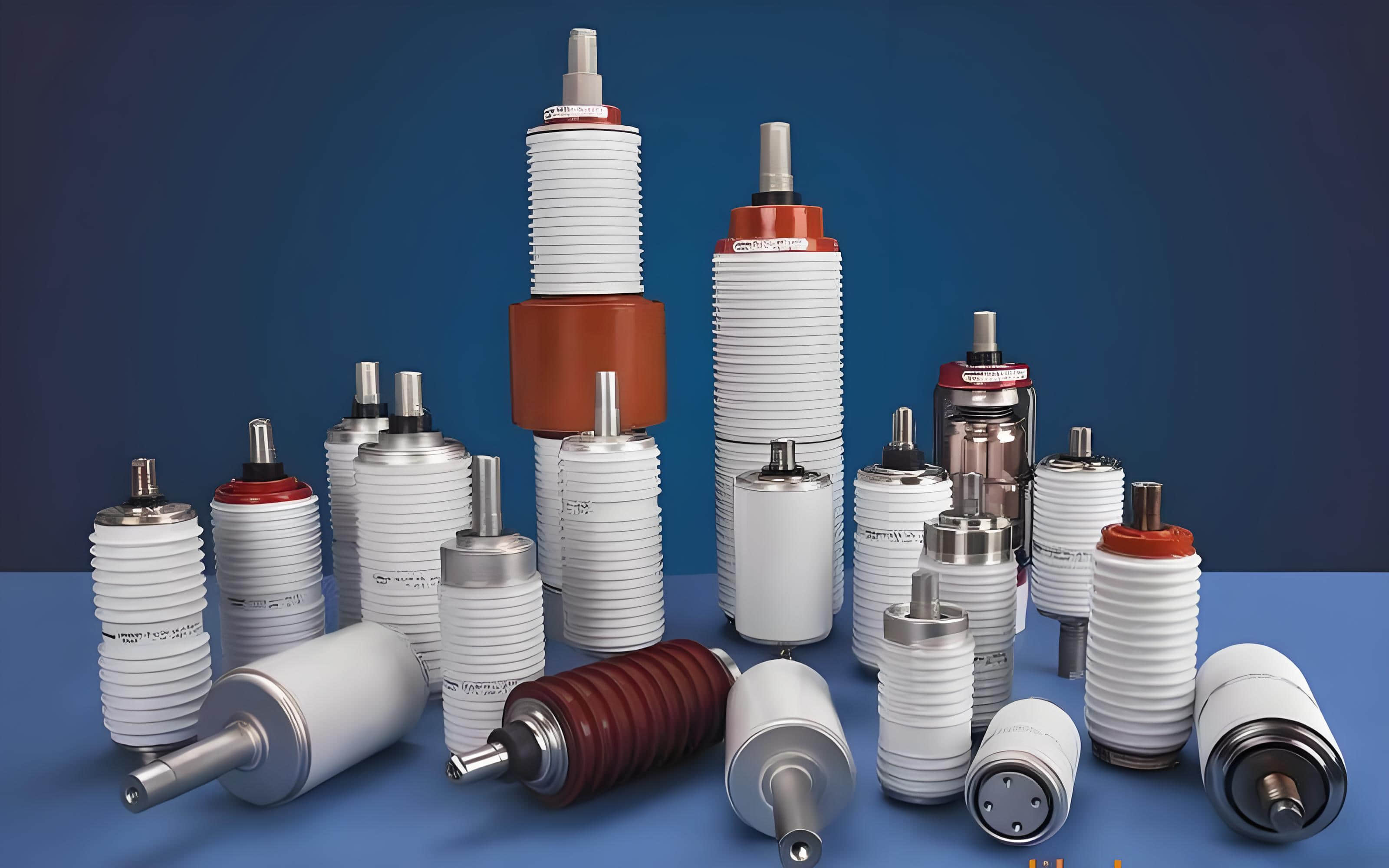
The Vacuum Environment: The Physical Basis for Rapid Arc Quenching
The interior pressure of the Vacuum Interrupter is meticulously maintained at an ultra-low level, specifically less than 10⁻⁴ Pa. Within this condition of high vacuum, the behavior of charged particles is fundamentally different when compared to their activity in atmospheric air or pressurized gas. This unique physical characteristic is what drives the VCB's performance.
The Four Stages of Vacuum Interruption
Exceptional Dielectric Strength: The extreme scarcity of gas molecules in a high vacuum translates into a significantly low probability of collision for charged particles. This condition provides the vacuum with extraordinarily high inherent insulation capability, allowing it to withstand very high voltages without suffering electrical breakdown.
Contact Separation and Plasma Formation (Arcing): When the contacts separate during a system fault, the intense electric field causes the contact material—typically a copper-chromium alloy—to vaporize. This vaporization subsequently forms a metallic vapor plasma, which is what we define as the electric arc. This state of matter is efficiently managed by the vacuum.
Rapid Arc Diffusion and Extinction (Quenching): Confined within the vacuum, the plasma (charged particles) from the arc quickly and uniformly diffuses outwards towards the surrounding metallic components. As the AC waveform naturally passes through a zero-crossing point, the energy within the arc dissipates rapidly and is instantaneously extinguished. This happens because there are no gas molecules to sustain the arc.
Dielectric Strength Recovery: Crucially, immediately following the interruption, the vacuum environment can recover the insulation strength between the now-separated contacts at an astounding rate. This rate is up to 100 kV. This rapid recovery ensures that the circuit cannot immediately re-ignite or re-establish conductivity, providing the fastest and most secure protective response for the MV system.
❗ Note: Vacuum integrity is fundamental to VCB reliability. The VI must maintain its ultra-high vacuum level reliably throughout its entire operational lifespan.
VCB’s Internal Architecture and Component Roles
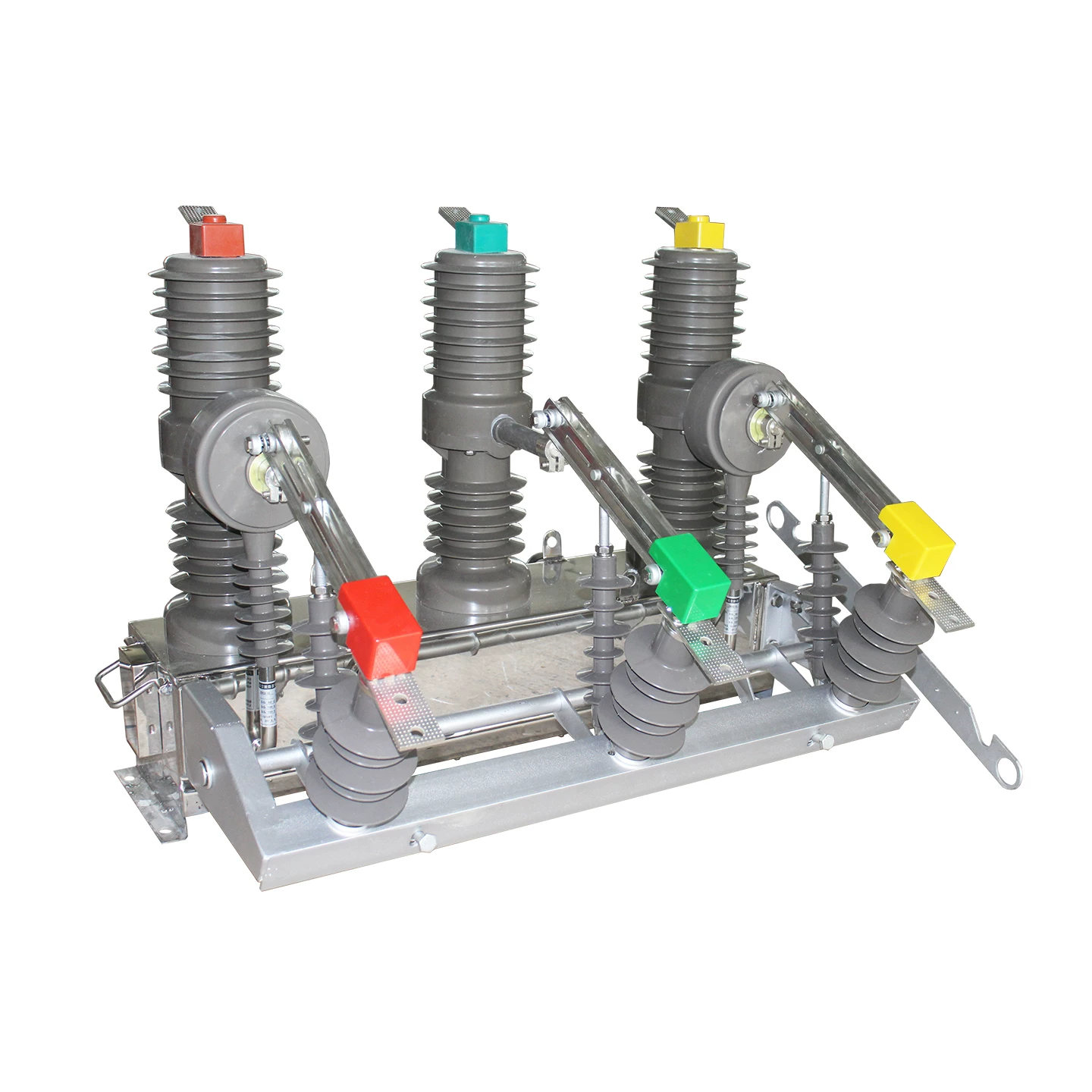
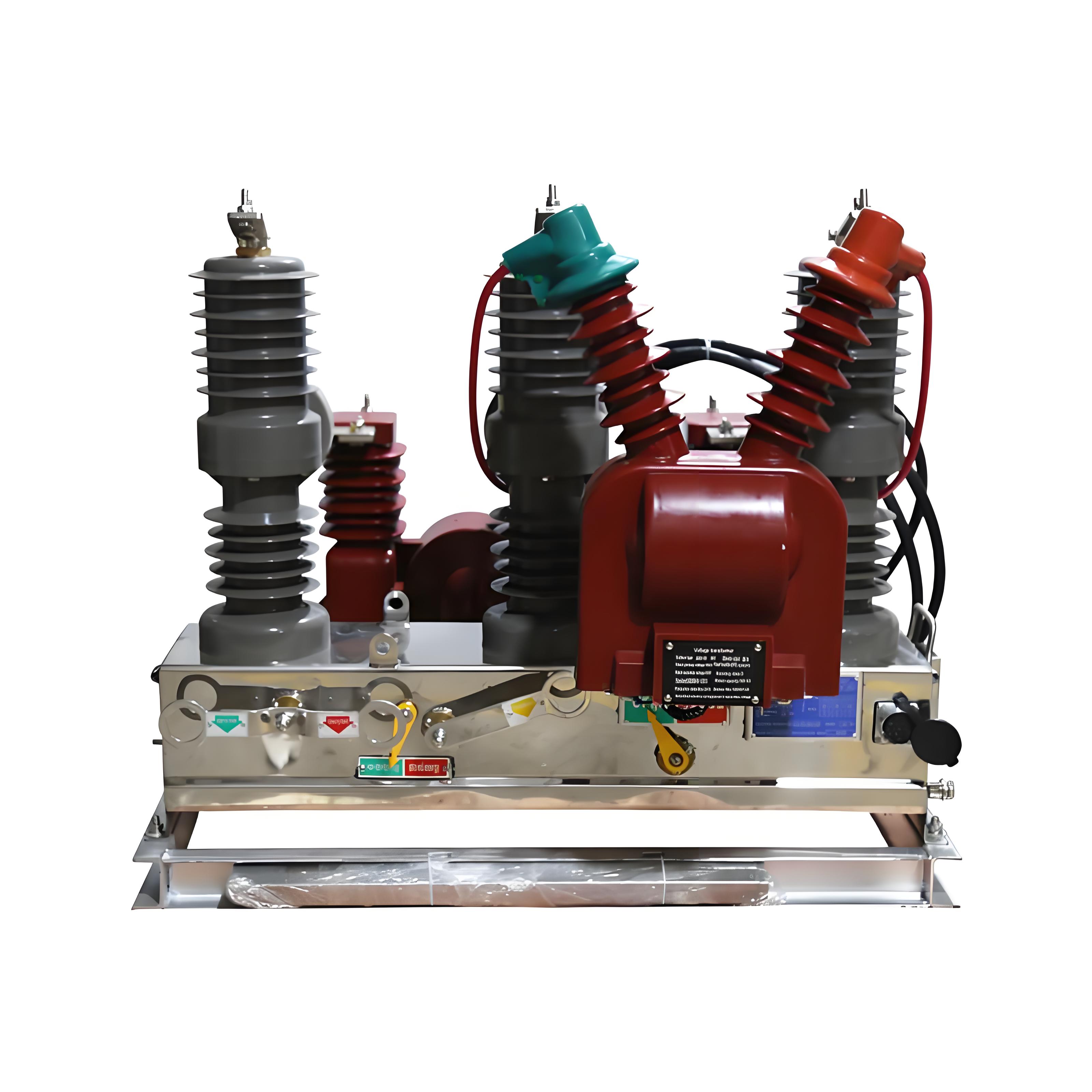
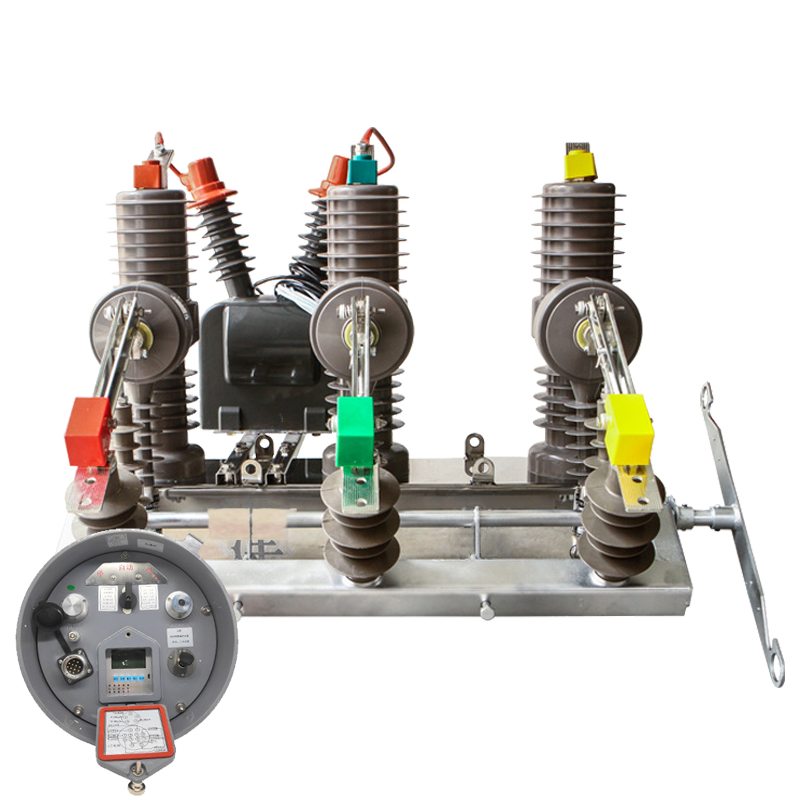
A typical VCB assembly is composed of several key components that work in perfect synchronization. Understanding these parts is essential for appreciating the device's functional integrity.
Vacuum Interrupter (VI): This remains the central core, containing the fixed contact and the moving contact. The contact geometry often incorporates an Axial Magnetic Field (AMF) design. This is specifically engineered to uniformly drive the arc across the contact surface, thereby minimizing localized burning and extending life.
Operating Mechanism: This component supplies the necessary mechanical force—often derived from a spring-charged energy system or an electromagnetic drive—required to quickly open and close the contacts. Since the VCB contacts only require a very short travel distance (stroke), the energy required is minimal compared to conventional breakers. This results in a more compact and inherently reliable mechanism.
Insulation and Supporting Components: These are vital for isolating the high-voltage sections from the external environment and the low-voltage control circuits. They are typically fabricated from specialized materials such as high-strength epoxy resin, ensuring the necessary insulation level is maintained for 11kV-33kV operation.
Current Terminals: These are the physical connection points used to interface with the main power circuit. They must be robustly designed to withstand the continuous rated current and also reliably handle the immense short-term forces generated during a catastrophic short-circuit event.
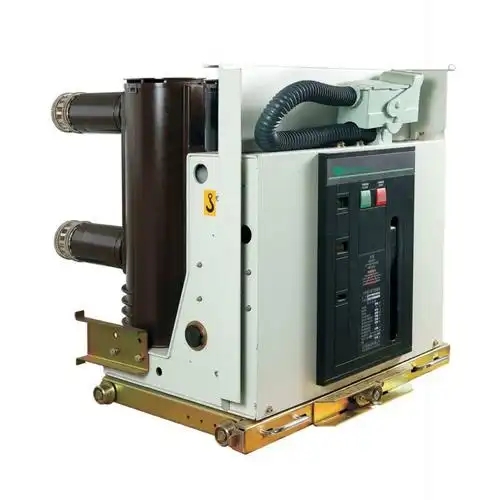
Contact Design: Axial Field vs. Transverse Field Selection
In the 11kV-33kV class VCBs, the type of magnetic field generated by the contacts directly determines the arc's behavior and the component's longevity. This is a critical design choice influencing performance.
Transverse Magnetic Field (TMF): This design is generally suitable for the interruption of medium to large currents. The TMF forces the arc to rotate rapidly, ensuring it sweeps evenly across the contact surface, effectively preventing highly damaging localized hot spots.
Axial Magnetic Field (AMF): This more advanced design is necessary for the highest short-circuit current interruption ratings. The AMF structure confines the arc along the contact's central axis, maximizing the diffusion area. This significantly slows the rate of contact material vaporization, leading to longer component life. Most high-performance VCBs today utilize the AMF configuration to guarantee stable, reliable operation, particularly at the 33kV voltage level.
Deep Dive into VCB Advantages: Why It Dominates the Medium-Voltage Sector
The VCB’s virtually total market dominance within the 11kV to 33kV medium-voltage distribution segment is directly attributed to the cumulative benefit of its superior technical characteristics. It presents a comprehensive, future-proof solution far beyond the capabilities of older technologies.
Exceptional Reliability and Favorable Life Cycle Cost (LCC)
The strategic placement of VCB contacts, fully sealed in a vacuum, eliminates the issues of contact oxidation, moisture intrusion, or contamination that plague traditional air or oil breakers. This sealed design is a monumental advantage in terms of operational longevity and cost efficiency.
Minimal Maintenance Requirement: Due to the extremely low contact wear and the absence of any required replacement of the arc-quenching medium (unlike SF6 or oil), the VCB's maintenance schedule is dramatically simplified. Consequently, its service intervals are greatly extended, translating directly to reduced operational expenses.
Ultra-Long Operating Cycles: VCBs are engineered to withstand tens of thousands of operations over their lifespan. A high-performance vacuum interrupter can routinely perform over 30,000 switching operations, a benchmark often unmatched by other technologies. In lightly loaded applications, the mechanical lifespan often effectively equates to the electrical lifespan.
Favorable Life Cycle Cost (LCC): Although the initial purchase price of a VCB may be slightly higher than an Air Circuit Breaker (ACB), this marginal cost is quickly recouped over the long term. Given their minimal maintenance cost and typical operational life of 20 years or more, VCBs become the more cost-effective solution within 8-10 years of installation. Utility companies implementing VCBs have widely reported significant reductions in outage time, sometimes by as much as 40%.
💡 Tip: Always perform a detailed Life Cycle Cost (LCC) analysis. The true economic value of a VCB is found in savings on maintenance, downtime prevention, and liability mitigation, not just the initial procurement cost.
A Dual Leap Forward in Safety and Environmental Stewardship (The SF6 Revolution)
The VCB offers undeniable benefits concerning operational safety and its impact on the environment, making it an indispensable choice for modern sustainable grids. It successfully satisfies both regulatory and ethical imperatives.
Guaranteed Operational Safety (In Accordance with OSHA):
Zero Risk of Fire or Explosion: Unlike older oil-filled breakers, the VCB utilizes no flammable media whatsoever. This inherently increases safety margins.
Elimination of External Arc Flash Hazards: The fault arc is entirely contained within the sealed Vacuum Interrupter. This fundamentally minimizes the direct risk of Arc Flash injuries to operating personnel, aligning perfectly with strict OSHA (Occupational Safety and Health Administration) guidelines for electrical safety.
Environmental Mandate: The Leader in SF6 Replacement (Adhering to EPA Guidance):
The SF6 Dilemma: Traditional SF6 circuit breakers rely on sulfur hexafluoride gas, which has a Global Warming Potential 23,500 times greater than carbon dioxide.
The VCB Solution: The VCB is an environmentally benign, zero-emission solution that is accelerating the replacement of SF6 breakers.
Superior Interruption Performance and Operational Speed
Fastest Fault Clearing Times: Because the VCB contacts require an exceptionally short travel distance, the total trip time is typically completed within a mere 3 to 5 milliseconds. This lightning-fast operation ensures that the fault is cleared in the shortest possible duration, limiting damage to system assets.
Ideal for High-Frequency Switching: The VCB’s rapid dielectric recovery and minimal contact erosion make it uniquely suited for applications that demand frequent switching cycles. Examples include electric furnace operations, critical capacitor bank switching, and high-duty motor starting. The VCB's low risk of restrike is particularly crucial for maintaining system stability during capacitor bank energization in 11kV networks.
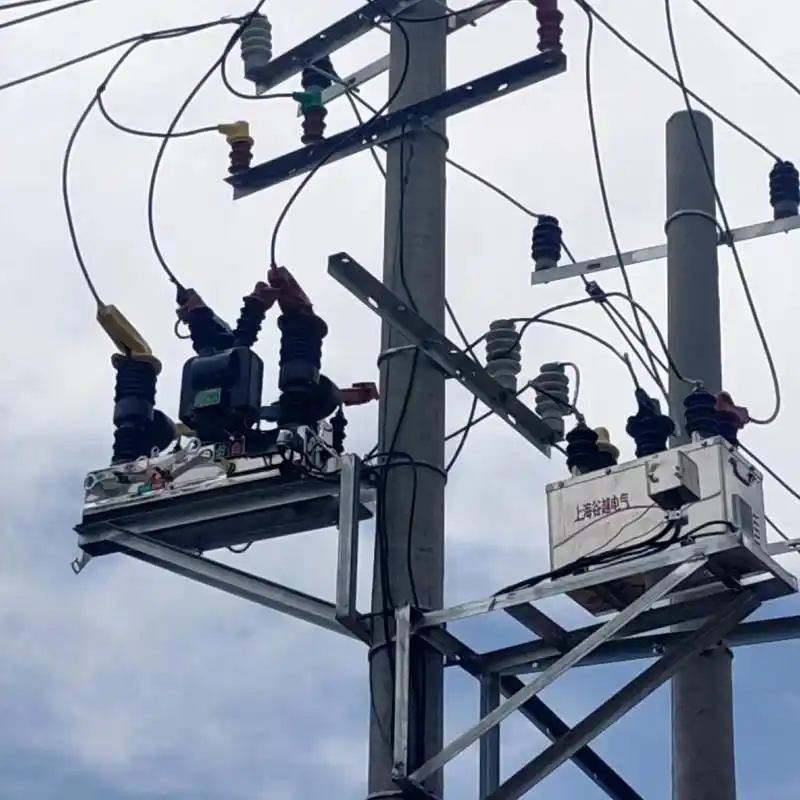
VCB Applications and Standards: Focused on the 11kV-33kV Range
While the VCB is technically applicable in various settings, its core value and dominance are firmly established within the medium-voltage zone, covering 11kV up to 33kV. This range is critical for industrial and urban power delivery.
Key VCB Applications in 11kV-33kV Medium-Voltage Systems
a. Utility Distribution Networks (11kV / 24kV):
This is the VCB’s primary operational territory. It is essential for protecting substation transformers, distribution feeders, and busbars, forming the very backbone of urban and industrial power reliability.
b. Power Transmission Substations (33kV):
At the higher 33kV level, VCBs are deployed as primary circuit breakers, responsible for isolating faults on main transmission trunk lines. They are absolutely critical for maintaining regional grid stability and preventing widespread outages.
c. Industrial Facilities (11kV - 33kV):
Heavy Industry: VCBs provide reliable and swift protection for large motors, generator outputs, and essential power capacitor banks. They are particularly valued in metallurgy and chemical plants, where high-reliability, high-frequency switching is paramount.
d. Renewable Energy Grid Integration (15kV / 24kV):
In the rapidly expanding sectors of wind and solar power generation, VCBs are used to aggregate and distribute the medium-voltage power output. They ensure the safe interconnection and fault isolation of distributed energy resources onto the utility grid.
Critical Technical Standards for U.S. Engineers (IEEE and ANSI)
The design, manufacturing, and testing of VCBs must strictly adhere to American national standards to ensure universal interchangeability and guaranteed reliability across the North American grid infrastructure. These standards provide a basis for regulatory compliance.
1. IEEE C37.04 & C37.06: These are the foundational standards from the American National Standards Institute (ANSI) and the Institute of Electrical and Electronics Engineers (IEEE) for AC high-voltage circuit breakers. They precisely define the ratings, testing methodologies, and performance criteria for VCBs operating specifically within the 4.76 kV to 38 kV medium-voltage class.
2. Rated Parameter Considerations: When engineers select a VCB for a system between 11kV and 33kV, they must diligently balance several critical parameters. These include the Rated Voltage, Rated Continuous Current, Rated Short-Circuit Interrupting Current, and the Rated Short-Time Withstand Current. The interrupting current is the most definitive metric for the VCB's ability to handle extreme fault conditions.
❗ Note: The Rated Short-Circuit Interrupting Current must always exceed the system's maximum prospective short-circuit current. Inadequate selection can lead to catastrophic breaker failure during a fault.
Comparative Analysis: VCB Trade-offs Against Other Breaker Technologies
A true professional understanding of the VCB's value is best gained through a rigorous comparison with its main technological counterparts. This comparison confirms the VCB’s superior placement within the 11kV-33kV segment.
VCB Versus ACB (Air Circuit Breaker)
| Characteristic | VCB (Vacuum Circuit Breaker) | ACB (Air Circuit Breaker) | Conclusion |
| Voltage Class | Medium to High Voltage (3.3kV - 36kV) | Low Voltage (Below 1kV) | Different domains; VCB is the superior choice for 11-33kV. |
| Arc Quenching | High Vacuum | Atmospheric Air | VCB is faster, more reliable, and cleaner. |
| Maintenance Need | Extremely Low | Requires periodic contact inspection and servicing | VCB offers significant life cycle cost benefits. |
VCB Versus SF6 (Sulfur Hexafluoride Breaker)
Performance Differentiation: For applications below 36kV (which includes the entire target range of 11kV-33kV), the VCB has conclusively surpassed the SF6 breaker in terms of both performance and long-term reliability. SF6 technology retains a functional advantage primarily within the Extra High Voltage (>145kV) sector, where its superior insulation properties are required.
Environmental Imperative: This remains the most significant differentiator. The enormous environmental footprint and regulatory compliance costs associated with SF6 leaks are rapidly accelerating its obsolescence in the medium-voltage sphere. VCB, as a genuinely zero-emission alternative, continues to dominate the replacement market.
Potential VCB Limitations and Solutions
While the VCB is a phenomenal technology, electrical engineers must be aware of its specific limitations:
a. Initial Cost Sensitivity: The upfront investment for a VCB can be marginally higher than that for Oil Circuit Breakers (OCBs) or ACBs.
Professional Solution: This is best addressed by performing a detailed LCC analysis, which will decisively prove its superior long-term economic value.
b. The Current Chopping Phenomenon: This issue can occur when the VCB interrupts a very small inductive current. The high efficiency of the vacuum interruption can prematurely chop the current before its natural zero-crossing, potentially generating a damaging overvoltage spike.
Professional Solution: Modern VCBs mitigate this risk through the use of low-chop contact materials and external overvoltage protection devices.

Conclusion and Professional Insight: The Future Mandate of the VCB
The Vacuum Circuit Breaker (VCB) has firmly established itself as the undisputed champion within the 11kV-33kV medium-voltage distribution segment.
Through its revolutionary vacuum interruption technology, it uniquely meets the modern grid's trifecta of demands: safety, efficiency, and environmental compliance.
While the initial capital expenditure may be slightly elevated, the VCB's unparalleled reliability and vastly lower life cycle costs make it an exceptionally prudent investment for any sustainable power system. For the future of the electric grid, the VCB is not just a protective device—it is the critical enabling technology for green energy transition and grid modernization.
Frequently Asked Questions
1. What is VCB's 'Current Chopping' issue, and how is it addressed in modern designs?
Answer: Current Chopping is the premature interruption of a low inductive current by the VCB before its natural zero point. This can create a high-magnitude switching overvoltage on the line.
Contemporary designs manage this risk effectively using low-chop contact materials and integrating surge arresters.
2. What is the expected service life for a VCB, and what criteria are used for replacement?
Answer: Service life is categorized as mechanical life (often exceeding 30,000 operations) and electrical life, determined by the cumulative fault current interrupted.
Replacement criteria include: 1) Degradation of the VI's vacuum level; 2) Cumulative contact erosion reaching the manufacturer's specified limit.
3. Are special qualifications or tools required for VCB installation and maintenance?
Answer: Yes. All installation, testing, and maintenance must be performed exclusively by qualified electrical technicians who adhere strictly to NFPA 70E standards.
4. Can VCBs be deployed outdoors, and how are they protected from severe weather?
Answer: Yes. While the VCB element is sealed, it is housed within purpose-built enclosures like GIS or AIS cabinets for outdoor use, providing necessary environmental protection (usually IP54 or higher).
5. How does the VCB compare to the SF6 breaker in terms of overall life cycle cost?
Answer: The VCB's initial cost may be higher, but its Life Cycle Cost (LCC) is superior due to zero SF6 gas handling costs and minimal maintenance requirements, making it the more economical choice over 20 years.
6. Why is the VCB not typically used in Extra High Voltage (EHV) applications?
Answer: In EHV (e.g., above 145kV), multiple vacuum interrupters must be placed in series to manage the voltage, significantly increasing complexity and cost. SF6 technology remains the more cost-effective solution for EHV lines.
7. How is the VCB status monitored remotely in a modern utility context?
Answer: Modern VCBs integrate into smart switchgear. Key parameters (like operation count, contact wear) are collected via sensors and transmitted to SCADA systems using protocols like IEC 61850 for remote diagnostics and predictive maintenance.